As a fashion accessory manufacturer, I often meet buyers like Ron from the U.S. who are confident and take charge. They want to create accessory lines but worry about sustainability. They ask, "How can I build a collection that is both eco-friendly and profitable?" This is a common concern in today’s market.
Creating a sustainable accessory line involves using eco-friendly materials, implementing ethical production, designing for longevity, and building a transparent supply chain. It’s not just a trend; it’s a smart business strategy that meets growing consumer demand and can set your brand apart.
Many brands think sustainability is too costly or complex. But with the right partner, it can be straightforward and beneficial. Let’s explore how you can develop a successful sustainable accessory line that appeals to modern consumers.
What Are The Best Sustainable Materials For Accessories?
Choosing the right materials is the first step toward sustainability. Many buyers focus on price but overlook the long-term benefits of eco-friendly options.
The best sustainable materials for accessories include organic cotton, recycled polyester, bamboo, cork, and jute. These materials reduce environmental impact, appeal to eco-conscious consumers, and often offer high quality and durability for products like scarves, hats, and bags.
Using these materials can help you avoid issues like resource depletion. For example, organic cotton uses less water and no pesticides. This makes your products more attractive to buyers who care about the planet.

Why should you consider recycled materials?
Recycled materials, such as recycled polyester, are made from post-consumer waste like plastic bottles. This reduces landfill waste and energy use. In our factory, we use recycled fabrics for scarves and tote bags. These materials are strong and colorfast. They meet high quality standards. Many of our clients in Europe love these options because they support a circular economy. Choosing recycled materials can also lower your carbon footprint. It aligns with global sustainability goals.
How do natural fibers benefit your line?
Natural fibers like organic cotton and bamboo are biodegradable and renewable. Organic cotton is grown without harmful chemicals. It is soft and hypoallergenic, perfect for hair accessories and gloves. Bamboo grows quickly and needs little water. We use it for headbands and shawls. These fibers are comfortable and safe for sensitive skin. They also help farmers and communities by promoting safer farming practices. By using natural fibers, you can create products that are gentle on the skin and the environment.
How To Implement Ethical Production Practices?
Ethical production ensures that your accessories are made in safe, fair conditions. This is crucial for building a reputable brand.
Implement ethical production by partnering with certified factories, ensuring fair wages and safe workplaces, and conducting regular audits. This builds trust with customers and improves product quality, making your accessories more desirable in markets like North America and Europe.
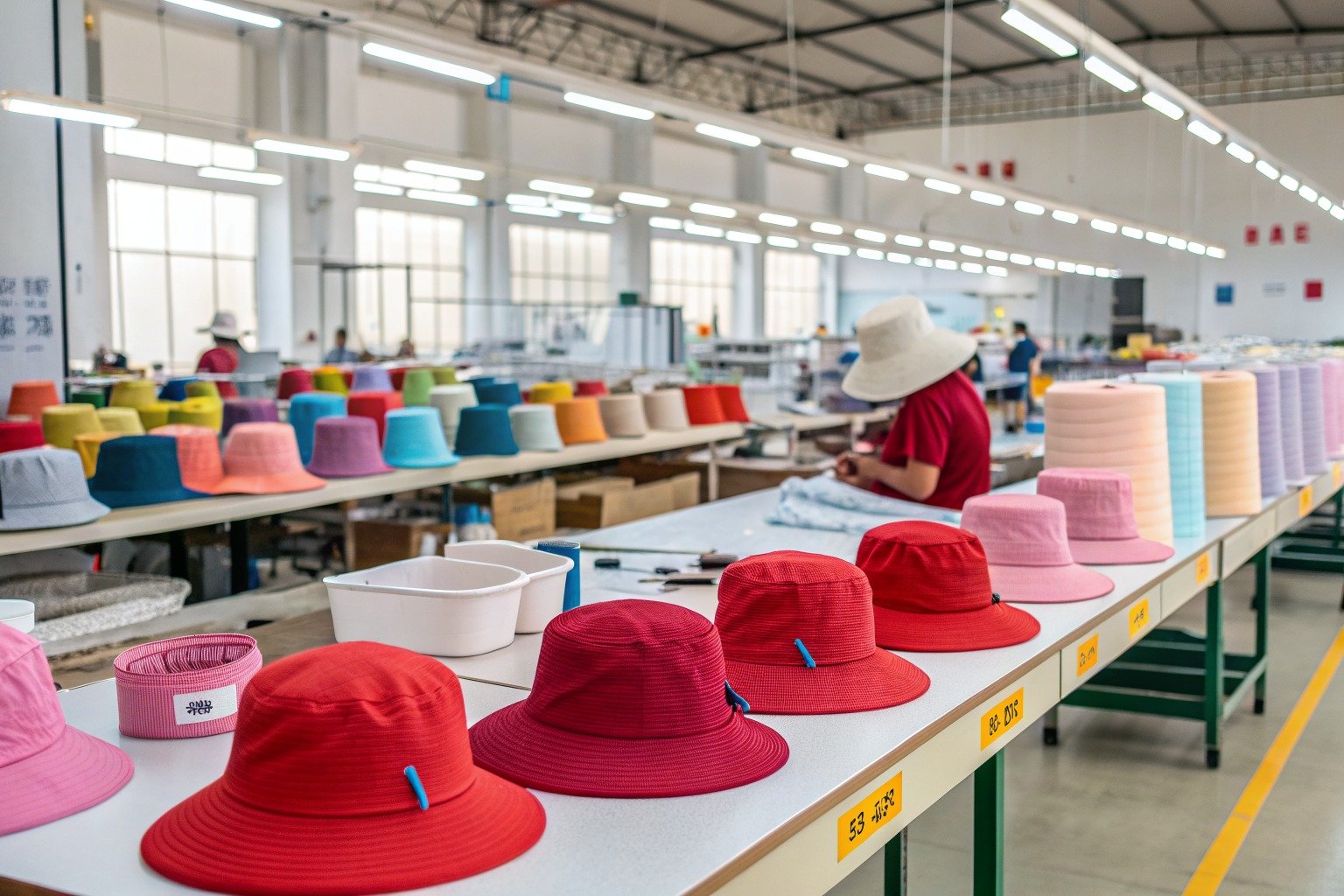
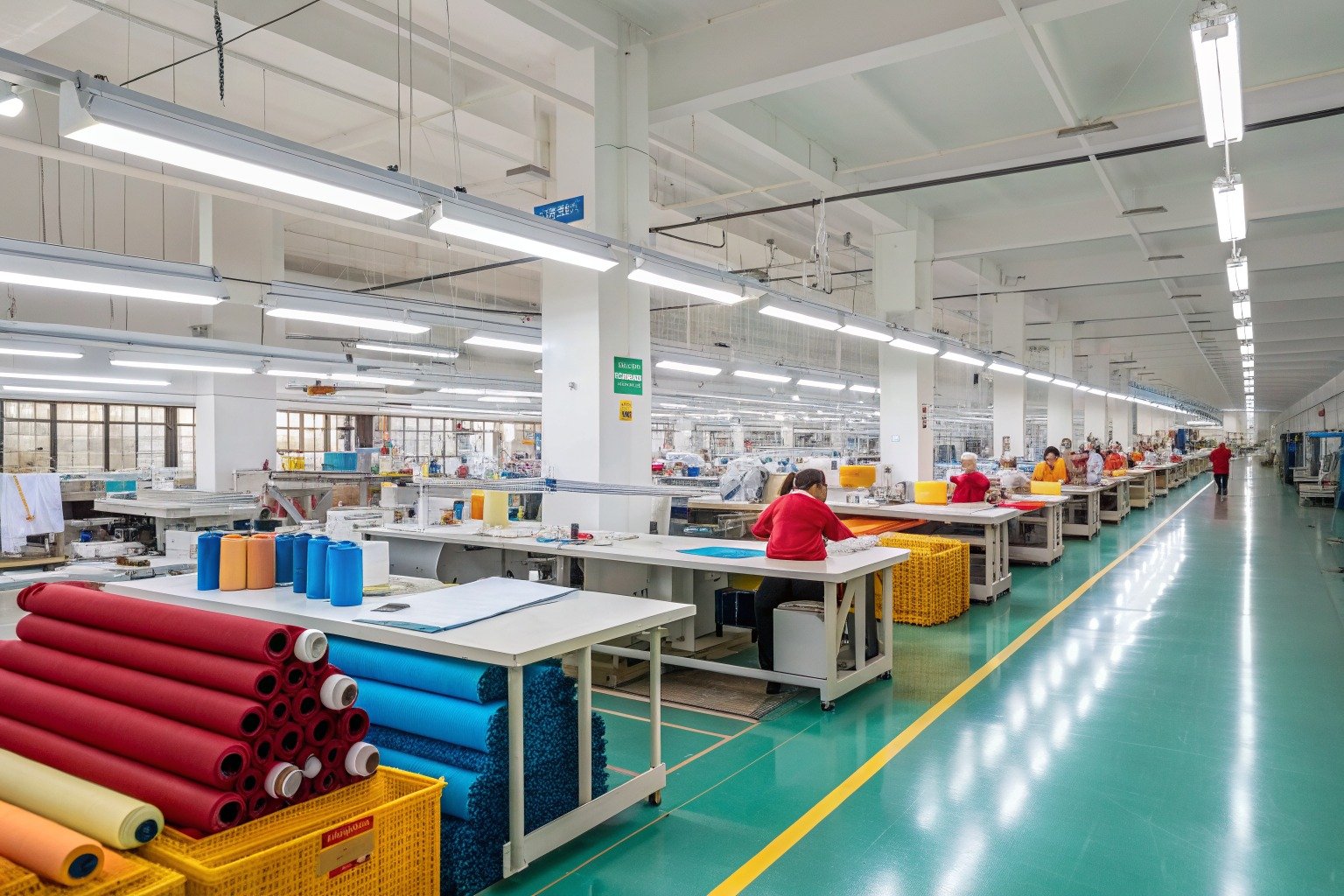
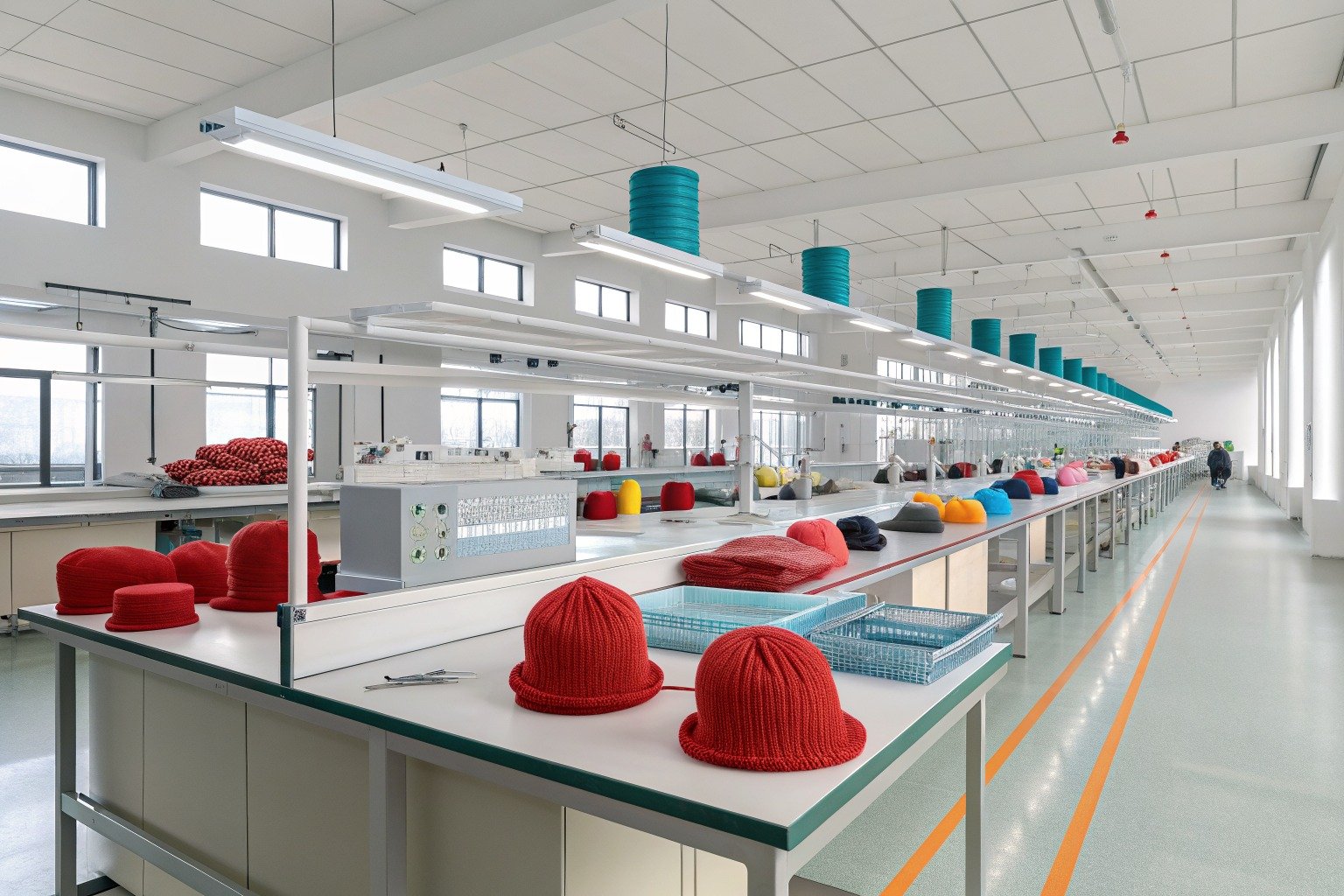
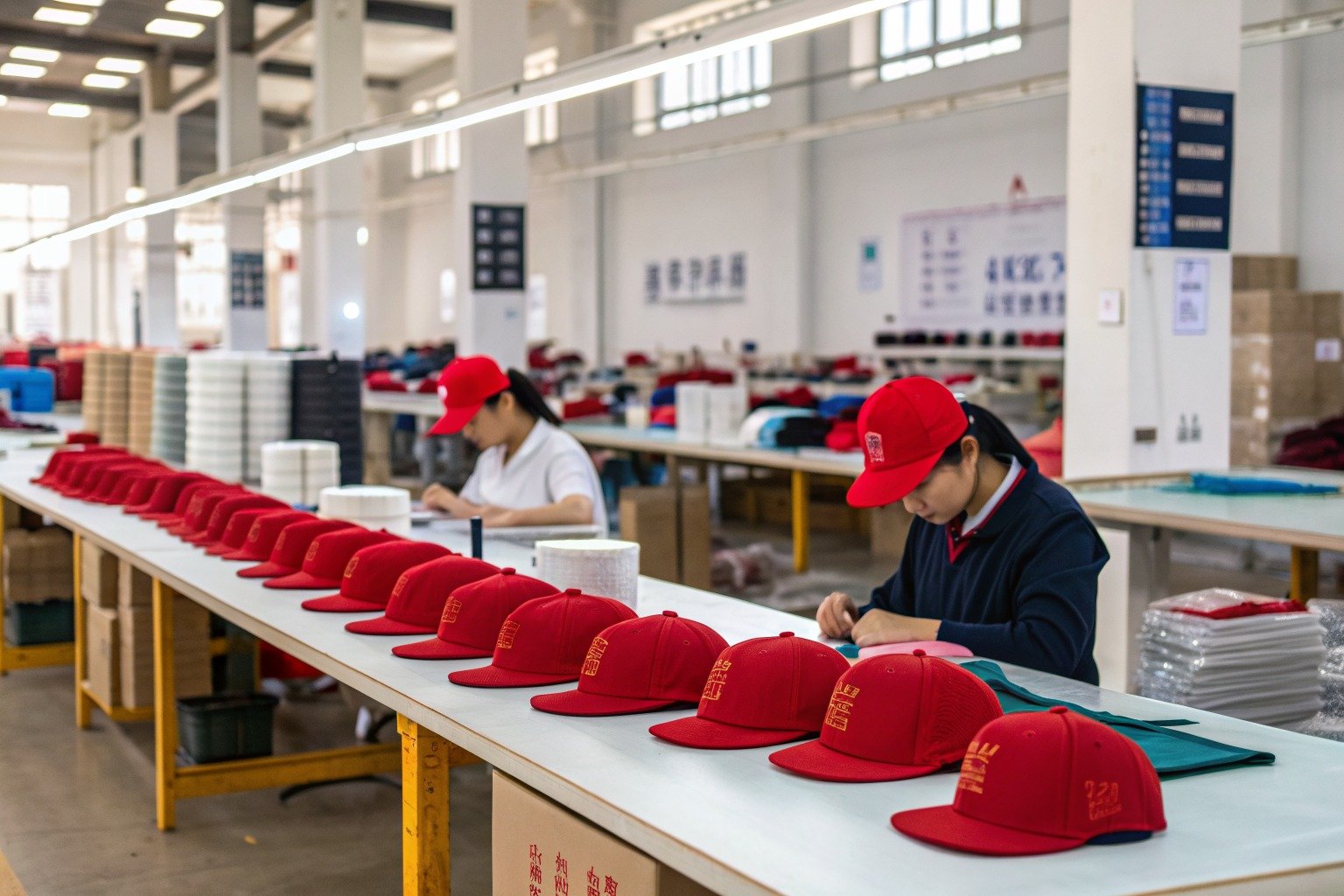
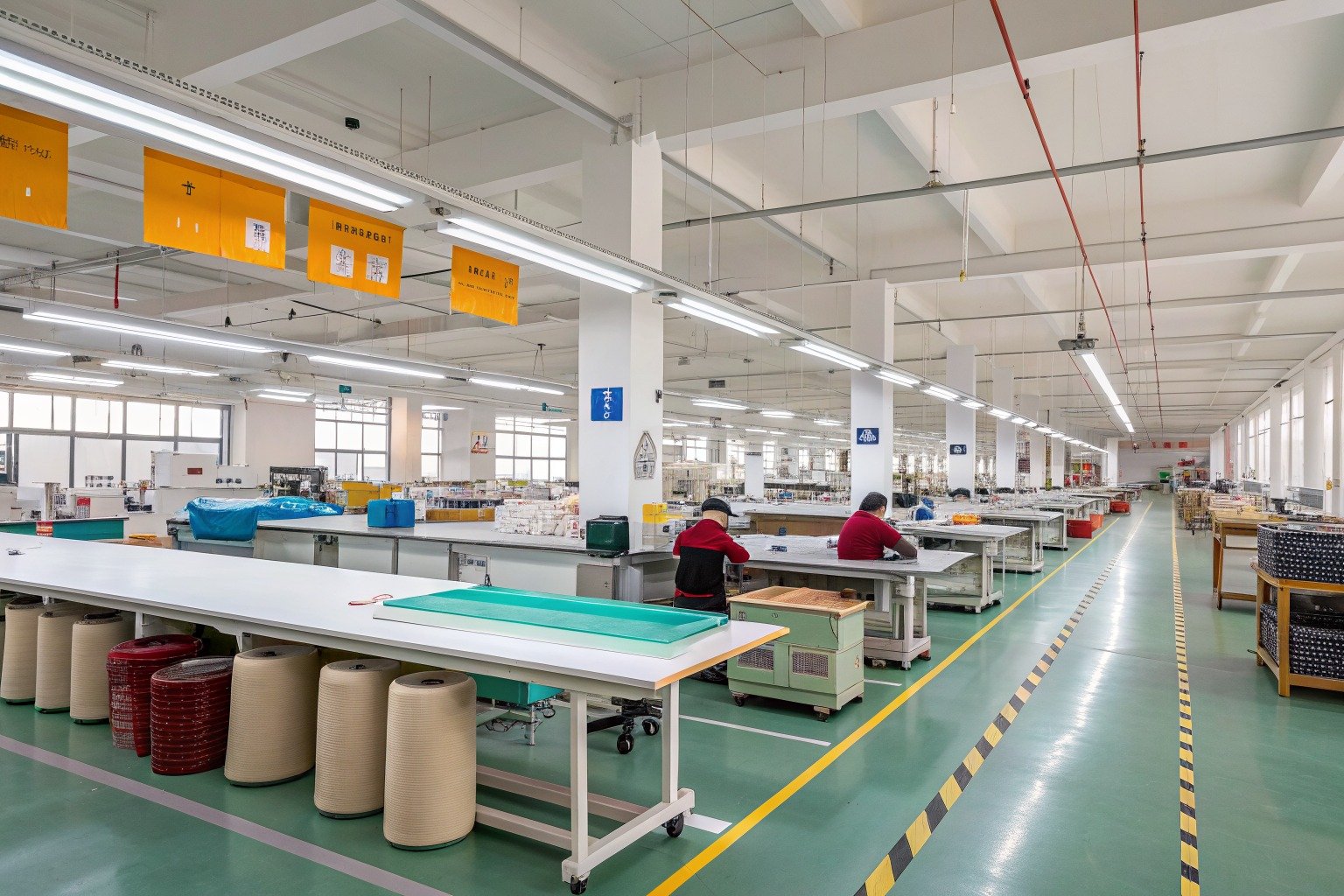
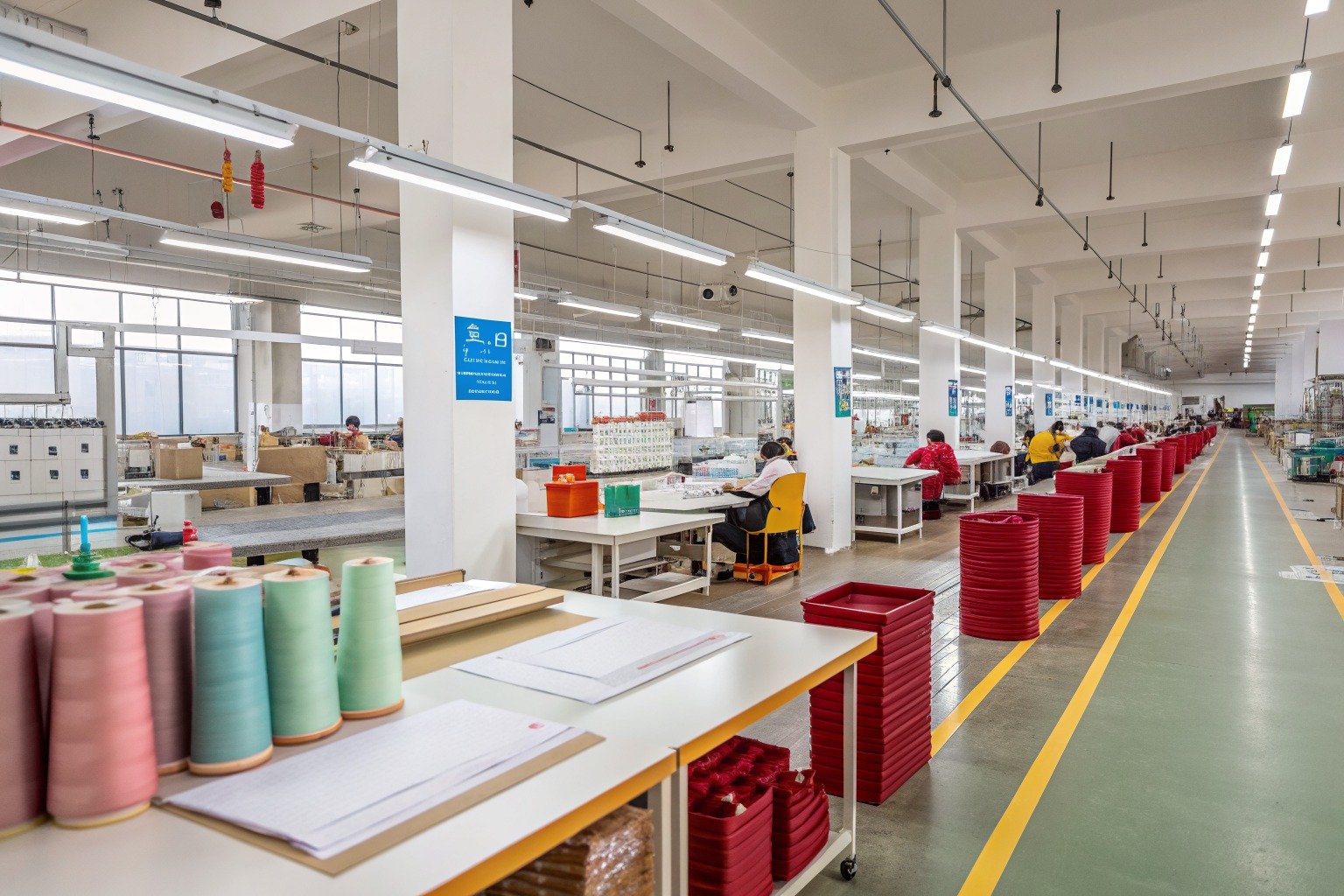
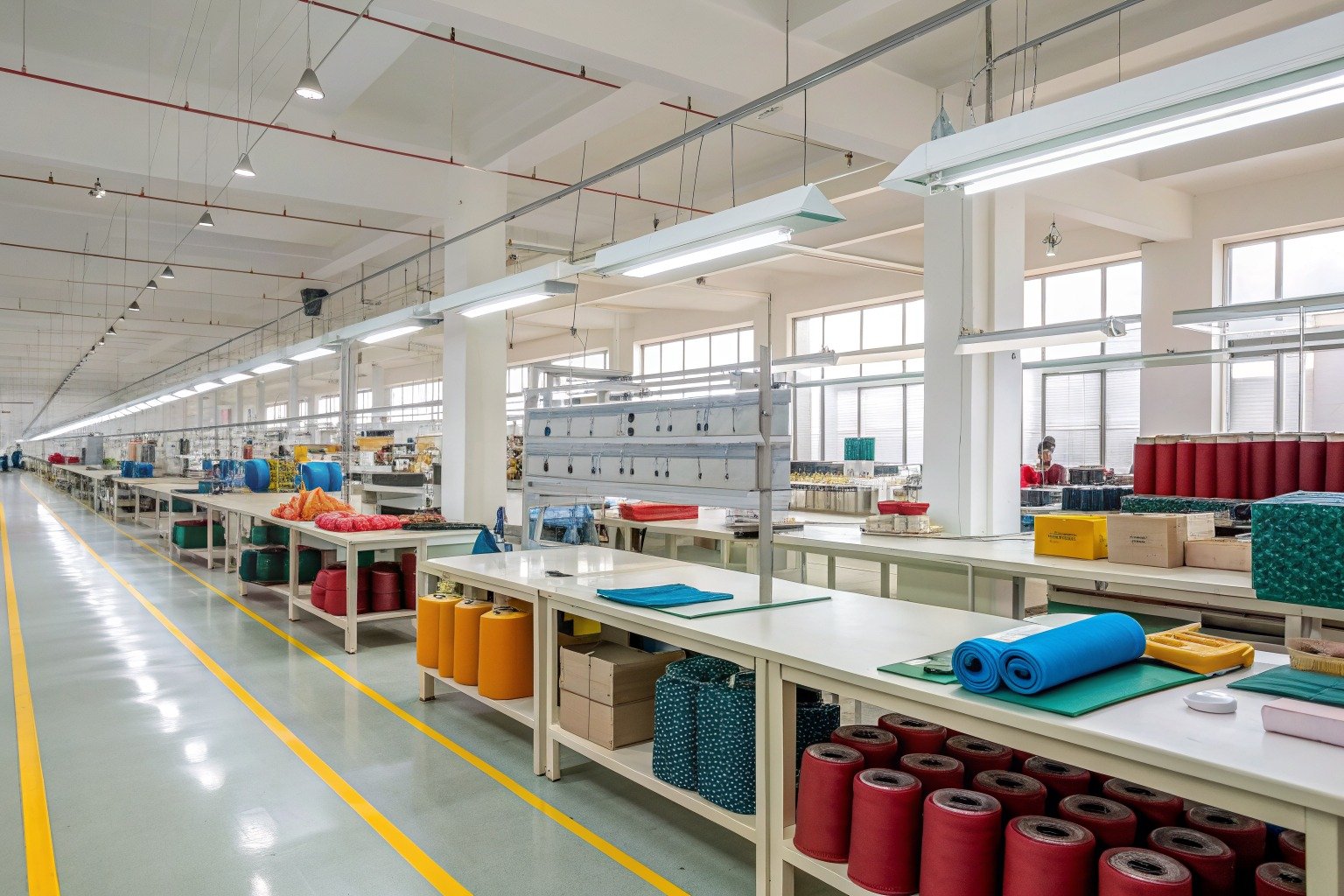
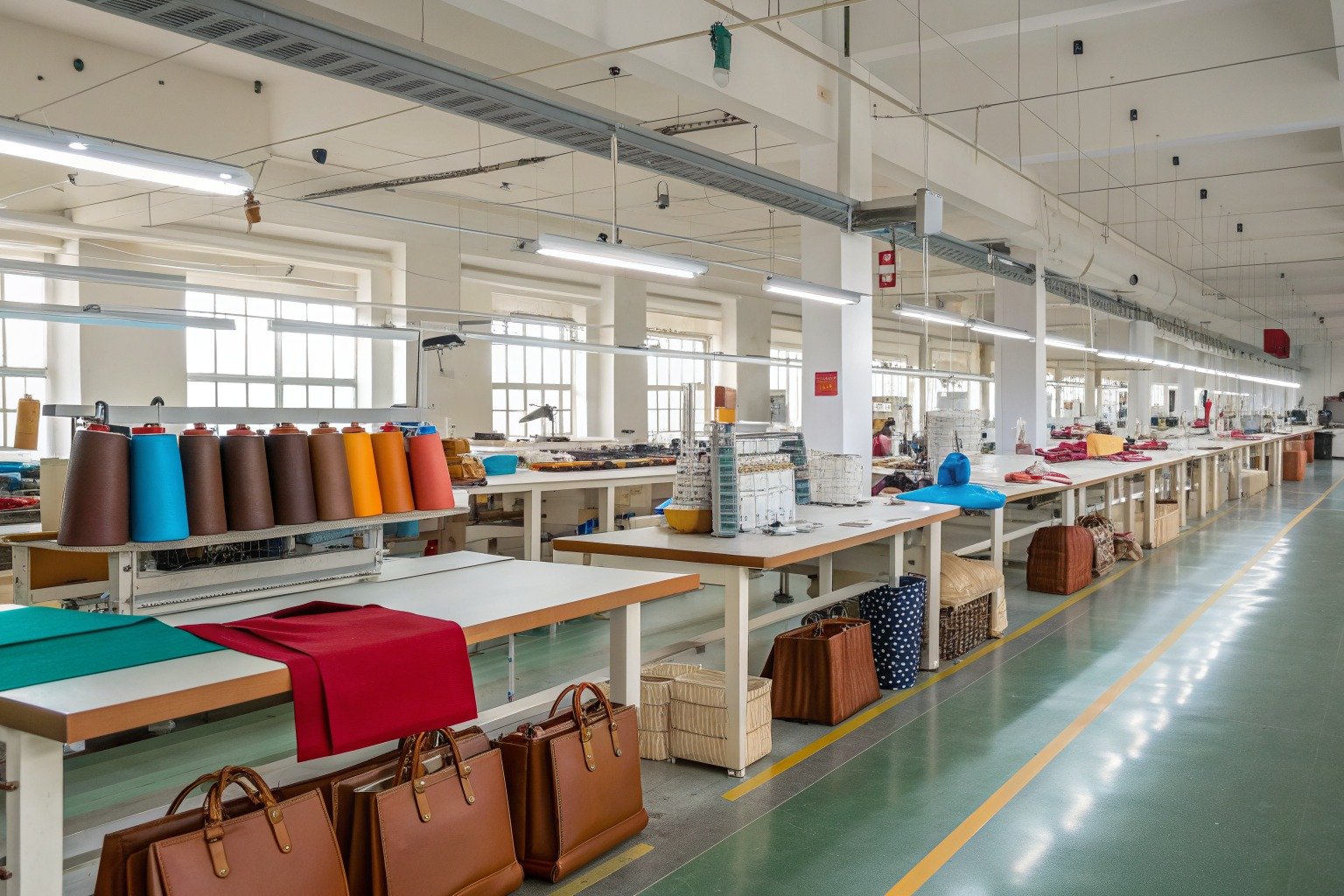
Ethical practices also boost worker morale and reduce turnover. In our Zhejiang facility, we maintain a clean, modern environment. Our quality control team monitors every step. This ensures that each hair clip or belt meets strict standards.

What role do factory certifications play?
Certifications like ISO 9001 and B Corp verify that a factory follows ethical guidelines. They cover fair labor practices and environmental care. We are proud of our certifications. They show our commitment to responsibility. These badges assure buyers like Ron that our production processes are transparent. Certified factories are less likely to have disruptions. This means reliable delivery for your orders. Investing in certified partners helps you avoid risks and build a positive brand image.
How can you ensure safe working conditions?
Safe conditions require proper training, equipment, and space. We provide protective gear and regular safety drills. Our factory is well-lit and ventilated. This prevents accidents and health issues. For example, when producing metal hair clips, we ensure machines have guards. We also offer fair wages and overtime pay. This reduces worker stress and improves product quality for items like belts and caps. Happy workers make better products. By prioritizing safety, you create a stable supply chain that delivers on time.
Why Is Design For Longevity Important?
Designing accessories to last longer reduces waste and encourages mindful consumption. It’s a key part of sustainability.
Design for longevity is important because it extends product life, reduces replacement frequency, and minimizes environmental impact. By creating durable, timeless pieces like classic scarves or sturdy bags, you build customer loyalty and reduce waste.
Long-lasting designs also mean fewer returns and higher satisfaction. We work with clients to develop accessories that withstand trends and wear. This approach saves money over time and supports a greener planet.

What makes a design timeless?
Timeless designs use neutral colors, simple shapes, and versatile styles. They don’t follow short-lived fads. For instance, a minimalist leather belt or a solid-color knit hat can be worn for years. We help brands choose classic elements that appeal broadly. This reduces the need for frequent redesigns. It also makes marketing easier. Customers appreciate items that remain stylish. By focusing on timelessness, you create value and reduce the environmental cost of fast fashion.
How does durability impact sustainability?
Durable products resist damage and last longer. We use reinforced stitching for bags and backpacks and quality dyes for scarves and hair bands that don’t fade. This means customers don’t need to replace items often. It cuts down on waste and resource use. For example, a strong baseball cap made with robust materials can endure daily wear. Durability also leads to positive reviews and repeat business. By prioritizing long-lasting construction, you support sustainability and customer satisfaction.
How To Build A Transparent Supply Chain?
Transparency in the supply chain builds trust and ensures accountability. It allows buyers to trace the journey of their products.
Build a transparent supply chain by mapping all suppliers, sharing audit reports, and using tracking technologies. This openness helps verify ethical practices, reduces risks, and meets consumer demands for honesty, which is vital for tariffs and logistics.
A clear supply chain also speeds up issue resolution. We provide real-time updates on orders, from material sourcing to shipping. This helps clients like Ron manage schedules and avoid delays.

Why is supplier mapping essential?
Supplier mapping identifies every step from raw material to finished product. It shows where materials come from and who handles them. We map our sources for cotton and recycled fabrics. This ensures no unethical practices are involved. It also helps in logistics planning for shipping. For buyers, this means fewer surprises and better control. Mapping allows you to showcase your commitment to sustainability. It can be a powerful marketing tool that attracts informed consumers.
How can technology enhance transparency?
Technology like blockchain and IoT sensors tracks products in real time. It records each stage of production and shipping. We use systems that provide updates on order status and customs clearance. This reduces errors and delays. For example, clients can see when their glove shipment leaves the factory. This transparency builds trust and efficiency. It also helps with tariff calculations by providing accurate data. Adopting these tools makes your supply chain resilient and reliable.
Conclusion
Creating a sustainable accessory line is achievable with the right approach. Focus on eco-friendly materials, ethical production, durable design, and supply chain transparency. These steps not only help the environment but also boost your brand’s appeal and profitability. As consumer demand for responsible products grows, sustainability becomes a competitive advantage.
If you’re ready to develop your own sustainable accessory line, partner with us for expert support. Contact our Business Director Elaine at elaine@fumaoclothing.com to discuss your project and how we can help you create high-quality, eco-conscious products that stand out in the market.