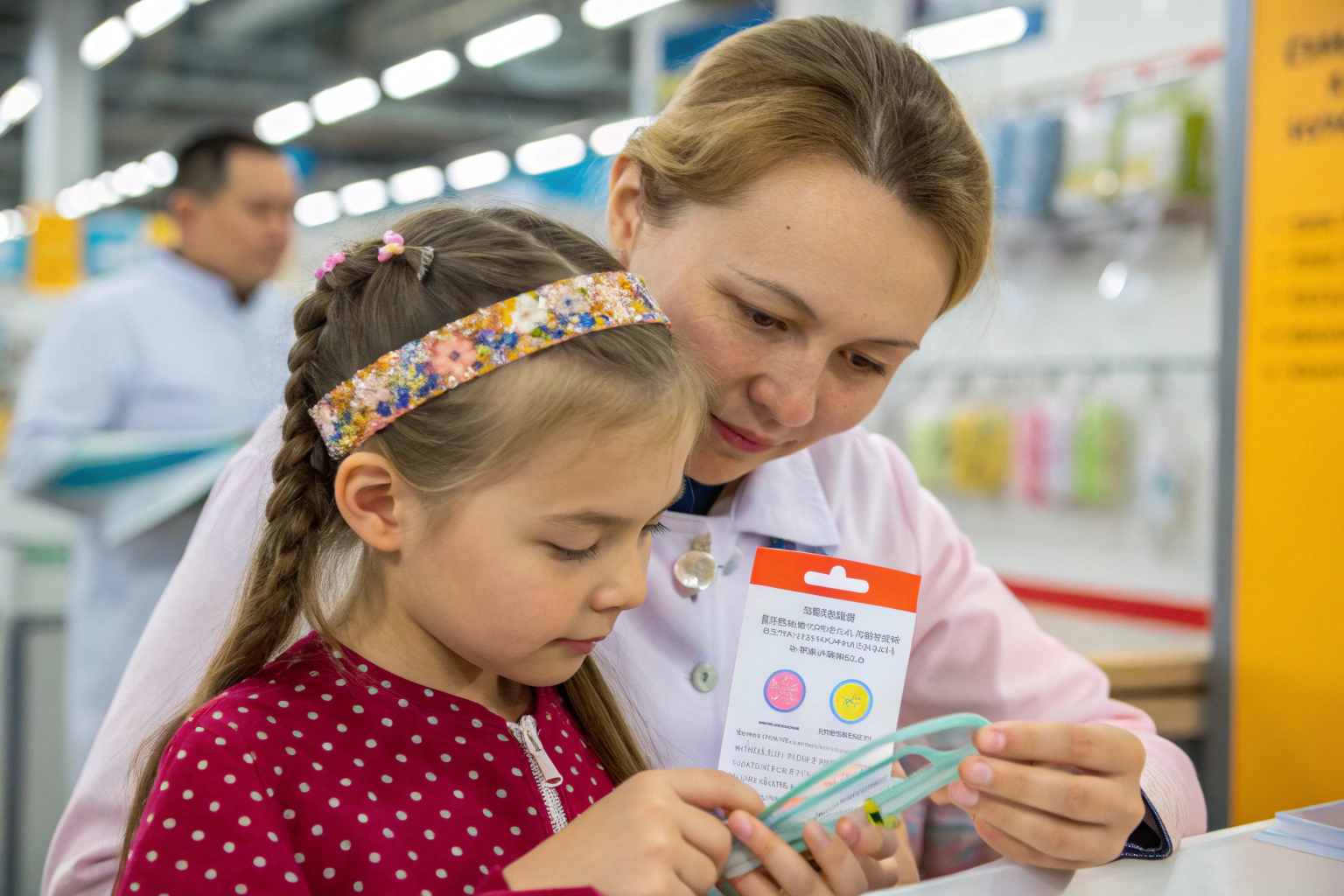
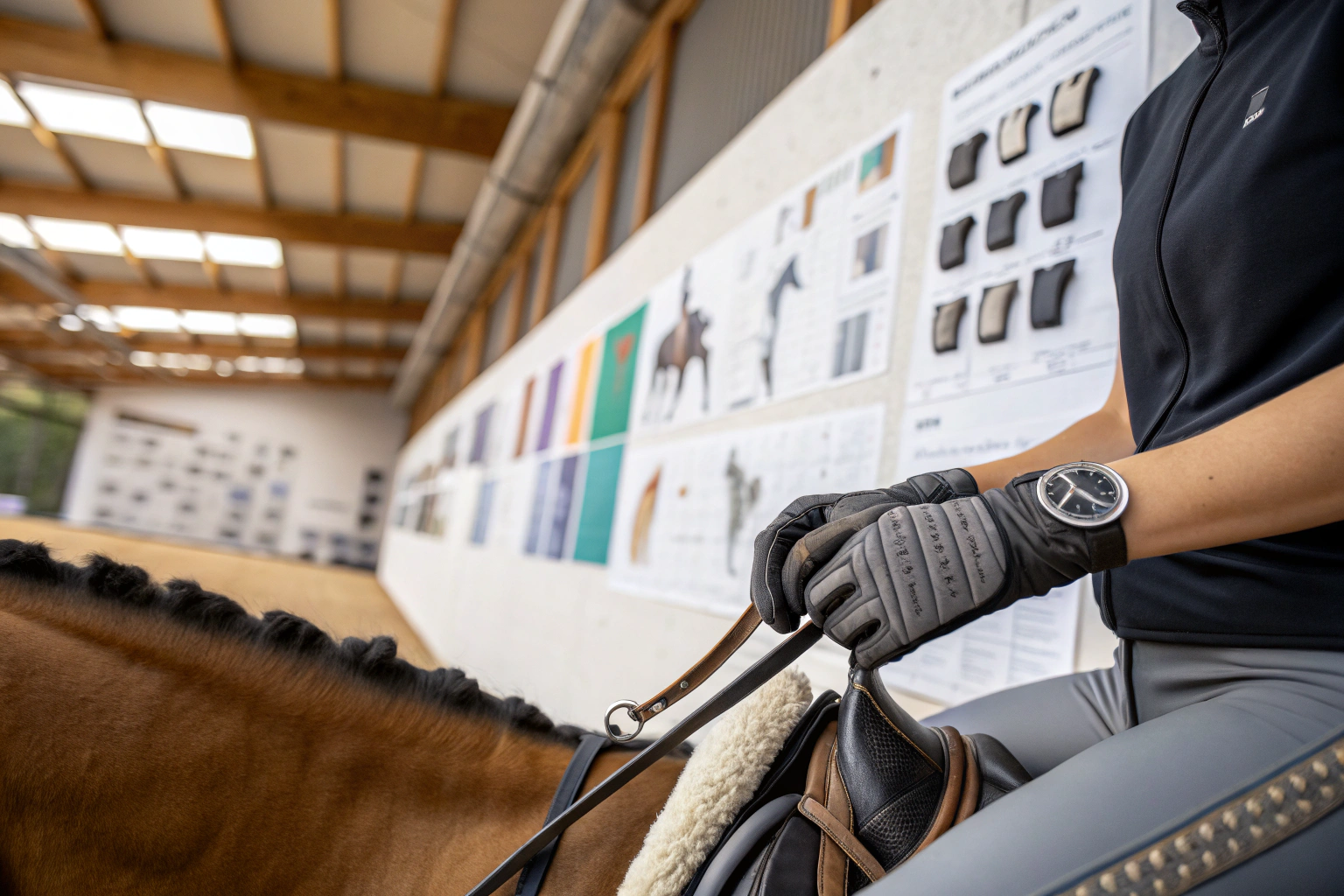
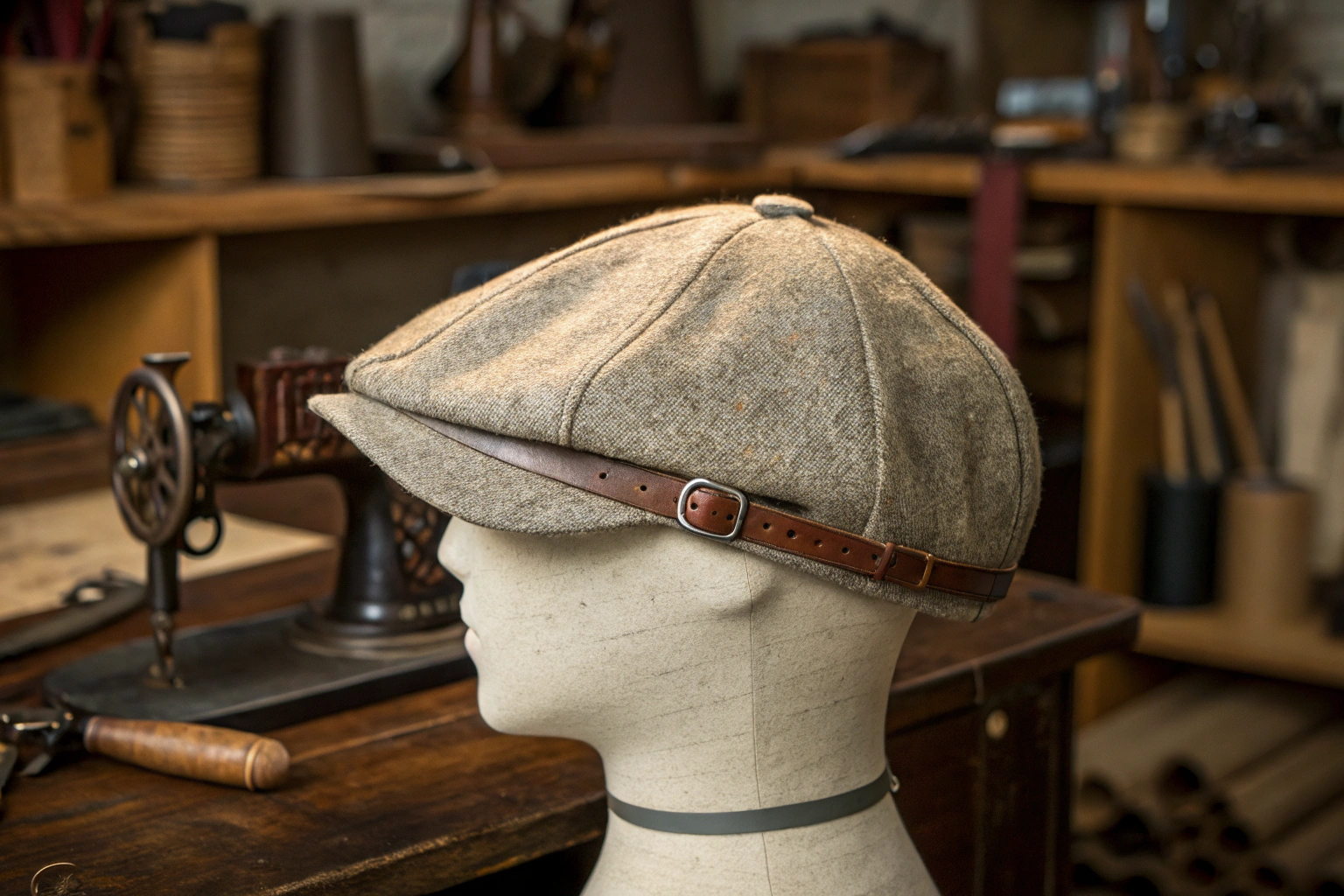
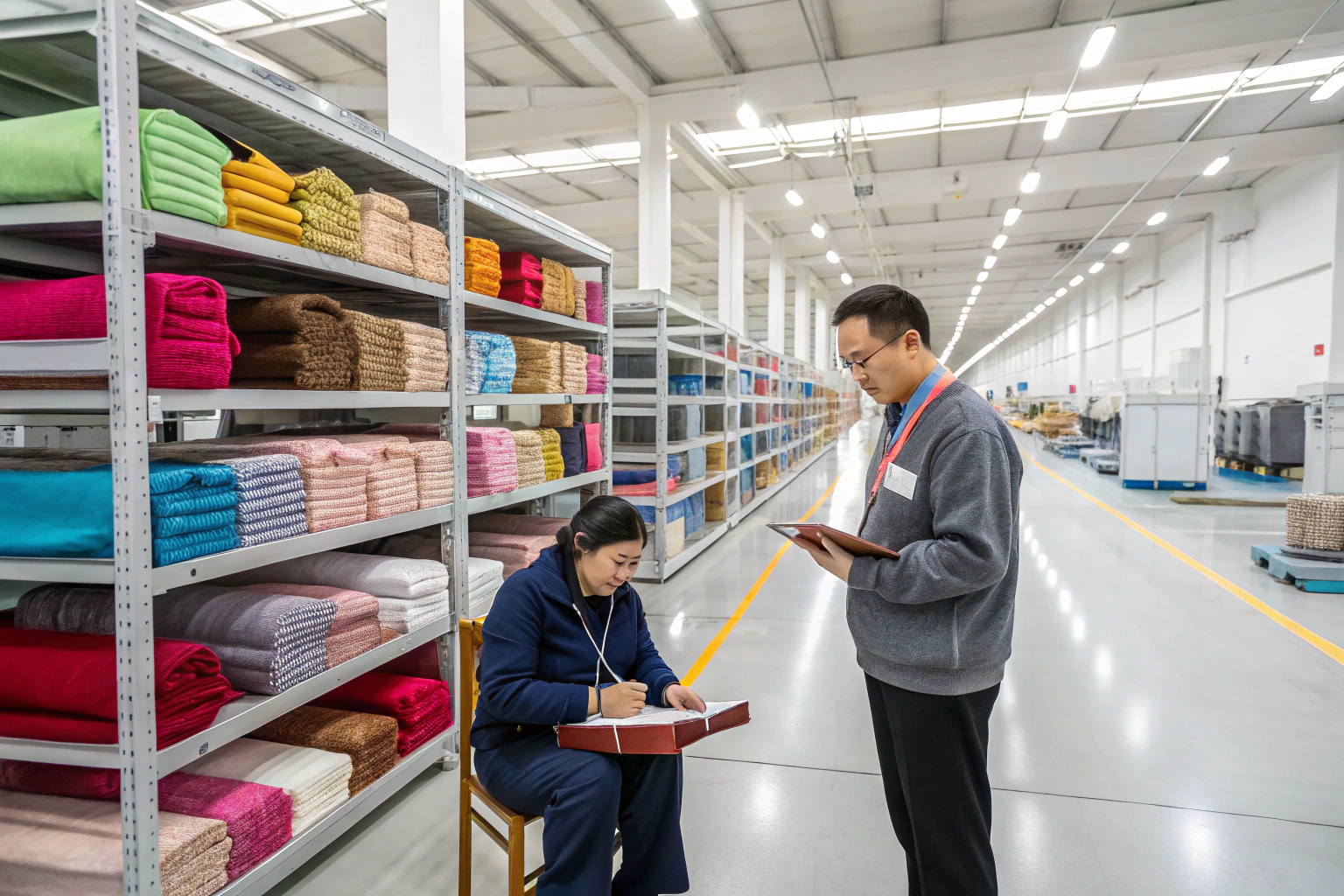
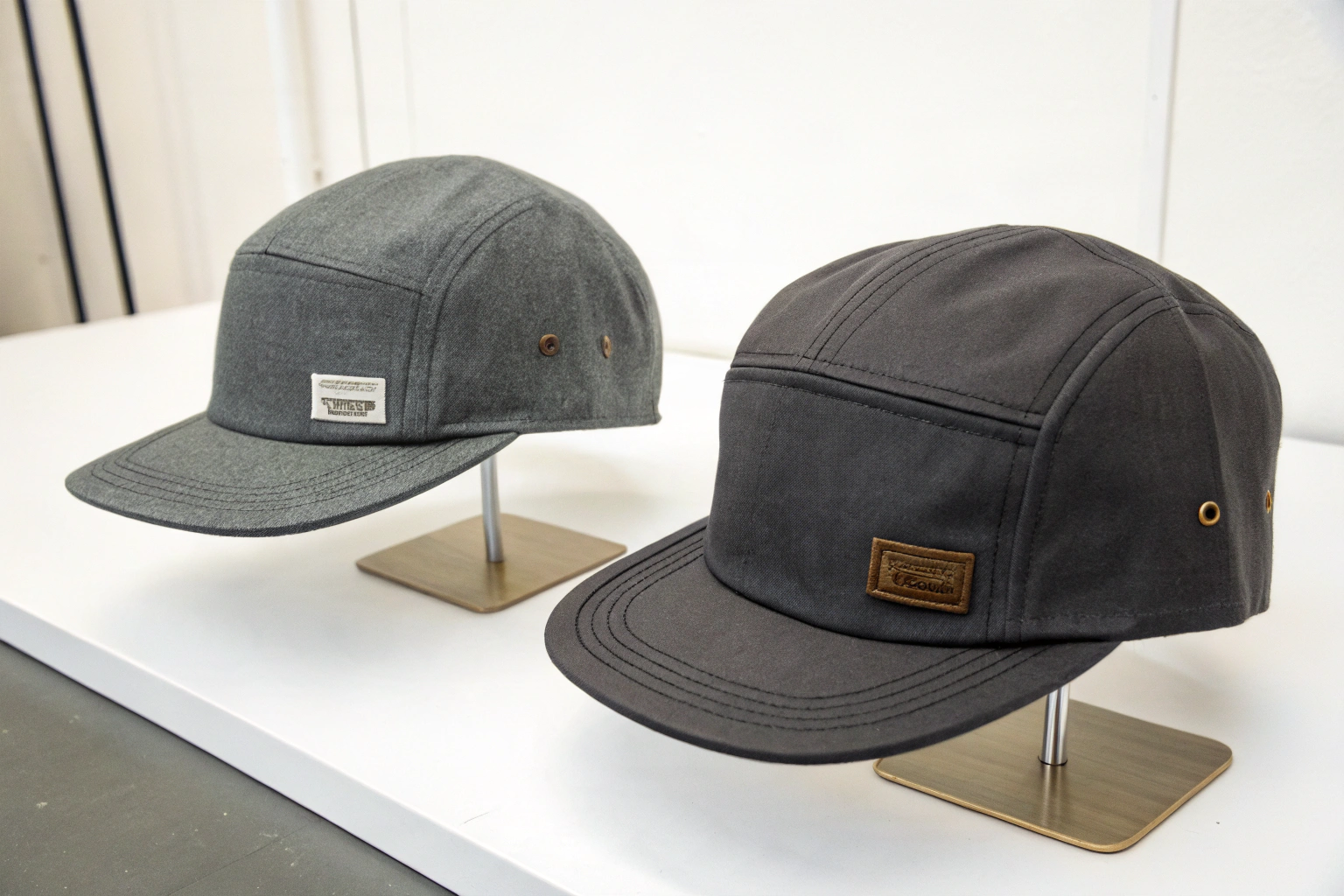
As a manufacturer who has worked with numerous European brands, I've witnessed a significant shift in design preferences. For years, our European clients, from major supermarkets to fashion importers, have been requesting simpler, cleaner accessory designs. This isn't just a fleeting trend; it's a fundamental change in consumer behavior. Why are styles that are less ornate and more focused on essential forms becoming so dominant in markets from Germany to the UK? The answer is complex, rooted in cultural, economic, and practical reasons that we see influencing orders every day.
The appeal of minimalist designs in Europe is driven by a confluence of factors: a growing consumer preference for sustainability and timeless style over fast fashion, the influence of Scandinavian and other European design philosophies that value function, and the practical benefits for brands, including easier manufacturing and lower tariff impacts due to simpler construction. This shift is particularly evident in accessories like scarves, belts, and our range of headwear, where clean lines and versatile colors are now paramount.
Understanding this trend is crucial for any business looking to succeed in the European accessories market. Let's explore the key reasons behind this movement and what it means for brands and retailers.
How Does Consumer Mindset Drive Minimalist Trends?
The modern European consumer is increasingly conscious. They are more informed and more concerned about the environmental and ethical impact of their purchases. This awareness directly fuels the desire for minimalism. Consumers are moving away from the 'buy-and-dispose' model of fast fashion. They are actively seeking out products that offer longevity, both in terms of physical durability and stylistic relevance. A minimalist accessory, by its nature, is designed to be timeless. This aligns perfectly with the growing sustainable fashion movement, which prioritizes quality over quantity and reduces waste.
The desire for versatility is another powerful driver. In a post-pandemic world, people value flexibility and practicality. A minimalist leather belt or a simple, high-quality knit cap can be paired with multiple outfits for different occasions. This "capsule wardrobe" approach, where a few key items can create many looks, is highly appealing. It offers consumers better value for their money and simplifies their daily choices. This shift is a direct response to the overload of fast fashion, pushing consumers towards pieces that offer both aesthetic and functional simplicity.

What Role Does Sustainability Play?
Sustainability is no longer a niche concern; it's a mainstream demand in Europe. The minimalist design philosophy naturally supports sustainable practices. It often involves using fewer raw materials, which reduces waste at the source. At our factory, AceAccessory, we see this firsthand. Brands requesting minimalist designs are also more likely to inquire about eco-friendly materials like organic cotton for scarves or recycled metals for hair clips. This synergy between a simple aesthetic and a reduced environmental footprint is a key selling point. Furthermore, the long-lasting nature of these designs means products aren't discarded quickly, combating the throwaway culture associated with fast fashion. Organizations like the Sustainable Apparel Coalition provide resources that help brands and manufacturers measure and improve their environmental impact, a concern increasingly tied to design choices.
How Does Lifestyle Influence Aesthetics?
The modern European lifestyle, particularly in urban centers, is fast-paced and values efficiency. This "less is more" mentality extends to personal style. Consumers are curating their lives and possessions, seeking clarity and calm in a busy world. Their fashion choices reflect this. A minimalist design, free from excessive logos and decorations, offers a sense of sophistication and tranquility. It aligns with a broader cultural movement towards mindfulness and intentional living. People are choosing a sleek, unadorned straw hat or a simple, well-made bag not just as an accessory, but as a reflection of a curated, purposeful life. This is evident in the popularity of concepts like Capsule Wardrobe, which emphasize a small collection of versatile, interchangeable items.
What Are the Key Aesthetic Influences in Europe?
Europe is not a monolith, but certain regional design philosophies have had an outsized influence on the continent's overall aesthetic preferences. The most prominent is Scandinavian design, which originated in the Nordic countries. Its core principles—functionality, simplicity, and a connection to nature—have been widely adopted across Germany, the UK, and beyond. Think of the clean lines of a Danish furniture piece; this same principle applies to a minimalist metal hair clip or a wool scarf in a neutral tone. The focus is on the beauty of the material itself and the purity of the form, not on added decoration.
Another significant influence is the enduring legacy of traditional European craftsmanship. In countries like Italy and France, there is a deep respect for high-quality materials and expert construction. Minimalist designs excel in this context because they put the quality of the craftsmanship front and center. When a design is simple, every stitch on a leather belt or the finish on a metal cup becomes more noticeable. This allows brands to showcase their commitment to quality, a value that resonates deeply with European consumers who are willing to invest in items that last.

How Has Scandinavian Design Shaped Trends?
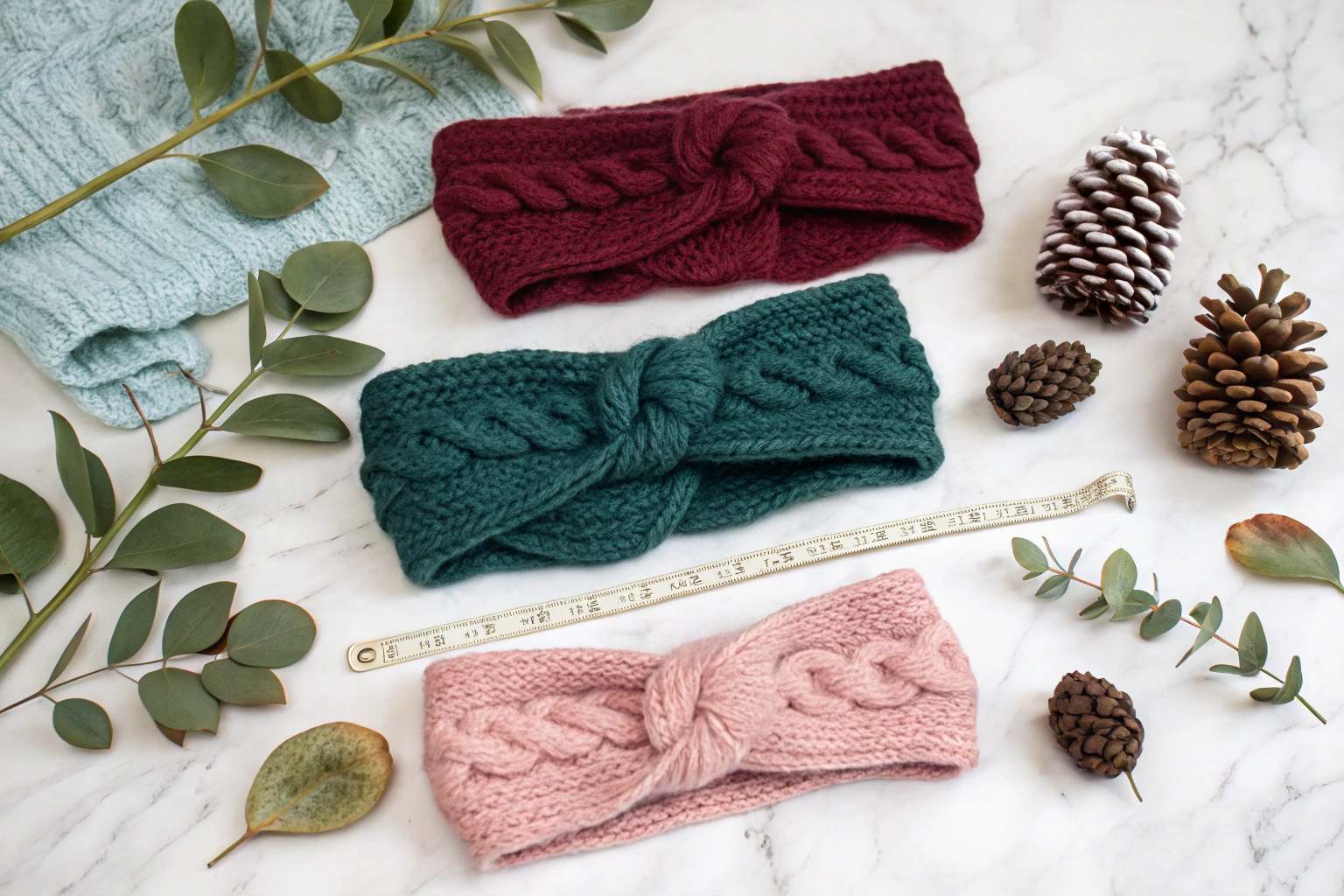
Scandinavian design principles have become a global export, but their penetration in Europe is profound. The concept of "hygge" from Denmark, which emphasizes coziness and comfort, often manifests in simple, textured accessories like knit hats and soft scarves. The Swedish idea of "lagom," which means "not too much, not too little," is the epitome of minimalist balance. For accessory designers, this means creating products that are functional, beautiful, and sufficient. There are no unnecessary elements. This philosophy results in products that are easy to integrate into daily life and have a broad, cross-cultural appeal, making them easier for our clients to sell across different European markets. The influence is clear in the products we manufacture, from the understated elegance of a Scandinavian Design inspired hair band to a functional yet stylish umbrella.
Why is "Quiet Luxury" a Key Factor?
The recent "quiet luxury" trend is a powerful amplifier of minimalist aesthetics. Unlike flashy, logo-driven luxury, quiet luxury is about understated elegance and exceptional quality. It signals taste and status to those "in the know" rather than to the general public. This trend is perfectly served by minimalist designs. A perfectly tailored cloth cap made from the finest materials or a supremely soft cashmere披肩 speaks volumes through its touch and drape, not through loud patterns or branding. For European brands and their customers, this aligns with a more refined and less ostentatious way of displaying sophistication and wealth. This focus on material and cut is a hallmark of Quiet Luxury, a trend that continues to gain momentum.
How Do Minimalist Designs Benefit Brands and Retailers?
From a business perspective, minimalist designs offer significant advantages that go beyond just aligning with consumer taste. One of the most critical benefits is the streamlining of the supply chain and production process. A design with fewer components, complex prints, or intricate decorations is inherently faster and often less expensive to produce. At AceAccessory, we can execute a run of simple, solid-color hair clips or classic baseball caps with greater speed and higher yield than highly detailed, season-specific designs. This efficiency allows for faster production times, helping brands like yours get products to market quicker.
Furthermore, minimalist products are inherently more versatile and have a longer shelf life. A timeless leather belt or a simple stainless steel cup is not tied to a specific seasonal trend. This reduces the risk of dead stock for retailers and large supermarkets. These products can be carried over from one season to the next, providing a stable, evergreen foundation for any inventory. This commercial stability is incredibly valuable in an unpredictable economic climate. It also simplifies logistics and can offer advantages in customs clearance, as simpler products can sometimes have more straightforward classification.

Can Simplicity Lead to Faster Production?
Absolutely. Complexity in design often introduces complexity in manufacturing. A hair band with multiple materials, dyes, and attachments requires more sourcing, more quality control checkpoints, and a longer assembly time. In contrast, a minimalist design focuses on a cohesive structure and often a more limited color palette. This allows our factory to optimize our production lines for efficiency. We can produce high volumes without compromising on quality control. This speed-to-market is a crucial competitive edge for brands responding to the fast-paced retail environment. Efficient Production Lead Time is a key metric for any business importing from China, and minimalist designs directly contribute to improving it.
Do Minimalist Products Offer Better ROI?
The return on investment for minimalist accessories can be significantly higher over time. Their timeless nature means they are less likely to be discounted at the end of a season. This protects profit margins for brands and retailers. Additionally, the focus on quality materials and construction means these products have a longer lifespan, leading to higher customer satisfaction and repeat business. The initial development might require a focus on perfecting a simple form, but this investment pays off through multiple successful sales seasons and a stronger, more reliable brand reputation for quality. This long-term value is a core principle of sound Inventory Management, which aims to maximize profitability through efficient stock control.
What Is the Future of Minimalism in European Fashion?
The trajectory suggests that minimalism is evolving from a passing trend into a design staple. However, the future is not about starkness or monotony. We are already seeing the rise of "warm minimalism" or "organic minimalism," where the clean lines and simple forms are softened with natural textures, earthy color palettes, and a sense of tactile comfort. Think of a chunky knit scarf in a neutral tone or a hair clip made from polished wood. This evolution keeps the aesthetic fresh and emotionally resonant, connecting it to the ongoing wellness and sustainability movements.
Technology will also play a role. The growth of online shopping and social media platforms like Instagram and TikTok favors visually clear and easily recognizable products. A minimalist accessory photographs well and can be easily styled in various ways in content creation. Furthermore, as brands invest more in 3D design and digital sampling, having a core range of minimalist base designs allows for faster and more cost-effective digital prototyping and customization. This digital transformation will further entrench the value of simple, well-defined product architectures.

Is This a Long-Term Shift or a Short-Term Trend?
All evidence points to a long-term shift. The drivers—sustainability, consumer consciousness, and business efficiency—are not transient. They are foundational changes in the global market. While maximalist styles will always have their place for special occasions and specific subcultures, the core of the European accessory market is solidifying around principles of simplicity, quality, and versatility. Minimalism provides a stable foundation upon which brands can build their collections, occasionally adding seasonal flair without overhauling their core identity. This is similar to the enduring nature of Classic Fashion, which consistently remains in style despite changing trends.
How Will Innovation Impact Minimalist Designs?
The future of minimalism is innovative. The focus will shift from what is taken away to how the essential elements are executed. Innovation will occur in materials science, with new eco-friendly fabrics and smarter, more durable composites. It will also appear in construction techniques, creating even more comfortable and functional simple designs. For example, a minimalist baseball cap might use seamless knitting technology for a better fit, or a belt might incorporate a magnetic clasp developed for ease of use. The essence of the design remains clean and simple, but the performance and sustainability credentials are enhanced through continuous innovation, a key area of focus for modern Fashion Technology.
Conclusion
The rise of minimalist designs in Europe is a powerful and logical movement. It is not merely an aesthetic choice but a reflection of deeper cultural currents: a collective desire for sustainability, a appreciation for quality and craftsmanship, and a lifestyle that values simplicity and efficiency. For brands and retailers, this trend offers tangible business benefits, from streamlined production and faster lead times to reduced inventory risk and stronger customer loyalty.
As a professional manufacturer, we have adapted to this demand by strengthening our design team's focus on timeless silhouettes and investing in quality control for simpler, more material-centric products. We understand that in a minimalist piece, every detail is magnified, and we are equipped to deliver the precision and quality this requires. If you are looking to develop a collection of minimalist accessories that resonate with the European market—from hair bands and belts to scarves and hats—let's discuss how we can bring your vision to life with efficiency and expertise.
To explore manufacturing your accessory line with a factory that understands the nuances of the European market, please contact our Business Director Elaine at elaine@fumaoclothing.com. We are here to provide timely, professional, and reliable service for your next order.