When temperatures drop, a soft knit hat becomes a non-negotiable essential. For retailers, distributors, and brands, sourcing the perfect knit hat is about more than just warmth—it’s about finding the ideal balance of cozy comfort, durable construction, and on-trend style. But with countless factories claiming to produce knitwear, how do you find a reliable source that delivers consistent quality, from the first sample to the ten-thousandth unit?
To get high-quality soft knit hats for cold weather, you need to identify specialized knitwear manufacturers, not general apparel factories. This requires sourcing from regions with deep knitting expertise, verifying yarn quality and sourcing, understanding specific knitting techniques, and rigorously auditing factories for their craftsmanship and ethical standards. As a manufacturer specializing in accessories like knit hats, we at Shanghai Fumao Clothing know that the secret lies in the yarn and the craftsmanship.
This guide will walk you through the specific steps and considerations for finding a manufacturing partner capable of delivering the soft, warm, and stylish knit hats your customers will love.
How to Identify Specialized Knitwear Manufacturers?
The first and most critical step is to look in the right places. A factory that excels at woven shirts may not have the specialized circular knitting machines, linking machines, or hand-finishing expertise required for premium knit hats.
Identify specialized knitwear manufacturers by targeting key manufacturing regions (like Jiaxing in China, or areas of Bangladesh and Peru), using precise B2B platform keywords related to knitting techniques, and attending trade shows focused on knitwear, accessories, or outdoor apparel. This focused approach separates specialists from generalists.
What are the Key Manufacturing Regions and Trade Shows?
Certain regions have built economies around specific crafts. For knitwear:
- China: Jiaxing and Dongguan are hubs for machine knitting, offering scale and technical capability.
- Peru & Bolivia: Renowned for hand-knitted or crocheted styles using alpaca and other luxury fibers.
- Bangladesh & India: Strong in volume cotton and acrylic knitwear.
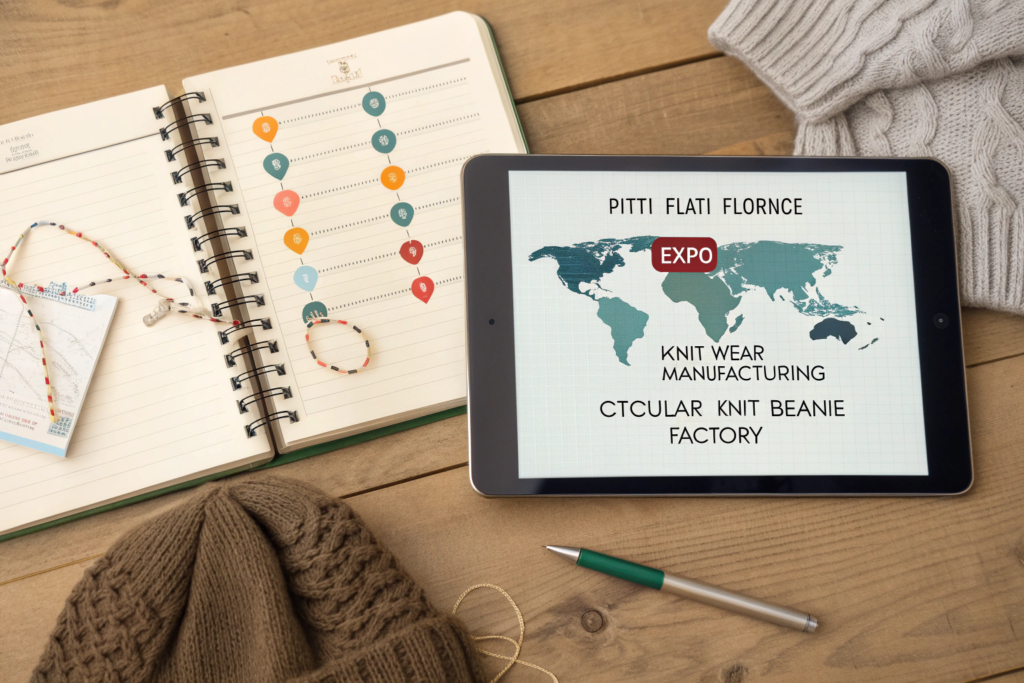
Attend trade shows such as Pitti Filati (the premier yarn show in Florence), ISPO (for performance knitwear), or Magic and Première Vision (which have strong knitwear sections). These events allow you to feel yarns, see craftsmanship firsthand, and meet factory representatives directly.
How to Use Effective Keywords in Your Search?
On B2B platforms like Alibaba or Global Sources, generic terms like "winter hat supplier" will yield mixed results. Use specific technical and material keywords:
- "Circular knit beanie manufacturer"
- "OEM acrylic knit hat factory"
- "Merino wool beanie supplier"
- "Fleece-lined knit cap producer"
Filter for Verified Suppliers with Trade Assurance. Examine their gallery: Do they show close-ups of the knit structure? Do they specify yarn counts (like 2/28nm) or compositions? This indicates technical knowledge.
How to Evaluate Yarn Quality and Knitting Techniques?
The softness, warmth, and durability of a knit hat are 80% determined by the yarn. The remaining 20% is the knitting technique and finishing. Understanding these elements is crucial for evaluating a supplier.
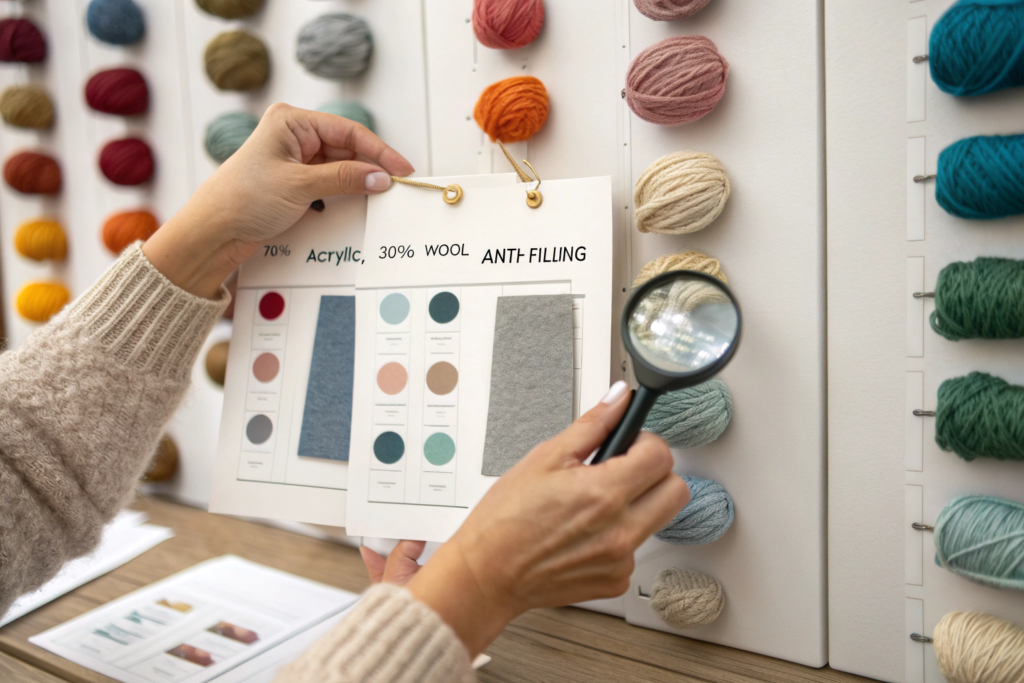
Evaluate a factory by demanding transparency on yarn composition, sourcing, and certifications, and by assessing their mastery of specific knitting techniques (like circular knitting, linking, and seamless construction) that affect fit, comfort, and durability. Always request and dissect a yarn card and swatch before discussing price.
What Yarn Specifications are Critical for Softness and Warmth?
- Fiber Composition:
- Acrylic: Cost-effective, soft, and colorfast. High-quality, anti-pilling acrylic is essential for longevity.
- Wool & Merino Wool: Naturally warm and moisture-wicking. Merino is finer and less itchy.
- Blends (e.g., Acrylic/Wool): Offer a balance of cost, softness, and warmth.
- Chenille or Faux Fur Yarns: For ultra-soft, trendy textures.
- Yarn Weight & Ply: Heavier yarns (like chunky knits) provide more immediate warmth but can be less wind-resistant. Finer yarns (like 2/28nm) allow for tighter, denser, and more windproof knitting.
- Certifications: For natural fibers, look for RWS (Responsible Wool Standard) or GOTS (Global Organic Textile Standard). For all yarns, OEKO-TEX Standard 100 ensures they are free from harmful substances.
What Knitting and Finishing Techniques Ensure Quality?
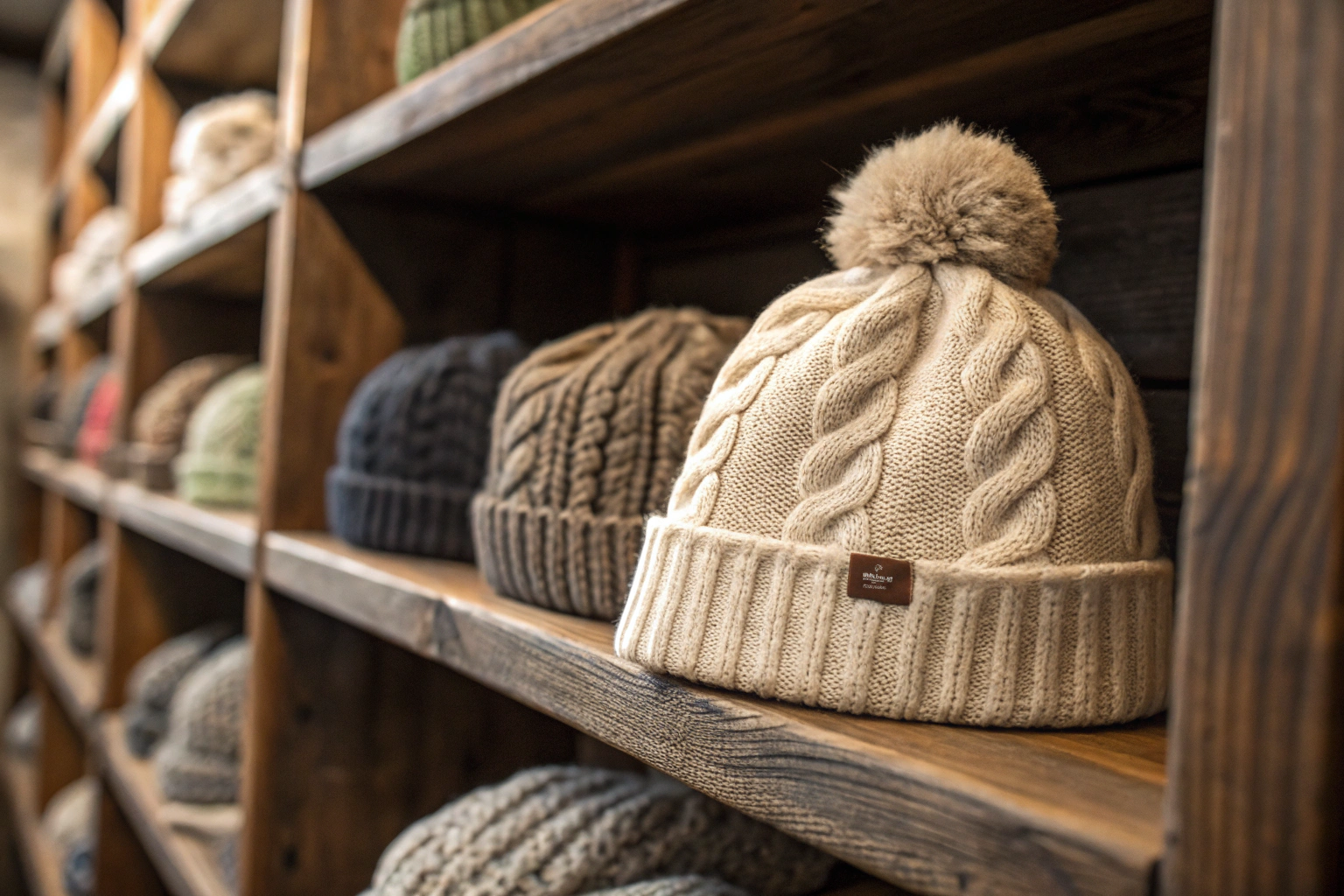
- Seamless Circular Knitting: Creates a tube with no side seam, offering superior comfort and a cleaner look. The hallmark of a quality beanie.
- Linking: The process of attaching the crown to the body of the hat. Hand-linking (vs. crude sewing) creates a smooth, comfortable, and durable closure without a hard knot.
- Brushing or Fleece Lining: A brushed interior or added polar fleece lining significantly boosts warmth and softness against the skin.
A skilled manufacturer will explain these techniques and demonstrate them in samples. Ask: "Is this hat seamless?" and "How is the crown finished?"
How to Vet a Factory’s Production and Ethical Standards?
For a product worn close to the skin and marketed on comfort, ethical production and consistent quality control are not optional. They are foundational to your brand’s reputation.
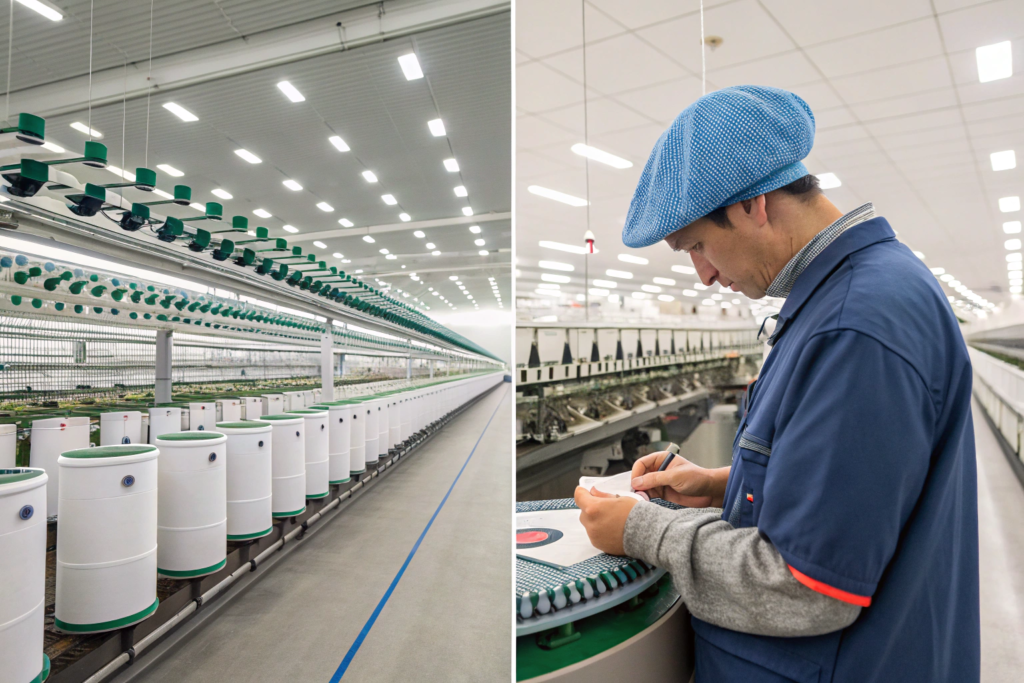
Vet a factory by conducting a thorough audit (onsite or virtual) of their knitting, linking, and finishing departments; reviewing their social compliance certifications (SMETA, BSCI); and implementing a rigorous quality control protocol that includes testing for pilling, shrinkage, and colorfastness. A trustworthy partner is transparent and welcomes scrutiny.
What Should a Factory Audit Cover?
An audit should focus on the knitwear production flow:
- Yarn Warehouse: Is yarn stored cleanly and organized by lot?
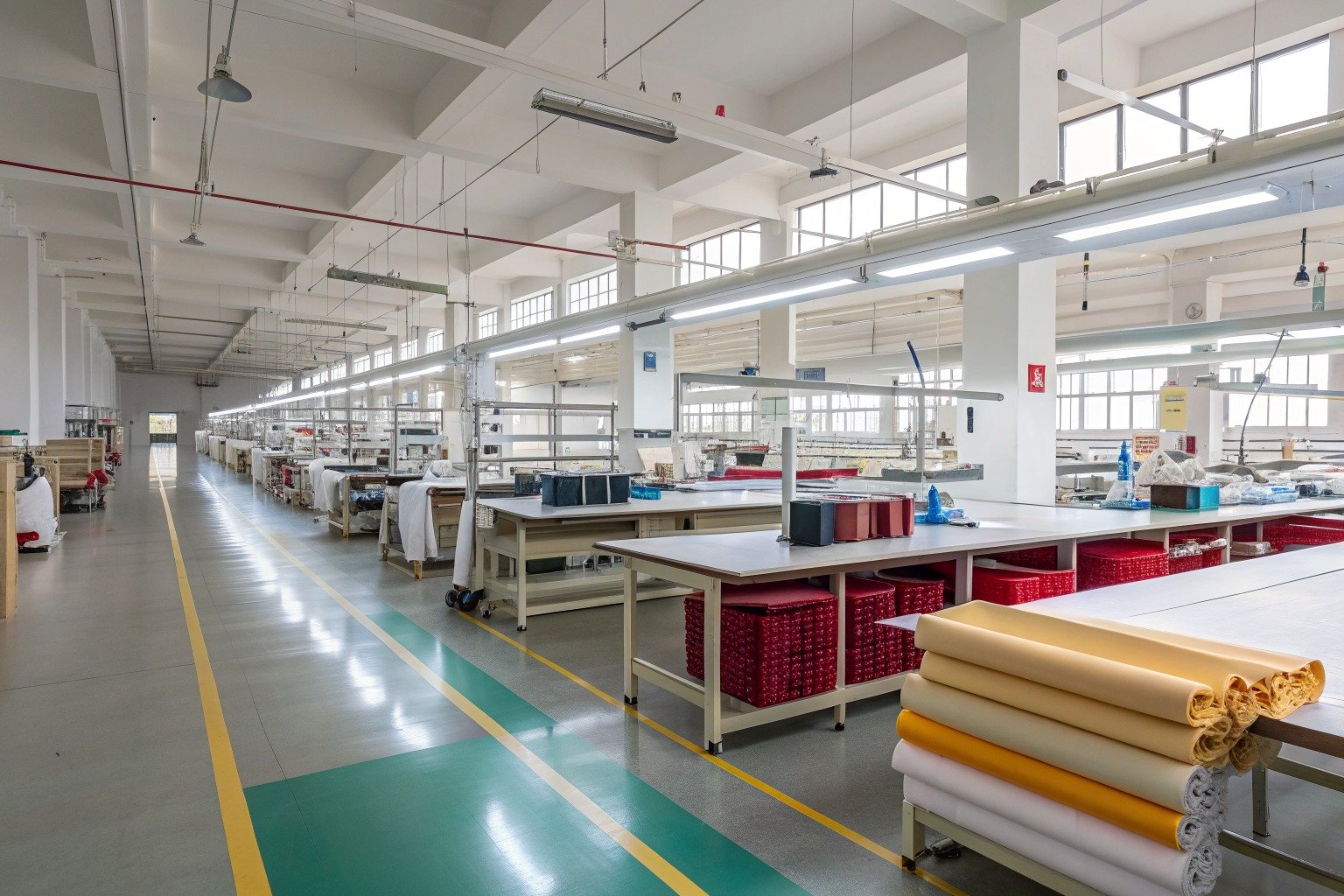
- Knitting Floor: Are machines modern and well-maintained? Is the environment clean (critical for light-colored yarns)?
- Linking & Finishing Section: Look for skilled hand-linking stations. Check the finishing process: washing, softening, labeling, and packing.
- Quality Control Station: Do they have equipment for basic tests? Is there a clear standard for inspecting stitching, fit, and flaws?
A clean, organized facility with skilled workers is a strong indicator of reliable output.
What Ethical and Quality Certifications are Important?
Request current copies of:
- Social Compliance: SMETA, BSCI, or similar audit reports to ensure ethical labor practices.
- Product Safety & Quality: OEKO-TEX Standard 100 for the finished hat. Some factories may also have ISO 9001 for quality management systems.
For performance claims (like moisture-wicking or UPF), they should be able to provide test reports from accredited labs like SGS or Intertek.
How to Manage the Order and Development Process?
Finding the right factory is half the battle. Successfully managing the order—from developing a custom sample to ensuring bulk consistency—requires clear communication and agreed-upon standards.
Manage the process by collaborating closely on sample development (approving yarn, fit, and styling), establishing a detailed tech pack with tolerance standards, and mandating a pre-shipment inspection that includes physical tests on random units from the production batch. Proactive management prevents surprises.
What is Involved in Developing a Custom Sample?
The sample stage is for perfecting three things:
- Yarn & Softness: Approve the exact yarn from a physical yarn card.
- Fit & Sizing: Provide head circumference measurements for your target market. Test the sample for stretch and recovery.
- Styling & Details: Finalize the cuff style (folded, slouched), any pom-pom attachment, label placement, and packaging.
A good factory will make 2-3 sample iterations to get it right. Never approve a sample you have doubts about.
How to Ensure Consistency in Bulk Production?
Consistency hinges on three factors:
- Yarn Lot Consistency: Insist the entire order uses yarn from the same dye lot to prevent color variation.
- In-Process QC: The factory should have checkpoints during knitting and linking to catch flaws early.
- Pre-Shipment Inspection (PSI): Hire a third-party inspector or use the factory’s detailed report. The PSI must check for visual defects (runs, stains) and functional issues (seam strength, pilling tendency on a test sample). The inspection should follow an AQL (Acceptable Quality Level) standard, such as AQL 2.5 for major defects.
Conclusion
Sourcing soft, high-quality knit hats for cold weather is a specialized endeavor that goes far beyond comparing unit prices. It requires partnering with experts who understand the science of yarn, the art of knitting, and the discipline of ethical, consistent manufacturing.
By taking a strategic approach—targeting specialists, vetting materials and techniques, auditing practices, and managing production with clear standards—you secure a supply of knit hats that will earn customer loyalty season after season.
If you are looking for a manufacturing partner with deep expertise in knit accessories, from beanies to scarves, and a commitment to the quality and collaboration your brand deserves, we are equipped to be your reliable source.
To discuss developing or sourcing your next line of premium soft knit hats, feel free to contact our Business Director Elaine. Her email is: elaine@fumaoclothing.com.