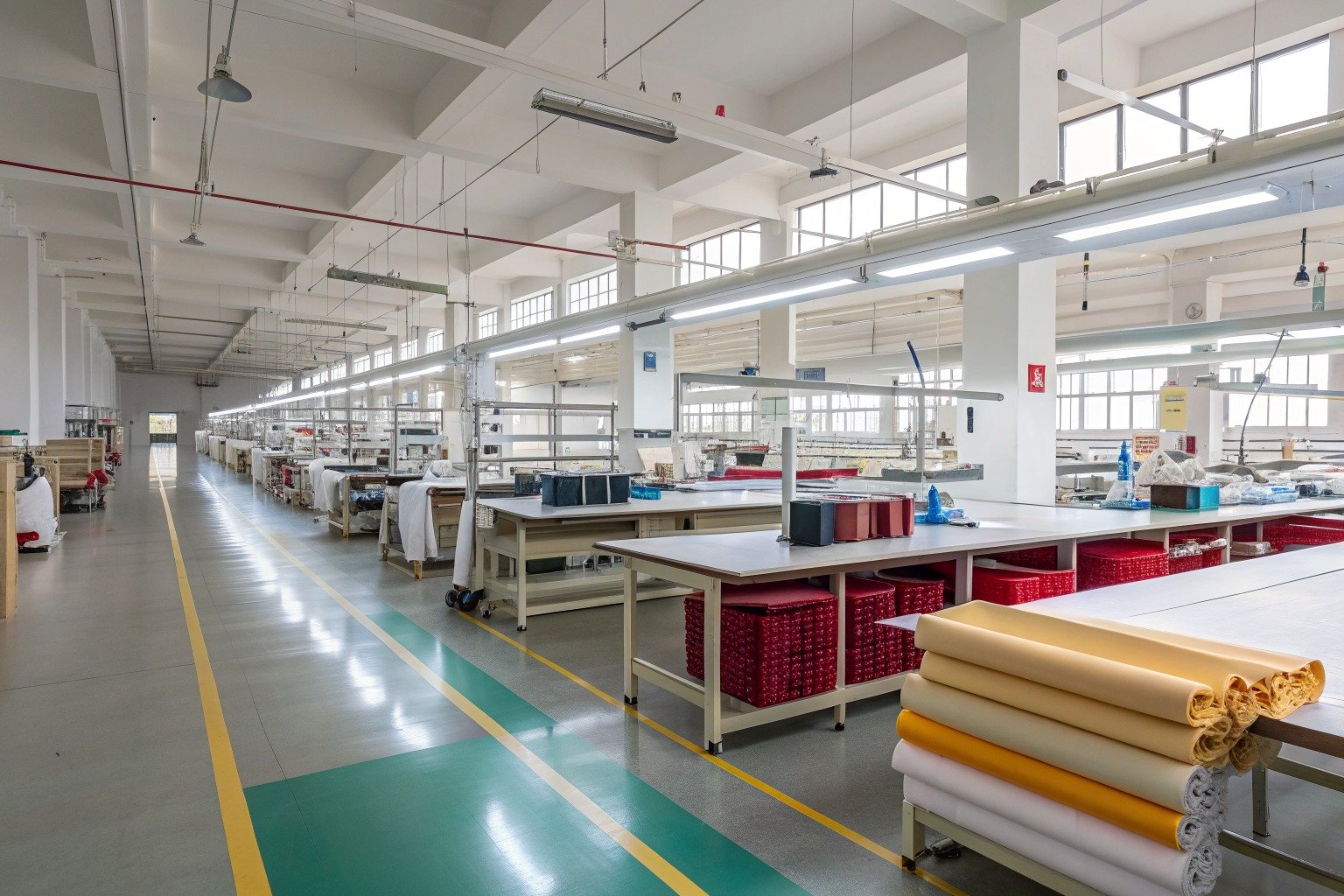
In the fast-paced world of fashion and accessories, your supplier is far more than a vendor—they are a critical extension of your business. A transactional relationship might get you through one order, but a true partnership builds resilience, drives innovation, and fuels sustainable growth. So, how do you move beyond price negotiations to forge a bond that withstands market volatility and scaling challenges?
Building a lasting partnership with your supplier requires a foundation of strategic alignment, transparent communication, mutual respect, and a shared commitment to growth and quality. It involves treating them as a strategic ally, investing in clear processes, sharing risks and rewards, and fostering a collaborative environment focused on solving problems together. At Shanghai Fumao Clothing, the most successful and enduring relationships we have are with clients who view us as their on-the-ground partner, not just a factory.
How to Establish a Foundation of Trust and Transparency?
Trust is the currency of partnership. Without it, every discussion becomes a confrontation. Transparency is the tool that builds that trust, eliminating guesswork and aligning expectations from the very beginning.
Establish trust and transparency by being open about your business goals, providing clear and detailed forecasts, sharing both good and bad news promptly, and inviting the supplier into your planning process. In return, expect and verify their transparency on costs, capacities, and challenges. This two-way street of honesty prevents small issues from becoming relationship-ending crises.

Why is Sharing a Long-Term Vision Critical?
A supplier investing in new machines or training for your account needs to know it’s worthwhile. Sharing your 3-year brand vision, growth targets, and product roadmap allows them to align their own investments and resources to support you. For example, if you plan to launch a sustainable line of organic cotton scarves in 18 months, they can begin researching certified fabric mills now. This transforms them from an order fulfiller to a strategic enabler of your vision.
How Does Transparent Costing Build Trust?
Demanding ever-lower prices erodes trust and quality. Instead, engage in open book costing discussions. Ask for a breakdown: material, labor, overhead, and profit margin. A trustworthy partner, like us, will explain cost drivers. If you need a lower price, collaborate on value engineering—"Can we use a different, similar-quality lining in this tote bag to hit the target?" This cooperative approach to problem-solving builds immense respect and often yields better results than ultimatums.
How to Foster Effective and Proactive Communication?
Miscommunication is the root cause of most supply chain failures. Lasting partnerships are built on communication that is structured, frequent, and proactive, not just reactive to problems.
Foster effective communication by establishing clear protocols and single points of contact, scheduling regular strategic reviews (not just problem-solving calls), and utilizing collaborative digital tools for sharing files, feedback, and production updates in real time. Consistency and clarity are key.

What Makes a Project Manager the Linchpin?
A dedicated Project Manager (PM) on the supplier side is non-negotiable. This person becomes your champion inside the factory, coordinating between design, production, and QC teams. You should have one main contact on your side as well. This structure prevents information from getting lost. The PM should provide regular, structured updates without you having to chase them—a sign of professional customer energy and respect for your time.
Why are Regular Strategic Reviews Important?
Move beyond communicating only when you have an order. Schedule quarterly business review meetings. Discuss:
- Performance review of past orders (on-time delivery, quality scores).
- Upcoming trends and material innovations they are seeing.
- Challenges on both sides (e.g., rising raw material costs, port delays).
- Joint goals for the next quarter (e.g., reducing lead time by 5%).
These meetings reinforce the strategic nature of the relationship and allow for proactive adjustment.
How to Collaborate on Innovation and Continuous Improvement?
A transactional supplier executes your specs. A partner helps you improve them. Lasting partnerships thrive on a mutual drive to make products better, processes smoother, and outcomes more successful.
Collaborate on innovation by inviting your supplier’s expertise early in the design process, jointly investing in process improvements, and creating a feedback loop where both parties can safely suggest improvements without blame. This turns the supplier into a value-creation engine.

How to Leverage Supplier Expertise in Development?
Your supplier sees hundreds of designs and knows what works on the production line. Involve them during the sample development phase. Ask: "How can we construct this belt to be more durable?" or "Is there a new brushed polyester that would make this scarf feel more luxurious at the same cost?" Their input can prevent manufacturability issues, reduce costs, and enhance quality. This respects their expertise and yields a better product.
What Does Joint Investment in Improvement Look Like?
Improvement often requires investment. Perhaps a new ultrasonic cutting machine could reduce fabric waste for your hair accessory line, saving money in the long run. In a partnership, you might agree to place a certain volume of orders to justify the supplier’s investment in that machine. Alternatively, you might jointly fund a quality control training program. This shared commitment to getting better cements the alliance.
How to Manage Challenges and Share Risk Fairly?
No supply chain is immune to problems—material shortages, quality deviations, logistics snarls. It’s not the absence of problems, but how you handle them together, that defines the strength of the partnership.
Manage challenges through a principle of shared risk and fair problem-solving. This means having frank discussions about contingency plans, defining clear responsibilities in contracts, and focusing on collaborative solutions rather than assigning blame when issues arise. A partner works with you to mitigate the impact.
Why are Clear Contracts and Contingency Plans Vital?
A strong partnership is underpinned by a clear contract that outlines responsibilities, quality standards (AQL), incoterms, and protocols for handling defects or delays. Beyond the contract, discuss contingency plans: "If the port is congested, what is our alternative shipping route?" or "If this specialty yarn for gloves is delayed, what is the approved backup material?" Planning for the unexpected together reduces panic and builds resilience.
How to Approach Problems with a "Solve Together" Mindset?
When a quality issue is found, the immediate reaction shouldn’t be blame. The partnered approach is: 1) Acknowledge the problem factually. 2) Jointly investigate the root cause in the process. 3) Collaboratively decide on the corrective action (rework, discount, partial shipment). 4) Implement measures to prevent recurrence. This constructive approach preserves the relationship and improves the system for the future, turning a crisis into an opportunity to strengthen the bond.
Conclusion
Building a lasting partnership with your supplier is a deliberate and rewarding investment. It shifts the dynamic from short-term cost focus to long-term value creation. By cultivating trust, enforcing transparent communication, collaborating on innovation, and facing challenges as a united team, you create a competitive advantage that is difficult to replicate—a supply chain that is agile, reliable, and aligned with your vision.
This kind of partnership is the bedrock upon which enduring brands are built. It ensures that as you grow, you have a steadfast ally capable of scaling and innovating alongside you.
If you are seeking a manufacturing partner committed to building this type of deep, collaborative, and lasting relationship, we are structured and eager to be that ally.
For a partnership built on transparency, innovation, and mutual growth, feel free to contact our Business Director Elaine. Her email is: elaine@fumaoclothing.com.