Standing still in fashion is the fastest way to fall behind. In an industry where consumer desires shift with social media trends and seasons change overnight, the ability to innovate isn’t just an advantage—it’s the fundamental currency of survival. It’s what separates brands that merely exist from those that define culture and capture market share.
Innovation is key to staying ahead in fashion because it directly drives differentiation, creates new value for consumers, builds brand relevance and loyalty, and solves critical operational and sustainability challenges. It’s a holistic engine that powers everything from product design and material science to supply chain agility and customer experience. At Shanghai Fumao Clothing, we see innovation not as a buzzword, but as the daily practice of anticipating what our clients and their end-consumers will need next.
How Does Innovation Drive Product Differentiation?
In a saturated market flooded with similar products, the most powerful way to stand out is to offer something genuinely new. This moves competition away from a race to the lowest price and towards a competition of value and desirability.
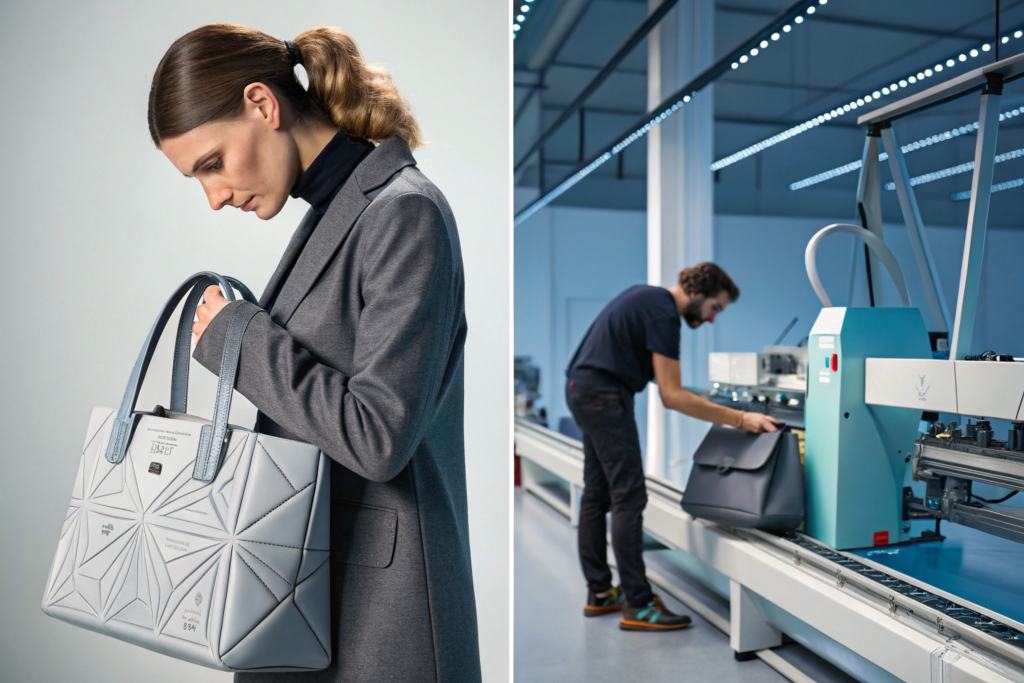
Innovation drives product differentiation by introducing novel materials, unique functionalities, and unexpected design elements that cannot be easily replicated by fast-follow competitors. It creates a "must-have" factor that commands attention and justifies premium positioning. For a fashion accessory, this could be the difference between a basic tote bag and a tote with integrated, wireless charging.
What Role Do Materials and Technology Play?
Material innovation is a primary frontier. This includes:
- Performance Fabrics: Temperature-regulating linings in beanies, water-repellent and breathable membranes in activewear scarves.
- Sustainable Alternatives: Leather made from mushrooms (Mylo™), recycled ocean plastic polyester for tote bags, and biodegradable sequins.
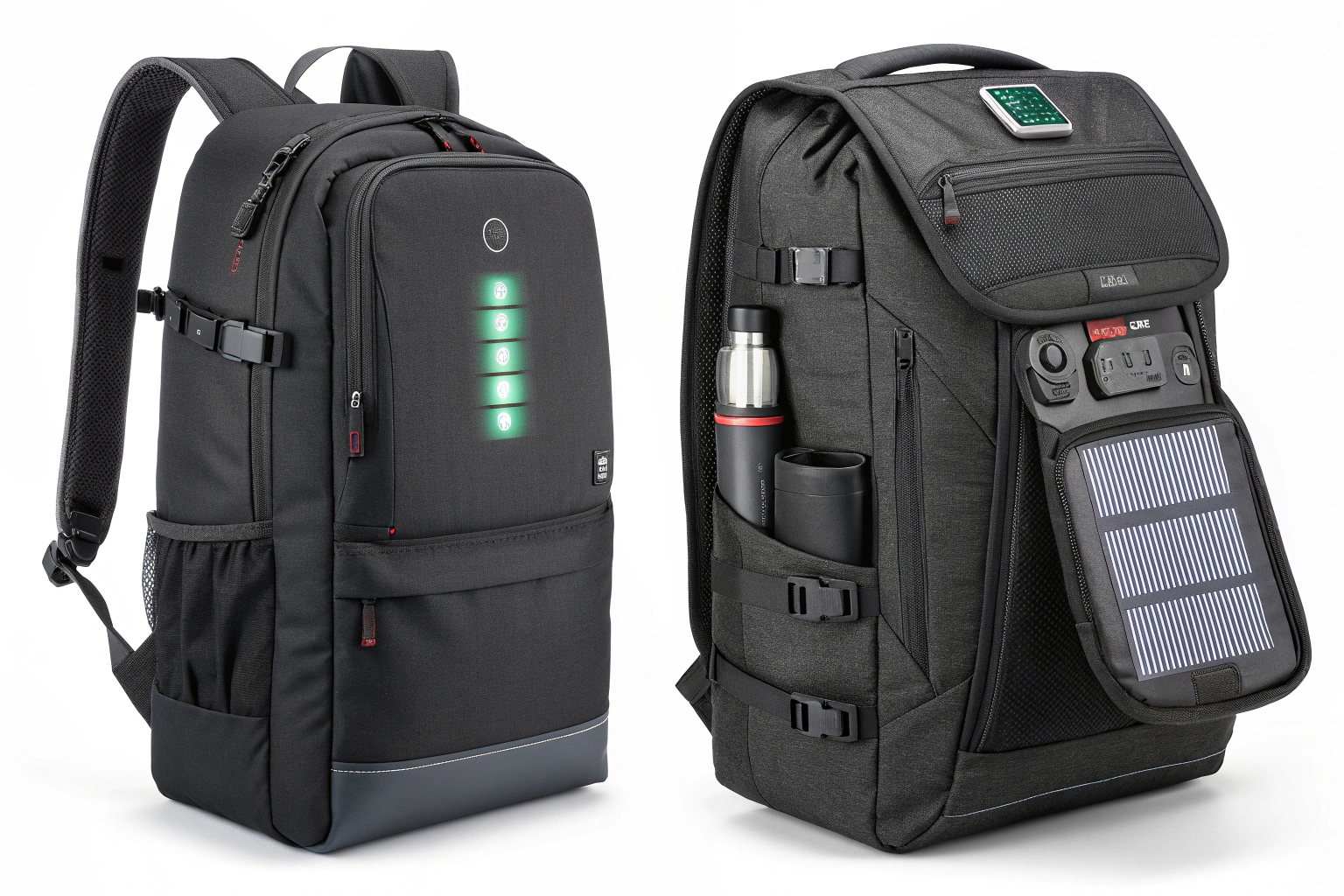
- Smart Integrations: Phase Change Materials (PCM) in cooling towels, fabrics with embedded LEDs for safety on evening bags, or touch-sensitive textiles.
These advancements require close collaboration between brands and forward-thinking manufacturers who have access to and can process these new materials. Our design team actively researches and prototypes with such innovations to bring fresh ideas to our clients.
How Does Functional Design Create New Categories?
Innovation often creates entirely new product categories or subcategories. Think of the evolution from a standard belt to a fitness tracker belt, or from a regular scarf to an infinity scarf with built-in headphones. This is about solving a problem in an elegant way. For instance, developing a reversible bucket hat with one side for sun protection (UPF 50+) and another for water resistance directly answers the needs of a traveler, creating a multi-functional product that stands out. This type of product development is central to building a brand known for clever, useful design.
How Does Innovation Build Brand Relevance and Customer Loyalty?
Today’s consumers, especially younger demographics, seek brands that align with their values and constantly offer something new and exciting. Innovation is the language of relevance.
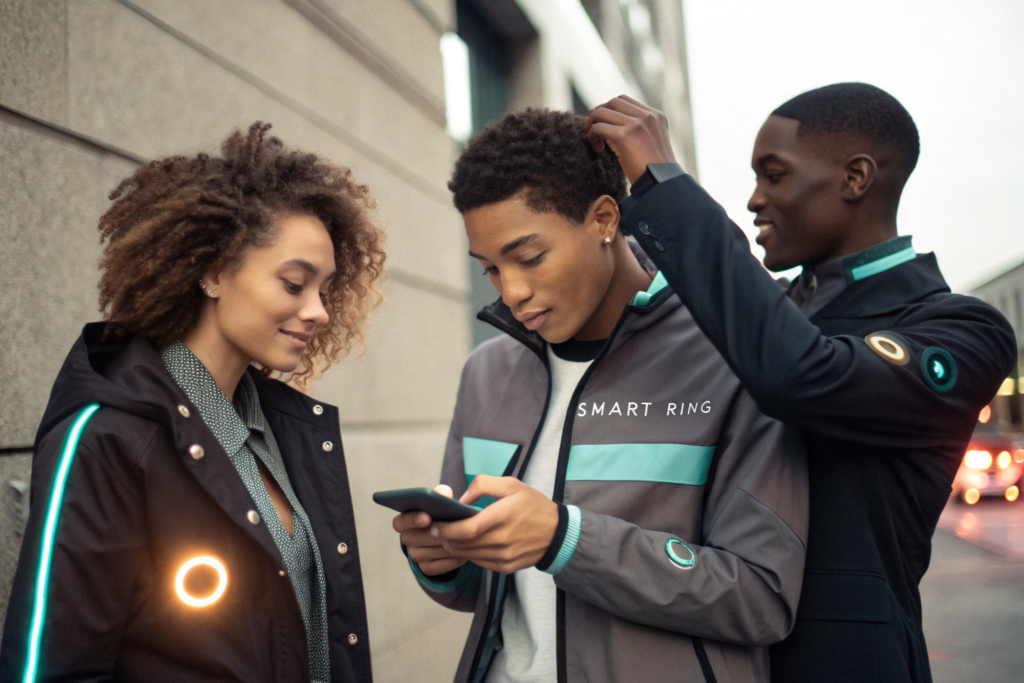
Innovation builds brand relevance and loyalty by demonstrating a forward-thinking mindset, engaging consumers with compelling stories (e.g., sustainability, tech), and creating products that evolve with the customer’s lifestyle, fostering an ongoing relationship beyond a single transaction. It turns customers into advocates.
Why is Storytelling Through Innovation Powerful?
A product made with recycled materials or designed for circularity (easy disassembly for recycling) carries a story. A bag manufactured using 3D knitting technology that reduces waste by 30% has a narrative. These stories are marketable assets. They generate press, fuel social media content, and build an emotional connection with consumers who share those values. In a world of greenwashing, genuine innovative action in sustainability is a key differentiator that builds deep trust and loyalty.
How Does Innovation Enhance the Customer Experience?
Innovation isn’t only about the physical product. It extends to how customers discover, customize, and interact with your brand. This includes:
- AR Try-On: Using augmented reality to see how sunglasses or a hat looks.
- Mass Customization: Platforms that allow buyers to select colors, materials, and monograms for their leather wallet or baseball cap.
- Digital Product Passports: QR codes on tags that detail a product’s origin, materials, and care instructions, enhancing transparency.
These tech-enabled experiences make the brand feel modern and customer-centric, increasing engagement and repeat purchases.
How Does Innovation Optimize Operations and Sustainability?
The pressure to be faster, more efficient, and more responsible is immense. Operational innovation is the silent engine that allows brands to be agile and ethical.
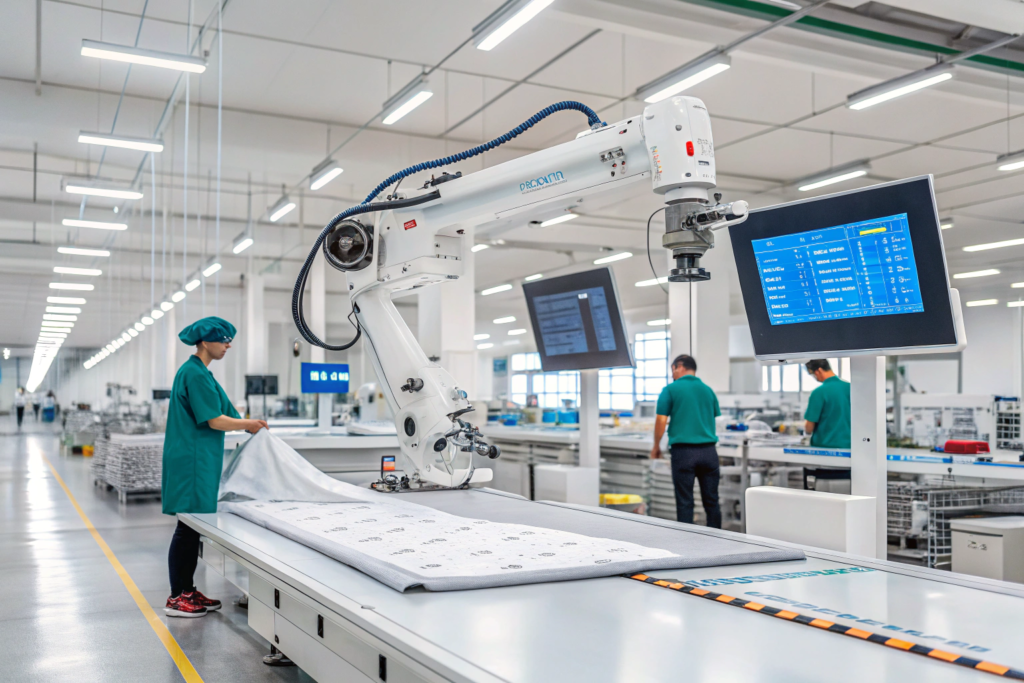
Innovation optimizes operations and sustainability by streamlining design-to-production cycles, minimizing waste through precision manufacturing, improving supply chain transparency, and enabling circular business models like repair and resale. This creates both cost savings and a stronger ESG (Environmental, Social, and Governance) profile.
What are Key Innovations in Production and Supply Chain?
- 3D Design & Sampling: Creating virtual samples reduces physical sampling by over 50%, slashing development time, cost, and material waste.
- AI-Powered Forecasting: Using data to predict trends and optimize inventory, reducing overproduction.
- Blockchain for Traceability: Tracking materials like organic cotton or recycled polyester from source to store, ensuring authenticity.
- On-Demand Manufacturing: Producing small batches of specialized accessories only after an order is placed, eliminating deadstock.
Implementing these systems requires a manufacturing partner with the digital infrastructure and mindset to evolve. Our investment in project management software and lean manufacturing principles is a direct response to this need.
How Does Innovation Address the Sustainability Imperative?
True sustainability requires rethinking processes. Innovations here include:
- Waterless Dyeing Technologies: Like CO2 dyeing, which drastically reduces water and chemical use for items like yarn for knit hats.
- Waste Reutilization: Using cutting scraps to create patchwork hair clips or fabric ribbon for new products.
- Modular Design: Creating belts or bags where worn parts (like straps) can be easily replaced, extending the product’s life.
These are not just ethical choices; they are becoming baseline expectations from retailers and consumers, making them critical for long-term business viability.
How to Cultivate a Culture of Innovation?
Innovation doesn’t happen by accident. It must be systematically nurtured within an organization and its partnerships.
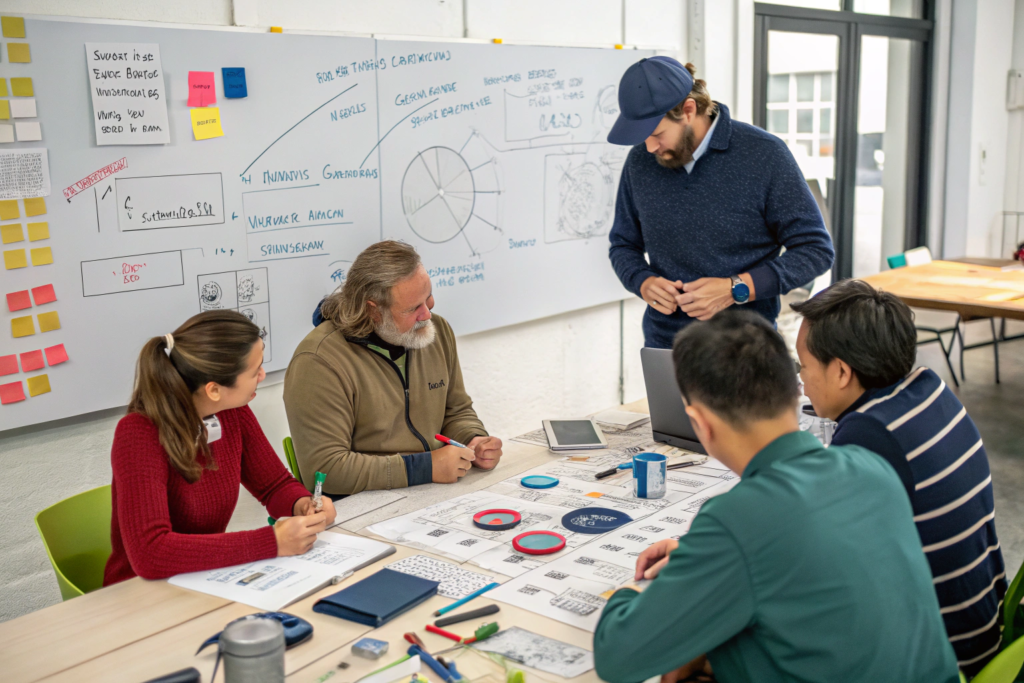
Cultivate a culture of innovation by fostering cross-disciplinary collaboration, dedicating resources to R&D, actively scouting new technologies and materials, and partnering with suppliers who are themselves innovators and problem-solvers, not just order takers. It requires an openness to experiment and learn.
Why is Supplier Partnership Critical to Innovation?
Your manufacturing partner is a vital innovation hub. A proactive factory like Shanghai Fumao Clothing doesn’t just wait for instructions. We bring new material samples, suggest construction improvements for durability, and advise on cost-effective ways to implement new features. This collaborative approach turns the supplier into a strategic extension of your own R&D team. When you ask, "Can we make a scarf that changes color with temperature?" a true partner will explore the feasibility and prototype solutions.
How to Balance Innovation with Commercial Reality?
The goal is not innovation for its own sake, but relevant innovation. This requires a disciplined process:
- Identify Consumer Pain Points: What problem does this solve? (e.g., "Parents lose children’s mittens" -> mitten clips integrated into coat sleeves).
- Assess Feasibility & Cost: Can it be manufactured reliably at a viable price point?
- Prototype and Test: Create physical samples and get real user feedback.
- Iterate and Refine: Improve the design based on testing before full-scale production.
This iterative, market-informed approach ensures that innovation translates into commercial success.
Conclusion
Innovation is the relentless engine of progress in the fashion industry. It is the multi-faceted strategy that allows brands to break free from competition, captivate consumers, operate with agility and responsibility, and build a legacy of relevance. In a world of constant change, the choice is simple: innovate or stagnate.
For brands looking to not just participate in the market but to lead it, finding a manufacturing partner equipped with the mindset, resources, and collaborative spirit to drive innovation is the most critical decision of all.
If you are seeking a manufacturing partner who views innovation as a shared journey and has the capabilities to turn visionary ideas into tangible, market-leading products, we are built to be that catalyst.
For a partnership dedicated to innovative design and manufacturing of fashion accessories, feel free to contact our Business Director Elaine. Her email is: elaine@fumaoclothing.com.