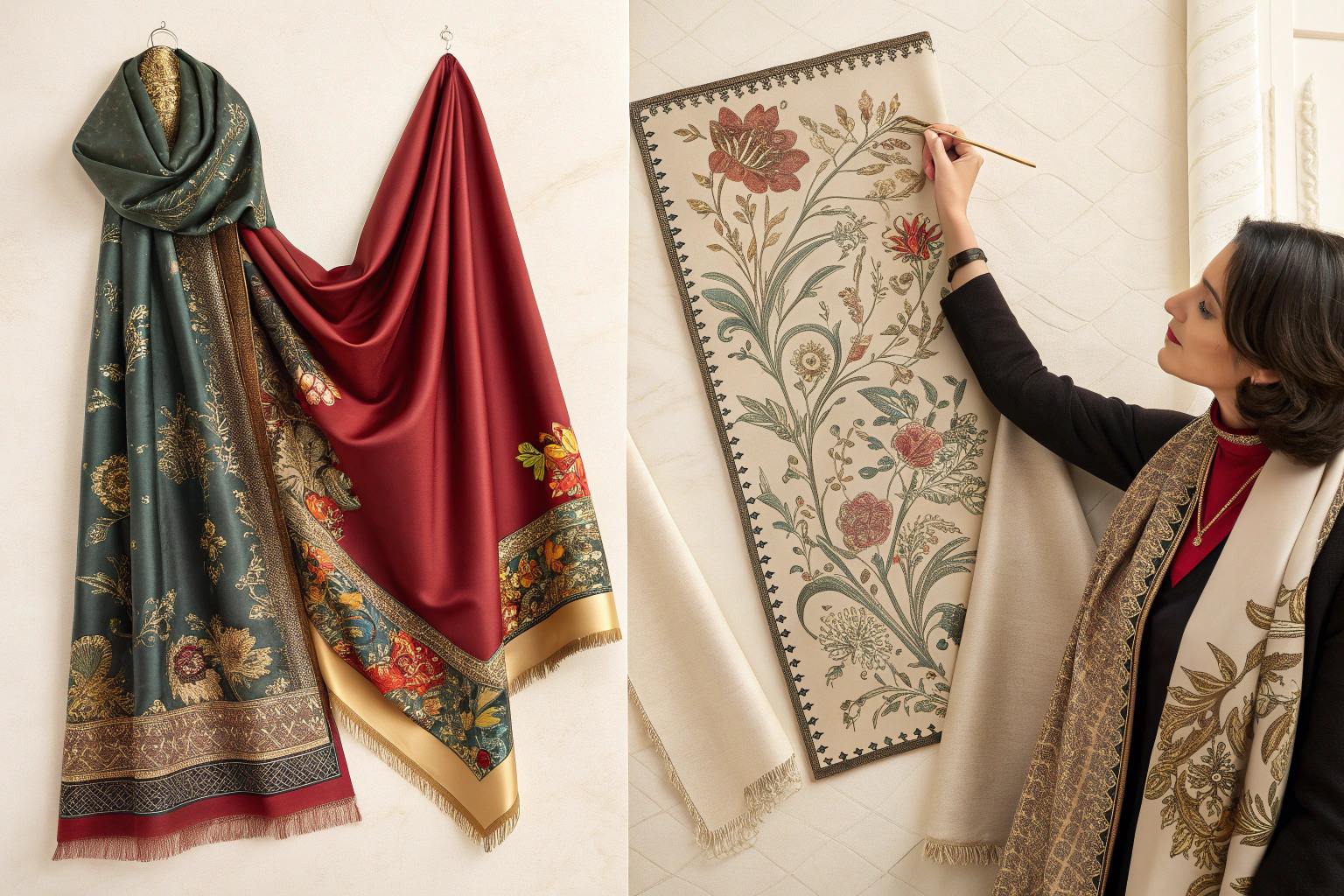
For a unique brand, a shawl is more than an accessory—it’s a canvas. It’s where your brand’s story, aesthetic, and values are woven into a wearable piece of art. Off-the-shelf options simply won’t do. The challenge lies in finding a manufacturing partner who can translate your distinct vision—be it an intricate digital print, a complex handwoven technique, or a sustainable material innovation—into a flawless, reproducible product.
To get custom design shawls, you must partner with specialized textile manufacturers with strong in-house design and development capabilities. This involves sourcing factories with expertise in your desired fabrication method (woven, knitted, printed), vetting their material libraries and printing/weaving technology, and establishing a collaborative, iterative sampling process. At Shanghai Fumao Clothing, we specialize in transforming unique concepts into tangible, high-quality accessories through this very process.
This guide will navigate the specific avenues and criteria for finding a manufacturer that doesn’t just make shawls, but co-creates them with you.
How to Identify Manufacturers with True Custom Design Capability?
The term "custom" is often overused. True custom capability means a factory can start from your sketch, mood board, or concept and engineer it into a producible textile. This requires more than just a sewing workshop.
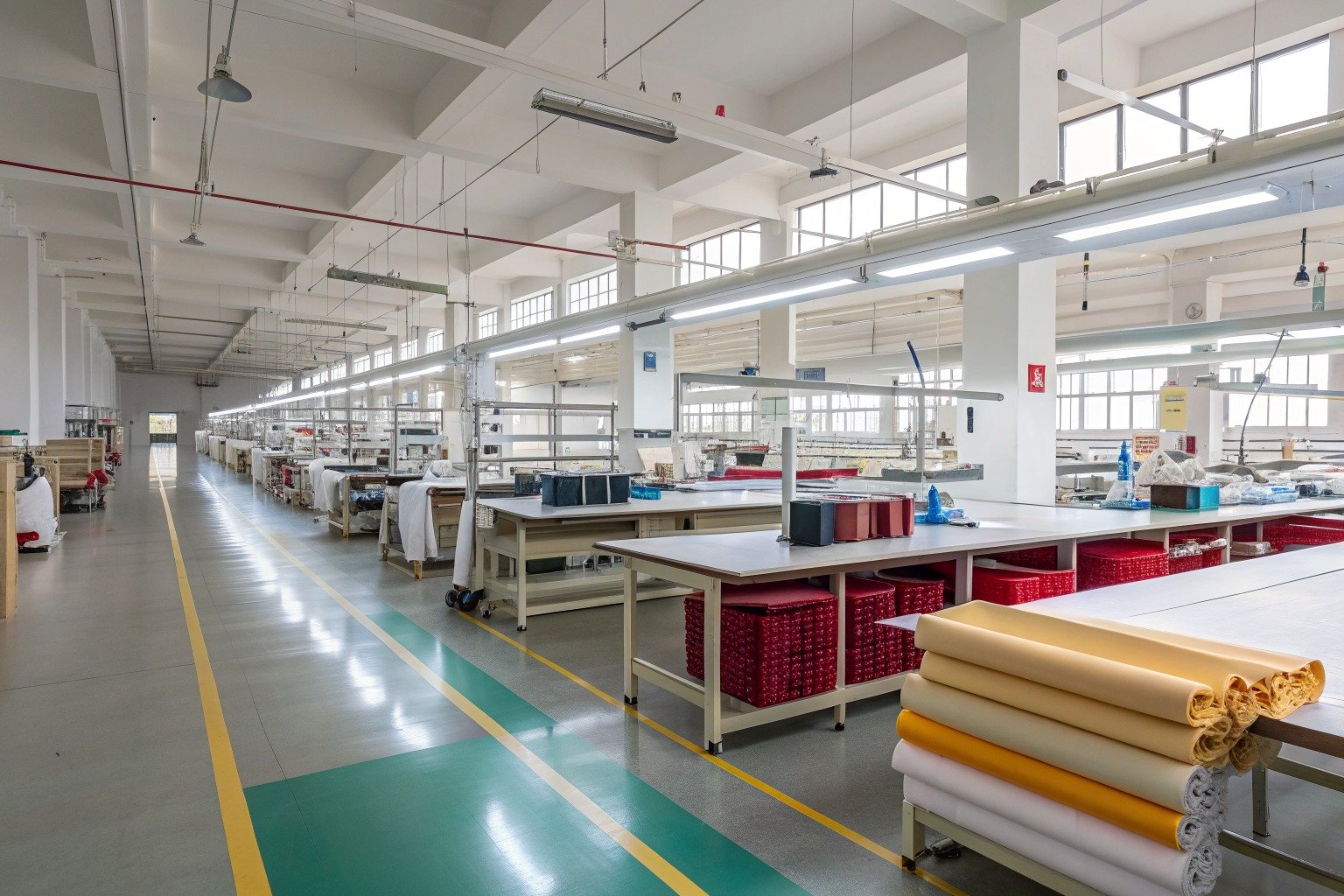
Identify true custom manufacturers by seeking out factories with integrated vertical operations (from yarn to finished product), strong in-house design and sampling teams, and a portfolio showcasing diverse techniques like digital printing, embroidery, jacquard weaving, or hand-rolled hemming. Avoid suppliers who only offer minor modifications to existing templates.
What are the Key Sourcing Channels for Creative Partners?
- Specialized B2B Platforms: Use precise keywords like "OEM jacquard shawl manufacturer," "custom digital print scarf factory," or "luxury woven wrap supplier" on platforms like Alibaba. Filter for suppliers with "ODM" (Original Design Manufacturing) services, which indicates design capability.
- Textile and Accessory Trade Shows: Events like Première Vision (Paris), Texworld, or Indigo (for prints) are essential. Here, you meet mills and manufacturers directly, examine their innovation in materials and techniques, and assess their creative sensibility.
- Industry Referrals & Agencies: Networking within fashion circles or working with a sourcing agent who specializes in textiles can connect you with pre-vetted, capable factories that may not be prominent online.
What Questions Reveal Real Design Capacity?
When contacting a potential partner, ask:
- "Can we start from a concept sketch? What is your process for developing a tech pack and strike-off?"
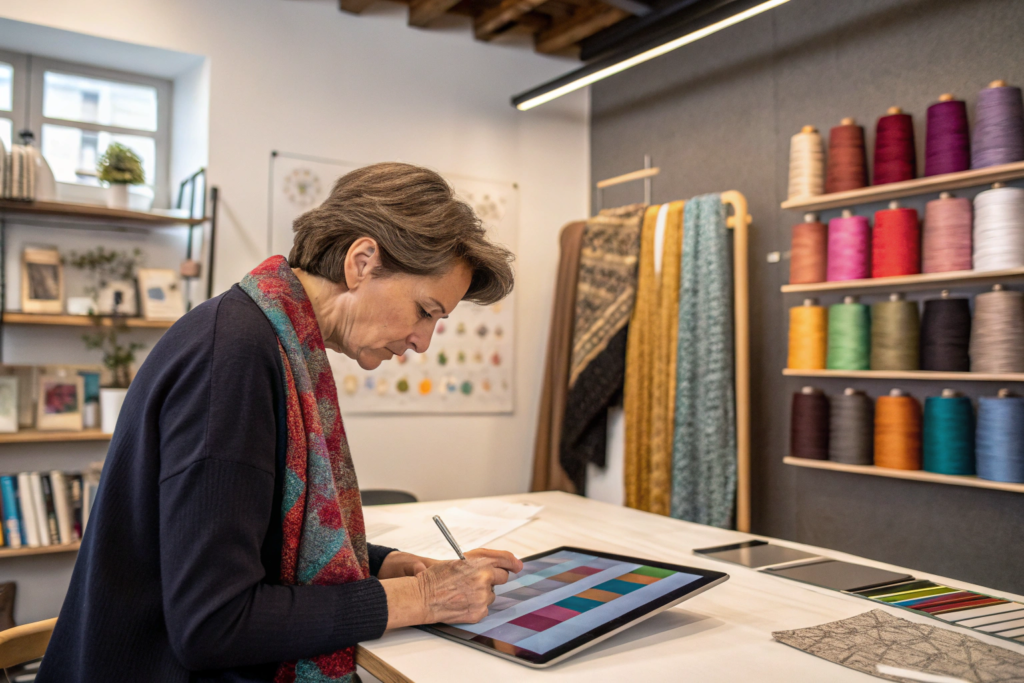
- "Do you have an in-house design team to assist with pattern repeats or colorways?"
- "Can you provide a library of your base fabrics (crepe de chine, wool challis, modal knit) and available printing/embroidery techniques?"
- "What is your minimum order quantity (MOQ) for a completely new design?"
Their answers will immediately separate true creative partners from basic converters.
How to Navigate the Material and Technique Selection Process?
The soul of a custom shawl lies in the marriage of material and technique. Your manufacturer should be a guide in this selection, offering expertise on how different fabrics behave with various design applications.
Navigate selection by first defining the shawl’s purpose (lightweight fashion vs. warm wrap), then collaborating with the manufacturer to match your design to the optimal base fabric and decoration method (digital printing, embroidery, weaving-in of pattern). This technical collaboration is crucial for fidelity to your vision.
Which Base Fabrics Align with Different Brand Aesthetics?
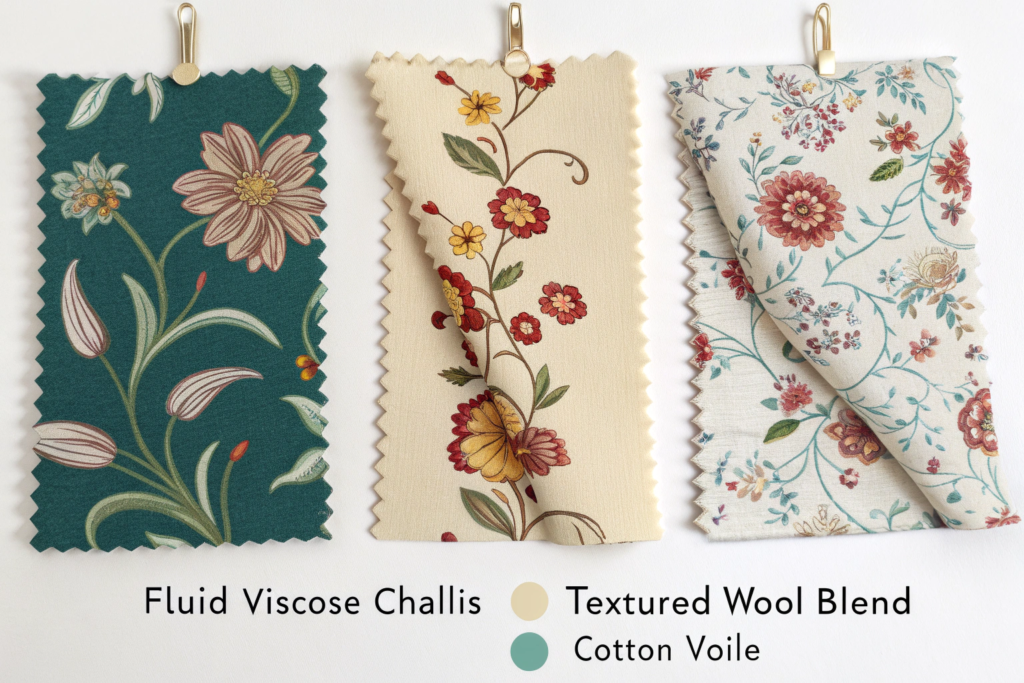
- Luxury & Drape: Viscose Challis, Silk Twill, Modal Knits – perfect for fluid, colorful prints.
- Warmth & Texture: Wool Crepe, Cashmere Blends, Knit Acrylic – ideal for solid colors, jacquard patterns, or trim details.
- Structured & Graphic: Cotton Voile, Linen Blends – excellent for bold, sharp prints and fringed edges.
A good manufacturer will provide physical swatches of their base fabrics. Feel the weight, test the drape, and check the color absorption for prints.
How do Printing and Embellishment Techniques Compare?
- Digital Printing: Allows for unlimited colors, photorealistic images, and complex patterns. Best on smooth, light-colored fabrics like polyester or viscose. Critical to ask about their color matching process (Pantone systems) and wash-fastness guarantees.
- Screen Printing: Cost-effective for simpler, fewer-color designs. Can achieve vibrant, opaque results.
- Embroidery (or Embroidery Lace): Adds exquisite texture and luxury. Discuss stitch density, thread types (rayon, cotton, metallic), and the feasibility of your design for machine embroidery.
- Jacquard Weaving: The pattern is woven into the fabric itself, creating a reversible, textured piece. This requires significant expertise and higher minimums, but results in a truly premium product.
How to Manage the Sampling and Quality Assurance Process?
The sampling phase is where your custom design is proven. It’s an iterative, collaborative investment that ensures the bulk production will be perfect. Rushing this stage is the biggest mistake a brand can make.
Manage sampling by budgeting for and engaging in multiple prototype rounds (art proof, strike-off, pre-production sample), establishing crystal-clear quality benchmarks for color, print registration, and finishing, and implementing rigorous inspection protocols for bulk production. Precision at every step is non-negotiable.
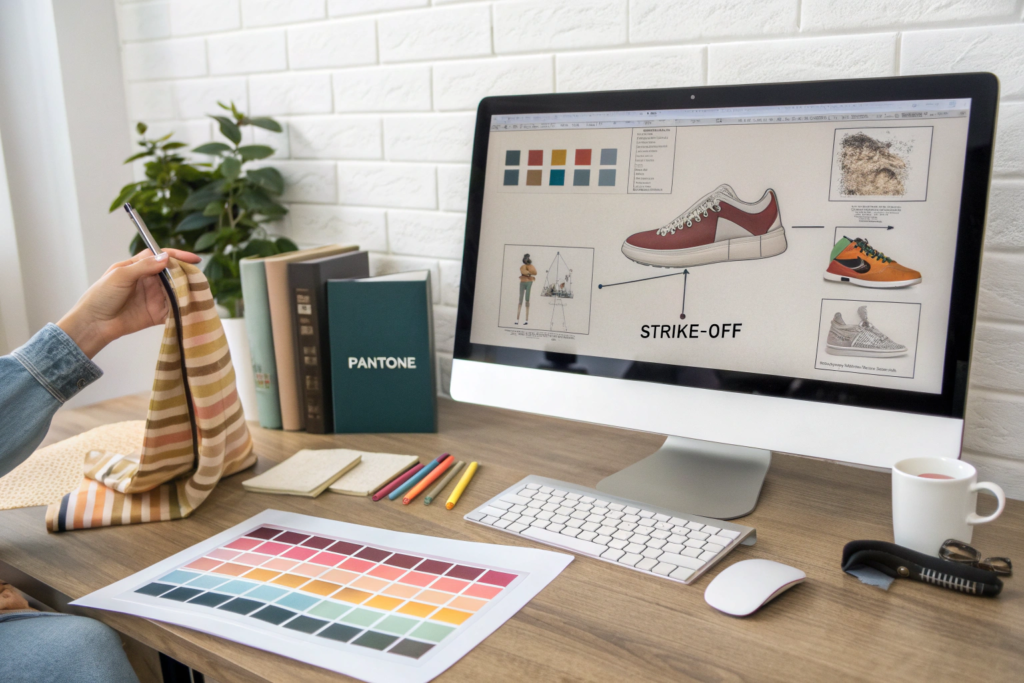
What are the Critical Stages of Sampling?
- Art Proof & Color Separation: Approve the digital file. Ensure patterns align seamlessly at the seams ("pattern repeat").
- Strike-Off: This is a small fabric swatch printed with your design. Its sole purpose is to approve color accuracy and clarity under correct lighting. Never proceed without an approved strike-off.
- Pre-Production Sample: A full, finished shawl made with production materials and methods. Check everything: size, hem finishing (rolled hem, fringe), label placement, packaging, and overall hand-feel. This sample is the legal standard for the bulk order.
How to Ensure Bulk Quality Matches the Sample?
- Material Lot Consistency: Insist the bulk order uses fabric from the same dye lot and printing ink from the same batch.
- In-Process Quality Control (IPQC): The factory should inspect during cutting and printing/embroidery to catch flaws early.
- Pre-Shipment Inspection (PSI): Hire a third-party inspector or demand a detailed factory report. The PSI should check for defects (misprints, dye spots, loose threads), measurements, color consistency against the approved strike-off, and function (e.g., fringe security). Use an AQL 2.5 standard for major defects.
How to Build a Sustainable and Ethical Partnership?
For unique brands, values are integral. Your shawl should be beautiful not only in design but also in its making. Partnering with a manufacturer that shares your commitment to ethics and sustainability ensures brand integrity.
Build a sustainable partnership by selecting manufacturers with verifiable material certifications (GOTS, OEKO-TEX), audited social compliance (SMETA, BSCI), and a willingness to innovate with eco-friendly processes (low-impact dyes, deadstock fabrics). This alignment creates a powerful brand narrative.
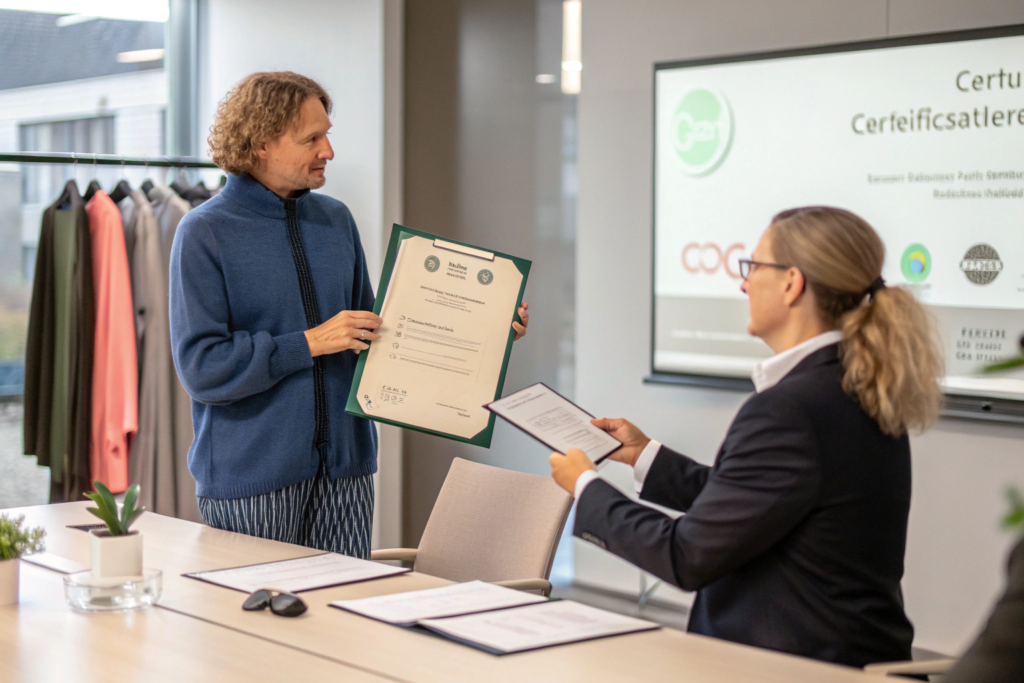
What Certifications Should You Look For?
- Material Safety & Sustainability: OEKO-TEX Standard 100 (free from harmful substances), GOTS (organic fibers), GRS (recycled content).
- Ethical Production: SMETA, BSCI, or WRAP audit reports, which verify fair labor practices, safe working conditions, and fair wages.
- Business Reliability: Valid business license and export history.
A forward-thinking manufacturer like Shanghai Fumao Clothing will proactively offer this information and discuss sustainable options like digital printing’s reduced water waste compared to traditional methods.
How Does a Partnership Foster Long-Term Innovation?
Treat your manufacturer as a strategic R&D partner. Share your brand’s future direction. They can then advise on upcoming material innovations (like biodegradable fibers), new finishing techniques, or more efficient production processes. This collaborative, long-term view leads to better products, cost efficiencies, and a supply chain that evolves with your brand.
Conclusion
Finding a source for custom design shawls is a journey of finding a creative and technical collaborator, not just a supplier. It requires identifying partners with deep textile expertise, engaging meticulously in the material and sampling process, and aligning on values of quality and ethics.
The reward is a product that is unmistakably and authentically yours—a shawl that carries your brand’s identity in every thread and becomes a signature piece for your customers.
If you are looking for a manufacturing partner with the design capability, technical expertise, and ethical foundation to bring your unique shawl vision to life, we are equipped to be that creative ally.
To begin the conversation about co-creating your custom shawl collection, feel free to contact our Business Director Elaine. Her email is: elaine@fumaoclothing.com.