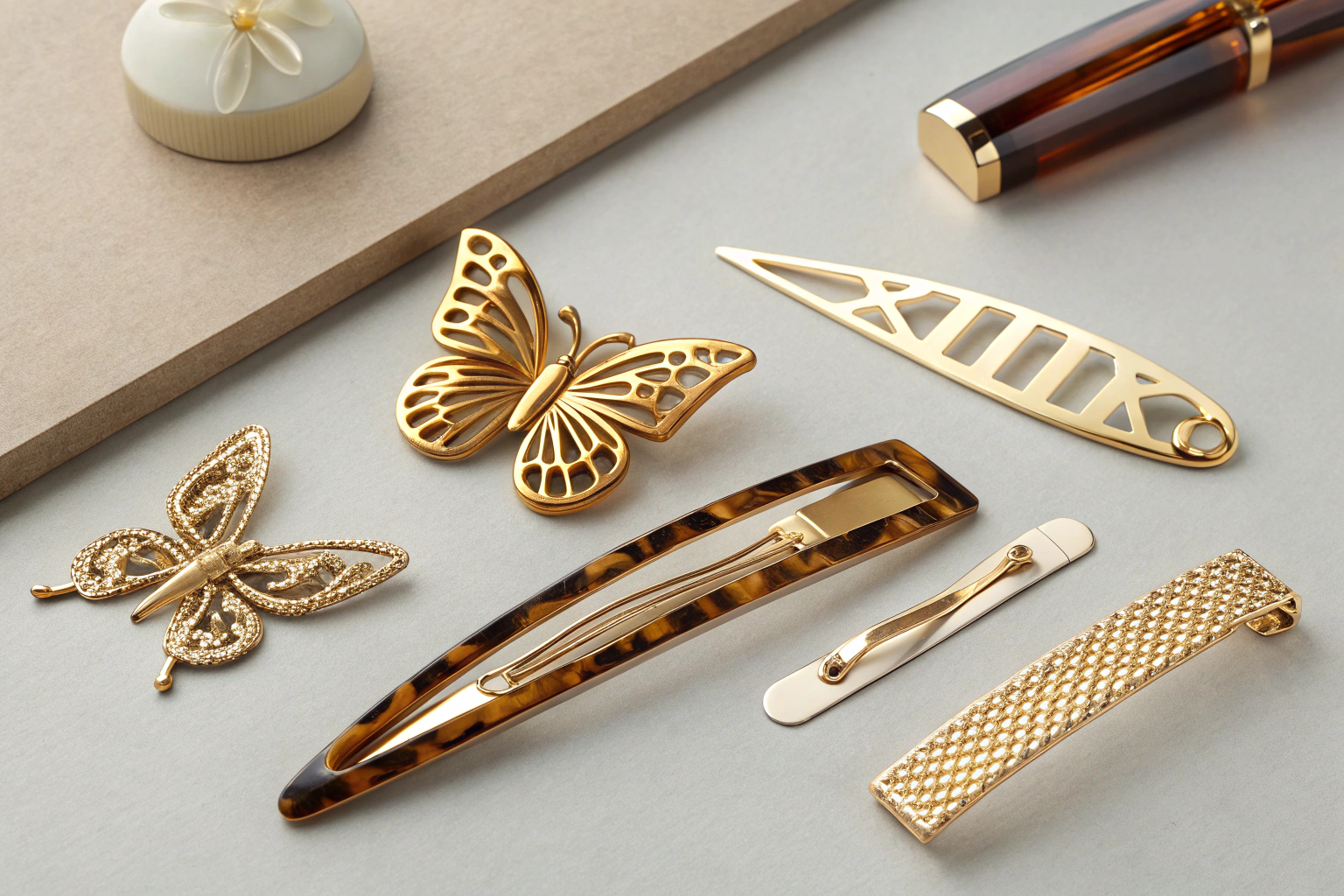
For any brand in the fashion or beauty space, hair clips are more than just functional accessories; they are high-margin, trend-driven style statements that can define a collection and drive customer loyalty. But sourcing hair clips that are both stylish and durable—with clasps that don’t break and finishes that don’t chip—is a common challenge. The market is flooded with options, but quality is inconsistent.
To find high-quality hair clips for your brand, you must target specialized manufacturers with proven expertise in hair accessory production, not general fashion suppliers. This involves searching on B2B platforms with specific material keywords, attending niche accessory trade shows, and rigorously vetting factories on their material sourcing, production craftsmanship, and quality control processes. As a professional manufacturer of accessories like hair clips, we at Shanghai Fumao Clothing understand that quality is engineered into every step, from metal alloy selection to final plating.
This guide will navigate you through the specific channels and evaluation criteria to identify a manufacturing partner capable of producing hair clips that reflect your brand’s standards.
How to Identify Specialized Hair Accessory Manufacturers?
The first step is to look in the right places. A factory that makes great t-shirts may not have the specialized equipment or expertise for precision metal forming, injection molding, or delicate plating required for premium hair clips.
Identify specialized manufacturers by searching B2B platforms (Alibaba, Made-in-China) using precise technical keywords, exploring industry-specific directories for fashion accessories, and attending trade shows dedicated to hair ornaments, beauty supplies, and fashion jewelry. This focused approach filters out generalists.
What are the Key Search Keywords and Filters?
Use specific, long-tail keywords that denote specialization and capability:
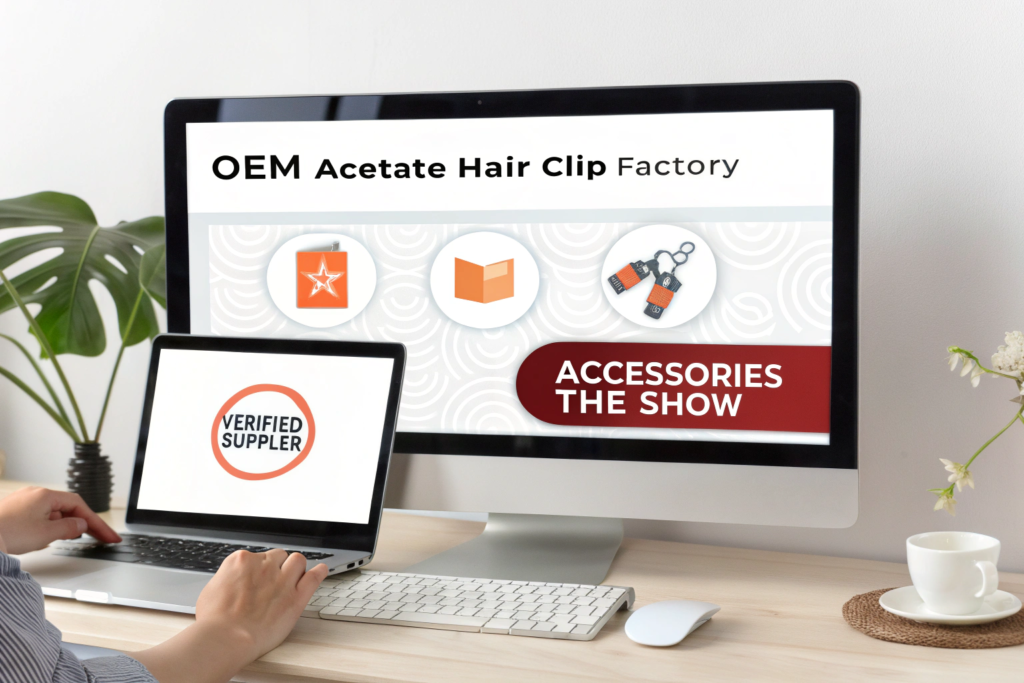
- "OEM hair clip factory" or "custom hair accessory manufacturer"
- "Acetate clip manufacturer" or "metal hair clip supplier"
- "German silver hairpin factory" or "plastic injection molding hair clip"
On platforms, filter for Verified Suppliers, Trade Assurance, and those with a high Transaction Level. Examine their product gallery closely: Do they show a range of clip types (jaw clips, claw clips, barrettes, bobby pins)? Do they highlight material details and production processes? This indicates depth of expertise.
Why are Trade Shows and Industry Hubs Invaluable?
Trade shows like AccessoriesTheShow (New York), Premiere Classe (Paris), or China International Fashion Jewelry & Accessories Fair offer a tactile advantage. You can physically test the clasp mechanism, feel the weight, and inspect the finish. You can speak directly with factory representatives and often visit booths of specialized manufacturers from regions known for accessory production, such as Yiwu or Guangzhou in China. This direct engagement provides an immediate sense of quality and professionalism.
How to Evaluate a Manufacturer’s Quality and Craftsmanship?
Once you have a shortlist, the real work begins: due diligence. Quality in hair clips is defined by material integrity, precision engineering, and flawless finishing.
Evaluate a manufacturer’s quality by requesting detailed material specifications and certificates, ordering comprehensive pre-production samples for stress-testing, and conducting a factory audit (virtual or in-person) to inspect their tooling, plating lines, and quality control stations. Never judge by a sales sample alone.
What Material Specifications are Non-Negotiable?
The base material determines durability and safety.
- Metal Clips: Ask about the alloy. Zinc alloy is common but can be brittle; stainless steel or German silver is higher grade. Inquire about the plating process—is it electroplating with nickel-free, lead-free compliance? Request SGS/RoHS reports for metal content safety.
- Acetate Clips: High-quality acetate has depth of color, is resistant to snapping, and has a polished, not plasticky, finish. Ask for proof of cellulose acetate sourcing.
- Plastic/Resin Clips: The plastic should feel substantial, not flimsy. Inquire about injection molding precision to avoid seams and burrs.
A professional manufacturer will readily provide this information and material certifications.
How to Rigorously Test Pre-Production Samples?
Your sample evaluation should be brutal. For a jaw clip or claw clip:
- Function Test: Open and close it 50-100 times. Does the spring remain strong? Does the mechanism feel smooth?
- Durability Test: Clip it onto a thick section of hair (or fabric simulating hair). Does it hold securely without slipping? Does it feel like it will snap?
- Finish Test: Examine under bright light for any uneven plating, color patches, or scratches. Rub it firmly with a cloth to see if the color transfers (testing for poor dye or plating).
- Safety Test: Are there any sharp edges or pinch points?
Document your tests and provide clear feedback. A quality-focused partner will welcome this scrutiny.
What are the Critical Phases of Collaboration and Production?
Sourcing is just the beginning. A successful partnership requires clear collaboration on design, precise management of the production process, and unwavering quality assurance before goods ship.
Critical phases include the collaborative design and prototyping stage, transparent production planning with clear milestones, and a final pre-shipment inspection that includes functional testing on a statistical sample of the batch. Managing these phases proactively ensures the bulk order matches the approved sample.

How to Navigate the Design and Tooling Phase?
This is where costs and quality are locked in. For a new clip design, a custom mold is required. A reputable factory will provide a mold fee quotation and timeline. They should advise on design for manufacturability—suggesting slight adjustments to a shape to ensure it releases cleanly from the mold or to strengthen a weak point. For colors, provide Pantone (PMS) codes and approve physical color chips. For plating, approve a plating sample. This collaborative upfront work prevents costly changes later.
What Does Effective Production and QC Management Look Like?
Once production starts, maintain clear communication. A dedicated Project Manager should provide updates. The most important phase is the Pre-Shipment Inspection (PSI). For hair clips, this is not just a visual check. The inspector must perform destructive and functional tests on a random sample from the batch:
- Testing the spring mechanism on a percentage of units.
- Checking plating thickness or color consistency with instruments.
- Inspecting for defects like glue residue, misalignment, or packaging errors.
The inspection should follow a strict AQL (Acceptable Quality Level) standard. Partnering with a manufacturer like Shanghai Fumao Clothing means this rigorous QC is part of our internal process, but a third-party PSI provides an additional layer of security for new partners.
How to Ensure Ethical Compliance and Long-Term Partnership?
Beyond product quality, modern brands must ensure their supply chain aligns with their values regarding ethics and sustainability. Building a long-term relationship secures consistency and enables innovation.
Ensure compliance by requesting audited social responsibility reports (like SMETA, BSCI) and material sustainability certificates. Foster a long-term partnership by providing realistic forecasts, committing to fair pricing that allows for quality, and collaborating on seasonal development. This transforms a supplier into a strategic ally.

What Certifications Verify Ethical and Safe Production?
Request proof of:
- Social/Labor Compliance: SMETA, BSCI, or similar audit reports ensure fair labor practices.
- Material Safety: OEKO-TEX Standard 100 for fabrics and threads; REACH, CPSIA, or LFGB compliance for metals and plastics, proving they are free from harmful substances like nickel, lead, or phthalates.
- Business Legitimacy: A valid business license and export record.
A transparent manufacturer will have these documents on hand and understand their importance to Western brands.
How to Build a Relationship for Innovation and Growth?
Share your brand’s seasonal trend direction and sales forecasts. This allows the factory to plan material inventory and capacity for you. Be open to their suggestions on new material trends (like bio-acetate) or finishing techniques (like matte velvet coatings). Consider a vendor-managed inventory (VMI) program for best-selling basics. This level of integration and trust leads to better pricing, priority production slots, and first access to new innovations—key advantages in the fast-paced hair accessory market.
Conclusion
Finding a source for high-quality hair clips requires moving beyond basic B2B searches to targeted sourcing, rigorous technical vetting, and a commitment to collaborative partnership. The right manufacturer is one that demonstrates specialized expertise, transparent processes, and a shared commitment to ethical and quality standards.
This strategic approach ensures that the hair clips carrying your brand name are not only beautiful and on-trend but are also durable, safe, and consistently delivered, building customer trust and repeat business.
If you are looking for a manufacturing partner with deep expertise in hair accessories and a commitment to the quality and collaboration required by serious brands, we have the capabilities and the mindset to be your ideal partner.
To discuss developing a high-quality hair clip line for your brand, feel free to contact our Business Director Elaine. Her email is: elaine@fumaoclothing.com.