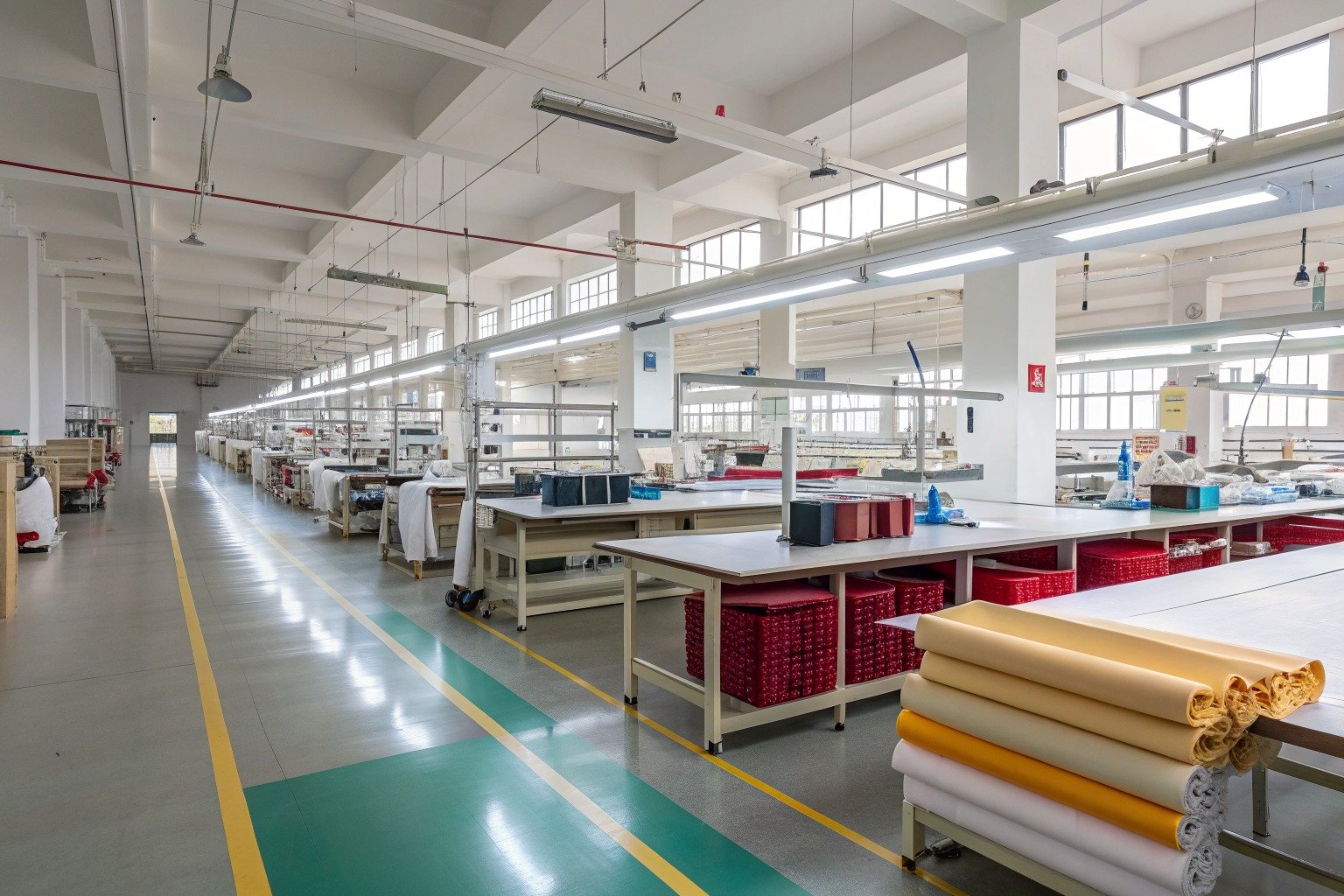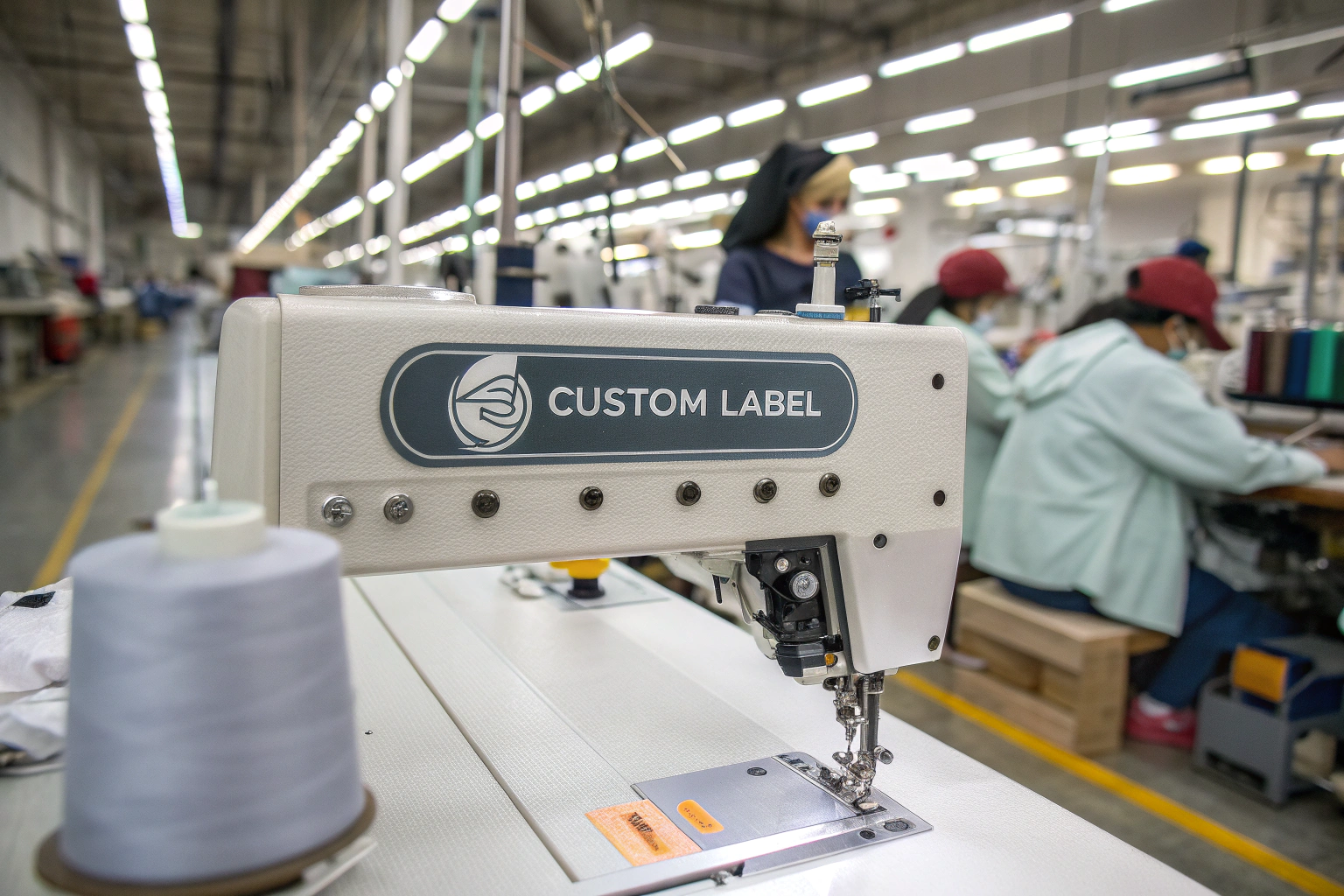
Are you tired of dealing with inconsistent woven label quality, delayed deliveries, and communication gaps that stall your production? Sourcing labels from a specialized printer seems logical, but it often creates a fragmented supply chain that hurts your brand’s consistency and timeline. The disconnect between your accessory manufacturer and label supplier can lead to costly errors in color, size, or content.
The most significant advantage of sourcing woven labels directly from your fashion accessory factory is integrated quality control and guaranteed supply chain synchronization. When your hat, bag, or glove manufacturer also produces your labels, every component of your final product is under one roof, managed by one team with a unified responsibility for the finished item. This eliminates compatibility issues and ensures your branding is executed perfectly, from thread to trim.
This approach streamlines communication, reduces lead times, and often results in better pricing through consolidated orders. Let’s explore why this integrated model is becoming the preferred choice for brands that value reliability, speed, and cohesive brand presentation.
How Does Integrated Production Reduce Lead Times and Complexity?
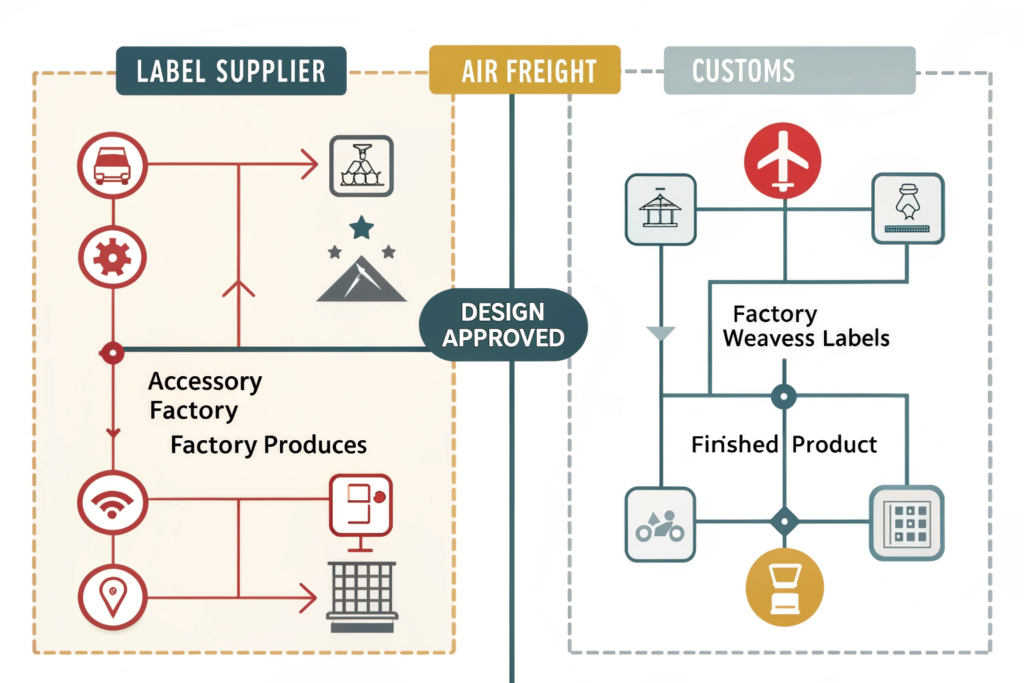
Managing multiple suppliers for a single product introduces coordination overhead, shipping delays, and increased risk of error. When labels and accessories come from different vendors, you’re responsible for ensuring the labels arrive at the assembly factory on time, in the correct quantity, and to exact specifications. Any misstep halts your entire production line.
Sourcing woven labels from your accessory factory consolidates the supply chain. The factory manages the entire timeline internally: ordering label yarn, weaving, finishing, and then moving the labels directly to their sewing stations. This eliminates international shipping of labels, customs clearance for a separate component, and the associated administrative paperwork. The result is a shorter total production lead time and far simpler logistics for you. At Shanghai Fumao Clothing, our project managers provide a single, coherent timeline for the entire product, from label creation to final packing, giving you unparalleled predictability.
Can a Single Timeline for Labels and Products Prevent Delays?
Absolutely. A common delay occurs when label production runs late at a separate supplier, but the main factory has already cut fabric and scheduled assembly lines. This mismatch creates costly idle time or forces production to proceed without labels. With an integrated factory, label weaving is scheduled as a precursor stage to the main production run, all managed under one production plan.
This synchronized scheduling means the labels are ready exactly when the sewing line needs them. There’s no buffer stock needed, no expedited freight costs, and no risk of mismatched quantities. The factory’s production planner treats the label as another raw material component, ensuring its availability is guaranteed. This level of coordination is almost impossible to achieve with external suppliers and is a primary reason savvy brands consolidate their sourcing. Industry experts often cite supply chain simplification as a key strategy for resilience, as noted in analyses from Supply Chain Dive.
How Does This Simplify Communication and Error Correction?
Instead of communicating with a label agent, a label factory, and your accessory manufacturer, you have one point of contact. You approve one label prototype. Any revisions for color (PMS matching), content, or size are handled directly with the team that will also attach it to your product. This eliminates the "telephone game" where specifications can get miscommunicated between multiple parties.
If there is an issue—for instance, the red in the label doesn’t match the red stitching on the bag—the problem is identified and solved internally in real-time. The design, production, and QC teams are all in the same facility and answer to the same management. This leads to faster problem resolution, fewer blame-shifting scenarios, and a more collaborative partnership focused on delivering a perfect final product to you.
What Are the Quality Control Benefits of a Single-Source Supplier?
Quality inconsistencies in woven labels—such as frayed edges, misaligned text, or color variation—can ruin the perceived value of an otherwise perfect accessory. When labels are sourced separately, final quality checks happen late in the process, often after the labels are already sewn on, making corrections extremely expensive.
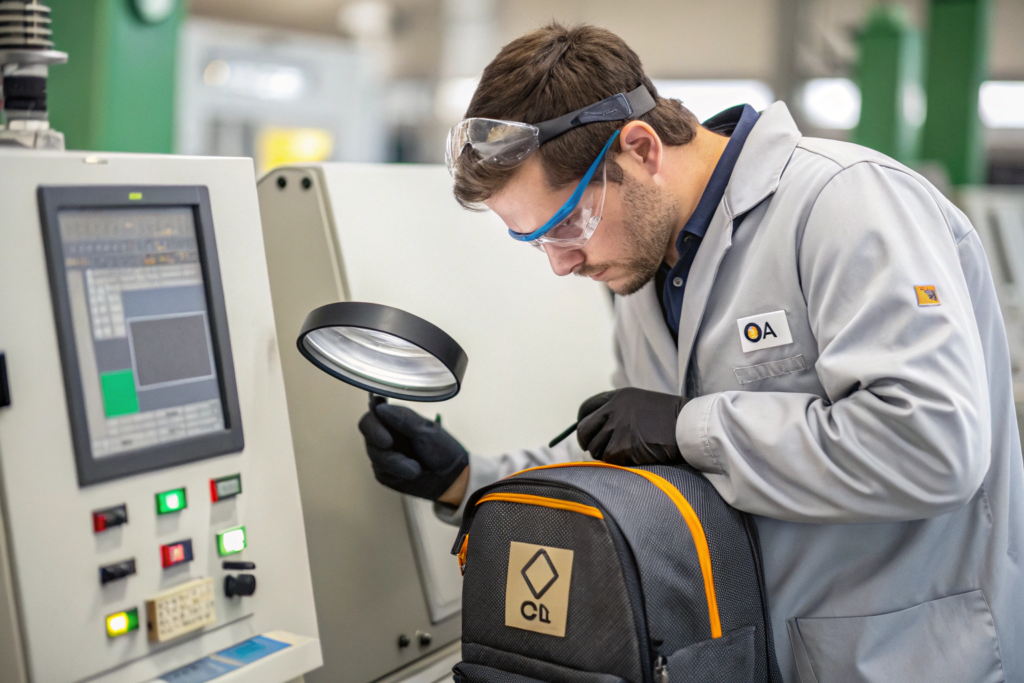
When your accessory factory produces the labels, quality standards are unified. The same QC team that inspects the fabric, stitching, and finishing of your scarves or hats also inspects the woven labels against the same rigorous benchmark. They check for label defects before they enter the main production line. This ensures that only labels meeting the factory’s—and therefore your brand’s—quality threshold are used. This integrated QC process drastically reduces the risk of receiving products with faulty branding.
How Does In-House Label Production Ensure Color and Detail Accuracy?
Color matching is critical for brand integrity. An integrated factory uses the same Pantone (PMS) color references for both the label yarn and any dyed accessory fabrics. Their technicians can physically hold the label thread next to the garment fabric under proper lighting to ensure a perfect match before bulk production begins.
For details like fine text, small logos, or complex borders, the factory’s label weaving technicians work directly with the accessory designers. They can advise on the minimum readable size for woven text and optimize the design for the weaving process to ensure clarity. This front-loaded collaboration prevents the common issue of a logo looking great on screen but becoming a blurred smudge when woven at a small size. This expertise in translating design into production is a core value of a manufacturer like Shanghai Fumao Clothing.
Why is Material Compatibility Less of a Risk?
A common, often overlooked, issue is material compatibility. A label woven with a certain type of polyester thread might react differently to washing or wear than the main fabric of the accessory (e.g., cotton, wool, or technical nylon). This can cause puckering, shrinkage, or color bleeding.
An integrated manufacturer understands the properties of all materials they are using. They can select label yarns and finishing techniques (like cut edges vs. folded edges, ultrasonic sealing) that are specifically chosen to be compatible with the main product’s fabric and its care instructions. This knowledge prevents post-sale customer complaints about labels that shrink, become stiff, or irritate the skin. Guidance on textile compatibility and care labeling is part of professional industry standards.
Does Sourcing Labels and Accessories Together Offer Cost Advantages?
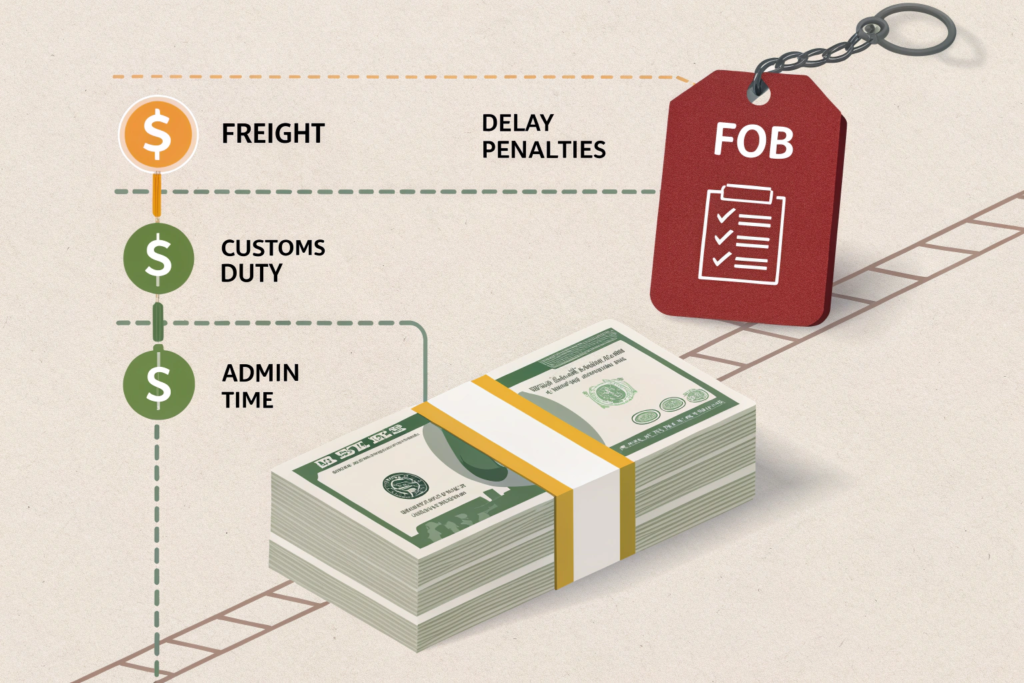
While the unit price of a label from a large, specialized mill might seem lower, the total landed cost of sourcing separately is often higher. Hidden costs include separate shipping fees for labels, import duties, the internal administrative cost of managing an additional supplier, and the financial risk of production delays caused by label issues.
By bundling your label order with your main accessory order, you achieve economies of scale in procurement and logistics. You get one comprehensive FOB (Free On Board) price that includes everything. Furthermore, the factory can optimize material usage—for example, using the same base yarn for labels across multiple product lines—which can lead to better pricing. The reduction in administrative hassle and risk mitigation also represents significant, though less tangible, cost savings.
How Can MOQ Flexibility Be Better with an Integrated Factory?
Specialized label mills often have high Minimum Order Quantities (MOQs) per design, which can be problematic for small brands or for testing new product lines. An accessory factory that weaves its own labels is often more flexible. Because you are placing a larger overall order for the finished goods, they may accommodate lower MOQs for the label component itself.
This allows for greater agility. You can introduce more label variations (e.g., specific care labels, size labels, different brand labels for a capsule collection) without being forced to order huge, costly rolls of each one. This flexibility supports brand growth and experimentation, which is especially valuable for emerging labels and e-commerce brands. Understanding MOQ strategies is key for small business success in manufacturing.
Are There Savings in Sampling and Development?
Yes, significantly. Developing a new label with a separate supplier typically involves separate sampling fees and shipping costs for label approvals. When working with an integrated factory, label development is often included as part of the overall product development service.
You can request multiple label iterations (adjusting font, size, layout) during the prototyping phase of your accessory without incurring extra charges from a separate vendor. The samples are produced and presented attached to your product prototype, giving you a true sense of the final look and feel. This integrated sampling process is faster, more efficient, and reduces upfront development costs. Resources on efficient product development often highlight the value of consolidated sampling.
What Should You Look for in a Factory’s Label Capability?
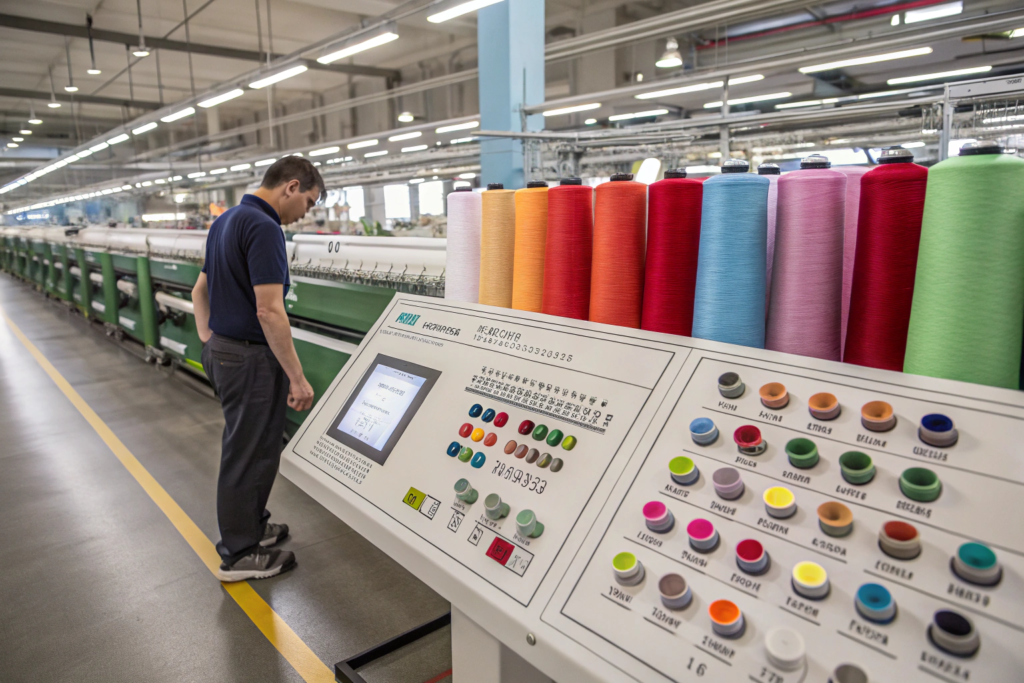
Not every accessory factory has in-house label production. When vetting a potential partner, it’s essential to confirm their capabilities. Look for a factory with dedicated label weaving equipment (like narrow fabric looms), a design/digitizing team for creating weave files, and a sample room where you can see label prototypes.
Key questions to ask:
- Do you have in-house damask/woven label machines?
- Can you show me a portfolio of labels you’ve produced for similar accessories?
- What is your process for PMS color matching on yarn?
- What are my options for label finishes (folded, cut, laser cut)?
- Can you provide care labels that comply with my target market’s regulations (e.g., FTC in USA)?
A factory that is proud of this capability will readily demonstrate it. For example, at our facility, we view label production as a core competency that adds value for our clients, ensuring brand consistency from the inside out.
Why is In-House Digitizing and Design Support Important?
A skilled digitizer is what transforms your logo artwork into a viable weaving file. In-house digitizing means the factory can make immediate adjustments to optimize your design for clarity and durability. They understand the technical constraints of their own machines, which leads to a better final product and faster turnaround on proofs.
This service is invaluable. They can advise on simplifying complex artwork for small-scale weaving, suggest alternative border styles, and ensure that text is legible. This collaborative design support ensures your branding is not just attached, but beautifully and effectively integrated into your product’s identity. This technical skill is a hallmark of a sophisticated manufacturer.
How Does This Ensure Compliance and Consistency for Branding?
For brands selling in multiple regions, compliance for care labels is non-negotiable. An integrated factory with experience in your target markets will know the basic legal requirements for label content (fibre composition, care instructions, country of origin). They can guide you on creating compliant labels from the start.
For consistency, using one factory for all your accessories and their labels guarantees that your brand logo, font, and colors are reproduced identically across every product category—from hats and bags to gloves and scarves. This unified brand presentation strengthens your identity and builds consumer trust. It eliminates the slight variations that can creep in when using multiple label suppliers over time. Maintaining brand standards is a fundamental aspect of professional brand management.
Conclusion
Sourcing woven labels from your fashion accessory factory offers a compelling array of advantages centered on integration, control, and efficiency. The unified supply chain drastically reduces lead times and complexity, while integrated quality control ensures your branding is flawless. The potential for cost savings, both tangible and intangible, is significant, and the benefits of having a single, accountable partner for your entire product cannot be overstated.
In a market where brand presentation is everything, ensuring every component of your product—down to the smallest label—is perfectly aligned in quality and timing is a strategic imperative. It transforms your manufacturer from a simple producer into a true brand partner.
If you’re looking to streamline your operations and elevate the consistency of your branded accessories, consider the integrated approach. To discuss how our in-house woven label production can simplify and enhance your next collection, please contact our Business Director, Elaine, at elaine@fumaoclothing.com.