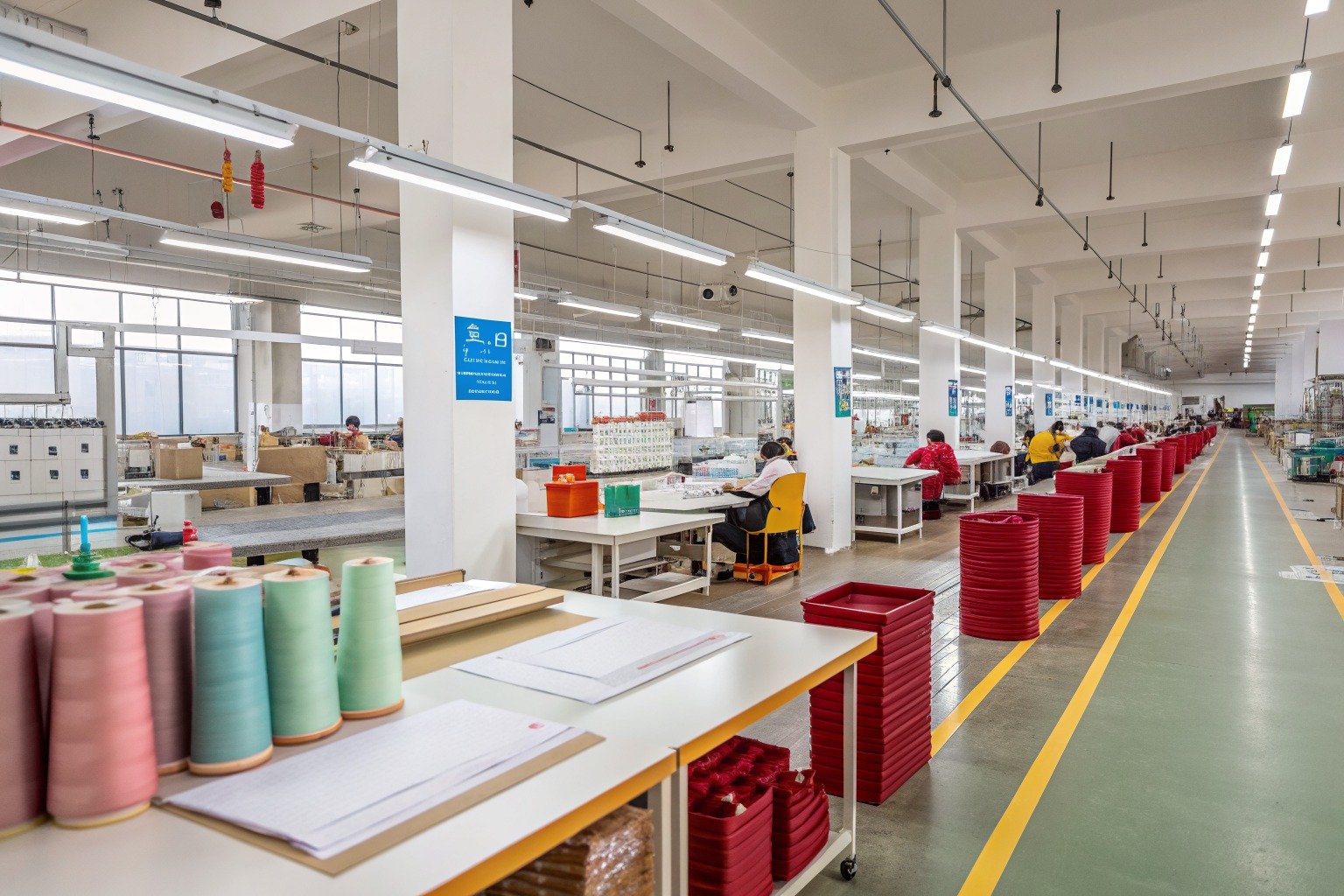
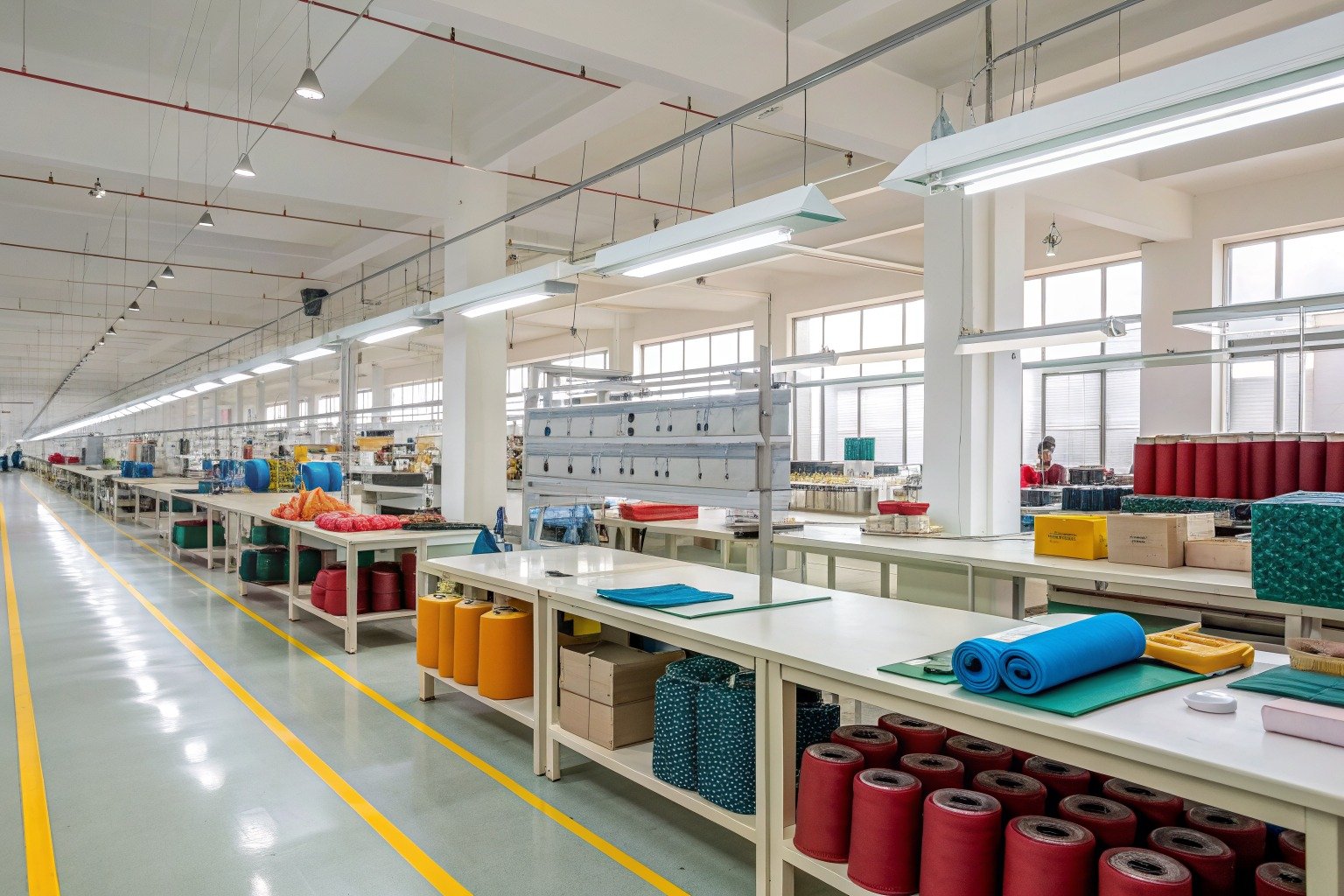
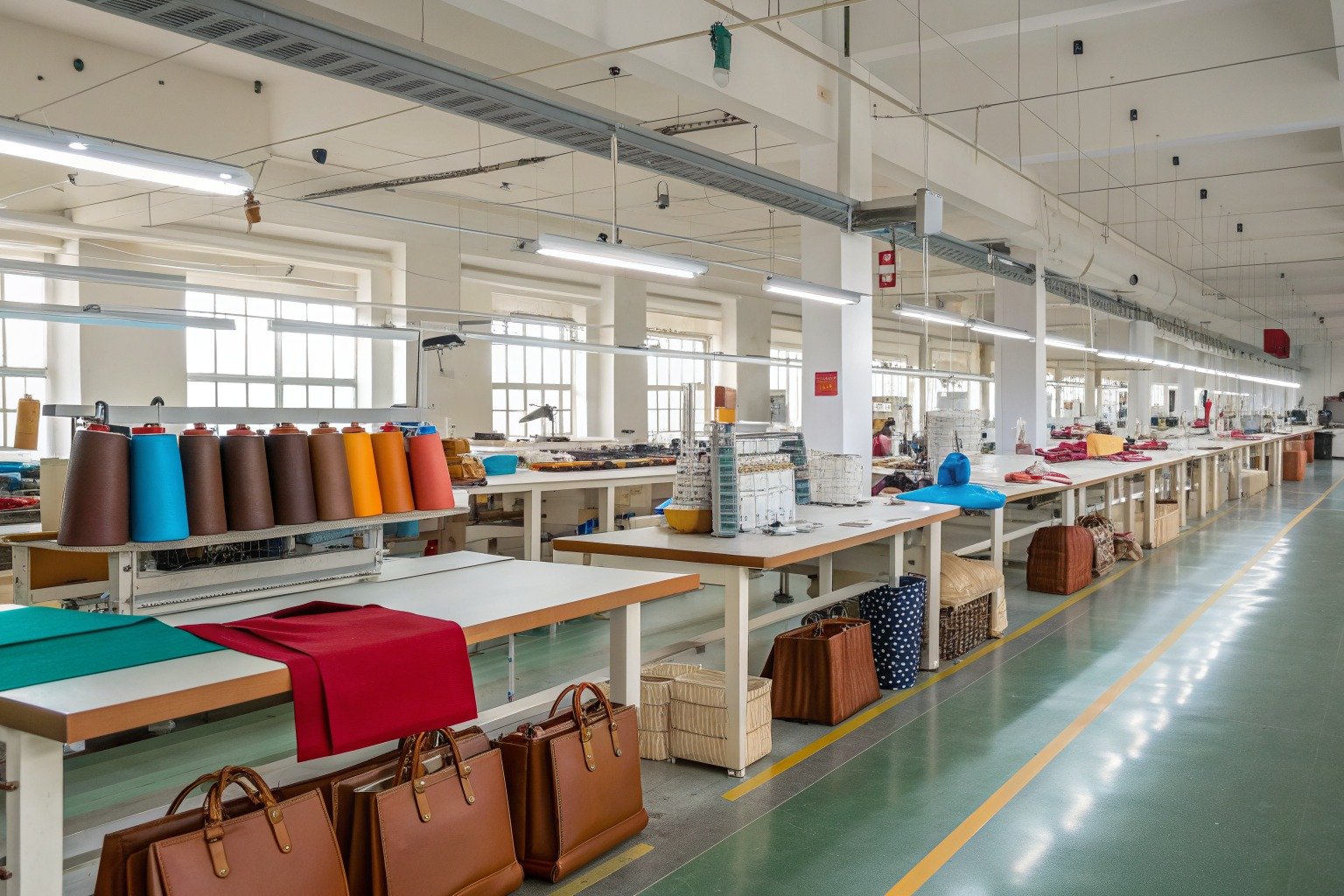
As a manufacturer and exporter of fashion accessories, we understand that shipping is a critical part of the supply chain. Our clients, from major brands to online stores, often express concerns about how their products will arrive. Damaged goods lead to returns, unhappy customers, and lost revenue. The best way to package hair accessories for shipping is to implement a multi-layered strategy that combines the right materials with smart design. This approach protects items from physical damage and environmental factors during transit, ensuring they arrive in perfect, sellable condition.
The most effective packaging for hair accessories combines internal cushioning with a robust external box. It uses materials like bubble wrap or tissue paper to prevent movement and scratches, and a corrugated cardboard box that can withstand the pressures of logistics and shipping. This method prioritizes both product safety and cost-efficiency for businesses.
Understanding the best packaging method is just the first step. The real value comes from knowing how to apply these principles to different types of hair accessories, from delicate silk scrunchies to rigid plastic hair clips. Let’s explore the specific strategies that can safeguard your products and your brand’s reputation.
How to prevent hair accessories from breaking during transit?
A broken hair clip or a cracked hair band is a direct loss. The primary goal of packaging is to provide cushioning and shock absorption. The journey from our factory in Zhejiang to a distribution center in the United States involves multiple handlings. Your packaging must be ready for that.
The key to preventing breakage is to eliminate empty space inside the shipping box. Use void fill materials like air pillows, crumpled paper, or biodegradable loose-fill to stop products from moving around. For fragile items like resin hair clips or decorative headbands with intricate details, individual compartmentalization is crucial. Each piece should be wrapped separately before being placed in the master carton.

What are the best cushioning materials for hair accessories?
The best cushioning materials are those that absorb impact without adding excessive weight or cost. We extensively use bubble wrap for its excellent shock absorption. For more delicate or high-end items, such as those with polished metal or painted surfaces, we prefer acid-free tissue paper for wrapping. This prevents scratches and tarnishing. For a sustainable option, corrugated cardboard inserts can be custom-designed to hold each item securely in place, preventing them from knocking into each other. It’s vital to choose materials that align with your brand’s image, especially if you are an eco-friendly brand targeting conscious consumers.
How does box strength impact product safety?
The outer box is your product’s first and last line of defense. A weak box can collapse under stacking pressure in a shipping container or warehouse. We always recommend corrugated cardboard boxes for their durability. The fluting within the cardboard acts as a rigid arch, distributing weight and resisting crushing. The box strength is determined by its edge crush test (ECT) rating. A higher ECT rating means a stronger box. For most hair accessory shipments, a 32 ECT box is sufficient. However, for heavier items or international sea freight, a box with a higher ECT rating is a wise investment to prevent costly damage.
What is the most cost-effective shipping packaging?
Balancing cost and protection is essential for maintaining profitability. Overspending on packaging eats into your margins, while underspending leads to damaged goods. The most cost-effective packaging is the one that reliably gets your products to their destination without damage, using optimized materials.
Cost-effectiveness is achieved by right-sizing your boxes and choosing materials wisely. Using a box that is too large for your products wastes material and increases shipping costs due to dimensional weight pricing. We use box-on-demand systems to create the perfect size box for each order, minimizing waste. Furthermore, lightweight void fill materials like air pillows are often cheaper and more effective than heavier alternatives like packing peanuts.

How to reduce packaging material costs?
Reducing costs starts with a smart design. We work with our clients to design retail-ready packaging that serves as both the shipping container and the display unit, eliminating a layer of material. Standardizing box sizes for your most popular hair bands and hair clips allows for bulk purchases, which lowers the per-unit cost. Another strategy is to source materials locally near the port of departure to save on inland transportation fees. For high-volume buyers, we can arrange for consolidation services to ship larger, more economical quantities.
Can lightweight packaging ensure product integrity?
Absolutely. Lightweight does not mean weak. Modern materials are engineered to be strong yet light. For example, padded mailers are an excellent, cost-effective option for single, non-fragile items like fabric headbands or simple hair ties. They are lightweight, which reduces shipping costs, and provide a degree of cushioning. The integrity comes from the material science; these mailers are made from layered materials that resist tears and punctures. For a mix of products, a lightweight single-wall corrugated box, when combined with proper internal bracing, provides ample protection without the weight and cost of double-wall cardboard.
How to package hair accessories for international shipping?
International shipping introduces variables like longer transit times, humidity, and extreme temperature changes. Your packaging must be robust enough to handle these challenges. The goal is to protect against environmental hazards, not just physical shocks.
For international shipments, especially by sea, moisture is a significant threat. We always recommend using desiccant packets or silica gel packs inside the master cartons to control humidity and prevent mold or rust on metal components. Furthermore, palletizing your cartons and wrapping them in stretch film protects them from condensation and physical damage during container loading and unloading. It also improves security and makes handling more efficient for logistics partners.

Why is moisture protection crucial for sea freight?
The environment inside a sea container can be harsh, with wide swings in temperature and humidity leading to "container rain." This condensation can ruin cardboard boxes and the products inside. Using plastic pallet covers or wrapping the entire pallet in moisture-resistant barrier film is a standard practice. For an added layer of security, we use water-resistant liners inside the corrugated boxes. This is a critical step for preserving the quality of all our accessories, ensuring that your scarves and knit hats do not fall victim to moisture damage during their long journey.
How to ensure compliance with international shipping regulations?
Every country has its own regulations for imported goods and packaging materials. Non-compliance can lead to delays, fines, or rejected shipments. We ensure that all our wood packaging materials, like pallets, are ISPM 15 certified, meaning they are heat-treated and stamped to prevent the spread of pests. We also provide all necessary documentation, such as the commercial invoice and packing list, with accurate product descriptions and Harmonized System (HS) codes. Our experience with customs clearance for North American and European markets helps our clients avoid these common pitfalls, making the process smooth and predictable.
What packaging enhances the unboxing experience for end customers?
The moment a customer opens your package is a powerful brand touchpoint. For our clients who are brands and online stores, the unboxing experience can turn a one-time buyer into a loyal fan. It’s where logistics meets marketing.
Excellent unboxing experiences are simple, elegant, and reflective of the brand’s value. It starts with a clean, undamaged box. Inside, the products should be presented neatly, perhaps with a thank-you note or a small free gift. Using branded tissue paper or a custom-printed box elevates the experience. This attention to detail makes customers feel valued and increases the perceived value of your products, encouraging them to share their experience on social media.

How can packaging design reinforce brand identity?
Your packaging is a mobile billboard for your brand. Consistent use of your logo, colors, and fonts on the shipping box or internal materials builds immediate recognition. We help our clients source custom printed poly bags for individual products or design logo stickers to seal the shipping boxes. This creates a cohesive brand experience from the moment the package arrives on the customer’s doorstep. For apparel and accessories brands, this consistency is key to building a strong, recognizable identity in a competitive market.
What are sustainable packaging options for accessories?
Sustainability is no longer a niche demand but a market expectation. Many end-consumers prefer brands that demonstrate environmental responsibility. We offer a range of eco-friendly packaging solutions, including boxes made from recycled cardboard, biodegradable plastic mailers, and void fill made from cornstarch or recycled paper. We can also help design minimalist packaging that reduces material use without compromising protection. Adopting sustainable practices is not just good for the planet; it’s a powerful marketing tool that can set your brand apart and appeal to a growing segment of conscious shoppers.
Conclusion
Choosing the best way to package hair accessories for shipping is a multifaceted decision that directly impacts your bottom line and brand reputation. It requires a careful balance of robust protection, cost-effectiveness, compliance for international markets, and the creation of a memorable unboxing experience. From preventing breakage with the right cushioning to defending against moisture during sea freight, each step is crucial. Remember, your packaging is the final step in the manufacturing process and the first interaction your end-customer has with your product. Getting it right ensures that the quality we build into every hair clip, headband, and scarf at our factory is preserved all the way to the final user.
If you are looking for a reliable manufacturing partner that understands the intricacies of packaging and logistics for the North American and European markets, we are here to help. Our team of experienced project managers can guide you through the entire process, from design to delivery. To discuss how we can partner on your next accessory order, please feel free to contact our Business Director Elaine at her email: elaine@fumaoclothing.com.