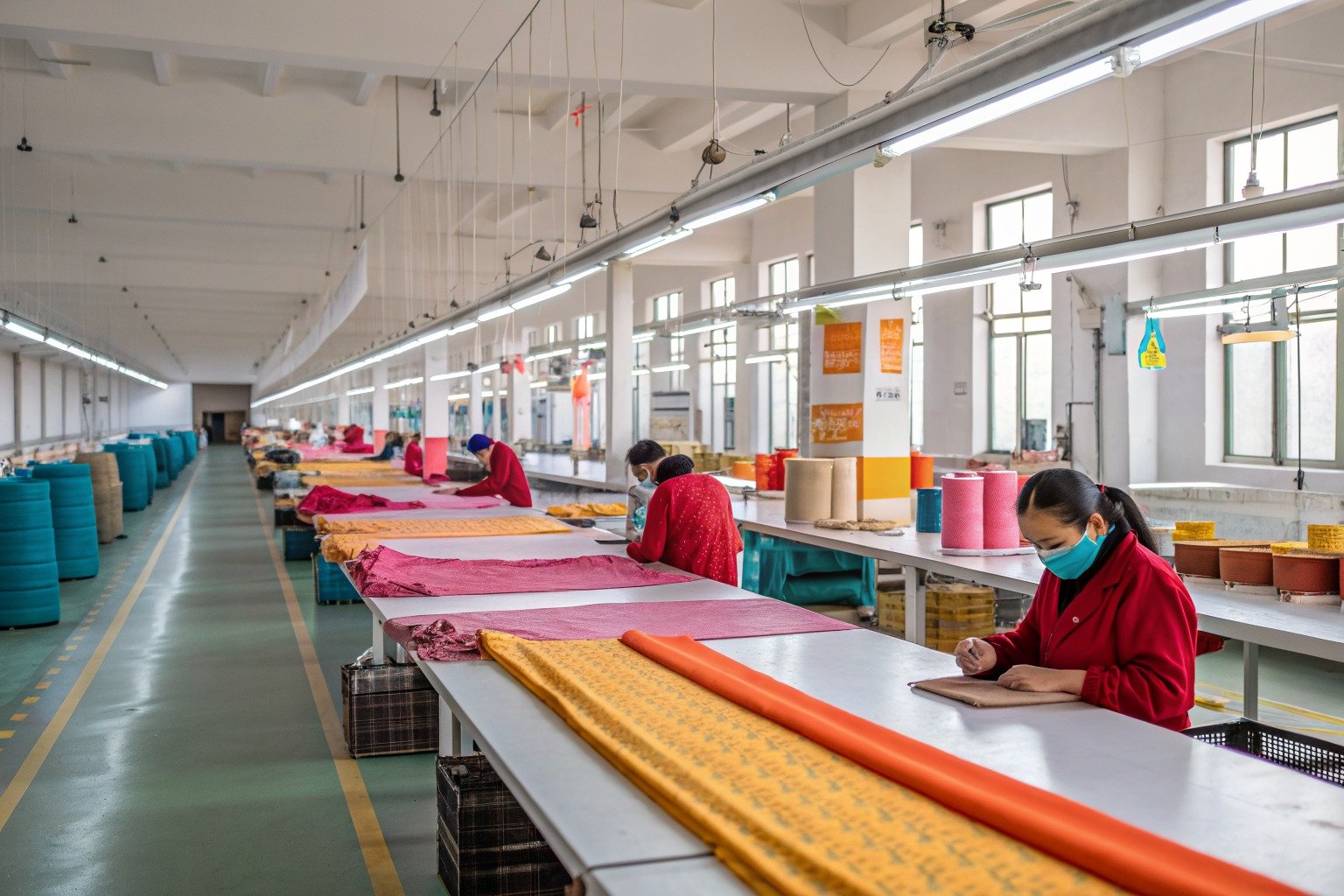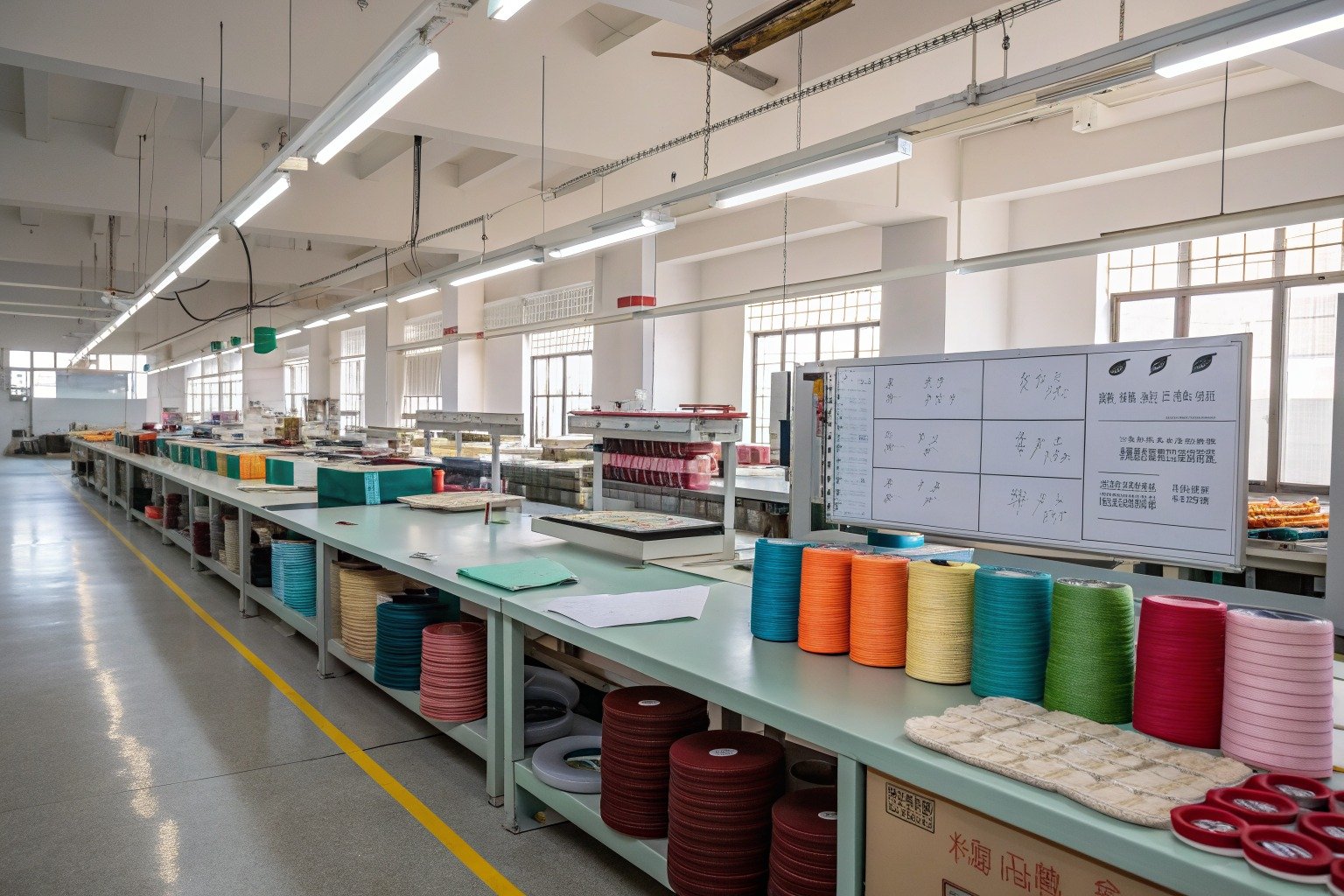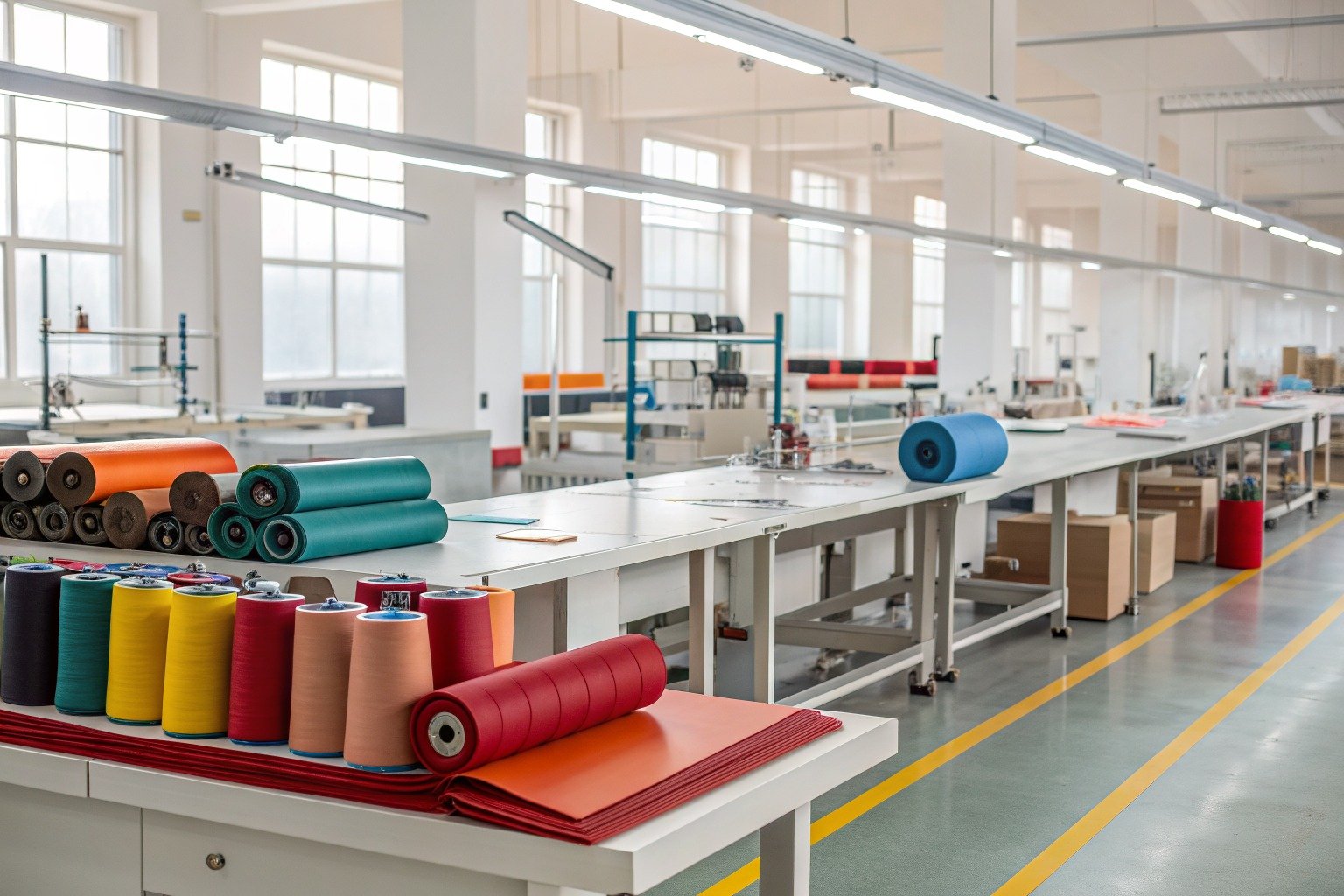
Have you ever bought a product you loved, went back to buy it again, and found that the new one was… different? Maybe the color was a slightly different shade, the fit wasn’t quite the same, or the material felt cheaper. How did that make you feel? Disappointed? Frustrated? It likely damaged your trust in that brand. Now, imagine that happening to your own customers. This is why consistency is not just a goal in manufacturing; it is the absolute bedrock of a successful brand.
Consistency is key in fashion accessory manufacturing because it is the tangible proof of your brand’s promise to the customer, directly impacting brand trust, perceived value, and operational efficiency. As the owner of Shanghai Fumao Clothing, I’ve learned that producing one perfect sample is easy. The true test of a great factory—and a great brand—is the ability to produce the ten-thousandth piece to be an exact replica of the first. Consistency is the invisible thread that ties your entire business together, from the factory floor to the customer’s hands.
Many people think manufacturing is just about making things. But true manufacturing is about making the same thing, perfectly, over and over again. Let’s explore the four critical areas where consistency is not just important, but essential for survival and growth.
How Does Consistency Build Brand Trust and Loyalty?
Trust is the most valuable currency a brand can have. It’s earned in drops and lost in buckets. In the world of physical products, consistency is the primary way you earn that trust. It’s how you make a promise to your customer and keep it, every single time.
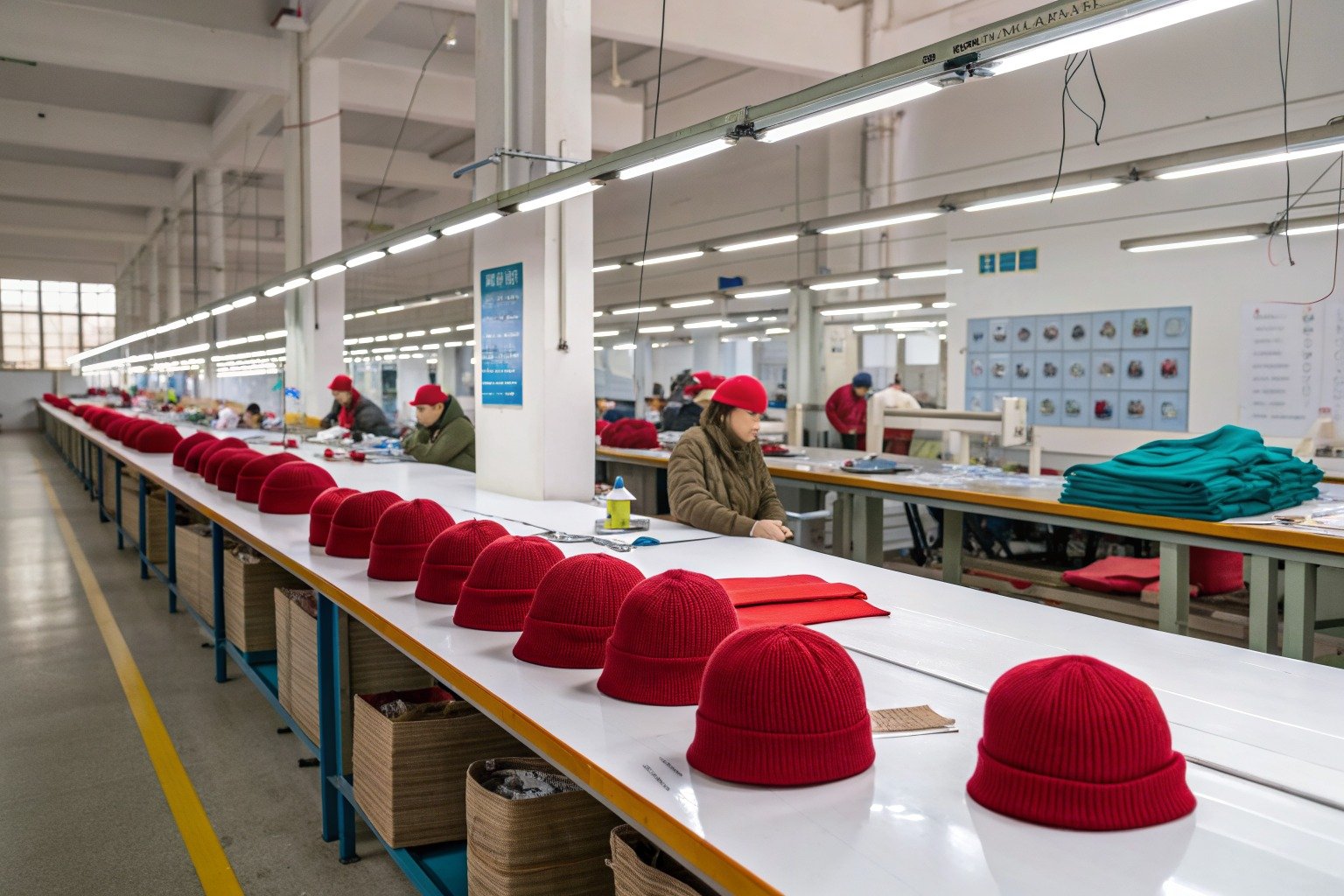
When a customer buys your beautifully designed knit hat, they are buying into your brand’s promise of quality, style, and fit. If their friend buys the same hat a month later and it’s a different shade of blue or the knit is looser, that promise is broken. The inconsistency creates doubt and undermines the customer’s confidence in your entire brand. Conversely, when every product is reliably the same, customers learn they can trust you. That trust is what turns a one-time buyer into a loyal, repeat customer who recommends you to others.
This is where the reputation of your brand is forged—not in your marketing campaigns, but on the production line. This is why we, as manufacturers, are so obsessed with processes that ensure a reliable output, like those we use for high-performance sports caps.

What is the "Implied Promise" of a Product?
Every product on a shelf carries an implied promise. The photo on your website, the sample in your showroom, the first item a customer buys—these all set an expectation. Consistency is the act of fulfilling that promise with every single unit sold. When a customer receives a product that perfectly matches their expectation, their trust is affirmed. When it doesn’t, they feel deceived, even if the deviation is small. This is a fundamental principle of brand management.
How Does Consistency Drive Repeat Purchases?
A loyal customer is one who has "no-doubt" confidence in your brand. They buy your new product without hesitation because they trust it will have the same quality and fit as the last one. This is especially critical for online brands, where customers cannot touch or feel the product before buying. A consistent experience removes the risk from the purchase decision. According to studies in customer psychology, reliability and trust are leading drivers of customer loyalty, often more so than price.
How Does Consistency Protect Your Profit Margins?
Inconsistency isn’t just a brand problem; it’s a financial disaster waiting to happen. Every time a product deviates from the standard, it costs you money—often in ways that are not immediately obvious.
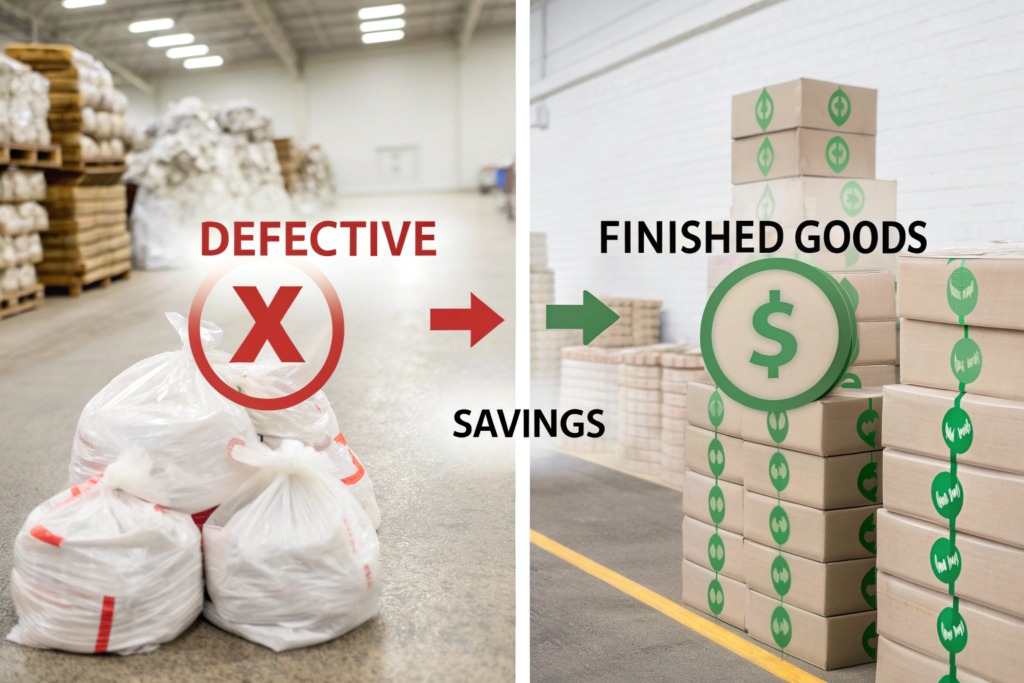
Think about the costs associated with inconsistency: customer returns, discounted sales for "B-grade" stock, wasted materials, and the administrative time spent dealing with complaints. These are direct hits to your bottom line. A production run with a 10% defect rate due to inconsistent color or stitching isn’t just 10% less profitable; the costs can cascade, eroding the profitability of the entire batch.
A consistent manufacturing process is, by its nature, an efficient and profitable one. It minimizes waste, reduces errors, and produces a predictable, sellable output. This is why we invest so heavily in systems and quality reports—they are tools for ensuring the financial health of our clients’ projects.
What Are the Hidden Costs of Inconsistency?
The cost of a customer return isn’t just the refund. It includes the return shipping cost, the labor cost to process the return, the potential loss of that customer forever, and the negative word-of-mouth they might generate. The cost of a production error includes the wasted raw materials, the lost labor hours, and the potential for delayed shipments, which can be a huge problem during peak season. These "hidden" costs can be far greater than the value of the defective item itself.
How Does Consistency Enable Scalable Growth?
As your brand grows, you need to be able to produce larger quantities without a drop in quality. A consistent, documented manufacturing process is scalable. It means that whether we are making 1,000 units or 100,000 units, the system ensures the output remains the same. You can’t build a global brand on a process that relies on luck. You need a repeatable, scalable system, and that system’s primary goal is to produce a consistent result. This is a core principle of operations management.
How is Consistency Achieved on the Factory Floor?
Consistency doesn’t happen by magic. It is the result of a deliberate, systematic, and often rigorous process that is built into every step of manufacturing. It’s a combination of clear standards, skilled labor, and relentless quality control.
When a brand partner provides us with a perfect "golden sample" and a detailed tech pack, that becomes our bible. Our entire job is to replicate that standard flawlessly. This involves creating internal production guides, training our staff on the specific requirements of that product, and setting up multiple checkpoints to ensure we are on track.
This systematic approach is what separates professional factories from amateur workshops. It’s a culture of precision that is applied to every order. Let’s look at the key pillars that uphold consistency on the factory floor.
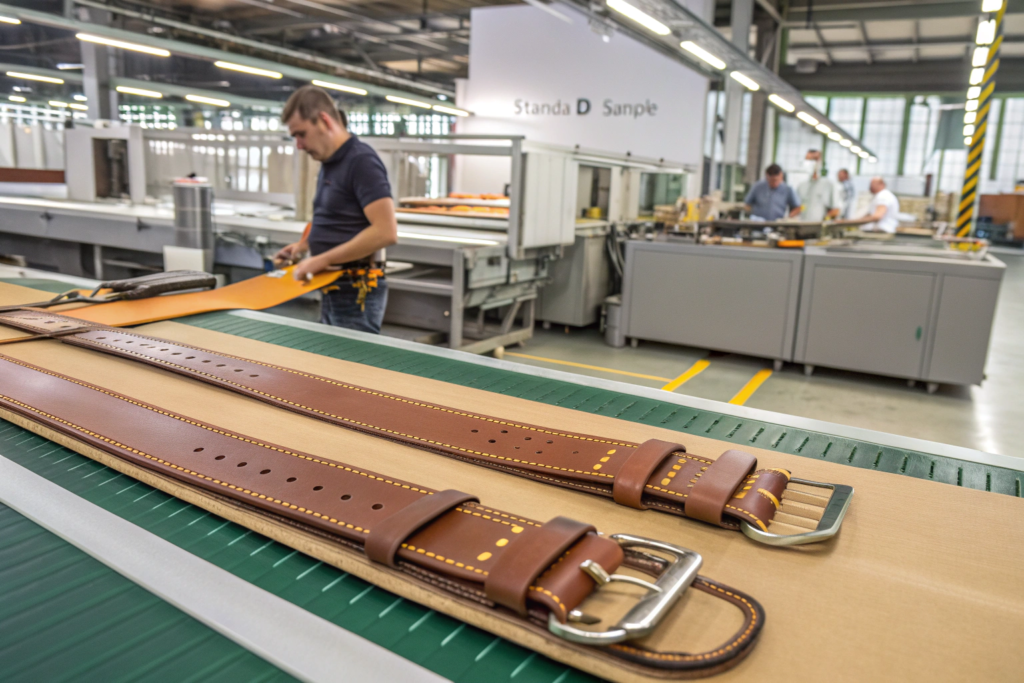
What is a "Golden Sample" and a Standard Operating Procedure (SOP)?
The "Golden Sample" or "Sealed Sample" is the final, approved pre-production sample. We keep this in a sealed bag, and it becomes the undisputed physical standard for the entire production run. From this sample and the tech pack, we create a detailed Standard Operating Procedure (SOP) for our production line leaders. This document breaks down every single step of the assembly process, specifying the exact stitch type, thread color, and machine setting to be used. This ensures every worker is performing the same task in the exact same way.
What is the Role of In-Line Quality Control (QC)?
We don’t wait until the end to check for quality. We practice in-line QC, meaning we have inspectors at critical points during the production process. There’s a QC check for incoming raw materials to ensure the fabric color is correct. There’s a check after the panels are cut to ensure they are the right shape. There’s a check after embroidery to ensure the logo is perfect. By catching a deviation early, we prevent that error from being replicated in thousands of pieces. This proactive approach is far more effective than a simple final inspection and is a key part of any robust quality assurance system.
How Does Consistency Impact Your Entire Supply Chain?
Consistency isn’t just about the product itself. It extends to every aspect of your supply chain, including packaging, labeling, and shipping. A lack of consistency in these areas can cause major logistical headaches, customs delays, and problems in your own warehouse.
Imagine your retailer is expecting cartons of a specific size and weight to fit on their shelves. If one shipment arrives in cartons that are 10cm taller, it can throw off their entire warehousing plan. If the barcodes on your hangtags are inconsistent, they won’t scan properly at the point of sale.
Ensuring consistency across your entire supply chain creates a smooth, predictable, and efficient flow of goods from our factory door to your customer’s hands. It minimizes surprises and allows every partner in the chain—from the freight forwarder to the retail stockist—to operate efficiently. This is why we pay just as much attention to the challenges of shipping as we do to manufacturing the product itself.

Why is Packaging and Labeling Consistency Crucial?
Your master cartons should be a consistent size, weight, and construction. This allows for accurate shipping cost calculations and efficient container loading. Your inner packaging (like polybags or gift boxes) must be uniform. Your labeling—from the care label sewn into the product to the barcode on the hangtag—must be 100% accurate and consistent. An error in a barcode can make an entire batch of products unsellable in a retail environment until it is manually re-labeled, a costly and time-consuming process governed by standards from organizations like GS1.
How Does It Create a "Frictionless" Operation?
When every aspect of your product and its packaging is consistent, it creates a frictionless supply chain. Your freight forwarder knows what to expect. The customs agent sees professional and uniform documentation. Your warehouse team can receive and process the shipment quickly. Your retail partners can stock their shelves without issue. This operational smoothness is a hidden, but powerful, competitive advantage that all stems from a commitment to consistency at the manufacturing level.
Conclusion
In the end, consistency is the quiet, tireless engine of a great fashion brand. It’s the proof behind your brand’s promise, the guardian of your profit margins, the foundation of an efficient operation, and the key to earning lasting customer trust. It transforms your product from a simple item into a reliable, trustworthy experience. While style and trends may change with the seasons, a brand’s commitment to consistency is timeless.
Our philosophy is built on this principle. We understand that our most important job is to be a consistent, reliable partner for the brands we serve. We invest in the systems, people, and technology required to deliver on that promise with every single order.
If you are looking for a manufacturing partner who shares this commitment to consistency and understands its critical importance to your brand’s success, we would be honored to speak with you. Please contact our Business Director, Elaine, at her email: elaine@fumaoclothing.com.