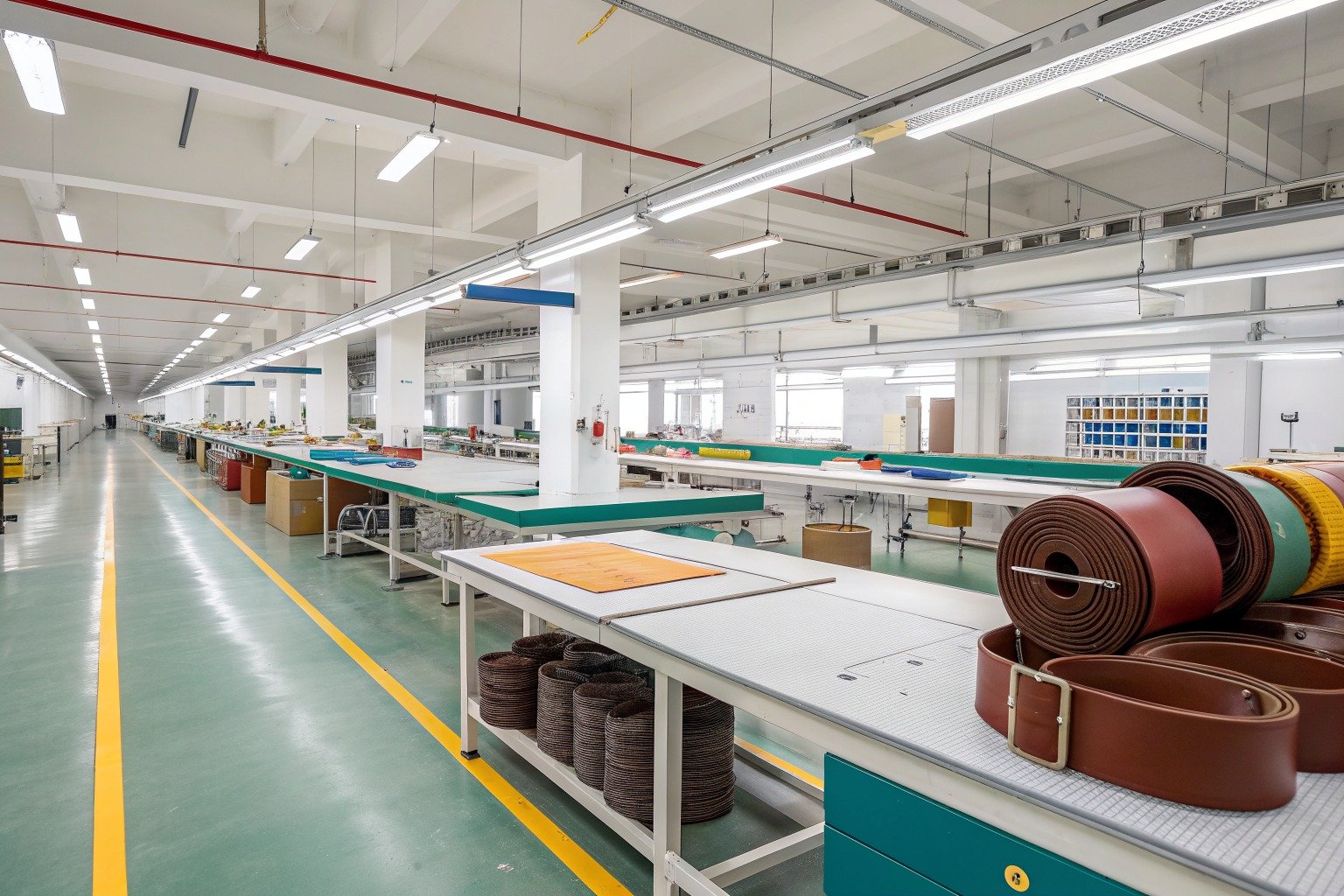
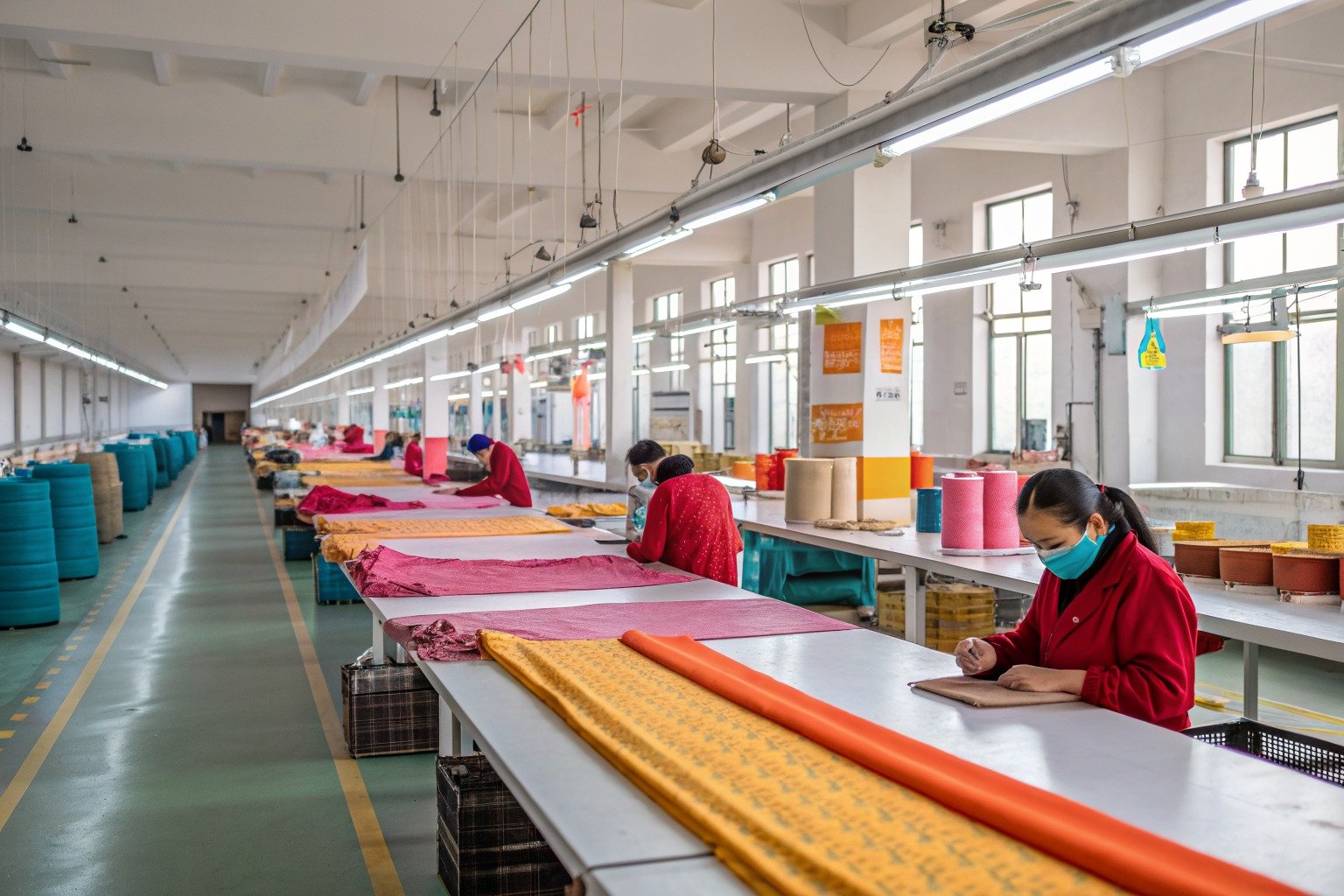
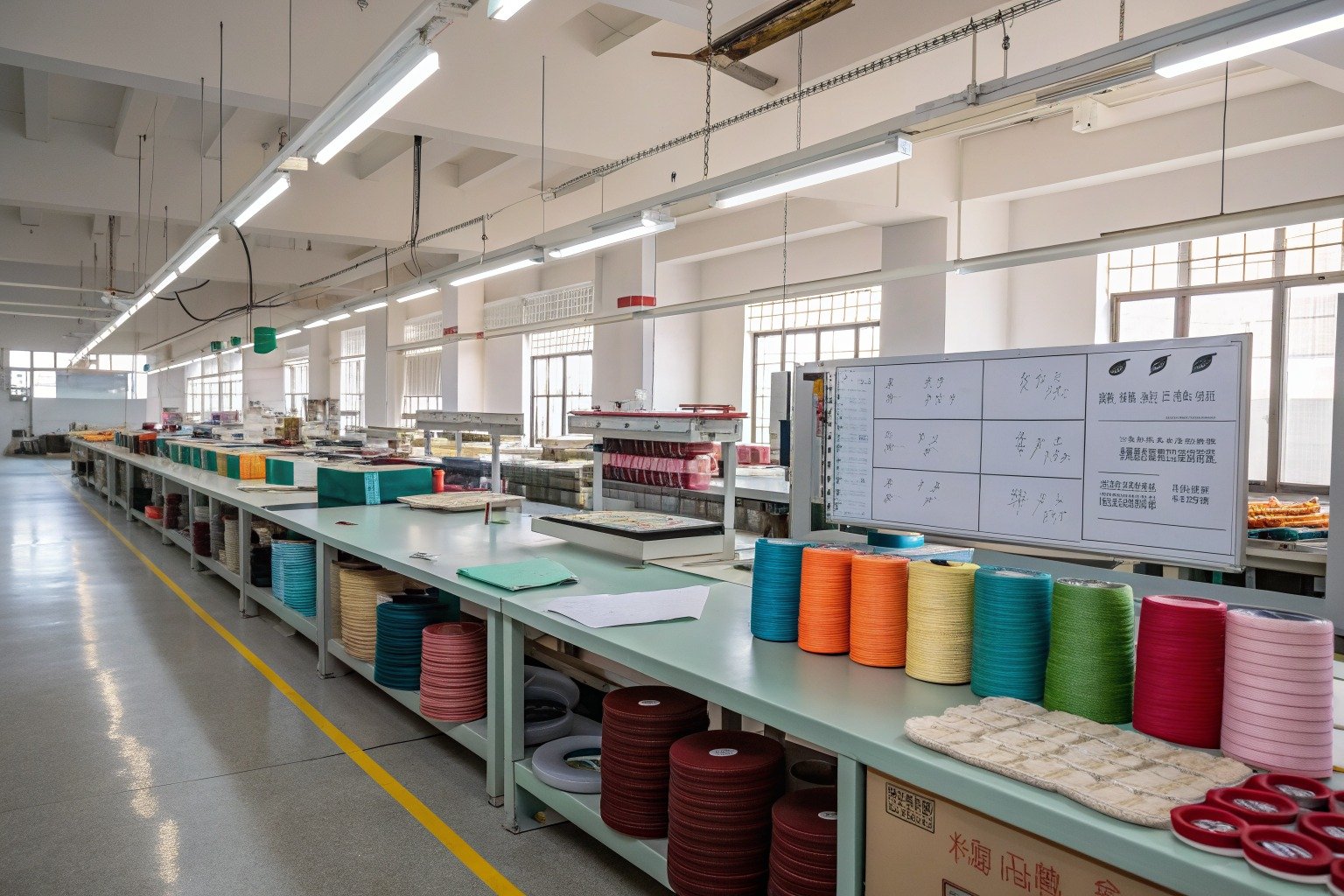
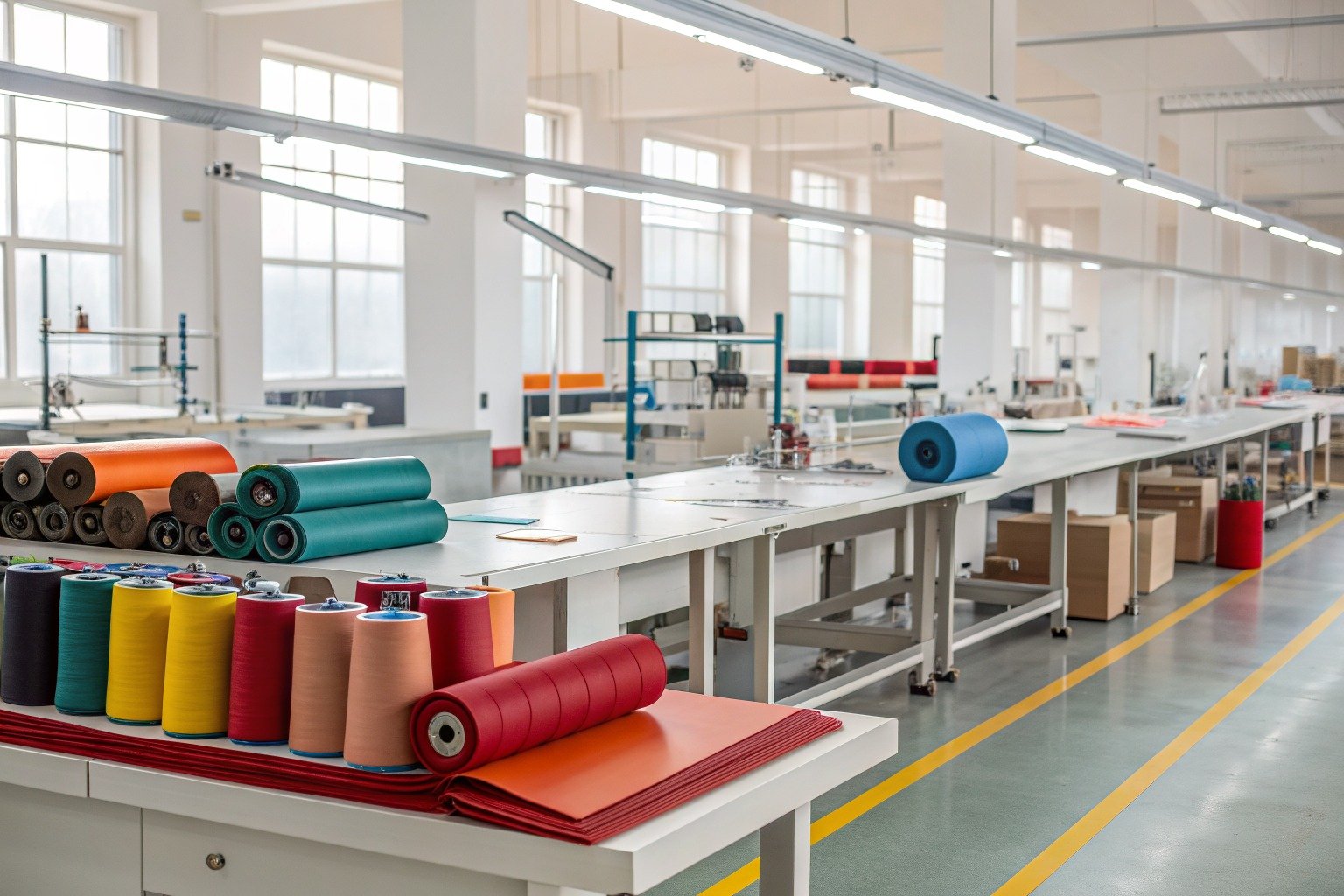
If you’ve been following sustainable fashion trends, you’ve likely noticed recycled polyester scarves appearing everywhere from luxury boutiques to major retail chains. This shift toward recycled materials represents more than just a passing trend—it’s a fundamental change in how consumers and manufacturers approach fashion accessories. At AceAccessory, we’ve seen firsthand how this material is transforming the scarf industry.
Recycled polyester scarves dominate the sustainable fashion market because they perfectly balance environmental responsibility with practical performance and commercial viability. They offer significant ecological advantages over virgin polyester and natural fibers while maintaining the durability, color vibrancy, and affordability that consumers and retailers demand.
The rise of recycled polyester scarves reflects broader changes in consumer consciousness and manufacturing innovation. Let’s explore why this particular material has become the gold standard for sustainable scarves.
What environmental advantages do recycled polyester scarves offer?
The environmental benefits of recycled polyester extend far beyond simple waste reduction. Understanding these advantages helps explain why both eco-conscious consumers and major retailers are embracing this material for scarf collections.
Recycled polyester scarves significantly reduce plastic waste, conserve natural resources, and lower carbon emissions compared to both conventional polyester and many natural fibers. These environmental credentials align perfectly with the values of modern consumers who prioritize sustainability in their purchasing decisions.
How does recycled polyester reduce plastic waste?
Plastic waste reduction represents one of the most compelling environmental stories behind recycled polyester. By transforming post-consumer plastic bottles and industrial waste into luxurious scarf fabric, we’re diverting significant plastic from landfills and oceans. Our manufacturing process typically uses 8-10 plastic bottles for each standard-sized scarf, creating a tangible connection between environmental action and fashion products. This clear, measurable impact resonates strongly with consumers who want their purchases to contribute positively to environmental solutions rather than problems.
Why is recycled polyester more sustainable than natural fibers?
While natural fibers like cotton have their place, sustainable manufacturing of recycled polyester often outperforms them environmentally. Conventional cotton farming requires enormous amounts of water and pesticides, while wool production involves significant land use and methane emissions. Recycled polyester uses up to 59% less energy and reduces carbon emissions by 32% compared to virgin polyester. These compelling statistics, verified through life cycle assessment studies, make recycled polyester scarves an environmentally responsible choice that doesn’t sacrifice style or performance.

What performance benefits make recycled polyester scarves popular?
Beyond environmental advantages, recycled polyester scarves offer practical benefits that explain their commercial success. These performance characteristics make them suitable for various climates, lifestyles, and price points.
Recycled polyester scarves provide excellent durability, moisture-wicking properties, vibrant color retention, and easy care requirements. These functional advantages ensure customer satisfaction and repeat purchases across different market segments.
How does durability impact consumer satisfaction?
Exceptional durability ensures recycled polyester scarves maintain their appearance through repeated wear and washing. The fibers resist pilling, stretching, and shrinkage far better than cotton or wool alternatives. This longevity means customers enjoy their scarves for multiple seasons, reducing the need for frequent replacements and supporting more sustainable consumption patterns. From a retail perspective, durable scarves mean fewer returns and higher customer satisfaction scores—key metrics for major supermarkets and fashion retailers building loyal accessory customers.
Why do color properties matter for scarves?
Vibrant color retention represents a significant advantage of recycled polyester over natural fibers. The material accepts dyes beautifully and maintains color intensity through sun exposure and washing. This characteristic allows us to produce scarves in trending colors that stay true to their original hues season after season. Our quality control team tests colorfastness rigorously, ensuring the scarves we manufacture meet the high standards of global brands and their discerning customers. The ability to deliver rich, lasting colors consistently makes recycled polyester particularly valuable for branded scarf programs.

How does recycled polyester meet consumer demand for sustainability?
Modern consumers increasingly seek fashion that aligns with their environmental values, and recycled polyester directly addresses this demand. Understanding consumer psychology helps explain why these scarves resonate so strongly in today’s market.
Recycled polyester scarves satisfy consumer desires for authentic sustainability, transparent supply chains, and fashionable eco-friendly options. These factors create emotional connections that drive purchasing decisions beyond simple price considerations.
Why does transparency build consumer trust?
Supply chain transparency has become increasingly important to consumers who want to make informed purchasing decisions. Recycled polyester offers traceable origins—often certified through programs like Global Recycled Standard—that provide credible verification of environmental claims. We maintain detailed documentation showing the journey from post-consumer plastic to finished scarf, giving our retail partners compelling stories to share with their customers. This transparency builds trust and justifies potential price premiums by demonstrating genuine commitment to sustainable practices rather than superficial "greenwashing."
How does sustainable fashion appeal to different demographics?
Eco-conscious consumers span multiple demographics, from environmentally focused millennials to quality-seeking older shoppers. Recycled polyester scarves appeal across these groups by offering different value propositions: younger consumers appreciate the waste-reduction story, while older customers value the durability and easy care. Our market research shows that scarves with credible sustainability credentials often outperform conventional options, particularly when marketed effectively through social media platforms and in-store storytelling. This broad demographic appeal makes recycled polyester scarves a safe bet for retailers targeting multiple customer segments simultaneously.

What commercial advantages do recycled polyester scarves offer retailers?
Beyond consumer appeal, recycled polyester scarves provide tangible business benefits that explain their dominance from a retail perspective. These commercial advantages make them attractive to buyers and merchandisers across different retail channels.
Recycled polyester scarves offer strong profit margins, reliable supply chain stability, versatile merchandising opportunities, and compelling marketing stories. These business benefits ensure their continued prominence in accessory collections.
How do profit margins compare to other materials?
Competitive pricing combined with strong perceived value creates attractive margin opportunities for retailers. While production costs for recycled polyester can be slightly higher than conventional polyester, consumers demonstrate willingness to pay premium prices for verified sustainable products. The table below shows typical margin comparisons across scarf materials:
| Material | Production Cost | Retail Price | Gross Margin |
|---|---|---|---|
| Conventional Polyester | $ | $$ | 45-55% |
| Recycled Polyester | $$ | $$$ | 50-60% |
| Cotton | $$ | $$ | 40-50% |
| Wool | $$$ | $$$$ | 45-55% |
| Silk | $$$$ | $$$$$ | 50-60% |
This margin structure, combined with the growing consumer demand for sustainable options, makes recycled polyester scarves a strategically important category for fashion accessories buyers.
Why is supply chain reliability important?
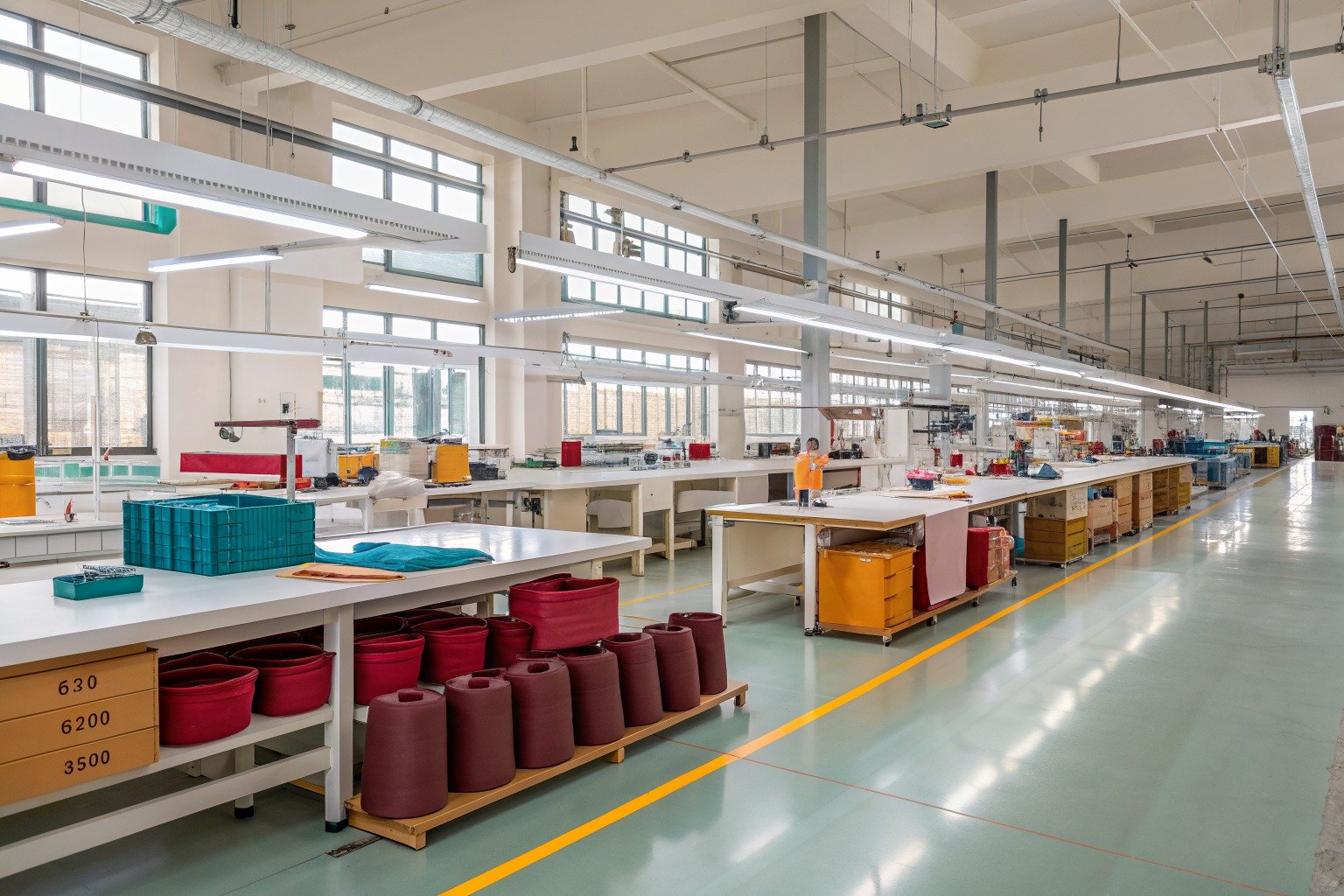
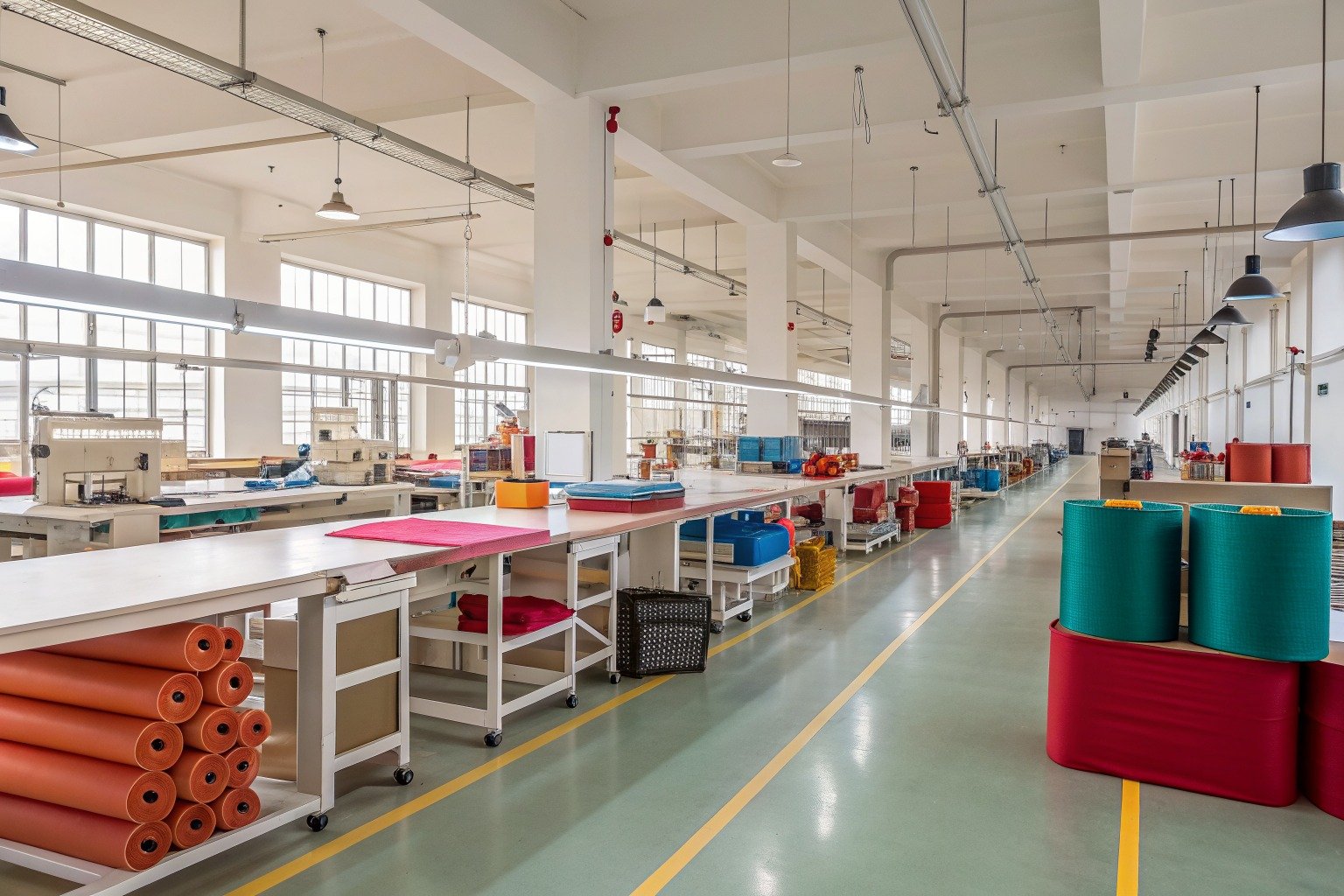
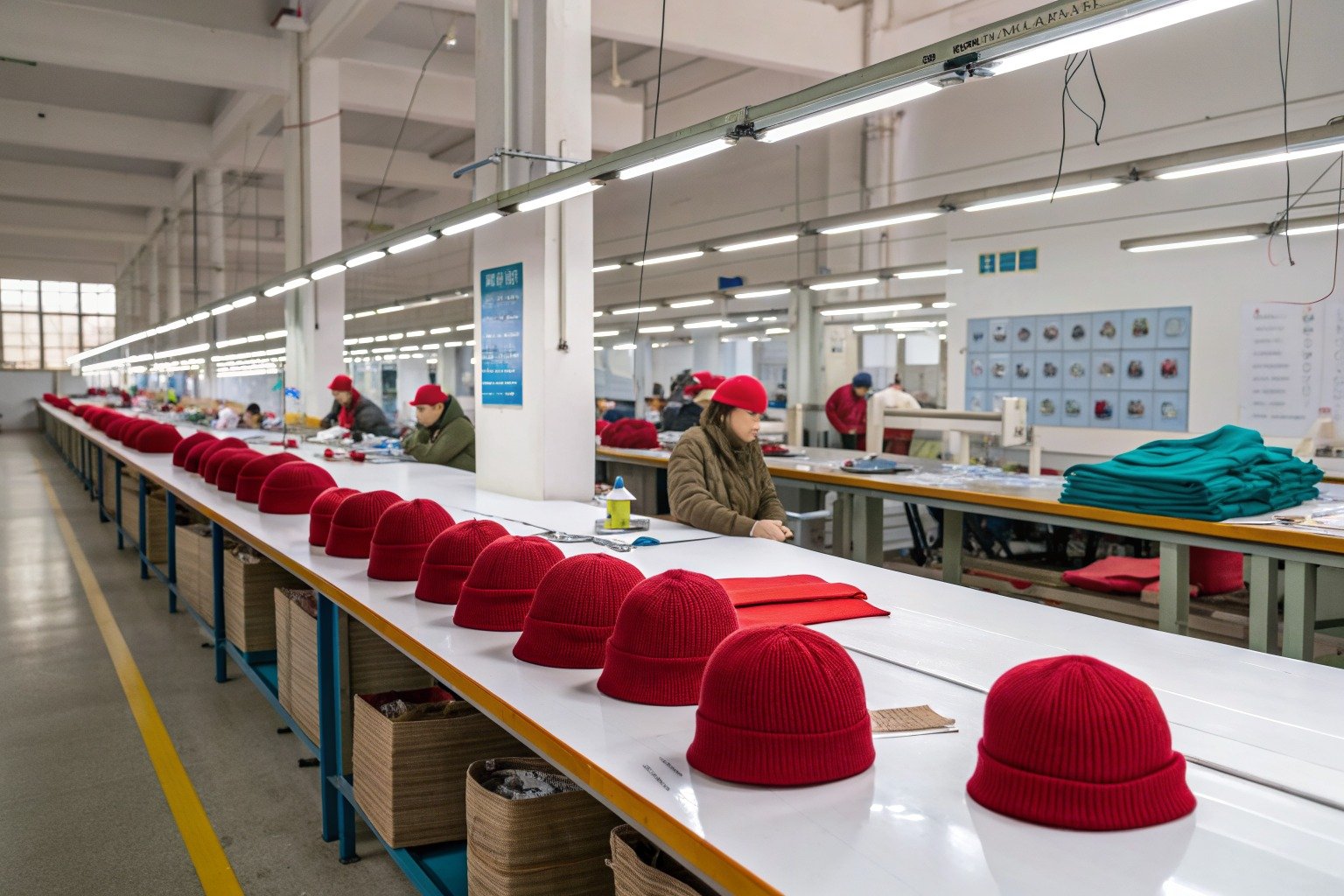
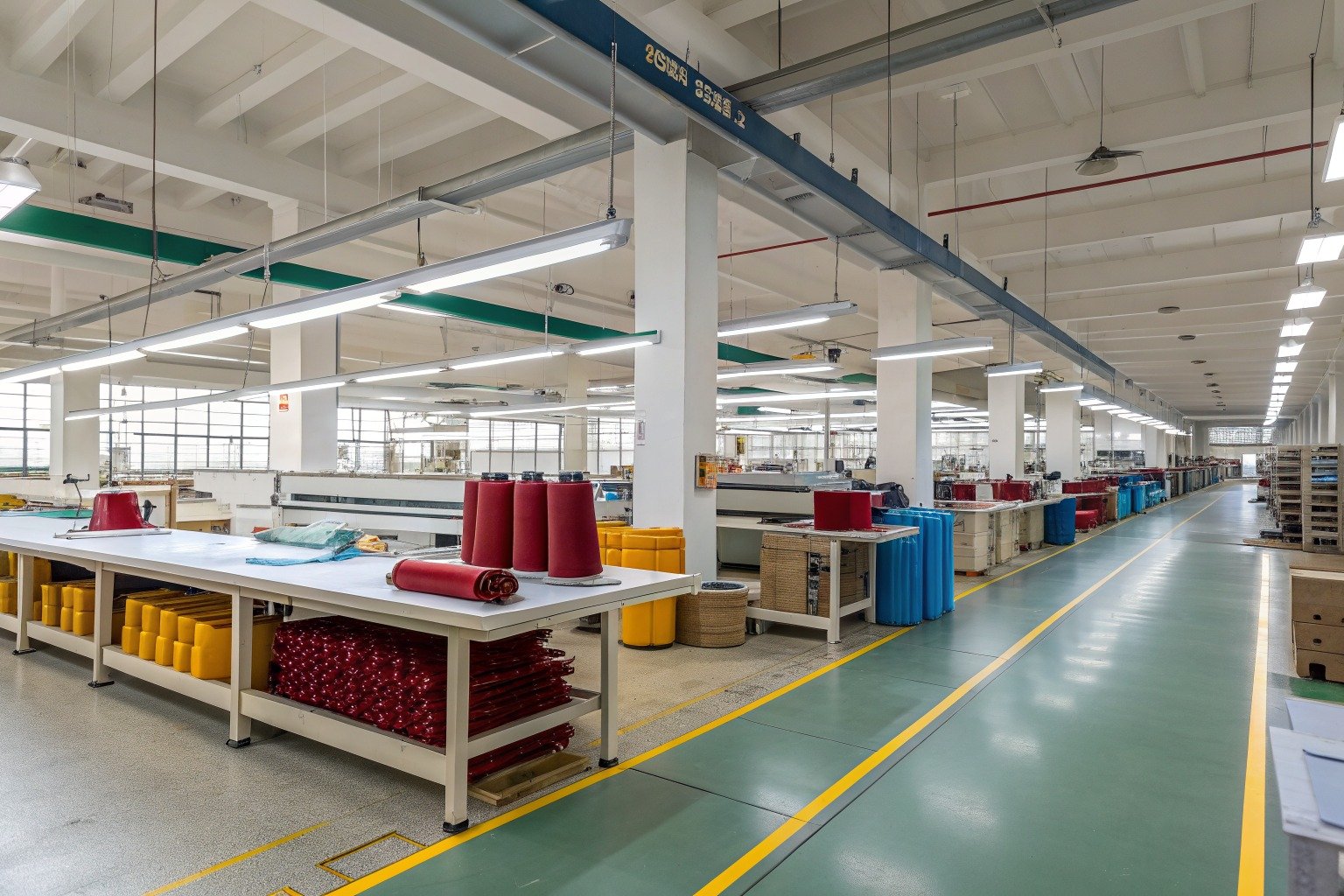
Consistent supply chain operations ensure retailers can maintain inventory of best-selling colors and styles. Recycled polyester production benefits from stable raw material availability—post-consumer plastic waste—unlike natural fibers that face weather-dependent harvests and price volatility. Our manufacturing facility maintains strategic partnerships with certified suppliers of recycled materials, ensuring consistent quality and reliable delivery schedules that retail partners can depend on. This supply chain reliability reduces inventory risks and supports successful scarf programs season after season.

Conclusion
Recycled polyester scarves dominate the sustainable fashion market because they successfully address multiple needs simultaneously: they deliver genuine environmental benefits, excellent performance characteristics, consumer-desired sustainability, and strong commercial advantages for retailers. This multi-faceted value proposition explains why they’ve moved from niche eco-product to mainstream accessory essential.
If you’re interested in developing recycled polyester scarves for your retail operation or brand, we invite you to contact our Business Director, Elaine. She can guide you through our extensive range of certified recycled materials and help you create scarves that combine sustainability with commercial success. Reach her at: elaine@fumaoclothing.com.