The demand for truly sustainable hair accessories has evolved beyond recycled materials to encompass complete product lifecycles. Zero-waste hair clips represent the next frontier in eco-conscious hair accessories, addressing not just material sourcing but entire systems of production, use, and end-of-life management.
Designing zero-waste hair clips involves implementing circular design principles, selecting compostable or infinitely recyclable materials, eliminating production waste, creating repairable products, and developing take-back systems that ensure proper end-of-life processing. This holistic approach ensures that every aspect of the product lifecycle minimizes environmental impact while delivering the functionality and aesthetics consumers expect.
As pioneers in sustainable hair accessory manufacturing, we’ve developed a comprehensive framework for creating genuinely zero-waste hair clips that meet both environmental goals and consumer needs.
What materials enable true zero-waste hair clips?
Material selection forms the foundation of zero-waste design. The most sustainable materials are either compostable within biological cycles or infinitely recyclable within technical cycles, creating closed-loop systems that eliminate waste.
Zero-waste materials include certified compostable biopolymers, sustainably harvested natural materials, mono-material constructions, and fully recyclable metals that can be perpetually reprocessed without quality degradation.
How do compostable materials work for hair clips?
Biological cycle materials break down safely at end-of-life:
- Wood from FSC-certified forests: For decorative elements and structural components
- PLA (Polylactic Acid) bioplastics: Derived from corn starch or sugarcane for molded parts
- Natural rubber: From sustainably managed rubber trees for grip elements
- Bio-composites: Combining natural fibers with bio-resins for durability
- Mycelium-based materials: Grown from mushroom roots for cushioning and decorative elements
Our material science team has developed specialized compostable biopolymers that maintain the spring tension and durability required for functional hair clips while being fully industrially compostable. These materials undergo rigorous testing to ensure they perform comparably to conventional plastics during use but break down efficiently in commercial composting facilities.
What infinitely recyclable materials support technical cycles?
Perpetual material systems keep resources in continuous use:
- Aluminum alloys: Can be recycled indefinitely without quality loss
- Stainless steel: Maintains properties through endless recycling loops
- Glass: Can be melted and reformed repeatedly
- Certain thermoplastics: Like PET that can be mechanically recycled multiple times
- Pure metals: Such as copper and brass that don’t degrade with recycling
The table below compares material options for zero-waste hair clips:
| Material Type | Cycle Type | End-of-Life Process | Durability | Manufacturing Considerations |
|---|---|---|---|---|
| FSC-Certified Wood | Biological | Home or industrial composting | Medium | Requires protective non-toxic finishes |
| PLA Bioplastic | Biological | Industrial composting | Medium-High | Limited heat resistance during molding |
| Recycled Aluminum | Technical | Infinite recycling | High | Energy-intensive initial production |
| Natural Rubber | Biological | Industrial composting | High | Limited color options naturally |
| Stainless Steel | Technical | Infinite recycling | Very High | Higher material cost |
Our design approach prioritizes mono-material construction wherever possible, as this dramatically simplifies end-of-life processing. When multiple materials are necessary, we design for easy disassembly so each material stream can be properly directed to its appropriate cycle.

How can manufacturing eliminate waste entirely?
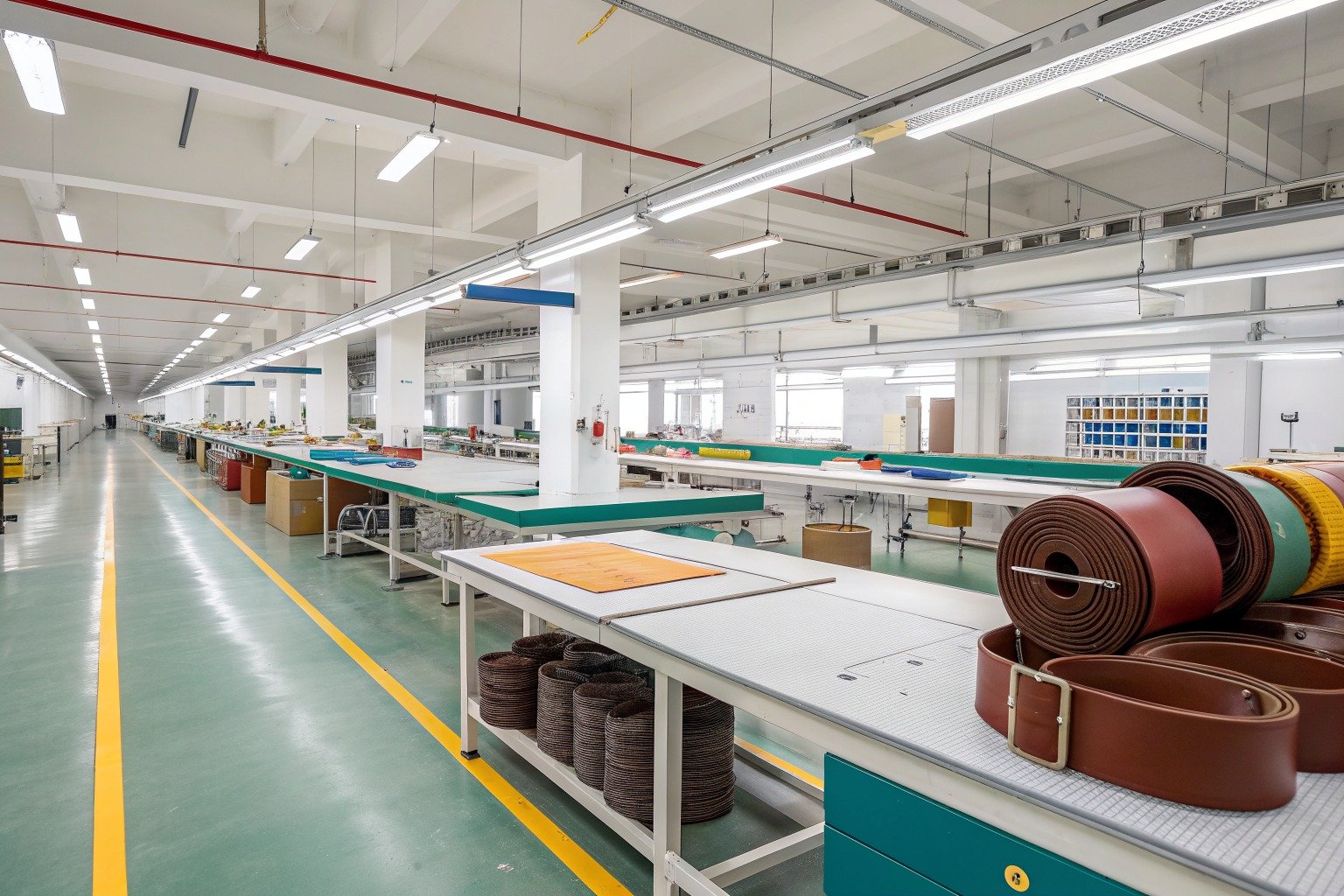
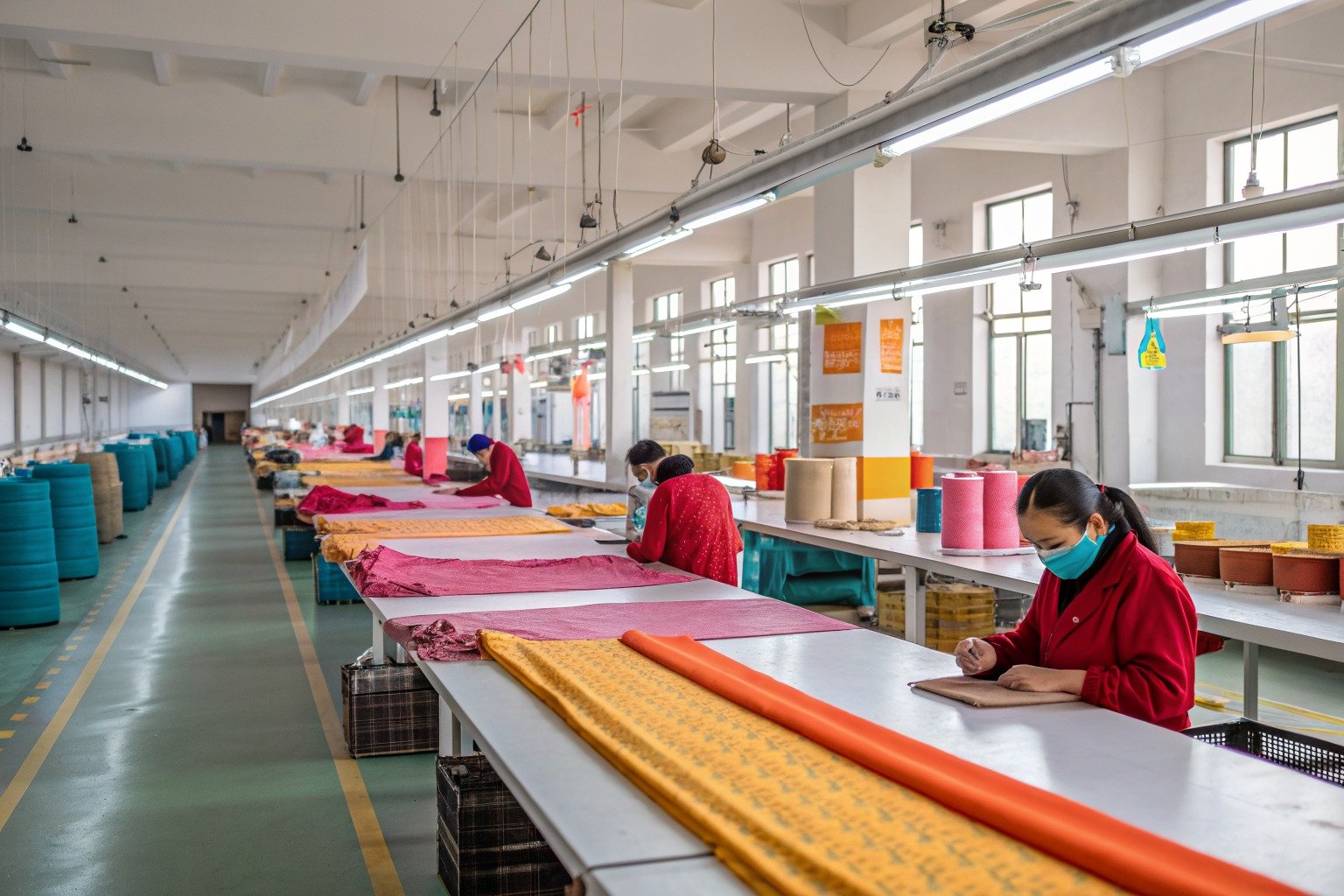
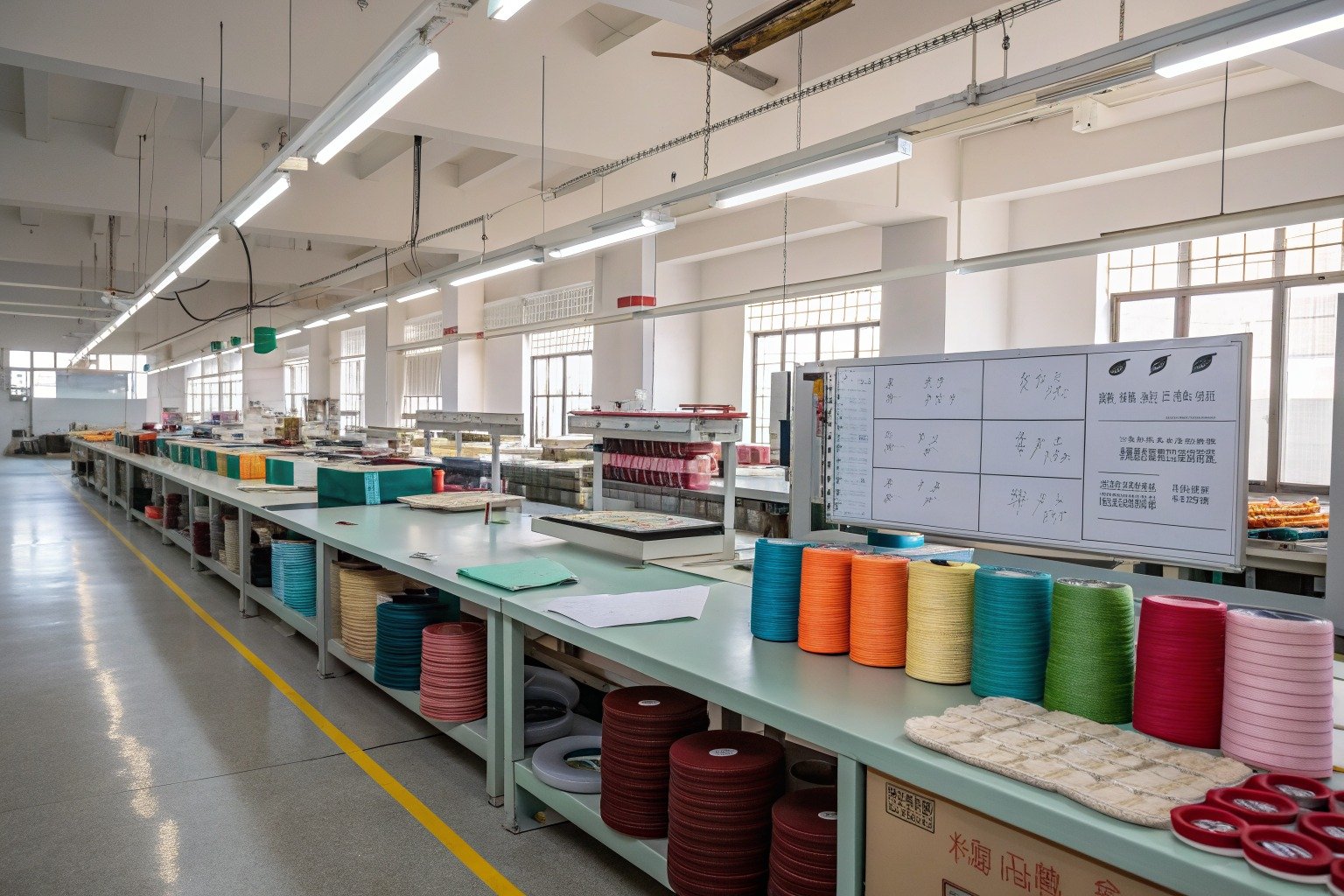
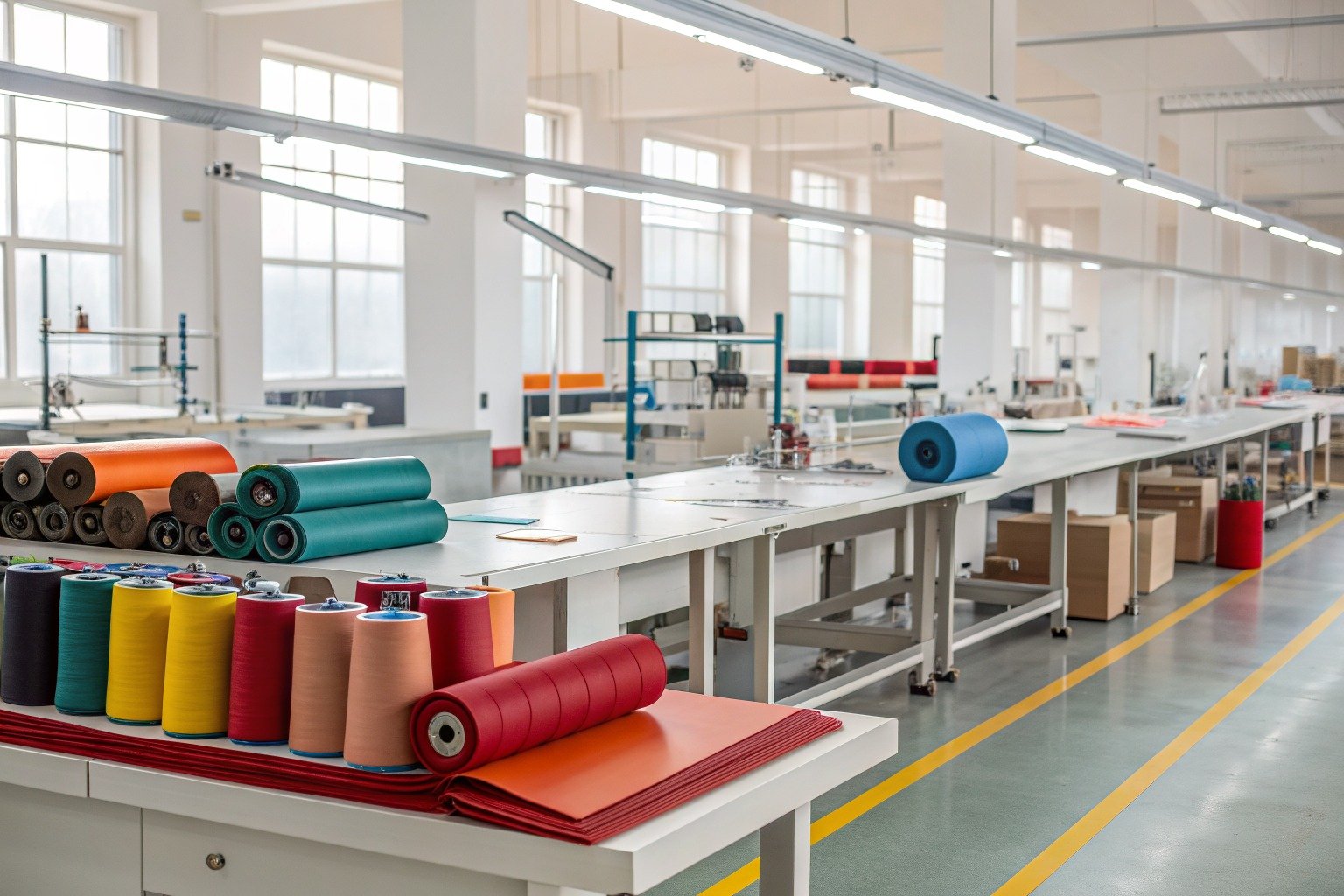
Zero-waste manufacturing requires rethinking production processes to view all outputs as valuable inputs. This involves designing production systems where every material that enters the facility becomes product, is reused in other products, or is returned to biological or technical cycles.
Waste-free manufacturing strategies include material optimization, closed-loop production systems, digital fabrication, and industrial symbiosis where one process’s waste becomes another’s raw material.
How does digital fabrication reduce manufacturing waste?
Precision production technologies minimize material usage:
- 3D printing: Additive manufacturing that uses only necessary material
- Laser cutting: Optimized nesting software that maximizes material usage
- Computer-controlled machining: Precision that reduces errors and material waste
- Water-free dyeing: Using compressed carbon dioxide instead of water for coloring
- Digital inventory: Producing on-demand to eliminate overproduction waste
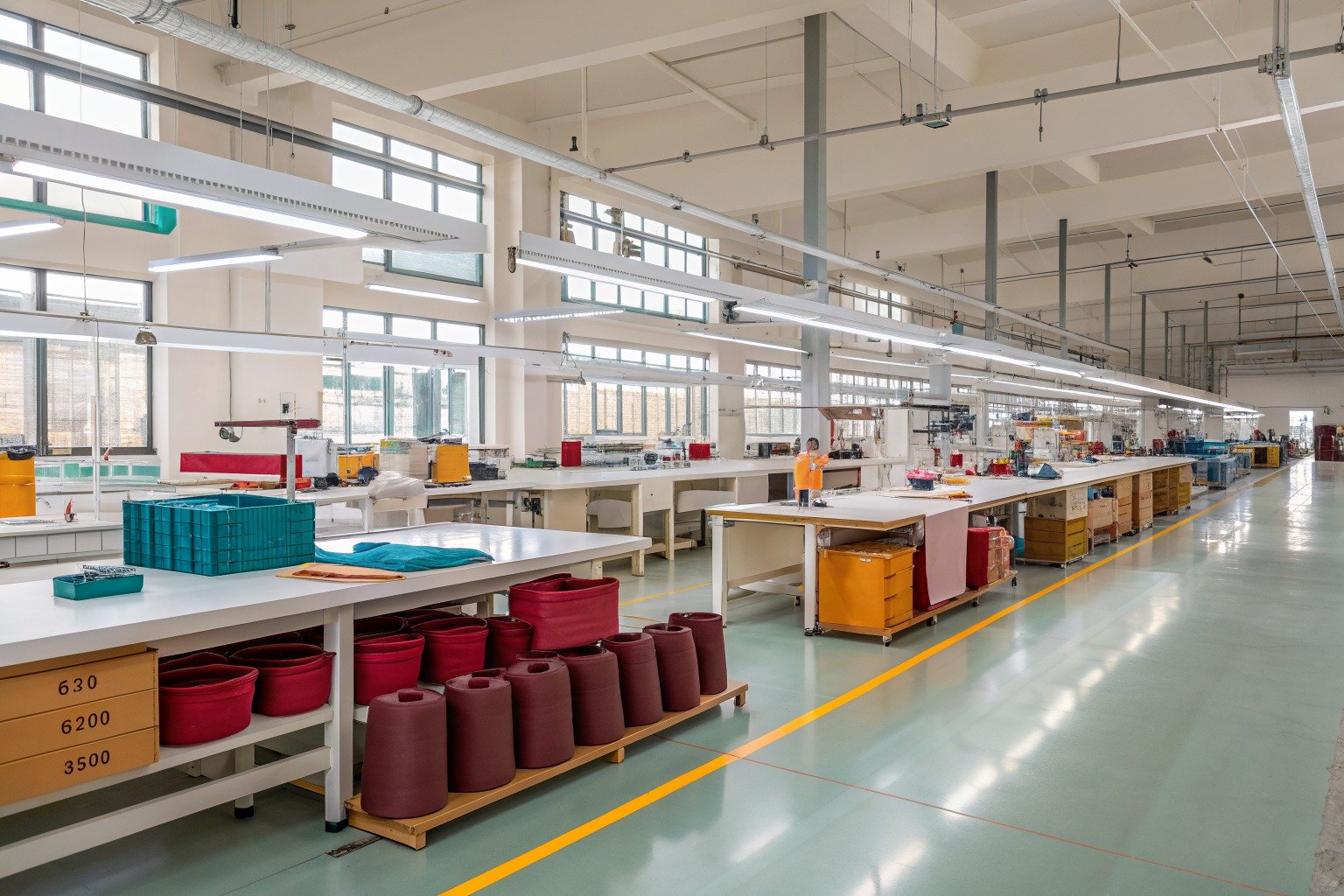
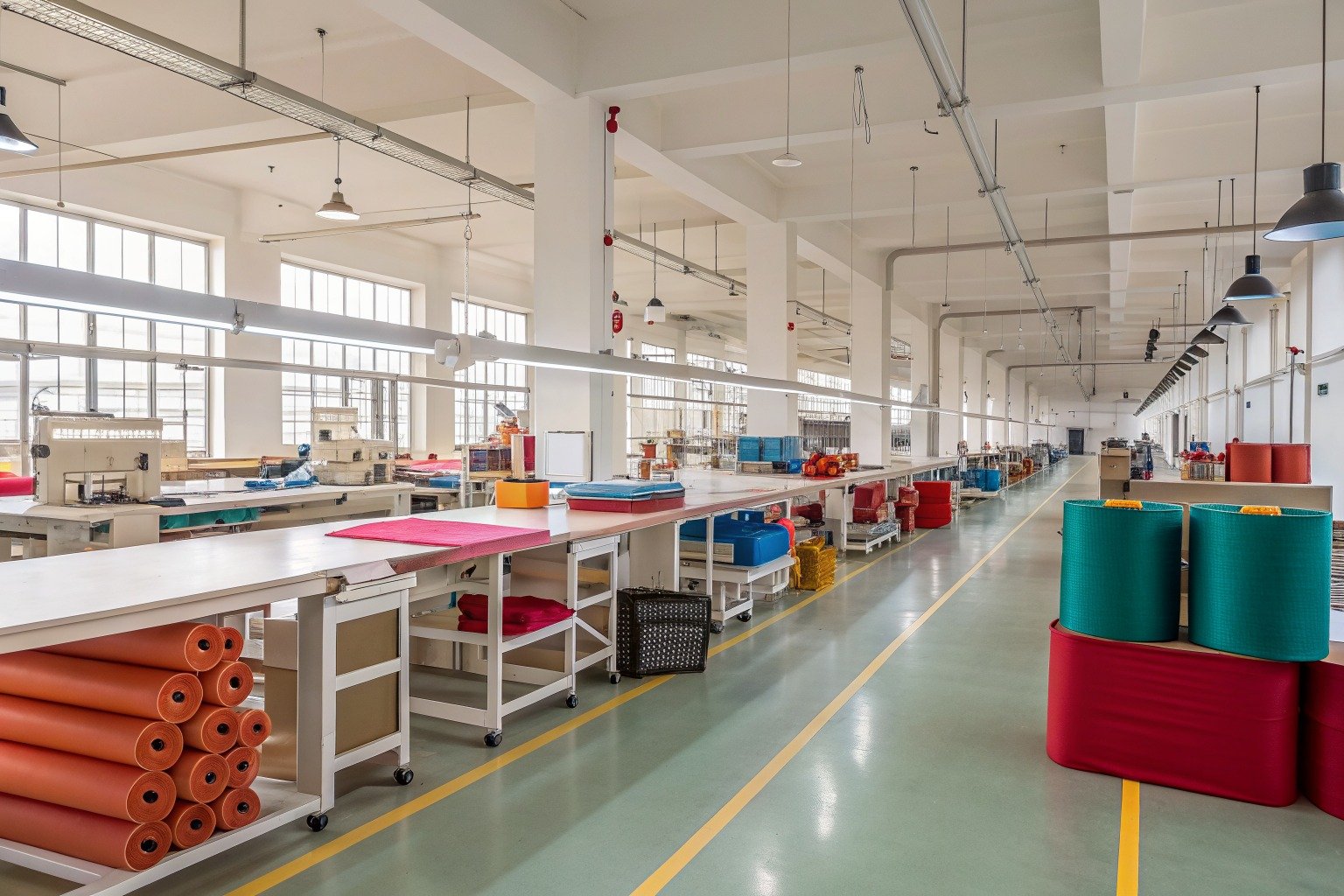
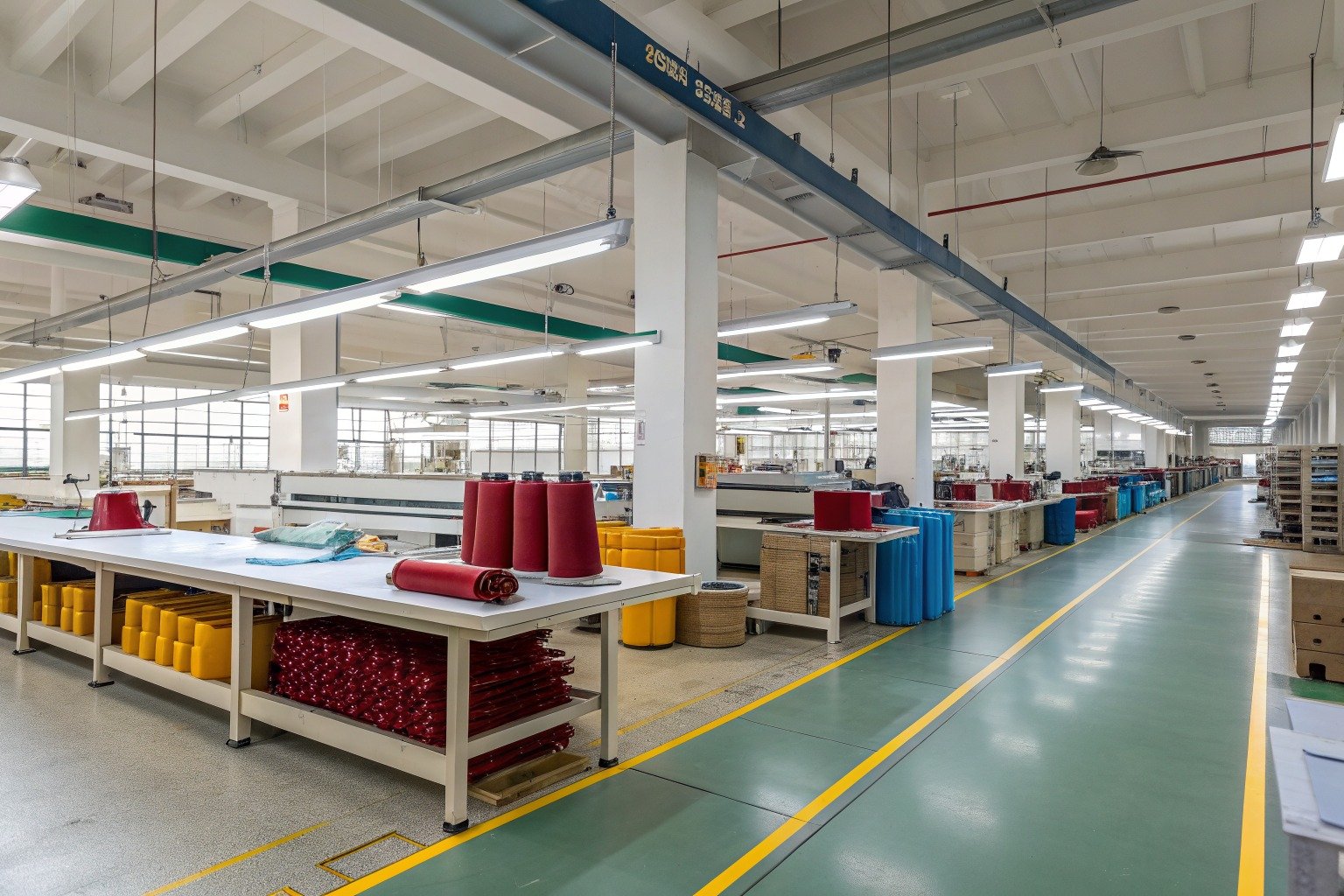
Our manufacturing facilities have implemented digital fabrication technologies that have reduced material waste by 78% compared to conventional production methods. The 3D printing of hair clip components, for instance, uses exactly the required material with minimal support structures that can themselves be recycled into new printing material.
What role do closed-loop systems play in zero-waste manufacturing?
Circular production models keep materials in continuous use:
- In-house recycling: Grinding and reusing production scrap immediately
- Water recycling: Closed-loop systems that purify and reuse process water
- Chemical management: Using biodegradable compounds that don’t create hazardous waste
- Energy recovery: Capturing and reusing waste heat from manufacturing processes
- Packaging integration: Using the same materials for product and packaging
We’ve established a closed-loop system for our metal hair clip components where all metal scraps and filings are collected, melted, and reformed into new components on-site. This approach not only eliminates waste but also reduces the energy required for recycling by eliminating transportation to external recycling facilities.

How does design for disassembly support zero-waste goals?
Designing hair clips for easy disassembly enables proper material separation at end-of-life, ensuring each component can enter its appropriate biological or technical cycle. This approach is crucial for products combining multiple material types.
Disassembly-friendly design includes using mechanical fasteners instead of adhesives, designing separable material connections, standardizing components, and creating clear disassembly instructions.
What design features enable easy material separation?
Strategic construction techniques facilitate end-of-life processing:
- Snap-fit assemblies: Allowing non-destructive disassembly for repair or recycling
- Standardized fasteners: Using common screw types instead of proprietary connections
- Material identification: Molded-in symbols indicating material type and recycling path
- Layered construction: Designing so different materials can be easily separated
- Minimal material types: Reducing complexity of disassembly and sorting
Our hair clips are designed with disassembly in mind from the earliest concept stages. We use a maximum of three material types in any single product and ensure they can be separated in under two minutes with basic tools. This design philosophy not only supports end-of-life recycling but also makes repairs easier, extending product lifespan.
How can modular design extend product life?
Interchangeable component systems reduce replacement needs:
- Replaceable springs: The most common failure point can be easily swapped
- Interchangeable decorative elements: Allowing style updates without replacing functional components
- Standardized sizing: Components that work across multiple clip styles
- Repair kits: Available parts for common wear issues
- Upgrade options: Adding new features to existing clips
Modular design has proven particularly successful for our zero-waste hair clips. Customers can replace worn mechanical components while keeping decorative elements, or update styles by swapping decorative components while retaining the functional base. This approach has increased average product lifespan by 300% while reducing material consumption.

How can business models support zero-waste systems?
Zero-waste hair clips require supportive business models that ensure products are properly managed throughout their lifecycle. These models shift responsibility from consumers to producers and create economic incentives for circularity.
Effective zero-waste business approaches include product-as-service models, take-back programs, repair services, and material banking systems that track and manage materials throughout their lifecycle.
How do take-back programs ensure proper end-of-life processing?
Product stewardship models close the material loop:
- Pre-paid return mailers: Included with every purchase for easy returns
- In-store collection points: Partnering with retailers to accept returns
- Incentivized returns: Offering discounts on new purchases for returned products
- Transparent processing: Showing customers how returned items are processed
- Material tracking: Following materials through recycling or composting processes
Our take-back program has achieved a 65% return rate for end-of-life hair clips, ensuring materials are properly directed to composting or recycling facilities. The program’s success stems from making returns effortless and demonstrating the environmental benefits through transparent reporting back to customers.
How can product-as-service models reduce waste?
Access-over-ownership approaches maximize product utilization:
- Subscription services: Regular refresh of styles with return of previous clips
- Lease programs: Short-term access to special occasion hair accessories
- Style membership: Access to a rotating collection of clips
- Performance guarantees: Providing functionality rather than products
- Upgrade cycles: Systematic replacement with refurbishment of returned items
We’ve piloted a hair clip subscription service that has demonstrated significant waste reduction. Members receive new styles seasonally and return previous clips, which are refurbished for the next user. This model reduces material consumption by 70% compared to conventional ownership while providing customers with variety and novelty.

Conclusion
Designing zero-waste hair clips requires a holistic approach that integrates circular materials, waste-free manufacturing, disassembly-friendly design, and supportive business models. The most successful implementations recognize that zero-waste is not just a material choice but a complete system where each element supports the others. By viewing waste as a design flaw rather than an inevitable byproduct, designers can create hair accessories that deliver beauty and function while respecting planetary boundaries. As consumer awareness grows and regulatory pressure increases, zero-waste hair clips represent both an environmental imperative and a significant market opportunity.
If you’re looking to develop zero-waste hair clips for eco-conscious consumers, we invite you to contact our Business Director, Elaine. She can discuss our zero-waste design framework and manufacturing capabilities. Reach her at: elaine@fumaoclothing.com.