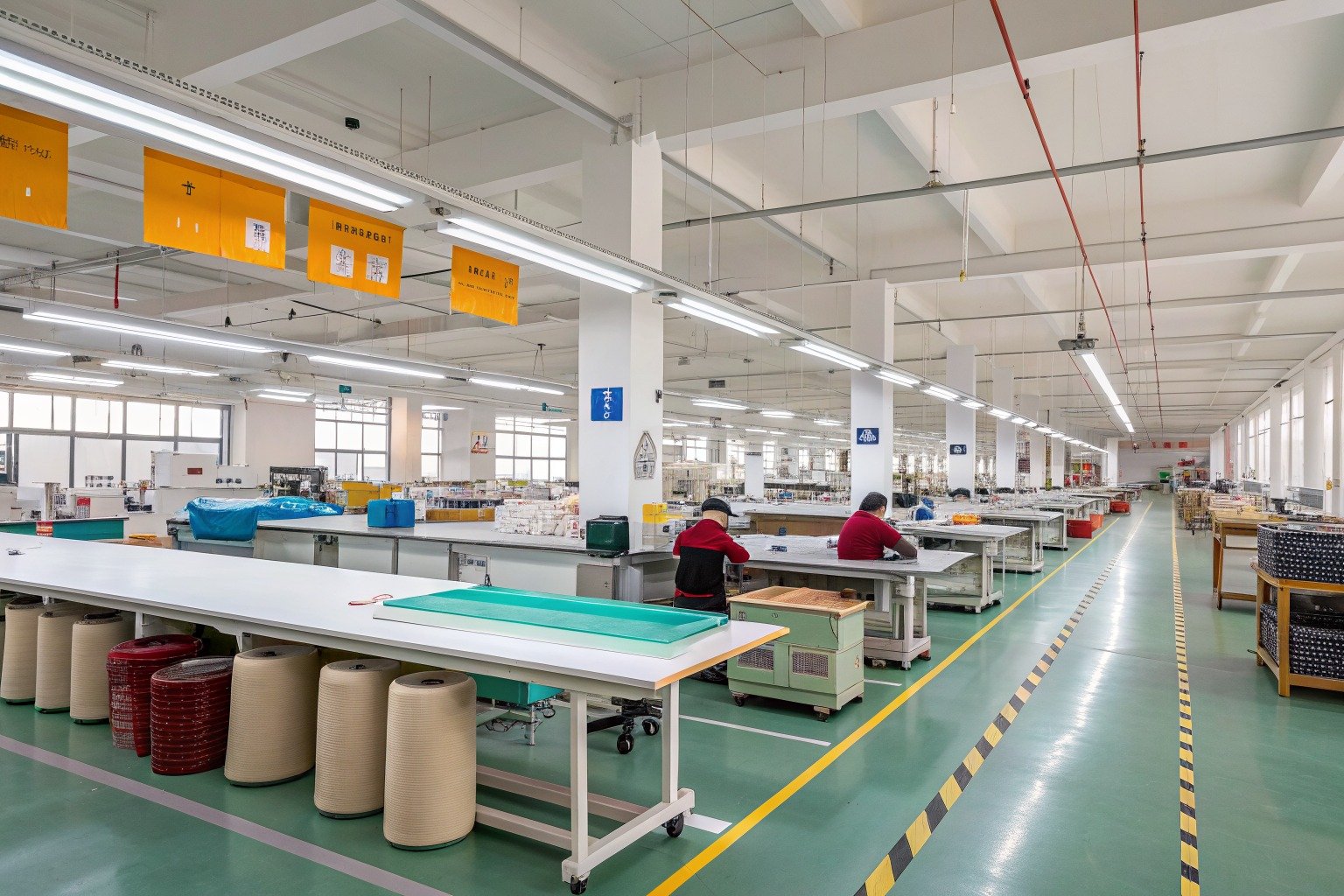
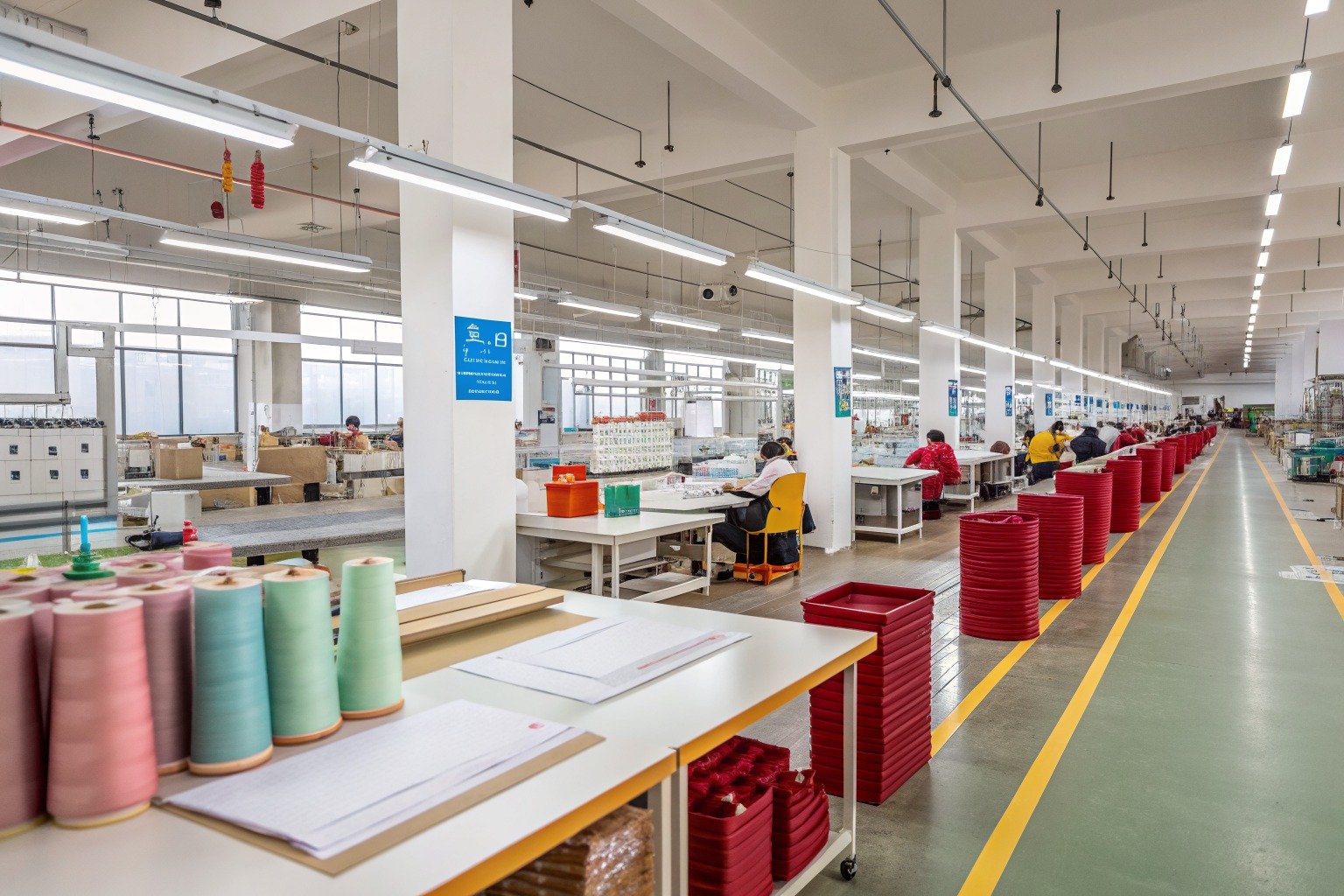
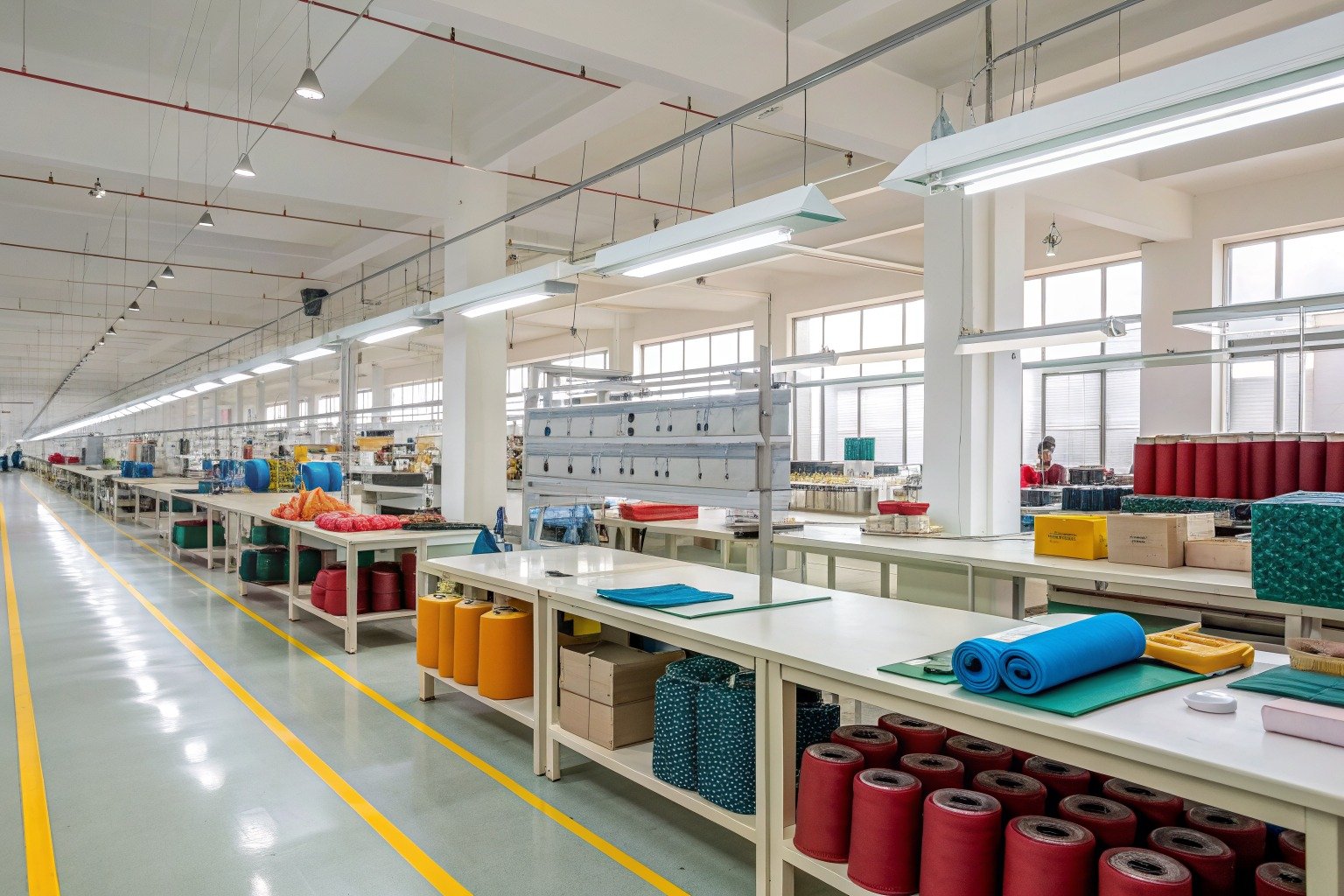
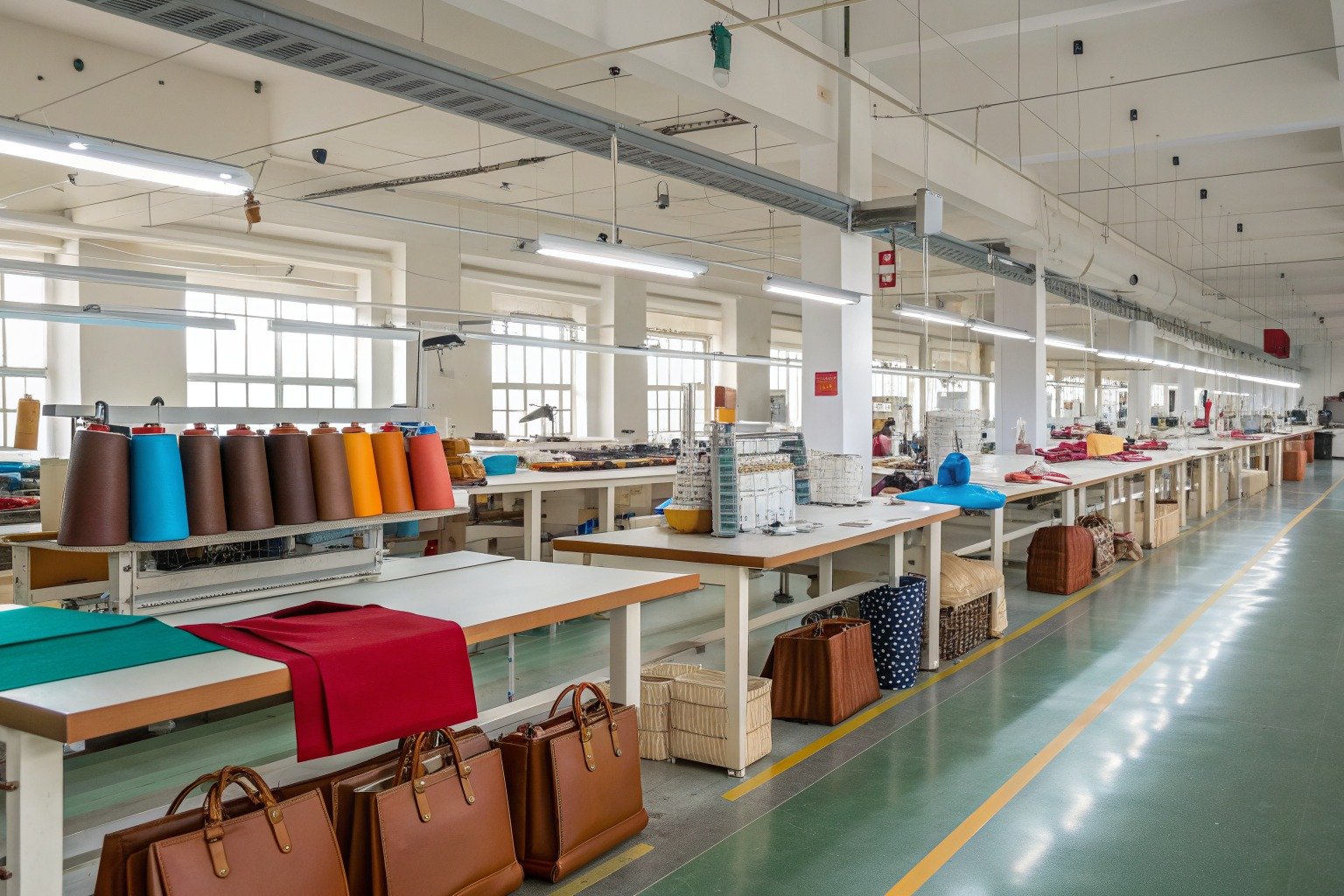
As a seasoned manufacturer in the fashion accessory industry, I often hear this question from potential partners. Many buyers, especially those from the US and Europe, are concerned about order flexibility. They want to know if they can start small while still getting high-quality, custom-designed belts. This is a crucial question that can make or break a sourcing decision.
The minimum order quantity (MOQ) for custom belts is not a one-size-fits-all number. It is typically determined by several key factors, including the complexity of the design, the materials used, and the manufacturing processes involved. At our factory, AceAccessory, we understand the need for flexibility and often work with our clients to find a MOQ that aligns with their business goals and market testing needs, without compromising on our high standards of quality and service.
Understanding the MOQ is just the first step. Let’s delve deeper into the specifics that influence this number and how you can navigate these requirements to ensure a successful partnership with a reliable manufacturer.
What Factors Determine the MOQ for Custom Belts?
The MOQ for your custom belt order isn’t arbitrary. It’s a calculated figure based on the cost and effort required to set up production. A simpler, standard belt design will naturally have a lower MOQ than a complex one with multiple unique components. We base our MOQs on practical manufacturing economics to ensure we can deliver the quality you expect at a price that makes sense for your business.
The primary factors are material sourcing, production complexity, and customization level. For instance, using a standard webbing versus a custom-woven jacquard fabric will lead to very different MOQs. Similarly, a belt requiring specialized custom metal buckle molding will have a higher minimum than one using a stock buckle. Our goal is always to find a balance that allows you to bring your vision to market efficiently.

Why Does Belt Material Choice Affect MOQ?
Your choice of material is the most significant cost driver. Common materials like standard cotton or polyester webbing are bought in bulk, allowing for lower MOQs, often starting at 500 pieces per design. However, if your design specifies genuine leather, a specific sustainable vegan leather, or a custom-dyed fabric, the MOQ will increase. This is because sourcing these materials in smaller quantities is not cost-effective for our suppliers, and we must order a certain volume to meet their requirements and ensure color and quality consistency across your orders.
How Does Customization Complexity Increase MOQ?
The more unique your belt, the higher the initial setup cost. Think about the components: a custom-designed buckle requires creating a new mold, which is a significant investment. Adding unique printing, embroidery, or specialty stitching also requires calibrating machines specifically for your order. This setup time and cost is amortized over the total number of belts in your order. Therefore, a larger order makes the per-unit cost of this setup more affordable. For highly complex designs, we might suggest a higher MOQ to justify the initial tooling and prototyping investment, ensuring your product is profitable from the start.
Can I Get a Lower MOQ for Sample Belt Orders?
Yes, absolutely. We recognize that you need to evaluate product quality before committing to a large order. For sample purposes, we can often produce a very small quantity—sometimes as low as 10-50 pieces—so you can check the craftsmanship, materials, and overall look and feel. This sample order process is crucial for building trust and ensuring the final mass production meets your exact specifications.
However, it’s important to understand that the unit cost for sample orders is higher. This is because the fixed costs of setting up production are spread over far fewer items. We treat sample orders as an investment in our partnership. A well-executed sample leads to a confident, larger order, which is beneficial for both of us. Our experienced project managers guide you through this product development lifecycle smoothly.

What is the Typical MOQ for a Prototype Belt?
For a true prototype—a single belt made to your exact design specifications—we can usually produce one to three units. This allows you to physically assess the design, fit, and functionality. The cost for a prototype is calculated based on the manual labor and material waste involved in a one-off production run. It’s the most expensive per-unit cost but is invaluable for finalizing your design before moving into the sampling or mass production phase where costs drop significantly.
How Does a Small Batch Order Differ from Mass Production?
A small batch order, typically ranging from 100 to 500 pieces, serves as a bridge between a sample and full-scale mass production. It’s perfect for market testing, launching a new brand, or fulfilling a limited collection. While the per-unit cost is higher than mass production, it offers much-needed flexibility. We run these orders on our production lines with careful quality control procedures to ensure each piece meets our standard, giving you a viable product to test in the market without a massive inventory commitment.
How Does AceAccessory Ensure Quality with Low MOQs?
A common concern is that a lower MOQ might mean compromised quality. At our factory, this is not the case. We maintain a rigorous quality control system that is applied to every single order, regardless of size. Our dedicated QC team performs checks at every stage of production—from incoming raw material inspection to in-process and final random inspection before shipping.
We achieve consistent quality through skilled craftsmanship and standardized processes. Our workers are trained to handle various materials and complex designs with precision. For low MOQ orders, we often assign a senior production line with experienced operators to ensure the highest level of attention to detail. This commitment to maintaining high quality standards is embedded in our company culture and is non-negotiable.

What Are Your In-Process Quality Control Measures?
Our in-process quality control is a multi-layered system. It starts with the inspection of raw materials upon arrival. During production, line supervisors conduct frequent checks on stitching, buckle attachment, and alignment. Before the final packaging, our QC team performs a thorough Final Random Inspection (FRI), following internationally recognized AQL inspection standards to statistically determine the number of units to check. This systematic approach catches potential issues early, saving time and cost on rework.
How Do Your Project Managers Support Small Orders?
Every client, regardless of order size, is assigned a dedicated project manager. This is a key part of our service. Your project manager acts as your single point of contact, coordinating between you, our design team, and the factory floor. They provide you with timely production updates, oversee the timeline, and ensure all your specifications are met. This personalized project management for manufacturing ensures that even a low MOQ order receives the focus and professional oversight it needs to succeed.
What is the Lead Time for a Custom Belt Order?
Lead time is directly tied to the order quantity, complexity, and our current production schedule. For a standard custom belt order with an MOQ of 500-1000 pieces, the typical lead time ranges from 25 to 35 days. This timeline includes all stages: material procurement, production, quality control, and preparation for shipping. We pride ourselves on our efficient production planning which allows us to meet tight deadlines without sacrificing quality.
We are transparent about our timelines from the very beginning. After confirming your order, your project manager will provide you with a detailed production schedule. We understand that timeliness is critical for your business, especially when aligning with seasonal trends or marketing campaigns. Our modern factory and experienced team are optimized to ensure we deliver on our promises.

How Do You Handle Logistics and Shipping?
We offer comprehensive logistics support. Once your order passes final QC, we handle all aspects of getting your products to you. We partner with reliable freight forwarders to offer both sea and air freight options. Our team manages the customs clearance documentation, including the commercial invoice and packing list, making the process smooth for you. We provide all necessary shipping documents and keep you informed until your goods are on the vessel or plane, headed to your destination.
Are Your Belts Subject to US Tariffs?
This is a key advantage of working with us. Our belts are classified under specific Harmonized System (HS) codes. A significant number of our fashion accessory products, including many types of belts, are not affected by the additional US tariffs. This can lead to substantial cost savings for our American clients. We advise you on the correct HS code for US imports for your specific product, but we always recommend you consult with your customs broker for the final determination based on the latest regulations.
Conclusion
Navigating the world of MOQs for custom belts requires a clear understanding of the factors at play: materials, customization, and the balance between cost and quantity. There is no universal MOQ, but a reliable manufacturer will work with you to find a feasible starting point that supports your business growth. The key is to partner with a factory that offers transparency, flexibility, and an unwavering commitment to quality, regardless of order size.
If you are looking for a professional and reliable partner to produce your custom belt line, we are here to help. Our team is ready to discuss your specific needs and provide a competitive quote. For a personalized consultation on your accessory order, please feel free to contact our Business Director, Elaine, at her email: elaine@fumaoclothing.com. Let’s build something great together.