For American importers like Ron, sourcing fashion accessories from China offers incredible value but comes with the complex challenge of US tariffs. The landscape of duties and regulations can feel overwhelming, impacting your bottom line and delivery timelines. Many importers are seeking clear, actionable strategies to manage these costs effectively without sacrificing product quality or speed to market.
The key to navigating US tariffs successfully lies in a multi-pronged strategy that leverages expert knowledge of product classification, explores tariff exemption programs, optimizes supply chain logistics, and partners with a manufacturer experienced in US customs clearance. By understanding the system, you can turn a potential obstacle into a competitive advantage, ensuring your imports of hair clips, belts, and caps remain profitable and efficient.
Let’s explore the practical steps you can take to protect your margins and keep your supply chain moving smoothly.
What Are The Current US Tariff Rates For Fashion Accessories?
Understanding the specific tariff rates for your products is the first critical step. The US Harmonized Tariff Schedule (HTS) is complex, and misclassification is a common and costly error. Getting it right from the start is fundamental to calculating your true landed cost.
The tariff rate for your fashion accessories depends entirely on their correct HTSUS code. For example, hair bands of plastic might fall under one code with a 4.5% duty, while textile scarves could be under another with a 12% duty. The variance is significant. The HTS code is determined by the product’s material composition, construction, and even intended use. Our experienced project managers work with you from the development stage to identify the likely classification and associated costs for your specific items, ensuring there are no surprises later.

How are HTS codes determined for my products?
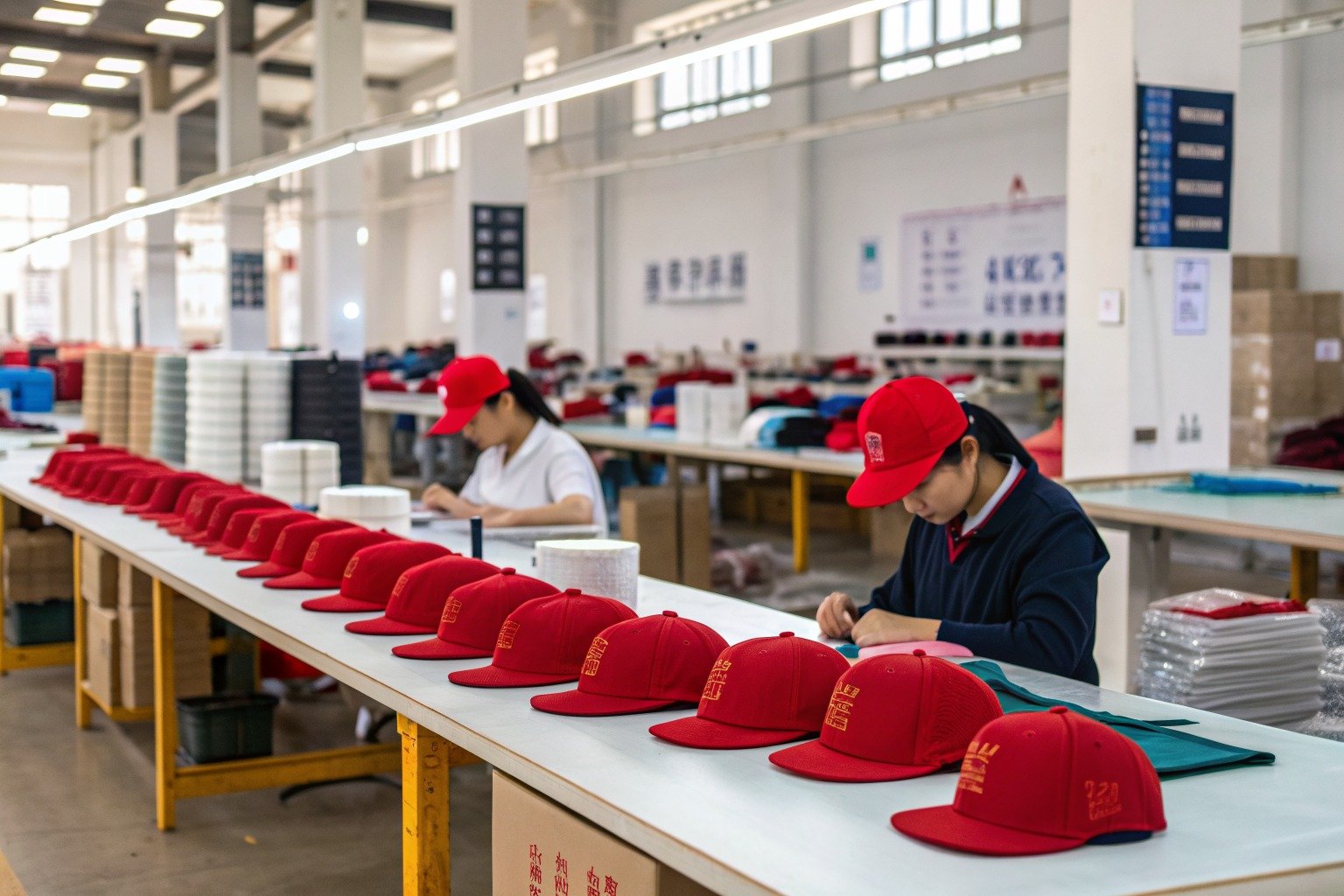
The Harmonized Tariff Schedule code is assigned based on the product’s essential character. This is primarily defined by the material that gives the product its fundamental identity. For a baseball cap with a cotton crown and a plastic adjuster strap, the essential character comes from the cotton fabric, not the plastic piece. Therefore, it would be classified under the heading for headgear of textile materials. We assist our clients by providing detailed product specifications and material breakdowns, which are essential for accurate classification. Partnering with a factory that understands this process, like AceAccessory, helps prevent costly customs clearance delays and reassessments.
What is the role of a manufacturer in tariff classification?
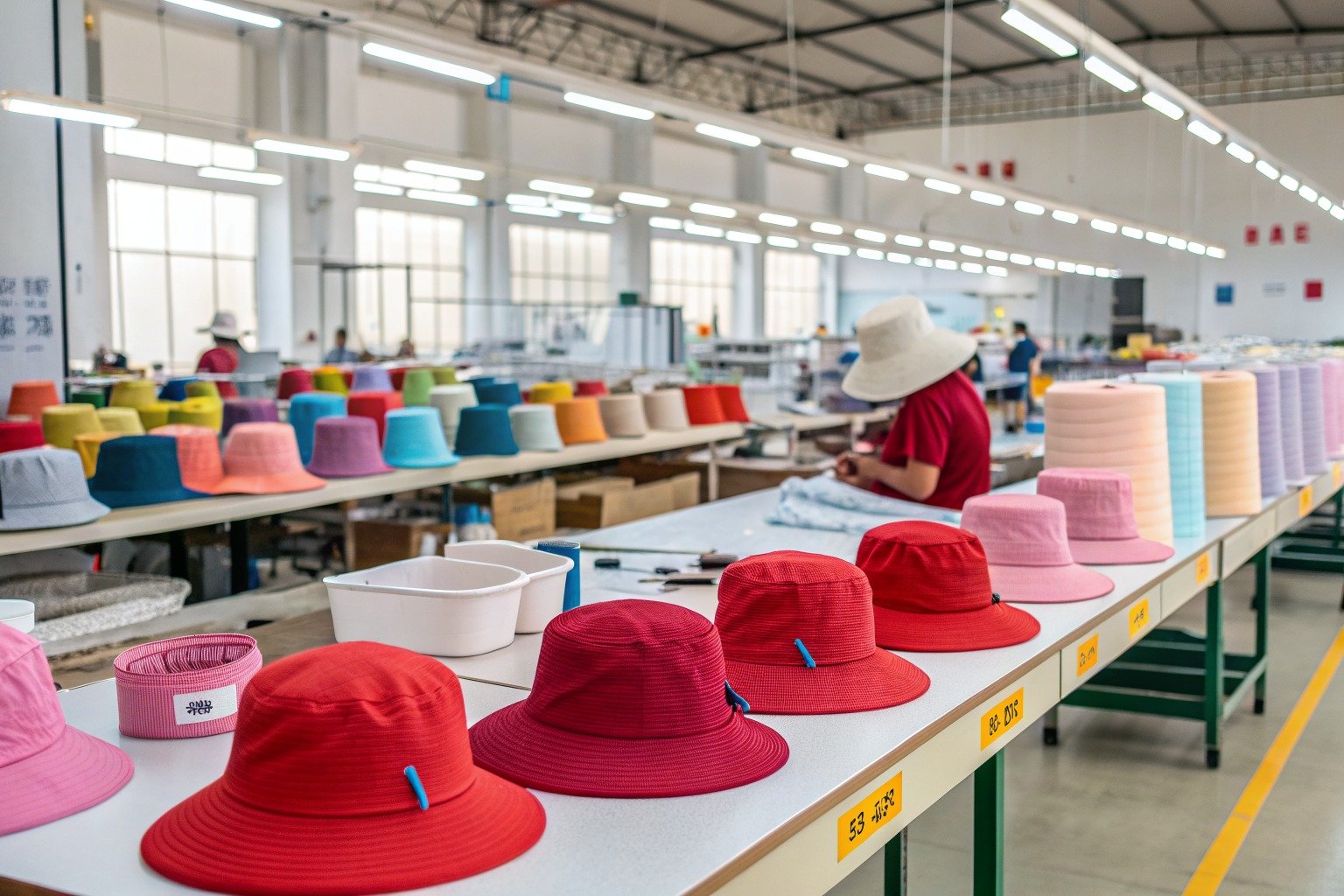
A proactive manufacturer is your first line of defense against classification errors. At AceAccessory, our quality control team doesn’t just inspect for defects; they document the exact materials and construction methods used for every product, from hair clips to straw hats. This detailed documentation is invaluable for your customs broker. We provide this information upfront, allowing for a transparent and accurate HTS code determination. This level of support is a core part of our service, ensuring that your experience with logistics and customs is as smooth as our production process.
Which Sourcing Strategies Minimize Tariff Impacts?
Beyond just understanding tariffs, you can actively employ strategies to reduce their financial impact. Several official programs and sourcing methods are designed specifically for this purpose, and a knowledgeable manufacturer can guide you through them.
The most effective strategies include utilizing de minimis shipments, sourcing under specific tariff provisions, and diversifying your product mix. For instance, the "de minimis" value allows goods under $800 to be imported into the US with minimal formalities and generally without duties. For larger shipments, certain items may have suspended or reduced duties under specific classifications. Furthermore, blending your imports—such as combining tariff-impacted knit hats with non-impacted items like some gloves—can help balance the overall duty burden across your product line.

Can de minimis shipment benefit my business?
Absolutely. The de minimis provision, also known as Section 321, is a powerful tool for e-commerce and businesses that can operate with smaller, more frequent shipments. If the value of a single shipment is $800 or less, it enters the US free of duty and tax. This is ideal for online store owners testing new products or for fulfilling just-in-time inventory needs. We help clients like Ron structure their orders to take full advantage of this provision, optimizing order quantities and package transportation to fit within this threshold, thereby eliminating tariff costs entirely for those shipments.
How does product diversification help with tariffs?
Not all products are taxed equally. While some fashion accessories may face higher duties, others might be at 0%. By diversifying the range of products you source, you can mitigate the overall average duty rate. For example, if tariff costs for woven belts are high, you could balance your import portfolio by also sourcing cups or umbrellas that have lower or no duties. Our wide product range at AceAccessory makes this strategy easy to implement. You can consolidate your sourcing for various accessories with one reliable partner, simplifying your logistics and managing your overall cost exposure more effectively.
Why Is Partnering With An Expert Manufacturer Crucial?
Your choice of manufacturing partner is more than just a production decision; it’s a strategic supply chain decision. A factory with experience in exporting to the US brings invaluable expertise that goes far beyond the factory floor, directly addressing pain points like timeliness and security.
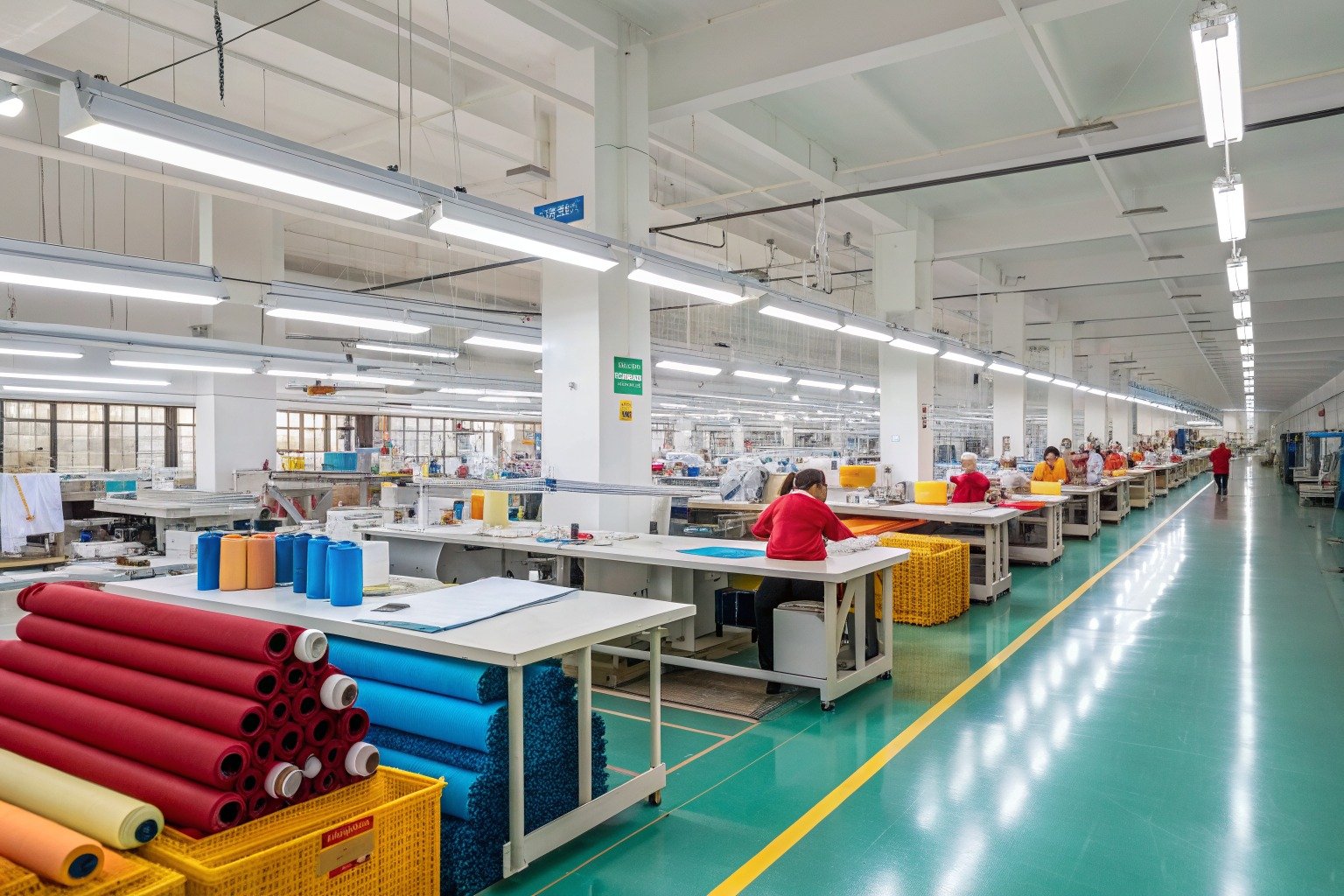
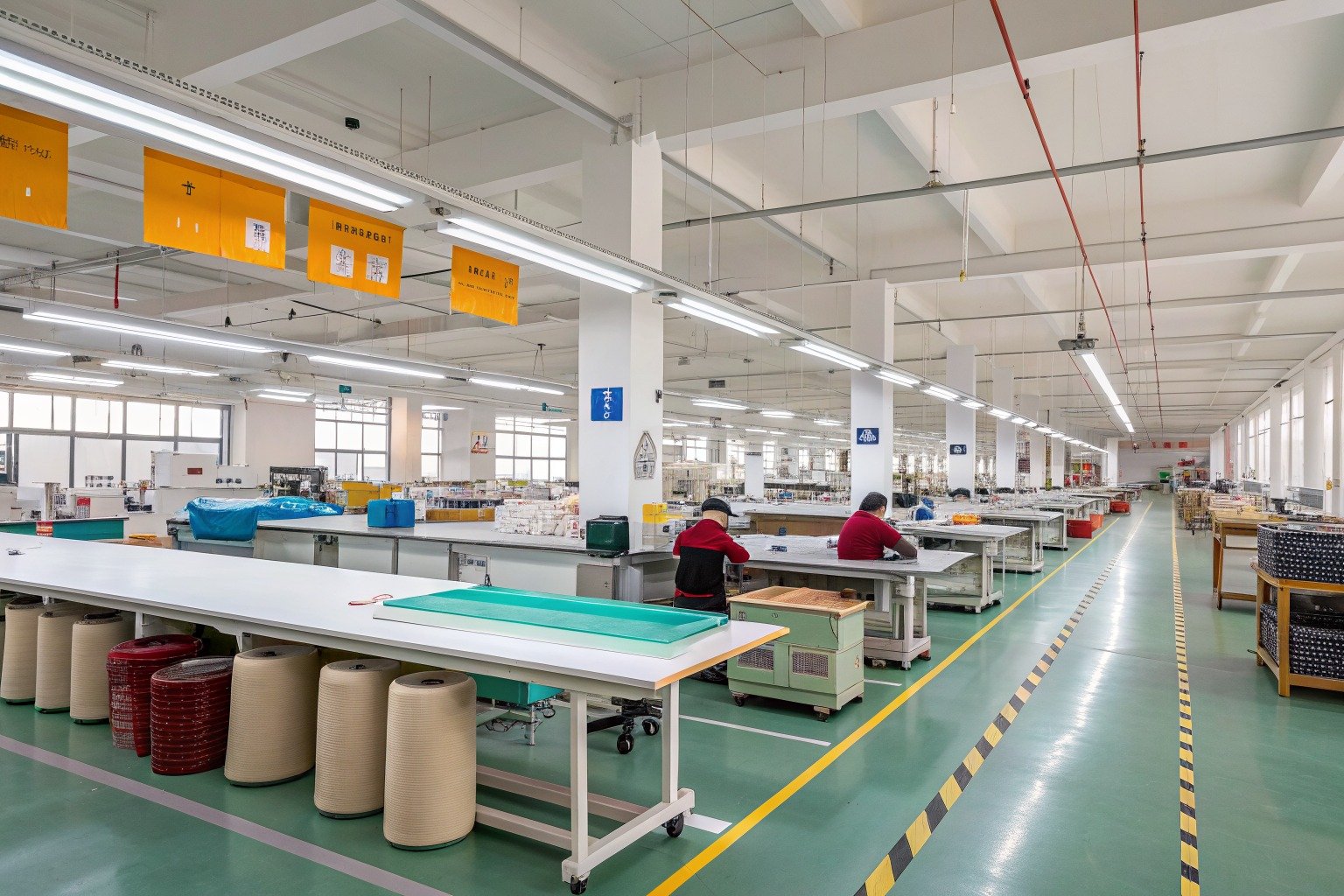
An expert manufacturer acts as your on-the-ground logistics ally. We manage the critical pre-shipment phases that ensure smooth customs clearance. This includes providing perfectly accurate commercial invoices, packing lists, and certificates of origin. Our quality control team’s rigorous inspections mean your goods meet US standards, reducing the risk of rejections at the border. Furthermore, our long-standing relationships with freight forwarders mean we can secure reliable sailing schedules and transparent pricing, giving you predictability in your supply chain.

How can a manufacturer ensure efficient customs clearance?
Efficient customs clearance hinges on perfect paperwork. We ensure that all shipping documents are meticulously prepared, with product descriptions and values that exactly match the goods and their HTS codes. This accuracy prevents delays at US ports. Our project managers are trained in the requirements of US Customs and Border Protection, and we use advanced ERP systems to track every detail. This professional approach to documentation is a core part of our service, providing the security and timeliness that importers like Ron require.
What value does a design team add beyond product development?
Our in-house design team contributes to tariff strategy from the very beginning. During the product development phase, they can often suggest material or design modifications that could result in a more favorable HTS classification without compromising on style or quality. For instance, suggesting a different blend of materials for a shawl might place it in a category with a lower duty rate. This proactive, value-engineered approach is what sets a true manufacturing partner apart from a simple supplier. It directly addresses your concern for both quality and cost-effectiveness.
How To Calculate True Landed Cost With Tariffs Included?
Many importers make the mistake of focusing solely on the FOB (Free on Board) price. The true cost of your goods, known as the landed cost, includes the product cost, shipping, insurance, and all duties and taxes. Accurately calculating this is non-negotiable for profitable pricing.
The formula for Landed Cost is: Product Cost + Shipping/Freight Costs + Insurance + Duties/Tariffs + Other Fees (e.g., brokerage). Duties are calculated as a percentage of the product’s customs value. For example: If your shipment of hair clips has a customs value of $10,000 and the HTS duty rate is 6%, the duty owed is $600. This $600 must be added to your cost base before you determine your retail price. We provide clients with transparent cost breakdowns and help them model different scenarios based on product mix and order volume to forecast the landed cost accurately.

What costs are often missed in landed cost calculations?
Importers often overlook indirect costs such as banking fees for international payment methods, harbor maintenance fees, and potential merchandise processing fees charged by customs brokers. There’s also the cost of capital—the money tied up while goods are in transit. By using our fast production and reliable sailing schedules, we help you reduce the in-transit time, thereby lowering your cost of capital. A comprehensive view of all these elements is crucial for an accurate profit margin calculation.
How can we help you model your landed cost?
At AceAccessory, we don’t just give you a product price. We provide a detailed cost projection template that incorporates all the variables. Our project managers will work with you to input the current duty rates for your products, average shipping costs, and other fees. This allows you to see the true cost of your belt or scarf order before you commit, enabling efficient pricing strategies for your market. This transparency is key to building a long-term, secure partnership and directly addresses the pain point of inefficient pricing.
Conclusion
Navigating US tariffs when importing fashion accessories from China is a manageable challenge with the right knowledge and partners. The journey involves understanding precise HTS classifications, implementing smart sourcing strategies like de minimis shipments, leveraging the expertise of your manufacturer for seamless logistics and customs, and always calculating the true landed cost. By taking these proactive steps, you can mitigate the financial impact of tariffs and maintain a strong, profitable supply chain.
Your success in the competitive North American market depends on a reliable and strategic manufacturing partner. If you are looking for a factory that combines high-quality, fast production with expert guidance on tariffs and logistics, we are here to help. Contact our Business Director Elaine today at elaine@fumaoclothing.com to discuss how we can partner to produce your next accessory order efficiently and cost-effectively.