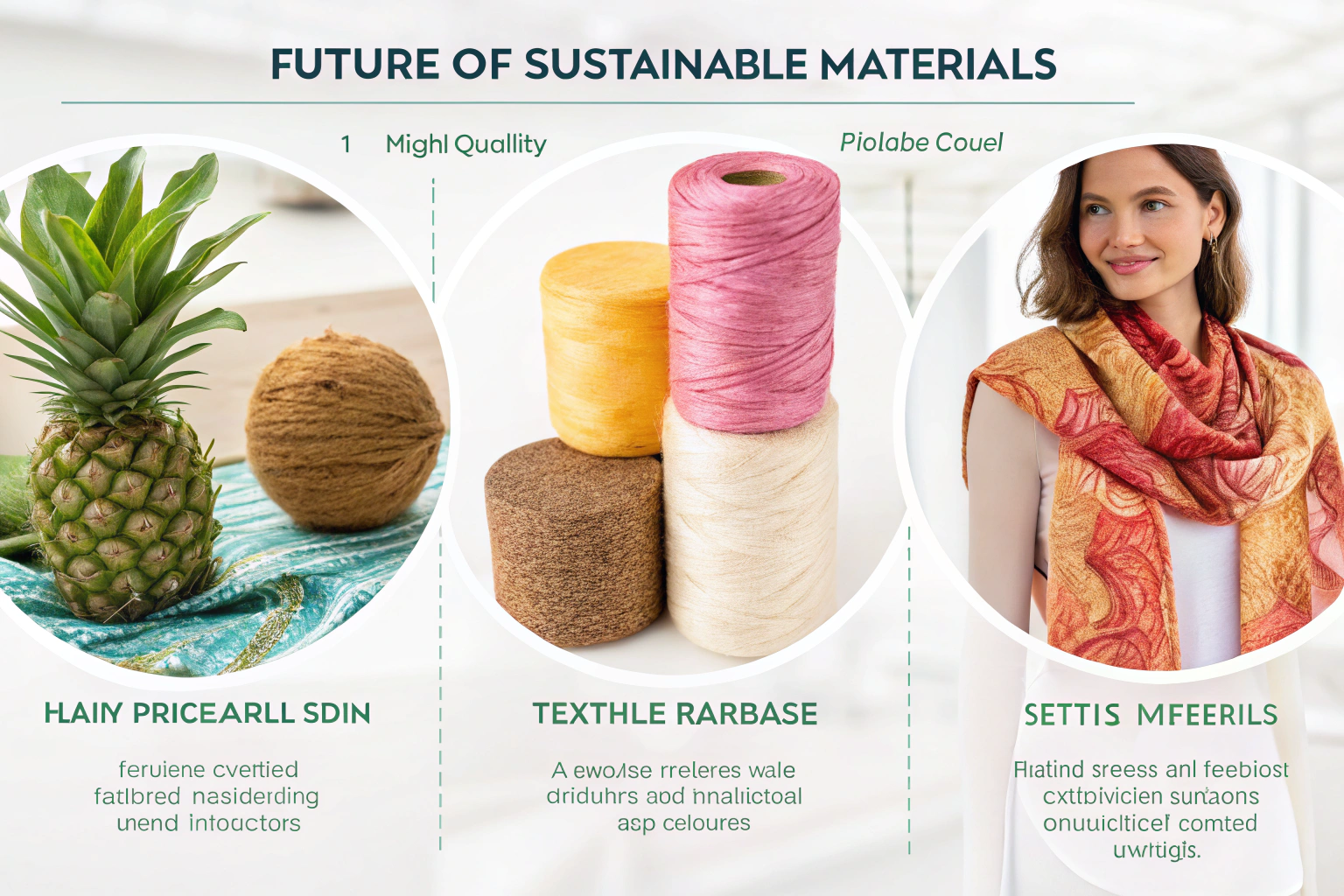
As a manufacturer, I hear a common concern from brands and buyers: "We want to be sustainable, but we need materials that are commercially viable, functional, and truly reduce environmental impact." The search for the perfect "green" material can feel overwhelming, with options ranging from recycled plastics to plant-based leathers. The real pain point isn’t a lack of choices, but knowing which innovations are scalable, cost-effective, and aligned with future regulations and consumer trends for 2026 and beyond.
The best sustainable materials for 2026 are not single fibers, but integrated solutions. They combine advanced textile-to-textile (T2T) recycling, next-generation bio-based fibers, and multifunctional sustainable materials that deliver performance without compromising the planet. Success lies in moving beyond basic recycled polyester or organic cotton to materials that close the loop, offer new functionalities, and are driven by a clear industry shift towards circularity. For a factory like ours at Shanghai Fumao Clothing, the focus is on materials that ensure quality, meet growing compliance demands, and provide tangible value to your brand story.
Let’s explore the key material categories that are transitioning from niche innovations to mainstream commercial reality. Understanding these will help you make strategic sourcing decisions that future-proof your accessory lines.
What is the closed-loop cycle of regenerated fibers from textile to textile (T2T)?
The future of sustainable materials is circular. While using recycled plastic bottles (rPET) was a crucial first step, the industry’s next leap is textile-to-textile (T2T) recycling. This process turns old garments and production waste directly into new, high-quality fibers, creating a true closed-loop system. For accessory buyers, this addresses the dual pain points of waste and raw material dependency, offering a story of genuine circularity that is increasingly demanded by both regulations and consumers.
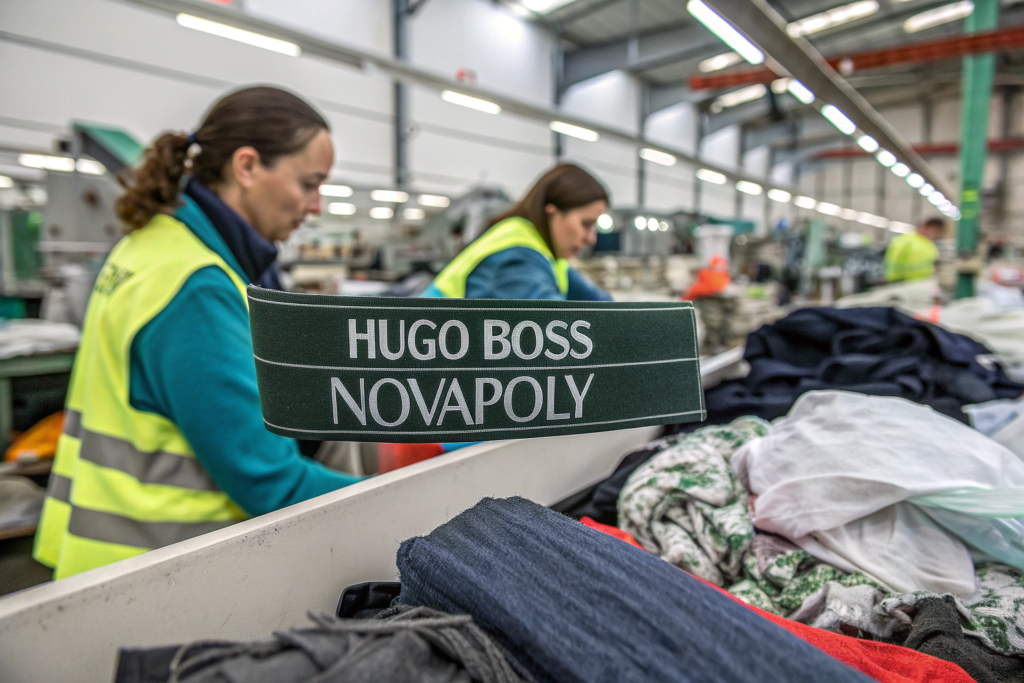
Why is this shift so critical? First, it tackles textile waste at its source. Second, innovations in chemical recycling are now producing fibers that rival the quality of virgin materials, making them suitable for a wider range of applications beyond basic bags or fillers. For example, German brand HUGO BOSS has developed NovaPoly, a recycled polyester yarn made from textile waste that includes an additive to reduce microfiber shedding. This shows how T2T solutions are evolving to address secondary environmental concerns like pollution.
What Makes Advanced T2T Fibers Different from rPET?
The key difference lies in the source and the system. rPET downcycles single-use plastic into fiber, but it doesn’t solve the fashion industry’s own waste problem. Advanced T2T recycling, particularly chemical recycling, can handle complex fabric blends (like poly-cotton) and restore the polymer to a like-new state. This results in fibers that are consistent, strong, and can be re-recycled repeatedly. Major investments are fueling this shift; for instance, a new factory set to open in 2026 aims to produce 30,000 tons annually of cycora® regenerated polyester made entirely from textile waste. For accessories, this means materials for durable belts, sturdy bag straps, or structured hat components can now come from a truly circular source.
How Will T2T Materials Impact Sourcing and Compliance?
Adopting T2T materials is becoming a strategic necessity. Regulations like the EU’s strategy for sustainable textiles are pushing brands towards circular models. Sourcing these materials now builds supply chain resilience. From a practical standpoint, working with a manufacturer experienced in handling these new fibers is crucial. They may have different dyeing profiles or performance characteristics. Our role is to bridge that knowledge gap, ensuring that the sustainable material performs flawlessly in the final product—whether it’s a sleek backpack or a colorful headband—meeting both quality and environmental standards.
What are next-generation bio-based and natural fibers like?
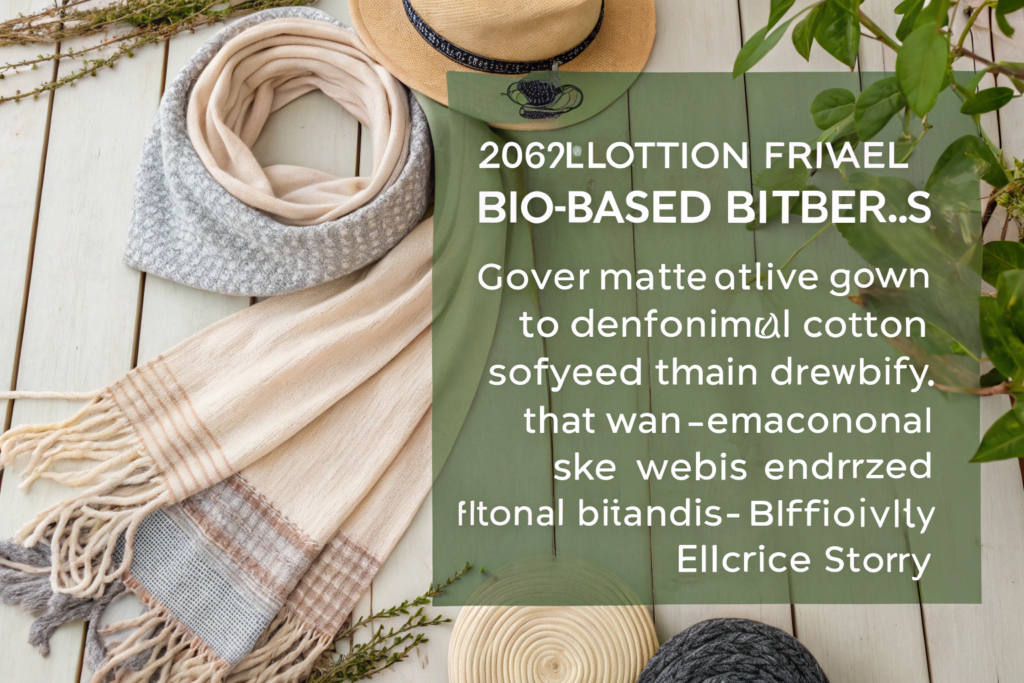
Beyond recycling, innovation is flourishing with materials grown, not drilled. The focus for 2026 is on bio-based fibers that go beyond traditional cotton, offering lower environmental footprints, novel functionalities, and ethical sourcing. These materials answer the consumer desire for "natural" products while leveraging science for enhanced performance. They are perfect for accessories where softness, skin-friendliness, and a compelling natural origin story are key selling points, such as in scarves, headbands, and certain types of hats.
The leading trend here is the evolution of regenerated cellulose fibers (like lyocell) into smarter, more sustainable versions. The latest innovations incorporate waste streams and add functional benefits directly into the fiber polymer. For example, fibers are now being made from recycled cotton textiles using an environmentally friendly solvent process, or infused with natural extracts like sea-buckthorn for inherent antioxidant properties. This creates a material that is not just passively "less bad," but actively beneficial and traceable from the source.
How Are Bio-based Fibers Gaining Functional Advantages?
Modern bio-based fibers are engineered for performance. The "China Fiber Trend 2025/2026" highlights fibers that combine green origins with exceptional function, such as thermoregulation, moisture management, and antibacterial properties. Imagine a beanie made from a fiber that actively wicks sweat and regulates temperature, or gloves with inherent odor resistance—all derived from natural or bio-based sources. Furthermore, the industry is developing low-carbon and traceable regenerated fibers. One example uses a patented technology to recover chemicals in production and embeds a tracer element, allowing full supply chain visibility—a powerful tool for brand transparency.
What Are the Practical Sourcing Considerations?
When sourcing these advanced natural fibers, dialogue with your manufacturer is key. Here are two critical considerations:
- Dyeing and Finishing: These fibers often require specific dyeing protocols (e.g., lower temperature dyes) to maintain their integrity and eco-profile. A manufacturer with a skilled technical team is essential to navigate this.
- Blending for Performance and Cost: Pure bio-based fibers can be expensive. A strategic approach is to blend them with recycled synthetics or other materials. This optimizes cost, enhances durability for items like belts or bag corners, and still delivers a high percentage of sustainable content.
The table below contrasts some innovative bio-based fibers relevant for accessories:
| Material Innovation | Key Characteristics | Potential Accessory Applications |
|---|---|---|
| DT New Solvent Regenerated Fiber | Made from waste cotton, biodegradable, soft, skin-friendly. | Scarves, lightweight shawls, headband linings. |
| Sea-buckthorn Modified Fiber | Contains natural antioxidants (Vitamin C, flavonoids). | Gloves, hat linings, accessories marketed for wellness. |
| Traceable Low-Carbon Fiber | Closed-loop production, full supply chain traceability. | Premium accessories where provenance and story are key. |
| Plant-based Leathers (e.g., from grapes, olives) | Made from agricultural waste, vegan alternative to leather. | Belts, bags, wallets, keychains, hat embellishments. |
Do multifunctional sustainable materials balance performance and responsibility?
Today’s consumers, especially in outdoor and performance segments, refuse to choose between sustainability and functionality. The demand is for materials that do both. This has given rise to multifunctional sustainable materials—fibers that are recycled or bio-based and engineered with UV protection, water resistance, thermal regulation, or anti-odor properties. This trend is a direct response to market needs, where a sun hat must block UV rays, a backpack must be water-resistant, and a sports headband must wick moisture—all while being made responsibly.
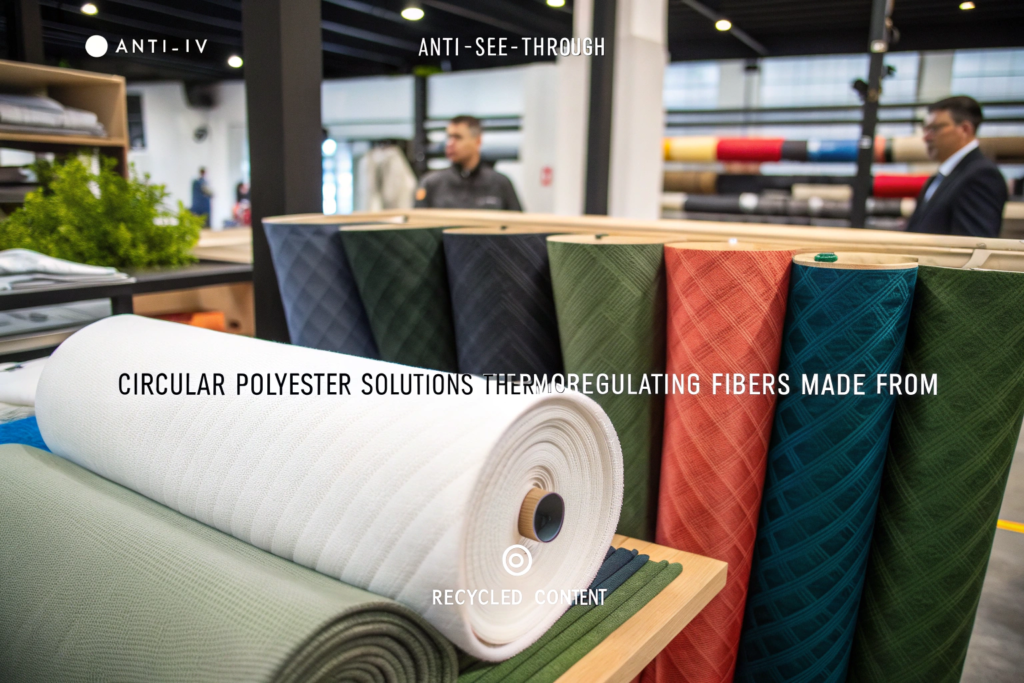
The industry is moving from "sustainability as an add-on" to "sustainability as the foundation for innovation." Brands are now seeking circular polyester solutions that also offer anti-UV and anti-see-through features, or thermoregulating fibers made from recycled content. This "dual-standard" approach—where environmental credentials and hard performance data are equally important—is becoming the benchmark for serious brands.
Why is Functionality Critical for Sustainable Accessories?
Without performance, a sustainable material has limited application. A recycled polyester that pills easily or a natural fiber that stains cannot be used in quality accessories. The latest material innovations are data-driven. For instance, fibers with specific hollow cross-sections for loft and warmth, or precise moisture-wicking rates, are specified by number. This allows manufacturers like us to match the exact material property to the accessory’s use case. For example, a knit hat requires warmth and stretch recovery, which can be achieved with recycled polyester blended with mechanically recycled elastane, while a summer scarf might use a bio-based fiber with excellent drape and cooling sensation.
How Can Brands Leverage These Materials for Marketing?
These materials provide a rich, multi-layered story. You can communicate on three levels:
- The Environmental Story: "Made from 100% textile waste, diverting garments from landfill."
- The Performance Story: "Features intelligent thermoregulation to keep you comfortable in variable temperatures."
- The Quality & Design Story: "Engineered for durability and a luxurious hand-feel."
This layered narrative justifies potential cost premiums and builds deeper brand loyalty. It shows that sustainability is not a constraint but a driver of better, smarter product design.
How will strategic procurement and industry transformation be in 2026?
Choosing the right material is only half the battle; integrating it into a reliable and cost-effective supply chain is the other. The landscape for 2026 is shaped by powerful external forces: increasingly strict regulations, volatile supply chains for traditional materials, and the rising consumer demand for authenticity. Strategic sourcing now means building partnerships with suppliers who are not just vendors, but innovators and problem-solvers.
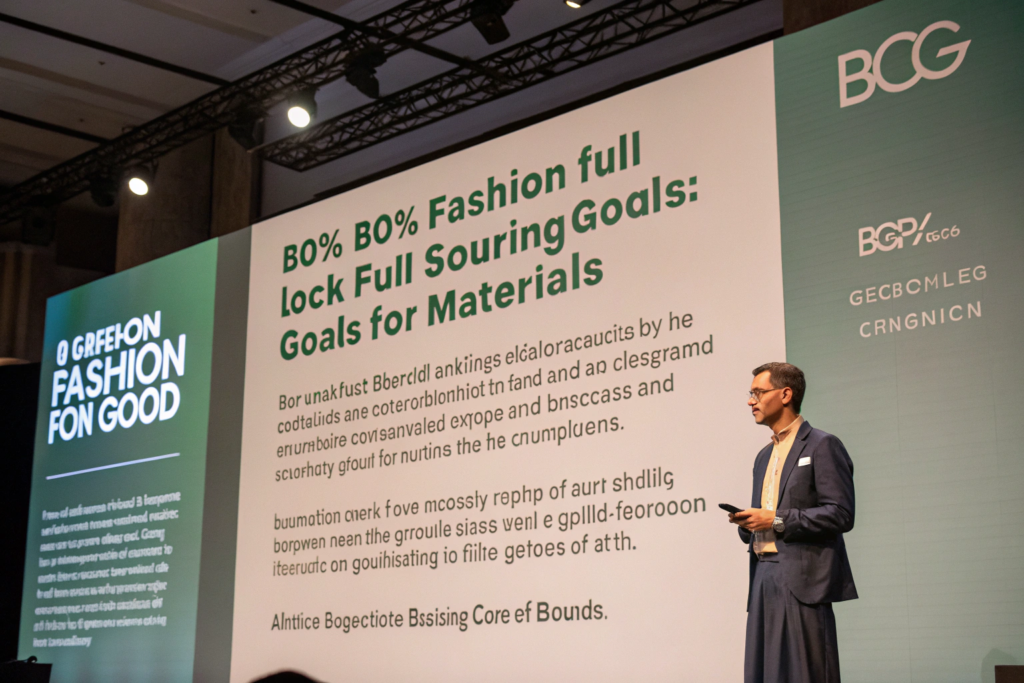
A report by Fashion for Good and BCG states that over 80% of fashion brands lack full sustainable sourcing goals for key materials, presenting both a challenge and an opportunity for early movers. The brands that act now to secure supply and expertise in next-generation materials will gain a significant competitive edge. The industry consensus is clear: adopting these materials is transitioning from a "nice-to-have" to a core business necessity for risk mitigation and future growth.
What Are the Key Barriers to Scaling New Materials?
Understanding the challenges helps in planning. The main barriers are:
- High Initial Cost: Novel materials are costlier due to smaller production scales.
- Extended Development Cycles: Integrating a new fiber from lab to production line takes time and testing.
- Performance Consistency: Ensuring the material performs identically across large production runs is crucial for brands.
The strategy to overcome these, as seen with successful materials like lyocell and ECONYL®, involves aligning Demand, Cost, and Capital to drive scale and eventually achieve cost parity with conventional options.
How Should Buyers Partner with Manufacturers on This Journey?
The most successful brands view their manufacturer as a strategic ally. Here’s how to approach this partnership:
- Start with a Pilot Project: Test a new material like a T2T recycled fiber or a functional bio-based blend in one signature accessory line. This manages risk and builds internal knowledge.
- Co-Develop with Transparency: Share your sustainability roadmap and compliance needs (e.g., "We need to meet EU regulations by 2027"). A forward-thinking manufacturer can then propose material and process solutions, like switching to low-temperature dyeing to save energy.
- Focus on Total Value, Not Just Unit Price: Consider the marketing value, regulatory compliance, and supply chain security that next-generation materials bring. A slightly higher material cost can be offset by reduced risk and enhanced brand equity.
Conclusion
The best sustainable materials for 2026 accessories represent a fundamental shift in thinking. They are no longer just alternative options but are becoming the new standard, defined by circularity (T2T recycling), intelligent natural origins (next-gen bio-based fibers), and integrated high performance. The journey involves navigating initial costs and sourcing complexities, but the reward is a resilient, future-proof product line that resonates with the market and complies with the global regulatory direction.
For brands ready to lead, the time to experiment and build partnerships is now. This isn’t just about sourcing a material; it’s about co-creating the future of your accessories with a manufacturing partner who understands both the technical and commercial landscape. If you’re looking to develop a new line of scarves with traceable sea-buckthorn fiber, explore belts made from advanced textile-to-textile recycled polymers, or simply want to understand how these trends apply to your specific product category, let’s start a conversation. For a detailed discussion on integrating these sustainable materials into your next collection, please contact our Business Director Elaine at elaine@fumaoclothing.com.