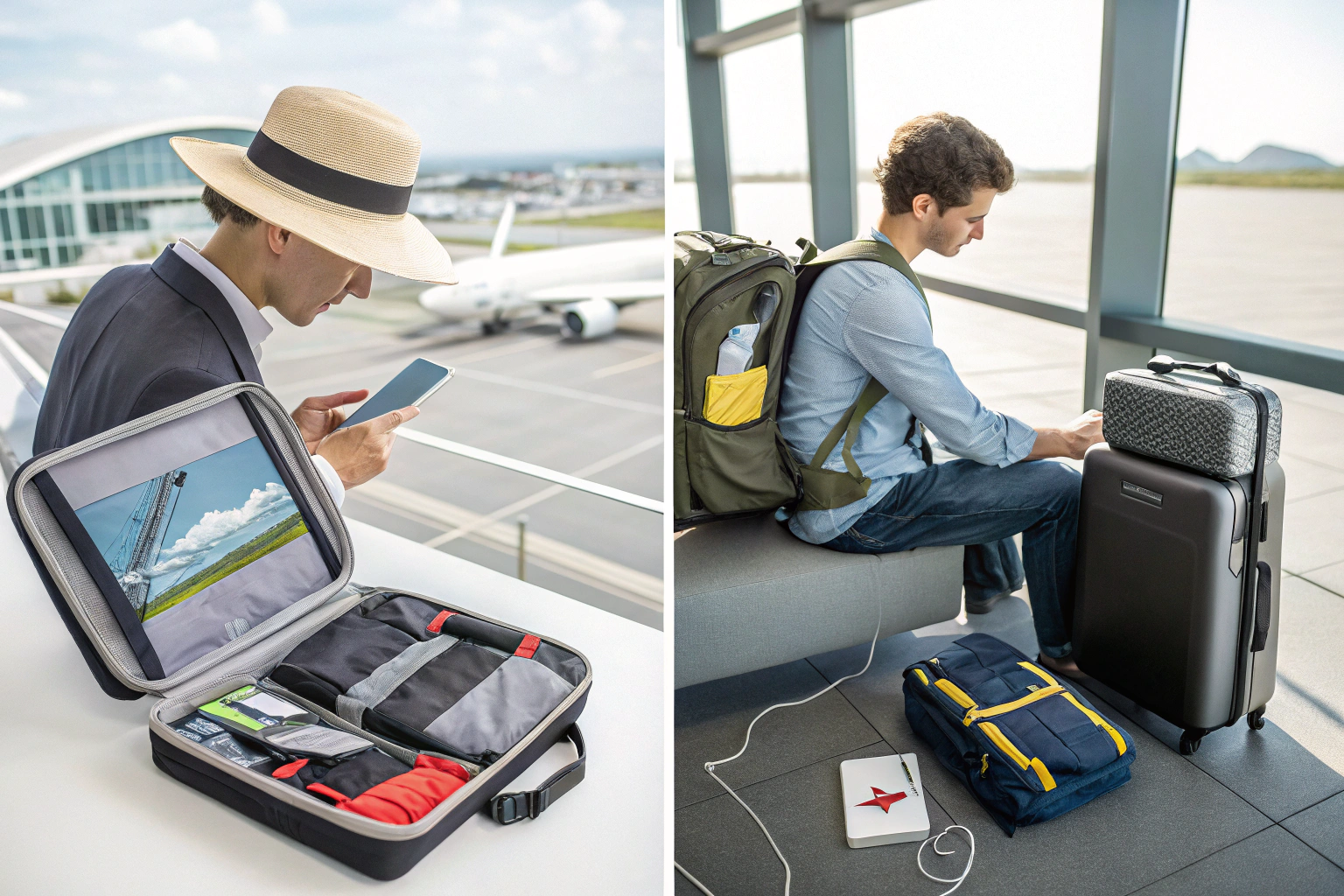
For US retailers navigating a market of selective, value-driven consumers, stocking the right travel accessories has become more than just a seasonal play—it’s a strategic necessity. The challenge is clear: today’s traveler demands more than basic functionality. They seek products that are smart, solve multiple problems at once, and deliver tangible value, whether they’re on a cross-country flight, a weekend camping trip, or a daily commute. This shift is driven by the rise of digital nomads, a renewed focus on personal wellness, and an overarching consumer preference for quality over quantity.
Multifunctional travel accessories are solving on-the-go needs for US retailers by directly addressing three core consumer demands: hybrid utility for blended lifestyles, climate-adaptive comfort and safety, and compact organization and smart security. These products combine features to save space, add convenience, and enhance the travel experience, aligning perfectly with the market trend where shoppers are buying fewer items but willingly investing in high-value solutions. For retailers, this means curating products that offer compelling stories and multiple use cases, from tech-integrated gear to cleverly designed essentials.
Let’s explore the key categories of multifunctional accessories that are meeting these evolving needs and creating profitable opportunities for retail buyers.
A hybrid use that integrates technology, work, and outdoor gear?
The lines between business, leisure, and outdoor travel have blurred. Modern travelers, especially digital nomads and hybrid workers, need gear that seamlessly transitions from a co-working space to a hiking trail. This creates a prime opportunity for accessories that serve dual or triple purposes. Retailers are finding success with products that integrate power solutions, offer versatile carrying options, and are built with durable, all-terrain materials. The appeal lies in a single product replacing two or three single-use items, offering both practical value and a compelling narrative for the cost-conscious, experience-driven shopper.
This trend moves beyond simple convenience to integrated problem-solving. It responds to the consumer desire for "high-value" purchases that are essential to their lifestyle. For example, a backpack is no longer just a bag; it’s a mobile office and power station. A jacket isn’t just for warmth; it includes secure, tech-ready pockets. These multifunctional features justify premium pricing and build brand loyalty, as they become indispensable to the user’s daily life.
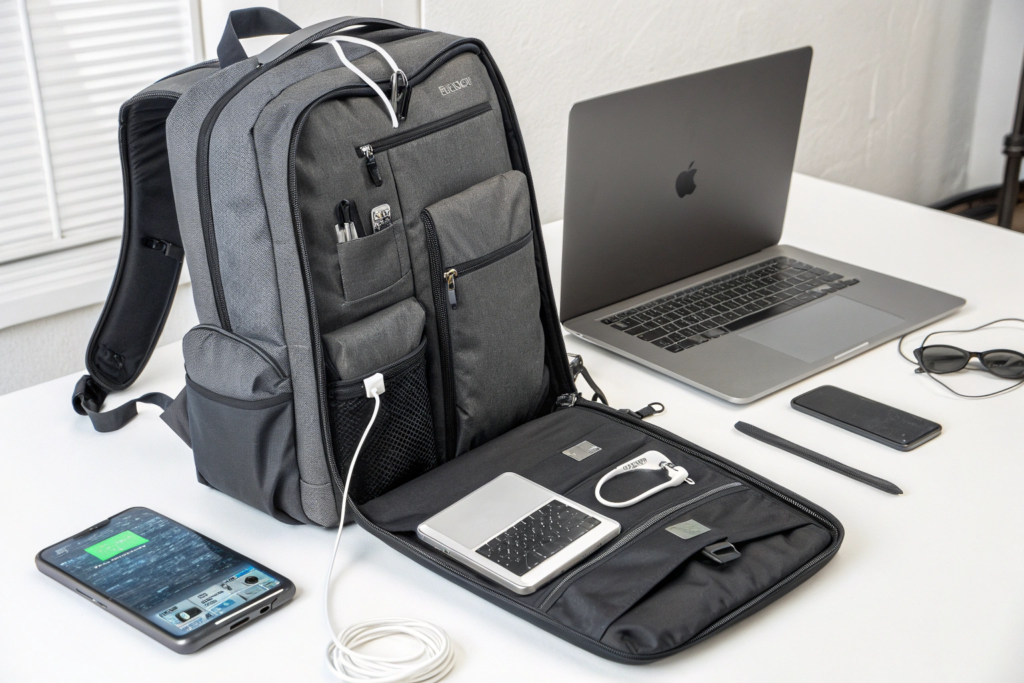
How are tech-integrated bags becoming mobile power hubs?
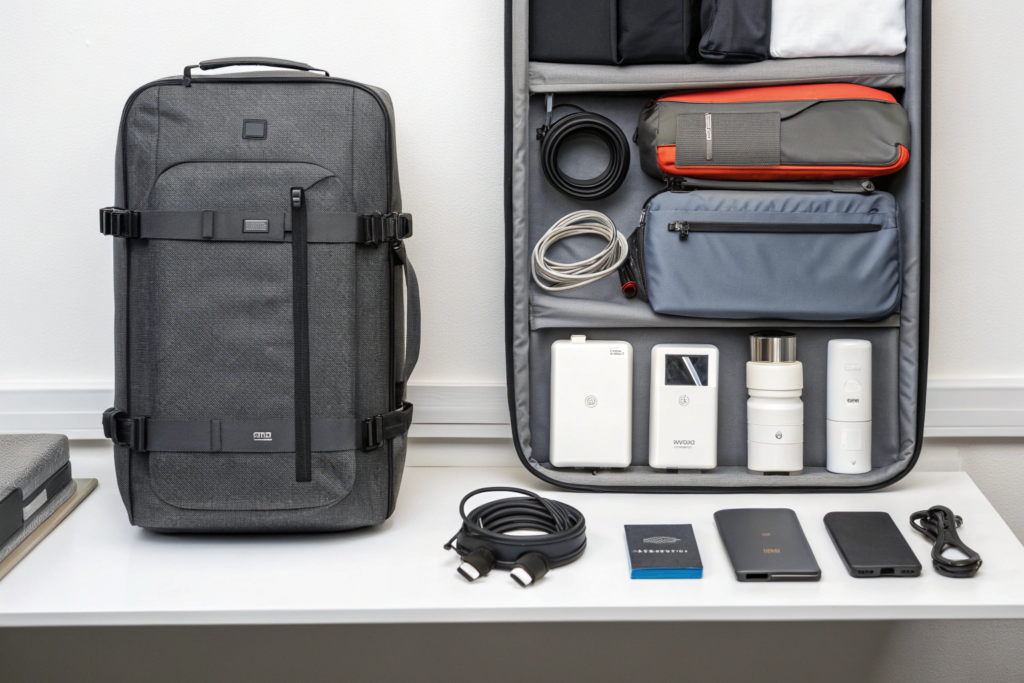
The most significant evolution in bags is the built-in power solution. Modern travelers carry multiple devices, and hunting for an airport outlet is a universal pain point. Multifunctional bags now commonly feature integrated, high-capacity power banks, built-in charging cables, and dedicated, padded compartments for laptops and tablets. This turns the bag into a true "power hub." Furthermore, security features are being seamlessly woven in. Designs now include lockable zippers, RFID-blocking pockets for passports and credit cards, and cut-resistant materials to address theft concerns in crowded spaces. For retailers, highlighting this combination of "power + security" addresses two major traveler anxieties at once.
Why are convertible and multi-scenario accessories dominating sales?
Versatility in form and function is a key purchase driver. Consumers are drawn to items that adapt to different parts of their journey. This is evident in the popularity of convertible backpacks that can be carried as a briefcase or a duffel, and packable daypacks that zip into their own pocket for easy storage[citation:8]. The material innovation is equally important. There is growing demand for accessories made from water-resistant and durable technical fabrics (like recycled polyester or nylon) that are equally suited for an urban commute or a sudden downpour on a trail. This durability ensures the product remains a "high-value" item over time, meeting the consumer’s selective spending criteria.
How climate adaptability and comfort-oriented solutions?
Travel inherently exposes people to changing and often uncomfortable environments—from stuffy airplanes and overheated cars to chilly evening campsites. Accessories that proactively regulate temperature, improve personal comfort, and adapt to weather conditions are seeing surging demand. This category directly taps into the broader wellness trend and the practical need to make any journey more pleasant. For retailers, especially those targeting the booming outdoor and leisure markets, these items are high-margin staples that cater to very specific, seasonal needs.
The innovation here is about personal climate control. It’s no longer just about a warm scarf or a handheld fan. The latest products leverage smart technology and clever design to give travelers an unprecedented level of personal comfort, turning a basic necessity into a premium, problem-solving device.
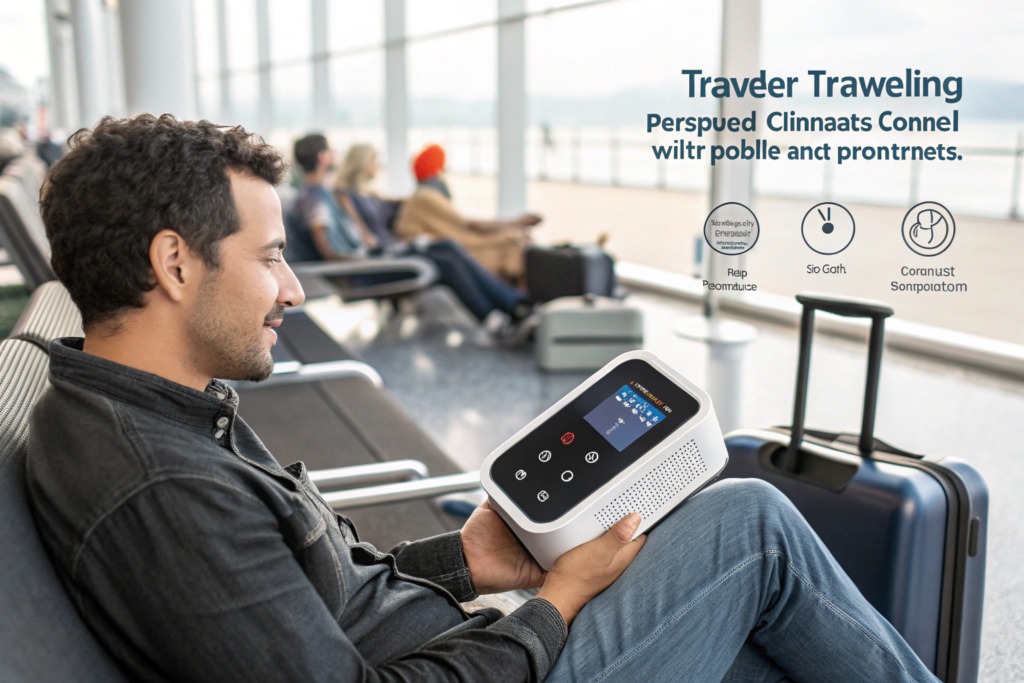
What personal cooling devices are beyond handheld fans?
The market for personal cooling has evolved from simple handheld units to wearable, hands-free solutions. The breakout success of the solar-powered fan hat is a perfect example. By integrating a fan into the brim of a hat powered by a small solar panel, it solves the dual problem of sun exposure and heat without requiring batteries or occupying the user’s hands. Similarly, clip-on portable fans that attach to backpacks, waistbands, or strollers have become huge sellers by offering targeted airflow and full mobility. For retailers, these products are ideal for summer seasonality and have demonstrated their viral sales potential through social media platforms like TikTok.
How are portable systems creating personal comfort zones?
The concept of personal comfort is expanding to include portable systems that manage the immediate environment. A prime example is the wearable thermoelectric device (like a neck pad or pocket device) that can provide both cooling and heating. This is ideal for long flights or dealing with unpredictable destination weather. For the outdoor segment, the multifunctional solar camping light is a superstar. The best-selling models combine bright LED illumination with a power bank function for charging phones, and some even integrate a fan or mosquito repellent. For retailers, this "three-in-one" value proposition is incredibly powerful for the camping and adventure travel audience.
How do compact organizations and integrated security work?
Chaos is the enemy of a smooth trip. The perennial traveler struggle to find a charger, a pair of socks, or a passport in a packed bag is being solved by a wave of organizational accessories designed to maximize space and minimize stress. Furthermore, security is no longer an afterthought but is being designed directly into these organizational systems. This category appeals to a universal need for order and control, making it a consistently high-volume, repeat-purchase segment for retailers. It perfectly aligns with the consumer shift toward intentional, efficient packing and a desire for peace of mind.
This trend is about creating a predictable, efficient personal ecosystem within a suitcase or backpack. By offering clear solutions to clutter and security anxiety, these accessories become non-negotiable purchases for both frequent and occasional travelers.
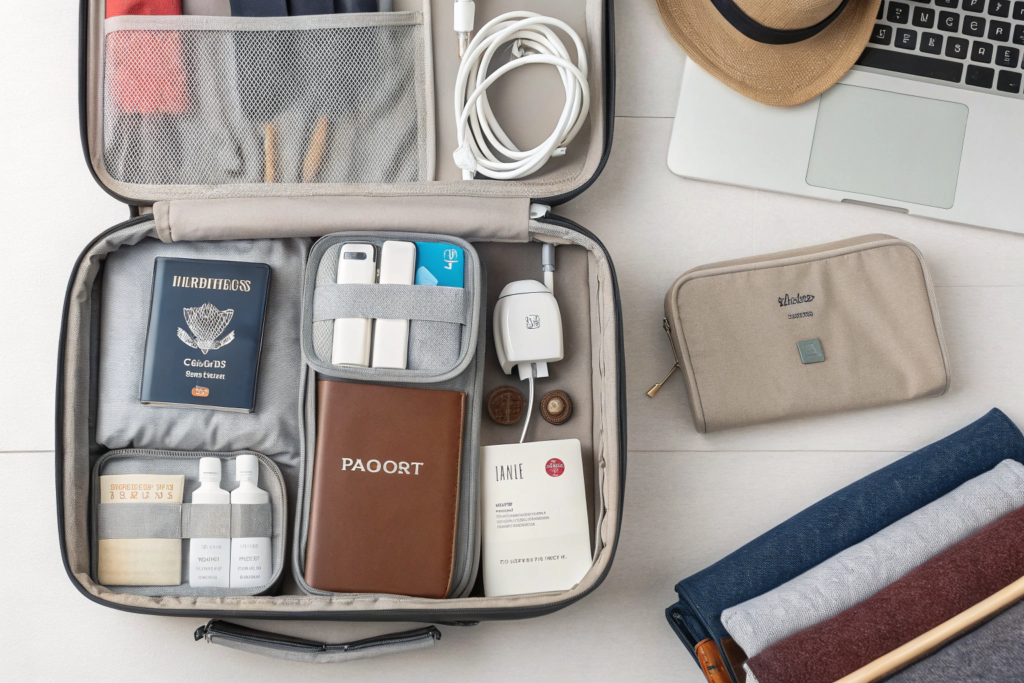
Why are modular packing systems a must-have for all travelers?
The humble packing cube has evolved into a sophisticated modular system. Modern sets feature cubes of various sizes, compression bags to reduce volume, and specialized organizers for shoes, tech cables, and jewelry. The key selling point is the transformation of a suitcase into a set of organized drawers, making packing and unpacking effortless. Complementing this are TSA-compliant toiletry bags with clear, leak-proof compartments and hanging hooks. For retailers, offering these systems in coordinated sets or sustainable materials (like recycled fabrics) can significantly increase average order value and attract eco-conscious consumers.
How is smart technology being miniaturized into travel security?
Security features have become compact, smart, and integrated. The most notable innovation is the smart luggage tag. These devices go beyond a paper label, embedding GPS tracking technology that allows travelers to monitor their bag’s location in real-time via a smartphone app. This directly addresses the major pain point of lost luggage. Similarly, compact portable door locks and alarms provide security for hotel or Airbnb stays. For retailers, merchandising these high-tech security items alongside traditional organizers creates a compelling "peace of mind" bundle for customers.
Sourcing and Retail Strategy for Multifunctional Accessories?
For US retailers, capitalizing on this trend requires more than just identifying hot products; it demands a strategic approach to sourcing and merchandising. The market is moving towards integrated functionality, sustainable materials, and direct-to-consumer (D2C) online sales channels. Retailers must align with suppliers who can deliver on innovation, customization, and ethical production to meet the demands of a discerning customer base that values both performance and provenance.
The strategic shift involves viewing accessories not as impulsive add-ons, but as core components of a traveler’s toolkit. Retailers who can curate a selection that tells a cohesive story around solving travel pains will build a loyal customer base. According to market research, the global travel accessories sector is on a strong growth trajectory, underscoring the long-term opportunity in this space.
What are the key sourcing considerations for retailers?
To build a competitive assortment, retailers should focus on three pillars when sourcing:
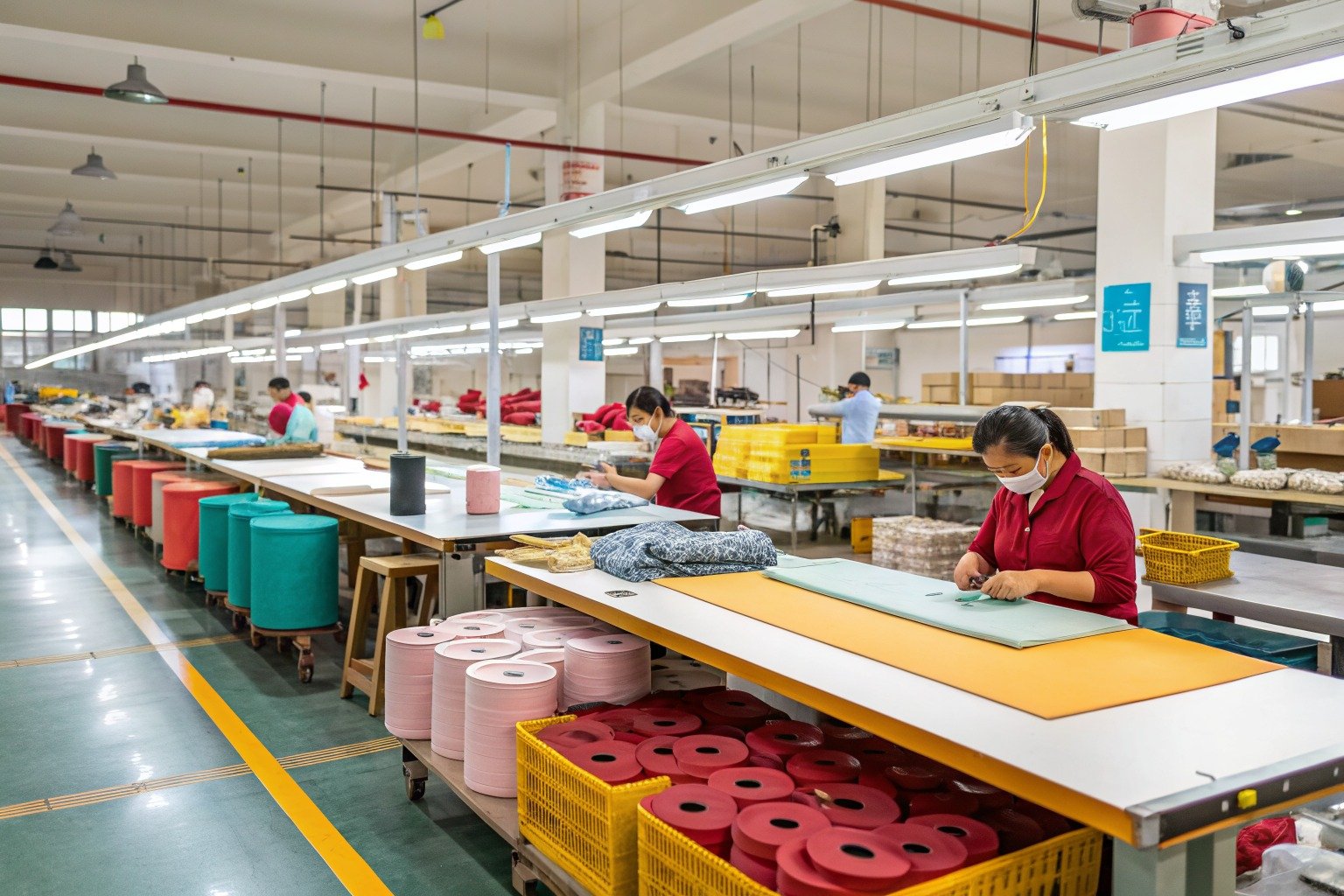
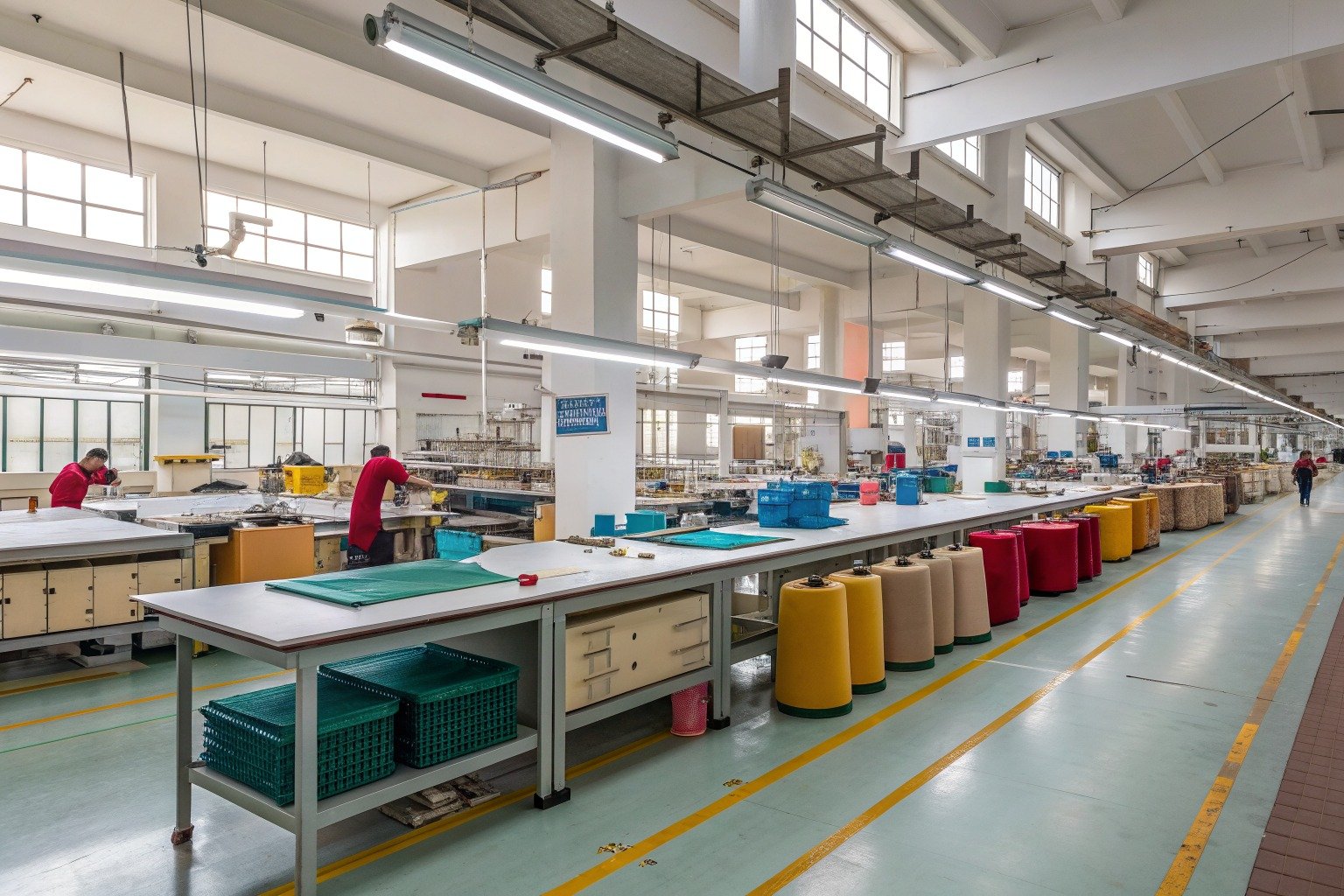
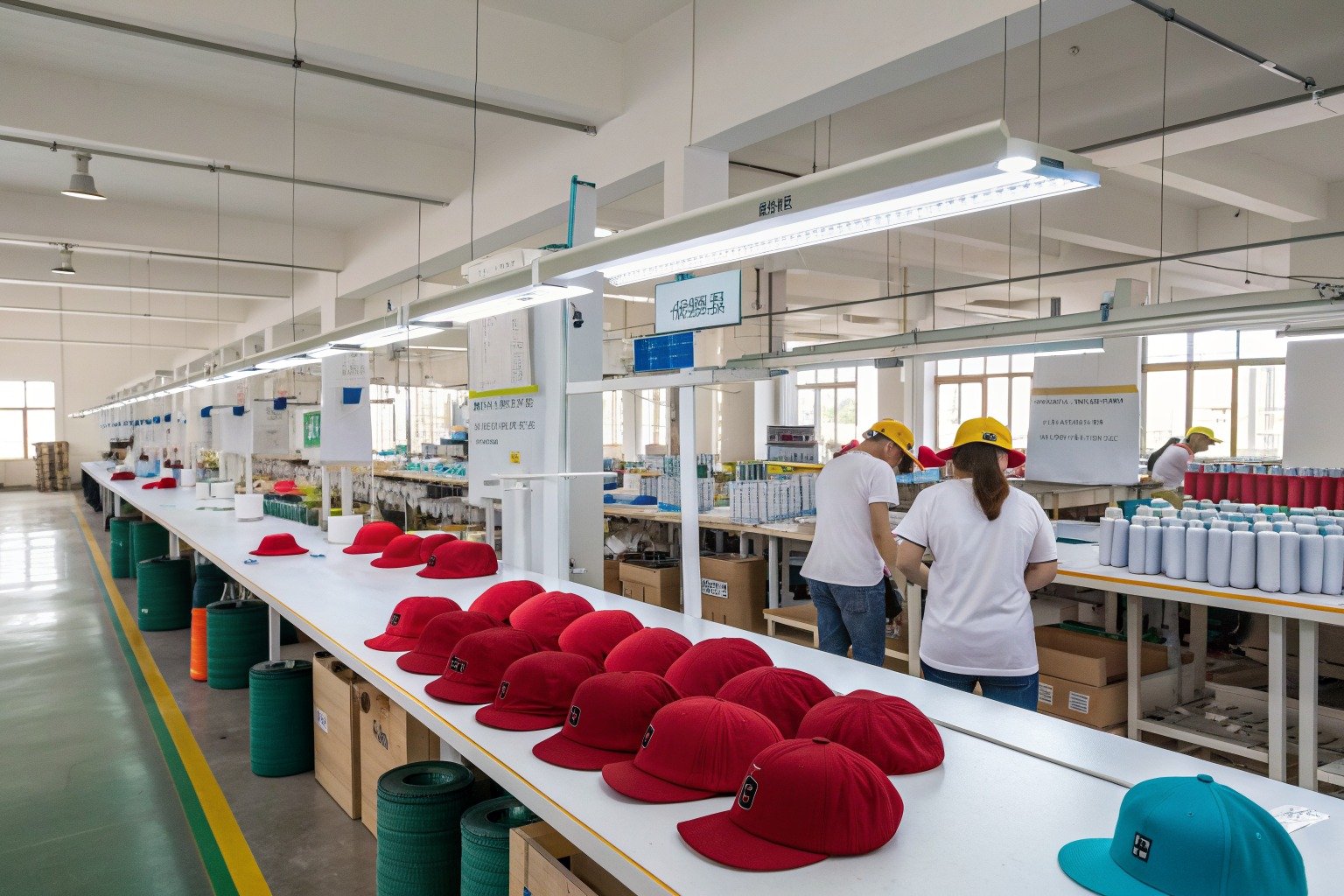
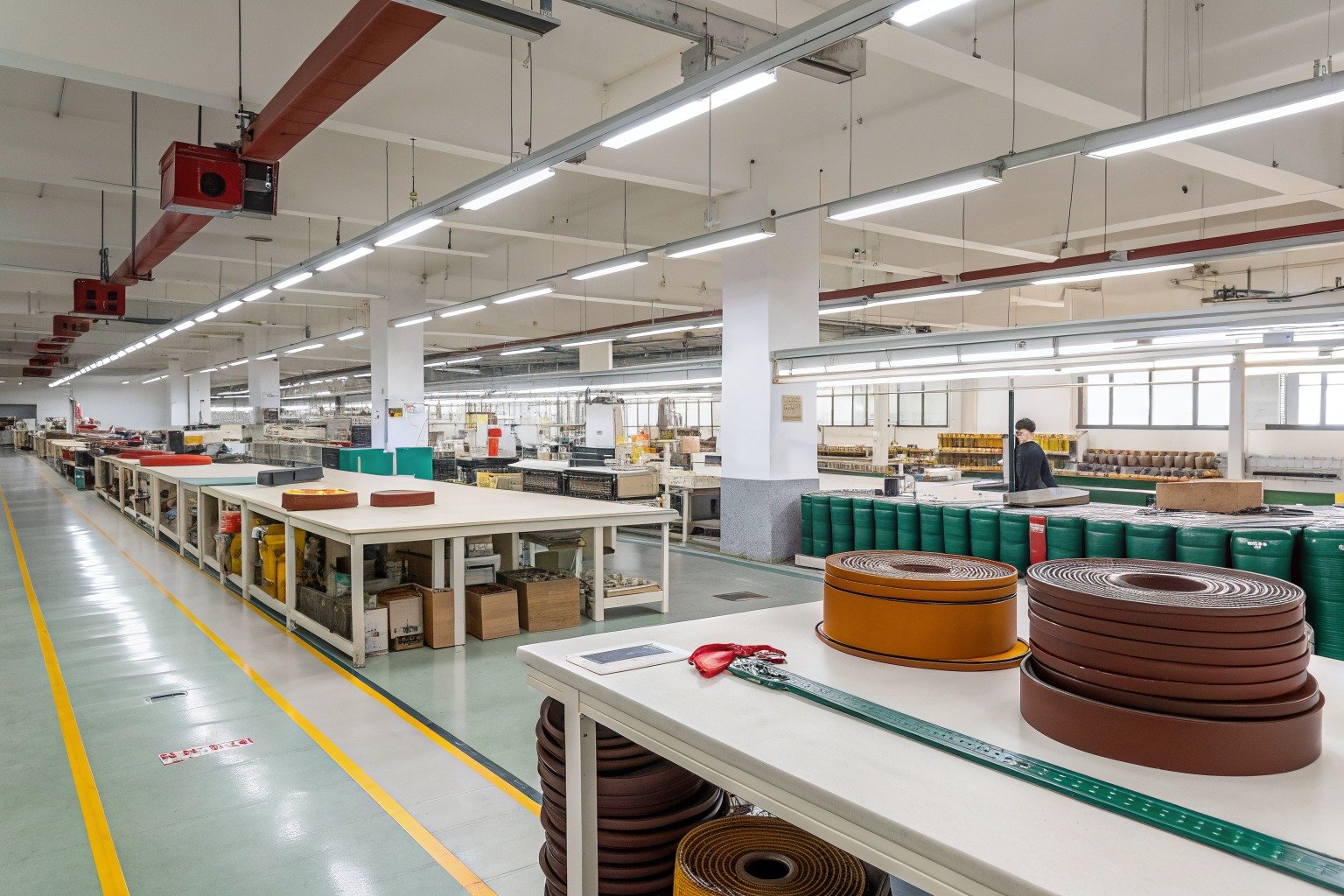
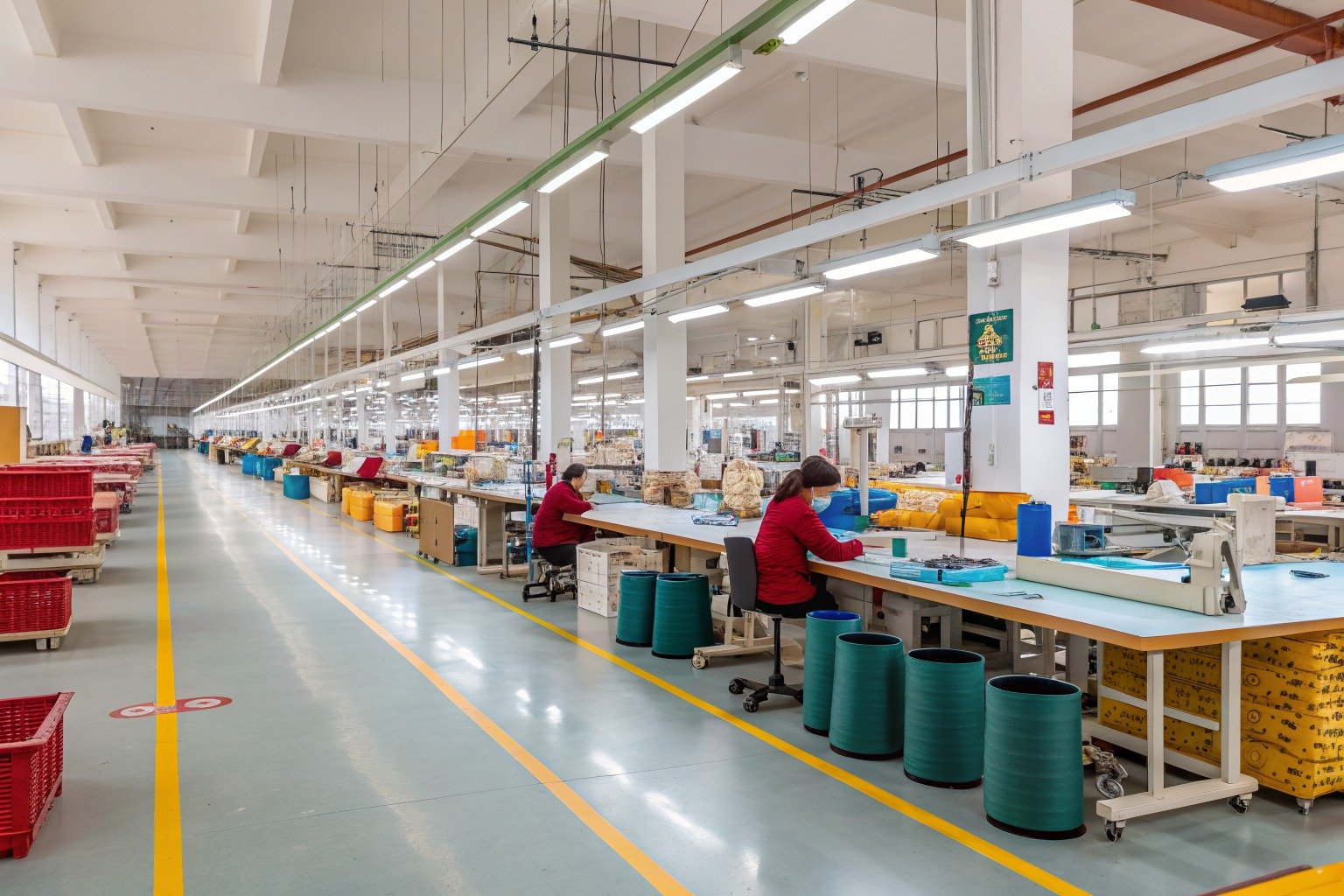
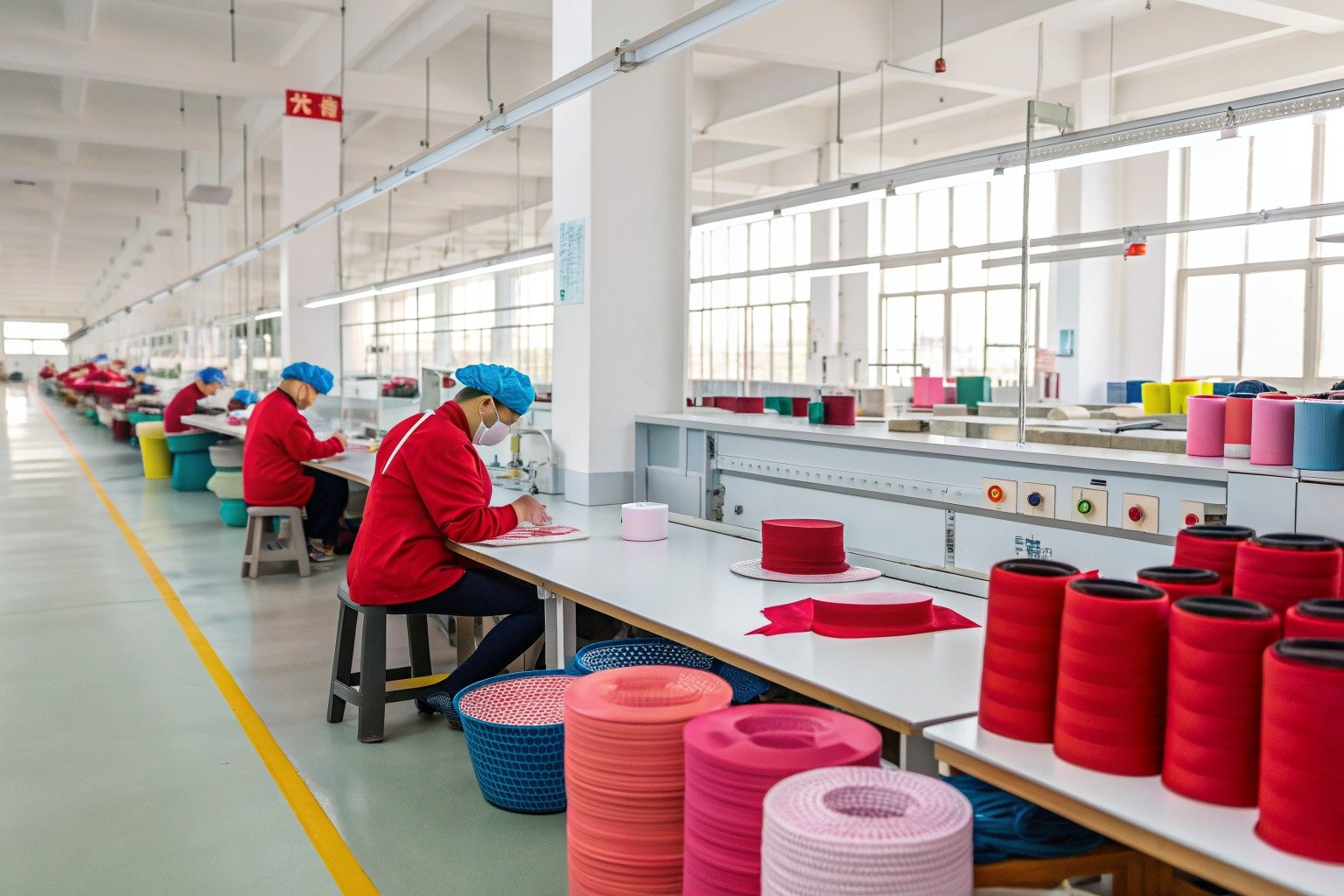
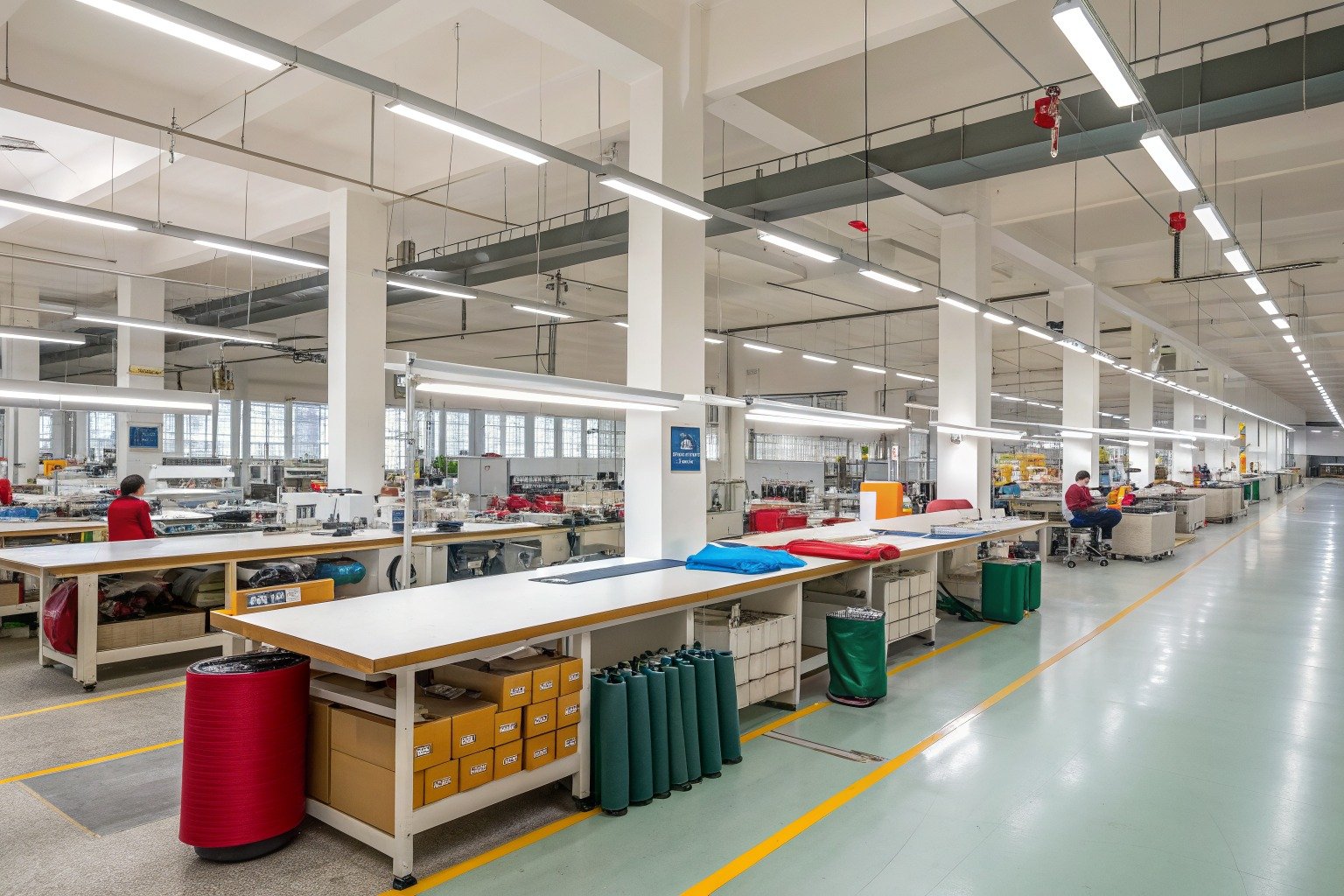
- Innovation and Customization: Partner with manufacturers like Shanghai Fumao Clothing that offer OEM services, allowing for private-label development, custom colors, and branded packaging to differentiate your offerings.
- Sustainability Credentials: Prioritize suppliers using recycled materials (like rPET or ECONYL), organic fabrics, and providing clear, ethical supply chain information.
- Quality and Compliance: Always request physical samples to test durability and functionality. Ensure products, especially electronics and items for children, meet relevant US safety standards and certifications.
How should retailers merchandise and price these products?
Effective retail strategy is crucial for conversion. Consider these approaches:
- Solution-Based Bundling: Merchandise products together as "kits," such as a "Digital Nomad Kit" (power bank, cable organizer, laptop sleeve) or a "Family Travel Kit" (packing cubes, portable laundry bag, travel games).
- Highlight the Value Equation: Given that consumers are selectively investing in higher-value items, marketing should clearly articulate the cost-per-use or money-saving angle (e.g., "One camp light replaces your lantern, power bank, and bug repellent").
- Leverage Multiple Channels: While e-commerce remains dominant for discovery and research, physical retail is ideal for tactile experiences. Use your online platform to educate with detailed feature lists and video reviews, and in-store displays to let customers feel the quality and test the function.
Conclusion
The demand for multifunctional travel accessories is reshaping the retail landscape by addressing the modern traveler’s core needs for efficiency, comfort, and security. The winning products are those that combine hybrid utility, personal climate control, and smart organization into seamless, valuable solutions. For US retailers, success lies in strategically sourcing innovative and sustainable products from capable manufacturing partners and merchandising them in a way that clearly communicates their problem-solving power.
This trend is not a fleeting fad but a reflection of deeper shifts in consumer behavior toward intentional consumption and experience-rich living. By curating a collection of accessories that empower smoother, more enjoyable journeys, retailers can tap into a growing and loyal market. If you are looking to develop a private-label line of multifunctional travel accessories, from tech-integrated bags to innovative comfort items, partnering with an experienced manufacturer is the first step. To discuss how we can bring these solutions to your shelves, contact our Business Director Elaine at elaine@fumaoclothing.com.