As a fashion buyer or brand owner, you understand the impact of a well-curated accessory line. A cohesive collection requires strategic planning, thoughtful design, and precise execution. At AceAccessory, we’ve collaborated with numerous brands across North America and Europe to transform accessory concepts into commercially successful, harmonious collections. This comprehensive guide outlines the fundamental steps to achieve a unified aesthetic that resonates with your target market and enhances sales performance.
Creating a cohesive fashion accessory collection necessitates establishing a strong thematic foundation, maintaining consistent design elements including color theory and material selection, implementing strategic product range planning, and partnering with a reliable manufacturer capable of ensuring quality and operational excellence. A unified collection communicates a compelling brand narrative, elevates customer experience, and achieves distinct market positioning. This approach differentiates between merely selling individual items and building an impactful brand identity.
Let us examine the systematic approach required to ensure your next accessory line demonstrates both aesthetic appeal and strategic coherence throughout the development and production lifecycle.
What Defines a Cohesive Accessory Theme?
A clearly articulated theme serves as the conceptual foundation of your collection. This central organizing principle creates intentional connections between individual pieces, resulting in a sophisticated product narrative. Without this foundational element, collections risk appearing disjointed, potentially confusing consumers and diluting brand equity. The thematic framework provides strategic direction for all subsequent development decisions.
A cohesive accessory theme is characterized by a central, unifying concept—whether a specific color narrative, recurring motif, consistent material application, or strong inspirational story—that receives consistent implementation across all collection SKUs. This establishes both visual and conceptual continuity that positions products as complementary components rather than isolated items. For procurement professionals, this translates to enhanced marketability and commercial viability.

How Do You Establish a Core Concept?
Initiate the process with a clearly defined, focused inspiration. This may derive from specific art historical movements, natural environments, or emotional concepts. The critical success factor lies in translating abstract inspiration into tangible design specifications. We recommend clients develop comprehensive mood boards during the conceptualization phase. These visual tools should incorporate color references, material swatches, inspirational imagery, and descriptive terminology that captures the thematic essence. This becomes the definitive reference for all stakeholders, including your accessory manufacturer, ensuring strategic alignment from inception. A well-defined concept streamlines the product development lifecycle, establishing clear creative parameters.
Why is Consistency in Design Elements Crucial?
Consistency transforms thematic concepts into tangible reality. Following thematic establishment, core elements require faithful application across all product categories. For instance, a "Botanical Renaissance" theme might incorporate floral patterns across scarves, hair accessories, and belt hardware, potentially in varying scales. Metallic accents in specific finishes might provide consistent detailing. This deliberate repetition creates visual rhythm that consumers recognize and value. Implementing a controlled color palette represents one of the most effective cohesion strategies. We assist partners in selecting primary, secondary, and accent color groupings for cross-product application. This disciplined approach to fashion accessories design ensures all components contribute meaningfully to the collective narrative.
How to Maintain Design Consistency Across Products?
Design consistency represents the critical intersection of strategic planning and practical implementation. This meticulous process ensures all collection components—from headwear to handbags—demonstrate intrinsic relationships. This extends beyond thematic elements to encompass nuanced applications of color systems, material specifications, and formal relationships.
Design consistency across accessory categories is maintained through rigorous application of predefined specifications for color standards, material selections, and formal elements, typically facilitated by comprehensive style guides and close manufacturing partnerships. This systematic approach guarantees final products demonstrate visual and tactile relationships that reinforce brand recognition and quality perception.

What Role Does a Color Palette Play?
A strictly controlled color system provides the most immediate tool for visual unification. This represents the primary consumer touchpoint. We guide clients in selecting 3-5 core colors that support thematic direction. For example, a "Mineral Coast" theme might feature slate blue, quartz white, sandstone, and deep basalt. This palette receives application across all material categories—dye formulations for scarves, enamel finishes for hair accessories, woven components for belts. This creates immediate visual connectivity. Standardized palette adherence streamlines the quality assurance process, enabling precise color matching against approved Pantone standards and ensuring batch-to-batch consistency. This color management precision proves essential for major retail partnerships requiring exact specification compliance.
How Do Materials and Finishes Create Unity?
Tactile experience complements visual perception in creating cohesive collections. Consistent material and finish applications across product categories establish unified sensory characteristics. For instance, brushed gold hardware on belt buckles should receive identical application on scarf embellishments and hair accessory details. Similarly, collections featuring textile components benefit from consistent fabric compositions across related categories. We support partners in material sourcing and specification, leveraging extensive supply chain networks to identify appropriate materials meeting aesthetic and cost parameters. Establishing detailed Bill of Materials (BOM) documentation for each SKU represents established best practice, ensuring all components align with collection design protocols.
Why is Product Range Planning Essential for Cohesion?
Cohesive collections balance similarity with strategic variety. Product range planning involves curating SKU selections that meet market demands while maintaining strong brand identity. This process involves building product families with complementary relationships and mutual support.
Product range planning ensures collections offer balanced assortments of statement pieces and core items, cover diverse categories and price architectures, and minimize redundancy while maintaining thematic integrity. Well-planned ranges appeal to broader consumer segments, maximize revenue opportunities, and present comprehensive brand presentations to buyers.

How to Balance Statement Pieces and Basics?
Successful collections require hero items that capture attention and embody thematic direction, supported by versatile basics that ensure commercial accessibility. Statement pieces, such as intricately embroidered scarves, generate editorial interest and define fashion direction. Core items, including solid-color knitwear or simple leather goods in collection colors, provide everyday relevance and support achievable minimum order quantities (MOQ), optimizing production efficiency. This balanced approach serves both fashion-forward consumers and practical shoppers, enhancing overall margin architecture across the product line.
What is the Importance of a Strategic Product Mix?
Strategic assortment planning considers category distribution, silhouette variation, and price tier implementation. Rather than developing multiple iterations of similar products, cohesive ranges incorporate complementary categories—hair accessories might coordinate with headwear, scarves incorporating related patterns, and bags utilizing signature materials. This enables consumers to build complete looks and encourages multiple unit purchases. From manufacturing perspectives, strategic assortment planning enables optimized production scheduling. Products sharing material or construction characteristics can be grouped, improving production lead times and operational efficiency. Early manufacturer collaboration in range planning unlocks these operational benefits.
How Can the Right Manufacturer Ensure Collection Cohesion?
Your manufacturing partner functions as crucial collaborator in realizing cohesive vision. The appropriate partner possesses infrastructure and expertise to maintain consistency, quality standards, and timeline adherence across complete product ranges—fundamental requirements for achieving true cohesion.
The right manufacturer ensures collection cohesion through integrated service offerings including in-house design collaboration, rigorous quality control systems, and experienced project management overseeing complete process from material procurement to final shipment. This end-to-end oversight proves critical for maintaining color, material, and construction consistency across all collection SKUs.

What is the Value of a Single-Source Manufacturer?
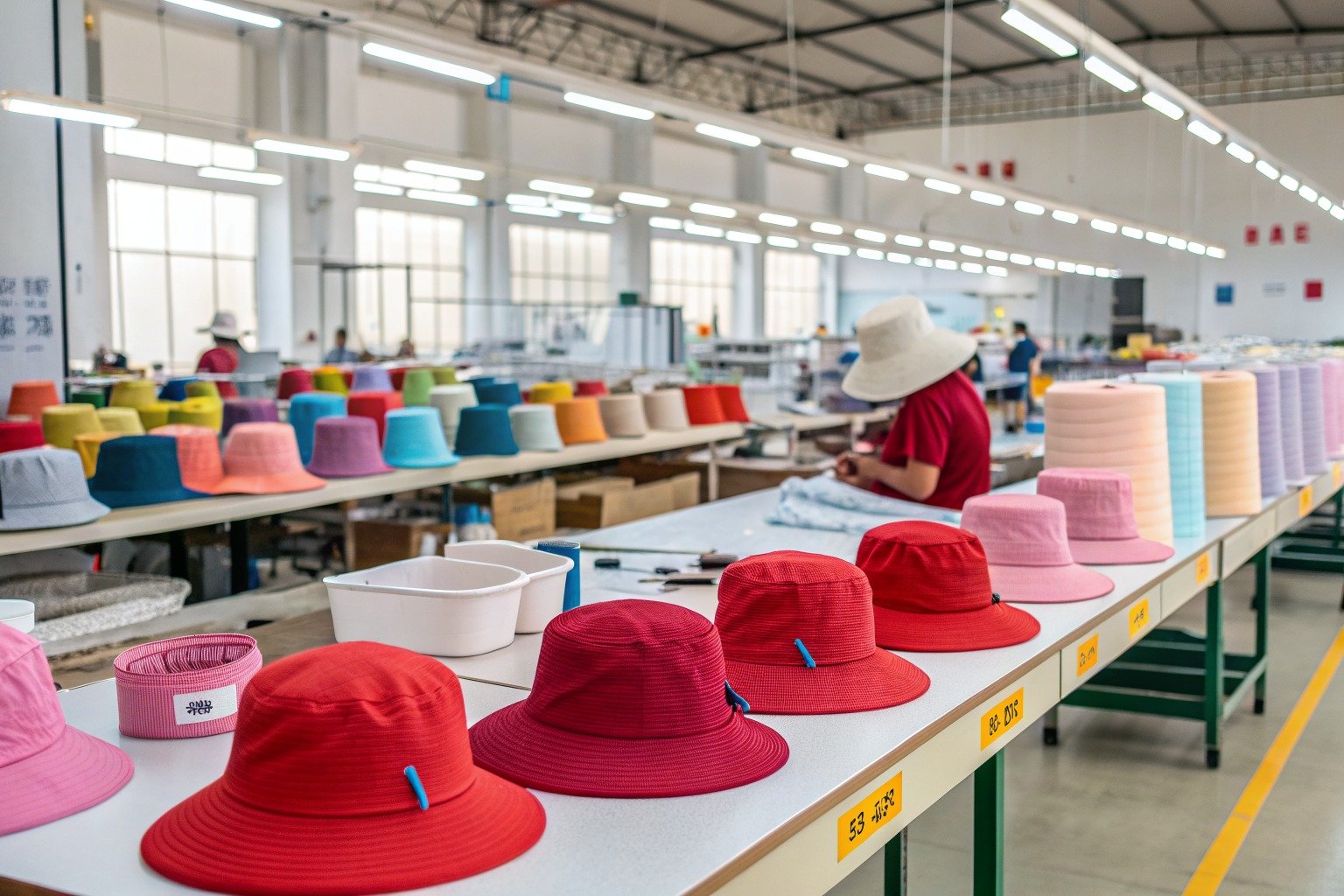
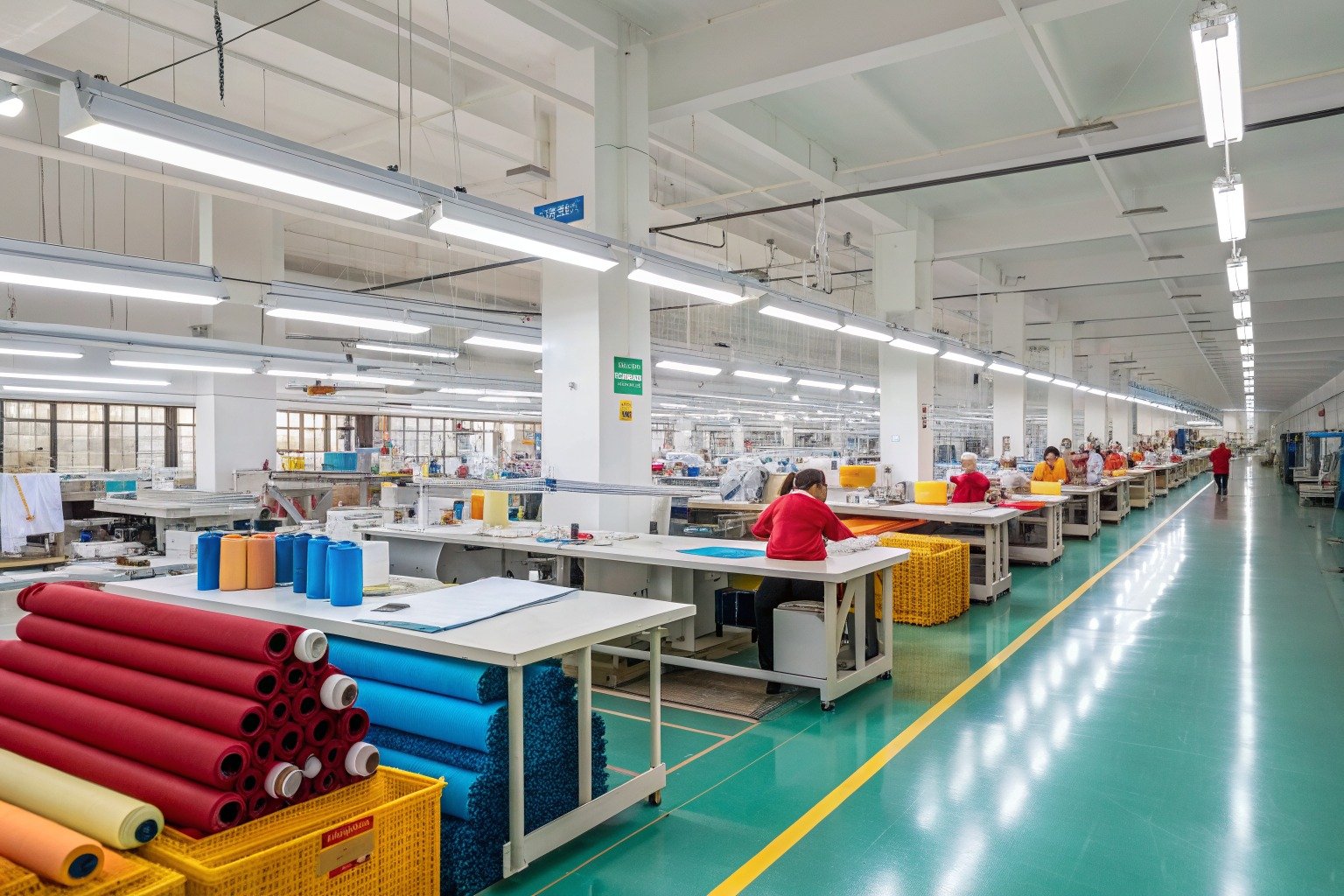
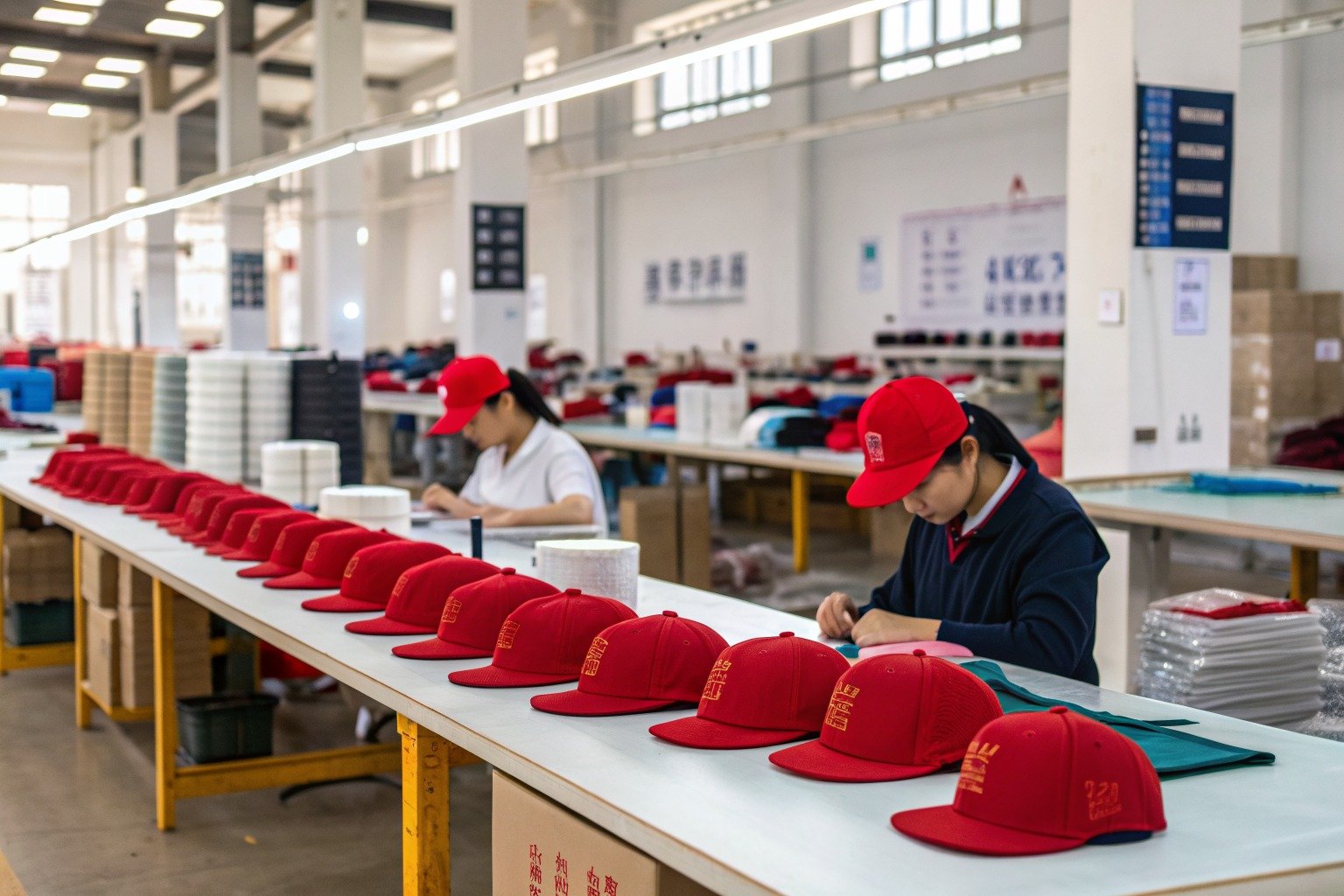
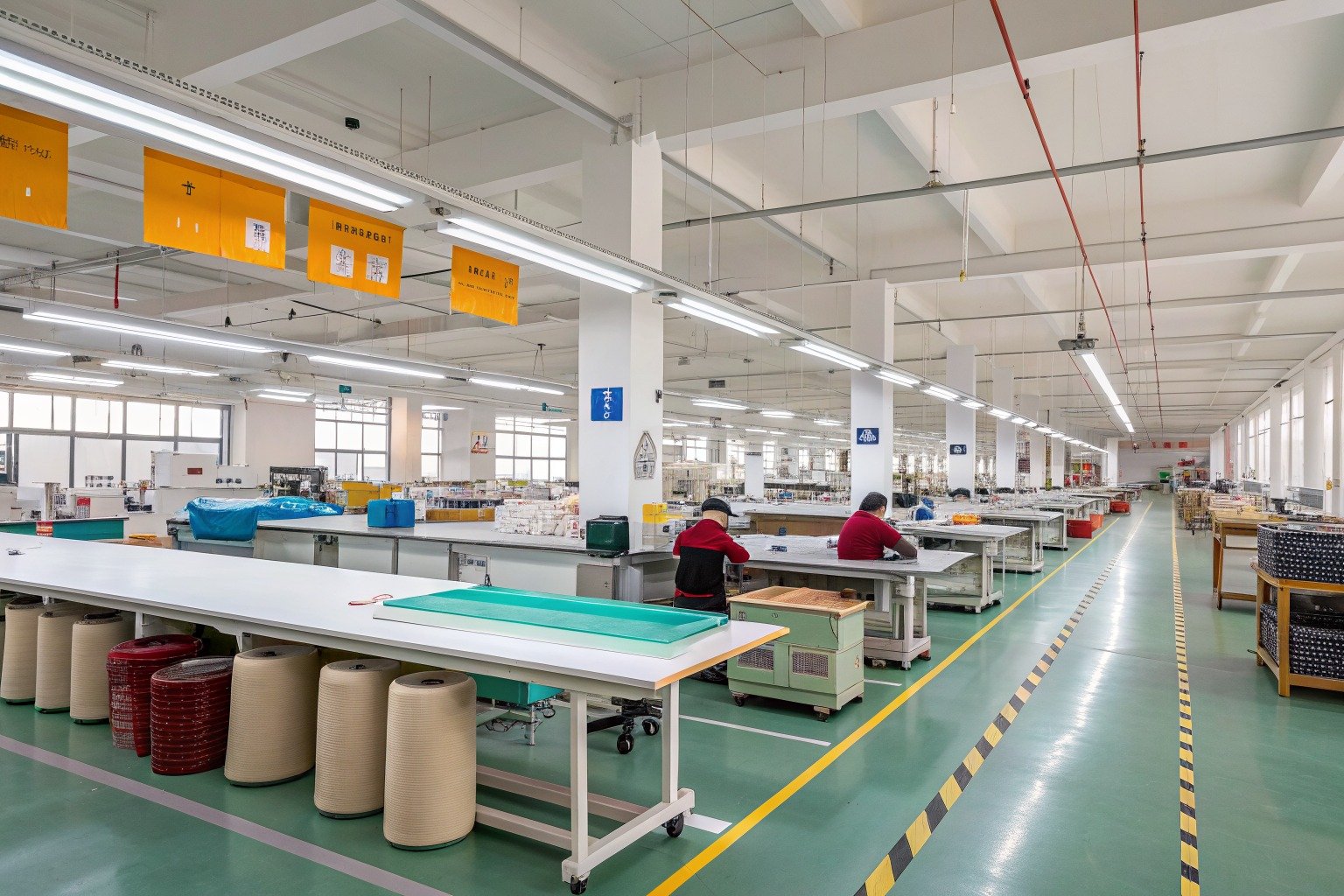
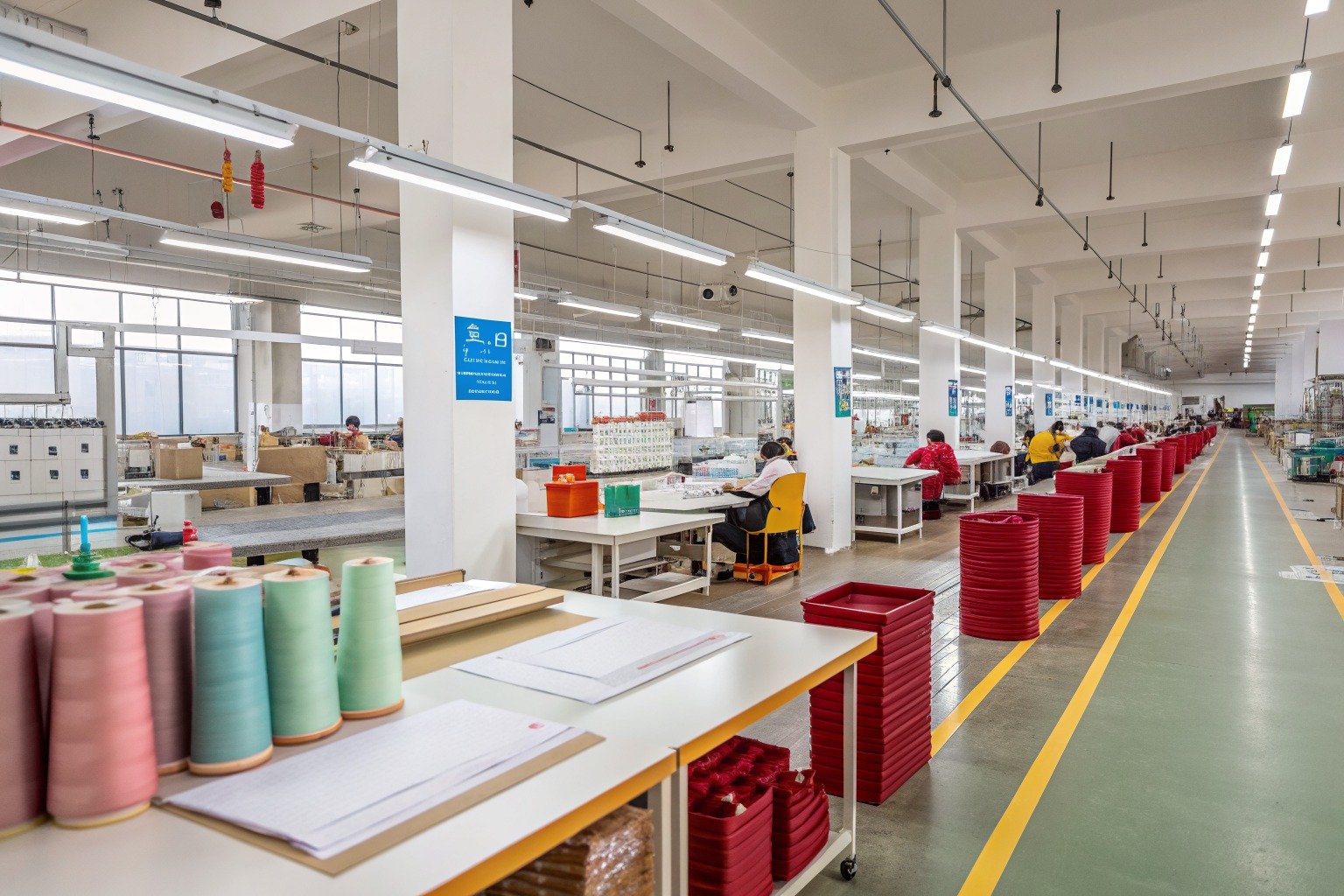
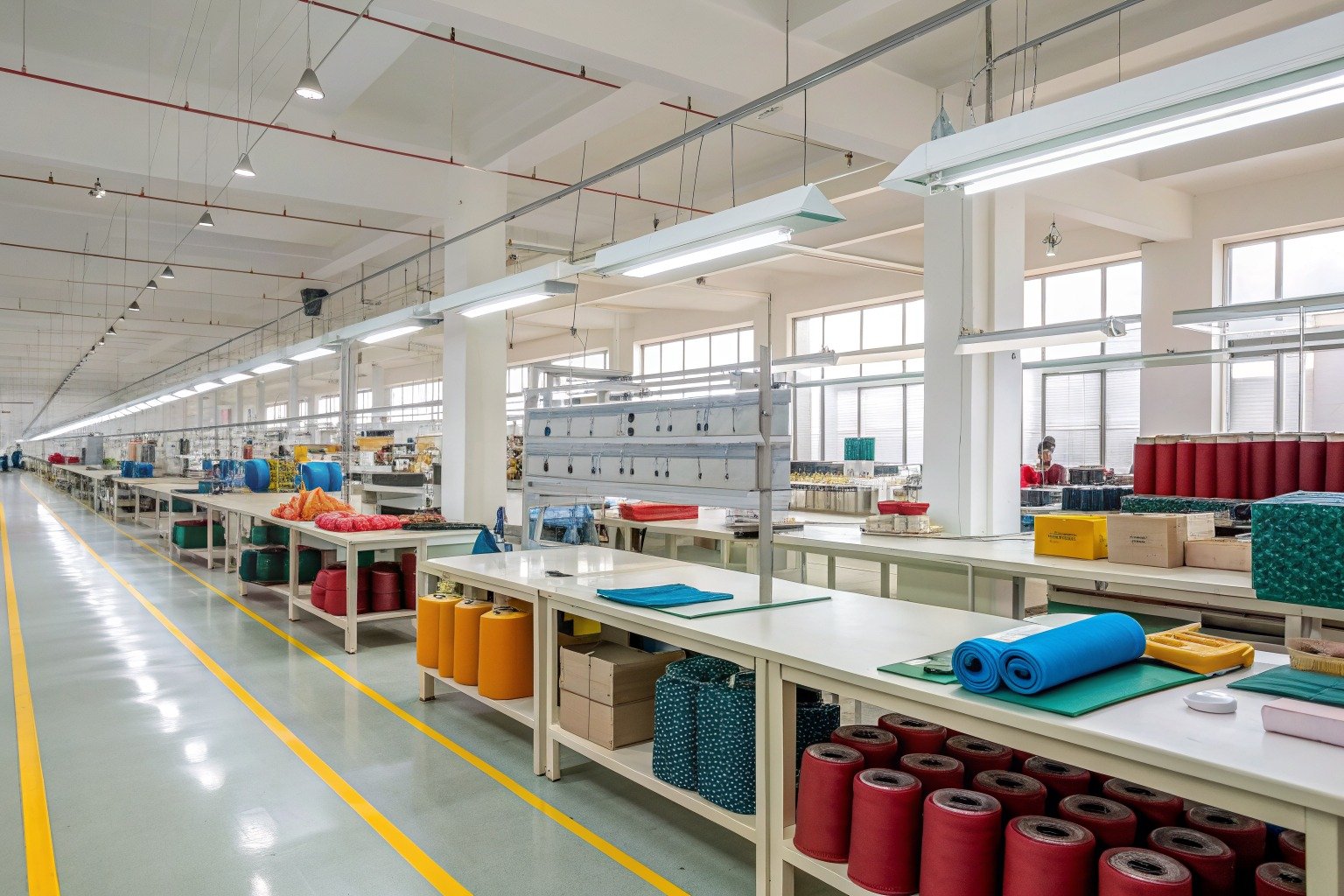
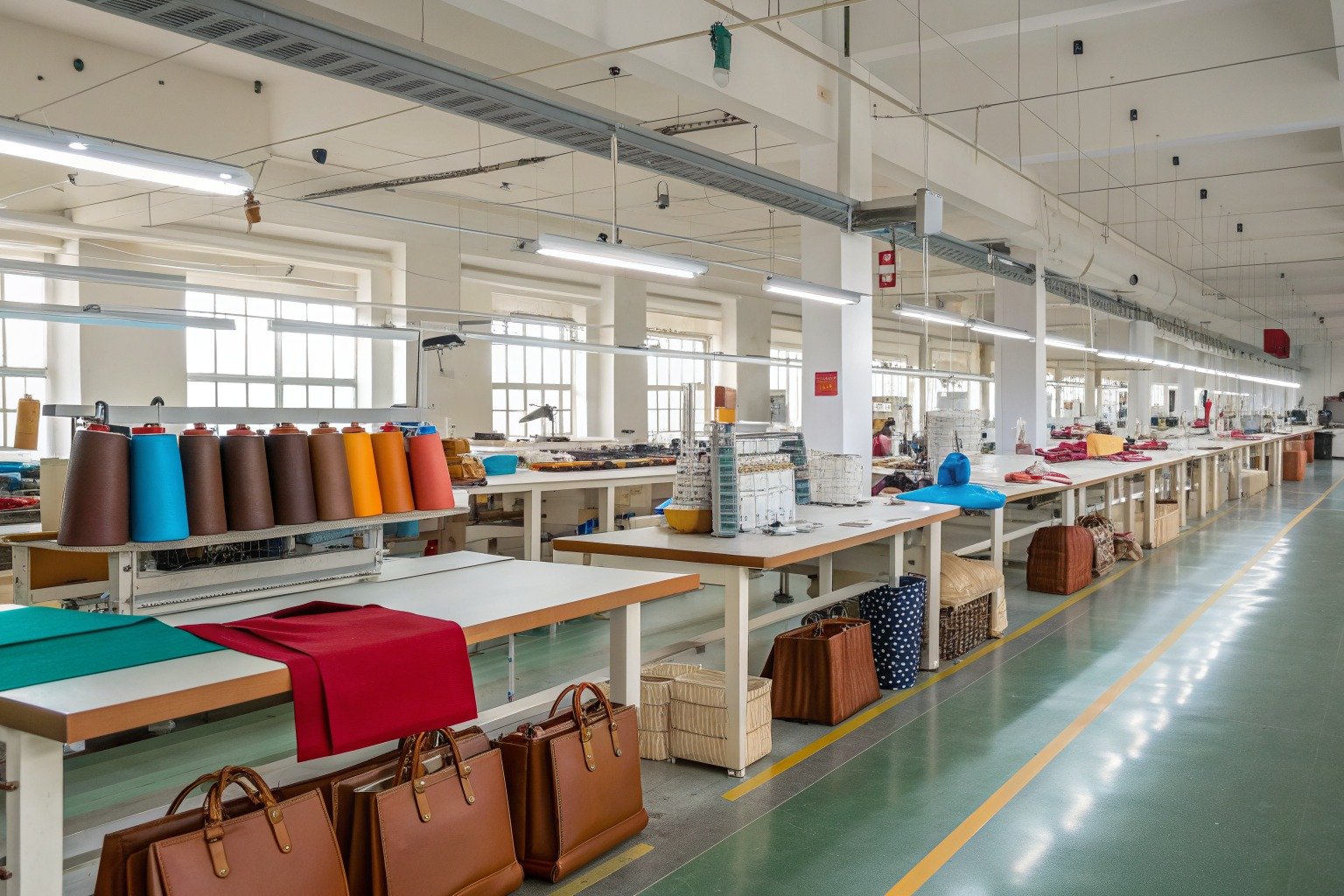
Collaborating with a single-source manufacturer like AceAccessory—managing design, prototyping, production, and logistics integration within unified infrastructure—eliminates inconsistencies arising from multi-vendor coordination. When one organization handles all accessory categories, they guarantee color matching across fabric types and finish consistency across all hardware components. This centralized control proves indispensable for cohesion. Furthermore, as an established Chinese manufacturer, we deliver competitive cost structures without quality compromise, while our expertise in customs compliance ensures efficient US-bound logistics, mitigating tariff and delay concerns.
How Does Quality Control Uphold Your Vision?
Comprehensive quality management systems provide final protection for collection cohesion. Our quality team conducts defect identification and consistency auditing. They verify stitch specifications match across product categories, confirm color dye lot consistency throughout production runs, and validate material weight and hand feel meet established standards. This meticulous specification compliance ensures delivered collections meet uniform quality benchmarks. This reliability builds stakeholder trust, reduces return rates, protects brand equity, and guarantees the cohesive experience designed translates to end-consumer reception.
Conclusion
Developing a cohesive accessory collection represents a multifaceted process integrating creative vision with strategic planning and precision execution. The journey begins with strong thematic definition, achieves realization through consistent application of color, material, and design elements, benefits from strategic product range planning for commercial viability and visual unity, and requires manufacturing partnerships that maintain cohesion from prototyping to final delivery. A cohesive collection transcends its individual components, functioning as powerful branding instrument that builds consumer loyalty and drives sustainable business growth.
Ready to actualize your cohesive accessory collection vision? Partner with a manufacturer possessing comprehensive understanding of your objectives from concept to completion. Contact our Business Director, Elaine, today at elaine@fumaoclothing.com to discuss how our integrated design, production, and quality management services can support your next project.