As a garment manufacturer, I see belts every day. They are more than just accessories. They are key items in many clothing lines. A common question from our brand partners is about the core difference between fashion belts and functional belts. Understanding this distinction is crucial for product development and marketing strategy.
The fundamental difference lies in their primary purpose. Fashion belts prioritize aesthetics and style expression, while functional belts are engineered for utility, support, and specific activities. This core distinction influences everything from material selection and design to target market and price point. For apparel brands, knowing which type your customer needs is the first step to a successful product.
This article will break down the key differences. We will explore the materials, designs, and markets for each belt type. This knowledge will help you make better sourcing decisions for your own clothing line.
What Defines a Fashion Belt?
Fashion belts serve primarily as style accessories. Their main function is to complement an outfit and create visual impact. They represent a significant segment of the accessory market, with material and design choices heavily influenced by current fashion trends.
The value proposition of a fashion belt centers on its aesthetic appeal and ability to complete an ensemble. For brands, this necessitates focus on design details that align with target demographic preferences and seasonal trends.

How Do Material Choices Impact Fashion Belt Design?
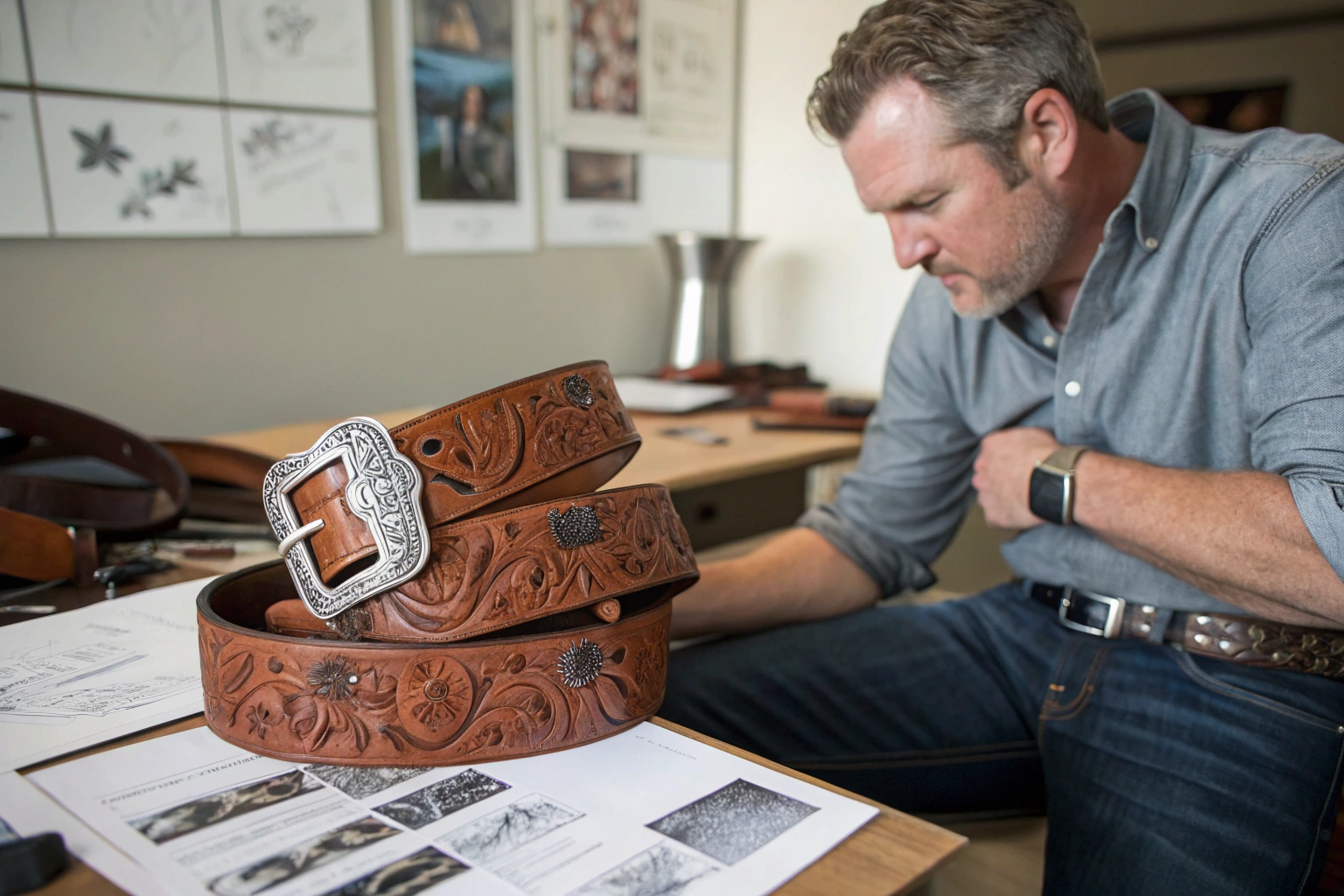
Fashion belt materials are selected based on visual characteristics and texture. Common options include genuine leather, synthetic alternatives, suede, woven fabrics, and metallic components. Surface treatment is particularly important - high-gloss finishes create different visual effects compared to matte or textured surfaces. Our manufacturing operations involve extensive work with these diverse materials, ensuring appropriate selection for each brand's specific design requirements. Material quality directly influences perceived value, where premium options like full-grain leather can transform basic designs into high-end accessories. We provide comprehensive guidance on material selection to align with both budget constraints and brand positioning.
What Design Elements Characterize Fashion Belts?
The distinctive features of fashion belts include buckle design, width variation, and color application. Buckle styles range from oversized decorative pieces to minimalist hardware. Width options extend from slender, delicate profiles to broad statement pieces. Color serves either harmonizing or contrasting purposes within outfits. Additional embellishments such as studs, embroidered details, or printed patterns are frequently incorporated. Unlike functional alternatives, fashion belts typically offer limited adjustability, prioritizing seamless visual integration over precise fit customization. The product development process for these items requires close attention to fashion forecasting and trend analysis, translating directional concepts into commercially viable, well-executed products.
What Defines a Functional Belt?
Functional belts are purpose-built equipment designed for specific utilitarian requirements. While appearance may be considered, it remains secondary to performance characteristics and durability standards. These products must withstand rigorous physical demands and repeated usage cycles.
Functional belts are engineered solutions addressing particular needs across various sectors. For brands operating in workwear, outdoor equipment, or specialized apparel categories, understanding functional belt specifications is essential for product development.

What Technical Materials Ensure Durability and Performance?
Functional belts demand technically advanced materials selected for structural integrity and longevity. Primary options include full-grain leather, high-density nylon webbing, and engineered polymers. These materials are specified based on tensile strength requirements, abrasion resistance, and load-bearing capacity. For instance, industrial safety harnesses and construction belts necessitate heavy-duty nylon or reinforced leather constructions to meet occupational safety standards. Our manufacturing protocols incorporate rigorous material testing procedures as part of comprehensive quality assurance systems, ensuring finished products comply with relevant performance and safety regulations for international markets.
What Are the Primary Functional Belt Categories?
Functional belts encompass several specialized categories, each serving distinct operational requirements:
- Professional Work Belts: Including tool-carrying systems with organized storage solutions
- Athletic Support Belts: Designed for biomechanical support during physical exertion
- Tactical Operations Belts: Engineered for security, military, and outdoor applications
- Medical Support Belts: Providing orthopedic support and stabilization
| Category | Primary Function | Technical Features |
|---|---|---|
| Tool Management Systems | Equipment organization and accessibility | Modular attachment points, weight distribution, durable substrates |
| Athletic Support Belts | Lumbar stabilization and core support | Non-compressive materials, reinforced backing, secure fastening |
| Tactical Operations Belts | Gear management and quick deployment | High-strength webbing, quick-release mechanisms, load rating certification |
How Do You Choose Between Fashion and Function?
The selection process requires careful analysis of end-user requirements and application contexts. Fashion belts targeting teenage consumers differ significantly from luxury accessories, just as recreational outdoor belts vary from industrial safety equipment.
Brand positioning and target market analysis provide essential guidance for product development decisions. Systematic evaluation during the initial design phase ensures appropriate product categorization and specification.

What Technical Considerations Guide Sourcing Decisions?
Before initiating production with a technical apparel manufacturer, address these fundamental questions:
- User Profile Analysis: What are the demographic characteristics, lifestyle patterns, and purchasing behaviors of the target consumer?
- Application Context: What are the primary usage scenarios and environmental conditions?
- Performance Specifications: What are the key quality benchmarks? Fashion items emphasize finish quality and visual appeal, while functional products require mechanical testing and compliance verification.
- Cost Structure Analysis: What is the target manufacturing cost? Technical belts with specialized components typically involve higher production costs than basic fashion accessories.
Clear responses to these questions establish product development direction and facilitate effective communication with manufacturing partners.
Is Hybridization Between Categories Commercially Viable?
The market increasingly recognizes the potential for hybrid products combining aesthetic appeal with functional performance. Examples include fashion-forward leather belts incorporating structural reinforcement for postural support, or minimalist technical belts with designer hardware maintaining lightweight durability. The manufacturing challenge involves balancing competing priorities without compromising either aspect. Successful hybridization requires collaborative product development processes, selecting composite materials and construction techniques that satisfy both aesthetic and performance criteria. Our manufacturing expertise includes developing such integrated solutions through technical collaboration with brand partners.
Why Is Partner Selection Crucial for Belt Manufacturing?
The manufacturing partnership selection directly impacts product success and brand reputation. A manufacturer demonstrating comprehensive understanding of design intent, quality standards, and production scheduling provides significant competitive advantage across both fashion and technical product categories.
An experienced manufacturing partner contributes beyond basic production execution. They provide essential guidance regarding material performance, manufacturing efficiency, and market trend alignment, effectively functioning as an extension of your product development team.

What Technical Capabilities Define a Competent Manufacturer?
Evaluate potential manufacturing partners based on demonstrated expertise within your specific product category. Critical evaluation factors include:
- Integrated Manufacturing Services: Comprehensive capabilities spanning material procurement through finished goods logistics management
- Quality Management Systems: Structured quality assurance protocols with defined inspection checkpoints and documentation
- Technical Communication: Clear, responsive, and transparent information exchange throughout development and production phases
- Market-Specific Experience: Demonstrated understanding of regional compliance requirements and consumer expectations in target markets like North America
How Does Manufacturing Expertise Mitigate Supply Chain Risk?
Competent manufacturing partnerships directly address common import challenges through systematic risk management. They implement consistent quality standards through verified testing protocols, preventing certification discrepancies. Advanced production planning systems ensure on-time shipment compliance, protecting seasonal selling opportunities. Technical expertise in international logistics and comprehensive understanding of Incoterms like DDP (Delivered Duty Paid) enable seamless supply chain management to U.S. destinations, reducing administrative complexity and operational risk. This manufacturing reliability transforms supply chain management from operational challenge to strategic advantage.
Conclusion
Understanding the distinction between fashion and functional belts is essential for apparel brand development. Fashion belts emphasize stylistic expression through material and design elements, while functional belts prioritize performance characteristics and durability standards. Product development decisions must align with specific target market requirements and intended usage contexts. Systematic evaluation of these factors, combined with appropriate technical considerations, enables successful product development that resonates with defined consumer segments. The manufacturing partnership selected plays a crucial role in this process, translating design concepts into commercially viable, quality-verified products.
Our organization provides comprehensive manufacturing partnerships for brands developing belt collections and related apparel products. We offer complete technical support throughout product development and production phases. For detailed discussion regarding your specific requirements, please contact our Business Director Elaine at: elaine@fumaoclothing.com.