A streetwear brand owner once came to me with a problem. He had ordered 2,000 snapback hats from a supplier, but the "embroidered" logo on the front was not embroidered at all. It was a flat, lifeless screen print designed to look like stitching. The threads were fake. His customers noticed immediately, and his returns spiked. He needed a genuine, three-dimensional embroidered patch that would give his hats the premium, textured look that streetwear demands, and he needed a partner who could execute it with precision.
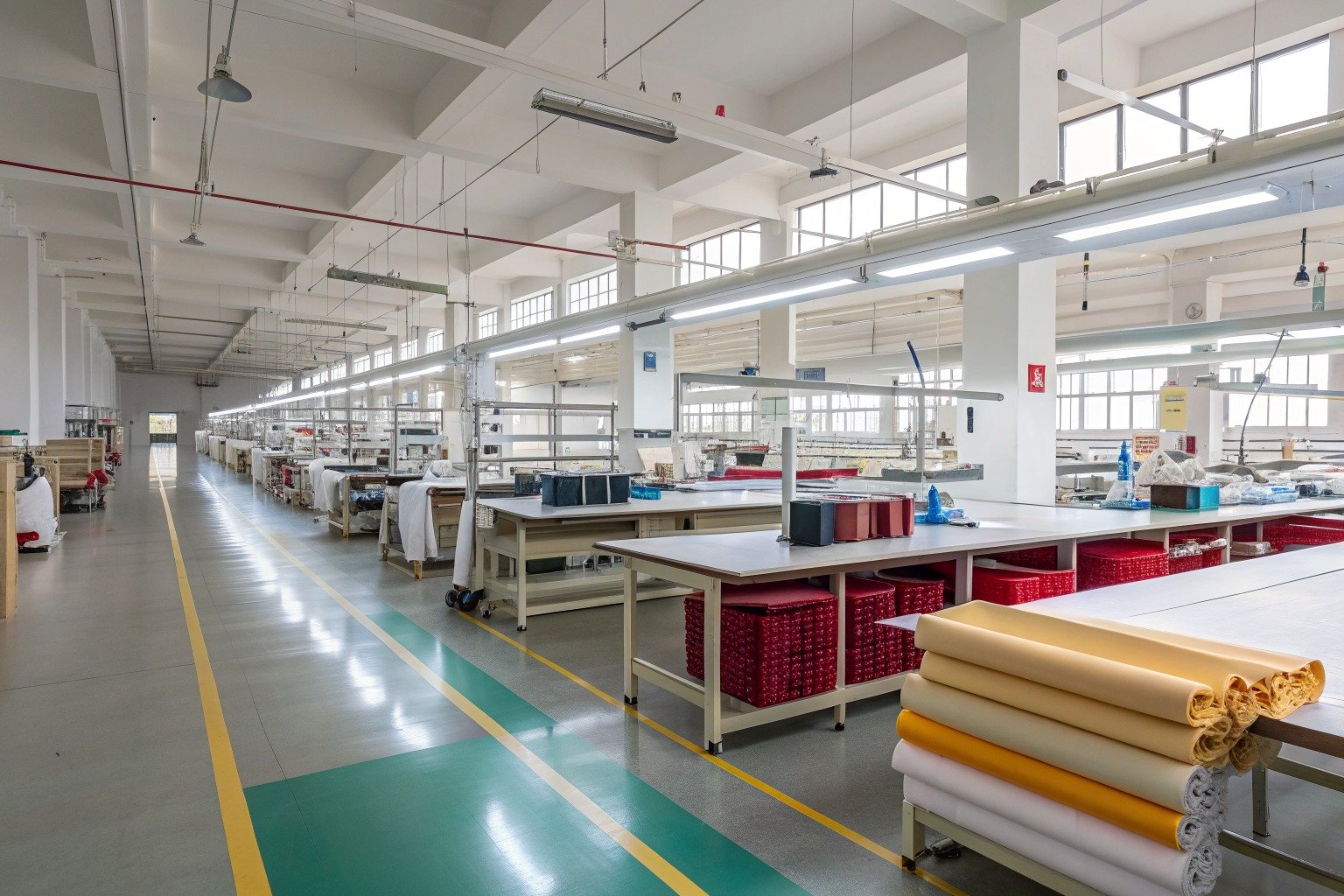
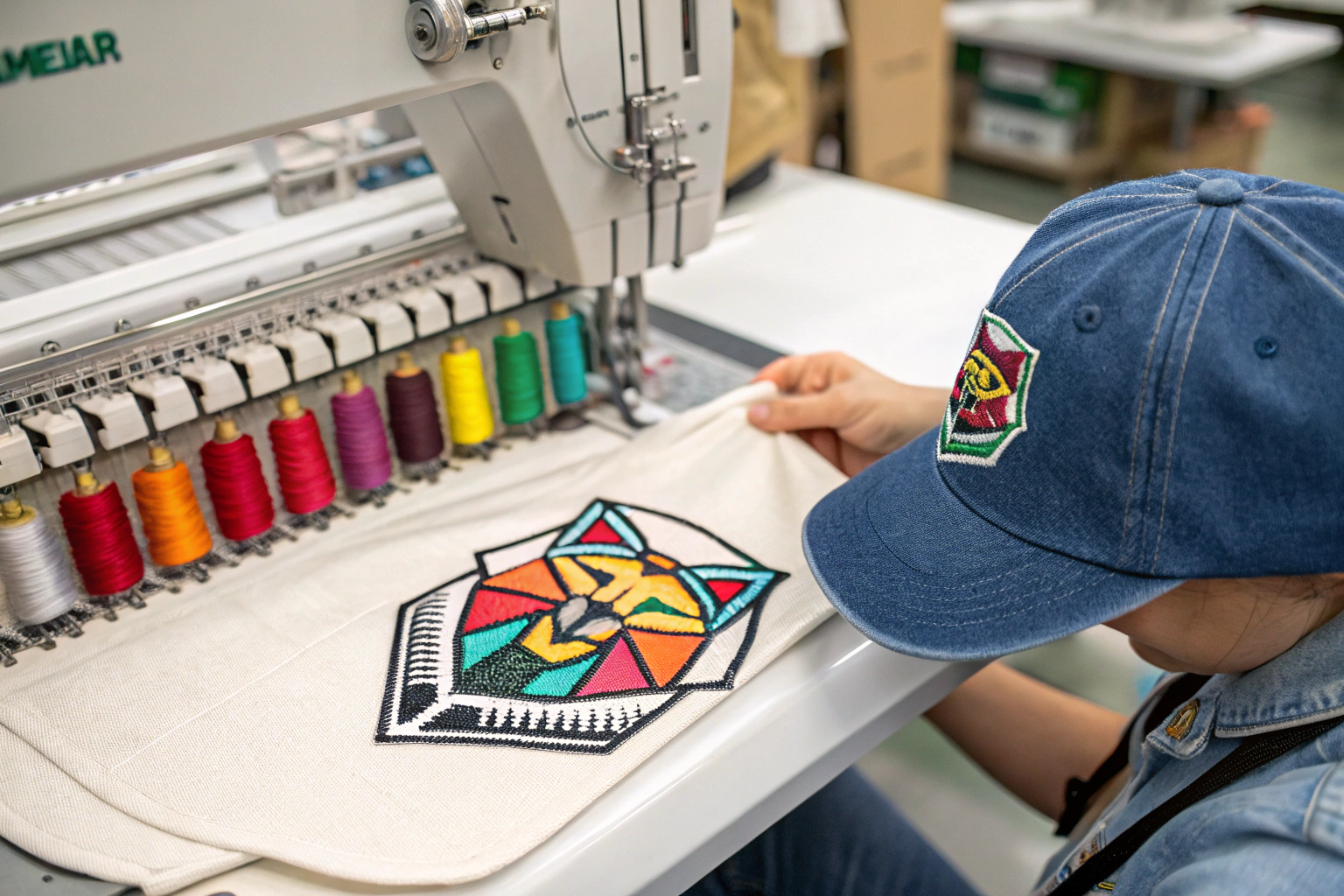
Yes, our factory can absolutely produce custom embroidered patches for hats, bags, and a full range of accessories. This is not a service we outsource to a third-party digitizer. In our Zhejiang facility, we operate a dedicated embroidery department equipped with multi-head, computerized Tajima machines, an in-house digitizing team, and a full suite of finishing capabilities including laser cutting, heat-seal backing, and merrow borders. We can translate your logo or artwork into a physical, thread-based patch that delivers the texture, durability, and premium hand-feel that screen printing cannot replicate.
I want to walk you through the step-by-step process of how a custom patch is created, the critical decisions about backing types and thread choices that affect the final product, and how to submit your artwork to ensure the fastest, most accurate sample turnaround.
What Is the Step-by-Step Process for Creating a Custom Embroidered Patch?
The creation of a custom embroidered patch is a multi-stage process that converts a flat piece of artwork into a three-dimensional textile product. Each stage requires specialized skill and equipment. Skipping or rushing any stage degrades the final patch quality.
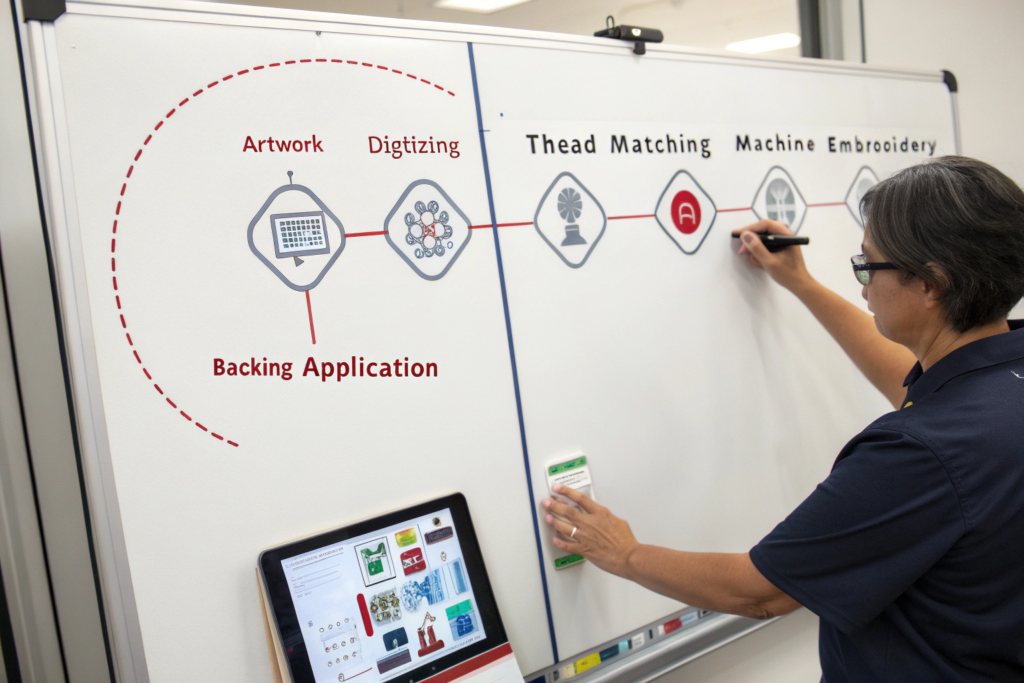
The process begins with digitizing. Your artwork—a logo, an illustration, or a typographic design—is imported into specialized embroidery software. A skilled digitizer manually maps every stitch, defining the stitch type, direction, density, and color sequence. This is not an automated "click and convert" process. The digitizer must make artistic and technical decisions that affect how the patch looks, feels, and wears. Once the digitized file is created, the thread colors are matched to your Pantone references. The file is loaded onto a multi-head embroidery machine, which stitches the design onto a fabric substrate, typically a polyester twill or cotton canvas backing. The stitched sheet is then laser-cut to the precise patch shape, and the appropriate backing—sew-on, iron-on, or Velcro—is applied. A final quality check ensures all threads are trimmed and the patch meets the specification.
Why is manual digitizing critical for a three-dimensional patch look?
An auto-digitizing software algorithm can convert an image to stitches, but it cannot make aesthetic judgments. It does not know that a tiger’s eye should be stitched with a satin stitch to make it reflective, while the fur should be stitched with a tatami fill stitch to give it texture and depth. It does not know that the stitch angle should change to follow the contours of a face. A skilled human digitizer makes these decisions. They control the "push and pull" compensation—the slight adjustment for how the fabric moves under the needle—so that the final patch dimensions are exactly correct. This manual expertise is what separates a flat, amateur-looking patch from a sculptural, premium one. This embroidery digitizing for accessories resource explains the process in detail.
How does laser cutting create a cleaner edge than traditional die cutting?
Traditional die cutting uses a metal die to stamp out the patch shape. The die has a fixed cost and can leave a slightly compressed or frayed edge on the fabric. Laser cutting uses a focused beam of light to vaporize the fabric along a precise path. There is no physical contact, so there is no edge compression. The heat of the laser simultaneously cuts and seals the edge of the polyester twill, preventing fraying. The laser can cut incredibly intricate shapes—sharp points, small cutouts—that would be impossible with a metal die. This laser cutting for fabric patches technology produces a consistently clean, professional edge.
What Are the Different Backing Options for Patches on Hats and Bags?
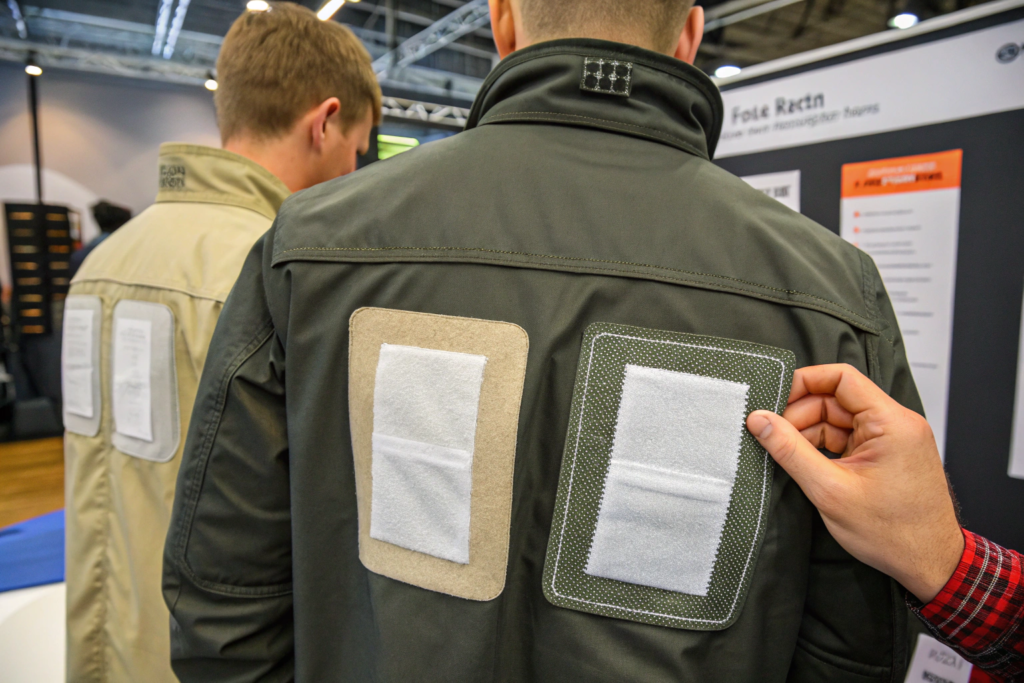
The backing you choose for your patch determines how it will be attached to the final product. The choice depends on the intended use: a permanent fixture, a removable accessory, or a sew-on application for a premium, handcrafted look. The three primary backing options are heat-seal (iron-on), pressure-sensitive adhesive (peel-and-stick), and sew-on. A fourth option, hook-and-loop (Velcro), is popular for tactical and outdoor headwear.
Heat-seal backing is a thin layer of thermoplastic adhesive film applied to the back of the patch. When heated with an iron or a heat press, the adhesive melts and bonds the patch to the hat or bag fabric. It provides a strong, permanent bond without any stitching. This is the most common choice for commercial headwear. Sew-on backing is simply the clean twill fabric back of the patch with no adhesive. The patch is sewn directly onto the product, either around the border or with hidden stitches. This provides the most secure, permanent attachment and a high-end, artisanal look. Hook-and-loop backing allows the patch to be removed and reattached, which is popular for military-style caps and customizable bags.
How does the heat-seal application work, and what temperature should be used?
The heat-seal adhesive film is activated by heat and pressure. The recommended application parameters depend on the specific adhesive and the base fabric of the hat or bag. A standard industrial heat press is set to approximately 150 to 160 degrees Celsius, with medium pressure, for 12 to 15 seconds. The patch is positioned on the fabric, and the heat press is closed. The heat melts the adhesive, which flows into the fabric fibers. When it cools, a permanent mechanical bond is formed. We provide an application instruction card with every batch of heat-seal patches, specifying the exact temperature, pressure, and dwell time for optimal bonding.
Why is a sew-on patch preferred for premium, handcrafted hat brands?
A sew-on patch communicates a higher level of craftsmanship. The visible stitching around the border becomes a design element in itself, framing the patch and adding to the textured, handcrafted look. It also provides the ultimate security; a sewn patch will never peel off, even after years of wear and washing. For a premium streetwear or heritage brand selling a $60 hat, a sew-on patch justifies the price point in a way that an iron-on patch, with its invisible and sometimes less durable adhesive, does not.
How Should You Prepare Your Artwork for the Best Embroidery Results?
The quality of the final embroidered patch is directly limited by the quality and suitability of the artwork you submit. Embroidery is a thread-based medium. It cannot reproduce fine gradients, tiny text, or photographic details with the same fidelity as a digital print. The best results come from artwork that is designed with the strengths and limitations of embroidery in mind.
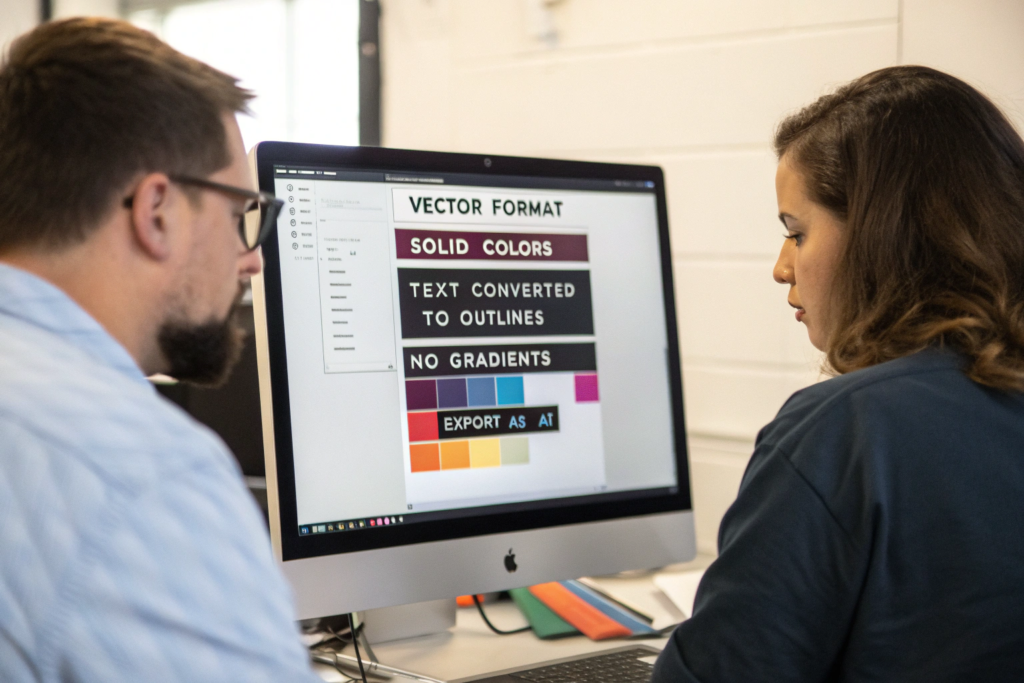
The ideal file format is a vector file, such as .AI, .EPS, or .PDF. Vector art allows us to scale the design to any size and to extract clean paths for the digitizing software. The artwork should consist of solid, flat colors, not gradients or photographic elements. Each color in the design will be a separate thread color. The design should have clear, bold shapes. Very fine lines and small text may not reproduce well because the thread has a physical thickness that is larger than a pixel. The minimum recommended text size for a legible embroidered patch is about 5 millimeters in height for uppercase letters.
Why is a vector file like .AI preferred over a JPEG or PNG?
A JPEG or PNG is a raster image made of pixels. When you zoom in, the edges become jagged. The digitizer cannot extract a clean, scalable path from a pixelated edge. A vector file is composed of mathematical curves. The edge is perfectly sharp at any scale. The digitizer can import the vector paths directly into the embroidery software and use them as the stitch boundaries. This results in a much cleaner, more accurate patch.
What is the minimum text size that will be legible on an embroidered patch?
Embroidery thread has a physical diameter, typically around 0.4 millimeters for standard 40-weight thread. The smallest achievable stitch is about 1 millimeter. Small, intricate serif fonts that look elegant on a screen will fill in and become unreadable blobs when rendered in thread. The minimum recommended height for clear, legible uppercase letters is about 5 millimeters. For lowercase letters, it is larger. If your design includes text smaller than this, the text should be simplified, enlarged, or removed.
Conclusion
A custom embroidered patch is a product of skilled digitizing, precise machine embroidery, and careful finishing. It provides a tactile, three-dimensional logo that elevates the perceived value of a hat or bag far beyond what a flat print can achieve. The process involves a series of technical decisions—digitizing, thread matching, laser cutting, and backing selection—that a professional factory manages internally to deliver a consistent, high-quality result.
We have walked through the step-by-step creation process, the backing options that determine how the patch attaches to your product, and the artwork preparation guidelines that ensure the best possible translation from screen to thread. The result is a patch that your customers will touch and feel, associating that texture with the quality of your brand.
If you are developing a hat, bag, or accessory collection and want to incorporate custom embroidered patches, we can provide a digitized sample based on your artwork, a thread color matching card, and a backing sample card. Our Business Director Elaine manages our embroidery and accessory customization programs. Contact her directly at elaine@fumaoclothing.com. Your logo deserves to be felt, not just seen.