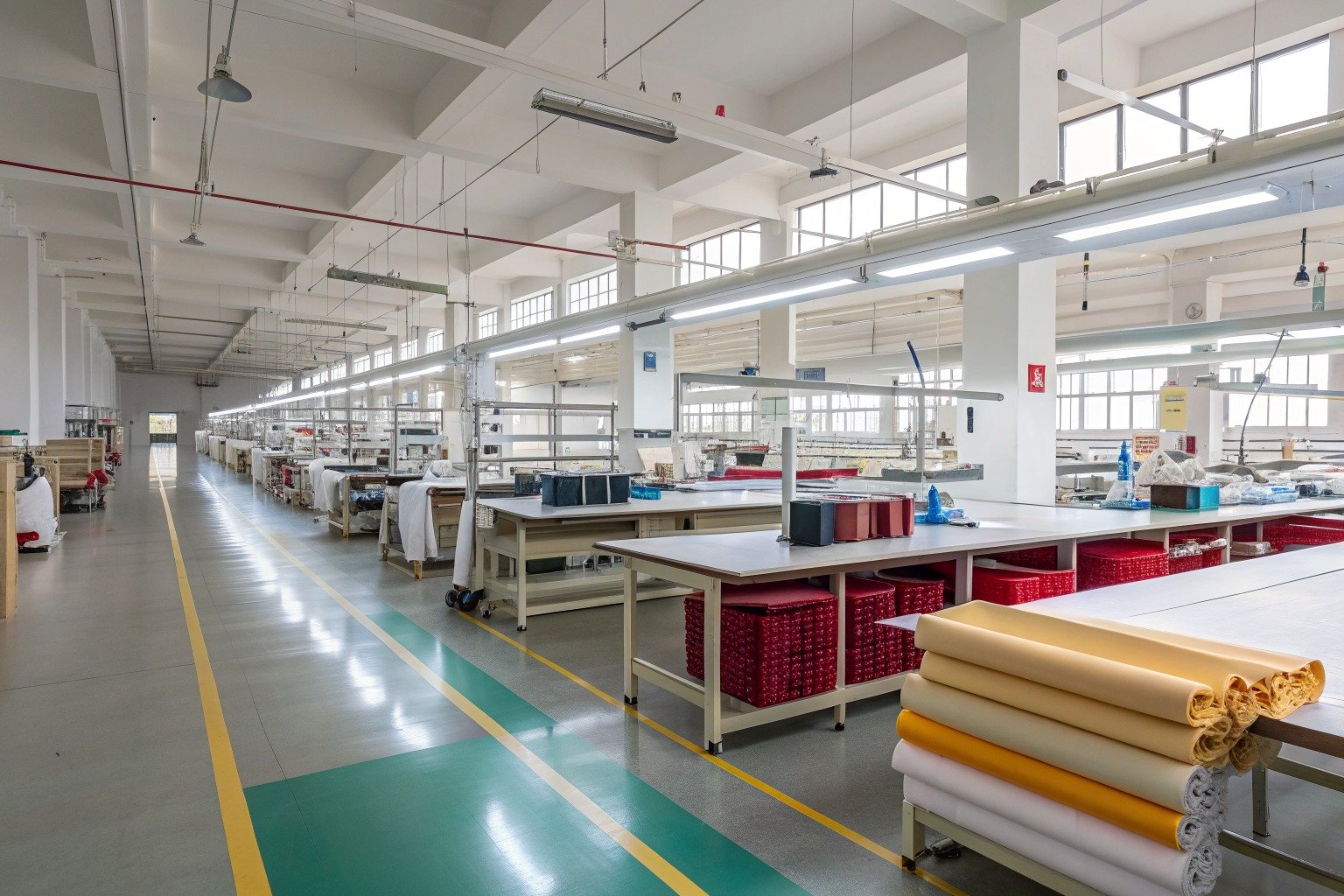
A fast-growing online accessories brand founder from Manchester sat across from me last spring with a spreadsheet and a worried expression. She had been sourcing her hair clips and headbands from the same Chinese factory for two years. The relationship was good. The quality was consistent. The prices were competitive. But the factory had just changed their terms. They were no longer offering FOB, Free On Board, shipping. They were switching to EXW, Ex Works, only. This meant that instead of the factory handling the export logistics, the freight booking, the customs clearance, and the delivery to the port, all of that responsibility now fell on her. She had never arranged international freight before. She did not know a freight forwarder. She was terrified of making a mistake that would leave her goods stranded, or worse, cost her thousands in unexpected fees. And she was unsure how the change in shipping terms should affect her payment terms. She asked me, "How do I pay a factory that only does EXW, and how do I protect myself?"
The best payment method for a factory that ships EXW only is a two-installment structure where a deposit is paid before production, typically 30 to 40 percent, and the balance is paid after the goods have been collected by your appointed freight forwarder and the collection receipt, the proof of handover, has been verified. The EXW, Ex Works, Incoterm means that the factory’s responsibility ends when they make the goods available at their premises, loaded onto your collecting vehicle. The factory does not handle export clearance, does not book the vessel, and does not deliver the goods to the port. The buyer is responsible for everything from the factory gate onwards. The payment terms must align with this division of responsibility. You should never pay the full balance before the goods are collected, because you need the leverage of the final payment to ensure the goods are actually made available. You should never pay the balance after the goods have sailed, because the factory no longer controls the goods after they leave their premises, and they should not be financing your transit time. The optimal structure is a 30 percent deposit to initiate production, and a 70 percent balance payment due upon presentation of the goods collection receipt, signed by your freight forwarder, confirming that the goods have been collected from the factory. This aligns the payment with the EXW delivery point. The factory is paid when they have fulfilled their obligation under the EXW terms.
EXW is the Incoterm that places the maximum responsibility on the buyer and the minimum responsibility on the seller. It is attractive to factories because it simplifies their operations. They do not need to deal with export documentation, freight forwarders, or port logistics. They simply make the goods and hand them over at their loading dock. For the buyer, EXW means taking control of the logistics chain, which can be a benefit if you have an established freight forwarder and want to consolidate shipments from multiple factories. But it also means taking on the risks and the costs of that logistics chain. The payment terms must reflect this new reality. At AceAccessory, we offer flexible shipping terms to our clients, including EXW for those who prefer to manage their own logistics. Let me walk you through how to structure your payment when buying EXW.
What Does EXW Mean for the Buyer’s Payment Responsibility
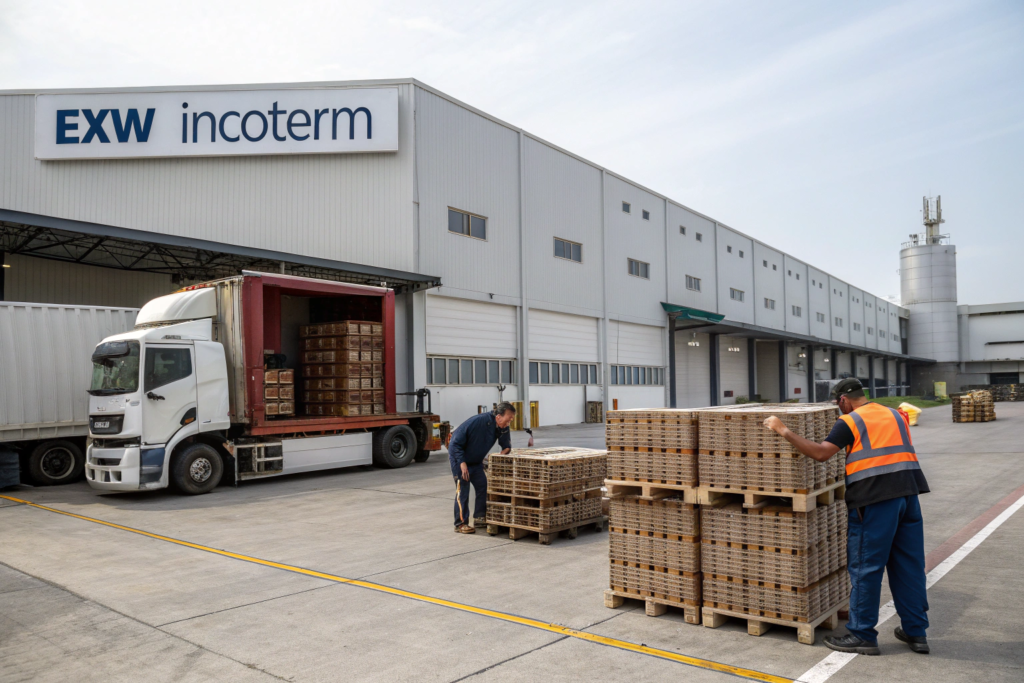
EXW, Ex Works, is one of the eleven Incoterms published by the International Chamber of Commerce. It defines the obligations, risks, and costs of the buyer and the seller in an international sale of goods. Under EXW, the seller, the factory, has a single obligation. To make the goods available at their premises, their factory or warehouse, on the agreed date. The goods must be packed for export, but the seller does not load them onto the collecting vehicle. The seller does not clear the goods for export. The seller does not provide any transport documents beyond a commercial invoice and a packing list. The buyer is responsible for everything else. Collecting the goods from the factory. Loading them onto the vehicle. Arranging and paying for all transportation from the factory gate to the final destination. Handling export customs clearance. Handling import customs clearance. Bearing all risk of loss or damage to the goods from the moment they are collected.
EXW places the maximum responsibility on the buyer for the logistics chain and the associated costs and risks. For payment terms, this means that the traditional trigger for the balance payment, the bill of lading, is not available. Under FOB terms, the factory delivers the goods to the port, clears them for export, and loads them onto the vessel. The bill of lading is issued, confirming the goods are on board. The buyer pays the balance against this document. Under EXW, the factory never delivers the goods to the port. There is no bill of lading issued in the factory’s name. The balance payment must be triggered by a different document, the proof of collection. The proof of collection is a document signed by the buyer’s appointed freight forwarder or carrier, confirming that the goods have been collected from the factory’s premises. It states the date and time of collection, the quantity of cartons or pallets, and the condition of the goods at the time of collection. This document is the EXW equivalent of the bill of lading. It is the evidence that the factory has fulfilled their sole obligation under the EXW terms. The buyer should inspect the goods at the time of collection, or arrange for their freight forwarder to do so. Any visible damage or shortage should be noted on the collection receipt. Once the goods are collected, the risk transfers to the buyer. The balance payment should be made upon verification of this collection receipt.
The shift to EXW requires the buyer to become an active participant in the logistics process. It is not a passive transaction where the factory does everything and the buyer waits for the goods to arrive. It is an active, hands-on process. Let me detail the two most important payment implications.
How Does EXW Differ From FOB in Payment Timing?
The payment timing is the most significant practical difference between EXW and FOB for the buyer. Under FOB, the payment clock starts when the goods are loaded onto the vessel. The factory arranges the inland transportation to the port, clears the goods for export, and delivers them to the shipping line. The bill of lading is issued, dated, and sent to the buyer. The buyer pays the balance, typically within 5 to 7 business days of receiving the bill of lading copy. The goods are on the water when the payment is made. The factory has done the heavy lifting. Under EXW, the payment clock must start earlier. The factory’s obligation ends at their loading dock. The buyer, or the buyer’s freight forwarder, takes possession of the goods at that point. The goods are still in the factory’s country. They have not been cleared for export. They have not reached the port. The buyer must pay the balance at this point, or soon after, because the factory has fulfilled their contract. The buyer cannot wait until the goods are on the water, because the factory is not involved in that stage. The typical EXW payment structure is a deposit, 30 percent, before production, and a balance, 70 percent, against the collection receipt. The balance is paid within a few business days of the freight forwarder confirming collection. The buyer must have their finances ready earlier in the process than they would under FOB. The cash flow implication is that the buyer’s money is tied up for longer. The buyer pays the balance, and then the goods spend several weeks in transit by sea. Under FOB, the payment is made later, reducing the time between payment and receipt of goods. The earlier payment under EXW is the price of taking control of the logistics. The buyer gains control, but they also provide the factory with earlier payment.
Who Handles Export Customs Clearance Under EXW?
Under EXW, the buyer is responsible for export customs clearance. This is a critical and often misunderstood point. The factory, as the EXW seller, has no obligation to clear the goods for export. They are not required to provide any export declaration to the Chinese customs authorities. The buyer, as the exporter of record, must handle this. In practice, the buyer appoints a freight forwarder who is licensed to operate in China. The freight forwarder acts as the exporter of record, or they work with a licensed customs broker. The buyer must provide the freight forwarder with the necessary documentation, the commercial invoice, the packing list, and any other documents required by Chinese customs. The freight forwarder files the export declaration. The factory must provide the buyer, or the buyer’s freight forwarder, with the information and the documents needed for the export declaration. This includes the commercial invoice, the packing list, and the necessary product information. The factory should also provide a signed authorization letter, authorizing the freight forwarder to act on their behalf for the purpose of export clearance. The factory is not required to do this under a strict interpretation of EXW, but in practice, most factories will cooperate. Without the factory’s cooperation, the export clearance cannot be completed. The buyer must clarify this with the factory before the order is placed. The purchase order should state that the factory will provide all documents and authorization necessary for the buyer to complete export clearance. The cost of export clearance, the customs broker’s fees, and any export duties or taxes, is borne by the buyer. The buyer should obtain a quotation for these costs from their freight forwarder in advance, so there are no surprises. The export clearance adds a step to the buyer’s logistics process and an additional cost that was previously covered by the factory under FOB terms.
How to Structure Payment Terms for EXW Factory Shipments
Structuring the payment terms for an EXW factory shipment requires defining clear milestones, assigning appropriate percentages to each milestone, and linking the final payment to the document that proves the factory has fulfilled their EXW obligation. The payment structure must be documented in the purchase order. It must be agreed by both parties before production begins. The structure must be fair to both parties, providing the factory with the cash flow they need to produce the order, and providing the buyer with the assurance that the goods will be made available for collection before the final payment is released.
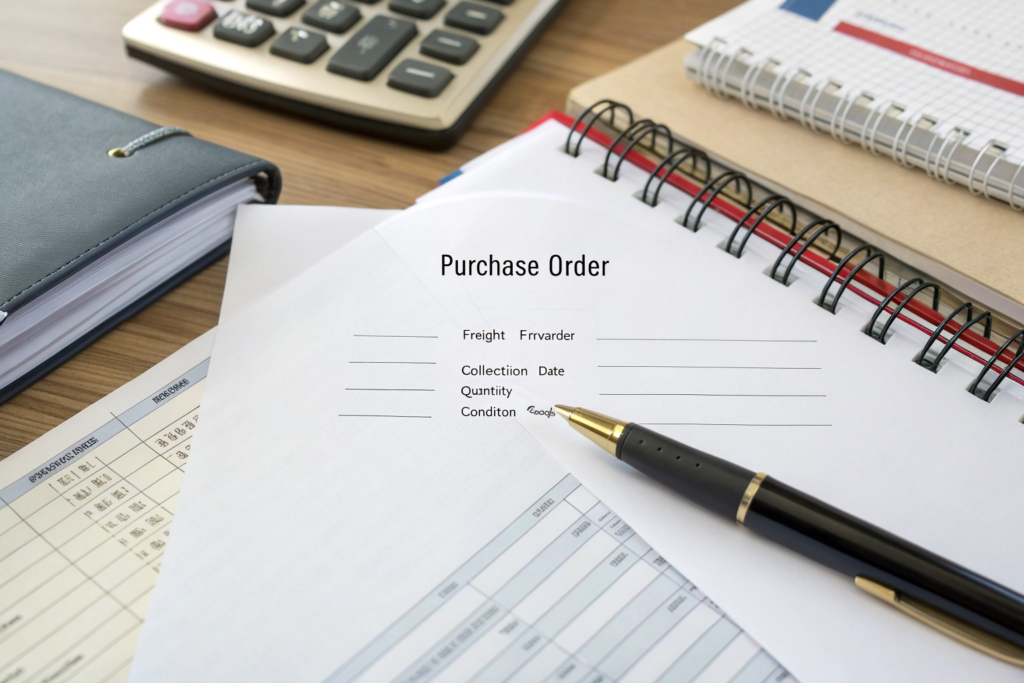
The best payment structure for an EXW factory shipment is a two-installment schedule. Installment one is the deposit, typically 30 percent of the total order value, paid upon order confirmation. This deposit covers the factory’s raw material costs and provides the working capital to begin production. The deposit is non-refundable unless the factory fails to produce the goods. Installment two is the balance payment, typically 70 percent of the total order value, paid against a copy of the signed collection receipt from the buyer’s appointed freight forwarder. The collection receipt must state the purchase order number, the date and time of collection, the quantity of cartons or pallets collected, and the apparent condition of the goods. The receipt must be signed by the freight forwarder’s representative. The buyer verifies the collection receipt and pays the balance within 3 to 5 business days. This structure aligns the payment with the EXW delivery point. The factory is paid when the goods are collected, which is exactly when their contractual obligation is fulfilled. The buyer has the leverage of the final payment to ensure the goods are actually made available for collection. If the goods are not ready, the collection cannot take place, and the balance is not due. The structure can be adjusted. For a high-value order or a new relationship, the deposit can be 40 percent and the balance 60 percent. For an established, trusted relationship, the deposit can be 20 percent and the balance 80 percent. The key principle is that the balance is paid against proof of collection, not against a promise of collection.
The payment structure must be specified in the purchase order with absolute clarity. The exact percentage for each installment, the trigger for each payment, and the documentation required must all be written down. Verbal agreements are invitations to disputes. Let me detail the two most important structuring decisions.
Should You Pay a Deposit Before Production Begins Under EXW?
Yes, a deposit before production begins is standard practice and is fair to the factory, regardless of the shipping terms. The factory must purchase raw materials, fabrics, leather, hardware, and packaging, before they can begin production. These materials are specific to your order. If you cancel the order after the materials have been purchased, the factory is left with materials they may not be able to use for another client. The deposit covers this risk. The standard deposit is 30 percent of the total order value. This is approximately the material cost for most accessory products. The deposit is paid upon order confirmation, when both parties have signed the purchase agreement and the specifications are finalized. The deposit should be paid promptly, within a few business days of receiving the proforma invoice. A prompt payment demonstrates the buyer’s commitment and allows the factory to order materials without delay. The deposit is generally non-refundable if the buyer cancels the order. If the factory fails to produce the goods or fails to make them available for collection, the deposit is refundable. The purchase agreement should state the conditions under which the deposit is refundable. The EXW terms do not change the need for a deposit. The factory still needs the working capital to purchase materials. The deposit is the first installment of the payment. It is not an additional fee. A buyer who refuses to pay a deposit is signaling a lack of commitment. Most factories will not accept an order without a deposit from a new client.
When Should the Balance Payment Be Released to the Factory?
The balance payment under EXW should be released when the buyer has verified that the goods have been collected by their appointed freight forwarder. The trigger is the signed collection receipt. The procedure is as follows. The factory notifies the buyer that the goods are ready for collection. The buyer instructs their freight forwarder to collect the goods. The freight forwarder sends a truck to the factory. The freight forwarder’s representative checks the goods, the quantity, and the apparent condition, and signs the collection receipt. The collection receipt is sent to the buyer, typically as a scanned copy by email or by instant message. The buyer reviews the collection receipt. The purchase order number matches. The quantity matches. There are no notes of damage or shortage. The buyer approves the balance payment. The payment is made within 3 to 5 business days. The goods are now in the possession of the buyer’s freight forwarder, and the risk has transferred to the buyer. The balance payment should never be made before the collection receipt is verified. A factory that demands payment before collection, "Pay the balance and then we will release the goods," is not following the EXW principle. Under EXW, the goods are made available for collection. Payment against collection receipt is the mechanism that protects both parties. The factory is assured of payment upon collection. The buyer is assured that the goods exist and have been handed over to their agent before they pay. The balance payment should be made promptly. A delay in payment after collection erodes trust and can cause the factory to hold future orders until full payment is received upfront.
How to Manage Logistics and Payment With a Freight Forwarder
When buying EXW, the freight forwarder becomes your most important partner. They are your eyes, your ears, and your hands on the ground in the factory’s country. They will collect the goods, handle the export clearance, book the ocean or air freight, and manage the journey to your destination. Choosing a reliable, experienced freight forwarder is the single most critical step in a successful EXW purchase. The forwarder’s competence directly affects the safety of your goods and the smoothness of your payment process. The collection receipt that triggers your balance payment is issued by the forwarder. If the forwarder is careless, if they sign for goods without checking them, you may pay for goods that are damaged or incomplete.
Managing logistics and payment with a freight forwarder under EXW requires selecting a reputable forwarder, providing clear collection instructions, and integrating the forwarder into your payment verification process. Select a freight forwarder with experience in the factory’s country and with the specific product type. Ask for references from other buyers. Check their licenses and their insurance. Provide the forwarder with clear, written collection instructions. The instructions should include the factory’s full name and address, the contact person and their phone number, the purchase order number, the expected quantity of cartons and their dimensions, and any special handling requirements. The instructions should also state that the forwarder’s representative must check the goods for visible damage and verify the carton count before signing the collection receipt. Any discrepancy must be noted on the receipt and immediately communicated to you. The collection receipt is the payment trigger. You and your forwarder should agree on a format for the receipt. The receipt must include the purchase order number, the collection date and time, the quantity collected, the condition of the goods, and the forwarder’s signature and stamp. The forwarder should send the receipt to you immediately after collection, ideally by email and by instant message. You review the receipt and, if it is in order, you release the balance payment to the factory. The forwarder then proceeds with the export clearance and the shipping. The freight and the export clearance fees are paid by you directly to the forwarder, under the terms you have negotiated. The forwarder is your agent. You pay them for their services. This is separate from your payment to the factory.
The forwarder is the link between the factory’s obligation and your payment. A good forwarder makes EXW buying smooth and secure. A bad forwarder can create a nightmare. Invest the time to find a good one. Let me detail the two most important forwarder-related steps.
How Do You Verify the Goods Collection Receipt?
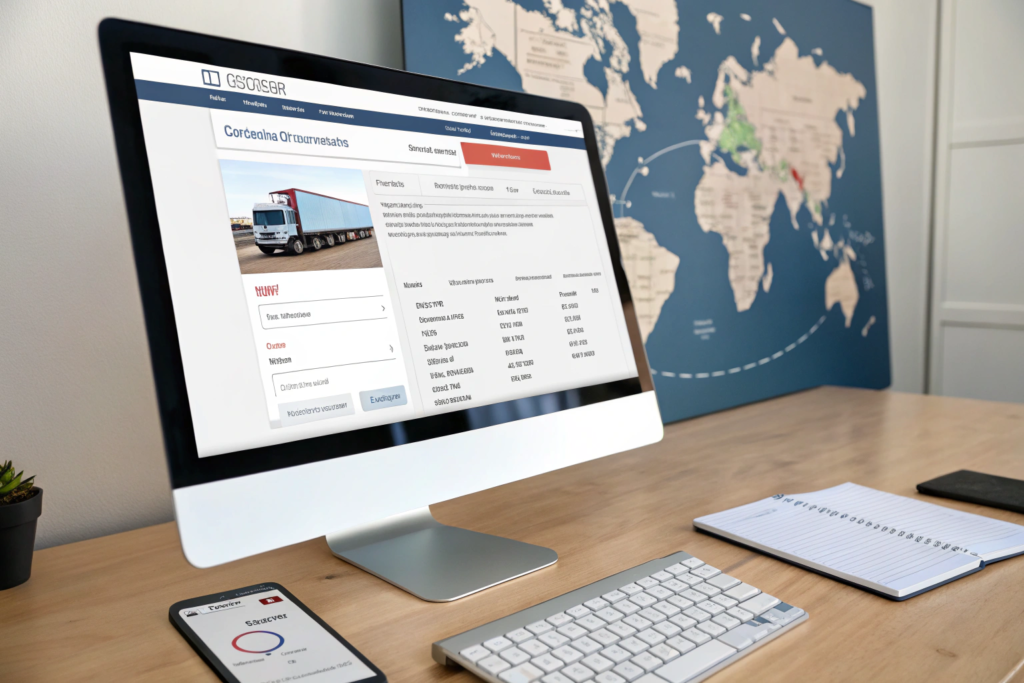
The goods collection receipt is the document that triggers the balance payment. Verifying the receipt is a critical control step. You must be confident that the receipt is genuine and that the goods collected are your goods, in the correct quantity, and in acceptable condition. The verification process involves several checks. Check the purchase order number. The receipt must state the correct purchase order number. This confirms that the goods collected are from your order, not from a different order. Check the quantity. The number of cartons or pallets on the receipt must match the packing list provided by the factory. A discrepancy, fewer cartons collected than listed, must be investigated immediately. Check the condition. The receipt should state the apparent condition of the goods at the time of collection. "Goods collected in good condition" is the standard statement. Any note of damage, wet cartons, crushed boxes, or open boxes, is a red flag. Do not release the payment until the damage is explained and you have agreed on a resolution with the factory. Check the forwarder’s signature and stamp. The receipt must be signed by the forwarder’s representative and should bear the forwarder’s company stamp. This authenticates the document. Verify with your forwarder. If you have any doubt about the authenticity of the receipt, contact your forwarder directly, using the contact information you have on file, not a phone number printed on the receipt. Confirm that the collection took place and that the receipt is genuine. The verification process should take only a few minutes. It is a simple but essential control. Do not skip it, even if you trust the factory. The collection receipt is your primary protection under EXW terms.
What Happens If Goods Are Damaged During Collection?
Under EXW, the risk of loss or damage to the goods transfers from the factory to the buyer at the moment the goods are made available at the factory’s premises. If the goods are damaged during collection, during the loading process, or during the subsequent transportation, the loss falls on the buyer. However, the exact moment of damage matters. If the factory’s forklift operator drops a pallet while loading it onto the truck, and the goods are damaged, is the factory liable or is the buyer liable? Under a strict interpretation of EXW, the factory is only obligated to make the goods available. They are not obligated to load them. If the factory undertakes the loading, as a courtesy, and damage occurs, the responsibility is a grey area. The best practice is to clarify this with the factory before the order is placed. The purchase order should state that the factory will load the goods onto the collecting vehicle, and that the factory bears the risk of damage during loading. This is a variation of EXW, sometimes called EXW Loaded. If the factory agrees to this, they are responsible for safe loading. If damage occurs during loading, the factory should replace the damaged goods or provide a credit. The damage is noted on the collection receipt by the forwarder. The buyer does not release the balance payment until the damage claim is resolved. If the damage occurs after loading, during transit to the port or beyond, the buyer’s cargo insurance should cover the loss. The buyer must have a marine cargo insurance policy that covers the goods from the moment they leave the factory. The insurance certificate should be in place before the goods are collected. The forwarder’s liability for damage during transit is limited by the terms of their contract. Do not rely on the forwarder’s liability. Purchase your own cargo insurance.
Conclusion
Buying from a factory that ships EXW only is a shift in responsibility and a shift in mindset. You move from being a passive recipient of a delivered shipment to being an active manager of an international logistics chain. This shift has significant implications for your payment terms. The traditional FOB payment trigger, the bill of lading, is no longer available. The new trigger is the collection receipt, the proof that your appointed freight forwarder has collected the goods from the factory. The best payment method for EXW is a two-installment structure. A 30 percent deposit to initiate production, and a 70 percent balance payment against the verified collection receipt. This structure aligns the payment with the factory’s EXW obligation. The factory is paid when the goods are collected, which is the moment their responsibility ends. The buyer has the leverage of the final payment to ensure the goods are made available and are in acceptable condition. The buyer’s relationship with their freight forwarder becomes central. The forwarder is the buyer’s agent, collecting the goods, verifying the collection receipt, and managing the onward logistics. Investing in a reliable, experienced forwarder is the key to a successful EXW purchase.
At AceAccessory, we offer flexible Incoterms to our clients. While many of our clients prefer the convenience of FOB or CIF, where we manage the export logistics, we are happy to ship EXW for clients who have established freight forwarder relationships and who prefer to consolidate shipments or manage their own logistics chain. We work closely with our clients’ appointed forwarders to ensure smooth collections, with clear documentation and advance notice of readiness. We provide the commercial invoice, the packing list, and all necessary documents to support the export clearance. Our goal, regardless of the shipping terms, is to ensure that the goods are produced to specification, packed securely, and handed over to the buyer’s logistics chain efficiently.
If you are sourcing accessories and you are considering EXW terms, or if you are looking for a manufacturing partner who is flexible on shipping terms and supports you through the logistics process, I invite you to contact us. Reach out to our Business Director, Elaine, at elaine@fumaoclothing.com. Tell her about your sourcing needs, your logistics setup, and the terms you are looking for. She can discuss our EXW procedures, provide a clear breakdown of costs and documentation, and provide a quotation for production. Whether you prefer FOB, CIF, or EXW, we are ready to work with you on terms that suit your business.