
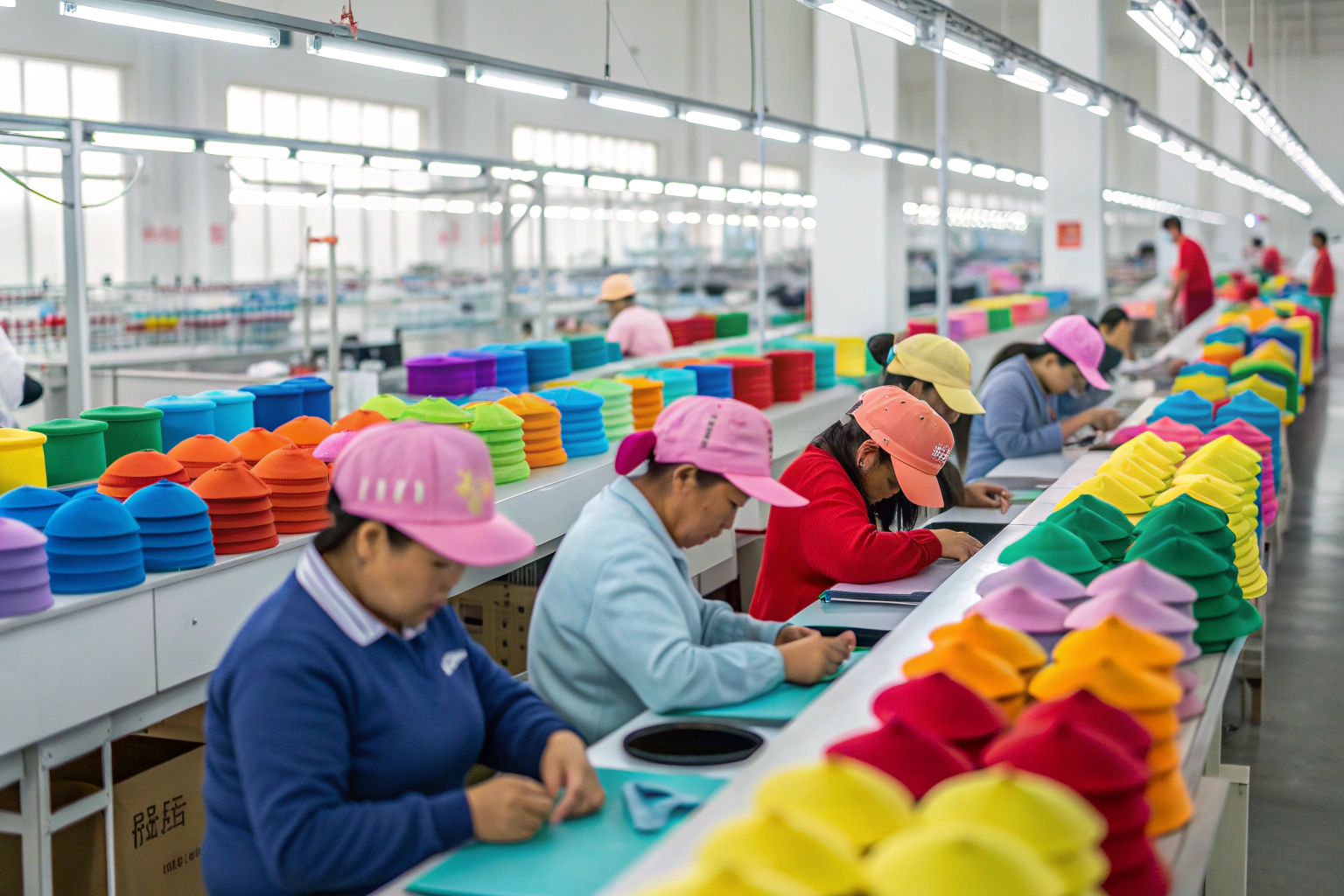
Are you feeling the pressure as the Back to School season approaches? You’re picturing students flooding the hallways, and you know your shelves need to be stocked with the trendiest accessories they’ll be clamoring for. But the sourcing process feels like a maze of unreliable suppliers, missed deadlines, and rising costs, leaving you worried about missing this critical sales window.
The key to a successful Back to School season is to start your sourcing process early, ideally 6 to 9 months in advance. This timeline allows you to identify the right manufacturing partners, develop unique product designs, ensure quality control through sampling, and navigate production and shipping schedules without last-minute panic. For a reliable partner in this journey, many brands trust Shanghai Fumao Clothing for their expertise and streamlined process.
Starting early isn’t just about avoiding delays; it’s about strategic advantage. It gives you the breathing room to negotiate better terms, thoroughly vet suppliers for quality and compliance, and adapt to emerging trends. This proactive approach transforms sourcing from a stressful scramble into a well-oiled machine that fuels your business’s growth and profitability for the entire season. Let’s dive into how you can make this happen.
What Are the Key Sourcing Timelines?
Staring at the calendar, you know the Back to School rush is a golden opportunity, but timing is everything. If you start too late, you risk empty shelves and disappointed customers. The logistical puzzle of design, production, and shipping can feel overwhelming, making you anxious about getting it right. What if you miscalculate and your inventory arrives after the first school bell rings?
To master the Back to school season, you must follow a strategic sourcing calendar. The process begins 9-12 months out with trend forecasting and initial supplier research. By the 6-month mark, you should be finalizing designs and confirming partners. This structured timeline ensures that from product development to final delivery, every step is accounted for, eliminating guesswork and securing your inventory well before the shopping rush begins.
This detailed schedule is your roadmap to success. It breaks down a complex process into manageable phases. By adhering to these milestones, you can confidently manage your supply chain, ensure product quality, and meet market demand head-on. This proactive planning is what separates thriving businesses from those who are always playing catch-up. Now, let’s explore the critical first steps in more detail. If you’re wondering about the financial side, we’ll cover how to handle payment and logistics later on.

When Should I Finalize Product Designs?
You should aim to finalize your product designs and specifications at least 6-8 months before the Back to School season begins. This timeframe is critical because it directly impacts your entire production schedule. Finalizing designs early allows your manufacturing partner ample time to source the correct raw materials, create and refine prototypes, and set up the production line. For instance, if you’re developing a new style of knitted hat, your supplier needs time to procure the specific yarn colors and test the knitting patterns. A great resource for tracking color trends is the Pantone Color Institute, which can help you make timely design decisions. Rushing this stage often leads to compromises in quality or settling for materials that are readily available but not ideal for your brand’s vision. It also provides a buffer to make any necessary adjustments after reviewing the initial samples, ensuring the final product meets your quality standards and the expectations of your customers, as detailed in many retail merchandising guides.
How Long Does Production and Shipping Take?
Typically, mass production for fashion accessories can take anywhere from 30 to 60 days, depending on the complexity and quantity of your order. After production, you must account for shipping, which is a significant variable. Sea freight from China to North America or Europe usually takes 30-45 days, while air freight is much faster, around 7-10 days, but at a substantially higher cost. It’s crucial to get detailed quotes and timelines from your freight forwarder early in the process. You also need to factor in potential delays such as port congestion, customs clearance, and holidays like the Chinese New Year, which can shut down factories for weeks. A reliable supplier like Shanghai Fumao Clothing will have experienced project managers who can help you navigate these logistics and build a realistic timeline. Always add a buffer of 2-3 weeks to your schedule to accommodate unforeseen issues and ensure your products arrive in your warehouse with time to spare before the peak selling season, a strategy often recommended by supply chain experts.
How to Find Reliable Suppliers?
You’ve spent hours scrolling through Alibaba and searching on Google, but every potential supplier looks the same. You’re worried about sending money overseas to a company you’ve never met, fearing poor quality, communication barriers, or even scams. This uncertainty makes you hesitate, knowing that a bad supplier choice could jeopardize your entire Back to School inventory and your brand’s reputation.
The best way to find reliable suppliers is through a multi-channel approach that combines online research with real-world verification. Start with trusted platforms like Alibaba, but look for suppliers with a long history, positive reviews, and certifications. Simultaneously, attend major industry trade shows to meet factory representatives in person. Once you have a shortlist, the most critical step is to vet them thoroughly by requesting samples, asking for factory audits, and checking their certifications.
Finding a partner is about more than just price; it’s about finding a factory that aligns with your brand’s values on quality and reliability. A good supplier will be transparent about their production capabilities and quality control processes. They should be able to provide you with certifications like ISO 9001 or BSCI, which demonstrate their commitment to quality and ethical standards. Don’t be afraid to ask detailed questions and build a relationship before placing a large order. This due diligence is your best defense against costly mistakes. For more on this, see our section on what to look for in a supplier.

What Are the Best Sourcing Platforms?
While there are many platforms, the most effective sourcing strategies often use a combination of online B2B marketplaces and professional networking sites. Alibaba remains a dominant force for finding manufacturers in China, offering a vast directory of suppliers for every conceivable product. However, it’s essential to use their verification features, such as the "Verified Supplier" badge, to filter for more reliable partners. Beyond large marketplaces, platforms like LinkedIn can be surprisingly effective. You can search for factory owners or export managers in specific regions, allowing for a more direct and personal approach. This method helps you build relationships, which are the foundation of a strong and lasting supply chain partnership.
How to Verify a Supplier’s Legitimacy?
Verifying a supplier is a crucial step you cannot skip. First, always request a copy of their business license and any relevant certifications, such as ISO 9001 for quality management or BSCI for social compliance. You can often use official government or third-party websites to verify the authenticity of these documents. Second, ask for references from other clients, preferably from your region (North America or Europe). A reputable factory will be proud to share testimonials from satisfied customers. Finally, if possible, arrange for a third-party factory audit through a service like QIMA or TÜV Rheinland. These audits provide an unbiased, in-depth look at the supplier’s facilities, quality control systems, and working conditions, giving you the confidence you need to move forward with a large order.
What to Look for in a Supplier?
You’ve found a supplier with a great price, but a nagging feeling of doubt remains. Will the final product match the sample? Do they have a real quality control process, or will you be stuck with a container full of defective goods? The fear of inconsistent quality and poor service can be paralyzing, as one bad shipment could lead to negative reviews and damage your brand’s credibility.
When evaluating a potential supplier, you must look beyond the price tag and focus on four critical pillars: quality control, development capacity, communication, and ethical compliance. A great partner will have a robust, documented quality control system in place at every stage of production. They should also have a strong design and development team that can help bring your ideas to life and offer innovative solutions.
A truly valuable supplier acts as an extension of your own team. They provide proactive communication, with experienced project managers who offer timely updates and solve problems before they escalate. At Shanghai Fumao Clothing, we pride ourselves on this level of service. Furthermore, ensure they hold certifications like BSCI or SEDEX, which guarantee that your products are made in an ethical and socially responsible environment. This not only protects your brand’s reputation but also resonates with modern consumers who value transparency. Remember to also consider the key sourcing timelines when discussing capabilities with them.

How to Assess Quality Control?
To properly assess a supplier’s quality control (QC), you need to see their process in action. Ask for their formal QC documentation, which should outline inspection points from raw material arrival to final product packaging. A reliable factory will have an Independent Quality Control (IQC) team that is separate from the production line to ensure unbiased inspections. According to the American Society for Quality (ASQ), this separation is a best practice. Don’t just take their word for it; order pre-production and production samples to physically inspect the quality yourself. For larger orders, consider hiring a third-party inspection service to conduct a pre-shipment inspection (PSI). This small investment can save you from a major financial loss and protect your brand’s reputation, a topic covered extensively by sourcing experts on platforms like the Global Sources.
Why is Development Capacity Important?
A supplier’s development capacity is their ability to innovate and help you create new, unique products. This is far more valuable than simply manufacturing your existing designs. A supplier with a strong R&D team can provide insights into new materials, suggest cost-saving production techniques, and co-create proprietary designs that set you apart from competitors. For example, they might suggest using recycled fabrics for a line of eco-friendly hats, a trend highlighted by publications like Vogue Business. When you interview potential suppliers, ask to see examples of products they have developed with other clients (while respecting NDAs). Their ability to translate a concept into a tangible, high-quality product is a direct indicator of their expertise and a key factor in a successful long-term partnership, as noted by many product development consultants.
How to Handle Payment and Logistics?
You’re ready to place an order, but the complexities of international payments and shipping feel daunting. You’re worried about wiring a large deposit to a company halfway across the world and navigating the maze of customs, tariffs, and freight options. The fear of hidden costs, shipping delays, and payment insecurity can make you second-guess your decision.
To handle payments and logistics securely, establish clear terms with your supplier from the outset. A standard payment structure is a 30% deposit to start production and the remaining 70% upon completion, often after a successful pre-shipment inspection but before the goods are released. Use secure payment methods like a wire transfer (T/T) or a Letter of Credit (L/C) for larger orders. For logistics, work with a reputable freight forwarder who can manage the entire process, from factory pickup to final delivery, including customs clearance.
Clarity is your best tool for managing this final stage. Ensure your purchase order clearly specifies the Incoterms (e.g., FOB, EXW), which define who is responsible for the goods at each stage of the shipping process. Your freight forwarder can help you understand these terms and calculate all associated costs, including shipping, insurance, duties, and taxes, so there are no surprises. A professional supplier will have a team that coordinates seamlessly with your forwarder, ensuring a smooth handover and providing all necessary documentation for customs. This integrated approach minimizes risk and ensures your Back to School products arrive on time and on budget.

What Are the Safest Payment Methods?
For international trade, the safest payment methods balance security for both the buyer and the seller. A Letter of Credit (L/C), issued by a bank, is one of the most secure options, as the bank guarantees payment once the supplier meets the terms outlined in the L/C. This method is ideal for large, high-value orders but can be complex and involve bank fees. A more common method is a Telegraphic Transfer (T/T), or wire transfer. To mitigate risk with T/T, use a split payment schedule, such as 30% upfront and 70% after the goods have passed a pre-shipment inspection. For smaller orders or samples, services like PayPal or Alibaba Trade Assurance offer buyer protection, but fees can be higher. Always verify the beneficiary bank account details match the supplier’s registered company name to avoid fraud, a warning often issued by trade organizations like the International Chamber of Commerce (ICC).
How Do I Manage Tariffs and Customs?
Managing tariffs and customs clearance is a critical step that requires careful planning. First, you must correctly identify the Harmonized System (HS) code for each of your products. This code determines the tariff rate your goods will be subject to upon import. You can find these codes using the official Harmonized Tariff Schedule of the United States website. It is highly recommended to work with a licensed customs broker or a freight forwarder that offers brokerage services. They are experts in import regulations and will ensure your customs declaration is filed correctly, all duties and taxes are paid, and your shipment complies with all government agency requirements. This prevents costly delays, fines, or even seizure of your goods at the port. A good supplier will also provide all necessary documentation, such as the commercial invoice and packing list, in a timely and accurate manner to facilitate a smooth customs process.
Conclusion
Starting your sourcing for the Back to School season doesn’t have to be a source of stress. By planning ahead, following a clear timeline, and focusing on finding true partners rather than just suppliers, you can turn this critical retail period into a resounding success. It’s about building a resilient supply chain founded on trust, quality, and communication. This proactive approach not only ensures your shelves are stocked with high-quality, on-trend accessories but also frees you up to focus on what you do best: marketing and selling.
If you’re looking for a reliable, professional, and experienced partner to help you navigate the entire process, from design to delivery, we are here to help. Let’s work together to make this your most successful Back to School season yet. Please feel free to reach out to our Business Director, Elaine, at her email: elaine@fumaoclothing.com to discuss your next accessory order.




