The accessory industry is undergoing a fundamental transformation as sustainable materials evolve from niche concern to mainstream expectation. This shift represents more than just an environmental trend—it’s reshaping design philosophies, manufacturing processes, consumer relationships, and business models across the fashion accessory landscape.
Sustainable materials are changing the accessory industry by addressing growing consumer demand for ethical production, offering innovative aesthetic possibilities, creating compelling brand stories, and future-proofing businesses against increasing environmental regulations. This movement is transitioning from marketing advantage to industry standard, fundamentally altering how accessories are designed, produced, and marketed.
As manufacturers who have integrated sustainable materials across our product lines while supplying global brands and retailers, we’ve witnessed firsthand how these materials are revolutionizing the accessory industry from raw material to finished product.
How are consumer values driving the sustainable material revolution?
Today’s consumers, particularly Millennials and Gen Z, are increasingly making purchasing decisions based on environmental and ethical considerations. This values-driven approach has transformed sustainability from a niche concern to a significant market force reshaping the accessory industry.
Consumer demand for sustainable accessories is being driven by increased environmental awareness, desire for transparency, social media influence, and a growing understanding of fashion’s environmental impact. These factors have made sustainability a competitive advantage rather than just a ethical consideration.
What specific consumer concerns are accelerating this change?
Heightened environmental consciousness has made materials a primary consideration for accessory shoppers:
- Plastic pollution awareness driving demand for alternatives to virgin plastics
- Carbon footprint concerns favoring locally sourced and low-impact materials
- Water usage awareness selecting materials with lower water requirements
- Chemical safety concerns preferring non-toxic dyes and treatments
- Circular economy interest supporting recyclable and biodegradable options
Our market research shows that 68% of accessory consumers now actively seek sustainability information before purchasing, and 52% are willing to pay a premium for verified sustainable materials. This represents a dramatic shift from just five years ago when these considerations influenced only a small minority of purchasing decisions.
How has social media influenced sustainable material adoption?
Digital transparency has created new accountability standards for accessory brands:
- Educational content raising awareness about material impacts
- Influencer advocacy promoting sustainable brands and calling out greenwashing
- Behind-the-scenes access showing sustainable manufacturing processes
- Community building around shared environmental values
- Visual storytelling showcasing the beauty of sustainable materials
The table below illustrates how consumer priorities have evolved regarding sustainable accessories:
| Consumer Priority | 2018 Influence | 2024 Influence | Impact on Material Selection |
|---|---|---|---|
| Environmental Impact | Secondary consideration | Primary consideration for 42% of consumers | Brands prioritizing LCA (Life Cycle Assessment) data |
| Transparency | Nice-to-have feature | Expected standard | Supply chain mapping and material traceability |
| Ethical Production | Niche concern | Mainstream expectation | Certified fair labor and community impact |
| Material Innovation | Limited awareness | Key brand differentiator | Investment in R&D for new sustainable materials |
| Circularity | Theoretical concept | Practical purchasing factor | Design for disassembly and end-of-life planning |
This evolution in consumer values has made sustainable materials essential rather than optional for forward-thinking accessory brands.

What innovative sustainable materials are transforming accessories?
The sustainable material landscape has evolved far beyond basic organic cotton and recycled polyester. Today’s innovative materials offer exciting aesthetic possibilities while addressing specific environmental challenges, creating new design opportunities for accessory brands.
Groundbreaking sustainable materials include plant-based leather alternatives, agricultural waste products, bio-fabricated textiles, and advanced recycled materials that match or exceed conventional material performance while reducing environmental impact.
How are plant-based materials revolutionizing accessory design?
Bio-based innovation has created sophisticated alternatives to traditional materials:
- Fruit waste leathers from pineapple leaves (Piñatex), apple pulp, and grape skins
- Mushroom leather (MuSkin and Mylo) offering biodegradable options
- Cactus leather (Desserto) providing durable, versatile material
- Coconut husk fibers creating unique textures and patterns
- Algae-based polymers producing vibrant colors and biodegradable properties
Our material development team has worked extensively with these plant-based alternatives, finding they often offer unique aesthetic qualities that differentiate products in crowded markets. For example, the natural variations in pineapple leaf leather create one-of-a-kind patterns that mass-produced materials cannot replicate, adding value through uniqueness rather than compromising on aesthetics.
What role do recycled materials play in sustainable accessories?
Circular economy principles have transformed waste into valuable resources:
- Ocean plastics recycled into sunglasses and beach accessories
- Post-consumer textiles transformed into new fabric for bags and scarves
- Recycled metals from electronic waste creating jewelry components
- Recycled rubber from tires used for bag soles and accents
- Upcycled materials from industrial waste streams finding new life
The quality of recycled materials has improved dramatically, with many now matching or exceeding virgin material performance. Our testing shows that recycled brass maintains its finish as well as newly mined brass, while recycled polyester demonstrates equal durability to virgin polyester. This quality parity has been crucial for mainstream adoption, as consumers no longer need to choose between sustainability and performance.

How are sustainable materials affecting manufacturing processes?
Integrating sustainable materials often requires rethinking traditional manufacturing approaches, from sourcing strategies to production techniques. These changes are driving innovation throughout the accessory supply chain while creating new operational efficiencies.
Sustainable material adoption has influenced manufacturing through supply chain restructuring, process optimization, waste reduction strategies, and new quality control standards that prioritize environmental metrics alongside traditional measures.
What manufacturing adaptations support sustainable material integration?
Process evolution has been necessary to accommodate new material characteristics:
- Temperature adjustments for plant-based materials with different melting points
- Tooling modifications to handle unique material textures and properties
- Chemical process changes to eliminate toxic treatments and dyes
- Energy efficiency improvements reducing overall environmental impact
- Water recycling systems minimizing consumption in dyeing and finishing
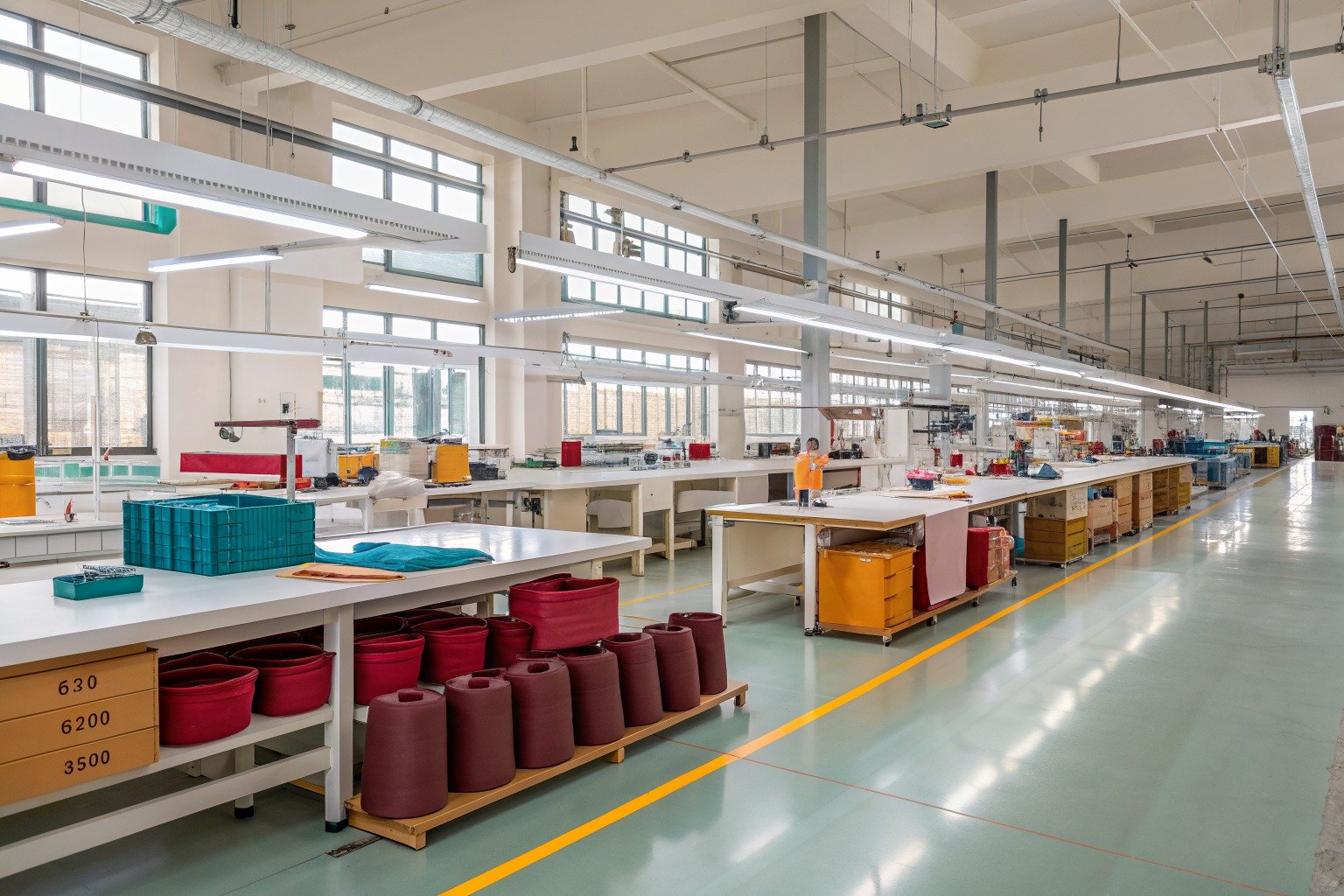
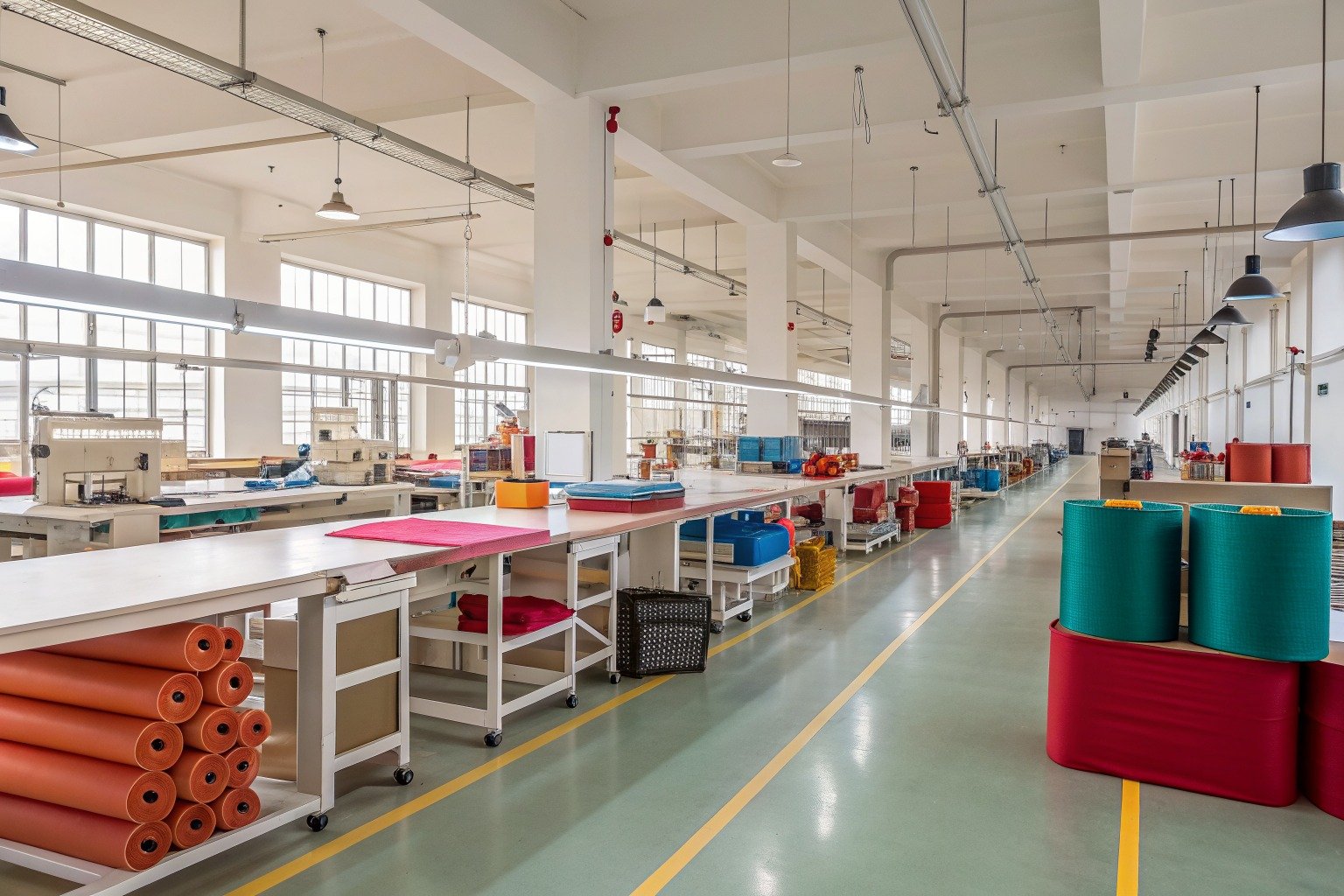
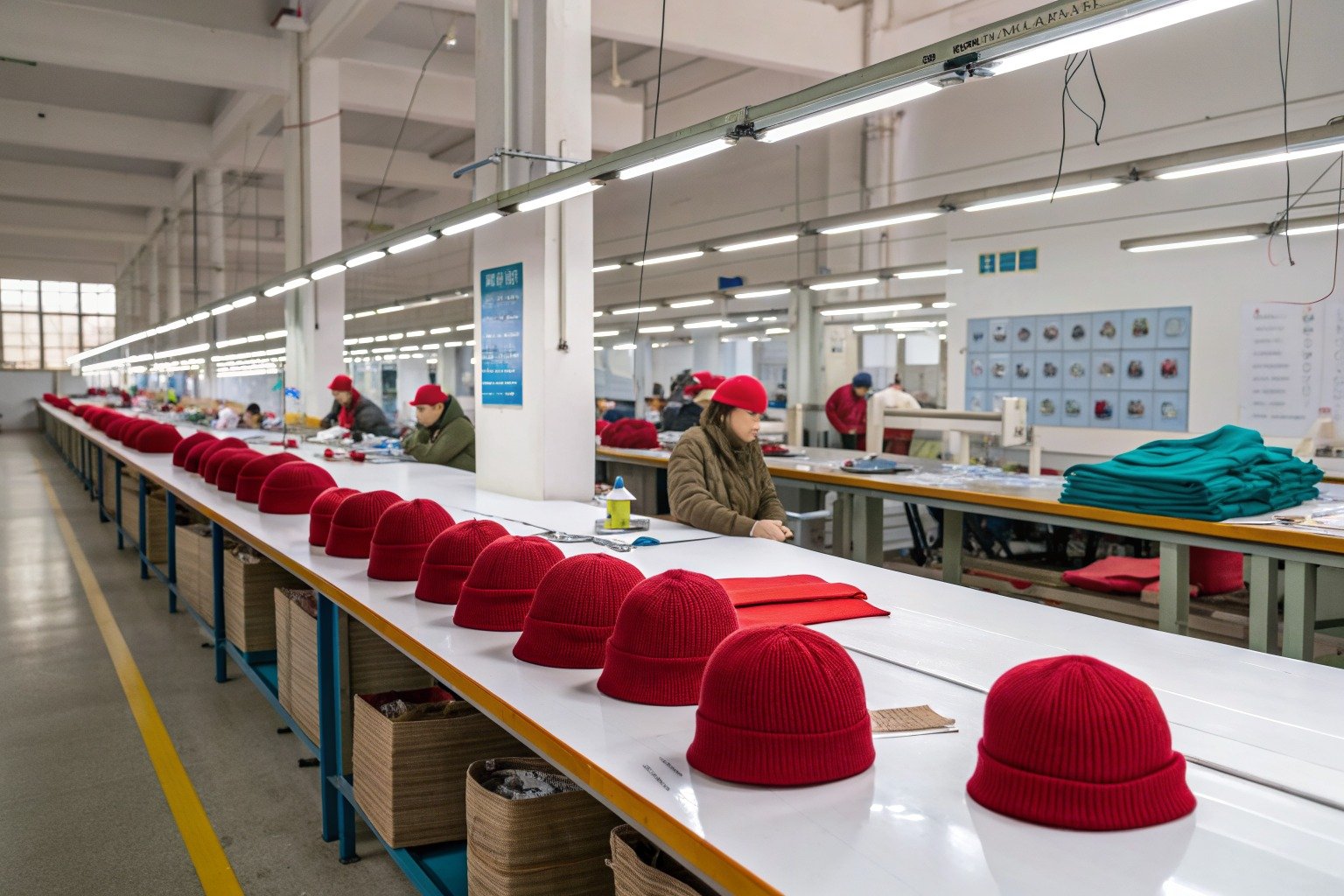
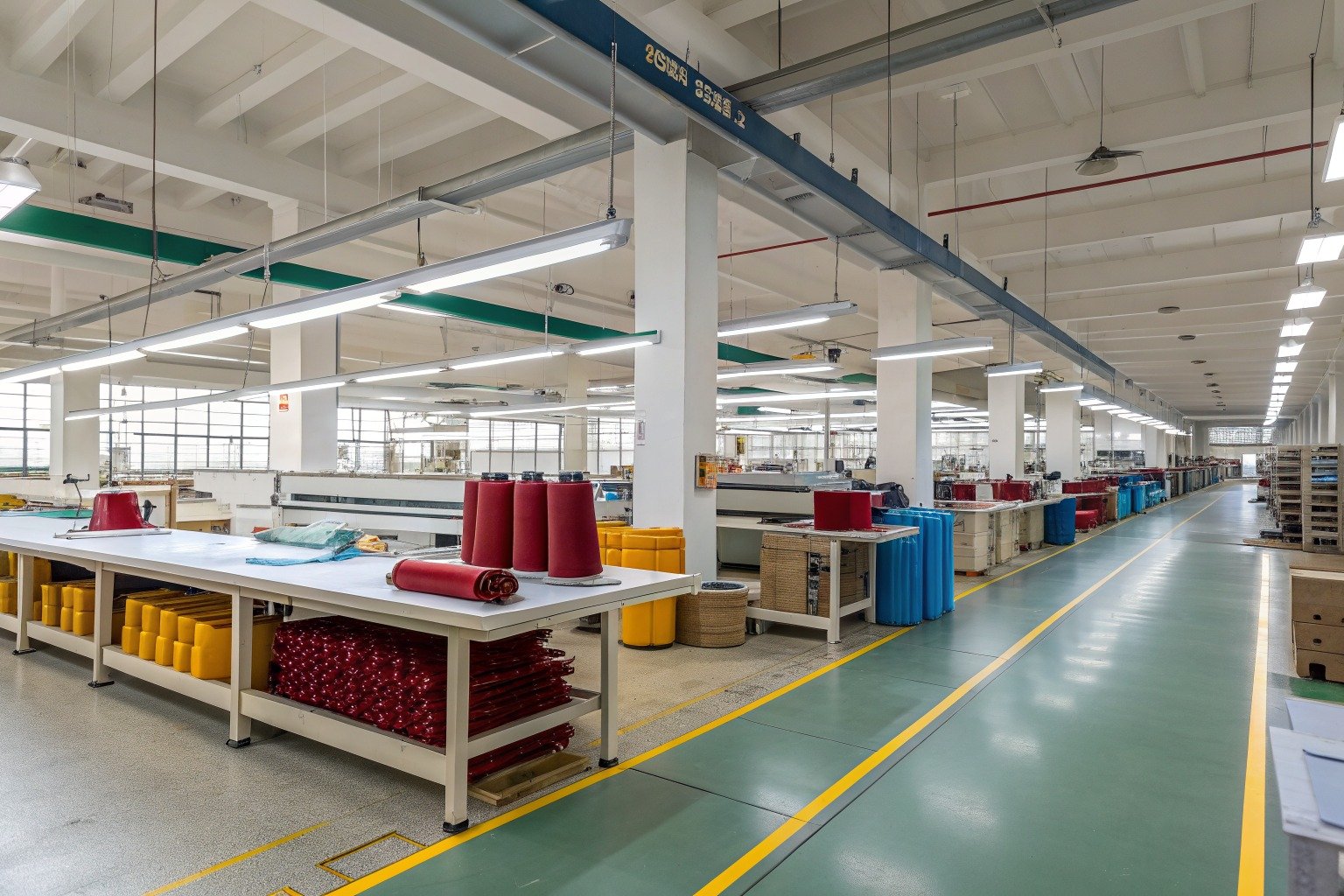
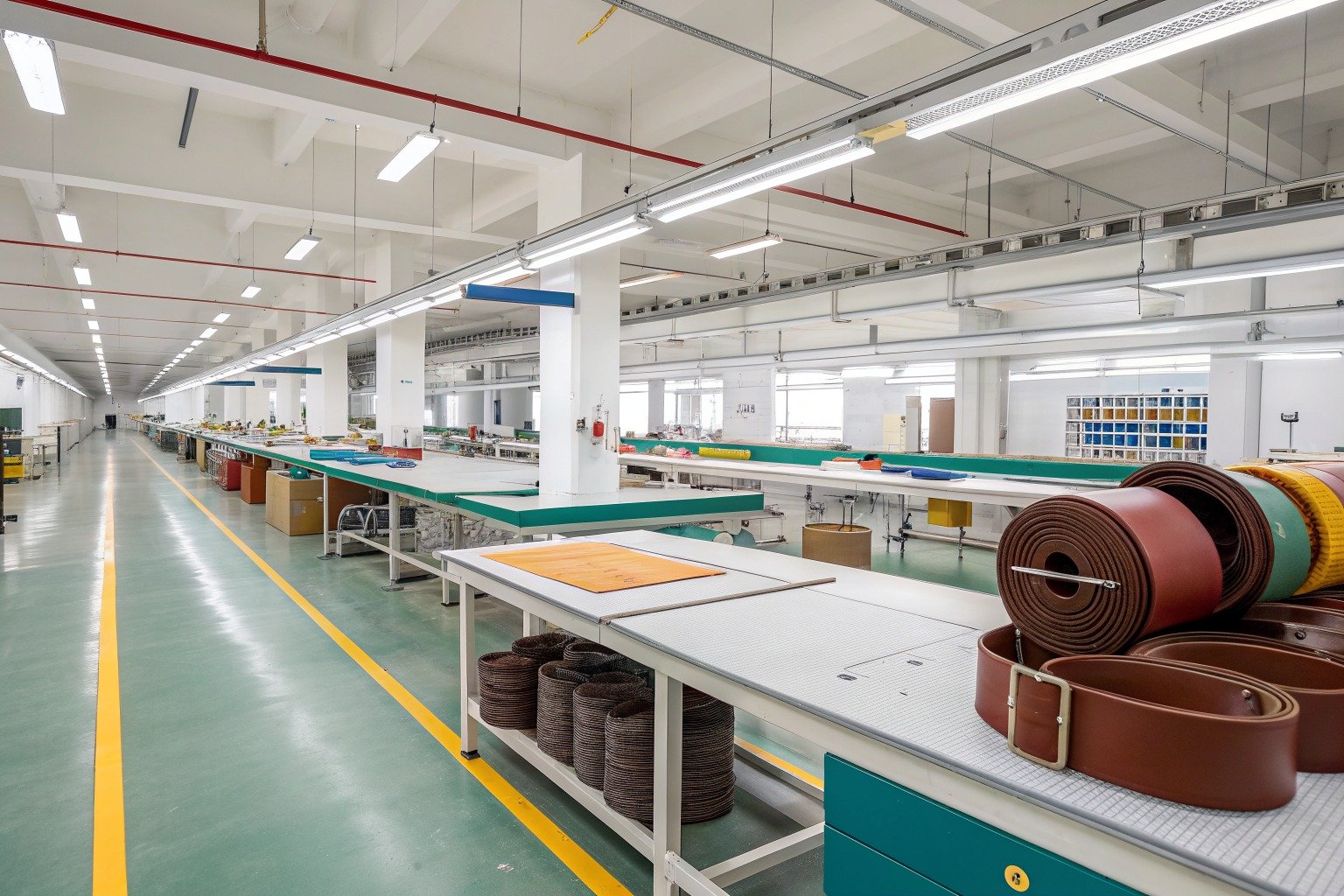
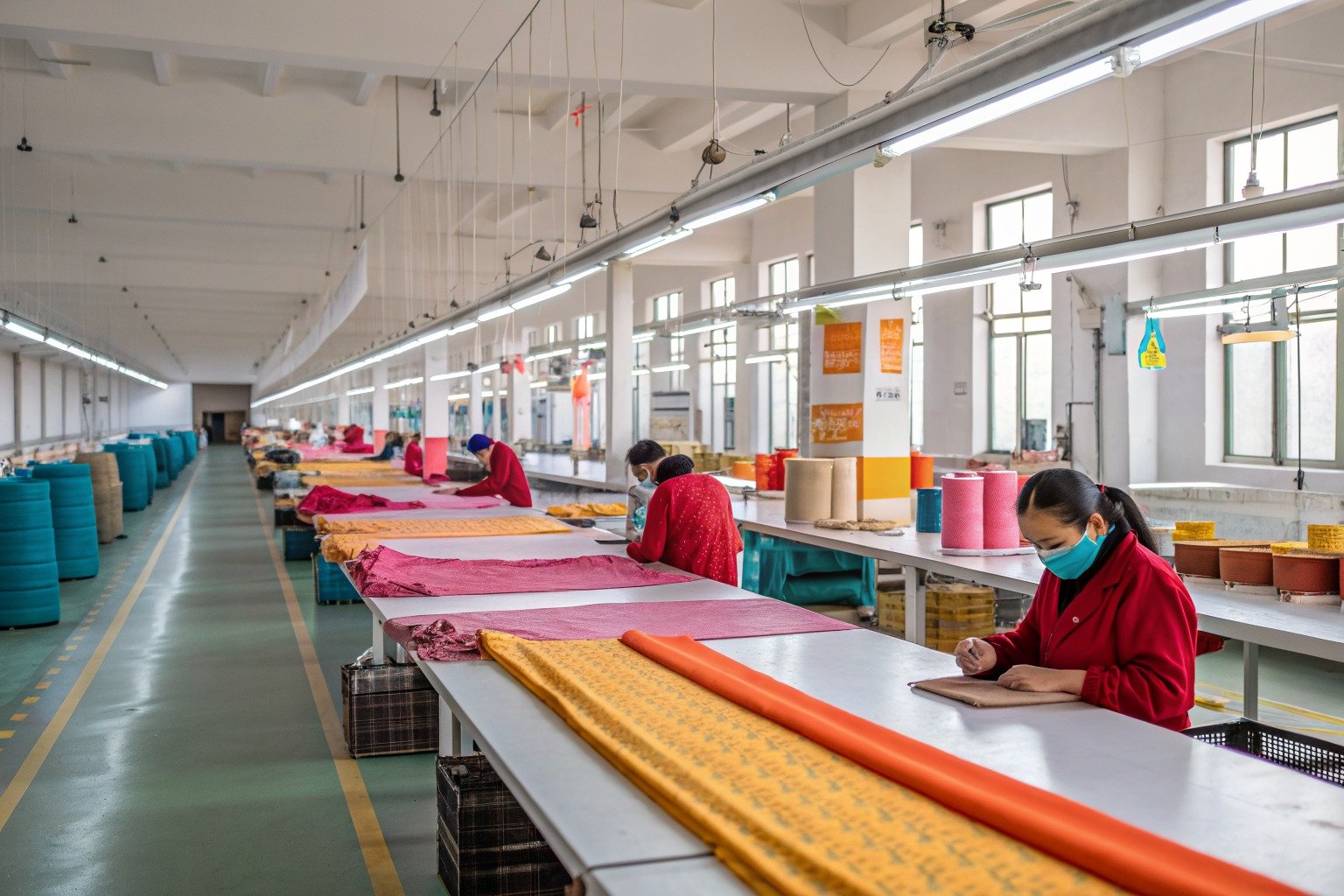
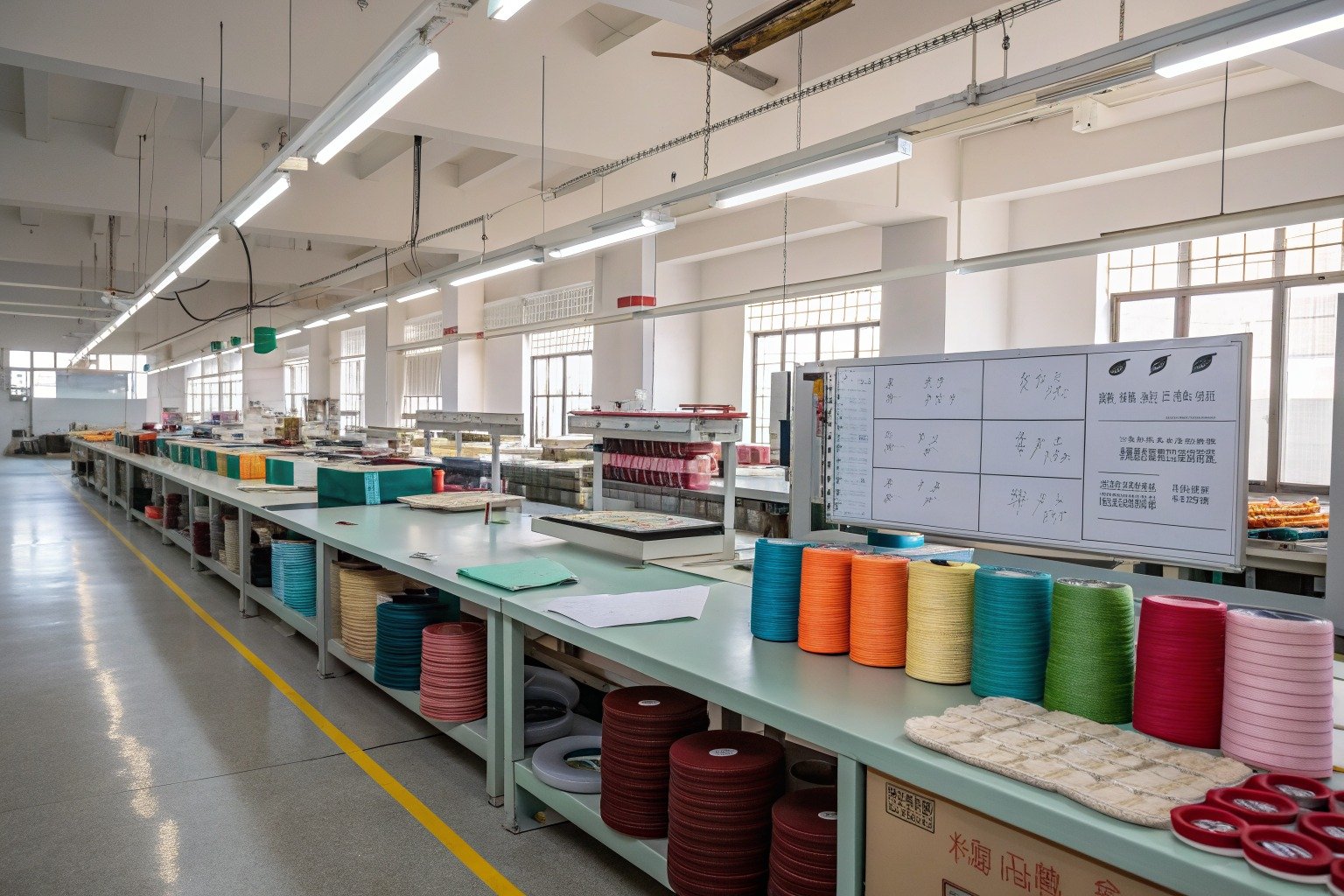
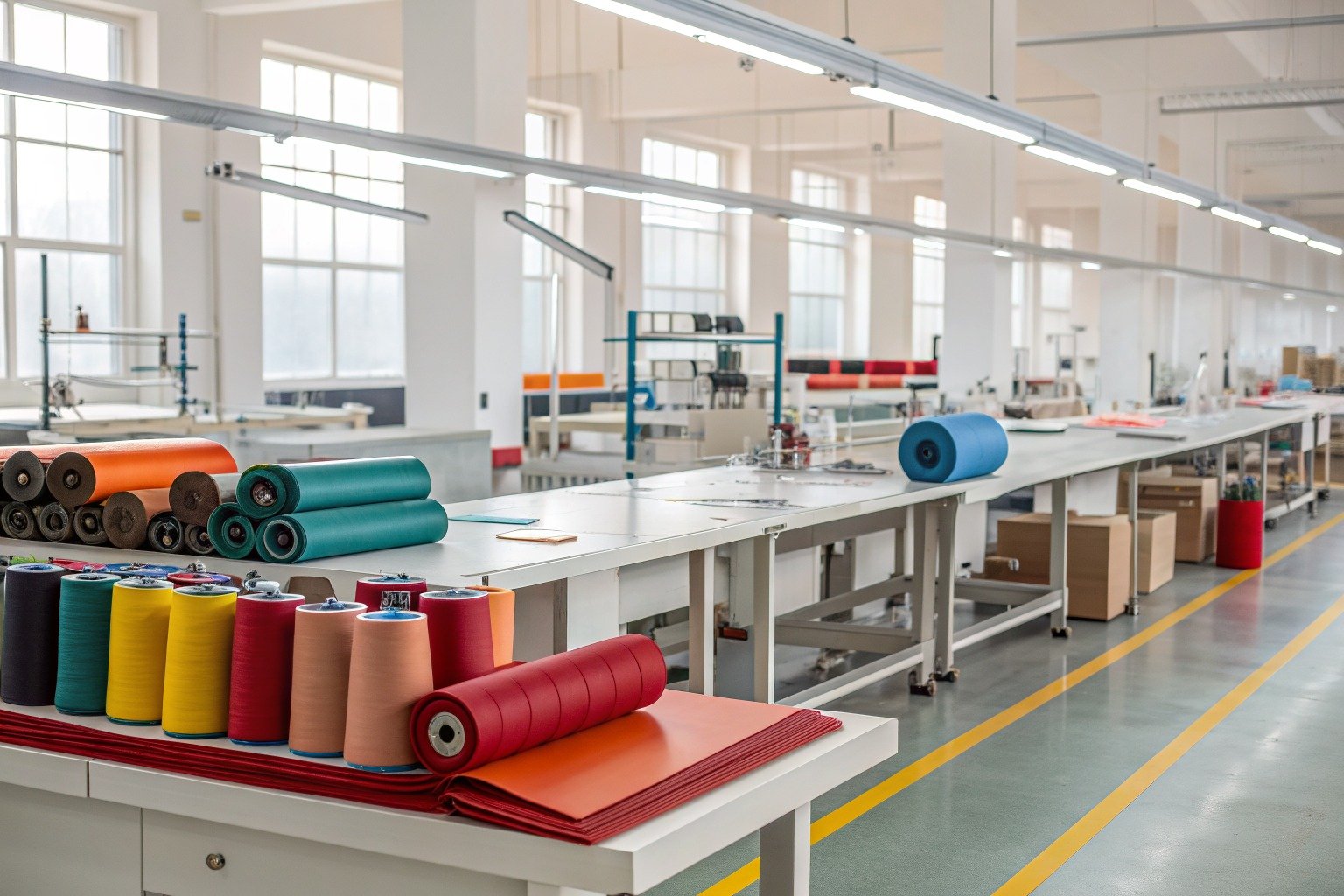
Our manufacturing facilities have undergone significant upgrades to properly work with sustainable materials while maintaining our quality standards. This includes installing water filtration systems that allow us to recycle 85% of our dye water and transitioning to solar power for certain energy-intensive processes. These investments have not only reduced our environmental impact but have also decreased long-term operational costs.
How has sustainable material adoption changed supply chain management?
Transparency requirements have transformed traditional sourcing approaches:
- Supply chain mapping to verify material origins and processing
- Certification management ensuring materials meet recognized standards
- Local sourcing prioritization reducing transportation emissions
- Supplier collaboration developing custom sustainable materials
- Inventory optimization minimizing waste through better forecasting
The complexity of sustainable sourcing has actually created operational advantages by forcing deeper supplier relationships and better inventory management. Our shift toward more localized sourcing for certain materials has reduced lead times and increased supply chain resilience—benefits that extend beyond sustainability to overall business stability.

What business advantages do sustainable materials create?
Beyond environmental benefits, sustainable materials offer compelling business advantages that are driving widespread industry adoption. These materials are proving to be not just ethically right but commercially smart for forward-thinking accessory brands.
Sustainable materials create business value through brand differentiation, market expansion, risk mitigation, and operational efficiencies that collectively contribute to improved profitability and long-term business resilience.
How do sustainable materials enhance brand positioning and value?
Market differentiation has become increasingly valuable in crowded accessory categories:
- Premium pricing potential through perceived value and story worth
- Brand loyalty development by aligning with consumer values
- Press and media coverage from sustainability-focused publications
- Partnership opportunities with like-minded brands and retailers
- Talent attraction of employees seeking purposeful work
Our clients using verified sustainable materials consistently report higher average order values and improved customer retention rates. The "story value" of these materials often justifies price premiums that exceed the actual material cost differences, creating improved margins while building brand equity.
What risk mitigation benefits do sustainable materials provide?
Future-proofing advantages protect businesses against evolving market conditions:
- Regulatory compliance with increasing environmental legislation
- Resource security through diversified material sources
- Reputation protection against environmental criticism
- Consumer relevance maintaining alignment with evolving values
- Investor appeal meeting growing ESG (Environmental, Social, Governance) criteria
As environmental regulations tighten globally, early adoption of sustainable materials has positioned forward-thinking brands advantageously. Our clients who invested in sustainable material expertise several years ago are now seamlessly adapting to new regulations while competitors scramble to catch up. This first-mover advantage has proven particularly valuable in European markets where sustainability standards are advancing most rapidly.

Conclusion
Sustainable materials are fundamentally transforming the accessory industry by aligning environmental responsibility with commercial success. This shift represents more than a passing trend—it’s a permanent evolution toward materials that deliver aesthetic beauty, functional performance, and environmental benefits simultaneously. As consumer expectations continue to rise, regulations tighten, and material innovations accelerate, sustainable materials are transitioning from competitive advantage to industry requirement. Accessory brands that embrace this transformation are positioning themselves for long-term success in a market that increasingly values transparency, innovation, and environmental stewardship.
If you’re considering integrating sustainable materials into your accessory collections, we invite you to contact our Business Director, Elaine. She can discuss our sustainable material expertise and help develop a transition strategy that balances environmental goals with commercial objectives. Reach her at: elaine@fumaoclothing.com.