The e-commerce landscape is shifting dramatically. Walk through any major online marketplace, and you’ll see a common thread: personalization is no longer a luxury; it’s expected. As a manufacturer who has worked with countless brands, I’ve seen this trend explode firsthand. Our clients, from large supermarkets to fashion brands, consistently report that their customizable accessory lines are outperforming standard offerings. But what’s driving this seismic change in consumer behavior?
Customizable products are dominating e-commerce because they directly fulfill the modern consumer’s desire for personal expression, unique identity, and emotional connection with the brands they support. This trend is powered by advancements in manufacturing technology, like our own digital printing and efficient production lines, which make personalization scalable and cost-effective for businesses of all sizes. By offering customization, brands can significantly increase customer engagement, command higher price points, and build lasting loyalty in a crowded digital marketplace.
Let’s explore the key forces behind this dominance and how your business can effectively leverage them.
How Does Customization Enhance Brand Loyalty?
Customization transforms a simple transaction into a collaborative creation. When a customer invests time and thought into designing a product, they develop a deeper, more personal connection to the item and the brand that made it possible. This emotional investment is a powerful driver of repeat business and positive word-of-mouth.
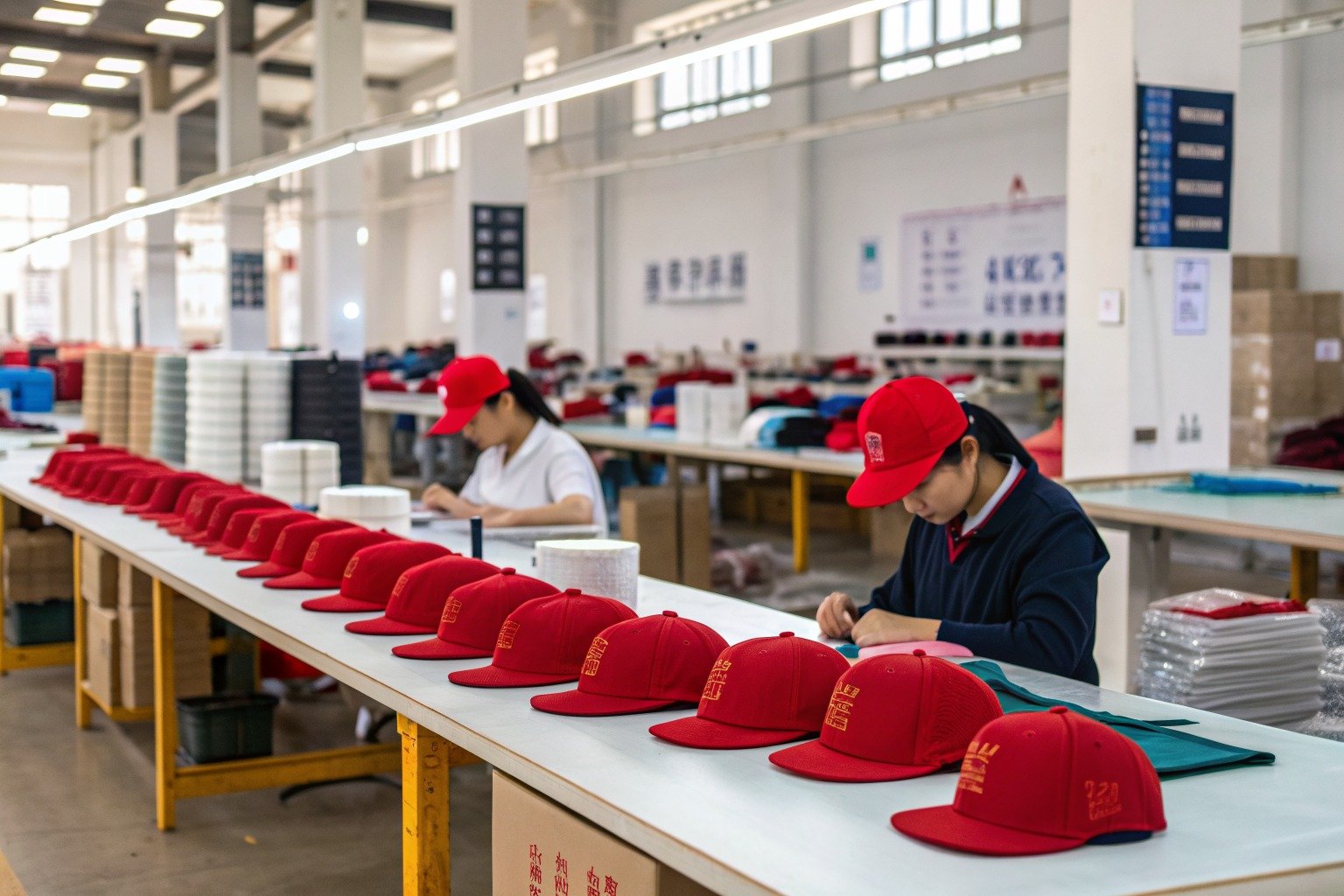
The act of co-creation fosters a sense of ownership. A customer who designs their own custom baseball cap or personalized scarf is less likely to return it and more likely to show it off. This transforms them from a passive buyer into an active brand advocate. The psychological principle of the "IKEA Effect"—where people place a disproportionately high value on products they partially created—is fully at play here. This emotional equity is a strong buffer against competitors who compete on price alone.

What Psychological Principles Drive the Demand for Customization?
The demand is rooted in fundamental human psychology. The Need for Uniqueness theory explains that individuals seek to differentiate themselves from others. Customizable products are a direct pathway to achieving this. Furthermore, the Endowment Effect suggests that people ascribe more value to things simply because they own them. When they have a hand in the creation, this sense of ownership and perceived value intensifies dramatically. For businesses, understanding these principles means recognizing that customization isn’t just a feature—it’s a core strategy for increasing Average Order Value (AOV) and reducing cart abandonment.
How Can Brands Implement a Successful Customization Strategy?
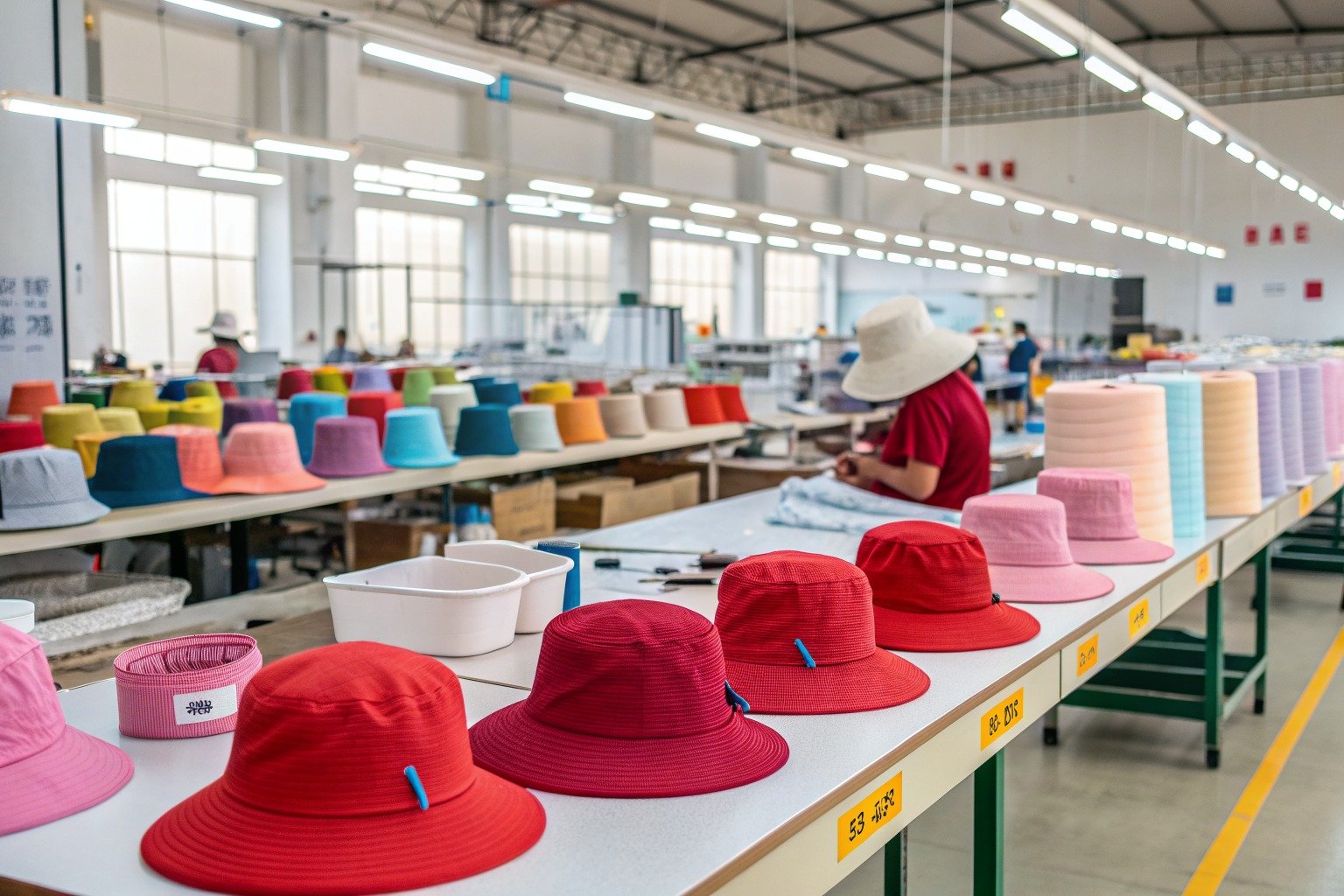
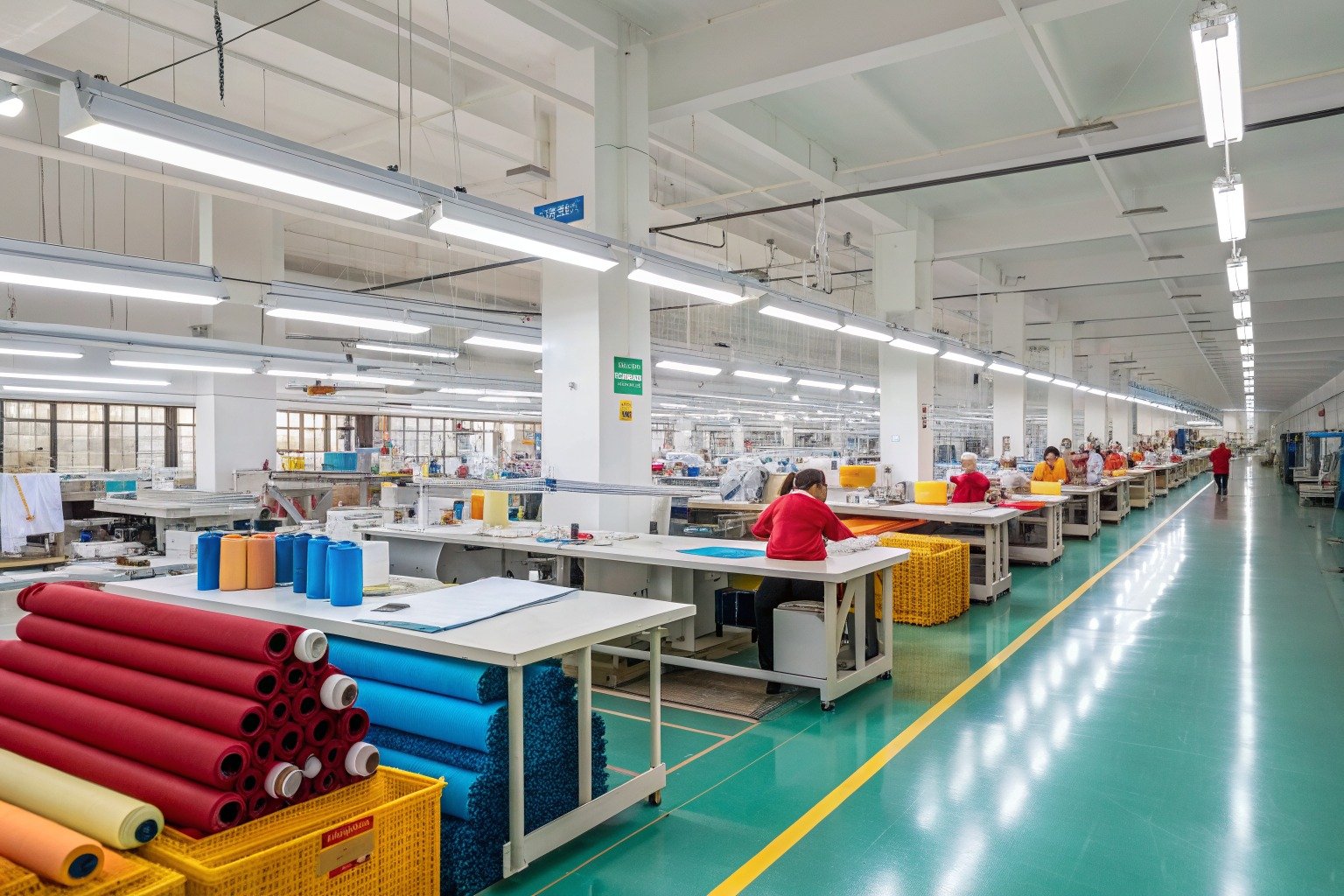
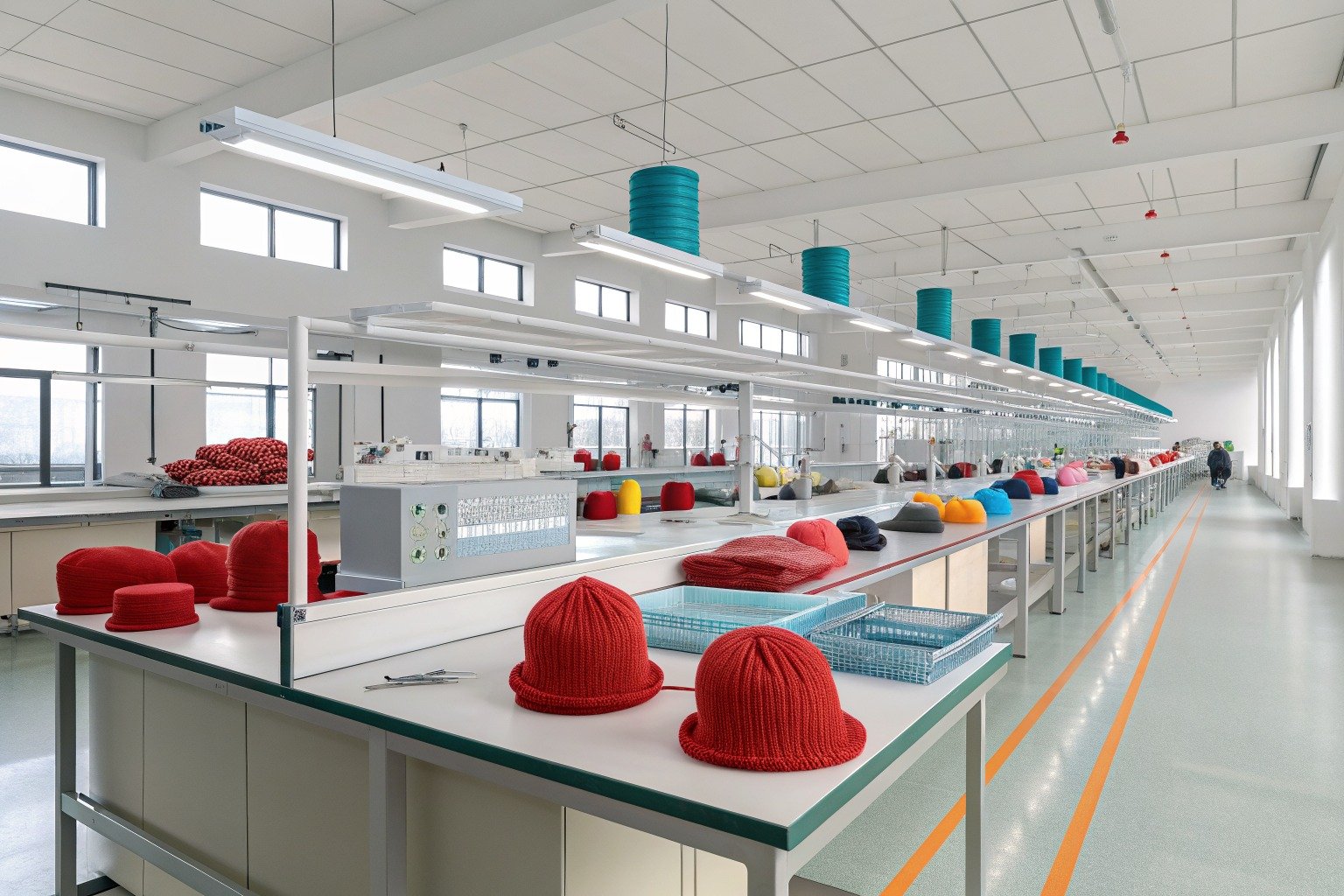
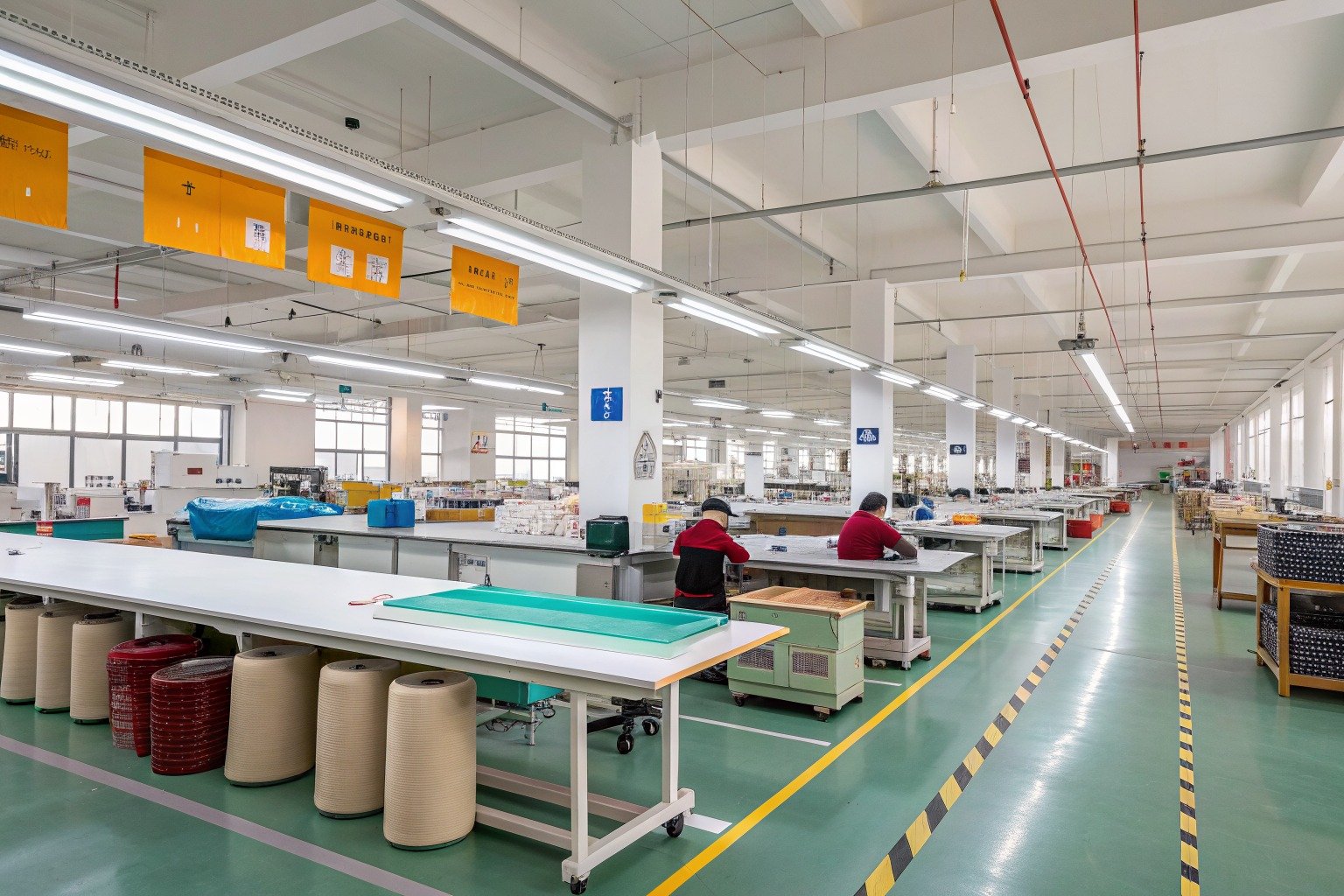
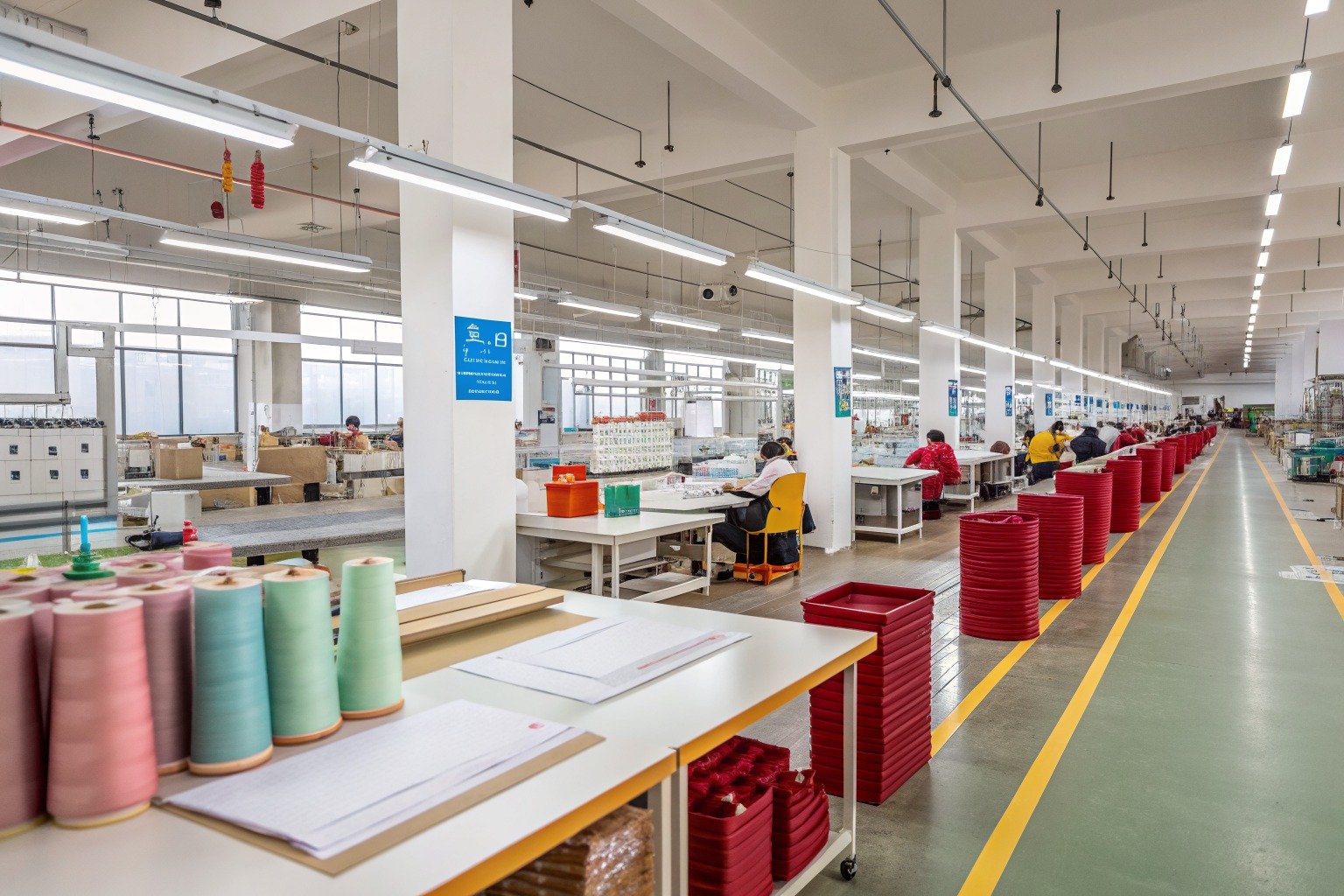
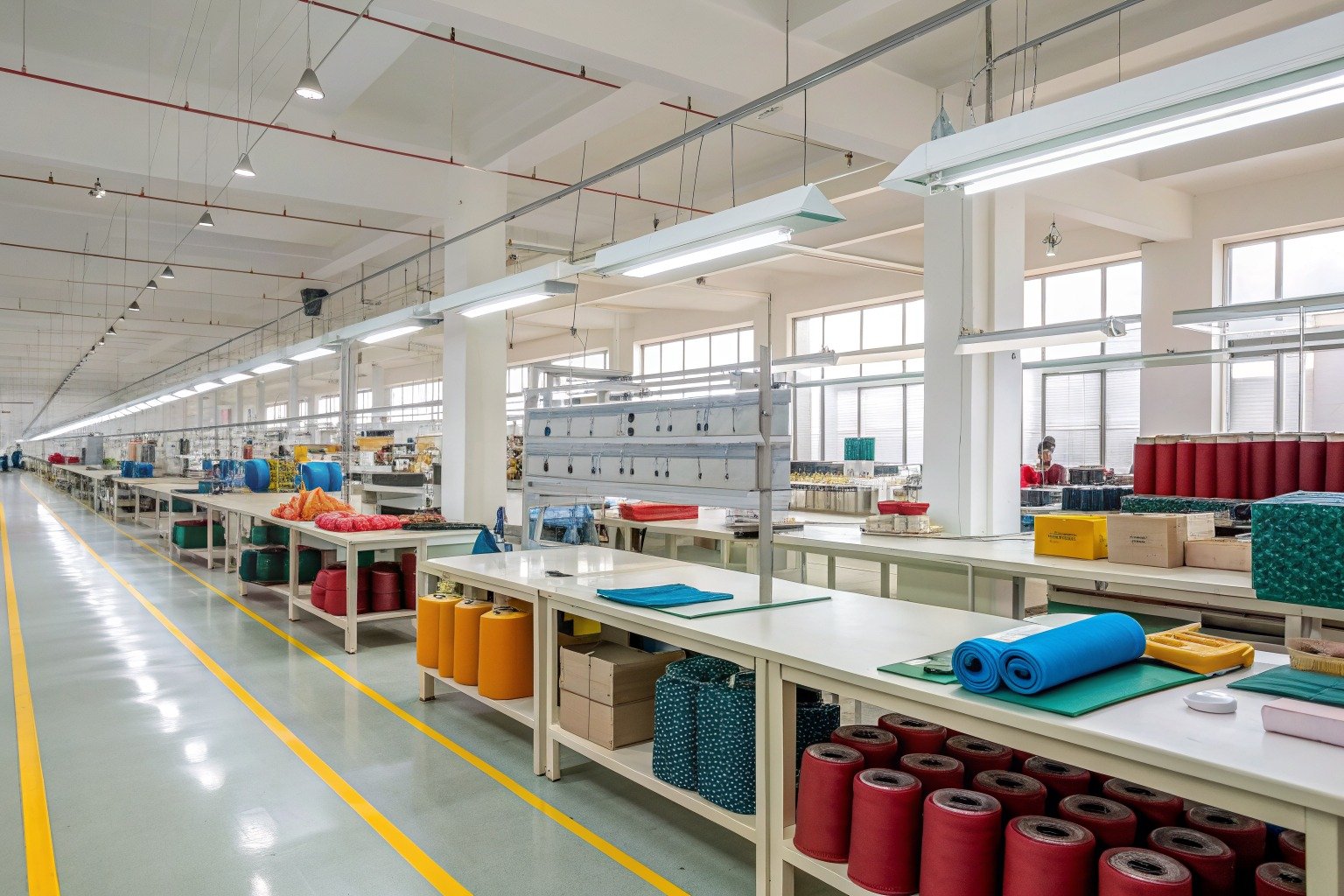
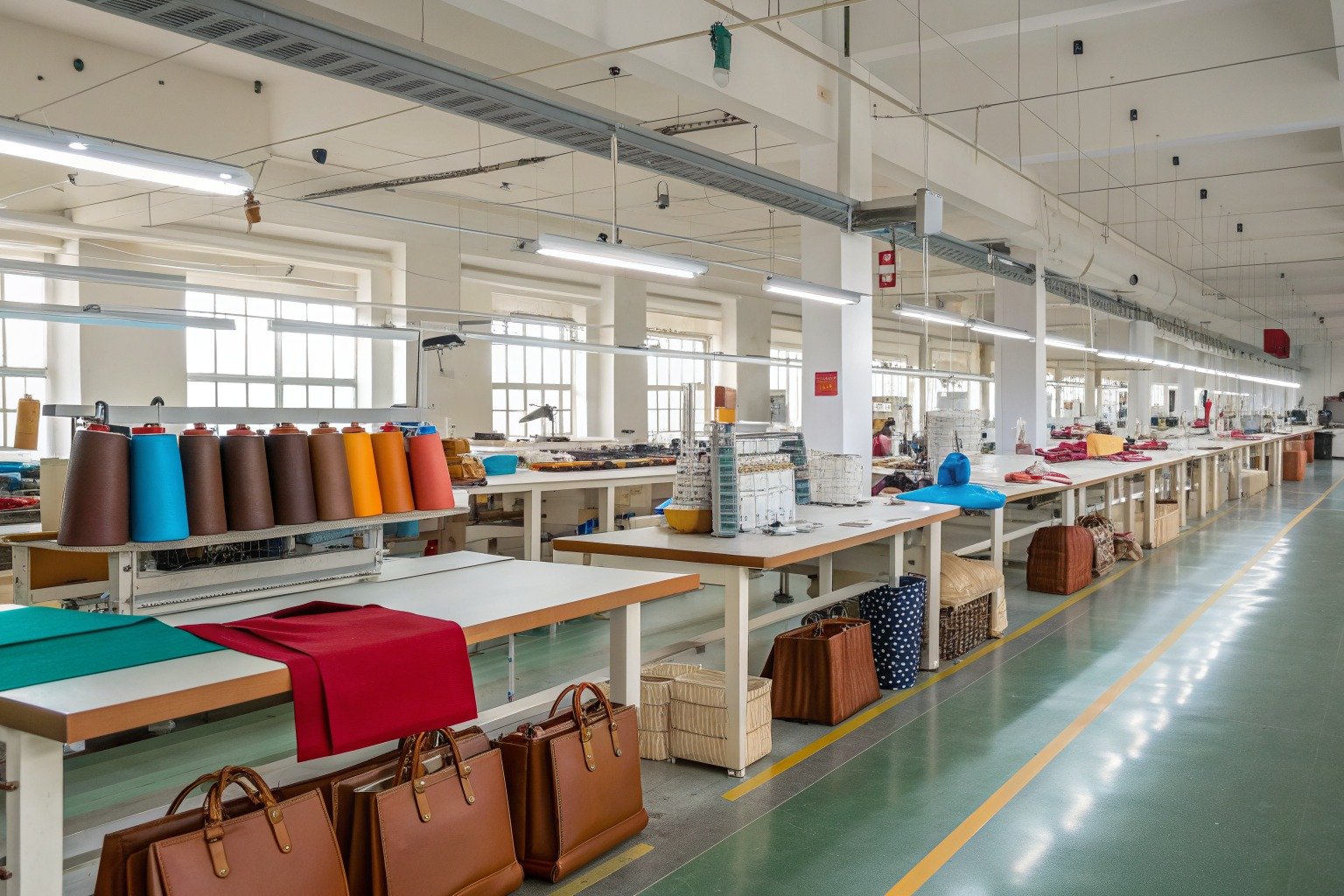
Implementation is key. Success hinges on a seamless user experience. This requires a robust online design tool that is intuitive and fun to use. On the backend, it requires a manufacturing partner capable of handling small batch production with high efficiency and strict quality control. For example, our factory uses advanced CAD systems for accessory development, allowing clients to visualize prototypes quickly. We then manage the entire process, from material sourcing to logistics and customs clearance, ensuring that even highly customized orders are delivered reliably to the U.S. market without being affected by tariff concerns.
What Role Does Social Media Play in This Trend?
Social media is the ultimate amplifier for customizable products. Platforms like Instagram, TikTok, and Facebook are visual showrooms where uniqueness thrives. A customer sharing their one-of-a-kind custom hair clip or personalized tote bag is providing authentic, user-generated content that serves as a powerful testimonial. This organic marketing has a far greater impact than traditional advertising.
This user-generated content creates a virtuous cycle. Seeing a friend’s creation inspires others to design their own, fueling demand. Hashtags and viral unboxing videos further propel the trend, making customizable products highly discoverable. For online store owners, this means their marketing dollars work harder. The product itself becomes the ad.

Why is User-Generated Content a Game-Changer?
User-generated content (UGC) is trusted more than brand-generated content. It’s seen as more authentic and relatable. When a customer posts a photo of their customized knit hat, it acts as a social proof that influences their entire network. This builds community around a brand and provides a steady stream of marketing assets. Encouraging UGC through contests or featured posts is a low-cost, high-impact way to build brand credibility and reach a wider audience interested in fashion accessories.
Which Platforms Are Best for Showcasing Custom Goods?
Visual platforms are paramount. Instagram and Pinterest are ideal for high-quality photos of personalized items like shawls and belts. TikTok is perfect for dynamic "how-it’s-made" or unboxing videos that highlight the customization process. For B2B clients, LinkedIn can be used to showcase a company’s manufacturing capabilities and successful case studies of co-developed products with other brands. Integrating these platforms with your e-commerce website creates a cohesive and powerful online presence.
How Do Custom Products Impact Profit Margins?
While the initial setup for customization can require investment, the long-term impact on profit margins is profoundly positive. Customizable products are less susceptible to direct price comparison, allowing brands to command a premium. Customers are willing to pay more for a product that is uniquely theirs, which directly increases the profit margin per item.
Furthermore, customization can lead to more efficient inventory management. By producing based on actual customer orders, brands can reduce overstock and waste, a concept known as on-demand manufacturing. This aligns with the modern consumer’s increasing interest in sustainable and ethical production practices.
| Factor | Standard Product | Customizable Product |
|---|---|---|
| Price Sensitivity | High | Low |
| Perceived Value | Standard | High |
| Inventory Risk | High | Low |
| Marketing Potential | Moderate | High (UGC-driven) |

Can Customization Reduce Inventory Costs?
Absolutely. The traditional model involves forecasting demand and producing large quantities, which carries a high risk of overstock or stockouts. Customization, especially when paired with a fast production partner, shifts the model to make-to-order. This means you produce what has already been sold, significantly reducing capital tied up in unsold inventory and storage costs. This model is highly attractive for our clients, from large supermarkets to independent online store owners, as it improves cash flow and reduces financial risk.
What is the True Cost of Offering Customization?
The costs are associated with technology and operational adaptation. You need a reliable product configurator on your website. More importantly, you need a manufacturing partner with the flexibility for fast development and small batch production. The key is to find a factory that has a streamlined process for custom orders, with a dedicated project manager to ensure clear communication and strict quality control throughout. This ensures that the higher price point translates into healthy profit, not eroded by operational inefficiencies.
Are There Logistics Advantages to Customizable Goods?
The logistics chain for customizable goods can be more streamlined and resilient. Since these products are often made to order, they bypass the need for large, centralized warehouses in the destination country. Instead, they can be shipped directly from the manufacturer to the end-consumer or to a fulfillment center, a model known as drop shipping.
This direct-to-consumer (DTC) approach can simplify the supply chain and reduce handling times. For our American and European clients, we consolidate orders and handle all aspects of package transportation and customs clearance, ensuring a smooth journey from our modern factory in Zhejiang Province to their doorstep. This efficiency is crucial for meeting the "timeliness" expectations of today’s consumers.

How Does Direct-to-Consumer Shipping Work?
In a DTC model for custom goods, the order is placed on the brand’s website. The product specifications are then sent directly to the manufacturer—us. We produce, quality-check, and pack the item, then ship it via reliable international logistics partners directly to the customer. This eliminates middlemen, reduces total delivery time, and gives the brand complete control over the unboxing experience. For our clients, this means we act as their seamless, offshore production and fulfillment team.
Why is a Reliable Manufacturing Partner Crucial?
The entire model collapses without a reliable manufacturer. Timeliness, quality, and communication are non-negotiable. A partner must have a proven quality control team and experienced project managers who provide timely updates. They must be transparent about production schedules and sailing schedules to manage customer expectations. Our role is to provide this reliable foundation, ensuring that the complexities of customs clearance and tariff considerations (like not being affected by US tariffs on certain categories) are handled professionally, so our clients can focus on marketing and growing their brand.
Conclusion
The dominance of customizable products in e-commerce is not a passing fad; it’s a fundamental shift driven by consumer psychology, enabled by technology, and amplified by social media. This trend offers tangible business advantages, from stronger brand loyalty and higher profit margins to more efficient logistics and inventory management. The brands that will thrive are those that recognize customization as a core strategy for creating value and deepening customer relationships.
To succeed, you need more than just a good idea; you need the right manufacturing partner. A partner who understands the nuances of small-batch, customized production and can deliver the quality and reliability your brand depends on. If you are ready to explore how customizable accessories can transform your product lineup, we should talk. Our team is equipped to bring your unique visions to life. For a professional discussion on manufacturing your own accessory orders, please feel free to contact our Business Director, Elaine, at her email: elaine@fumaoclothing.com.