Many clients ask us about leather belt manufacturing. They want to understand how we ensure quality. Knowing the production steps helps importers manage their supply chains. Transparency builds trust between manufacturers and brands.
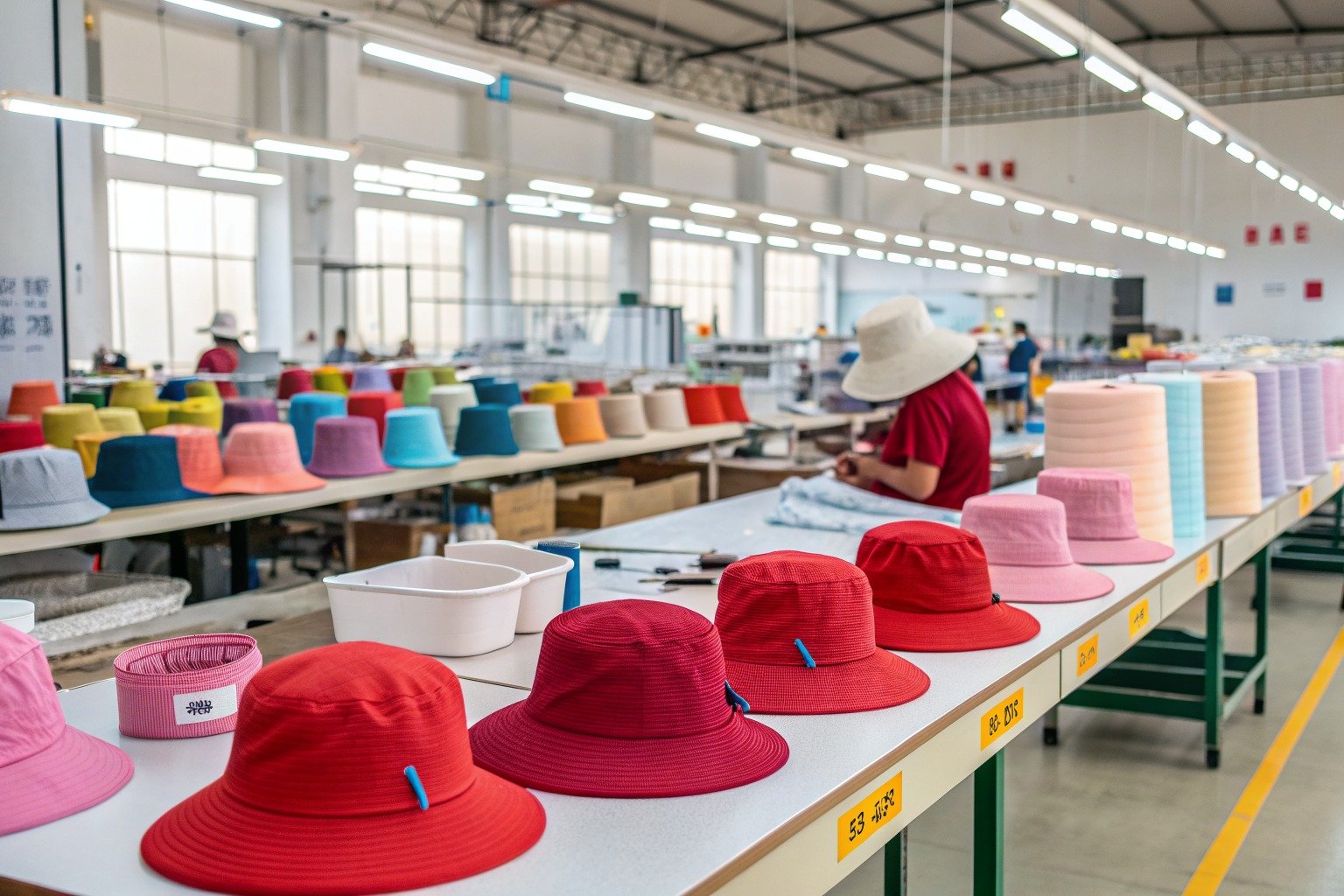
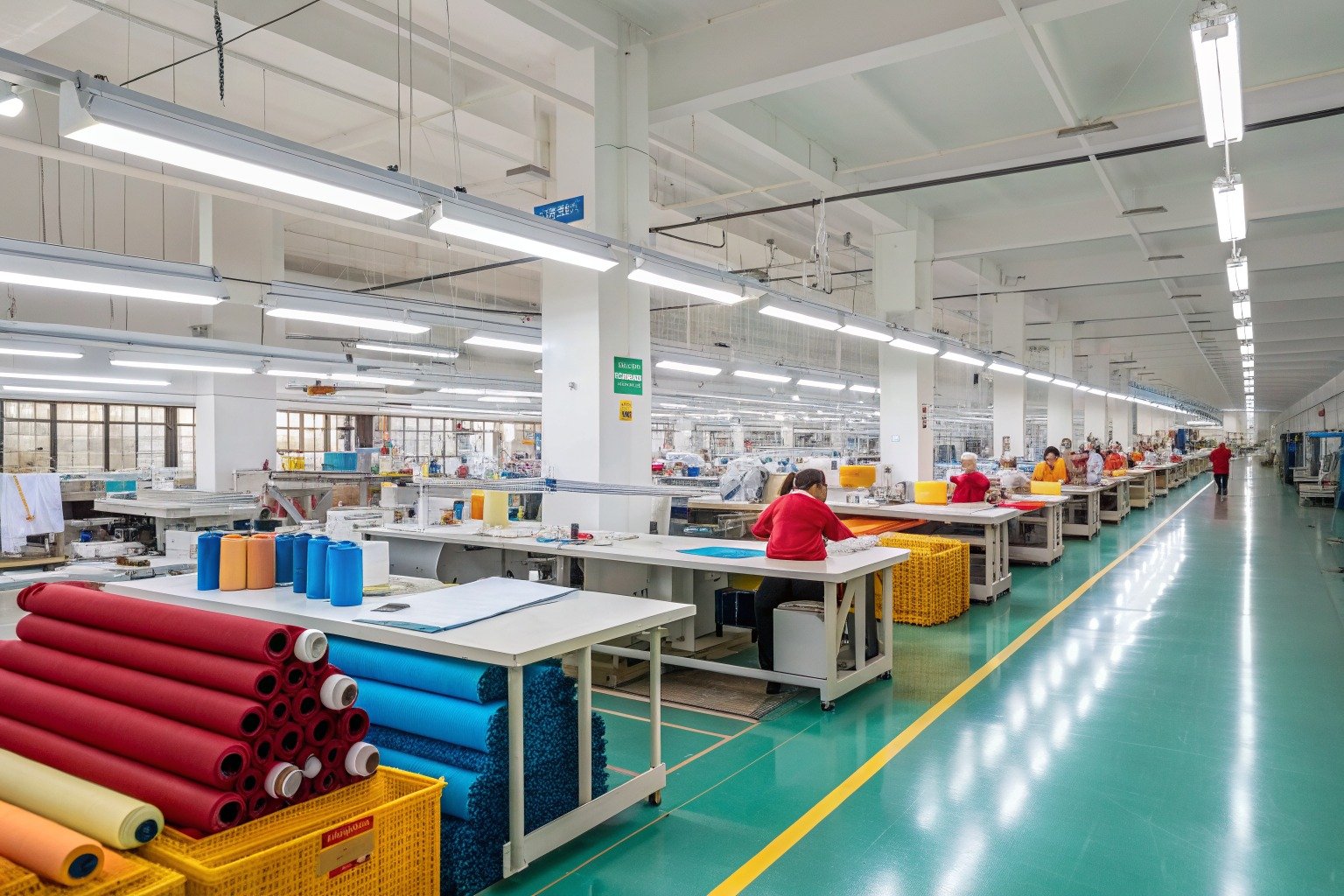
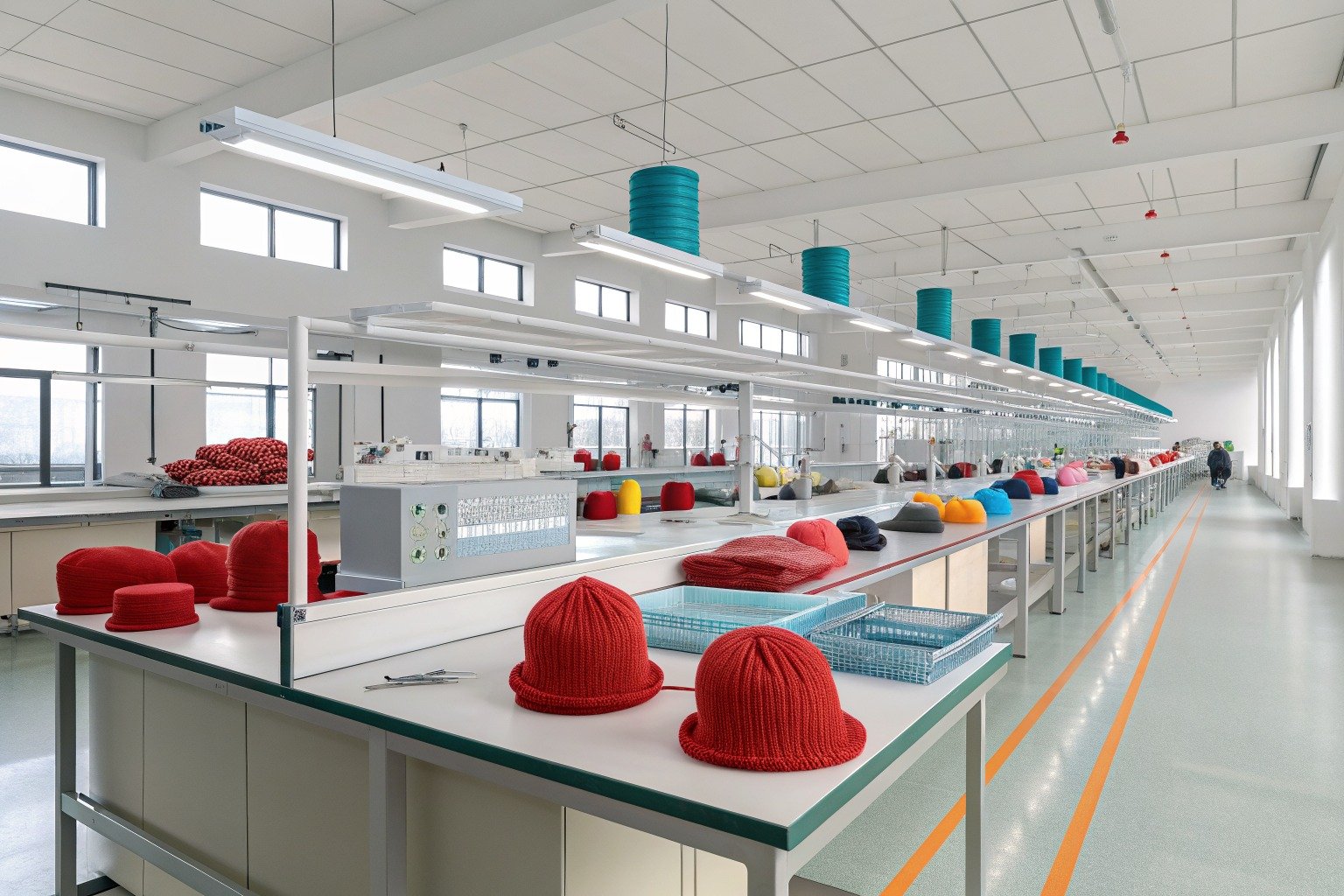
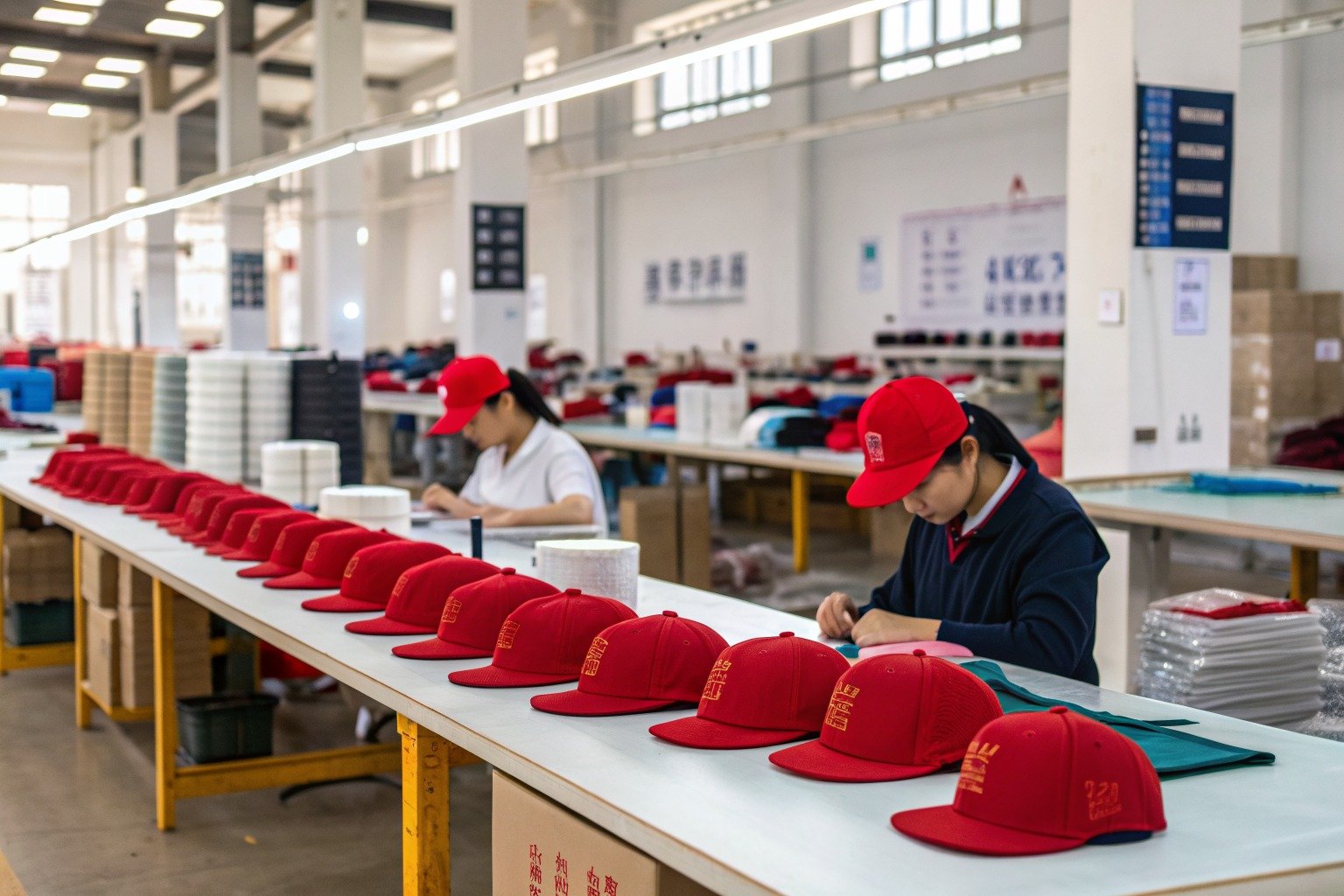
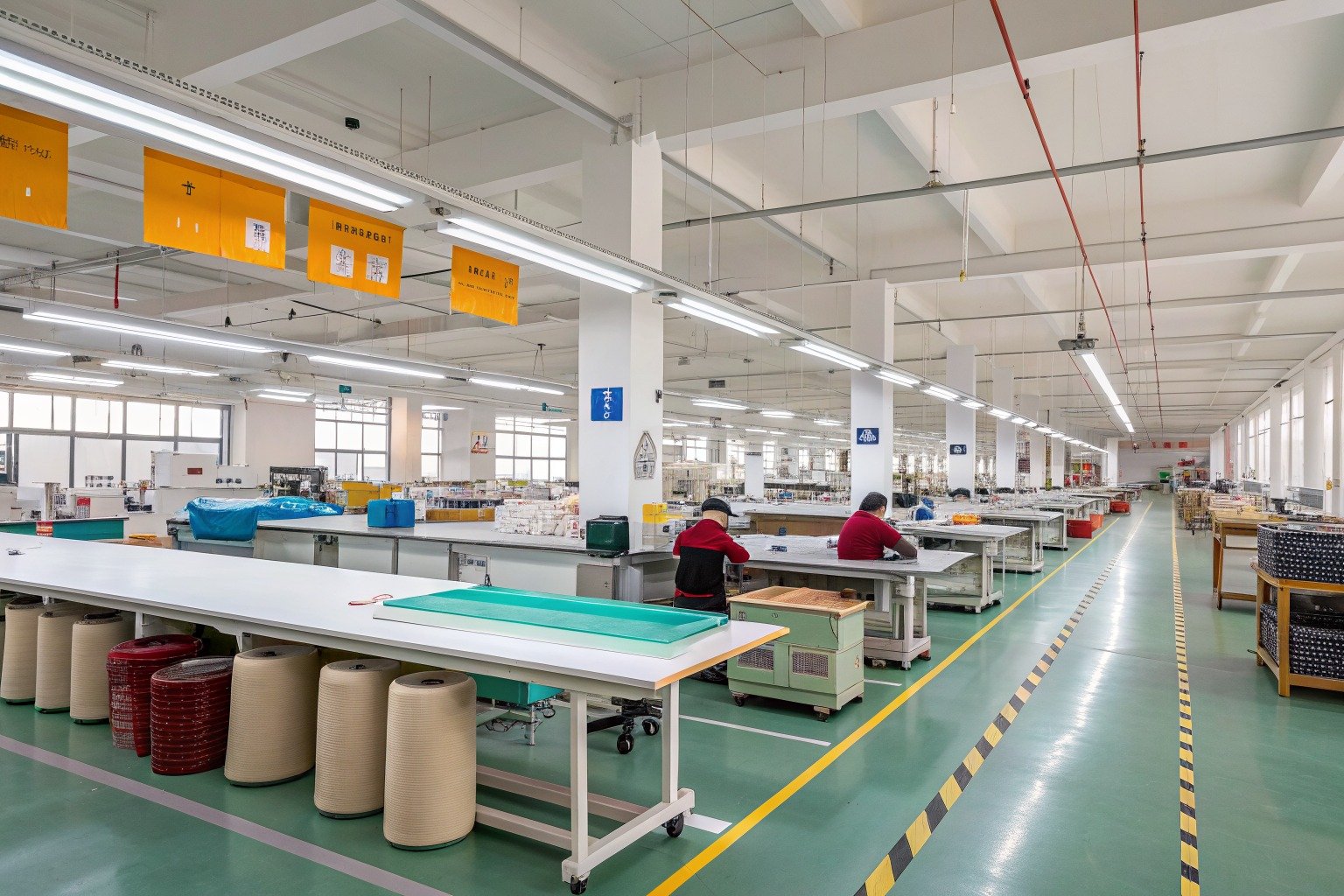
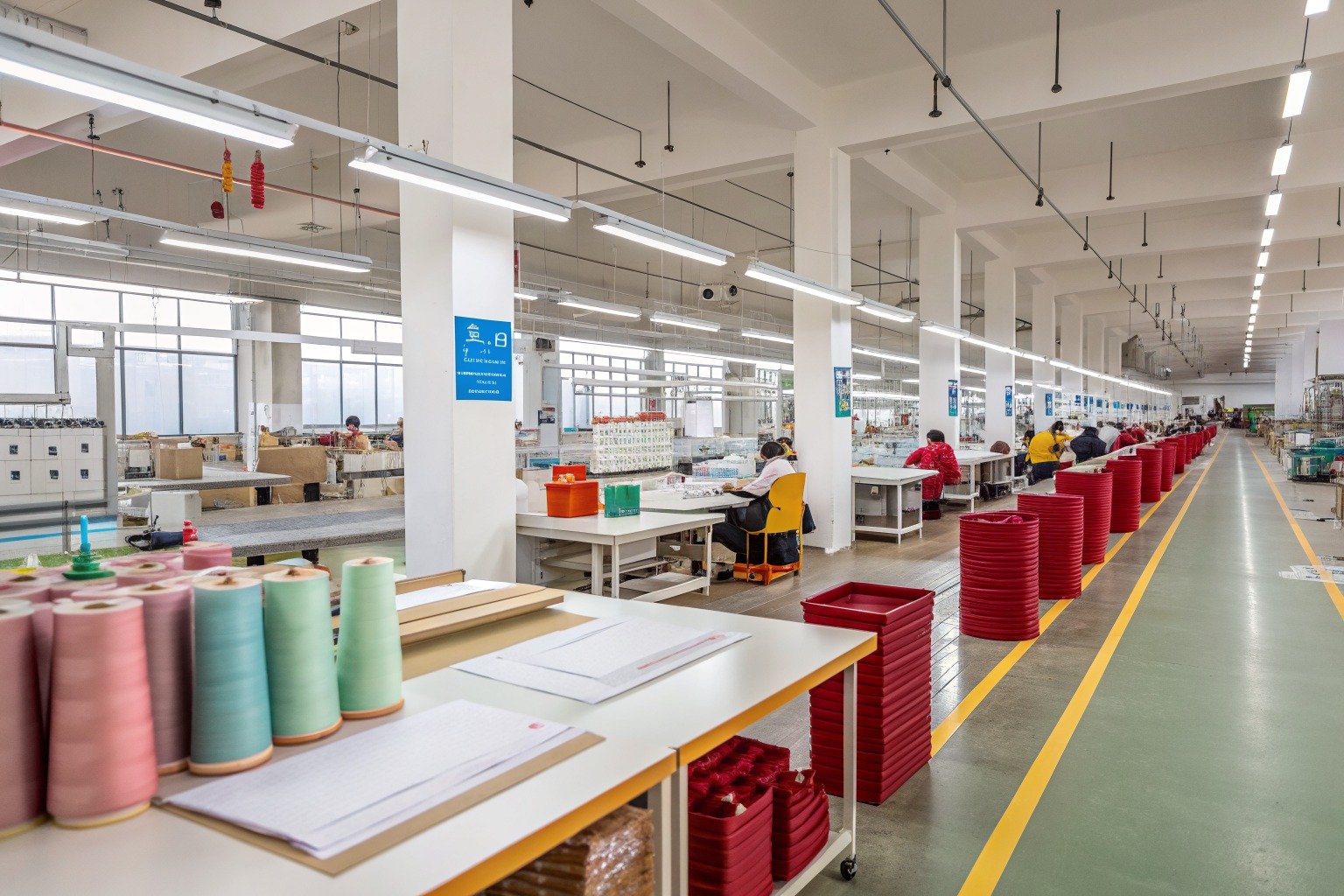
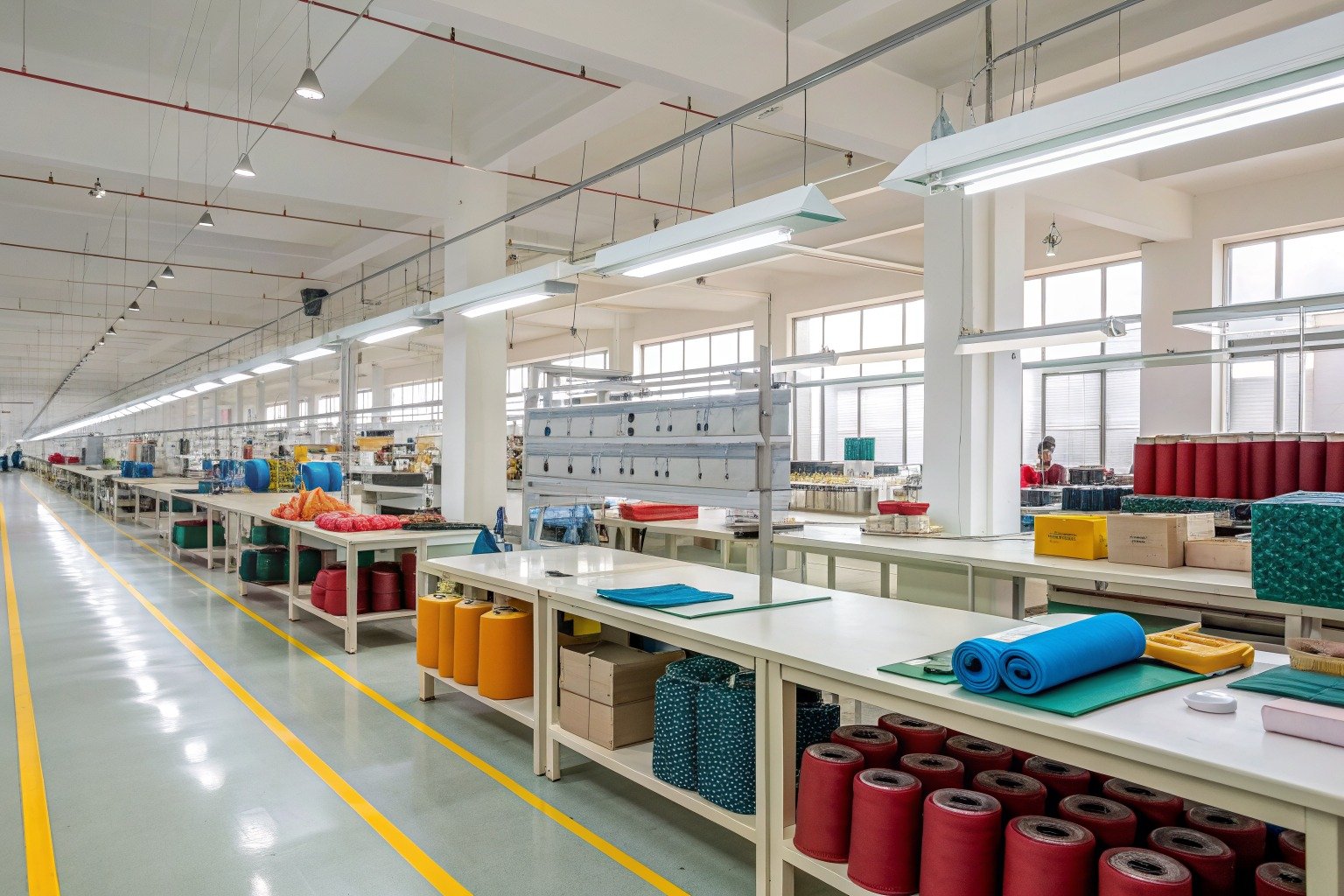
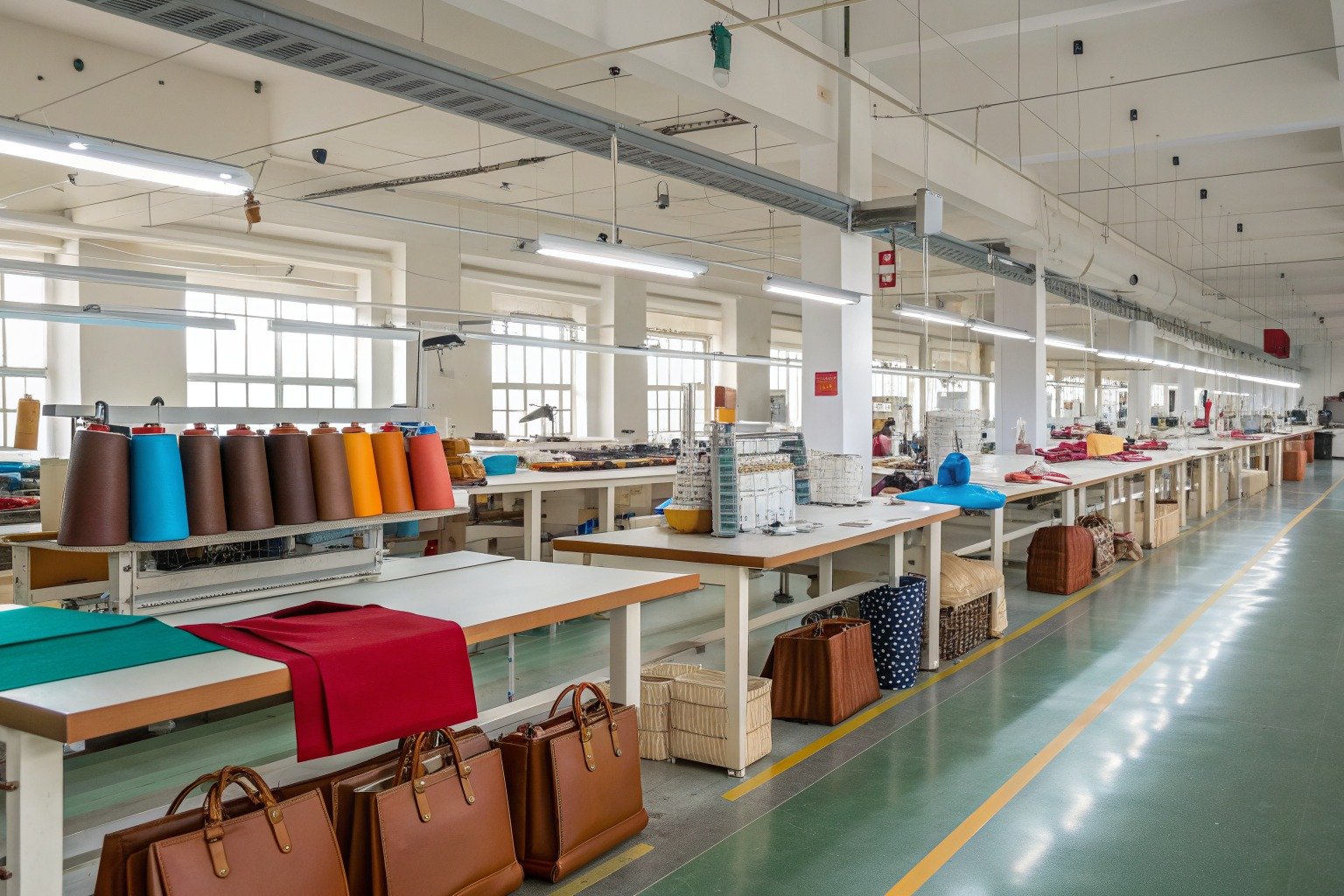
Leather belt production involves multiple precise stages. It begins with material selection. Then comes cutting, dyeing, assembly, and inspection. Each step requires skilled craftsmanship. Strict quality control ensures durable products. Our modern Zhejiang factory maintains efficient, scalable operations.
We will examine each production phase in detail. This knowledge supports informed sourcing decisions from China.
How is Leather Selected and Prepared for Belt Making?
Material selection forms the foundation of quality belts. The leather type determines durability and appearance. We source hides from certified tanneries worldwide.
Our selection process evaluates thickness and texture. We inspect every hide for natural flaws. Full-grain leather offers superior strength. Top-grain leather provides excellent smoothness. The preparation includes splitting and shaving hides to precise thickness. This beamhouse operation optimizes materials for cutting. Proper selection ensures high-quality leather goods for competitive markets.

What Types of Leather Are Best for Belts?
Full-grain leather represents the premium choice. It maintains the hide’s natural fiber structure. This makes belts strong and long-lasting. Top-grain leather offers slightly reduced durability. But it presents a more uniform appearance. Genuine leather serves budget-conscious markets. Our factory uses full-grain leather for premium collections. We utilize top-grain leather for standard lines. Each material undergoes strict quality control verification.
How is Leather Cut and Shaped into Belts?
Cutting transforms prepared hides into belt strips. We employ hydraulic presses and laser cutters. These ensure dimensional accuracy and minimal waste. Patterns come from our design team’s specifications. Skilled operators then thin the edges through skiving. This prepares belts for folding and stitching. We punch buckle holes and shape belt ends. Advanced leather crafting techniques guarantee precision. Our methods support fast production for large orders.
What Steps Are Involved in Dyeing and Finishing?
Dyeing enhances visual appeal and marketability. This process requires careful execution. It significantly impacts product aesthetics and durability.
We apply aniline or pigment dyes according to specifications. Aniline dyes emphasize natural grain patterns. Pigment dyes create uniform color coverage. Our factory handles both manual and machine dyeing. After coloring, belts undergo conditioning for flexibility. The leather finishing process includes protective coatings. These enhance water resistance and longevity. Our attention to detail meets brand expectations for quality.

How is Color Applied to Leather Belts?
Color application methods vary by design requirements. Dip-dyeing ensures complete color saturation. Spray-dyeing enables gradient effects and patterns. We use environmentally compliant dyes meeting REACH standards. Heat-setting fixes colors permanently. Our custom color matching service supports brand differentiation. We conduct quality assurance checks for color consistency across production batches.
What Finishing Techniques Enhance Belt Durability?
Finishing involves multiple protective treatments. Buffing creates smooth surfaces. Polishing adds aesthetic shine. Edge sealing prevents fraying and improves appearance. Embossing creates decorative textures and logos. These techniques extend product lifespan significantly. Our accessory manufacturing integrates these protective steps. We perform product testing for abrasion resistance. This ensures customer satisfaction through durable products.
How are Belts Assembled and Quality Checked?
Assembly combines all components into finished products. This phase determines functional reliability and visual perfection.
We attach buckles using rivets or screws. These connections withstand daily use stresses. Stitching reinforces edges and adds decoration. Heavy-duty sewing machines ensure consistent stitch quality. Each assembled belt undergoes comprehensive quality inspection. We verify stitching integrity and color uniformity. Our reliable service philosophy minimizes client returns through rigorous checking.

How are Buckles and Hardware Attached?
Buckle attachment requires precision engineering. Metal prongs engage with pre-punched holes. Rivets or screws secure buckle ends firmly. We offer interchangeable buckle systems using snap-buttons. All hardware comes from certified suppliers. This prevents corrosion and ensures longevity. Semi-automated attachment supports our fast production capabilities. We maintain product certification standards throughout this process.
What Quality Control Measures Are Used?
Our quality control operates at multiple checkpoints. Inspection begins at raw material reception. It continues through every production stage. Final pre-shipment verification includes dimensional checks. We test buckle strength and color fastness. Random samples undergo flexibility and tear testing. Compliance with international standards guarantees consistency. Defective products get immediately rejected. Our project managers provide detailed quality reports to clients.
How are Leather Belts Packaged and Shipped?
Packaging serves both protective and branding purposes. We customize solutions according to client requirements.
Each belt gets individually wrapped in tissue paper. This prevents scratches and maintains appearance. We use plastic sleeves for basic protection. Cardboard boxes suit premium presentations. Labels with barcodes facilitate inventory management. Our logistics partners handle transportation efficiently. They manage sea and air freight including customs documentation. Package transportation expertise ensures timely deliveries to global markets.

What Packaging Options Are Available for Belts?
We provide multiple packaging solutions. Poly bags offer cost-effective basic protection. Cardboard boxes enhance unboxing experiences. Reusable pouches support sustainability initiatives. Custom printing displays brand identities effectively. Our design team creates eco-friendly packaging using recycled materials. This appeals to environmentally conscious consumers and retailers.
How is Logistics and Customs Clearance Handled?
We manage complete logistics chains. This covers factory-to-port and final destination transportation. Partners provide competitive shipping schedules with real-time tracking. For American clients, we optimize tariff classification. This reduces additional costs and clearance delays. We arrange secure payment terms like L/C and T/T. This integrated approach solves common pain points for importers.
Conclusion
Leather belt manufacturing combines craftsmanship with modern technology. Each production stage contributes to final quality. Material selection establishes the foundation. Dyeing and finishing enhance appearance and durability. Assembly and inspection ensure functional reliability. Packaging and logistics deliver products to global markets.
Our manufacturing expertise supports brand success worldwide. Contact Business Director Elaine at elaine@fumaoclothing.com for your accessory production needs. Let us help you create outstanding leather products.