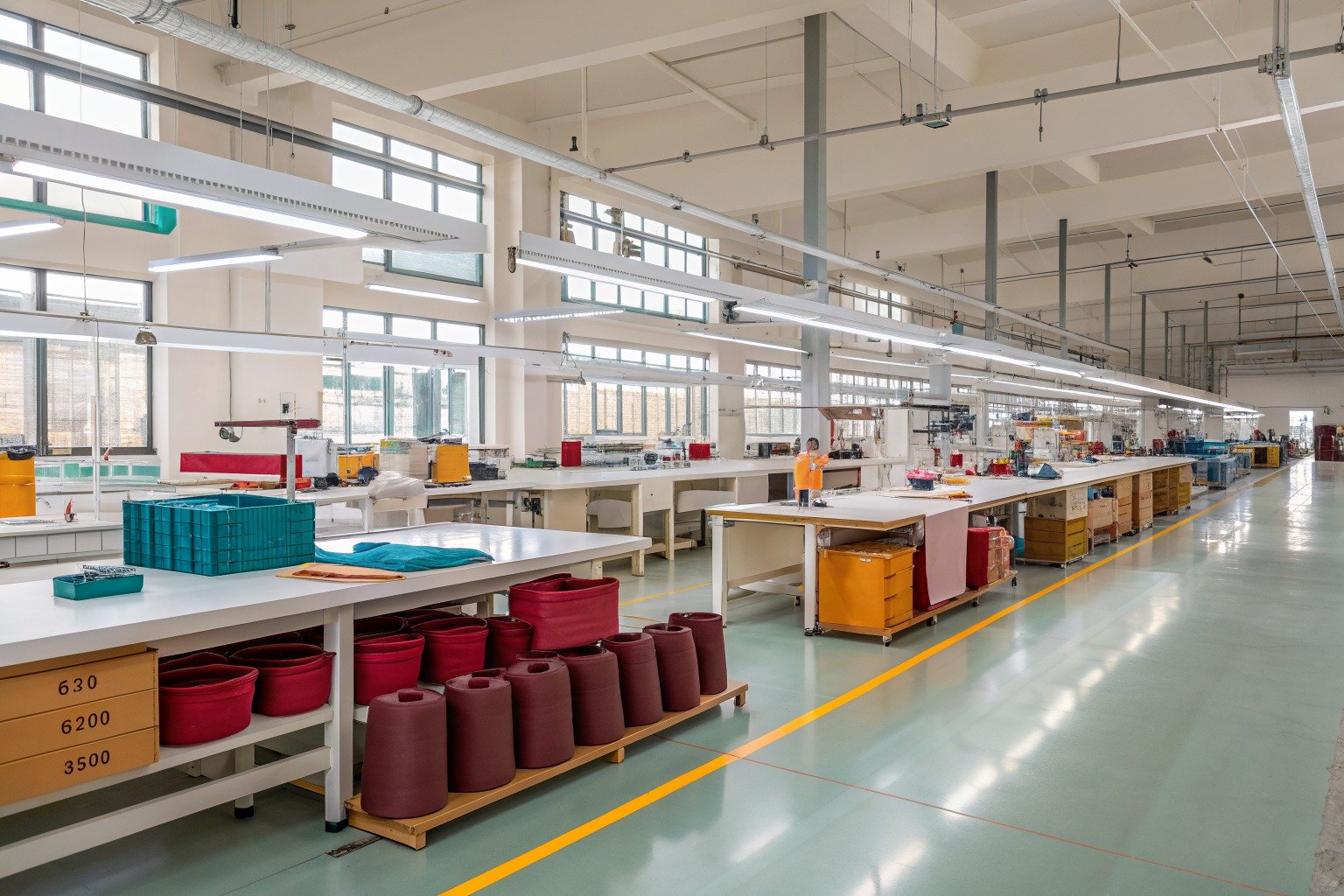
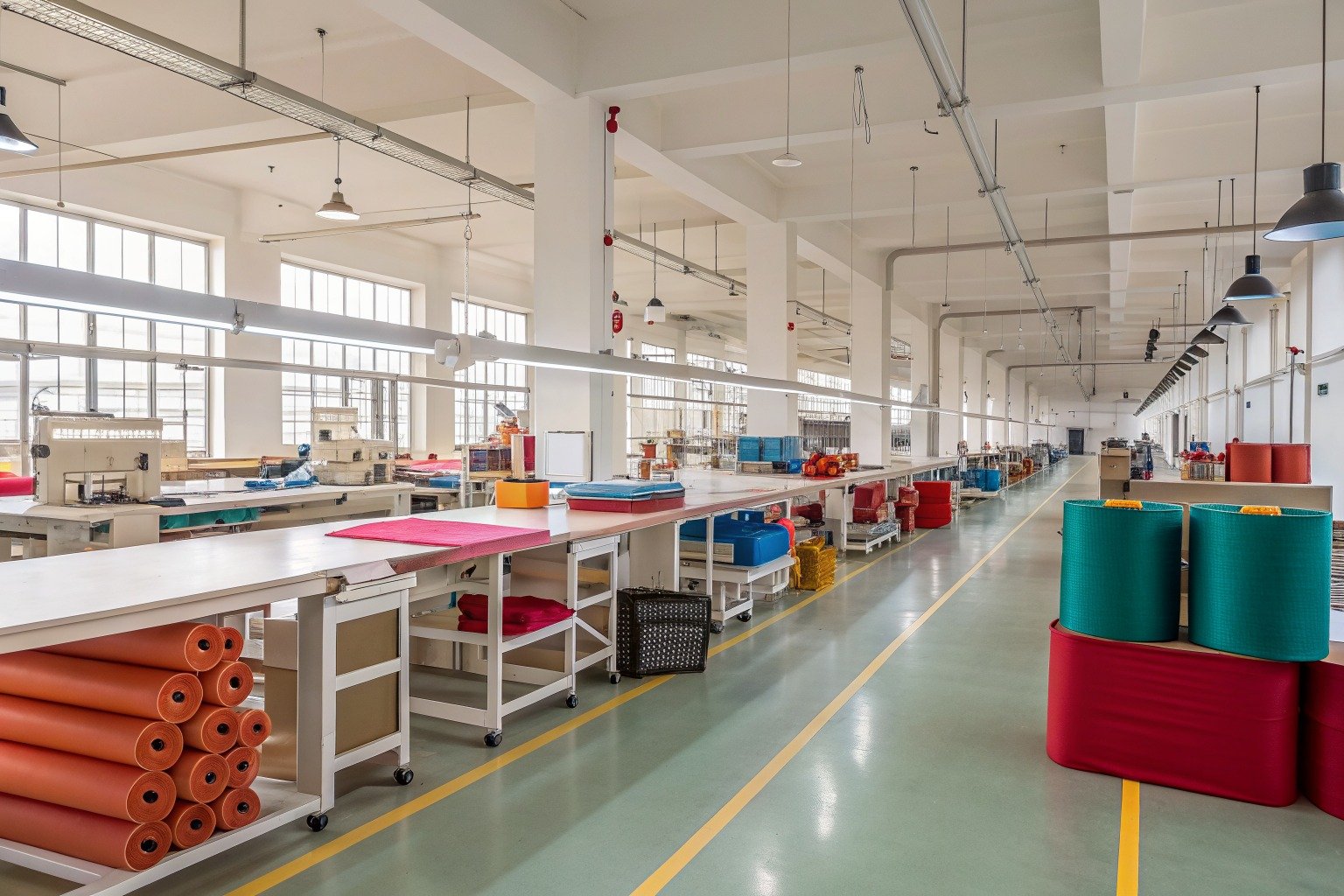
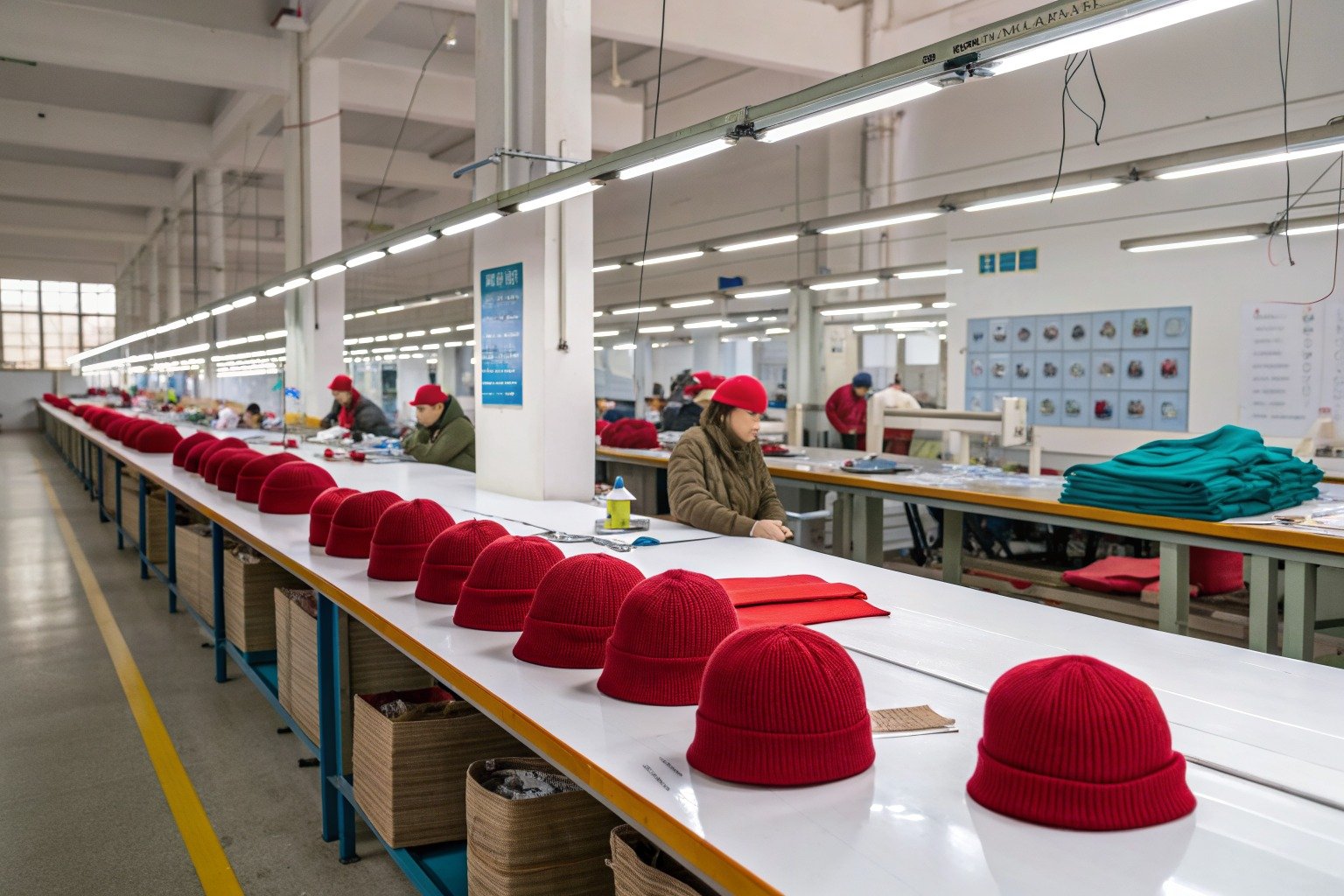
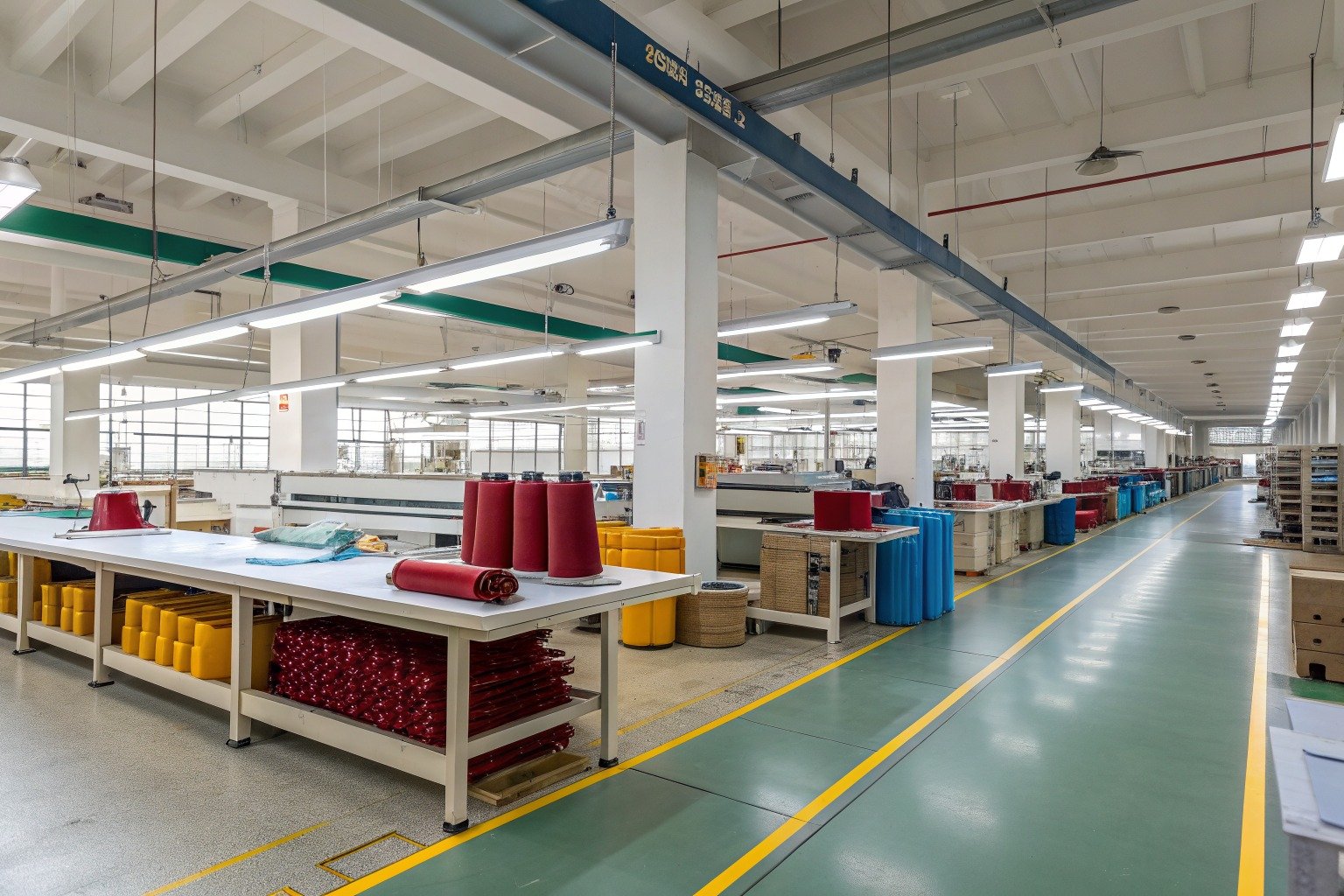
Creating custom hats involves a detailed, multi-stage process that transforms design concepts into finished products ready for retail. Whether producing fashion baseball caps, elegant sun hats, or specialized promotional headwear, understanding the complete manufacturing journey ensures quality control, timely delivery, and customer satisfaction.
The production process for custom hats encompasses design development, material sourcing, pattern making, sample creation, production planning, manufacturing assembly, quality control, and final packaging. Each stage requires specialized expertise and careful coordination to transform client specifications into perfectly executed headwear that meets aesthetic, functional, and commercial objectives.
Having manufactured custom hats for global fashion brands, corporate clients, and promotional companies, we’ve refined our processes to balance creativity with efficiency across diverse hat styles and customization requirements.
What happens during the design and development phase?
The design phase establishes the foundation for successful custom hat production by translating creative concepts into manufacturable specifications. This collaborative stage ensures designs balance aesthetic vision with production feasibility and cost considerations.
Design development involves concept refinement, technical specification, material selection, and prototype planning to create a clear roadmap for manufacturing. Thorough preparation during this phase prevents costly revisions during production.
How are custom hat concepts transformed into production-ready designs?
Technical translation converts artistic concepts into detailed manufacturing specifications through:
- Design brief analysis: Understanding client requirements, target market, and intended use
- Technical sketches: Creating detailed drawings with measurements and construction details
- Material specification: Selecting appropriate fabrics, trims, and components
- Construction method planning: Determining sewing techniques, reinforcement needs, and assembly sequence
Our design team works closely with clients to ensure their vision aligns with manufacturing capabilities while suggesting modifications that enhance durability, comfort, or production efficiency. This collaborative approach has significantly reduced redesign requests and improved client satisfaction with final products.
What role does material selection play in custom hat design?
Performance and aesthetic alignment ensures chosen materials support both the design vision and functional requirements. Key considerations include:
- Fabric properties: Weight, stretch, breathability, and durability
- Seasonal appropriateness: Warmth for winter styles, breathability for summer wear
- Customization compatibility: How materials accept embroidery, printing, or other branding
- Cost constraints: Balancing quality with budget requirements
We maintain an extensive material library with samples from global suppliers, allowing clients to make informed selections based on tactile experience and technical specifications rather than just visual representations.

How are patterns and samples created for custom hats?
Pattern making and sampling bridge the gap between design concept and mass production by creating physical prototypes that test fit, construction, and aesthetics. This crucial stage identifies potential issues before full-scale manufacturing begins.
Pattern development involves creating precise templates, constructing samples, conducting fit tests, and refining designs based on feedback. Multiple sample iterations may be required to achieve perfection.
What techniques are used in custom hat pattern making?
Precision template creation transforms design specifications into cuttable patterns through:
- Digital pattern drafting: Using CAD systems for accuracy and easy modification
- Block adaptation: Modifying existing base patterns to accommodate new designs
- Grading development: Creating size ranges from the approved sample size
- Marker making: Planning fabric cutting layouts to minimize waste
Our pattern makers combine traditional craftsmanship with digital technology, ensuring patterns not only reflect design intent but also optimize material usage and manufacturing efficiency. The table below shows how different hat styles require specific pattern approaches:
| Hat Style | Pattern Complexity | Key Pattern Considerations | Sample Iterations Typically Needed |
|---|---|---|---|
| Baseball Caps | Moderate | Crown panel shapes, brim structure, closure system | 2-3 |
| Bucket Hats | Simple | Crown depth, brim width, proportional balance | 1-2 |
| Sun Hats with Wide Brims | Complex | Brim support, crown-to-brim ratio, weight distribution | 3-4 |
| Beanies | Simple | Stretch factor, cuff proportions, crown shaping | 1-2 |
| Structured Fedoras | Complex | Brim blocking, crown shaping, interfacing integration | 3-5 |
This pattern expertise ensures each hat style receives appropriate technical attention during development.
Why is sampling critical for custom hat production?
Physical verification identifies issues that drawings cannot reveal, including:
- Fit and comfort: How the hat sits on different head shapes
- Construction feasibility: Whether designed elements can be efficiently manufactured
- Material performance: How fabrics behave when cut and sewn as planned
- Aesthetic proportions: How design elements work together in three dimensions
We typically create 2-3 sample iterations for new custom designs, with each round addressing specific feedback from clients and our production team. This iterative approach, while adding time to development, significantly reduces manufacturing issues and ensures final products match client expectations.

What occurs during the production planning stage?
Production planning transforms approved samples into manufacturing-ready processes by coordinating materials, equipment, and labor for efficient production. This logistical stage ensures all elements are in place before cutting begins.
Production planning encompasses material procurement, production line setup, workforce allocation, quality control systems implementation, and timeline establishment for seamless manufacturing execution.
How are materials prepared for custom hat production?
Strategic material management ensures all components are available, inspected, and prepared for manufacturing:
- Fabric inspection: Checking for defects, color consistency, and shrinkage
- Material pretreatment: Applying necessary coatings, preshrinking, or conditioning
- Component sourcing: Procuring buckles, closures, eyelets, and other hardware
- Trim preparation: Preparing branding elements, embroidery threads, and decorative components
Our material preparation process includes rigorous quality checks before fabrics enter production, preventing issues that could compromise final product quality or cause manufacturing delays. We maintain relationships with multiple suppliers for critical components to ensure consistent availability despite market fluctuations.
How is production efficiency optimized for custom hat orders?
Manufacturing workflow design creates efficient production lines tailored to specific hat styles and order quantities:
- Operation breakdown: Dividing hat construction into logical sequential steps
- Equipment preparation: Ensuring appropriate machines are available and calibrated
- Workstation organization: Arranging tools and materials for smooth workflow
- Quality checkpoints: Integrating inspection stages throughout production
- Production scheduling: Coordinating multiple orders to maximize efficiency
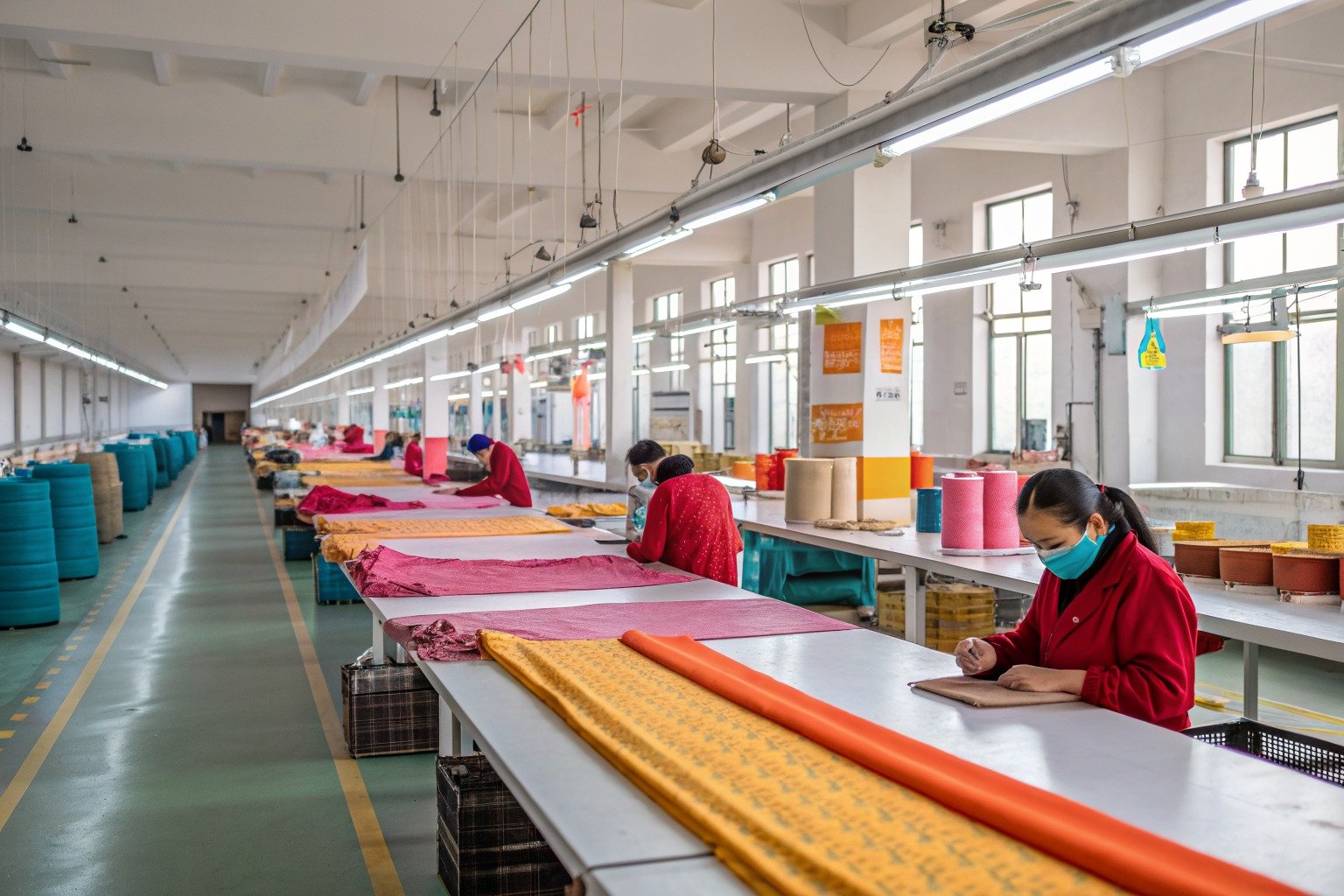
For custom orders, we typically organize production into specialized teams that focus on specific hat styles, allowing workers to develop expertise that improves both speed and quality. This specialized approach has reduced production time by 25-40% compared to generalized production lines while improving consistency.

What manufacturing steps assemble custom hats?
The manufacturing phase transforms prepared materials into finished hats through a sequence of specialized operations. Each step builds upon the previous one, gradually assembling components into complete headwear.
Hat assembly typically involves cutting, marking, sewing, shaping, finishing, and branding operations performed by skilled workers using specialized equipment. The specific sequence varies by hat style and customization requirements.
What techniques are used in hat cutting and preparation?
Precision cutting creates consistent components from fabric using various methods:
- Die cutting: Using custom-shaped blades for high-volume identical pieces
- Laser cutting: For intricate designs or materials that fray easily
- Computer-guided cutting: For optimal fabric utilization and accuracy
- Manual cutting: For small batches or complex patterns
Our cutting operations prioritize material efficiency while maintaining precision, with cutting layouts optimized to minimize waste. Each cut component is inspected before moving to sewing stations to ensure only perfect pieces enter assembly.
How are hats assembled and shaped during manufacturing?
Sequential construction builds hats through specialized operations:
- Panel sewing: Assembling crown sections for structured hats
- Sweatband attachment: Installing comfort and moisture-wicking elements
- Brim construction: Creating and reinforcing hat brims
- Crown-brim joining: Connecting main hat components
- Top button/closure: Finishing crown tops
- Embellishment addition: Applying branding, decorations, or custom elements
For structured hats, we use specialized blocking equipment to shape crowns and brims to precise specifications. This shaping process is particularly important for styles like fedoras and sun hats where the final form defines the product’s character. Each manufacturing station includes quality checks to identify issues immediately rather than at final inspection.

How are quality control and finishing implemented?
Quality assurance ensures every custom hat meets specifications before shipment through systematic inspection at multiple production stages. Final finishing prepares products for presentation and delivery to clients.
Quality control involves dimensional verification, construction integrity checks, aesthetic evaluation, and functional testing. Finishing includes cleaning, labeling, packaging, and documentation.
What quality standards are applied to custom hat production?
Comprehensive inspection protocols verify multiple quality aspects:
- Dimensional accuracy: Checking crown depth, brim width, and overall proportions
- Stitching quality: Ensuring consistent stitch length, secure seams, and neat finishes
- Material integrity: Confirming fabric, components, and trims meet specifications
- Branding accuracy: Verifying correct placement and quality of custom elements
- Functional testing: Checking closures, adjustments, and wearability
Our quality control team uses detailed checklists specific to each hat style, with inspectors trained to identify issues unique to different construction methods. This specialized approach has reduced defect rates to under 2% even for complex custom designs.
How does final finishing enhance custom hat presentation?
Professional presentation preparation ensures hats arrive in perfect condition:
- Steaming and pressing: Removing wrinkles and achieving optimal shape
- Label attachment: Applying brand, care, and size labels
- Tissue insertion: Maintaining shape during shipping
- Packaging: Using appropriate boxes or bags for protection
- Final inspection: Last verification before sealing packages
We’ve developed hat-specific packaging solutions that protect structured shapes during transit while creating an appealing unboxing experience. For premium custom hats, this includes custom printed boxes, tissue paper, and care instruction cards that reinforce brand identity and perceived value.

Conclusion
The production process for custom hats represents a sophisticated integration of traditional craftsmanship and modern manufacturing technology. From initial design concept to final packaged product, each stage requires specialized skills and careful coordination to transform client visions into perfectly executed headwear. Understanding this complete journey helps brands and retailers make informed decisions about their custom hat projects, ensuring realistic timelines, appropriate budgeting, and satisfactory outcomes.
If you’re considering developing custom hats and would like to discuss the production process in more detail, we invite you to contact our Business Director, Elaine. She can guide you through our capabilities and help plan your custom headwear project. Reach her at: elaine@fumaoclothing.com.