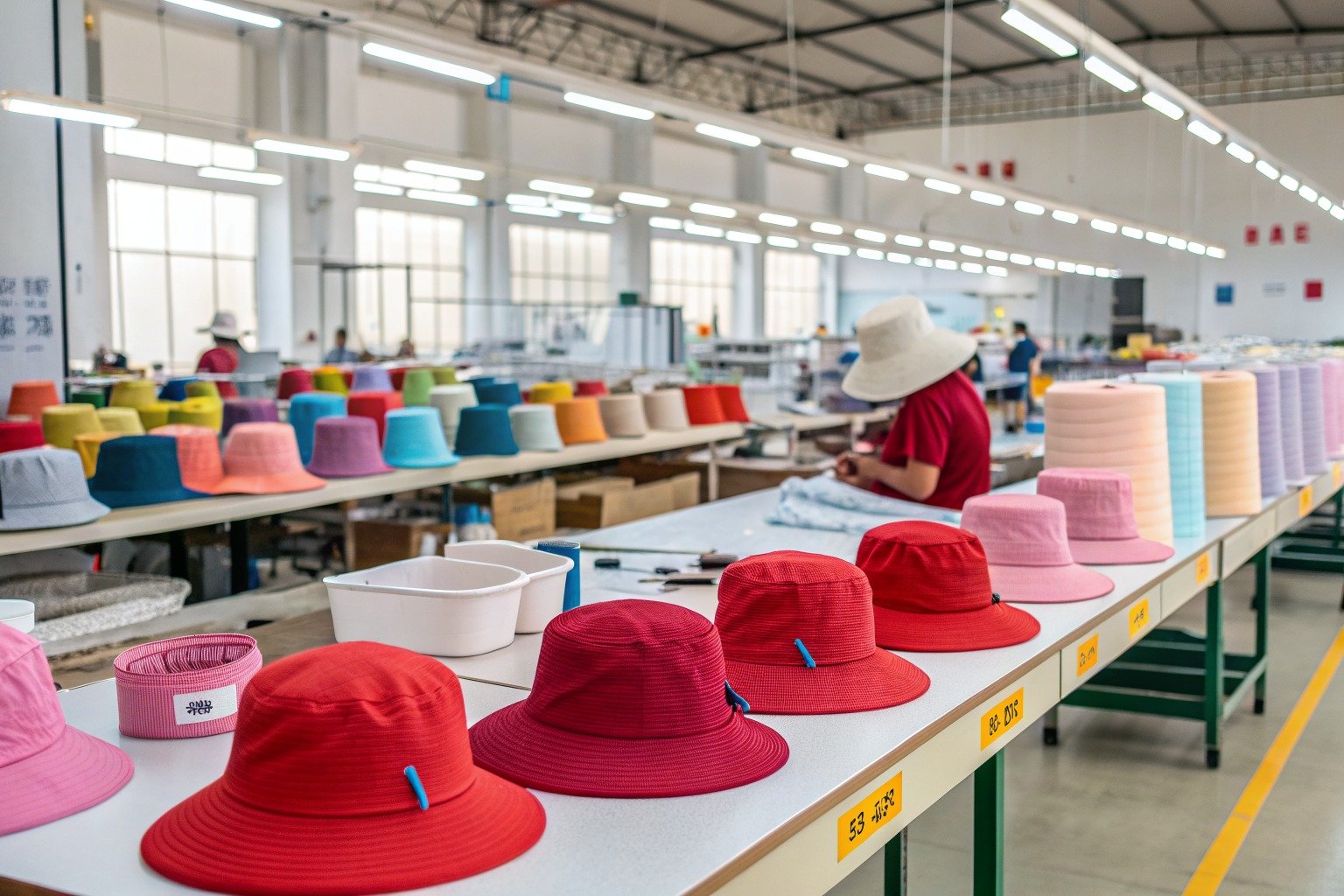
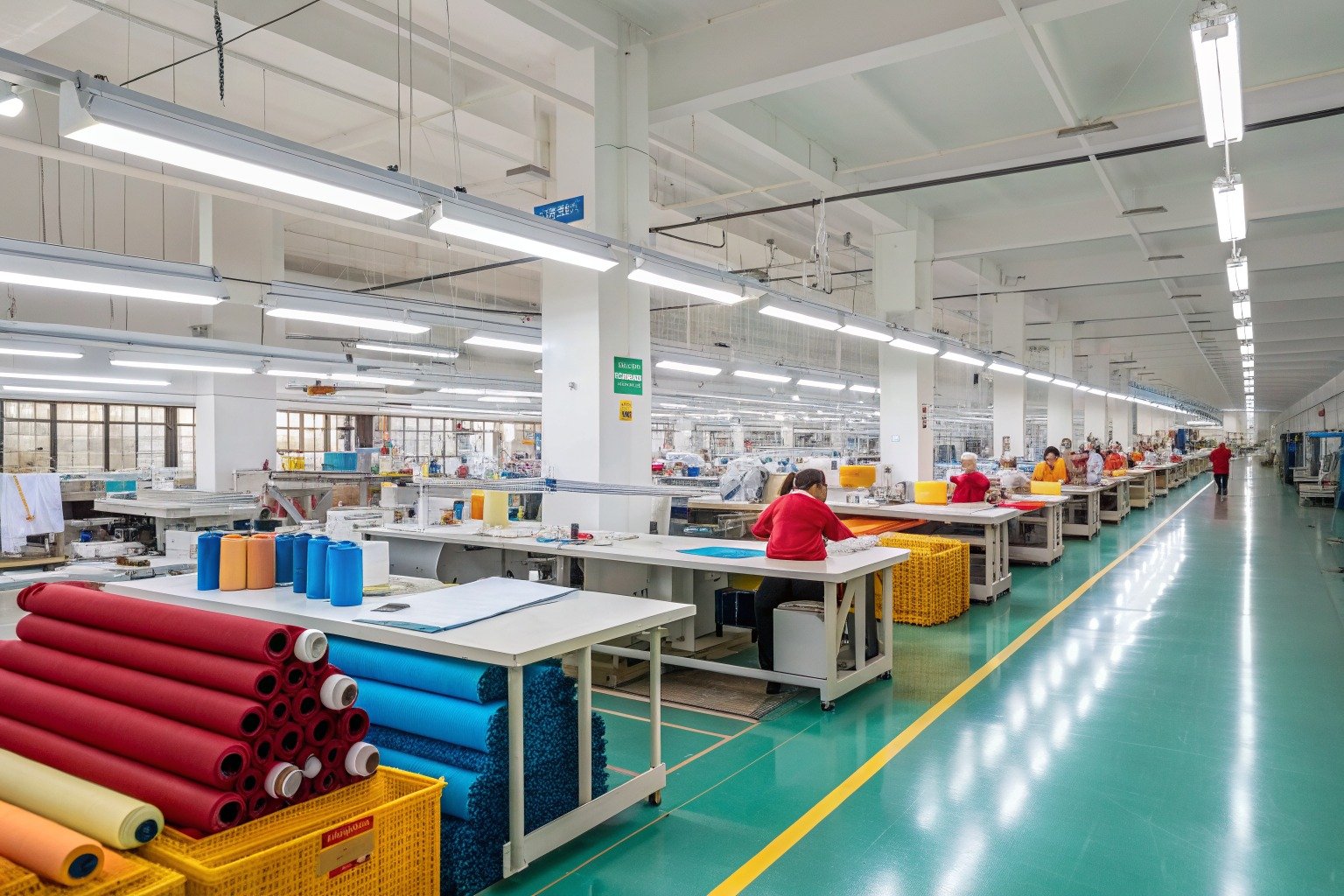
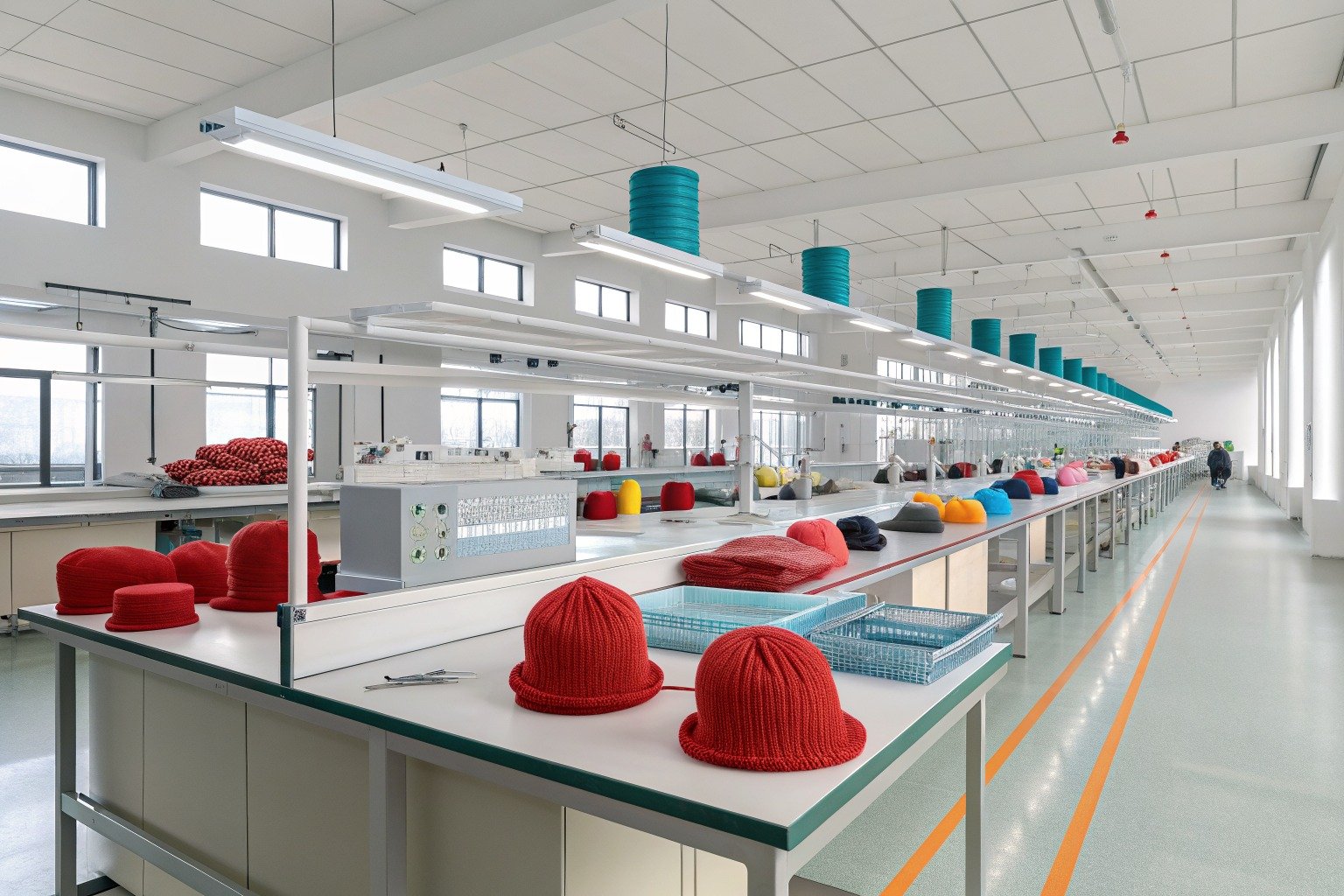
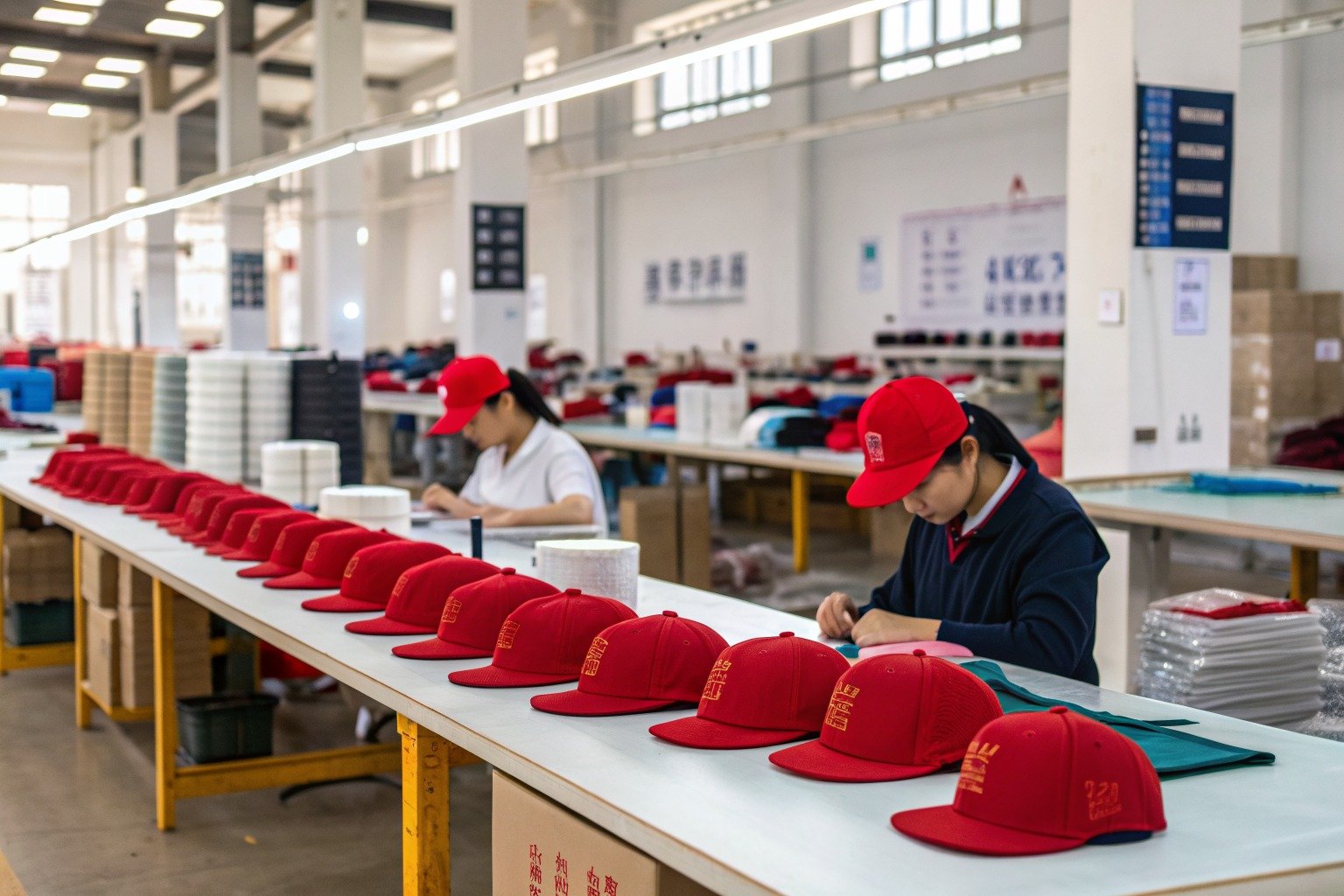
As a manufacturer of fashion accessories, I often hear this question from potential clients. Many brands and importers want to create their own custom scarves but are unsure about the production requirements. They worry about high costs and large order quantities.
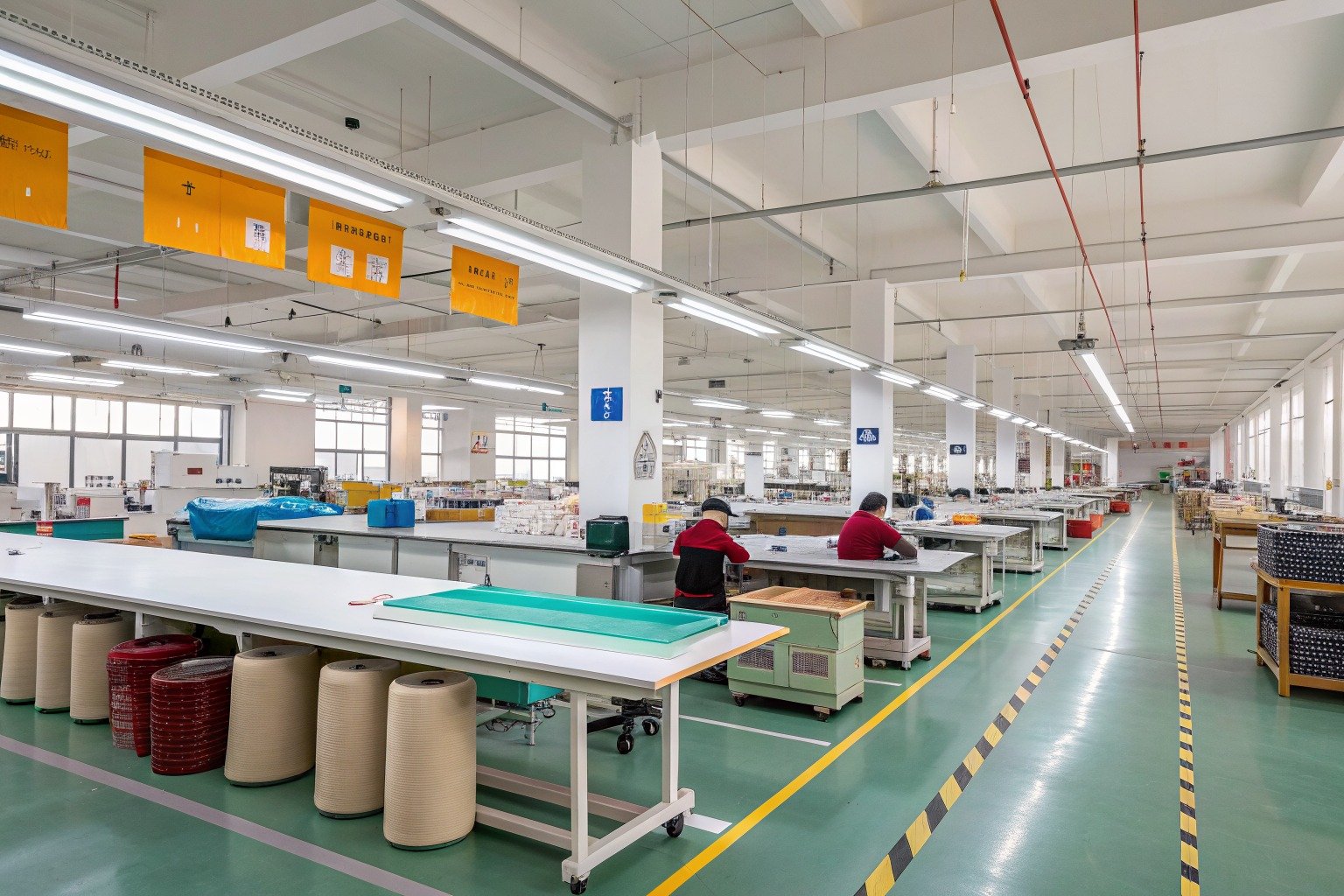
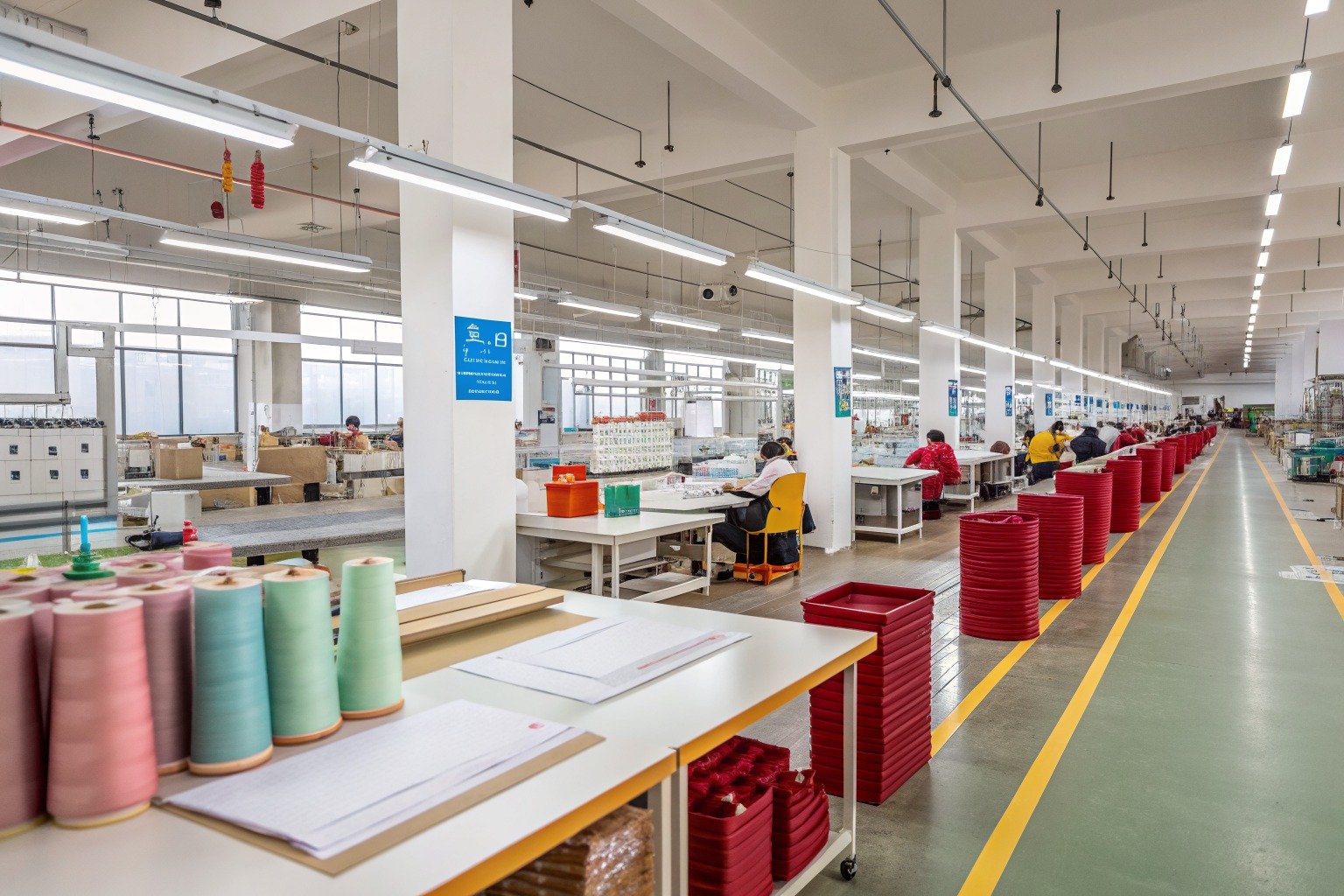
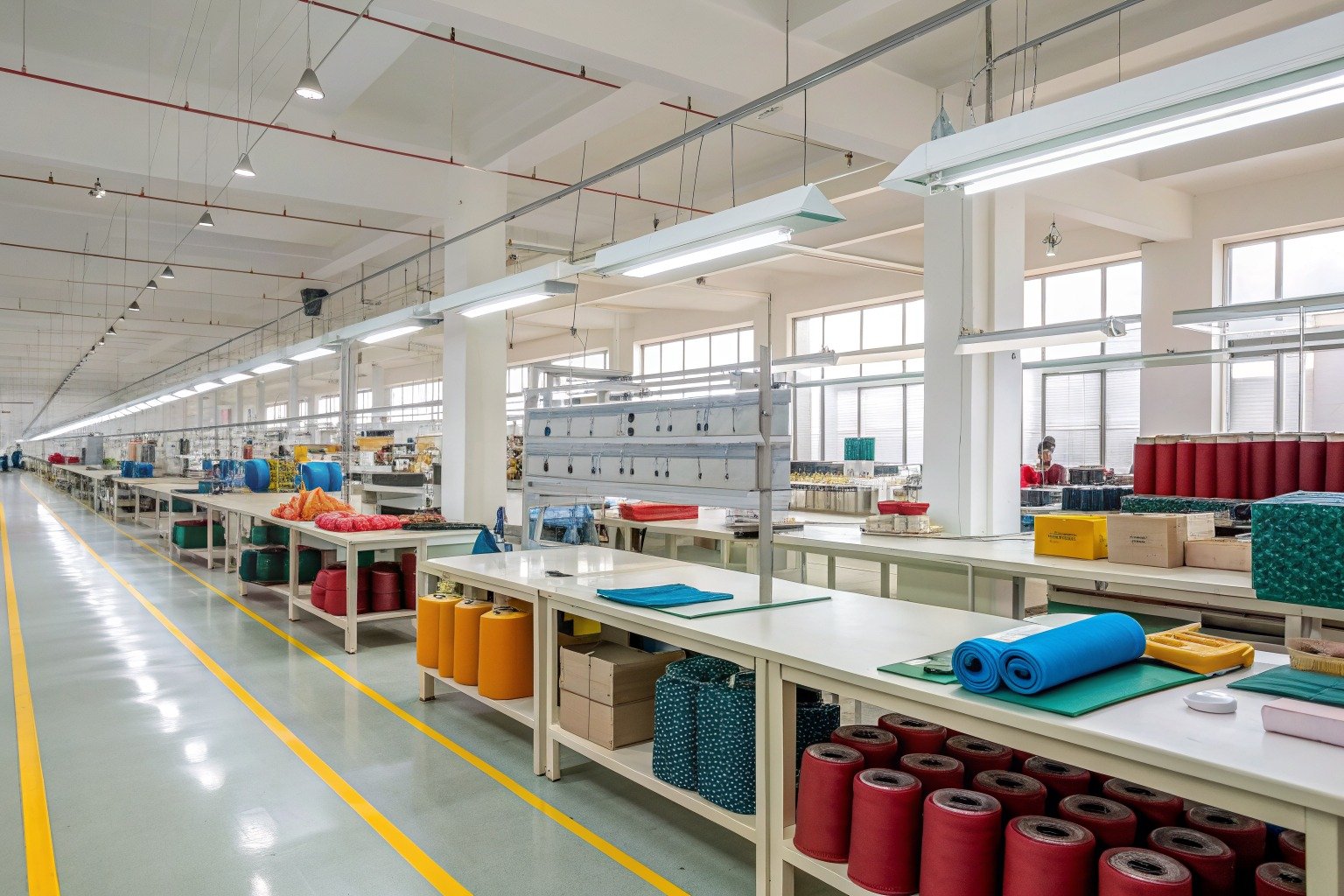
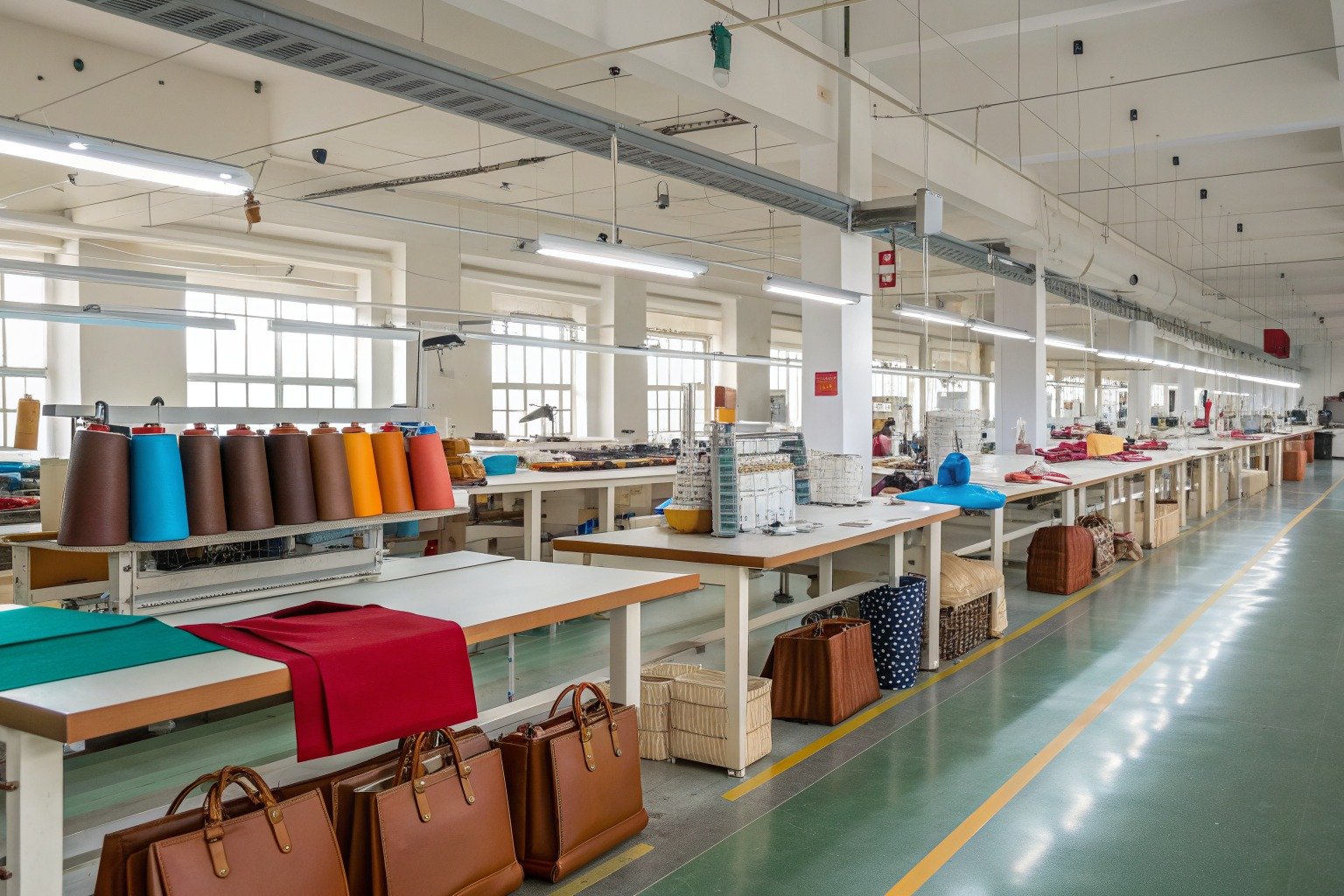
The Minimum Order Quantity (MOQ) for custom scarves typically starts from 500 pieces per design. This number can vary based on the scarf material, complexity of the custom design, and production technique. Our factory in Zhejiang, China, offers flexible MOQs to accommodate both startups and large retailers.
Understanding your MOQ options is the first step to launching a successful scarf line. Let’s explore the key factors that influence MOQ and how you can optimize your order.
What Factors Influence Custom Scarf MOQs?
Several key elements determine the minimum order quantity for your custom scarf project. The primary factors are the material you select and the complexity of your design.
The fabric choice greatly impacts the MOQ. Natural fibers like silk and cashmere often have higher MOQs due to their cost and handling requirements. Synthetic materials like polyester allow for lower minimums. The production technique is another major factor. Digital printing offers more flexibility for smaller runs compared to traditional weaving methods.

How Does Material Choice Affect Your MOQ?
The type of fabric significantly influences your minimum order quantity. Luxurious materials require larger minimum purchases. For example, silk scarves might start at 1,000 pieces due to the delicate handling required. More common materials like polyester blends can begin at just 300-500 pieces. This is because specialized materials need more setup and have higher waste factors. We always recommend discussing material options early in the development process. Our design team can suggest alternatives that match your vision while keeping MOQs manageable. The Textile Exchange provides excellent resources on sustainable material choices that might work for your project.
Can Production Techniques Lower Your MOQ?
Yes, selecting the right production method can significantly reduce your minimum order requirements. Digital printing technology has revolutionized small-batch scarf production. Unlike traditional screen printing that requires expensive setups, digital printing has minimal setup costs. This allows us to produce runs as low as 200 pieces for simple designs. Embroidery and other embellishments typically require higher MOQs due to specialized equipment needs. However, our modern factory employs versatile machinery that accommodates various techniques efficiently. The American Apparel and Footwear Association offers insights into current production technologies that benefit fashion businesses.
How Can You Reduce Your Scarf Order Quantity?
Many buyers want smaller quantities but fear compromising on quality or design. There are several strategies to achieve lower MOQs without sacrificing your vision.
Consider using stock scarf blanks for your initial orders. We maintain an inventory of popular scarf shapes and materials that can be customized with your prints or labels. This approach can reduce MOQs to as low as 100 pieces. Another effective method is to combine multiple designs in one production run. This spreads the setup costs across different designs while maintaining overall efficiency for our factory.

Would Standard Sizes and Shapes Help?
Using standard dimensions and shapes dramatically reduces your minimum order requirements. Custom-sized scarves require pattern-making and cutting specifications that increase MOQs. By selecting from our established size chart, you can benefit from bulk purchasing of materials across multiple client orders. Common shapes like squares and rectangles have the lowest MOQs. Unique shapes with special cutting requirements typically need higher minimums. We guide clients through our standard options during the development phase to find the perfect balance between uniqueness and production efficiency.
Could Seasonal Collections Lower Your Costs?
Planning seasonal collections strategically can help manage order quantities throughout the year. Instead of one large order, consider breaking your scarf line into smaller, seasonal drops. This approach allows you to test market response with initial smaller quantities, then reorder successful designs. We maintain fabric inventory for repeat clients, enabling faster turnaround on subsequent orders. This method has proven successful for many of our boutique and online store clients who need to maintain fresh inventory without large upfront commitments.
What Are the Cost Implications of Different MOQs?
Understanding how MOQ affects your per-unit cost is crucial for budgeting your scarf project. Generally, higher quantities mean lower costs per piece, but this isn’t always straightforward.
The relationship between quantity and price isn’t always linear. While increasing quantity typically reduces per-unit cost, the savings diminish beyond certain thresholds. For example, moving from 500 to 1,000 pieces might reduce cost by 30%, but increasing from 2,000 to 3,000 might only save 10%. This is because material costs become the dominant factor at higher volumes.
| Order Quantity | Price per Piece | Total Project Cost | Best For |
|---|---|---|---|
| 300-500 pieces | $8.50 – $12.00 | $2,550 – $6,000 | Startups, test markets |
| 500-1,000 pieces | $6.00 – $8.50 | $3,000 – $8,500 | Growing brands, small boutiques |
| 1,000-2,000 pieces | $4.50 – $6.00 | $4,500 – $12,000 | Established retailers, seasonal collections |
| 2,000-5,000 pieces | $3.50 – $4.50 | $7,000 – $22,500 | Large retailers, wholesale distributors |

How Does Quantity Affect Per-Unit Pricing?
Larger orders spread fixed costs across more units, significantly reducing your cost per scarf. The initial setup costs—including design adaptation, sample making, and production line preparation—are amortized over your total order quantity. This means ordering 1,000 scarves instead of 500 might only increase your total cost by 60% while doubling your inventory. This economy of scale is particularly noticeable in custom scarf production where setup represents a substantial portion of costs. The U.S. Fashion Industry Association provides valuable resources on cost calculation for fashion products.
Are There Hidden Costs with Lower MOQs?
While lower MOQs are attractive for testing markets, they do come with certain trade-offs. The most significant is the higher per-unit cost, as we’ve established. Additionally, shipping and logistics costs are less efficient with smaller quantities. However, our factory addresses this through our consolidation program where we combine shipments for multiple clients. This allows you to benefit from bulk shipping rates even with smaller orders. We’re transparent about all costs from the beginning, providing detailed breakdowns so you can make informed decisions.
How Does AceAccessory Approach MOQ Flexibility?
Our factory has developed specific strategies to provide MOQ flexibility while maintaining quality standards and production efficiency. We understand that modern fashion businesses require adaptable manufacturing partners.
We’ve invested in technology and processes that enable efficient small-batch production. Our digital printing equipment requires minimal setup, allowing for cost-effective smaller runs. We maintain relationships with fabric suppliers who provide materials with lower minimum purchase requirements. This network of reliable partners enables us to offer competitive terms that larger, less flexible factories cannot match.

What Makes Our Factory Different?
Our approach combines modern technology with experienced craftsmanship. While many factories specialize in either mass production or artisan-level small batches, we’ve created a hybrid model. This allows us to serve clients needing anywhere from 200 to 50,000 pieces efficiently. Our project management team assigns dedicated managers who understand how to optimize production for various quantity ranges. This personalized approach ensures that whether you’re a startup or major retailer, you receive the same attention to detail and quality control.
Can We Help With Design and Development?
Our comprehensive design services can actually help reduce your effective MOQ. Many clients come to us with rough concepts rather than production-ready designs. Our in-house design team can refine your ideas into manufacturable products without additional vendor coordination. This integrated approach eliminates miscommunication and reduces the need for multiple sample rounds. By getting to production faster with fewer revisions, you can order smaller initial quantities with confidence that they’ll match your vision. The Council of Fashion Designers of America recognizes the importance of manufacturer-designer collaboration in successful product development.
Conclusion
The minimum order quantity for custom scarves typically starts at 500 pieces, but numerous factors can adjust this number significantly. Your material choices, production techniques, and design complexity all play crucial roles in determining your MOQ. Understanding these variables helps you make informed decisions about your scarf production.
At AceAccessory, we’ve built our business around flexibility without compromising quality. Our modern factory in Zhejiang, China, is equipped to handle both small boutique orders and large retail quantities. We understand that today’s fashion market requires responsive manufacturing partners who can adapt to changing demands and help brands manage inventory risk through sensible MOQs.
If you’re ready to start your custom scarf project, we’d be happy to discuss your specific needs and provide a detailed quotation. Contact our Business Director Elaine at elaine@fumaoclothing.com to begin the conversation about your accessory line.