Smart fabrics are transforming the fashion landscape right now. As an experienced manufacturer, we witness this revolution daily. Our clients across North America and Europe increasingly demand accessories that blend style with intelligent functionality. This isn’t just a passing trend – it’s the next evolution in fashion accessories.
The future of smart fabrics in fashion accessories promises seamless integration of technology and style. We’ll see accessories that monitor health, adapt to environments, and connect to digital ecosystems. This evolution will create new value propositions for brands while enhancing user experiences. Manufacturers who master this technology will lead the market.
The transformation is already underway. Let’s explore how smart fabrics will reshape design, manufacturing, and market dynamics in the accessories industry.
How Do Smart Fabrics Enhance User Experience?
Smart fabrics fundamentally upgrade how users interact with their accessories. They transform passive items into active partners that respond to needs and environments.

What Immediate Benefits Do Consumers Gain?
The advantages are tangible and meaningful. Temperature-regulating materials in scarves and gloves automatically adjust to weather conditions. Photochromic fabrics in baseball caps respond to UV exposure, while haptic feedback systems in belts can provide navigation cues. These features deliver concrete value that extends far beyond traditional accessory functions.
How Does This Build Brand Engagement?
Smart accessories create ongoing relationships between brands and consumers. A connected hair band that tracks fitness metrics encourages daily app interaction. This continuous engagement transforms single purchases into long-term brand experiences. The data insights gathered help companies refine products and marketing strategies, fostering deeper customer connections and loyalty.
What Is The Impact On Manufacturing Processes?
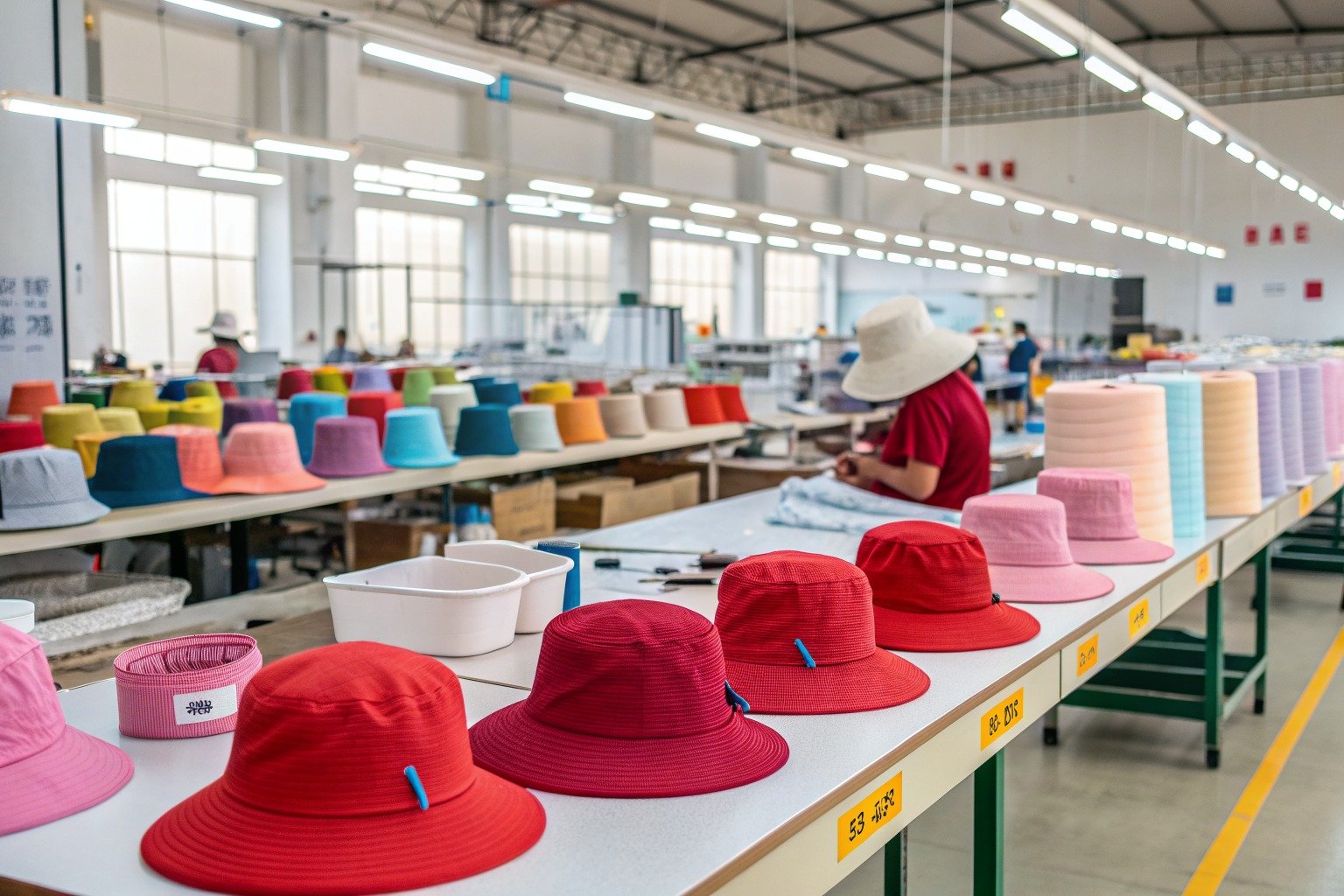
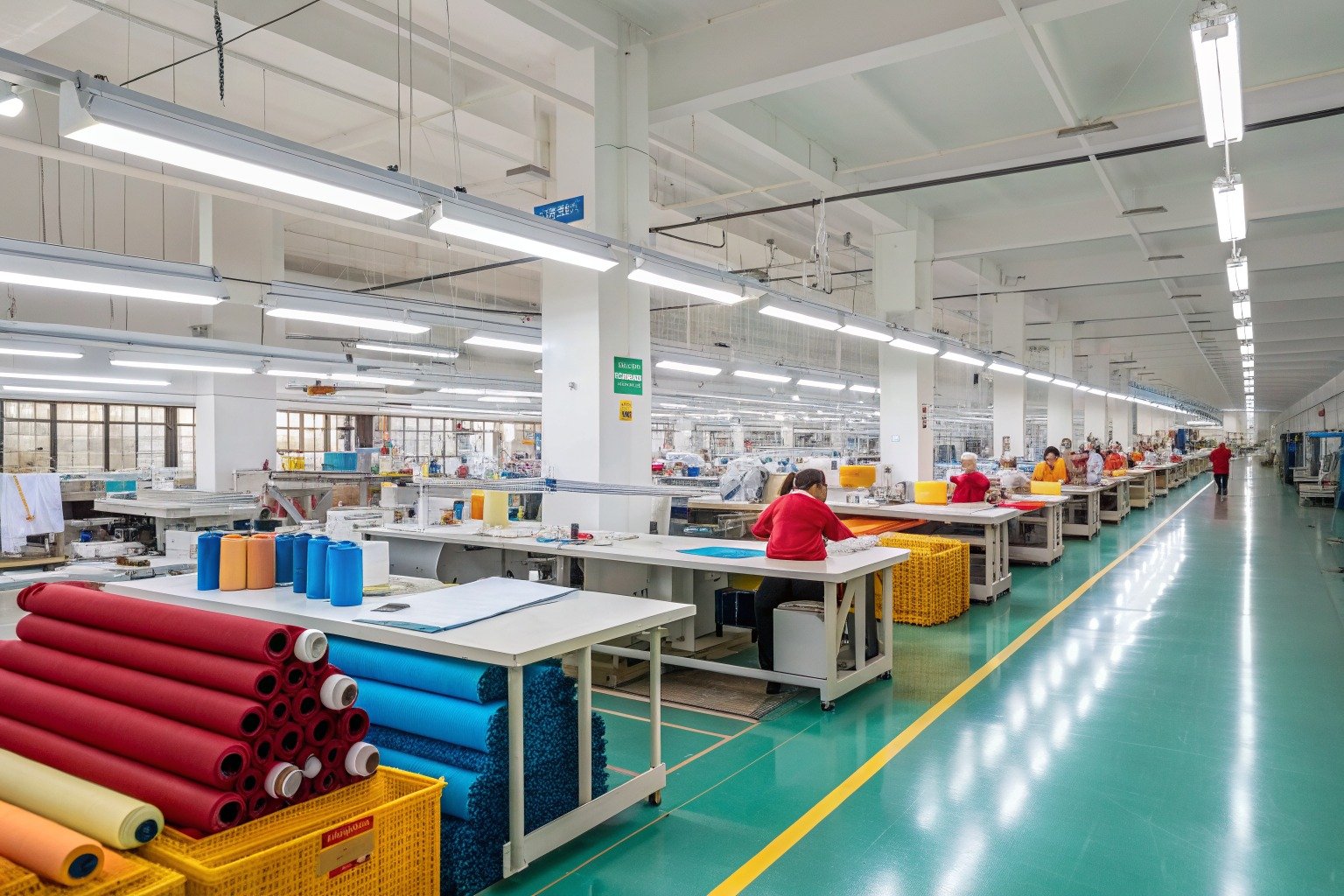
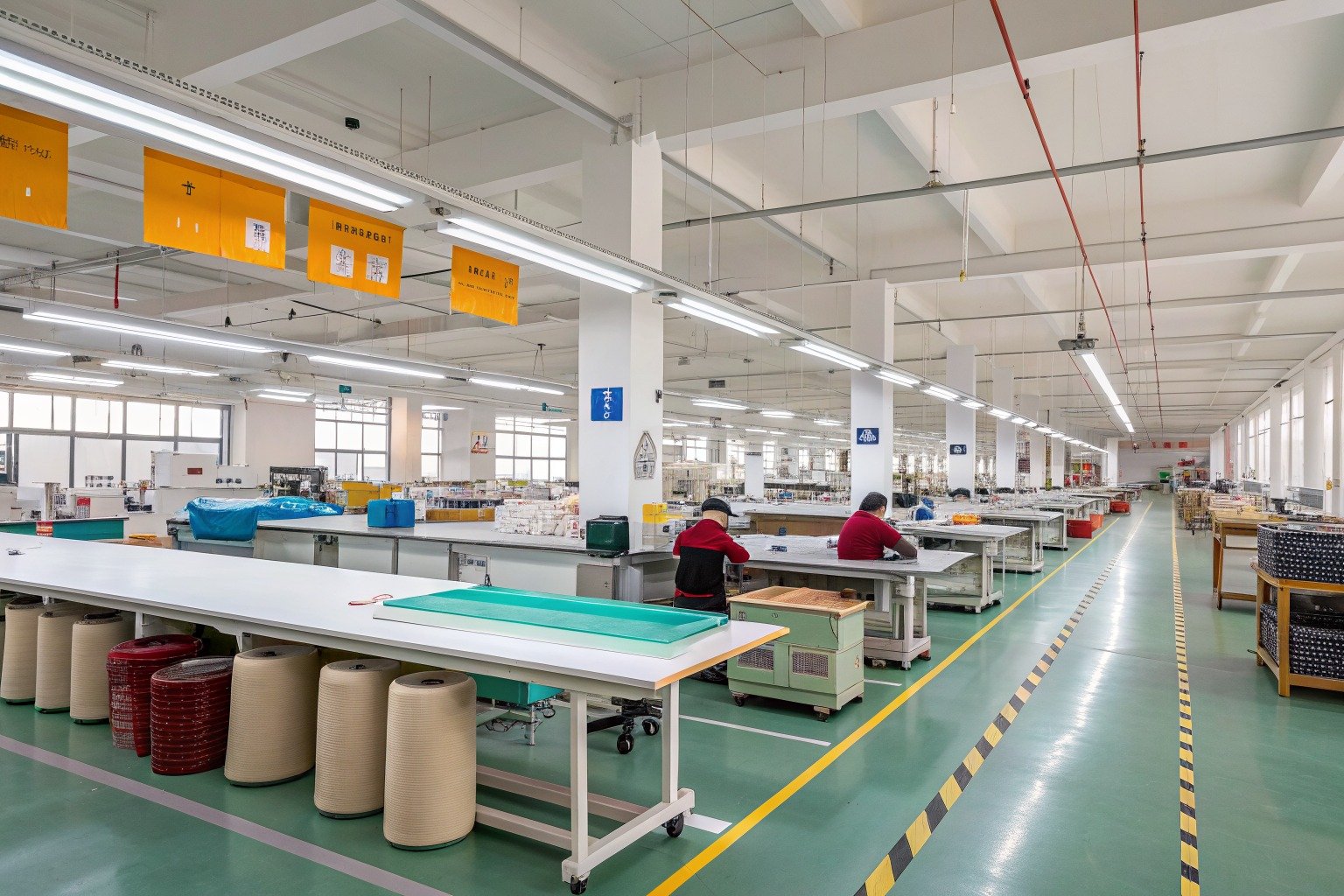
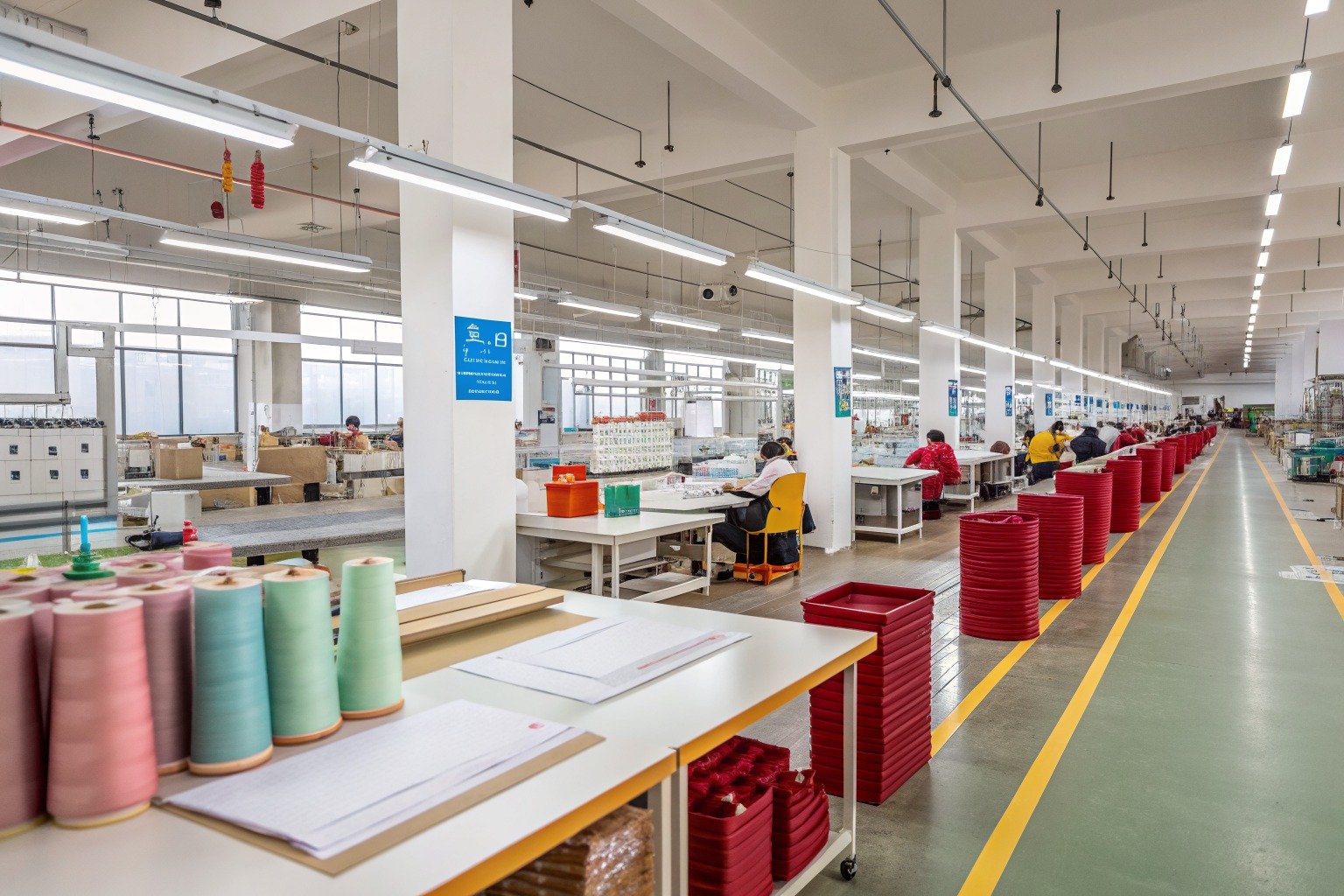
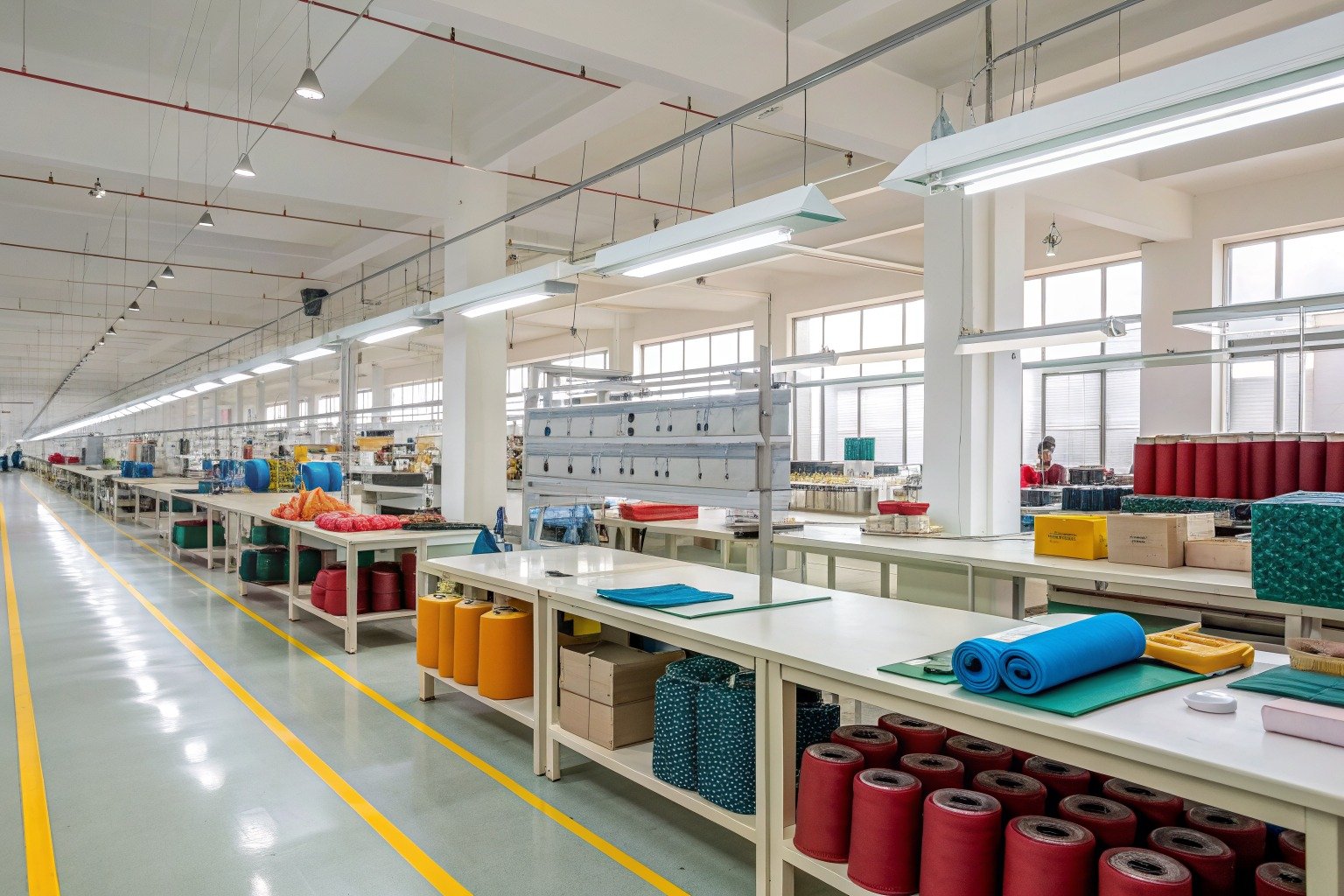
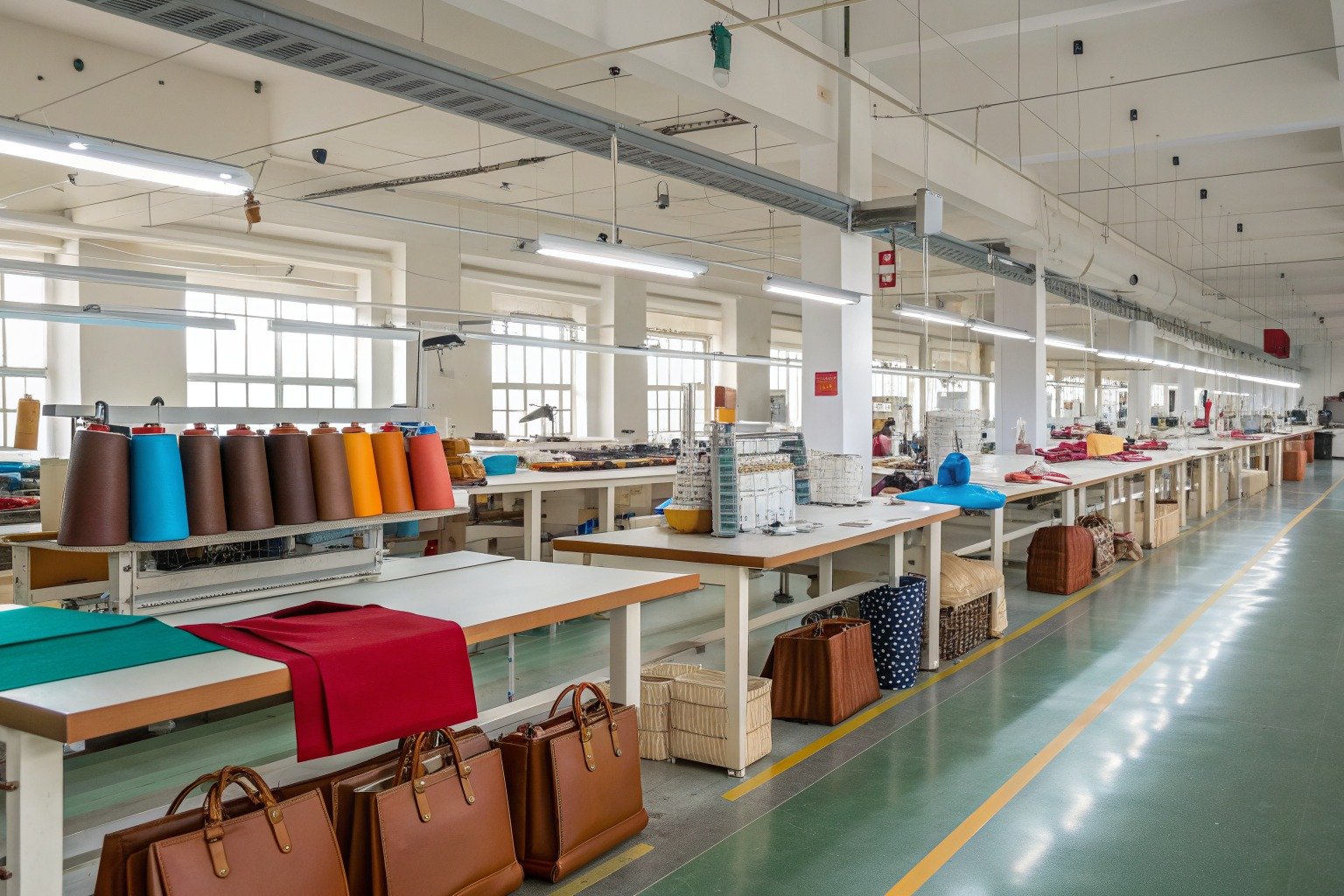
Integrating smart fabrics requires significant adjustments to traditional manufacturing workflows. Our factory in Zhejiang has undergone substantial upgrades to accommodate these advanced materials.

How Does Material Sourcing Change?
Sourcing smart materials demands specialized expertise. Instead of conventional textiles, we now procure conductive fibers, embedded sensors, and responsive polymers. Each component requires rigorous quality control testing for electrical properties, wash durability, and safety compliance. This complex sourcing process necessitates closer collaboration with specialized suppliers and more thorough material verification.
What Production Adaptations Are Necessary?
Manufacturing smart accessories blends traditional craftsmanship with electronic assembly. Our production lines now include ESD-safe workstations, specialized training for handling delicate components, and updated quality control protocols. The convergence of textile manufacturing and electronics assembly represents one of our most significant operational evolutions.
Are Smart Fabrics Economically Viable?
While initial costs are higher, smart fabrics offer compelling economic advantages through differentiation and added value.

How Do Volume Economics Work?
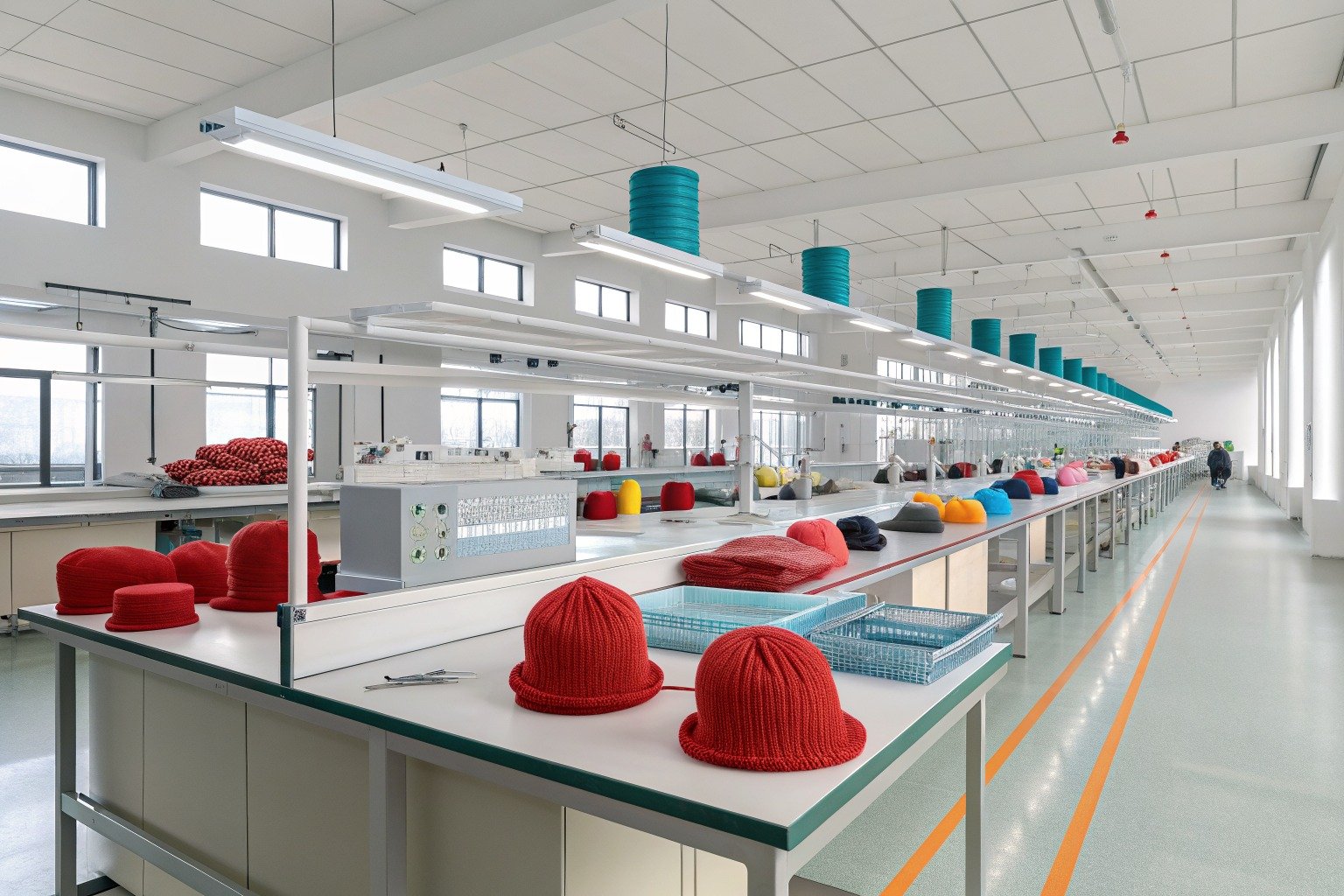
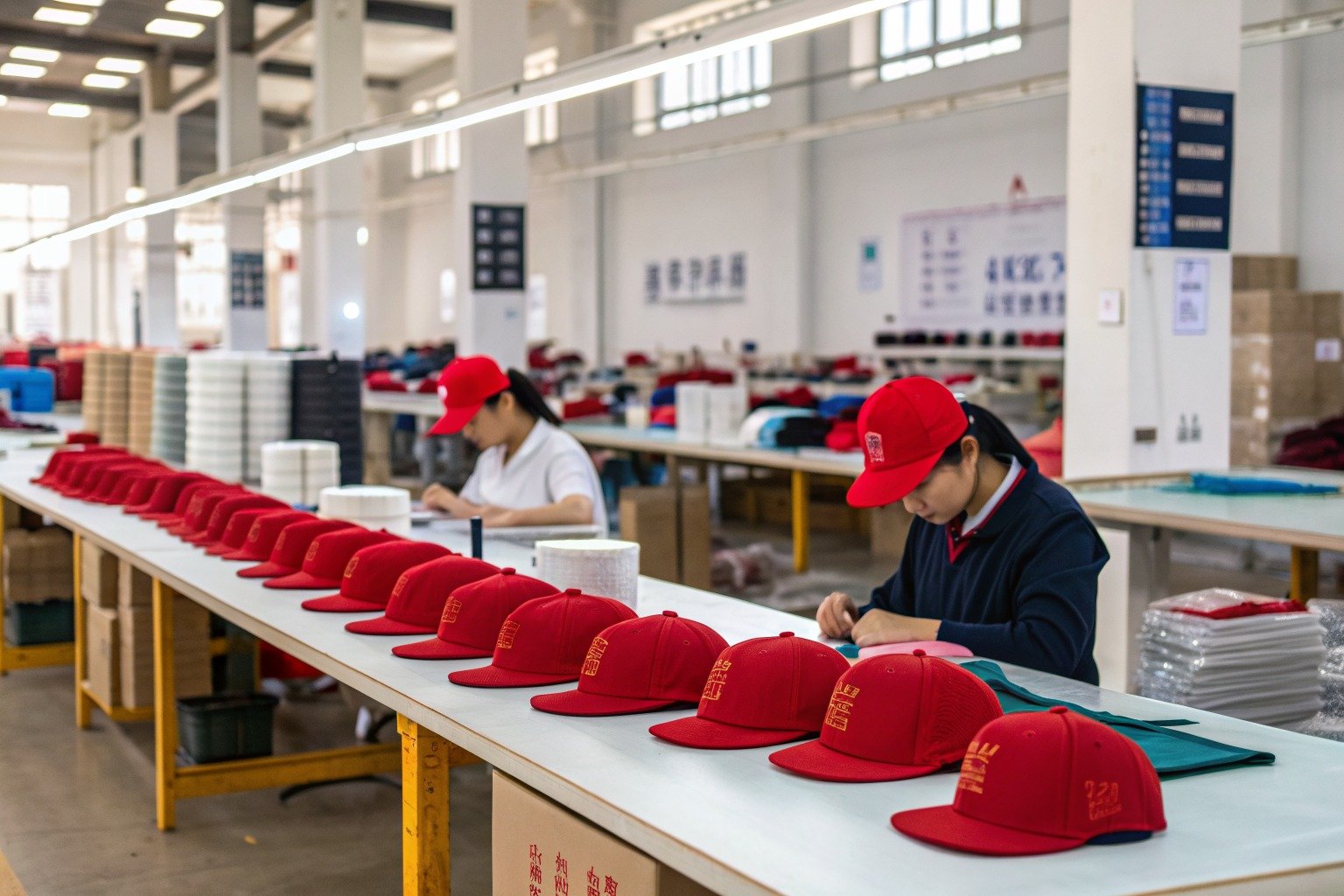
Production costs follow predictable scaling patterns. Research and development represent the largest initial investment, while per-unit costs decrease significantly at higher volumes. Our experience manufacturing high-volume orders of standard accessories like hair clips and knit hats provides valuable frameworks for optimizing smart accessory production efficiency.
What Is The Real Business Value?
The true economic benefit lies in market positioning. Smart accessories command premium pricing and create sustainable competitive advantages. They’re less susceptible to price competition and more likely to attract brand-loyal customers. For retailers and importers, this translates to healthier margins and stronger market positioning.
What Challenges Must We Overcome?
Despite the exciting potential, several practical challenges require thoughtful solutions for successful smart accessory implementation.

How Do We Ensure Product Reliability?
Durability remains the foremost concern, particularly regarding washability and long-term functionality. We address this through robust encapsulation techniques, rigorous testing protocols, and selective material partnerships. Every smart accessory undergoes extensive lifecycle testing to ensure it meets our reliability standards before reaching customers.
What Supply Chain Complexities Exist?
Smart accessory supply chains involve multiple specialized components across different industries. Our project managers coordinate between electronic component suppliers, textile manufacturers, and logistics providers to ensure seamless integration. This requires more sophisticated inventory management and stronger supplier relationships than traditional accessory manufacturing.
Conclusion
Smart fabrics represent the undeniable future of fashion accessories. They’re transforming products from decorative items into functional companions that enhance daily life. While manufacturing and sourcing challenges exist, they’re manageable with proper expertise and processes. The brands that embrace this technology now will define the next generation of fashion accessories.
Ready to develop your smart accessory collection? Partner with a manufacturer that understands both fashion and technology. Contact our Business Director Elaine to begin your journey: elaine@fumaoclothing.com.