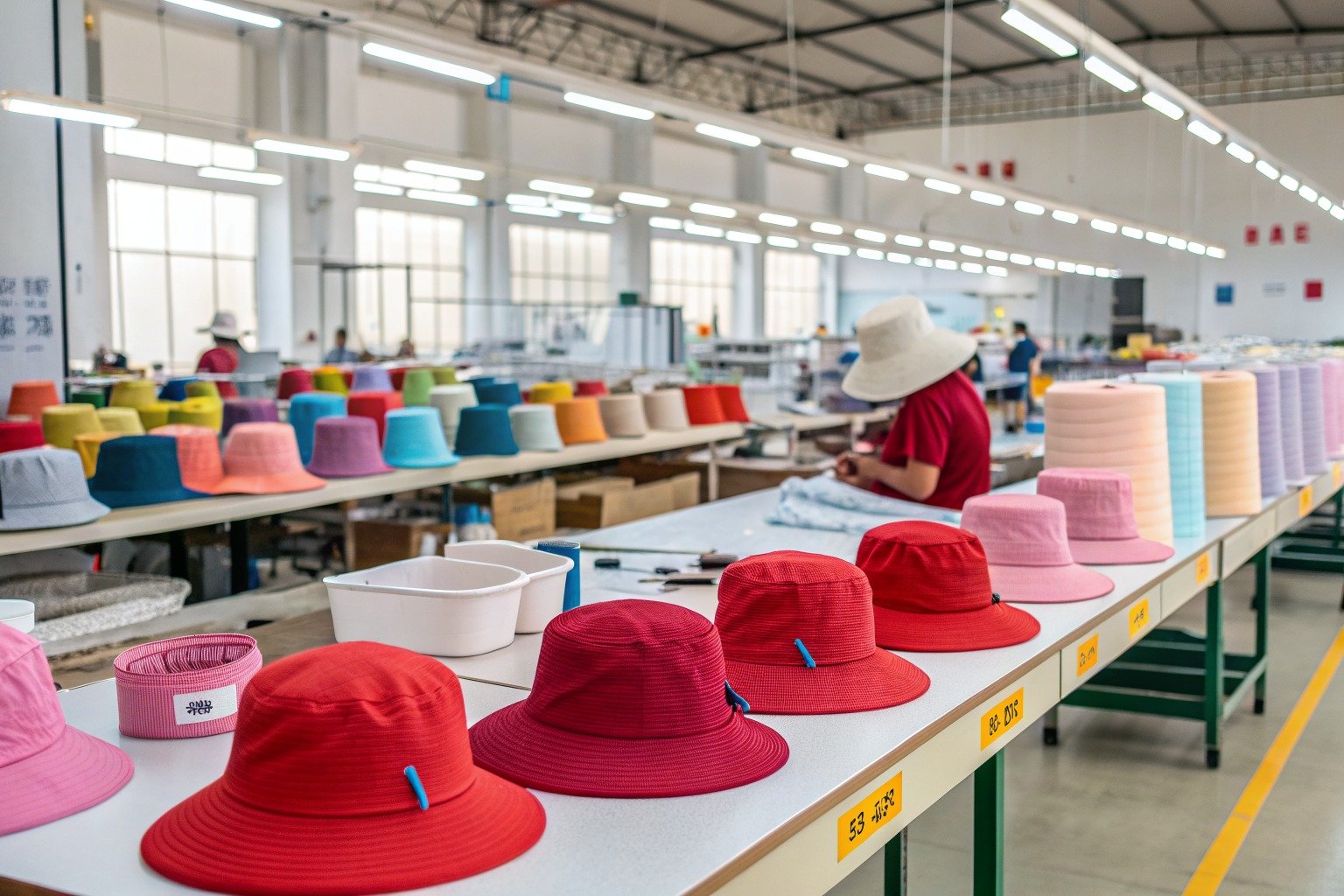
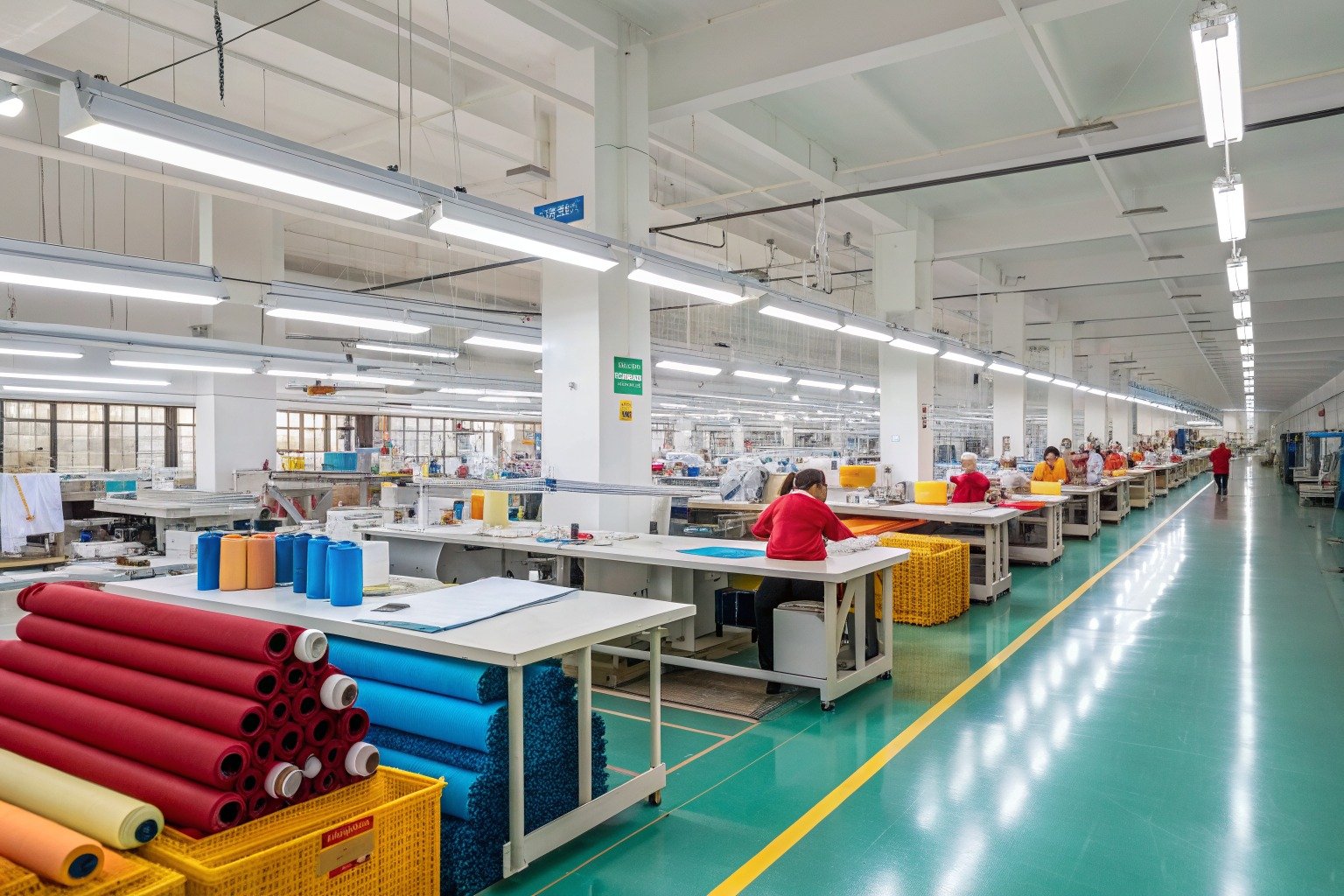
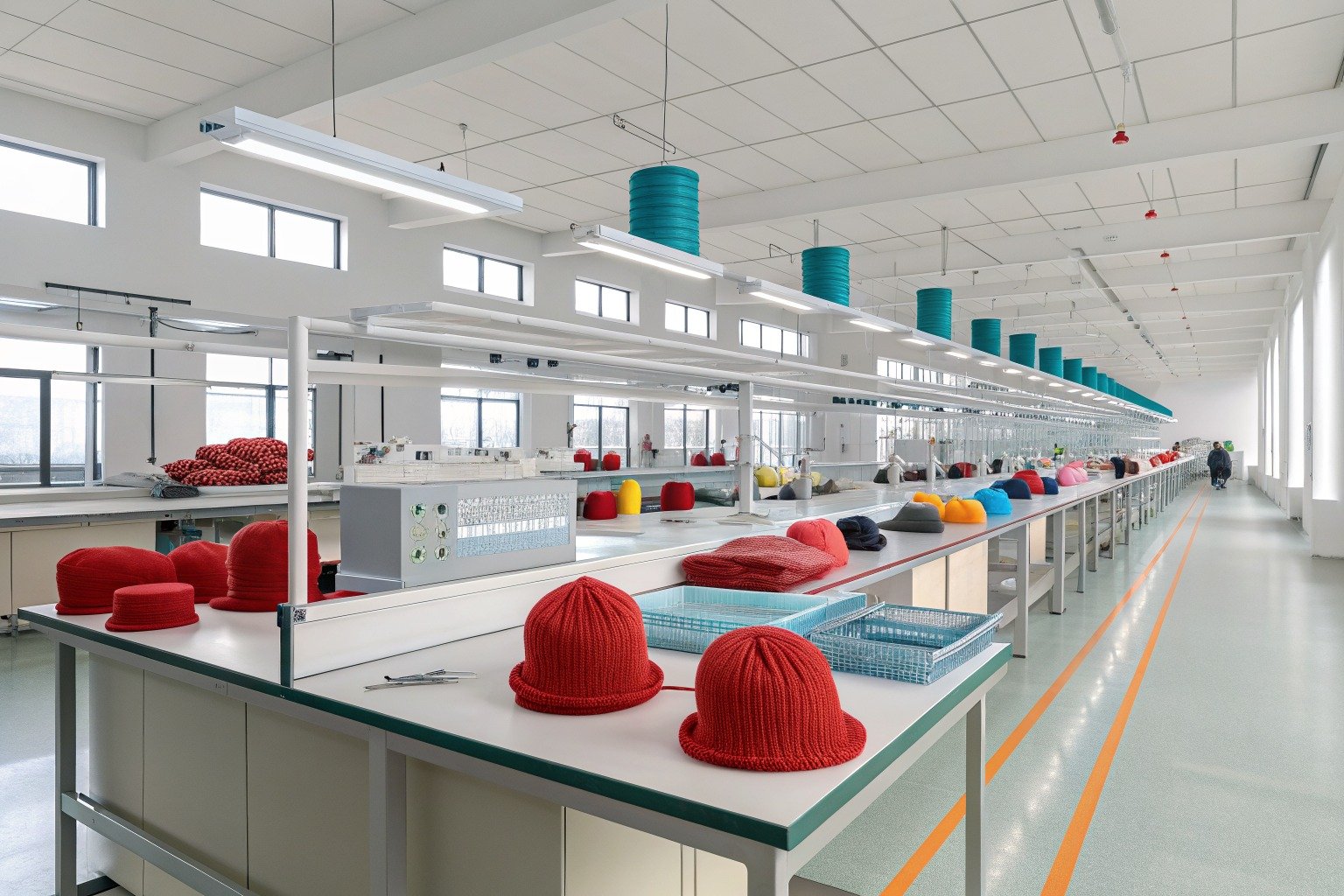
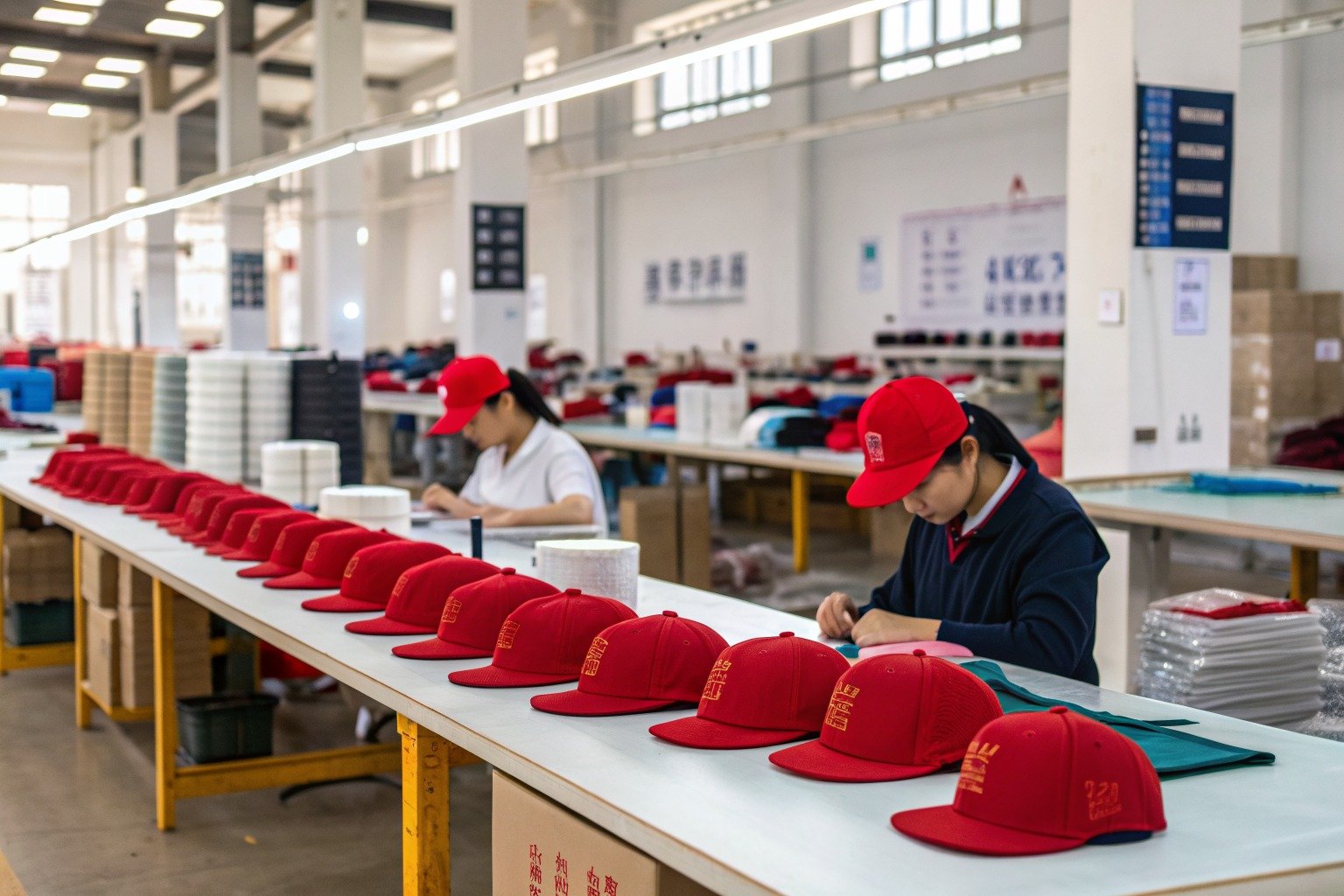
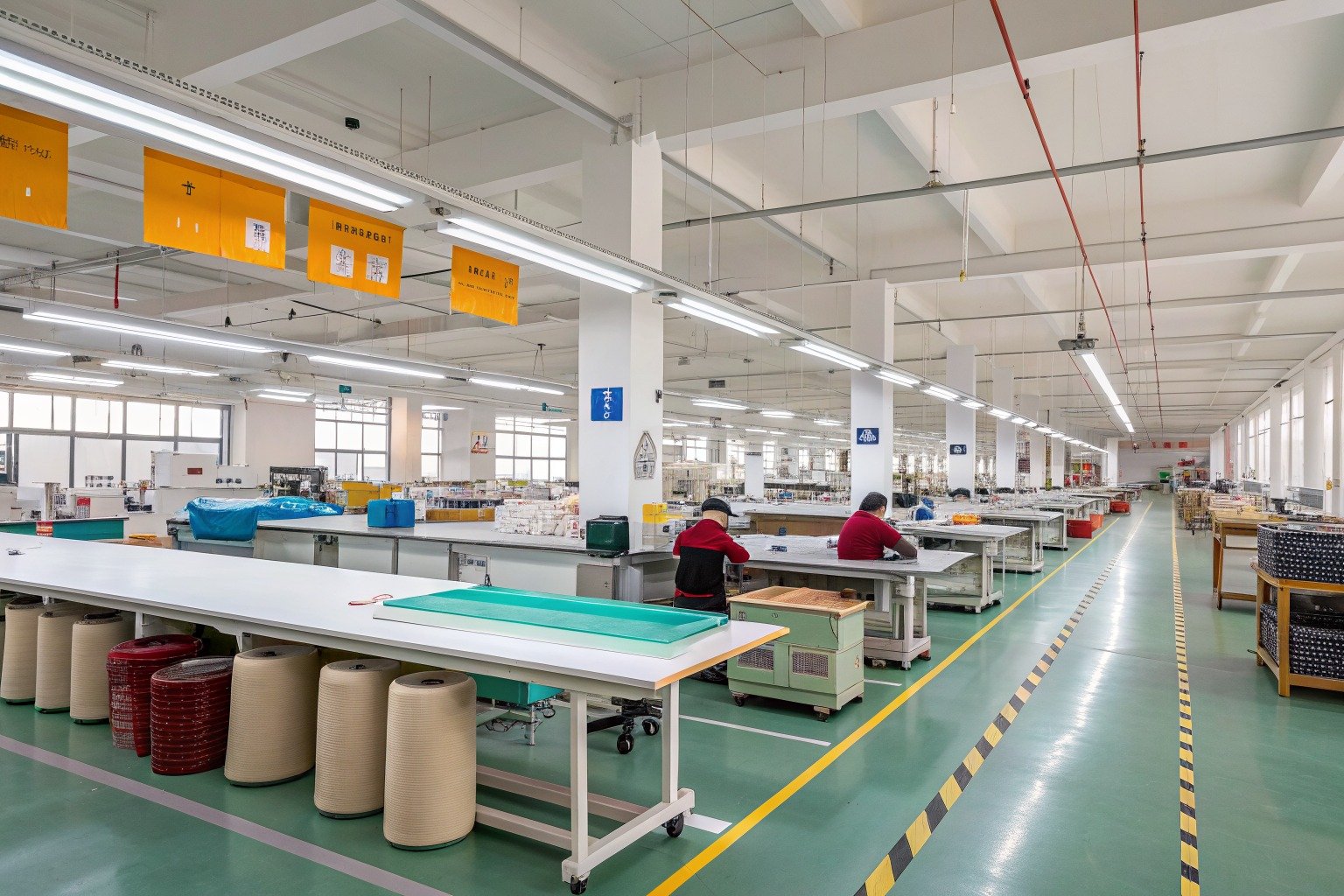
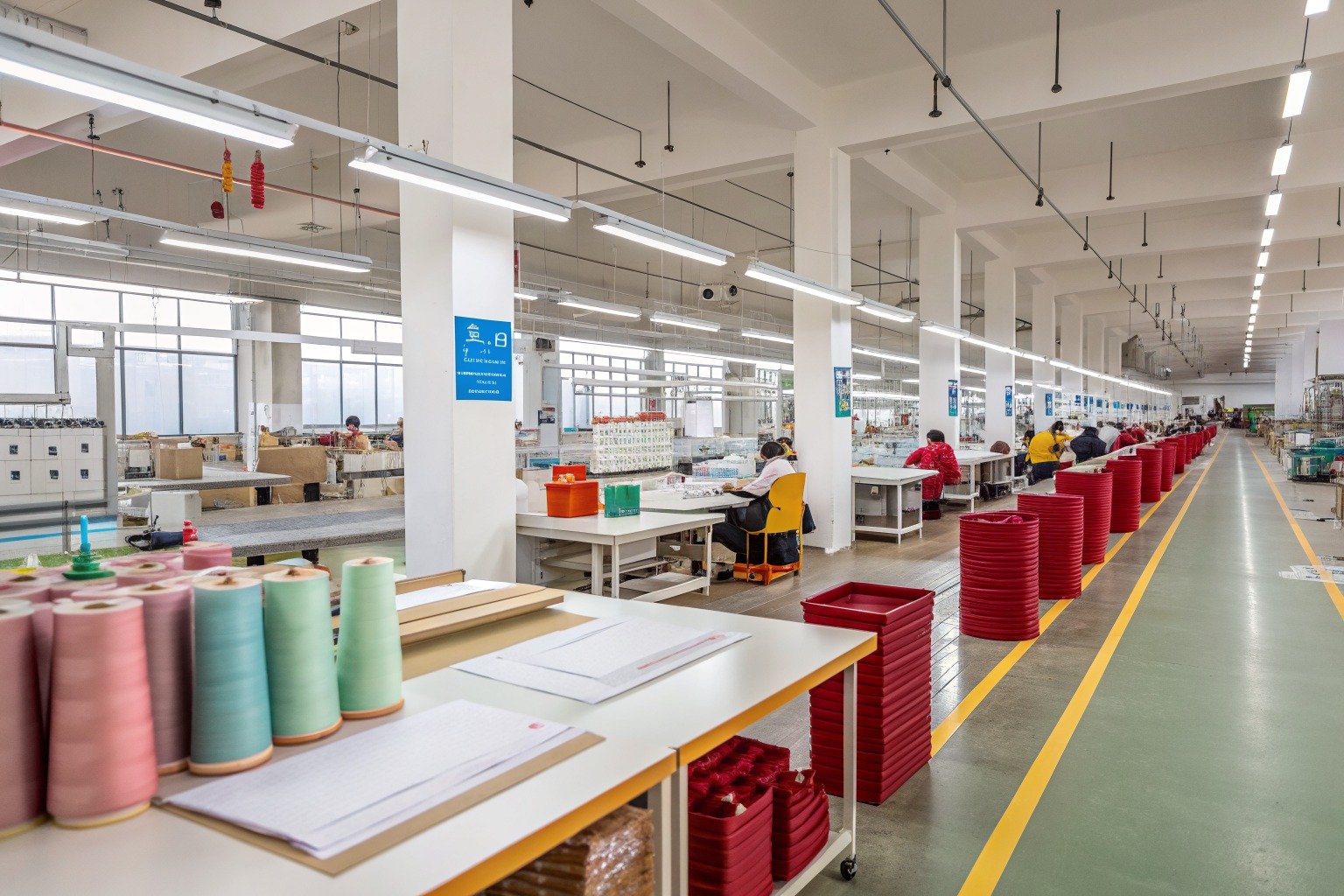
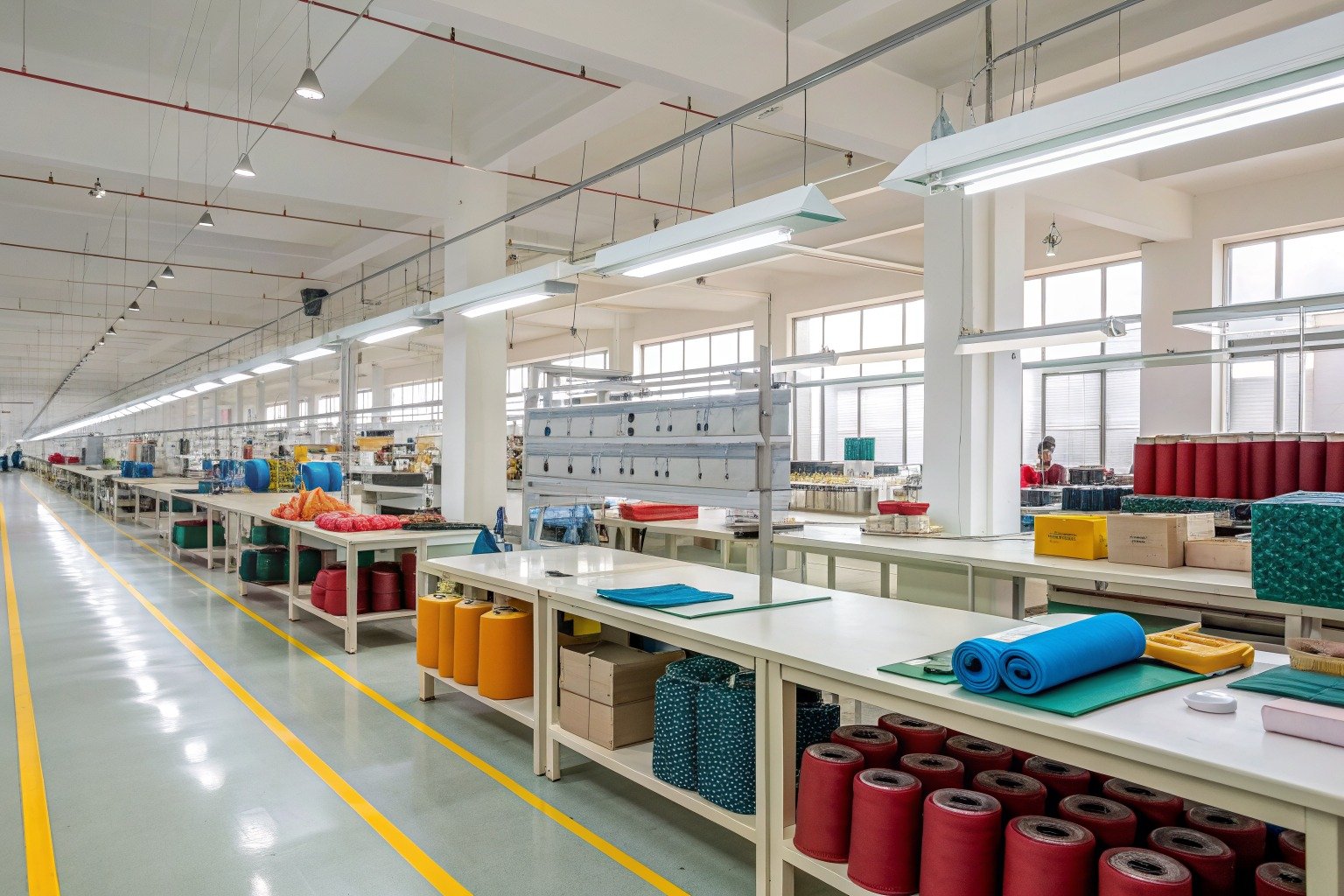
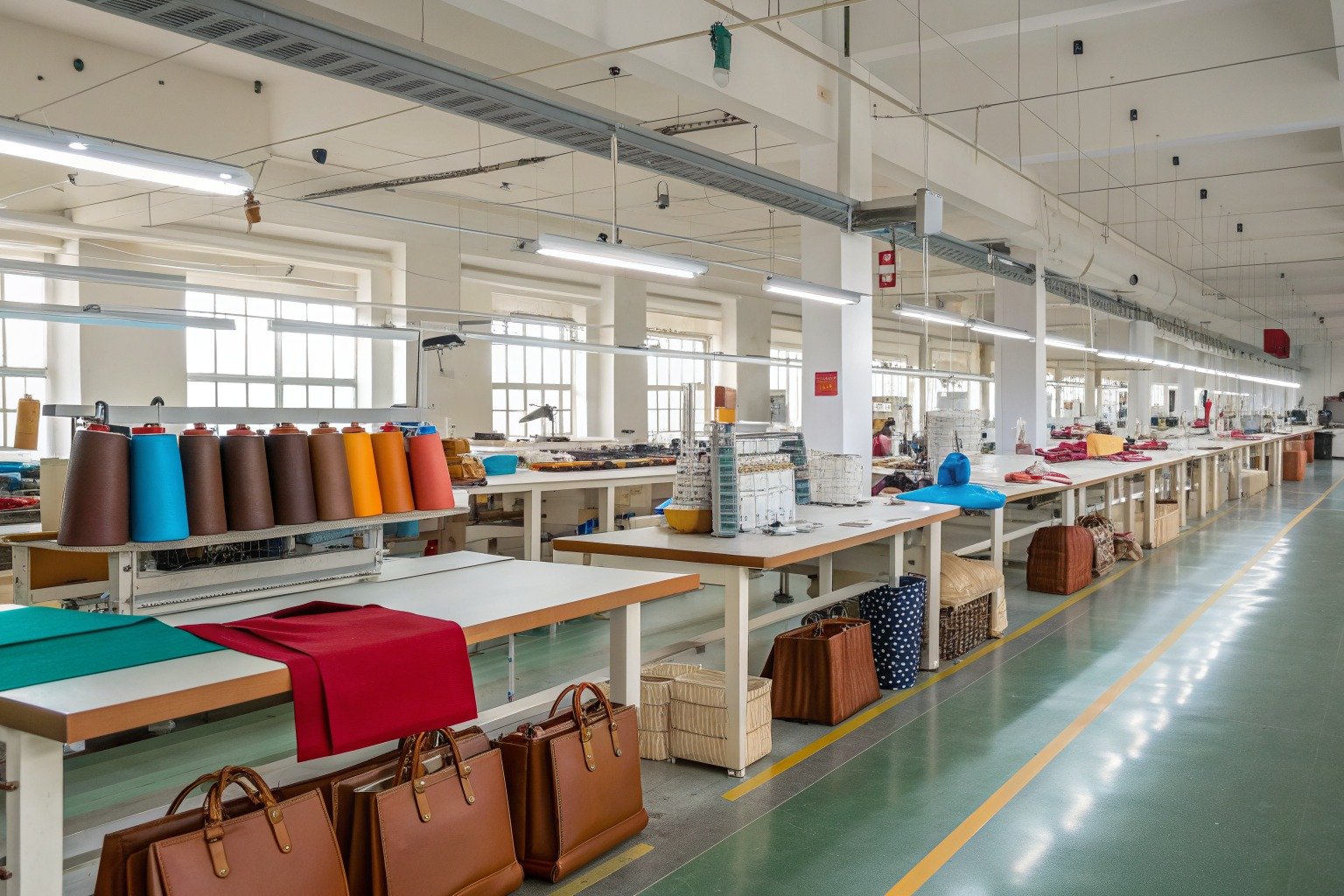
The traditional centralized manufacturing model for fashion accessories—where products are made in large factories, often in distant countries, then shipped globally—faces increasing challenges. Rising transportation costs, supply chain disruptions, tariff uncertainties, and growing consumer demand for faster delivery and customization are exposing the limitations of this decades-old approach. The COVID-19 pandemic particularly highlighted the vulnerabilities of concentrated production networks.
Distributed manufacturing represents the future of accessory production by decentralizing production across multiple smaller facilities located closer to end markets, enabled by digital technologies that synchronize design, production, and quality control across geographically dispersed locations.This model combines the economic benefits of localized production with the coordination capabilities of digital systems, creating more resilient, responsive, and sustainable supply chains.
Let’s explore how this paradigm shift will transform where and how accessories are manufactured in the coming years.
How will distributed manufacturing reshape supply chain resilience?
Global supply chain disruptions during recent years have caused massive delays, stockouts, and cost escalations for accessory brands dependent on single-source manufacturing. Shipping container costs increased by 500% at their peak, while transit times extended from weeks to months, making traditional centralized manufacturing increasingly risky and expensive.
Distributed manufacturing mitigates these risks by creating redundant production capacity across multiple locations, ensuring that disruption in one region doesn’t halt entire product lines.
What specific supply chain advantages does distributed manufacturing offer?
Regional production hubs located near key markets significantly reduce dependency on long-distance shipping and complex logistics networks. Our analysis shows that distributed manufacturing can reduce transportation costs by 40-60% and cut order-to-delivery time from 6-8 weeks to 1-2 weeks for key markets. This localized production approach also minimizes exposure to geopolitical tensions, trade disputes, and regional disruptions that have increasingly characterized global trade in recent years.
How does distributed manufacturing handle demand volatility?
Flexible capacity allocation across multiple facilities allows production to shift dynamically based on regional demand patterns, inventory levels, and capacity constraints. During unexpected demand spikes for certain accessories, our distributed model can quickly redirect production to facilities with available capacity rather than creating backlog at a single central factory. This demand-responsive manufacturing has improved our order fulfillment rate during peak seasons from 78% to 96% while reducing the need for expensive air freight.
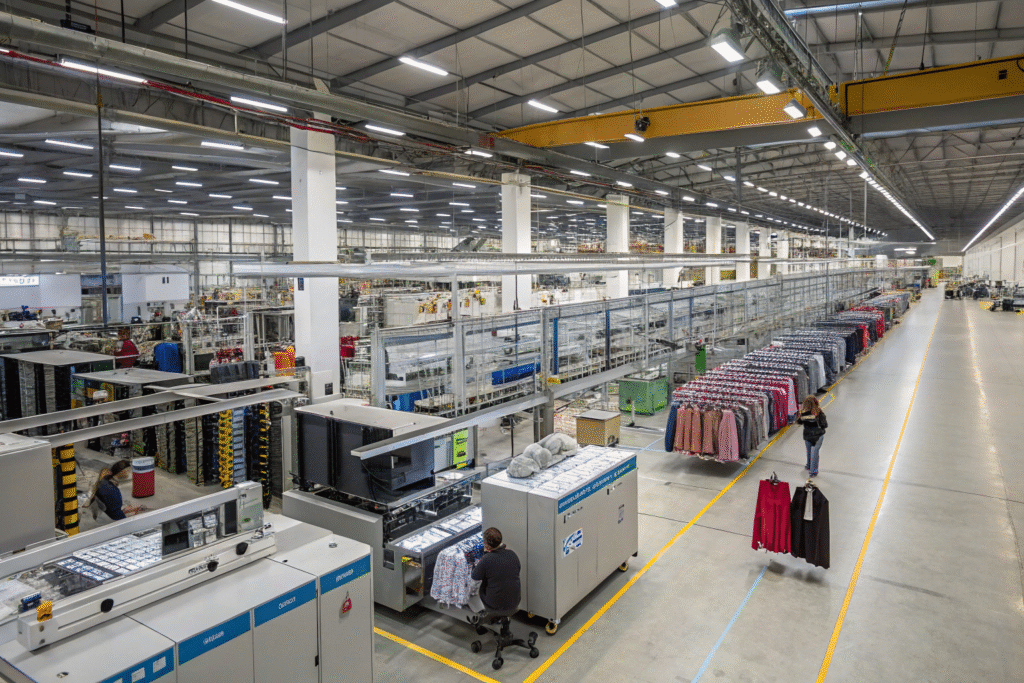
How will technology enable synchronized distributed production?
The greatest challenge of distributed manufacturing has always been maintaining consistent quality, design integrity, and production standards across multiple locations. Without sophisticated coordination systems, distributed facilities risk producing inconsistent products that damage brand identity and customer trust.
Advanced digital technologies now solve these coordination challenges, enabling geographically dispersed facilities to operate as a unified production network.
What role do digital twins play in distributed manufacturing?
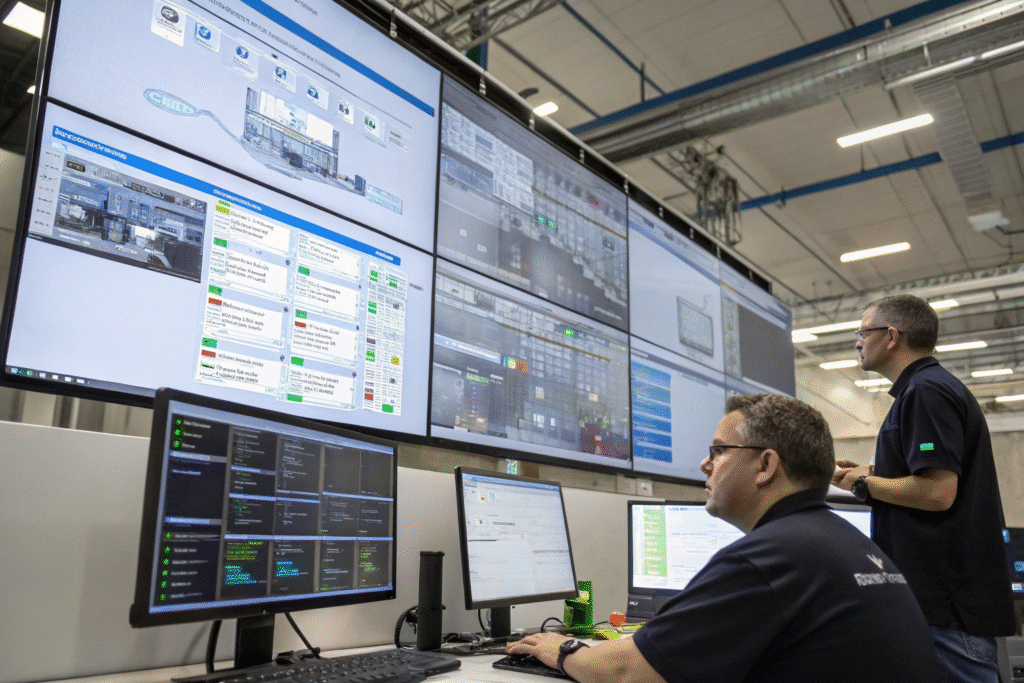
Digital twin technology creates virtual replicas of products and production processes that synchronize across all manufacturing locations. Each distributed facility accesses the same digital product definitions, manufacturing instructions, and quality standards. For our hair accessory collections, the digital twin ensures that products made in North American, European, and Asian facilities are identical in quality, dimensions, and materials despite being produced thousands of miles apart. This quality synchronization has been essential for maintaining brand consistency while implementing distributed manufacturing.
How does cloud manufacturing platform coordination work?
Unified cloud platforms connect all distributed facilities, sharing real-time production data, capacity information, and order status across the network. Our cloud manufacturing system automatically routes orders to the optimal facility based on production capacity, shipping distance, and delivery timelines. This intelligent order routing has reduced our average delivery time by 68% while decreasing transportation costs by 52% compared to our previous single-factory model.
How will distributed manufacturing enhance customization and personalization?
Mass customization has remained largely theoretical in accessory manufacturing because centralized production requires minimum order quantities that make personalized production economically unviable for most customers. The economies of scale that justified centralized manufacturing simultaneously limited customization possibilities.
Distributed manufacturing reverses this equation by making small-batch and customized production economically feasible through localized facilities that serve specific markets or customer segments.
How does distributed manufacturing enable hyper-local customization?
Regional design adaptation allows accessories to be tailored to local preferences, sizes, and style sensibilities while maintaining core brand identity. Our distributed facilities can incorporate local materials, color preferences, and design elements that resonate with specific markets without requiring changes to our global product lines. This local relevance has increased sales in targeted markets by 31% compared to our previous one-size-fits-all global collections.
What personalization capabilities does distributed manufacturing unlock?
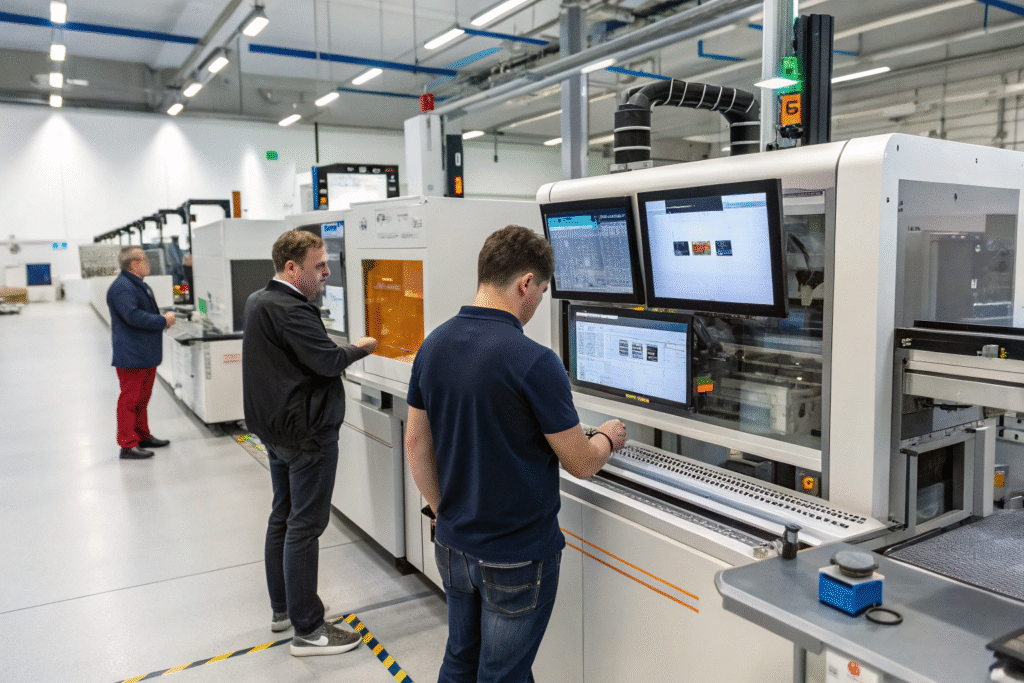
On-demand production located near customers enables true personalization without the cost and delay of international shipping. Our distributed micro-factories can produce made-to-order accessories with 5-7 day delivery, compared to the 4-6 weeks required when personalization was handled at a central overseas facility. This rapid personalization capability has created a competitive advantage in markets where consumers increasingly expect products tailored to their individual preferences.
How will sustainability drive distributed manufacturing adoption?
The environmental impact of global supply chains has come under increasing scrutiny, with transportation accounting for significant carbon emissions and packaging waste. Consumer awareness and regulatory pressure are pushing accessory brands toward more sustainable production models that reduce environmental footprint.
Distributed manufacturing offers substantial sustainability benefits by localizing production and dramatically reducing the environmental costs of long-distance shipping.
What environmental benefits does distributed manufacturing provide?
Localized production eliminates thousands of miles of transportation, significantly reducing carbon emissions associated with global shipping. Our transition to distributed manufacturing has cut transportation-related emissions by 64% while reducing packaging materials by 38% since products no longer require extensive protective packaging for long ocean voyages. This emissions reduction has become a valuable marketing point with environmentally conscious consumers and business clients.
How does distributed manufacturing support circular economy principles?
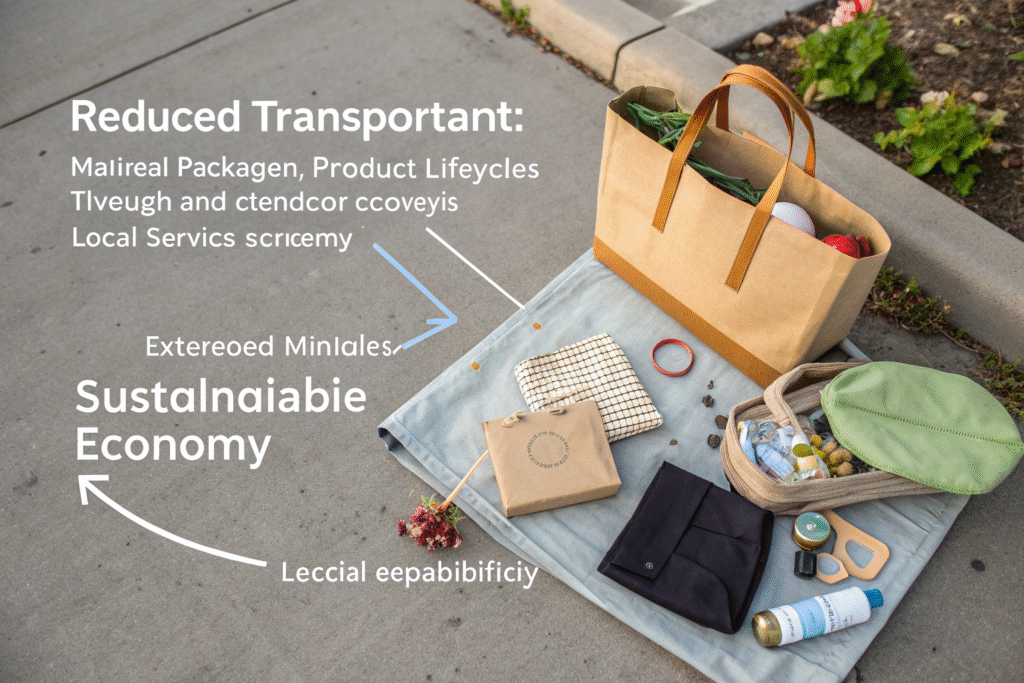
Local repair and refurbishment services become feasible when manufacturing capabilities exist near customers. Our distributed facilities can repair damaged accessories, refresh worn items, and repurpose older products—services that were economically impractical when manufacturing was concentrated overseas. This product lifecycle extension has created new revenue streams while reducing waste and strengthening customer relationships through ongoing service interactions.
Conclusion
Distributed manufacturing represents the inevitable future of accessory production, addressing the critical challenges of supply chain vulnerability, customization limitations, sustainability concerns, and changing consumer expectations that have undermined traditional centralized manufacturing models. While the transition requires significant investment in technology, training, and organizational adaptation, the benefits of resilience, responsiveness, and relevance make this evolution essential for accessory manufacturers seeking long-term competitiveness.
As digital coordination technologies continue to advance and consumer preferences increasingly favor speed, customization, and sustainability, distributed manufacturing will shift from competitive advantage to industry standard—transforming not just where accessories are made, but how entire fashion ecosystems operate.
If you’re interested in exploring how distributed manufacturing could enhance your accessory supply chain or want to partner with a manufacturer building future-ready production networks, we invite you to contact our Business Director, Elaine. She can discuss our distributed manufacturing capabilities and how they deliver greater resilience, speed, and sustainability. Reach her at: elaine@fumaoclothing.com.