For accessory brands, retailers, and wholesalers, the moment a bulk order of hats—be it baseball caps, beanies, or sun hats—is ready at the factory marks a critical financial juncture. Shipping costs can swiftly erode hard-earned margins, turning a profitable order into a break-even venture. The pressure to find a reliable yet cost-effective shipping solution is intense, compounded by concerns over delays, damage, and unpredictable tariff assessments. Choosing the wrong method can lock up capital in transit and disappoint customers awaiting inventory.
The best way to ship bulk hats cheaply is a strategic combination of sea freight for the main volume, optimized packing to minimize volumetric weight, and leveraging consolidated shipping services, all managed by a supplier with strong logistics partnerships. The goal is not merely the cheapest ticket, but the most cost-efficient total landed cost, which includes freight, duties, and handling. For bulky, lightweight items like hats, mastering the interplay between packing density and freight pricing models is the key to unlocking significant savings.
Let’s unpack the step-by-step strategy to minimize shipping costs for your bulk hat orders without compromising on reliability or speed.
How Does Packing Efficiency Directly Dictate Freight Cost?
The single most impactful factor under your control is packing efficiency. Freight costs for both air and sea are calculated based on volumetric weight (dimensional weight) or actual weight—whichever is greater. Hats are classic "lightweight bulk" items; they take up a lot of space but don’t weigh much. Therefore, reducing the volume of your shipment is paramount to lowering costs.
The core principle is to maximize the number of hats per cubic meter (CBM). This involves two key strategies: product packability and carton optimization. Work with your manufacturer from the design and sourcing stage to implement packing-friendly features. For example, caps with unstructured crowns or flexible brims can be flattened or stacked. Beanies and knit hats can be tightly folded or rolled.
What Are the Most Effective Packing Methods for Different Hat Types?
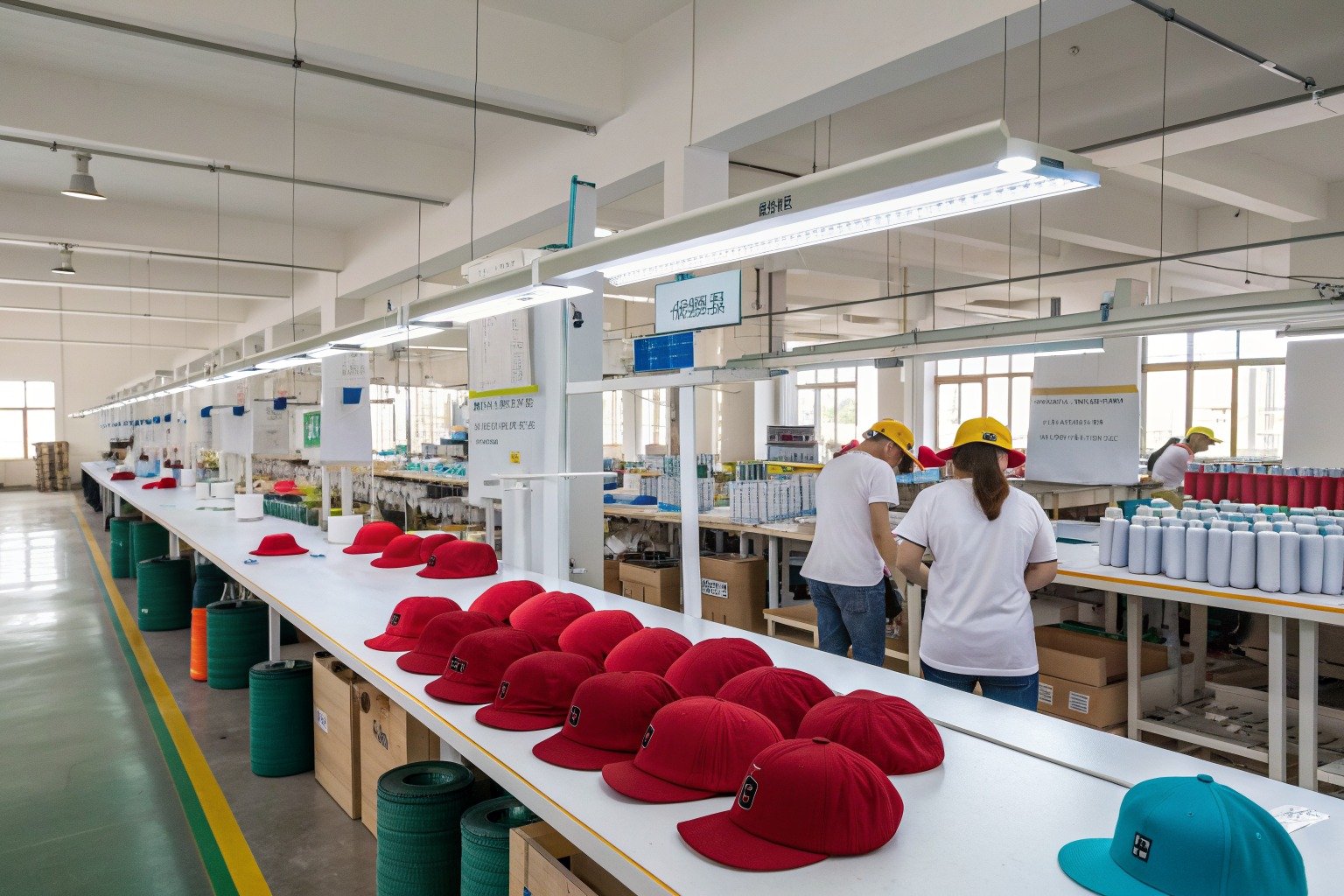
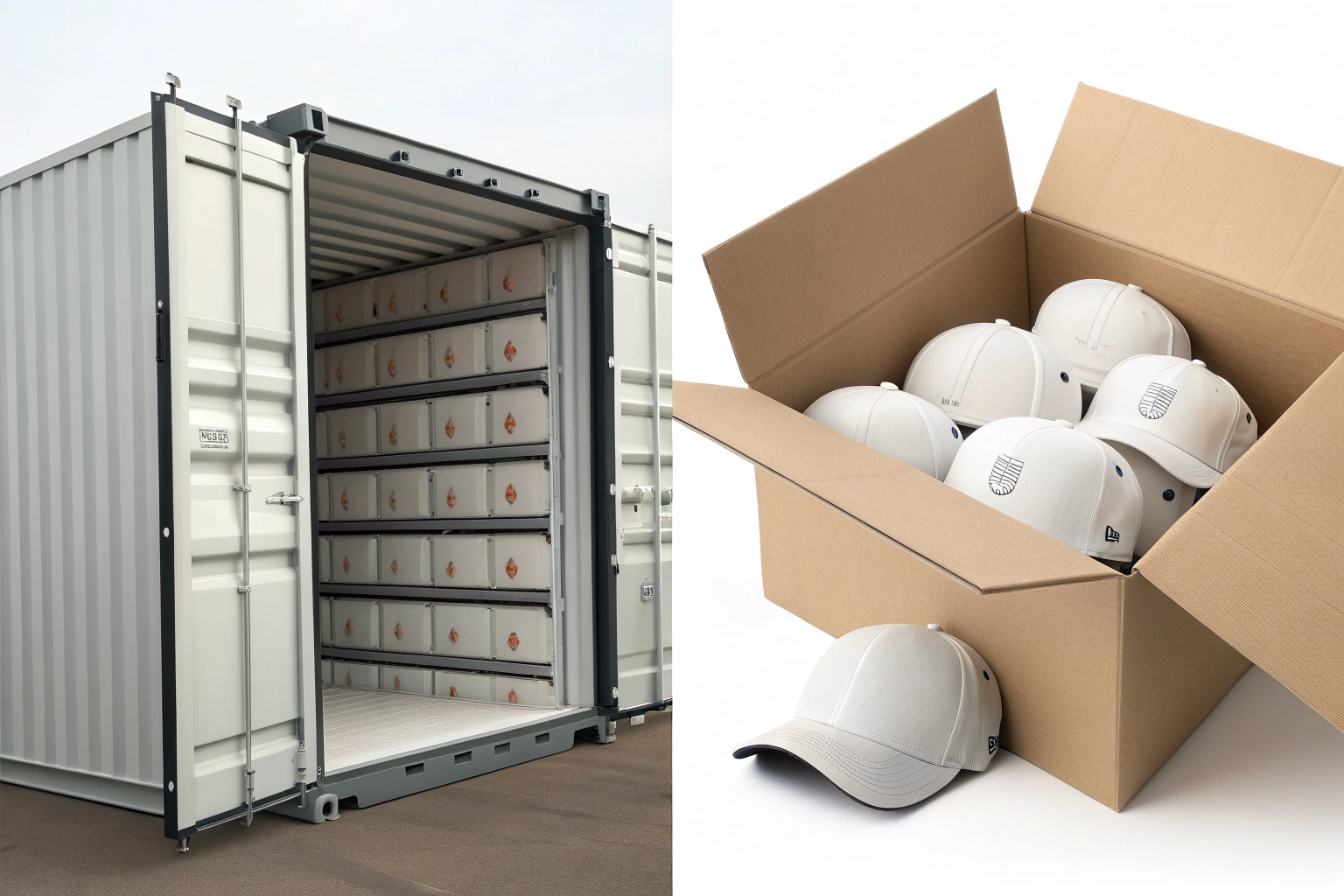
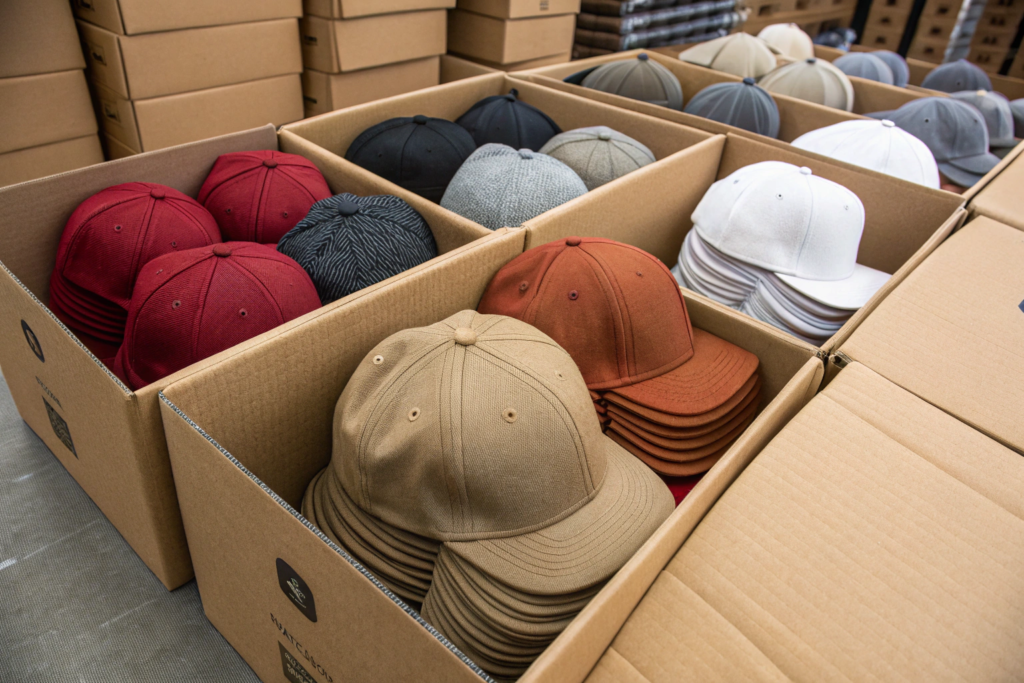
- Baseball Caps: The gold standard is flat packing. Caps should be removed from their traditional dome shape, with the brim folded flat against the crown. They can then be stacked in layers, separated by thin paper. This can reduce shipping volume by over 50% compared to pre-shaped caps in individual boxes.
- Structured Sun Hats & Bucket Hats: For hats with a rigid brim, nesting is essential. Hats of the same size can be stacked carefully, alternating the direction of the crown (one up, one down) to fit snugly. Using tissue paper or a cardboard ring to support the crown during transit prevents crushing.
- Beanies and Knit Hats: These are highly packable. They should be folded flat or tightly rolled and packed in dense layers. Avoid shipping them pre-packed in individual polybags that add air; instead, bulk pack them and bag at the destination.
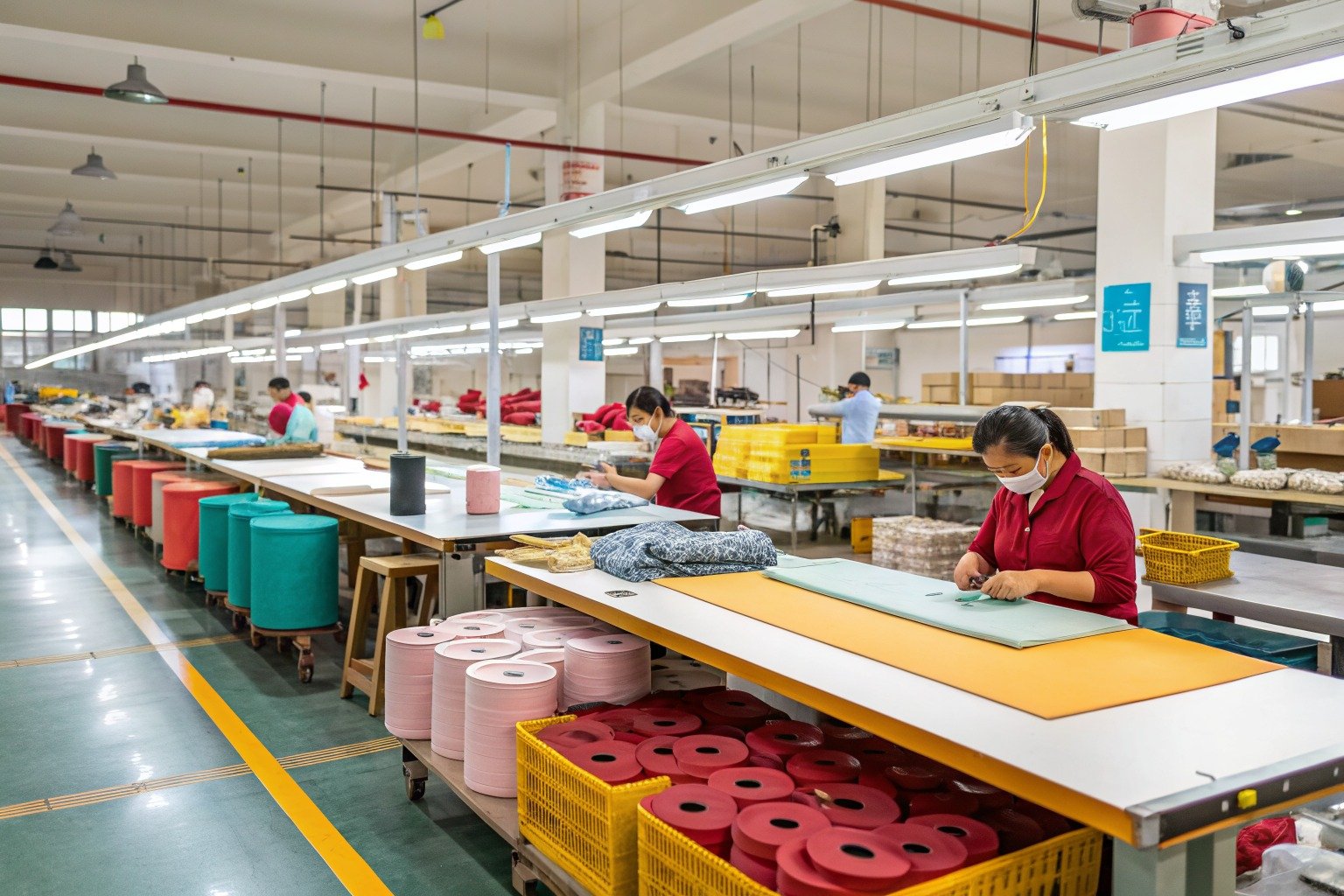
At Shanghai Fumao Clothing, our quality control and packing teams are trained in these methods to ensure your goods arrive in perfect condition while minimizing cubic space. This expertise is part of the value-added service a professional accessory manufacturer provides.
How to Design and Test the Optimal Shipping Carton?
The carton itself is a tool for savings. Work with your supplier to design a right-sized carton that snugly fits the packed hats with minimal void space. Cartons should be sturdy enough to protect the goods but not excessively heavy. Conduct a packing test: fill a proposed carton, calculate its volumetric weight (Length x Width x Height in cm / 5000 for air, or / 6000 for some couriers), and compare it to the actual weight. The goal is for these numbers to be as close as possible, meaning you’re paying for space you’re actually using. Industry resources on logistics and packaging engineering detail these calculations.
When Should You Choose Sea Freight vs. Air Freight?
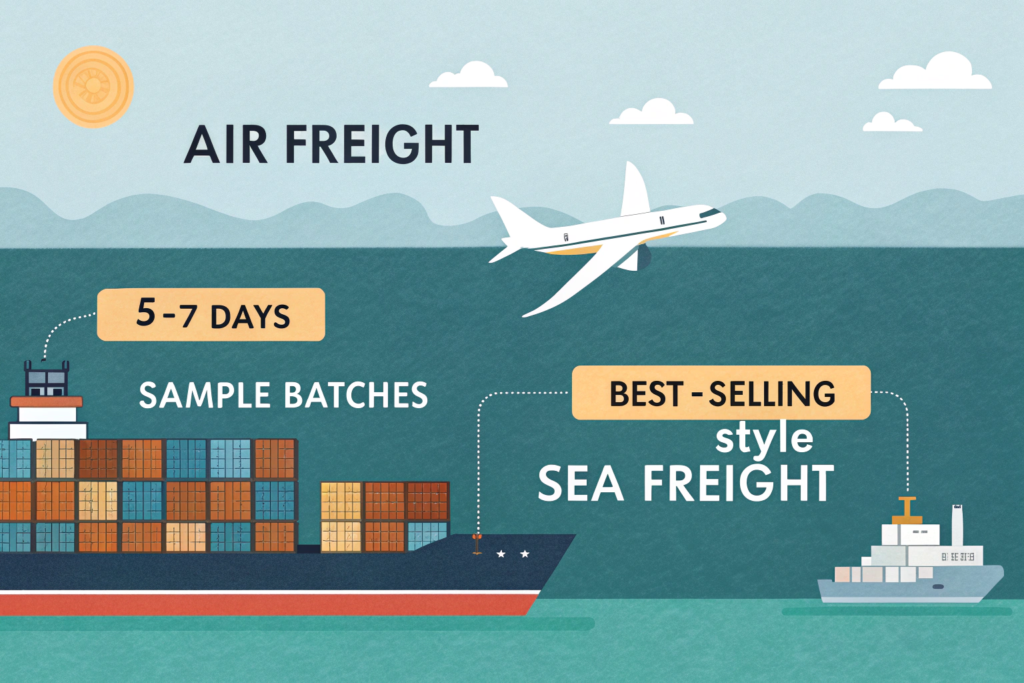
The modal choice between sea and air freight represents the fundamental trade-off between cost and speed. For virtually all bulk hat shipments where immediate delivery is not critical, sea freight is the unequivocally cheaper option.
Sea Freight (FCL or LCL): This is the most cost-effective method for large volumes. Costs are calculated per container (FCL – Full Container Load) or per cubic meter (LCL – Less than Container Load). Even with current fluctuations, sea freight costs a fraction of air freight per unit. The transit time from China to major North American ports (e.g., LA, NY) is typically 4-5 weeks.
Air Freight: Exceptionally fast (5-7 days) but prohibitively expensive for bulk, low-value-per-cubic-meter items like hats. It should be reserved only for extremely urgent, small sample batches or to replenish a best-selling style that has completely sold out.
The decision often comes down to inventory planning. If you can forecast demand and plan your production cycle 8-10 weeks in advance, sea freight is the only financially sensible choice.
What are the Pros and Cons of FCL vs. LCL Shipping?
- FCL (Full Container Load): You pay for the entire container (20ft or 40ft). This offers the lowest cost per unit, maximum security (sealed at origin, opened at destination), and faster port-to-port transit as it avoids consolidation delays. It is ideal for very large orders (e.g., 20,000+ hats).
- LCL (Less than Container Load): You pay only for the volume you use (per CBM). This is perfect for orders not large enough to fill a container. Your shipment is consolidated with other shippers’ goods. It is more cost-effective than air but involves more handling, slightly higher risk, and longer door-to-door times due to consolidation/deconsolidation at hubs. A good supplier will help you analyze your order volume to recommend the most economical option.
How Can a Supplier’s Consolidation Services Save You Money?
A major advantage of working with an established manufacturer like ours is shipping consolidation. We aggregate multiple smaller orders from different customers into a single FCL container bound for a central hub (e.g., Los Angeles). Upon arrival, a local logistics partner breaks down the container and distributes each order via domestic freight. This allows you to benefit from near-FCL rates without needing to order a full container’s worth of hats yourself. This service directly addresses the pain point of high costs for small to mid-sized importers and is a key topic in discussions about streamlined global supply chains.
How to Navigate Duties, Taxes, and Final Delivery Efficiently?
The journey doesn’t end at the port. Total Landed Cost includes duties, taxes, and final inland freight to your warehouse. Mismanagement here can add unexpected expenses.
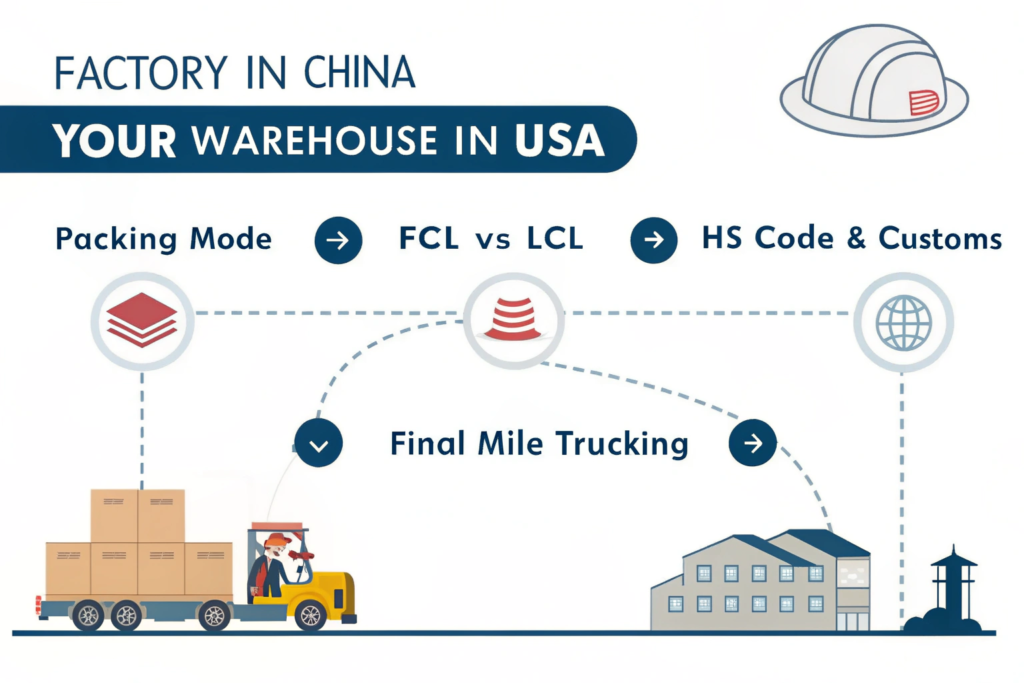
Understanding your product’s Harmonized System (HS) code is crucial. Hats have specific codes (e.g., 6505 for hat forms, 6506 for other headgear), and the correct classification determines the duty rate applied by U.S. Customs and Border Protection. A reliable supplier will provide accurate commercial invoices with the correct HS code and product description to facilitate smooth customs clearance. Furthermore, you must decide on Incoterms. For maximum cost control, FOB (Free On Board) is common: you pay the freight and insurance from the Chinese port onward. For simplicity, some buyers opt for DDP (Delivered Duty Paid), where the supplier arranges and pays for everything to your door, though this usually comes at a premium.
What are the Key Documents Required for Smooth Customs Clearance?
Your freight forwarder or customs broker will need a precise set of documents. Your supplier must provide:
- Commercial Invoice: Stating value, quantity, HS code, and buyer/seller info.
- Packing List: Detailed by carton, showing quantities and weights.
- Bill of Lading (B/L) or Air Waybill (AWB): The contract of carriage and title document.
- Certificate of Origin: Sometimes required to prove country of manufacture.
Ensuring these documents are accurate and match the physical shipment is the supplier’s responsibility and prevents costly customs holds. Familiarity with international trade documentation is essential for any importer.
How to Optimize the "Final Mile" to Your Warehouse?
Once cleared through customs, your shipment needs to travel from the port to your door (the "final mile"). For LCL shipments, this is usually arranged by the freight forwarder. For FCL, you’ll need to hire a drayage trucking company to move the container. To save money, consider transloading: having the container unloaded at a warehouse near the port, and then shipping the loose cartons via a cheaper domestic freight carrier (like a palletized LTL service) to your location. This can be cheaper than paying for a dedicated truck to haul the empty container across the country. Discuss these options with your logistics partner or with your supplier who may have established solutions.
What Are the Hidden Costs and How to Avoid Them?
The headline freight quote is rarely the final bill. Awareness of potential extra charges is key to budgeting accurately and avoiding disputes.
Common hidden or additional costs include:
- Fuel Surcharges (BAF): Fluctuating additions based on fuel prices.
- Peak Season Surcharges (PSS): Applied during high-demand periods (Q3/Q4).
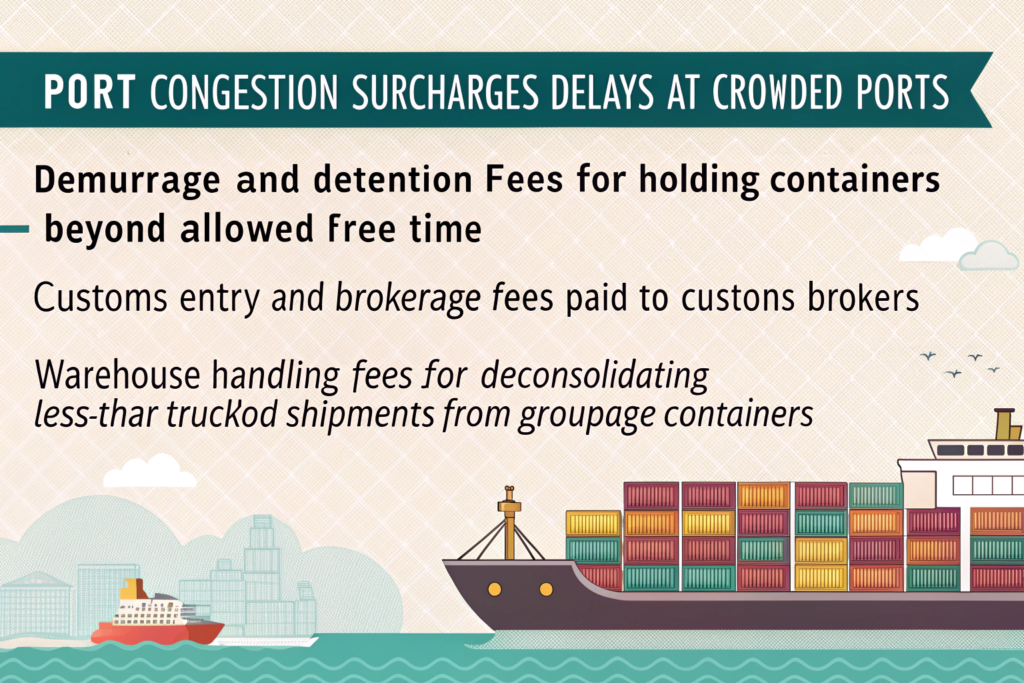
- Port Congestion Surcharges: Fees for delays at overloaded ports.
- Demurrage and Detention Fees: Charges if you hold the container at the port or with the trucker for longer than the allowed free time.
- Customs Entry and Brokerage Fees: Paid to your customs broker for their services.
- Warehouse Handling Fees (for LCL): Charges for deconsolidating your shipment from the groupage container.
How to Get a Transparent All-In Quote?
When requesting a freight quote, ask for an all-inclusive estimate that breaks down:
- Ocean/Air Freight
- Fuel Surcharge (BAF)
- Origin Charges (THC – Terminal Handling Charge, Documentation)
- Destination Charges (DTHC, Customs Clearance, Delivery Order)
- An estimate for Duties & Taxes (based on your product value and HS code)
A professional partner will provide this transparency. It’s also wise to build a 10-15% buffer into your shipping budget for unforeseen charges, especially in volatile market conditions.
Why is Supplier-Logistics Coordination a Game-Changer?
The greatest leverage you have is choosing a supplier that acts as a logistics coordinator, not just a producer. A factory like Shanghai Fumao Clothing with strong freight forwarder relationships can often secure better rates due to our volume. More importantly, we manage the critical handoff: ensuring goods are packed optimally, paperwork is flawless, and the container is gated in on time to meet the intended vessel sailing schedule. This end-to-end coordination prevents costly errors at the origin—where most delays and overages occur—and is a core component of reliable project management in international trade.
Conclusion
Shipping bulk hats cheaply is an exercise in strategic planning and expert execution. The formula combines product-level packability, the modal efficiency of sea freight (leveraging FCL or consolidated LCL), and meticulous management of documentation and final-mile logistics. The cheapest shipping method is ultimately the one that delivers your goods reliably at the lowest total landed cost, preserving your margins and ensuring customer satisfaction.
By partnering with a manufacturer that understands and actively optimizes this complex chain, you transform shipping from a cost center into a competitive advantage.
Ready to optimize the shipping for your next bulk hat order? Partner with Shanghai Fumao Clothing. From designing packable hats and crafting right-sized cartons to arranging cost-effective consolidated sea freight, we manage the entire process. Contact our Business Director, Elaine, at elaine@fumaoclothing.com for a comprehensive shipping strategy and quote.