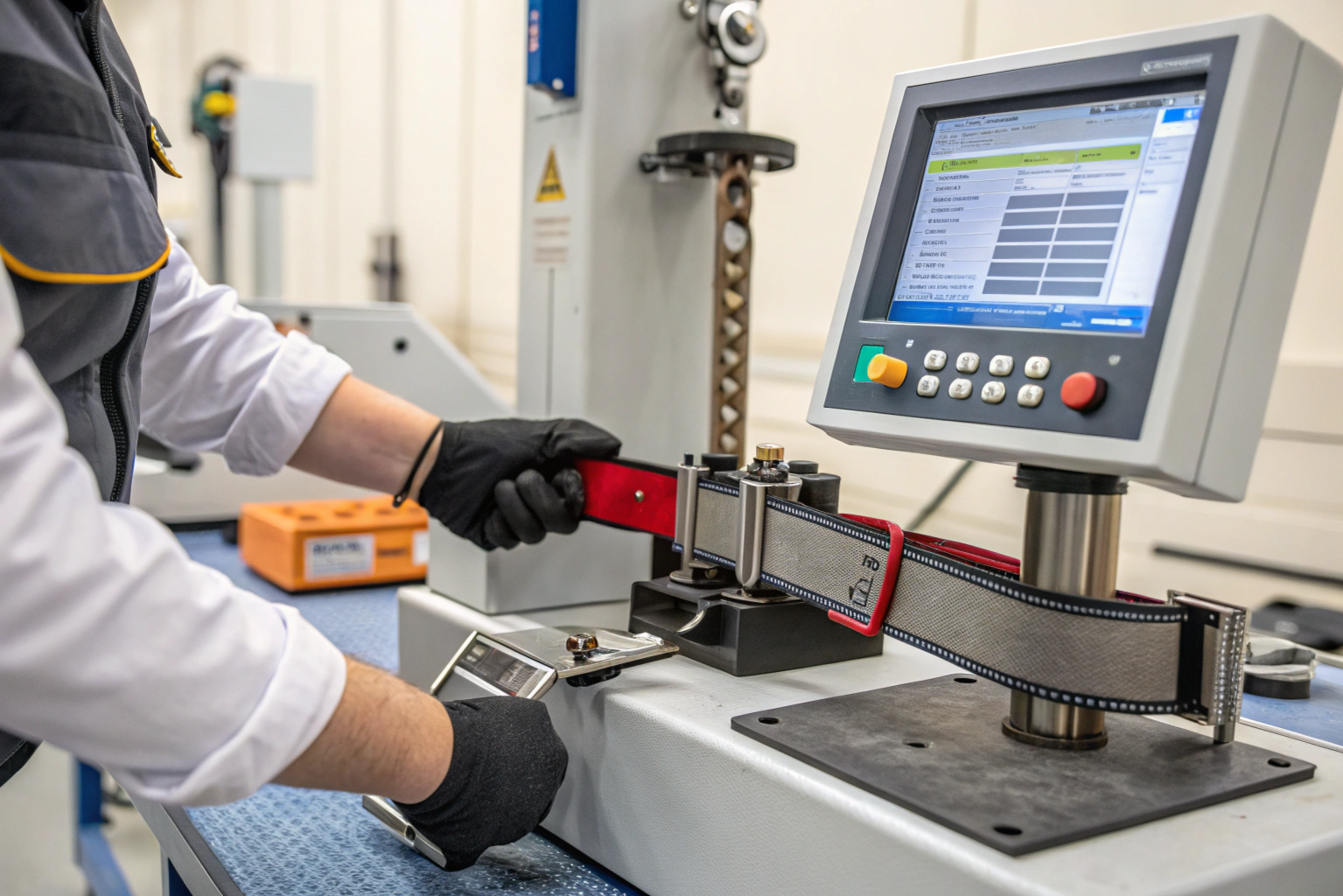
I have been in the accessories business for over 15 years. In that time, I have seen what happens when a belt buckle fails. It is not pretty. A customer is wearing a nice belt. The buckle breaks. The belt falls. Or worse, the metal snaps and causes a scratch. For the brand, it is a disaster. Returns go up. Reviews go down. For the buyer who sourced that belt, it is a headache. That is why at AceAccessory, we take buckle and fastener testing very seriously. I want to share what we do. I want you to know what to ask your supplier. Because a belt is only as good as the buckle that holds it.
The durability tests for buckles and fasteners on belts include tensile strength tests, cycle tests, corrosion tests, and impact tests. Tensile strength tests measure how much force the buckle can withstand before breaking. Cycle tests check how many times the buckle can be opened and closed before it wears out. Corrosion tests ensure the metal will not rust. Impact tests simulate sudden stress, like a snag on a door handle. At Shanghai Fumao, we perform all of these tests on every batch of belts we produce. We also test the attachment points where the buckle connects to the strap. This complete testing protocol ensures that our belts are safe, reliable, and long-lasting.
You might think a buckle is simple. But there is engineering behind it. The material, the design, the attachment method. All of these affect durability. Let me walk you through our testing process.
What Is Tensile Strength Testing and Why Does It Matter?
Tensile strength is the amount of force a buckle can take before it breaks. This is the most important test. A belt is under constant tension. When you put it on, you pull it tight. When you sit down, the pressure increases. If the buckle cannot handle this force, it will fail. I have seen cheap buckles snap under normal use. That is not acceptable.
Tensile strength testing measures the maximum force a buckle can withstand before breaking. We use a specialized machine. We clamp the belt strap at one end. We clamp the buckle at the other end. Then the machine pulls at a steady rate. We record the force at which the buckle breaks or the strap pulls out. For a standard belt, we require a minimum tensile strength of 200 Newtons. For heavy-duty belts, we go higher. This test ensures that the buckle will hold up under normal use and unexpected stress.
What is the minimum tensile strength for different belt types?
It depends on the use. For a fashion belt worn by adults, we require a minimum of 200 Newtons. This is about 20 kilograms of force. For a child’s belt, we use a lower standard. Children put less stress on belts. But we also add safety features. For a work belt or a heavy-duty belt, we require 300 Newtons or more.
We also test the strap itself. The leather or fabric needs to be strong enough. If the strap breaks before the buckle, that is a problem. Our tensile testing covers both the buckle and the strap. We want to know the weak point. Then we strengthen it.
How do you test the attachment point between the buckle and the strap?
The attachment point is often the weak link. If the buckle is sewn onto the strap, the stitching can fail. If it is attached with a rivet, the rivet can pull out. We test this separately.
We clamp the strap near the attachment point. Then we pull. We measure how much force it takes to pull the buckle off. For a sewn attachment, we check the thread strength. We use heavy-duty thread for belts. For a riveted attachment, we test the rivet material. We also do a peel test. This simulates a sideways pull. We have helped many fashion brands avoid attachment failures by catching these issues early.
How Do You Test Buckle Mechanisms for Repeated Use?
A belt buckle gets used many times. Every time you put the belt on, you open the buckle. Every time you take it off, you open it again. Over years, this adds up. A buckle that fails after a few hundred cycles is not a good product. You need to know that the mechanism will last.
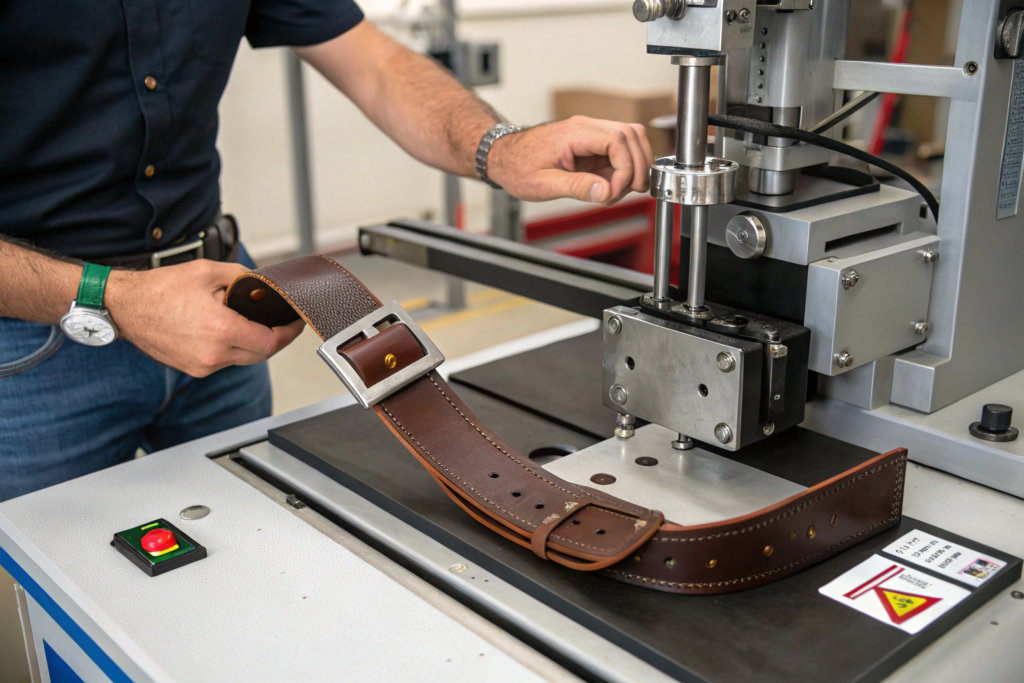
We test buckle mechanisms using a cycle test. We put the belt in a machine. The machine opens and closes the buckle repeatedly. We set it for thousands of cycles. We watch for wear. We look for any change in the mechanism. Does it become loose? Does it become hard to close? Does the spring weaken? For a standard belt buckle, we require 5,000 cycles without failure. For a higher-end buckle, we test up to 10,000 cycles. This ensures that the buckle will last for years of normal use.
What types of buckle mechanisms do you test?
We test all types. Prong buckles are the most common. The prong goes into a hole. We test the prong for bending. We test the hinge for wear. We also test the roller on the buckle. It needs to move smoothly.
For snap buckles and magnetic buckles, we test the closure force. It should be easy to close but not too easy to open. For slide buckles, we test the friction mechanism. It should hold position but allow adjustment. Our belt buckle testing covers all of these types. We have experience with apparel brands who use different mechanisms for different styles.
How do you test spring-loaded buckles?
Spring-loaded buckles are common in belts. The spring provides the tension. Over time, springs can weaken. We test this. We open and close the buckle thousands of times. Then we measure the spring tension. It should be within 10% of the original measurement.
We also test the spring material. Some springs rust. We do a salt spray test to check corrosion resistance. If the spring rusts, it will break. We ensure that our springs are made of stainless steel or coated for protection. This attention to detail is why our clients trust our belt products.
How Do You Test for Corrosion and Rust Resistance?
Metal rusts. It is a fact. But how fast it rusts depends on the material and the coating. A belt buckle will be exposed to sweat, humidity, and sometimes rain. If it rusts, it will look bad. It may also stain the clothing. You need to know that your buckles will resist corrosion.
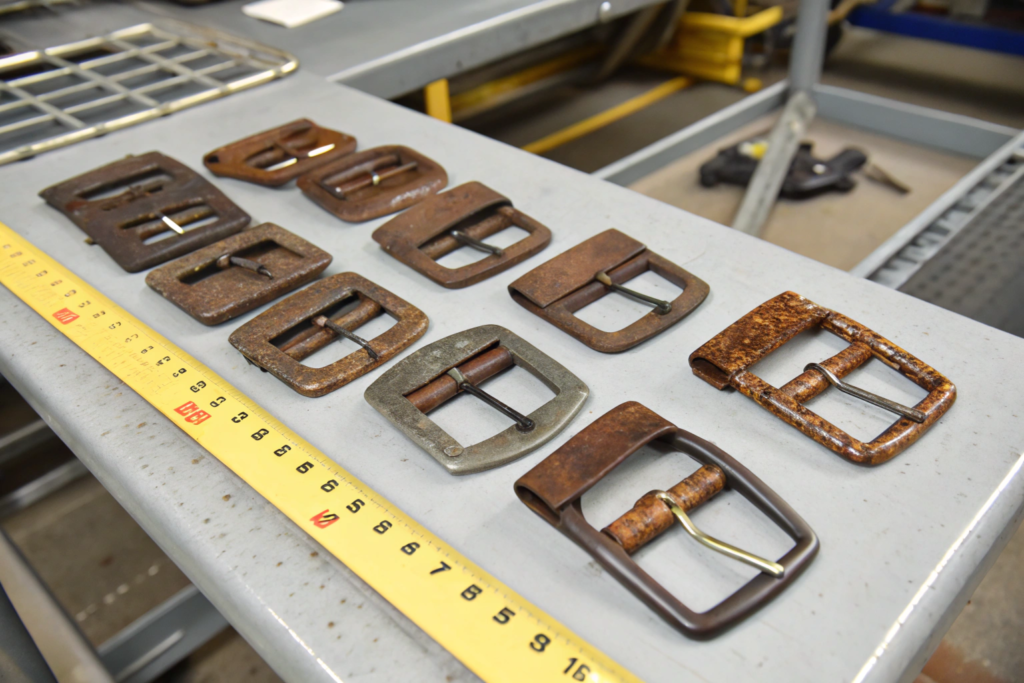
We test for corrosion using a salt spray test. We place the buckles in a chamber. The chamber sprays a fine salt mist. This simulates years of exposure in a short time. We leave the buckles in the chamber for 24 to 72 hours. Then we inspect them. We look for any signs of rust or pitting. A good buckle should show no rust after 48 hours. For premium buckles, we test for 72 hours or more. We also test the coating. If the buckle is plated, we test the adhesion of the plating.
What materials are most resistant to corrosion?
Stainless steel is the best. It does not rust. It is also strong. But it is more expensive. For a budget option, zinc alloy with a good plating can work. But the plating must be thick enough. We test the plating thickness with a special tool.
Brass is also good. It resists corrosion naturally. But it can tarnish over time. For a high-end look, we use solid brass. For a more affordable option, we use steel with a nickel or chrome plating. Our material selection team helps clients choose the right balance of cost and durability.
How do you test the plating on metal buckles?
Plating can peel or chip. We test this. We use a cross-cut test. We make small cuts in the plating. Then we apply tape and pull it off. If the plating comes off with the tape, it is not adhered properly.
We also test for thickness. We use an X-ray fluorescence machine. It measures the thickness of the plating in microns. We have minimum standards for each type of plating. This ensures that the plating will last. Our clients in major supermarkets require these tests. They know that plating failure leads to returns.
What Impact Tests Do You Perform on Buckles and Fasteners?
Life is unpredictable. A belt can get caught on a door handle. A child can pull on it. A suitcase can fall on it. These are impact events. They apply sudden force to the buckle. A buckle that cannot handle impact will break.
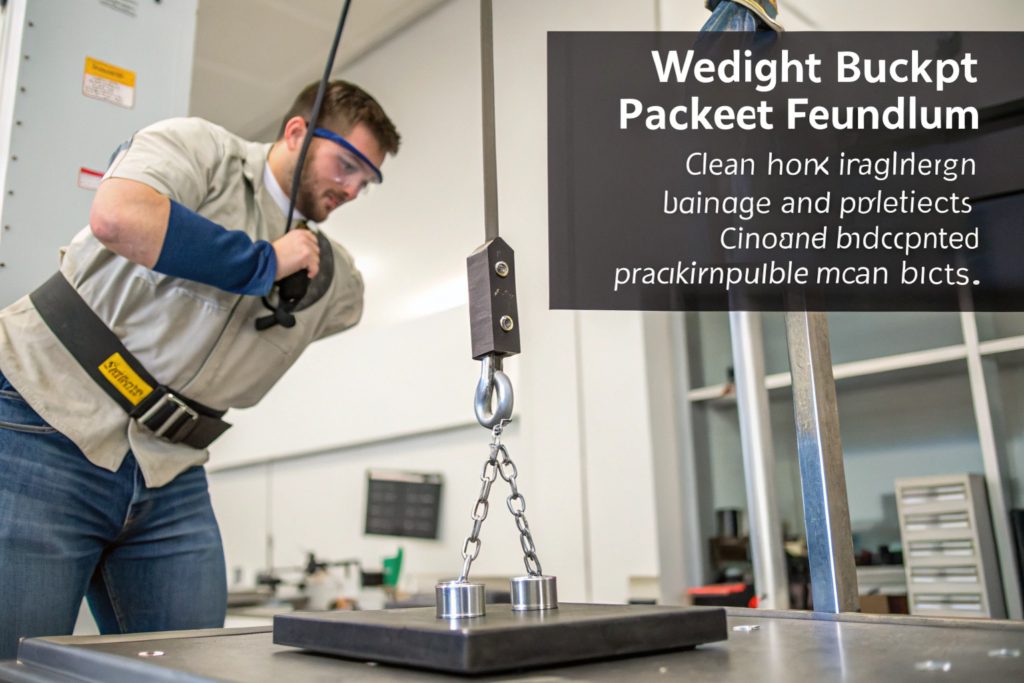
We perform impact tests using a pendulum. We mount the buckle on a fixture. Then we swing a weighted pendulum into the buckle. We measure the force of the impact. We also look for damage. Does the buckle crack? Does it bend? Does it break? We also test the attachment points. A sudden pull can rip the buckle off the strap. We want to know the force at which this happens. This test simulates real-world accidents. It ensures that our buckles can handle unexpected stress.
What is the standard impact force for belt buckles?
We use a standard of 20 joules for most fashion belts. This simulates a moderate impact. For work belts or heavy-duty belts, we go higher. Up to 50 joules or more.
We also test at different angles. A buckle can be hit from the side or from the front. We test both. We also test the strap attachment at impact angles. This is important for belt manufacturers who want to guarantee durability.
How do you test plastic buckles for impact resistance?
Plastic buckles are different. They can crack under impact. We test them with the same pendulum. But we also do a cold temperature impact test. Plastic becomes brittle in cold weather. We put the buckle in a freezer. Then we do the impact test. If it cracks, it fails.
We also test the material itself. We use engineering plastics like polycarbonate or acetal. These are stronger than standard plastics. Our quality control team ensures that we use the right materials for the application.
How Do You Test the Stitching and Attachment of the Belt Strap?
The buckle is important. But the stitching that holds the buckle to the strap is equally important. If the stitching fails, the buckle does not matter. We test the stitching as rigorously as we test the buckle.
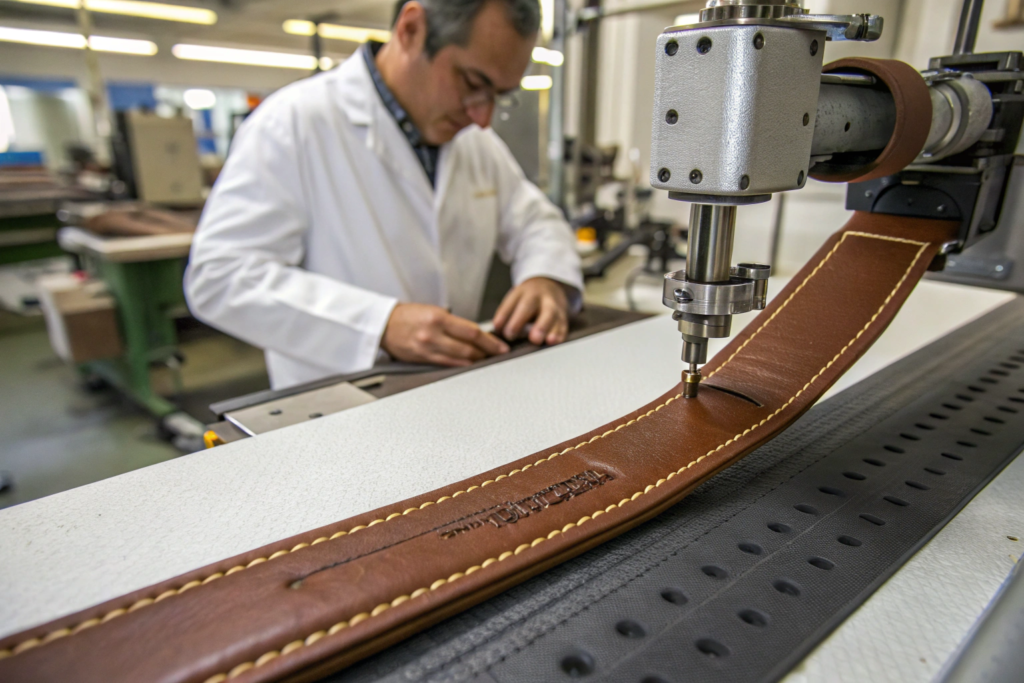
We test the stitching using a pull test. We clamp the strap on both sides of the stitching. Then we pull. We measure the force at which the stitching breaks. For a belt, we require a minimum of 150 Newtons for the stitching. We also test the thread itself. We use bonded nylon or polyester thread. These are strong and resistant to UV and moisture. We also test the needle holes. If the holes are too big, the thread can cut through the material. Our inspection team checks this on every belt.
What thread types do you use for high-durability belts?
We use bonded nylon thread for most belts. It is strong. It resists abrasion. It does not stretch. For leather belts, we use polyester thread. It is also strong. It does not rot. We avoid cotton thread. Cotton can break down over time.
We also match the thread color to the belt. But color is not the only factor. The thread must be the right thickness. Too thin, and it breaks. Too thick, and it weakens the material. Our production team has years of experience choosing the right thread for each application.
How do you test the stitching on leather belts?
Leather is a natural material. It can stretch. It can tear. We test the stitching on leather belts with extra care. We do a pull test. But we also do a cycle test. We flex the belt repeatedly. This simulates bending and twisting over time.
We also test the edge finishing. The edges of the belt should be smooth. If they are rough, they can cut the thread. We check every belt for edge finish. For a leather belt, we also test the leather itself. We check for cracking and splitting. This comprehensive approach ensures that the belt will last.
Conclusion
A belt is a simple product. But making a belt that lasts requires serious testing. The buckle must withstand tension, repeated use, corrosion, and impact. The stitching must hold. The materials must be right. At Shanghai Fumao, we have built our reputation on doing these tests on every order. We do not cut corners. We do not assume.
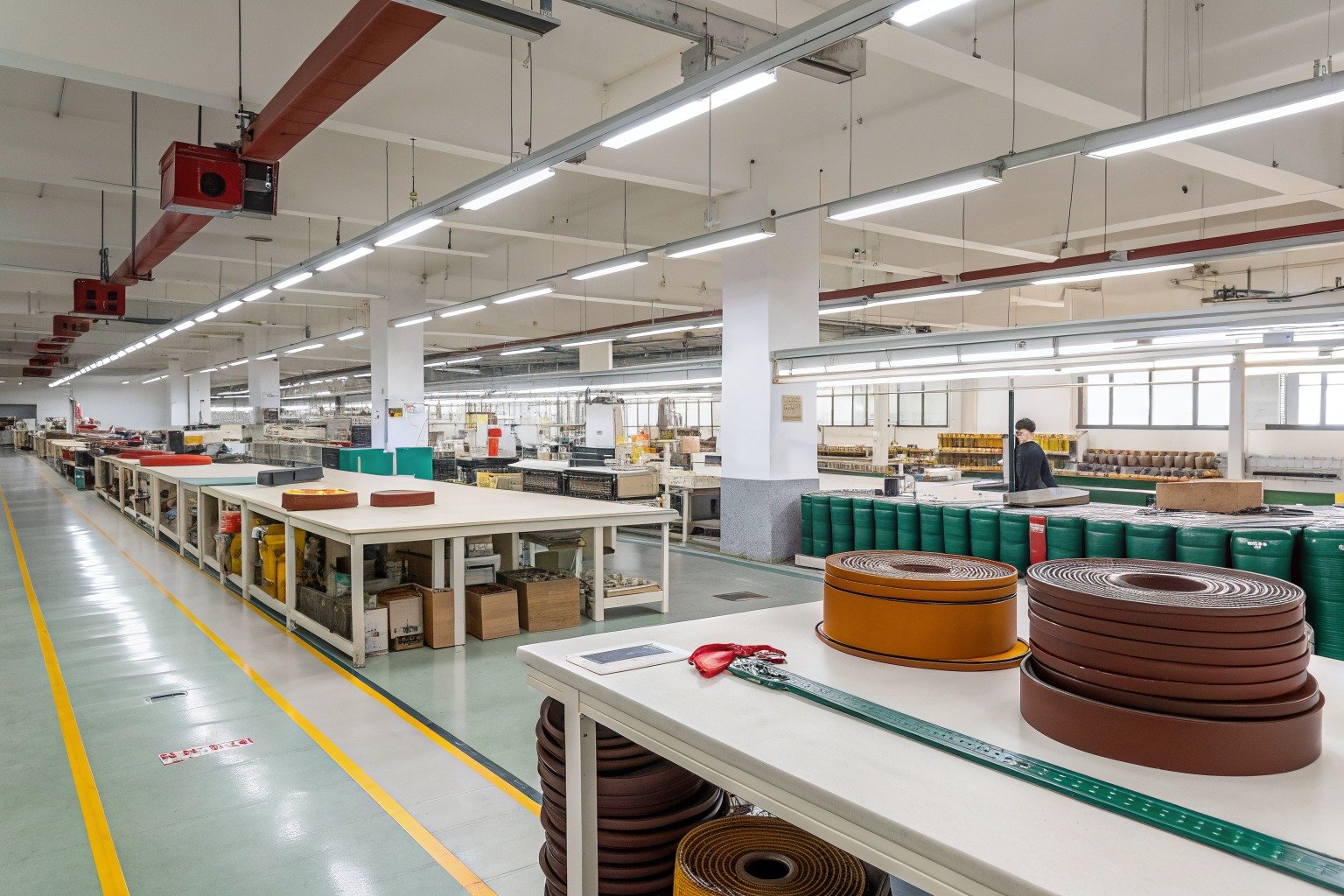
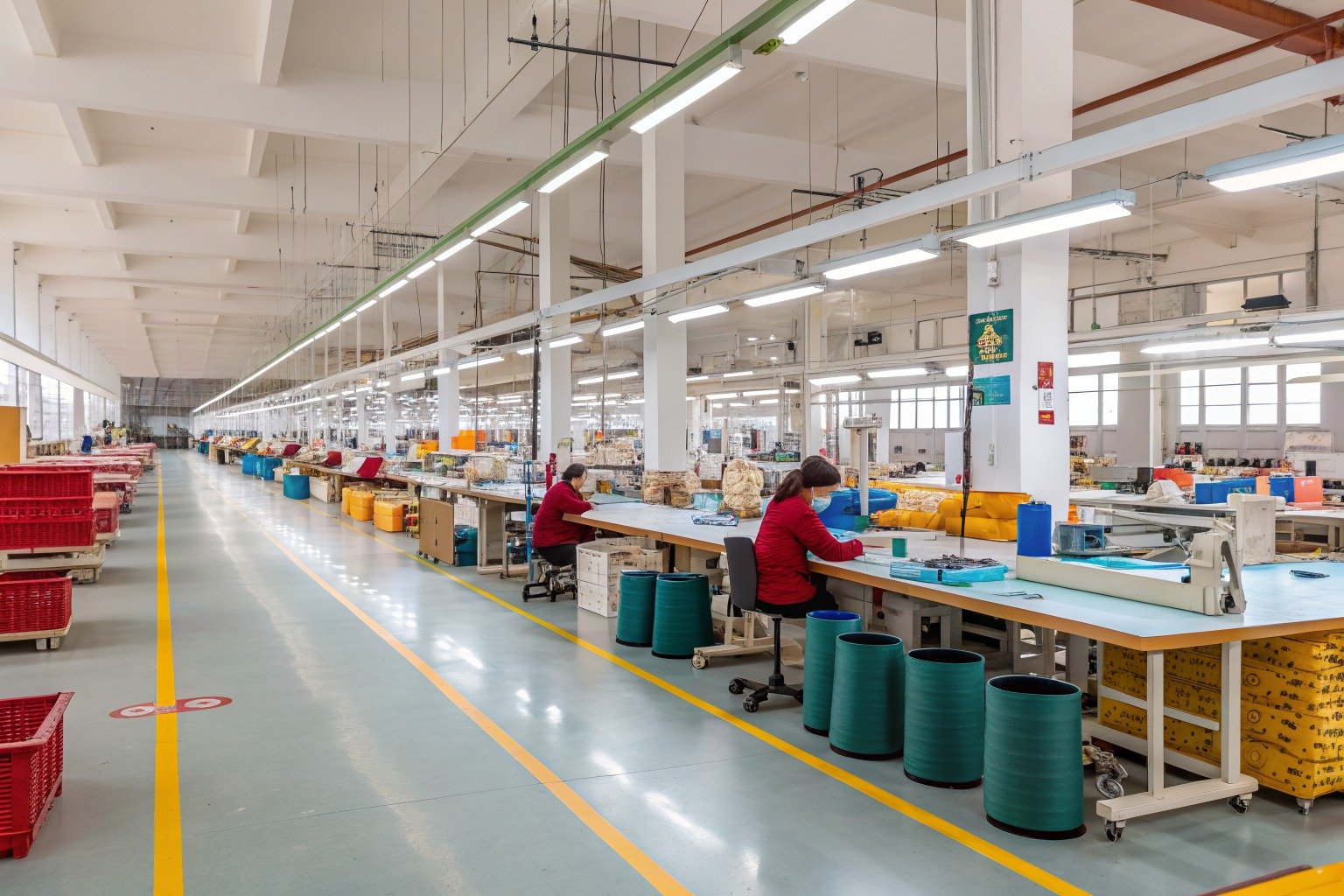
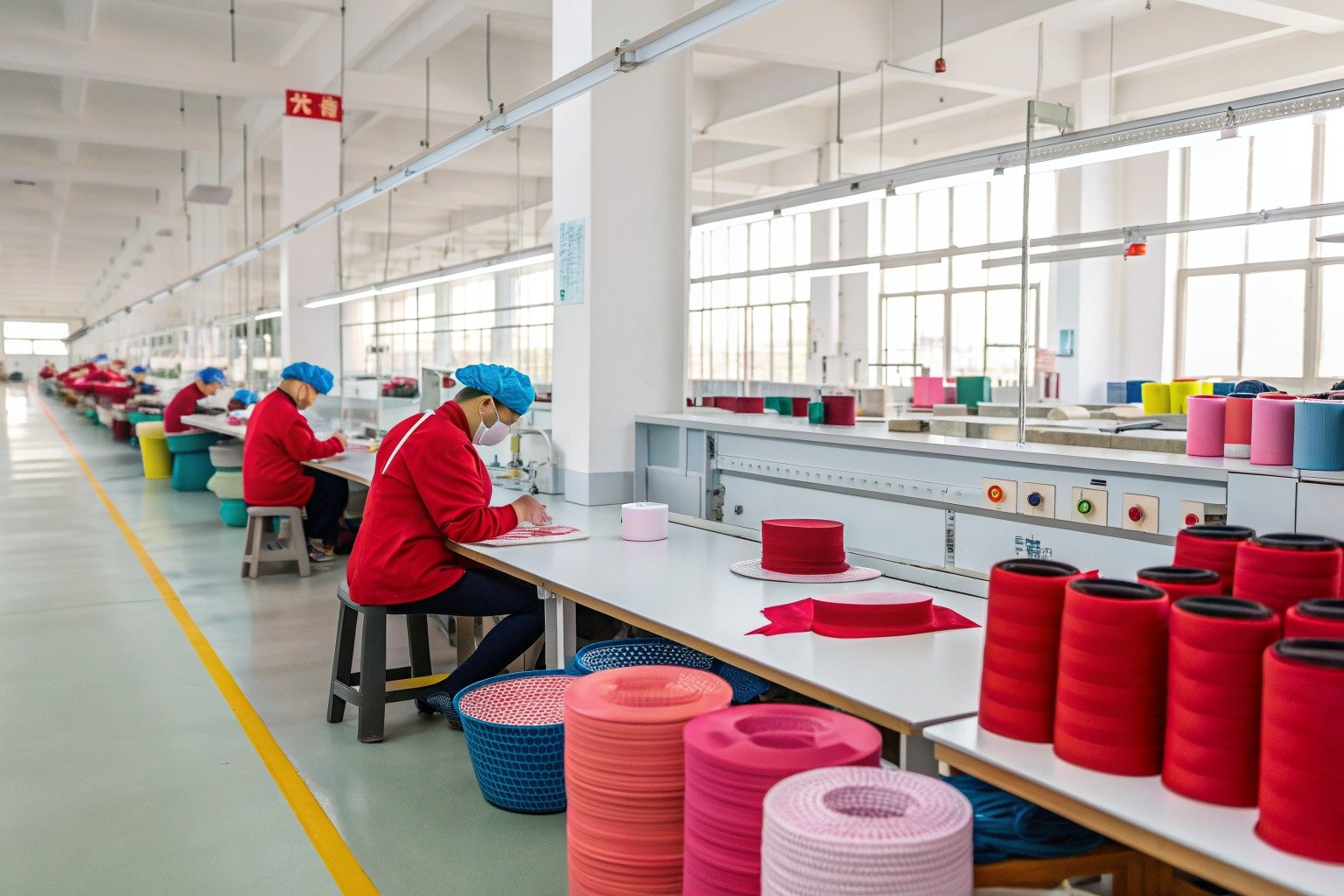
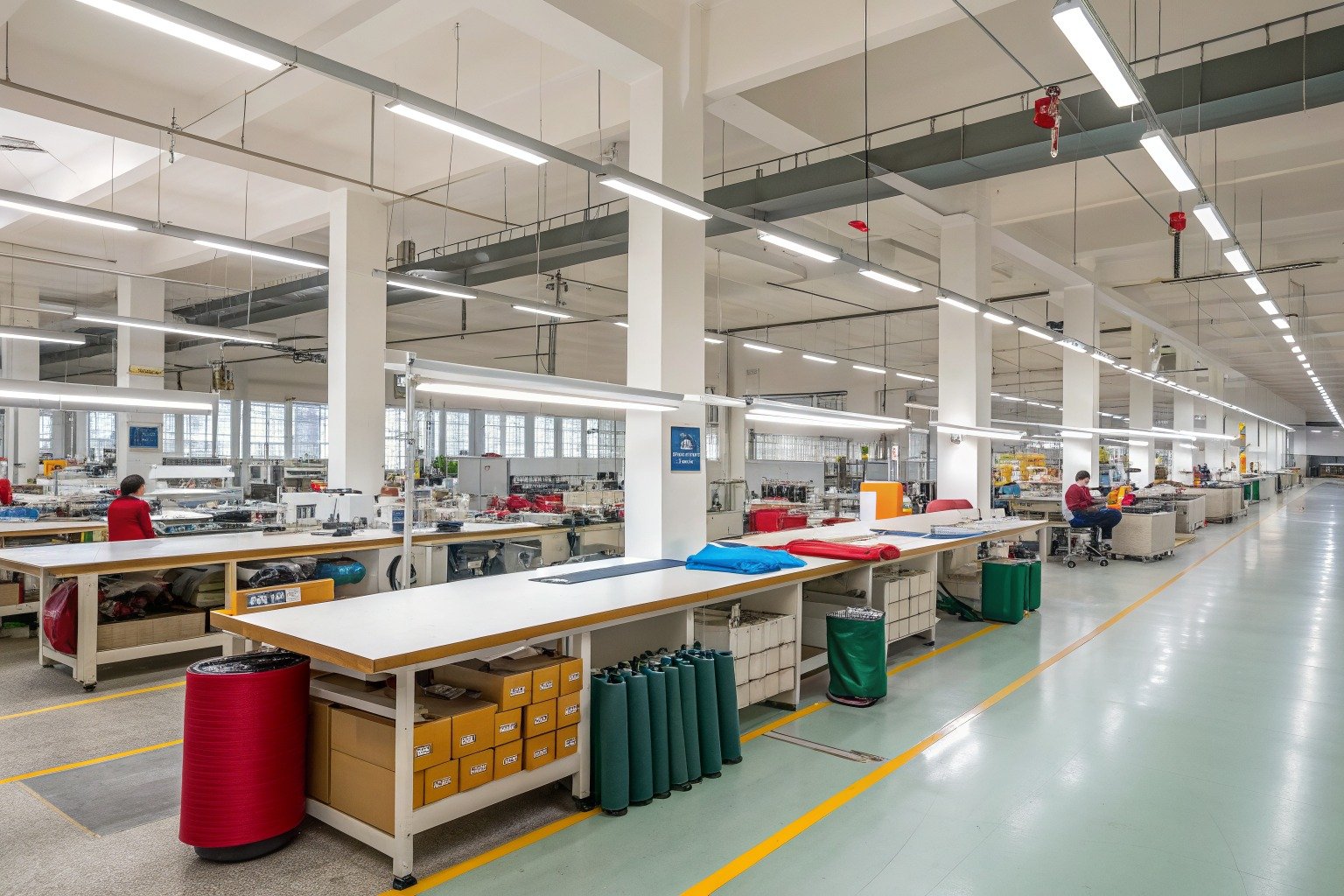
Our factory in Zhejiang is modern. Our quality control team is experienced. Our project managers make sure you know the test results. We can provide test reports for your records. This gives you confidence. It gives your customers confidence.
If you are sourcing belts and want to ensure they are durable, I invite you to reach out. Let us talk about your requirements. Let us show you our testing process. You can contact our Business Director, Elaine, directly. She will help you get started. Her email is: elaine@fumaoclothing.com.