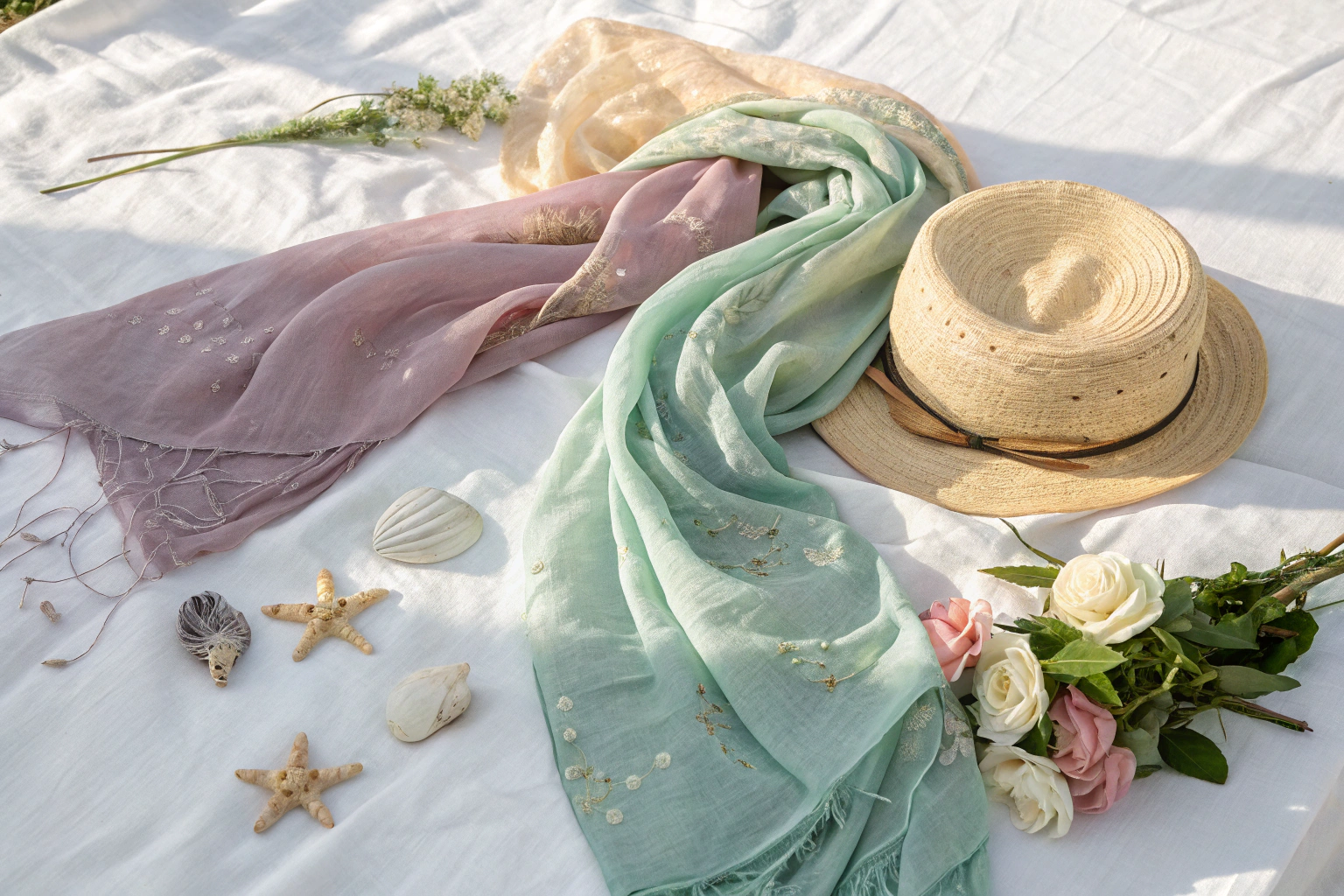
I have been in the fashion accessory and textile business for over twenty years, and I have learned that summer shawls are one of the most versatile and beloved products. They are the perfect accessory for cool evenings, air-conditioned offices, beach cover-ups, and travel. For a buyer like Ron, who supplies to boutiques and retailers, selecting the right fabric is essential. The best summer shawls are lightweight, breathable, and have a beautiful drape. They should feel luxurious against the skin without being heavy or hot. Understanding the fabric options helps you choose shawls that your customers will reach for again and again.
The best fabrics for lightweight summer shawls include silk chiffon for sheer elegance, cotton voile for breathability and crispness, modal for softness and drape, bamboo viscose for eco-friendly fluidity, linen for natural texture and coolness, and rayon challis for affordable softness. Each fabric has unique properties in terms of weight, drape, breathability, and care requirements. The right choice depends on your brand positioning, your target customer, and the intended use of the shawl.
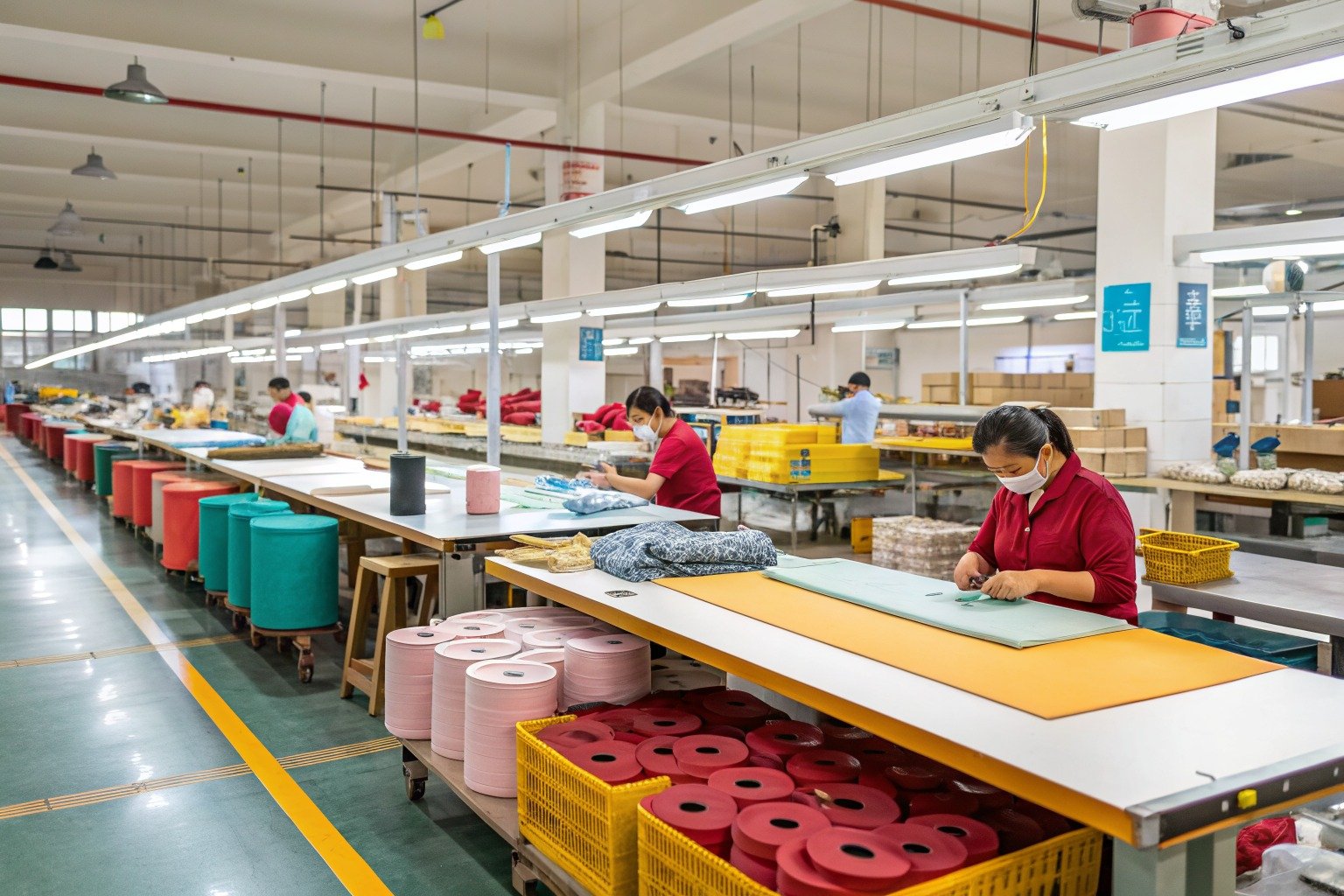
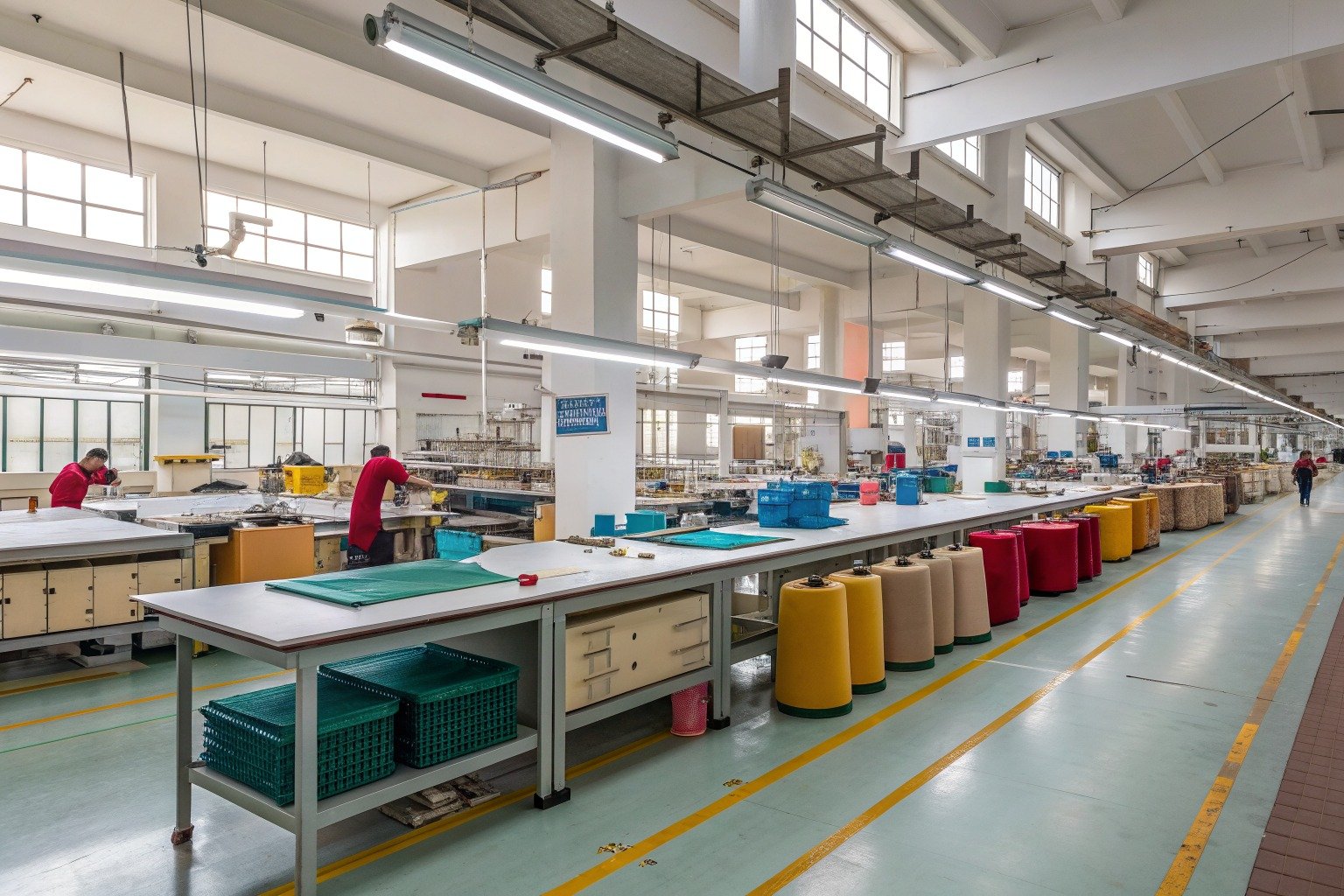
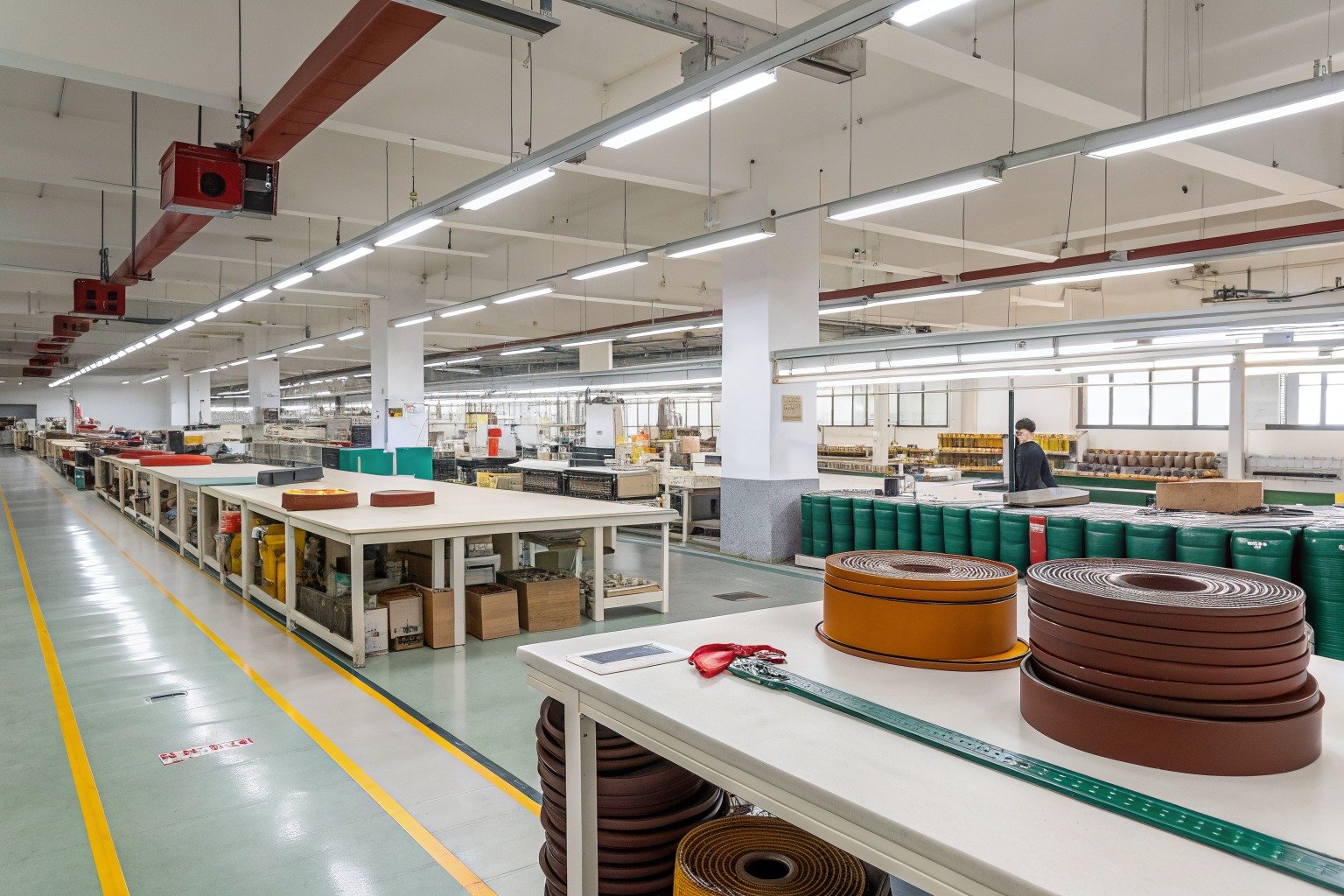
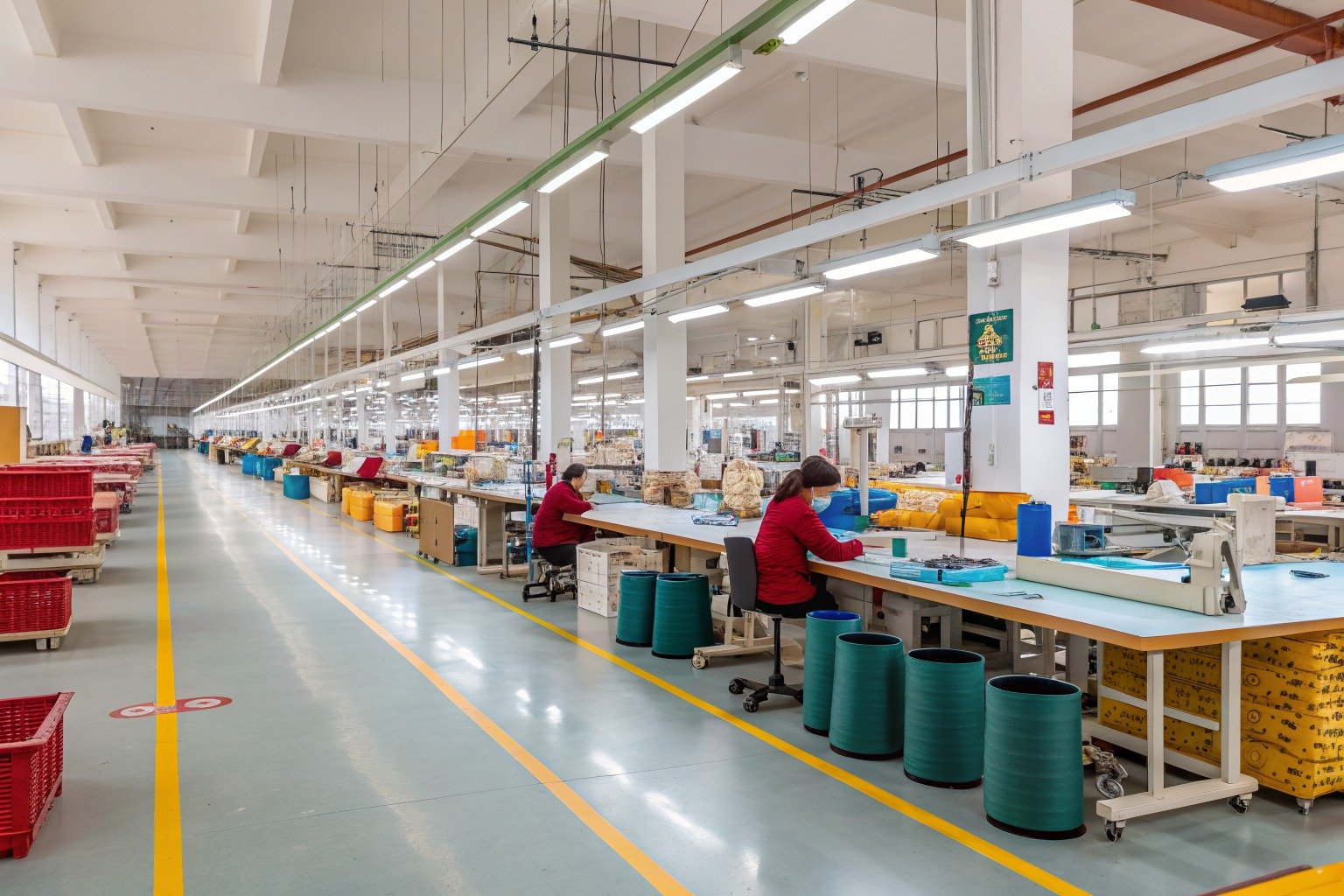
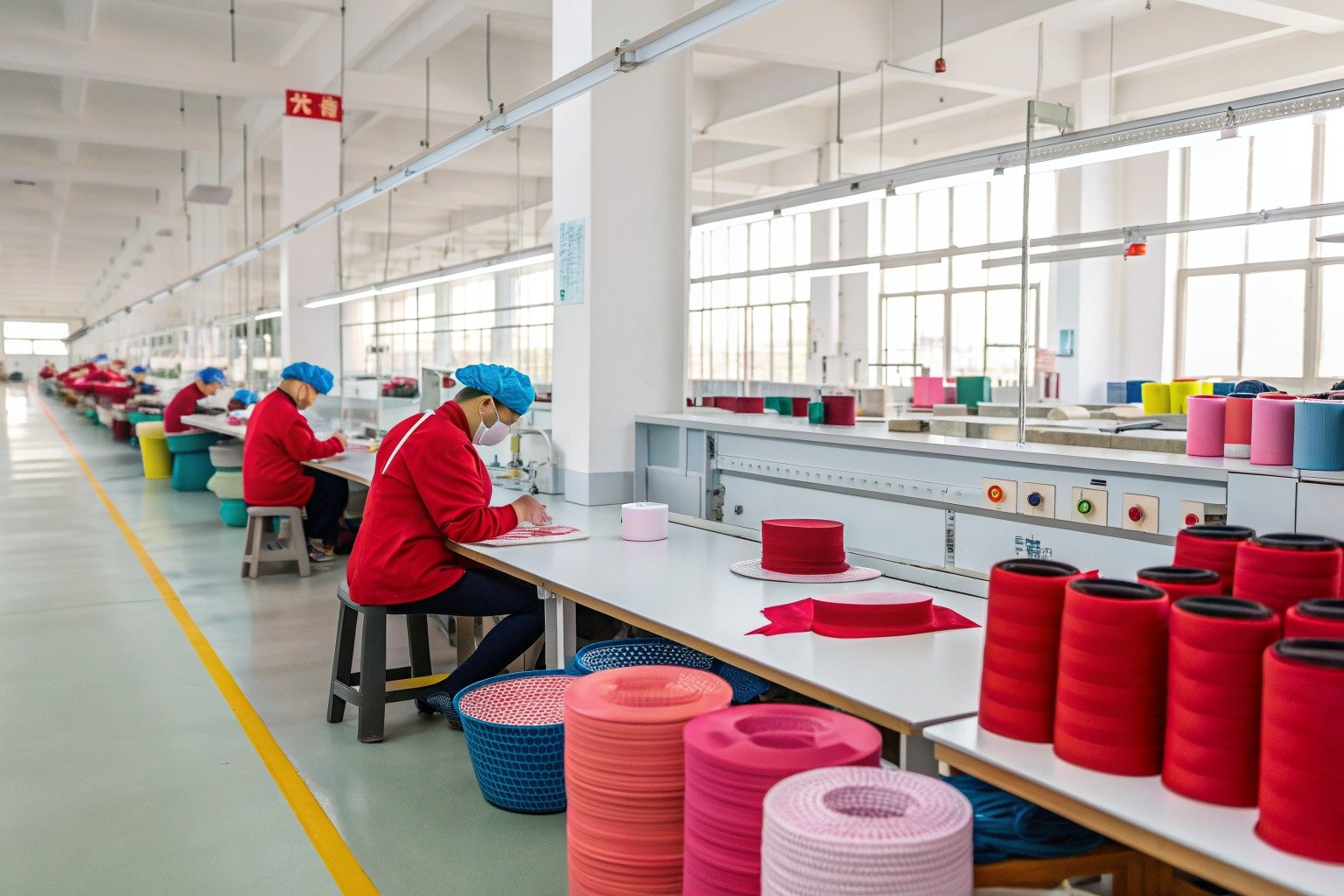
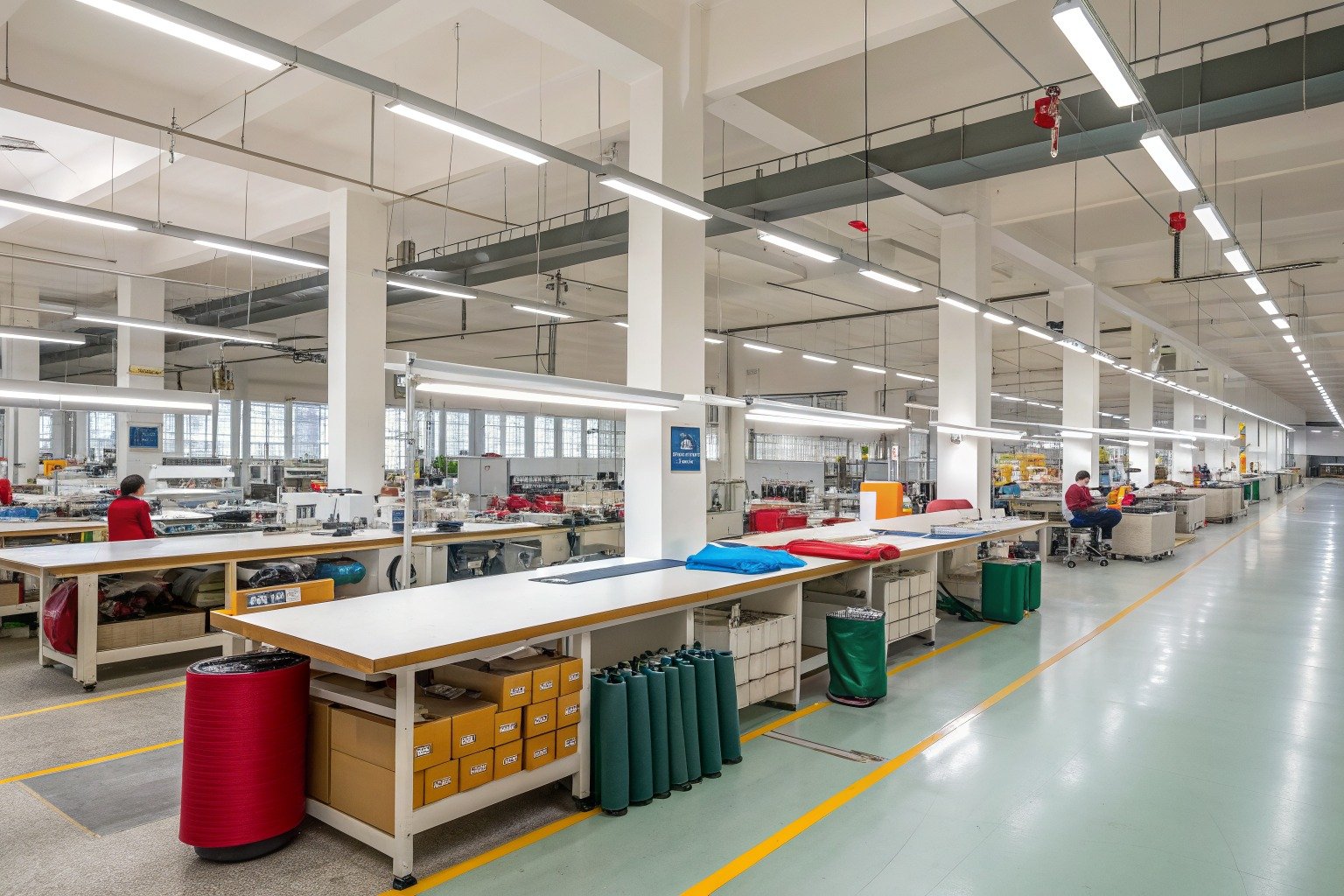
At Shanghai Fumao Clothing, we have been producing shawls for years. We work with a range of lightweight fabrics and have developed expertise in finishing and construction. I want to share what we have learned about the best fabrics for summer shawls so you can build a collection that your customers will love.
What Are The Key Properties Of A Great Summer Shawl Fabric?
Before diving into specific fabrics, it is important to understand what makes a fabric suitable for summer. The best summer shawl fabrics share several key properties: lightweight, breathable, good drape, softness, and ease of care. Understanding these properties helps you evaluate fabric options.
The first property is weight. A summer shawl should be light enough that it does not feel heavy or hot. Look for fabrics with a weight of 60 to 120 GSM (grams per square meter). Silk chiffon is around 60 GSM. Cotton voile is around 80 to 100 GSM. Modal and bamboo are also lightweight. The second property is breathability. The fabric should allow air to circulate so you do not overheat. Natural fibers like cotton, linen, silk, and bamboo are highly breathable. Some synthetics can trap heat.
The third property is drape. Drape is how the fabric falls and moves. A good summer shawl should drape gracefully, not be stiff or clingy. Fabrics like silk, modal, and rayon have excellent drape. Linen and cotton voile have a crisper drape. The fourth property is softness. The fabric should feel good against the skin. Silk, modal, and bamboo are exceptionally soft. Linen can be slightly textured but softens with washing. The fifth property is ease of care. Summer shawls are often thrown in a bag and used on the go. Fabrics that are machine washable or easy to care for are more practical. Silk requires dry cleaning or hand washing. Cotton, modal, and bamboo are often machine washable. For more information on textile properties, resources like the Textile World provide technical articles on fiber characteristics.
Why is breathability essential for summer shawls?
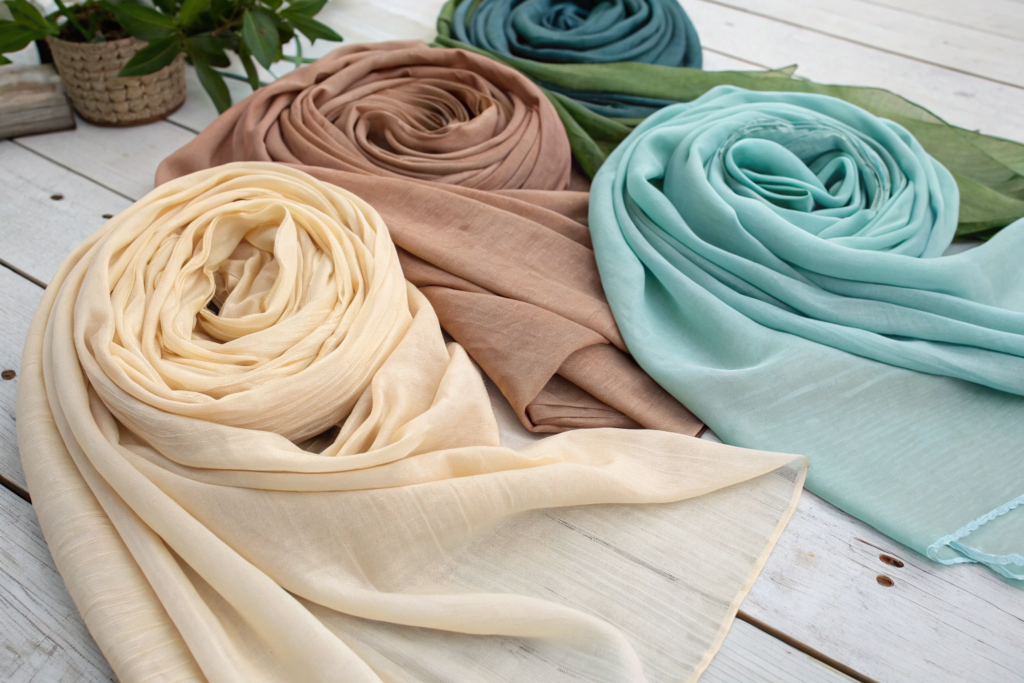
Breathability is essential for summer shawls because it determines how comfortable the shawl feels in warm weather. A breathable fabric allows air to circulate, wicking moisture away from the skin and preventing overheating. This is especially important for a shawl that may be worn over bare skin or light clothing. Natural fibers like cotton, linen, silk, and bamboo are highly breathable. Their fiber structures have natural pores that allow air and moisture to pass through. Synthetic fibers like polyester are less breathable; they can trap heat and moisture, making you feel clammy. When selecting a summer shawl, consider the climate and the intended use. For a beach cover-up in a hot, humid climate, breathability is paramount. For a shawl for air-conditioned offices, breathability is less critical. The weave also affects breathability. A loose, open weave allows more air circulation. A tight, dense weave traps more heat. For summer, look for fabrics with a loose or open weave.
How does drape affect the look and feel of a shawl?
Drape is the way fabric falls, folds, and moves. It is one of the most important factors in how a shawl looks and feels. A fabric with good drape flows gracefully, creating soft, elegant lines. A fabric with poor drape is stiff and stands away from the body. For a shawl, good drape is essential. The shawl should wrap around the shoulders and fall naturally, not stick out or bunch up. Silk has exceptional drape. It is fluid and moves beautifully. Modal and rayon also have excellent drape. They are soft and flowy. Cotton voile has a crisper drape. It holds its shape more, which can be desirable for structured styles. Linen has a natural, slightly rumpled drape that many people find appealing. When evaluating fabrics, hold a sample and let it fall. Does it flow? Does it fold elegantly? Does it feel stiff? The drape will affect not only the look but also how the shawl feels when worn. A stiff shawl can feel heavy and uncomfortable. A flowing shawl feels light and luxurious.
What Are The Best Natural Fiber Shawls?
Natural fibers are the classic choice for summer shawls. They are breathable, comfortable, and have a natural beauty. Each natural fiber has unique characteristics that make it suitable for different styles and price points.
Silk chiffon is the ultimate luxury summer shawl. Silk is naturally breathable, temperature-regulating, and has a beautiful sheen. Chiffon is a lightweight, sheer weave that creates an ethereal, flowing shawl. Silk chiffon shawls are elegant and perfect for special occasions. They are lightweight and pack easily. The trade-off is that silk requires dry cleaning or gentle hand washing. Cotton voile is a crisp, lightweight cotton with a slightly sheer finish. It is breathable, easy to care for, and has a natural, casual elegance. Cotton voile shawls are perfect for everyday wear. They can be machine washed and are very durable. Linen is another excellent natural fiber. It is highly breathable, moisture-wicking, and has a natural, textured look. Linen shawls are perfect for warm weather. They are casual and cool. Linen does wrinkle easily, which is part of its charm for many people.
Bamboo viscose is a semi-natural fiber made from bamboo pulp. It is exceptionally soft, drapes beautifully, and is highly breathable. Bamboo is also naturally antimicrobial and moisture-wicking. It is a popular choice for eco-conscious brands. It is often machine washable. For more information on natural fibers, the International Wool Textile Organisation (IWTO) provides resources on wool, and Cotton Incorporated offers information on cotton.
What makes silk chiffon the ultimate luxury summer shawl?
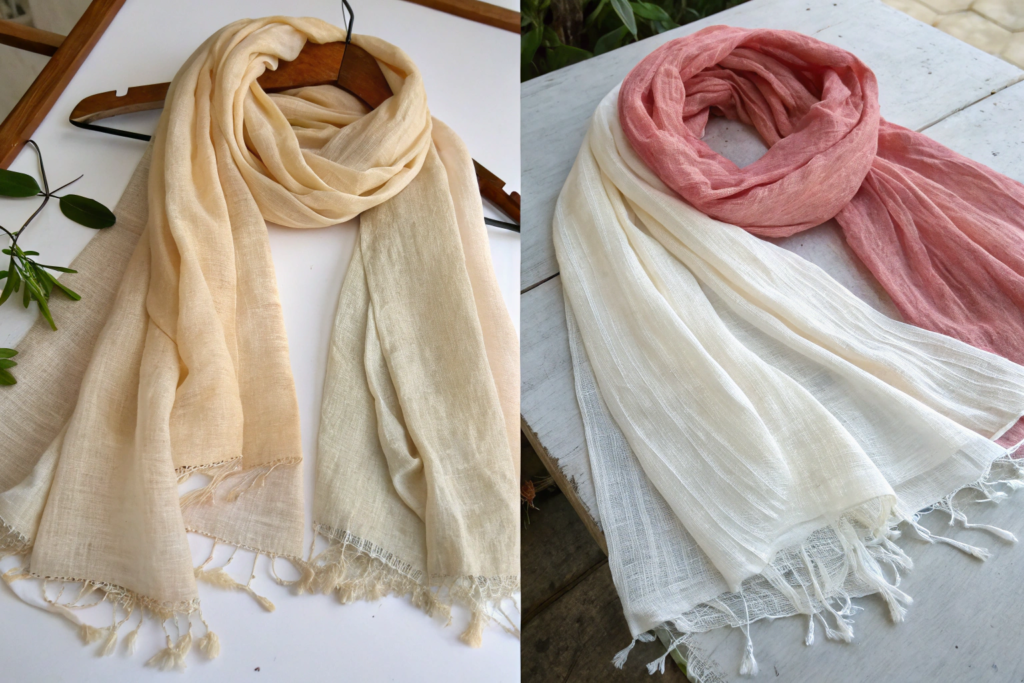
Silk chiffon is considered the ultimate luxury summer shawl for several reasons. First, the fiber itself is luxurious. Silk is a natural protein fiber produced by silkworms. It has a natural sheen, a soft hand feel, and is temperature-regulating. It keeps you cool in summer and warm in winter. Second, the chiffon weave is lightweight and sheer. Chiffon is a plain weave with a slight twist in the yarns, creating a slightly crinkled texture. It is incredibly lightweight, typically 60 to 80 GSM. This makes it perfect for a summer shawl that you can pack into a small bag and have ready for cool evenings or air-conditioned spaces. Third, the drape is exceptional. Silk chiffon flows and moves beautifully. It wraps around the shoulders elegantly and does not feel heavy. Fourth, the versatility. Silk chiffon shawls can be casual or formal. They come in a wide range of colors, from soft pastels to vibrant jewel tones. They can be plain or printed with intricate patterns. The trade-off is that silk chiffon requires special care. It should be dry cleaned or gently hand washed. For a premium brand or a special occasion collection, silk chiffon is an excellent choice.
Why is cotton voile a staple for everyday summer shawls?
Cotton voile is a staple for everyday summer shawls because it combines comfort, breathability, and practicality. Cotton is a natural fiber that is soft, breathable, and hypoallergenic. Voile is a lightweight, plain weave that is slightly sheer. The result is a shawl that is cool and comfortable in warm weather. Cotton voile is also easy to care for. It can be machine washed and dried, which is a significant advantage for everyday wear. It does not require special handling. The fabric is durable and holds up well to frequent use. Cotton voile shawls come in a wide range of colors and prints. They can be plain for a minimalist look, or printed with floral, geometric, or abstract patterns. The fabric has a crisp drape that holds its shape. It is perfect for shawls that are meant to be folded or draped in a structured way. For a boutique, cotton voile shawls are a reliable best-seller. They appeal to a broad range of customers and are priced accessibly. At Shanghai Fumao Clothing, we offer cotton voile shawls in a variety of colors and prints.
What Are The Best Cellulose-Based Shawls?
Cellulose-based fibers are made from plant materials. They offer many of the benefits of natural fibers—breathability, softness—with enhanced drape and often lower cost. These fabrics are popular for summer shawls because they are lightweight, flowy, and comfortable.
Modal is a type of rayon made from beech tree pulp. It is known for its exceptional softness and drape. Modal shawls are fluid, lightweight, and have a silky feel. They are highly breathable and moisture-wicking. Modal is often blended with cotton or spandex for added durability or stretch. It is machine washable, making it practical for everyday use. Bamboo viscose is made from bamboo pulp. It is similar to modal in softness and drape but has the added benefit of being naturally antimicrobial and moisture-wicking. Bamboo is a fast-growing, renewable resource, making it an eco-friendly choice. Bamboo viscose shawls are soft, fluid, and have a natural sheen.
Rayon challis is a lightweight, soft rayon fabric with a beautiful drape. It is often used for summer shawls because it is affordable, comfortable, and comes in a wide range of prints. Rayon challis has a matte finish and a soft hand feel. It is not as durable as modal or bamboo, but it is very affordable. Tencel (lyocell) is a newer generation of rayon made from sustainably sourced wood pulp. It is exceptionally soft, strong, and breathable. Tencel has a smooth, silky surface and excellent drape. It is also biodegradable and produced in a closed-loop process that recycles water and solvents. For more information on cellulose fibers, the Textile Exchange provides resources on sustainable fibers like Tencel and modal.
What are the benefits of modal for summer shawls?
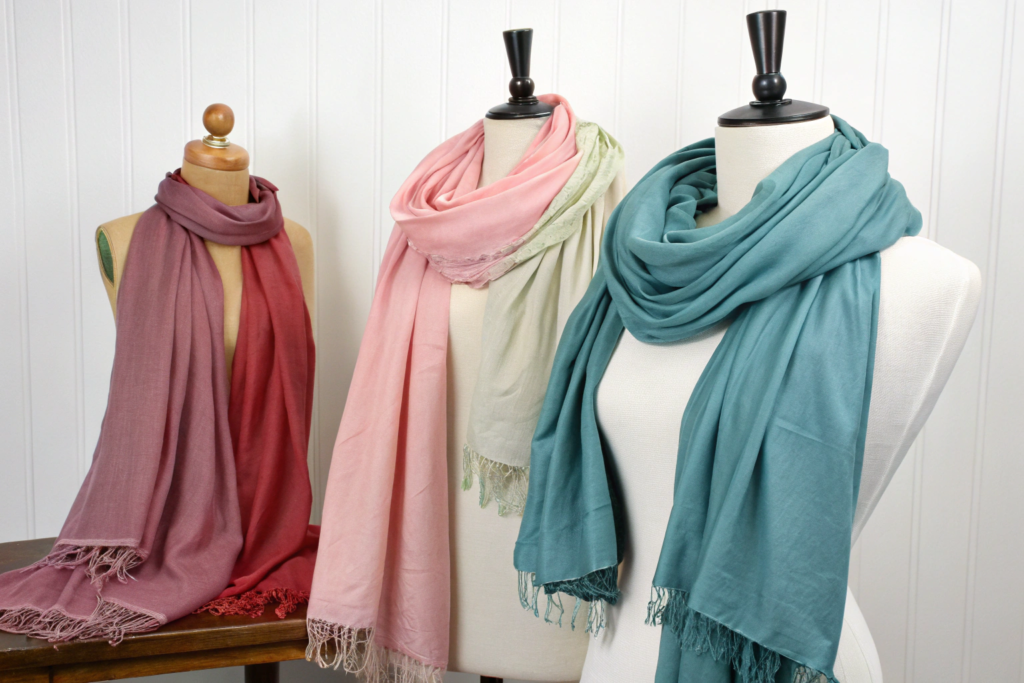
Modal offers several benefits that make it an excellent choice for summer shawls. First, it is incredibly soft. Modal has a silky, smooth feel that is often compared to cotton but softer. It is gentle against the skin, making it ideal for shawls that will be worn against bare shoulders. Second, it has exceptional drape. Modal fabric is fluid and flows beautifully. It wraps and falls gracefully, creating an elegant silhouette. Third, it is breathable and moisture-wicking. Modal absorbs moisture and allows it to evaporate, keeping you cool and comfortable. Fourth, it is lightweight. Modal shawls are light enough to pack easily but have enough weight to drape well. Fifth, it is easy to care for. Most modal shawls are machine washable. They dry quickly and resist shrinking. Sixth, it holds dye well. Modal comes in a wide range of vibrant, long-lasting colors. For a brand that wants a soft, luxurious feel without the high cost of silk, modal is an excellent choice.
How does bamboo viscose compare to traditional rayon?
Bamboo viscose and traditional rayon (viscose) are both cellulose-based fibers, but they have some differences. Bamboo viscose is made from bamboo pulp. Bamboo is a fast-growing grass that can be harvested in 3 to 5 years. It grows without pesticides and requires little water. This makes bamboo a more sustainable option than wood-based rayon, which often comes from old-growth forests. In terms of feel, bamboo viscose is often described as softer than traditional rayon. It has a silky, almost cashmere-like feel. It is also naturally antimicrobial and moisture-wicking, which makes it ideal for summer wear. Traditional rayon is also soft and breathable, but it may not have the same antimicrobial properties. In terms of drape, both have excellent drape. Bamboo viscose may have a slightly more fluid drape. In terms of care, both are typically machine washable, though rayon can be more prone to shrinking. For eco-conscious brands, bamboo viscose is often the preferred choice. At Shanghai Fumao Clothing, we offer both modal and bamboo viscose shawls and can help you choose based on your sustainability goals and price point.
How Do I Choose Between Natural And Cellulose Fibers?
Choosing between natural fibers (silk, cotton, linen) and cellulose fibers (modal, bamboo, rayon) depends on your brand positioning, your target customer, your price point, and the intended use of the shawl. Both categories have strengths and weaknesses.
Natural fibers are often perceived as more luxurious and authentic. Silk is the ultimate luxury. Cotton is trusted for its comfort and breathability. Linen has a natural, artisanal appeal. However, natural fibers can be more expensive and may require more care. Silk often requires dry cleaning. Linen wrinkles easily. Cellulose fibers offer a similar look and feel at a lower price point. Modal and bamboo are exceptionally soft and drape beautifully. They are often machine washable, making them more practical. They are also often more sustainable than conventional cotton or rayon from old-growth forests. However, some consumers may not perceive them as "natural" in the same way as cotton or silk.
Consider your brand. If you are positioning as a luxury brand, silk or high-quality linen may be the right choice. If you are positioning as an accessible, everyday brand, modal or bamboo may be better. Consider your customer. Do they value ease of care? If so, machine-washable modal or cotton voile is ideal. Do they value sustainability? If so, organic cotton, bamboo, or Tencel are excellent. Consider your price point. Silk is expensive. Cotton voile and rayon are more affordable. Modal and bamboo are in the middle.
Which fabrics offer the best value for different price points?
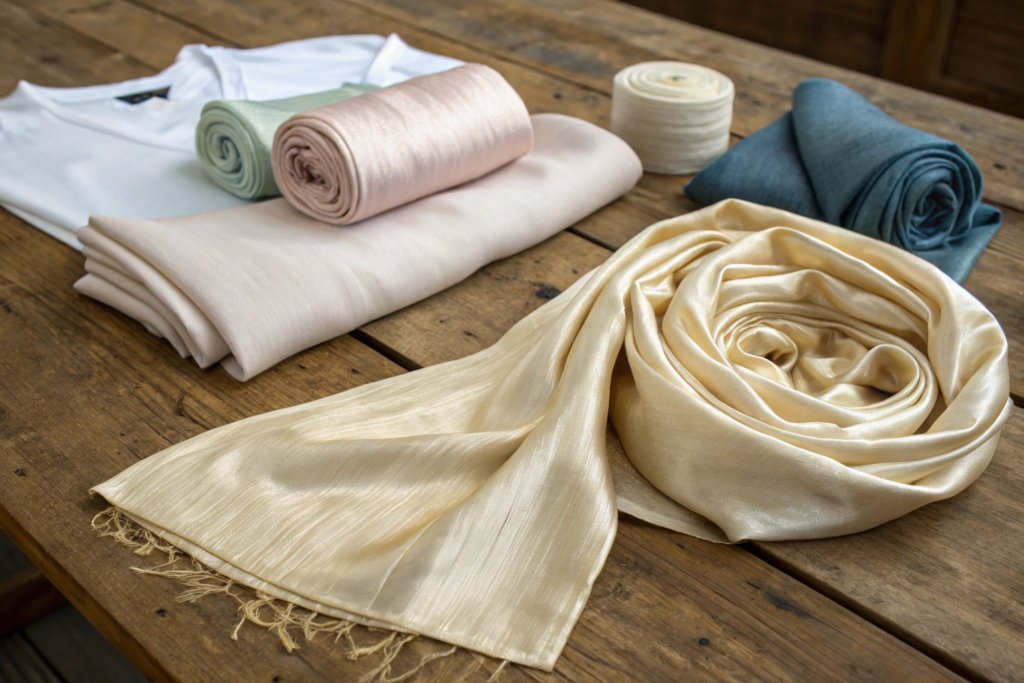
Understanding the price tiers helps you select fabrics that align with your budget and quality goals. At the value tier, rayon challis and polyester are the most affordable. Rayon challis offers softness and drape at a low price point. Polyester can mimic silk but is less breathable. At the mid-tier, cotton voile, modal, and bamboo viscose offer excellent quality at accessible prices. Cotton voile is breathable and easy to care for. Modal and bamboo are soft and drape beautifully. At the premium tier, silk chiffon and high-quality linen offer luxury and natural beauty. Silk chiffon is lightweight, elegant, and has exceptional drape. Linen is cool, breathable, and has a natural texture. For a boutique, a mix of mid-tier and premium fabrics often works well. Offer modal and bamboo shawls for everyday wear, and silk shawls for special occasions. At Shanghai Fumao Clothing, we offer shawls across all price tiers and can help you select the right fabrics for your collection.
How do I balance sustainability with cost and quality?
Balancing sustainability with cost and quality is a key challenge for modern brands. The most sustainable choices are often more expensive, but there are ways to make them work. Start with certified organic cotton. Organic cotton is grown without pesticides and uses less water than conventional cotton. It is more expensive, but the premium is often worth it for eco-conscious consumers. Next, consider bamboo viscose. Bamboo is a rapidly renewable resource. It grows without pesticides. It is often priced in the mid-tier. Next, consider Tencel (lyocell). Tencel is made from sustainably sourced wood pulp and produced in a closed-loop process. It is a premium sustainable fiber. For cost-sensitive brands, consider blends. A blend of organic cotton and modal offers sustainability and softness at a lower price than 100% organic cotton. For certification, look for GOTS for organic cotton, FSC for bamboo, and OEKO-TEX for safety. Communicate your sustainability story to your customers. They are often willing to pay a premium for products that align with their values. At Shanghai Fumao Clothing, we source sustainable fabrics and can help you navigate the trade-offs.
How Do I Select The Right Fabric For My Brand?
Selecting the right fabric is about matching the fabric’s properties to your brand’s identity, your target customer, and your collection’s aesthetic. There is no single "best" fabric; there is only the best fabric for your specific needs.
Start by defining your brand aesthetic. Are you minimalist and modern? Crisp cotton voile or smooth modal may suit your aesthetic. Are you bohemian and romantic? Flowing silk chiffon or soft bamboo with floral prints may be right. Are you classic and timeless? Linen or high-quality cotton voile in neutral colors are excellent. Next, define your target customer. What do they value? Luxury? Ease of care? Sustainability? Price? This guides your fabric selection. Next, consider the intended use. Will the shawl be used for travel? Choose a fabric that is easy to pack and care for, like modal or cotton voile. Will it be used for special occasions? Choose silk chiffon. Will it be used as a beach cover-up? Choose lightweight cotton or rayon that can be easily washed.
Next, consider your price point. Work backwards from your target retail price. Your cost of goods should be roughly 30% to 50% of the retail price. Select a fabric that allows you to achieve your target margin. Finally, order samples. Before committing to a large order, order samples of the fabrics you are considering. Feel them, drape them, wash them. See how they perform. This is the only way to truly know if a fabric is right for your collection.
How do I test fabric samples before committing?
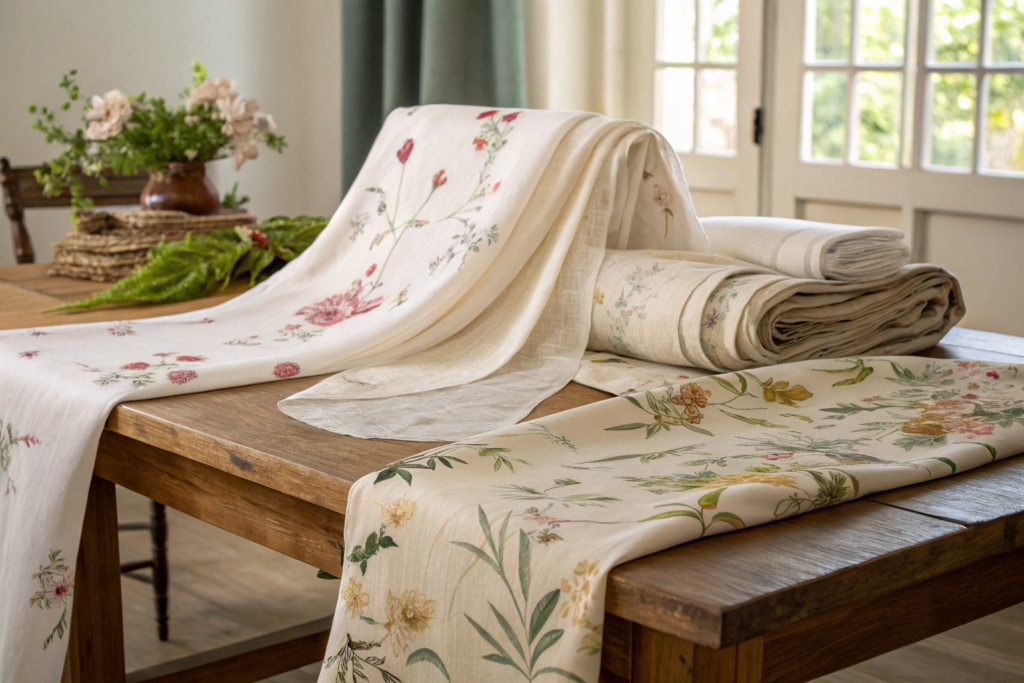
Testing fabric samples is an essential step in selecting the right fabric. Start with a visual inspection. Look at the color. Is it accurate to the sample? Is it consistent? Look at the weave. Is it even? Are there any flaws? Next, feel the fabric. Is it soft? Is it the right weight? Does it have the drape you want? Next, test the drape. Let the fabric fall over your arm. Does it flow? Is it stiff? Next, test the breathability. Hold the fabric to your mouth and breathe through it. You should feel air passing through. Next, test the care. If the fabric is supposed to be machine washable, wash a sample. Does it shrink? Does it fade? Does it wrinkle excessively? Next, test the durability. Rub the fabric to check for pilling. Pull on it to check for strength. Finally, consider how the fabric will look as a finished shawl. Will the edges be hemmed? Will it have fringe? How does the fabric work with these finishes? At Shanghai Fumao Clothing, we provide fabric samples to our clients and can guide them through the evaluation process.
What questions should I ask my fabric supplier?
Asking the right questions helps you evaluate a fabric supplier’s reliability and the quality of their materials. Start with fiber content. What is the exact fiber composition? For blends, what is the percentage of each fiber? Next, ask about weight. What is the GSM (grams per square meter)? This helps you compare fabrics. Next, ask about certifications. Is the fabric organic? Is it OEKO-TEX certified? Is it made from sustainable sources? Next, ask about the source. Where is the fabric produced? Is it from a mill you trust? Next, ask about colorfastness. Has the fabric been tested for colorfastness to light and washing? Can you provide test reports? Next, ask about shrinkage. What is the expected shrinkage rate? Should the fabric be pre-shrunk? Next, ask about minimum order quantities (MOQs). What is the minimum amount you need to order? Next, ask about lead times. How long will it take to get the fabric? Finally, ask for samples. A good supplier will provide samples for you to test. At Shanghai Fumao Clothing, we are transparent about our fabric sources and happy to answer these questions.
Conclusion
The best fabrics for lightweight summer shawls offer a combination of lightweight feel, breathability, beautiful drape, and softness. Silk chiffon is the ultimate luxury, offering ethereal elegance. Cotton voile is a practical, breathable staple for everyday wear. Linen provides natural texture and coolness. Modal and bamboo viscose offer exceptional softness and drape at accessible price points. Rayon challis is an affordable option with good drape. The right choice depends on your brand positioning, your target customer, your price point, and the intended use of the shawl.
At Shanghai Fumao Clothing, we have been producing summer shawls for years. We work with a range of fabrics, from premium silk chiffon to sustainable bamboo viscose. We have the expertise to help you select the right fabric for your brand and to produce shawls with impeccable finishing. Whether you need a collection of everyday cotton voile shawls or a line of luxury silk chiffon wraps, we have the capabilities to deliver.
If you are ready to build your summer shawl collection, let’s talk. Please contact our Business Director, Elaine, directly at elaine@fumaoclothing.com to discuss your vision and how we can help you bring it to life.