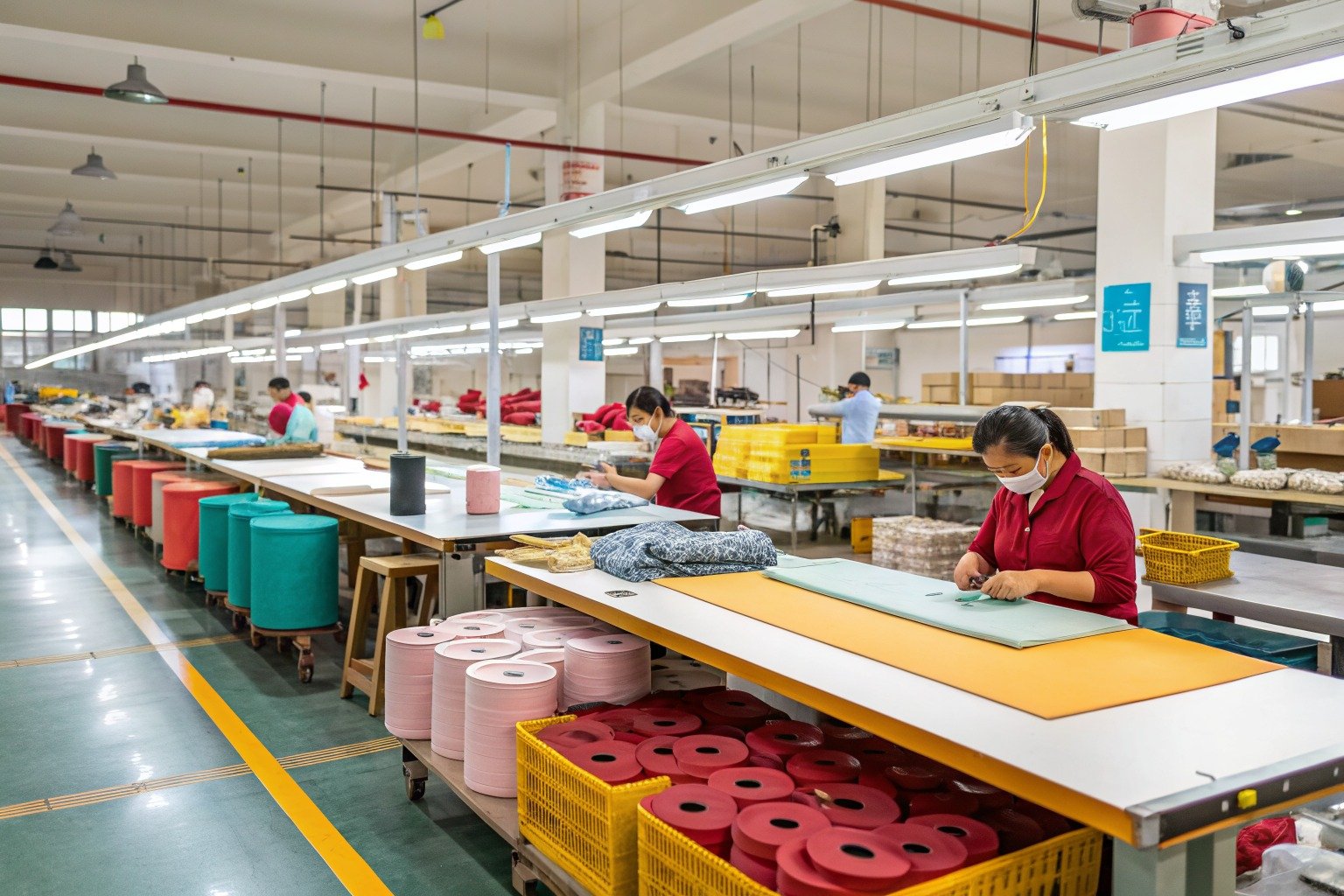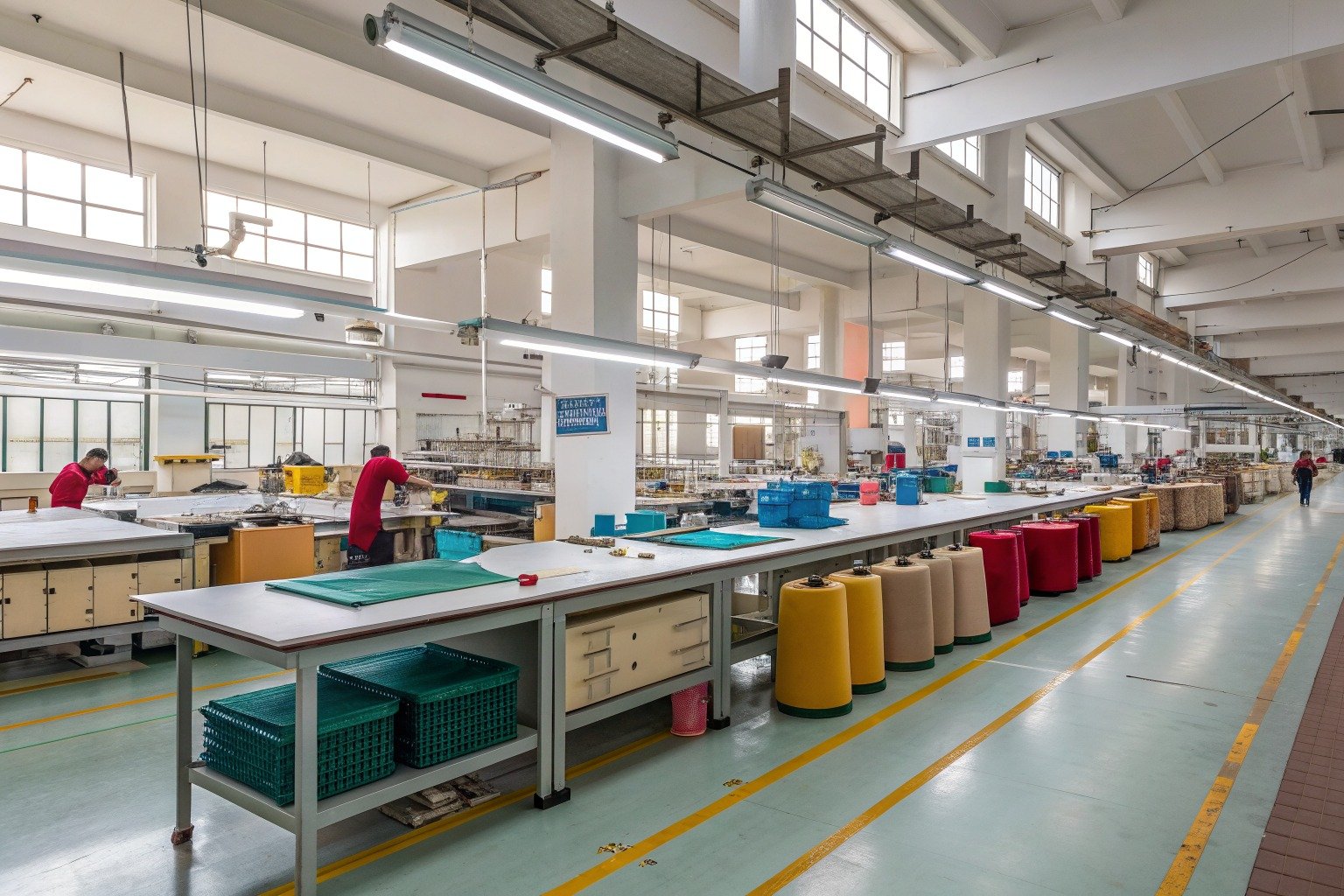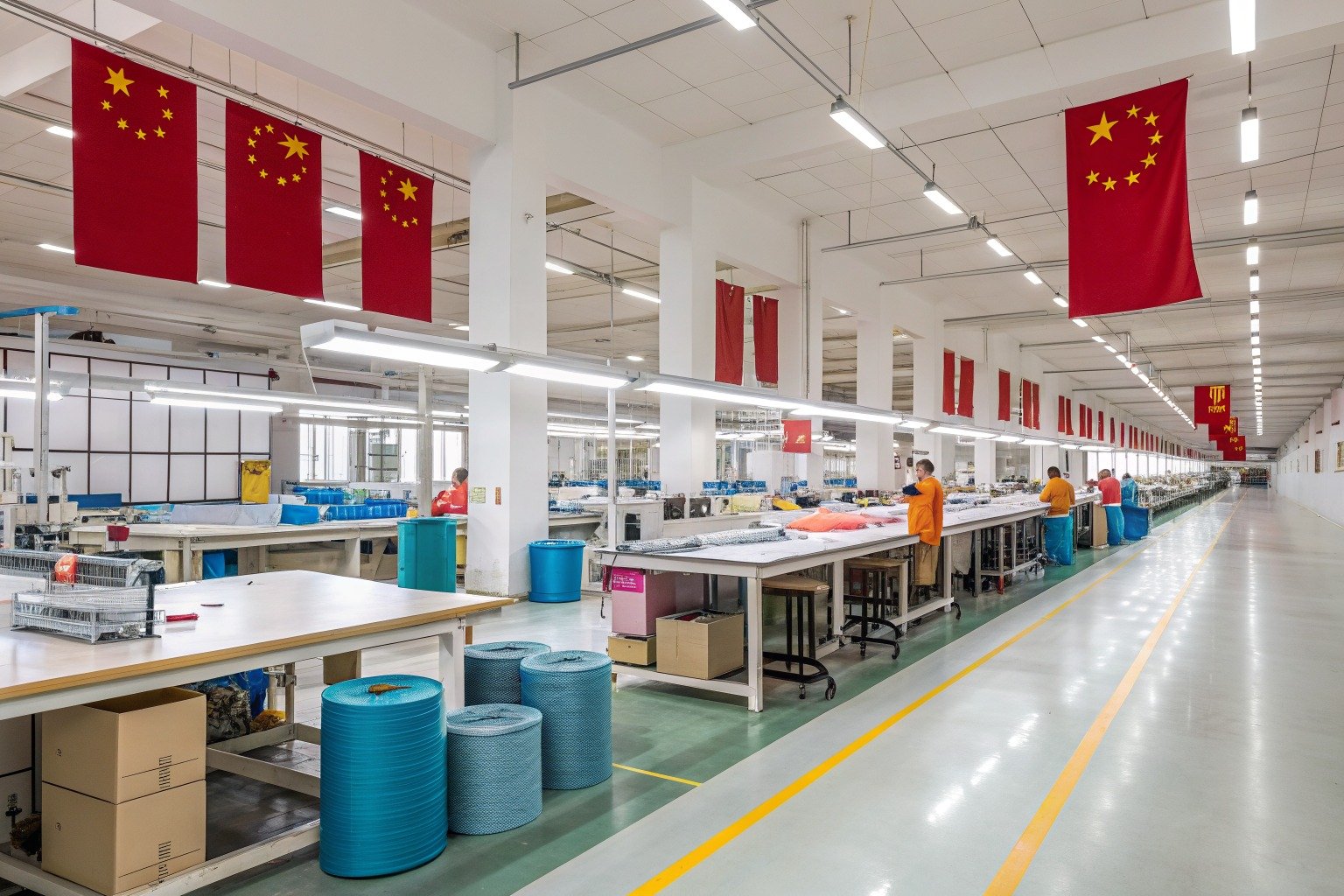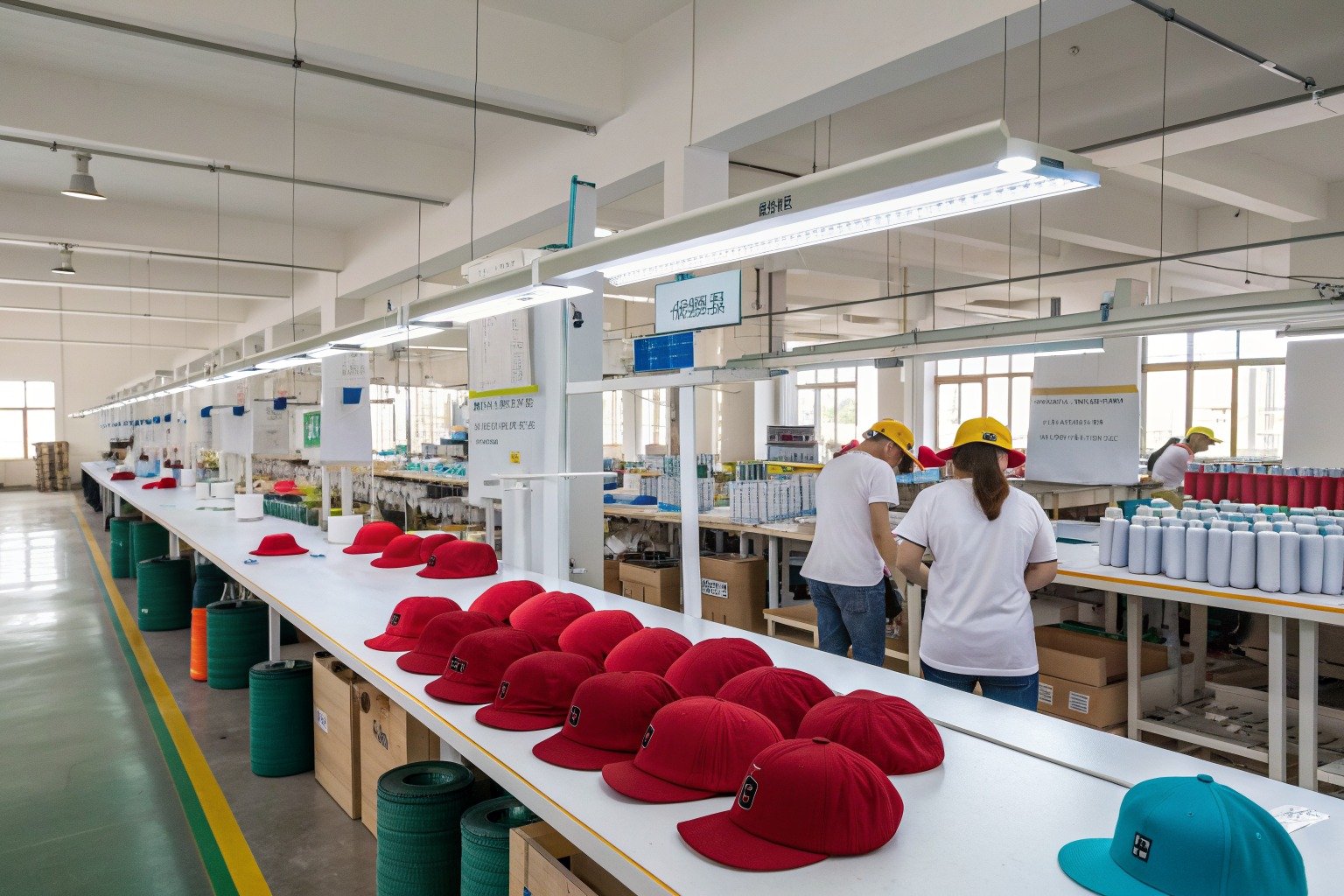
I have been in the fashion accessory manufacturing business for over twenty years, and I have watched the industry transform. When I started, the only way to produce accessories was in large quantities. Minimum order quantities (MOQs) of 1,000, 5,000, or even 10,000 pieces were standard. For emerging brands, this was a massive barrier. Today, small batch production has changed everything. It has opened the door for independent designers, boutique owners, and startups to create their own collections without taking on huge financial risk. For a buyer like Ron, who may be starting a new brand or expanding an existing one, small batch production offers a path to market that was not available a decade ago.
Small batch production benefits emerging accessory brands by lowering financial barriers, reducing inventory risk, enabling rapid testing of new designs, allowing for greater design flexibility and customization, and creating a sense of exclusivity and craftsmanship. With small batch production, brands can start with 50 to 500 pieces, test the market, gather feedback, and scale up only what works. This approach is more sustainable, both financially and environmentally, than mass production.
At Shanghai Fumao Clothing, we have embraced small batch production as a core part of our service. We understand that emerging brands need flexibility. They need to test ideas, iterate quickly, and manage cash flow. We have adapted our processes to serve this growing segment. I want to share how small batch production can benefit your brand and how to make it work for you.
What Is Small Batch Production And How Does It Work?
Small batch production is the manufacturing of products in limited quantities, typically ranging from 50 to 500 pieces per design. This contrasts with mass production, where MOQs often start at 1,000 or 5,000 pieces. Small batch production is designed to serve the needs of emerging brands, independent designers, and boutique owners who need flexibility and lower upfront investment.
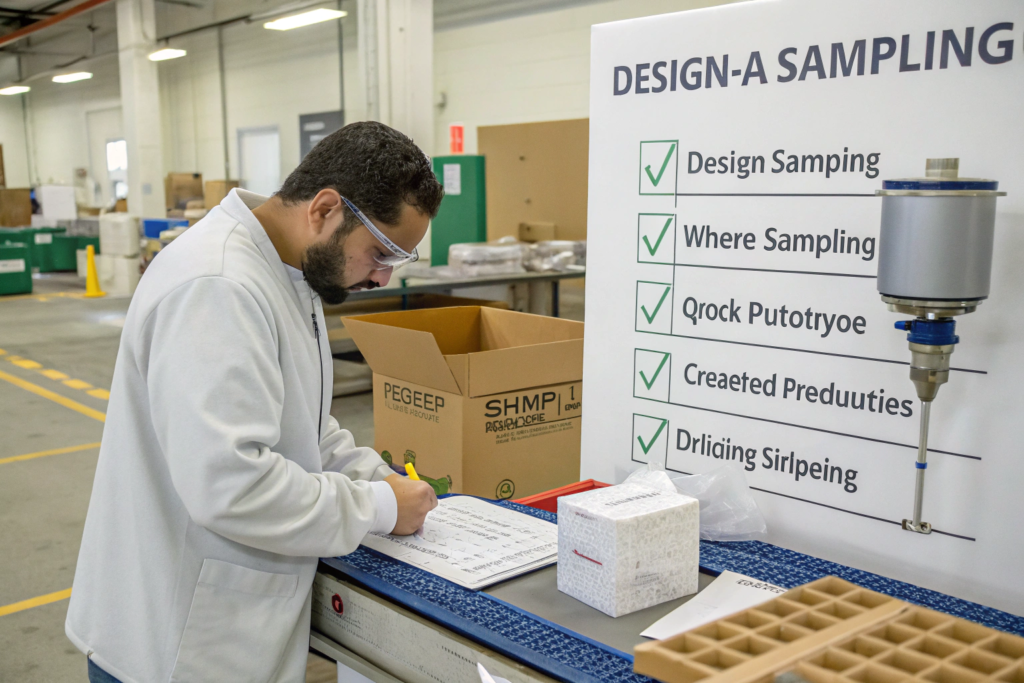
The process starts with design and sampling. You develop your design, select materials, and approve a sample. Because the quantities are small, the sampling process is often faster and more collaborative. Next, the factory sources materials. For small batches, factories often use materials that are already in stock or can be ordered in smaller quantities. Next, production begins. The factory dedicates a small production line or uses flexible manufacturing cells to produce your order. Because the quantity is small, production can be completed in days or weeks, not months. Finally, the products are packed and shipped.
Small batch production is made possible by advances in manufacturing technology and changes in factory operations. Digital printing allows for small runs of printed fabrics. Laser cutting and CNC machining allow for small runs of precision components. Flexible manufacturing systems allow factories to switch between different products quickly. For more information on small batch manufacturing, resources like the Fashion Institute of Technology (FIT) offer programs on small-scale production.
How does small batch production differ from mass production?
The differences between small batch and mass production go far beyond quantity. They affect every aspect of the manufacturing relationship. Mass production is designed for efficiency and economies of scale. It requires large MOQs, long lead times, and significant upfront investment. The focus is on minimizing per-unit cost, even if that means producing more than you need. Small batch production is designed for flexibility. MOQs are low, lead times are shorter, and upfront investment is lower. The focus is on producing only what you need, when you need it. In mass production, the factory is set up to run the same product for weeks or months. Changeovers are time-consuming and costly. In small batch production, the factory is set up to switch between different products quickly. This allows brands to produce multiple designs in small quantities. In mass production, the relationship is often transactional. The factory produces, you pay, and you move on. In small batch production, the relationship is often more collaborative. The factory works with you to refine designs, test materials, and scale up what works. For emerging brands, small batch production is a better fit for the realities of starting a business: limited capital, uncertain demand, and the need to iterate quickly.
What minimum order quantities are typical for small batch accessories?
Minimum order quantities for small batch accessories vary by product type and factory, but they are significantly lower than mass production. For hair clips, small batch MOQs can range from 100 to 500 pieces per design. For headbands and scrunchies, 100 to 300 pieces. For hats and caps, 100 to 500 pieces. For scarves, 50 to 200 pieces. For bags, 50 to 100 pieces. These numbers are guidelines. Some factories offer even lower MOQs for certain products, especially if they have the materials in stock. At Shanghai Fumao Clothing, we offer small batch MOQs starting at 100 pieces for many of our accessory categories. We understand that emerging brands need to start small. We are happy to work with you to find a quantity that fits your budget and your sales forecast.
How Does Small Batch Production Reduce Financial Risk?
Financial risk is one of the biggest barriers for emerging accessory brands. Mass production requires significant upfront investment in inventory. If the products do not sell, you are left with excess stock and tied-up capital. Small batch production dramatically reduces this risk.
The first way small batch production reduces risk is by lowering upfront investment. Instead of spending $10,000 on 1,000 pieces, you might spend $2,000 on 200 pieces. This lower entry point makes it possible for more designers to start a brand. The second way is by reducing inventory risk. If you order 200 pieces and they sell out, you can reorder. If they do not sell, you are not stuck with 800 unsold pieces. You can learn from what did not sell and adjust your next collection. The third way is by enabling market testing. You can launch a new design in small quantities to gauge demand. If it sells well, you scale up. If it does not, you move on without a major loss.
The fourth way is by improving cash flow. With smaller orders, you can pay for production and recoup your investment faster. This allows you to reinvest in new designs more quickly. The fifth way is by reducing the cost of mistakes. If a design has a flaw or the quality is not as expected, the cost of correcting it is lower when you only have 200 pieces rather than 2,000. For more information on inventory management for small brands, the Small Business Administration (SBA) offers resources on financial planning.

How does lower upfront investment help new brands?
Lower upfront investment is a game-changer for new brands. Starting a brand requires capital for design, sampling, production, packaging, marketing, and other expenses. In the past, production alone could require $10,000 to $50,000 for a minimum order. This put starting a brand out of reach for many designers. With small batch production, the upfront investment for a first collection might be $2,000 to $5,000. This is still a significant amount, but it is achievable for many entrepreneurs. Lower upfront investment also reduces the pressure to sell out immediately. You have more time to build your brand, find your audience, and generate sales. You can afford to make mistakes and learn. You can iterate and improve. For a new brand, the ability to start small and scale gradually is the difference between surviving and failing. At Shanghai Fumao Clothing, we have seen many brands grow from a small first order to successful businesses. They started with 100 pieces, learned what worked, and scaled up from there.
How does small batch production enable market testing?
Market testing is the process of launching a product in small quantities to gauge customer response before committing to a larger order. Small batch production makes market testing practical and affordable. You can launch a new design on your website, at a pop-up, or in a small boutique. You can track sales, gather feedback, and see how customers respond. If the design sells quickly, you know there is demand. You can place a reorder for a larger quantity. If the design does not sell, you have not invested in thousands of pieces. You can analyze why it did not sell. Was it the color? The price? The style? You can use that information to improve your next collection. Market testing also allows you to test different channels. You might test a design on your website, at a local boutique, and at a craft fair. See which channel performs best. Use that information to focus your efforts. For emerging brands, the ability to test and learn is essential. Small batch production gives you that ability.
How Does Small Batch Production Enable Design Flexibility?
Design flexibility is the ability to create products that truly reflect your vision. Mass production often forces designers to compromise. To meet MOQs, you have to produce a limited number of designs, often in a limited number of colors. Small batch production liberates designers to create the collection they want.
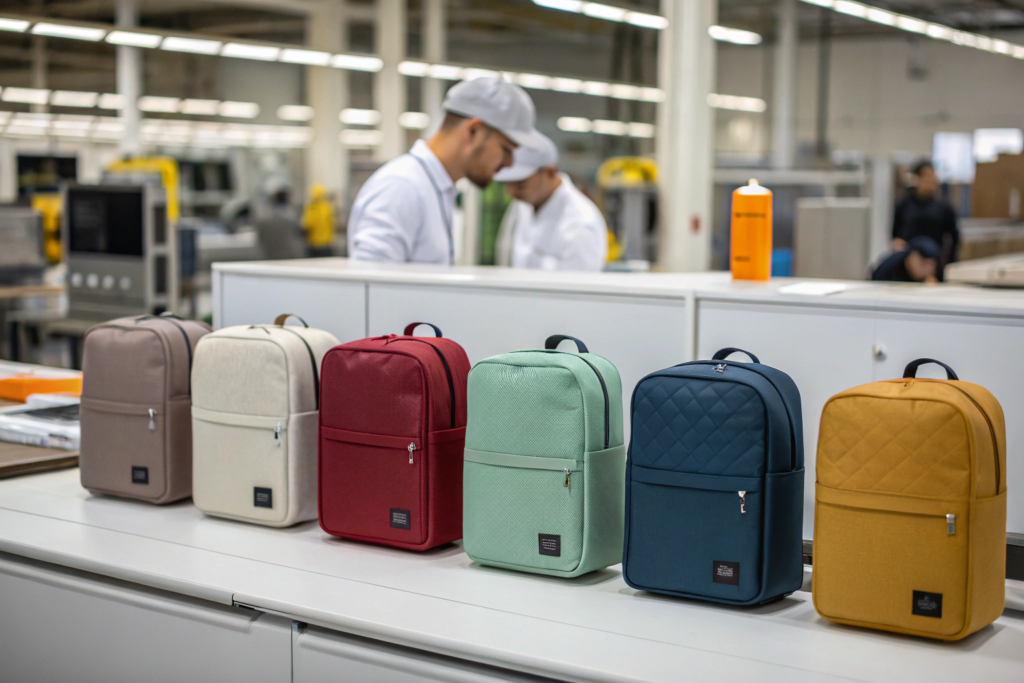
With small batch production, you can offer a wider range of designs. Instead of producing 1,000 pieces of one design, you can produce 200 pieces of five different designs. This allows you to test more ideas and offer more variety to your customers. You can also offer a wider range of colors. Instead of producing 1,000 pieces in one color, you can produce 100 pieces in ten colors. This allows you to offer options that appeal to different customers. You can also make changes more quickly. If a color is not selling, you can replace it with a new color in your next batch. If a design needs a small adjustment, you can make it in the next production run.
Small batch production also allows for more experimentation. You can try new materials, new shapes, and new techniques without committing to a huge order. This freedom allows designers to develop a unique aesthetic that sets their brand apart.
How can I offer more variety with small batches?
Offering more variety is one of the key benefits of small batch production. Instead of putting all your production budget into a few designs, you can spread it across many. For example, instead of producing 500 pieces of one hair clip design, you could produce 100 pieces each of five different designs. This allows you to test which designs resonate with your customers. You can offer your best-sellers in more colors. Instead of producing 500 pieces of a headband in one color, you could produce 100 pieces each in five colors. This appeals to customers who want options. You can also offer limited editions. Produce a small batch of a special design for a holiday or a collaboration. This creates a sense of exclusivity and urgency. For a boutique, offering variety is essential. Customers want to see new things. Small batch production allows you to keep your collection fresh and exciting. At Shanghai Fumao Clothing, we work with clients to produce small batches of multiple designs, allowing them to build a diverse collection without over-committing to any single item.
What is the role of digital tools in small batch production?
Digital tools are the enablers of small batch production. They allow designers to create, iterate, and communicate with factories more efficiently. Digital design tools like Adobe Illustrator and CAD software allow designers to create precise technical drawings and digital prototypes. This reduces the need for multiple physical samples. Digital printing allows for small runs of custom-printed fabrics. Instead of ordering thousands of meters of printed fabric, you can order 100 meters. Digital sampling allows factories to produce samples quickly and affordably. A digital sample can be produced in days, not weeks. Communication tools like WeChat, WhatsApp, and video conferencing allow for real-time collaboration between designers and factories. You can discuss changes, review samples, and solve problems without waiting for emails. E-commerce platforms and social media allow you to test market demand before you produce. You can post a design and see how many people express interest. If the response is strong, you produce. If not, you move on. At Shanghai Fumao Clothing, we have invested in digital tools to support small batch production. We can receive digital files, produce digital samples, and communicate with clients in real time.
How Does Small Batch Production Create Exclusivity?
Exclusivity is a powerful marketing tool. Consumers are increasingly seeking products that are unique and not mass-produced. Small batch production allows brands to create a sense of exclusivity that mass production cannot replicate.
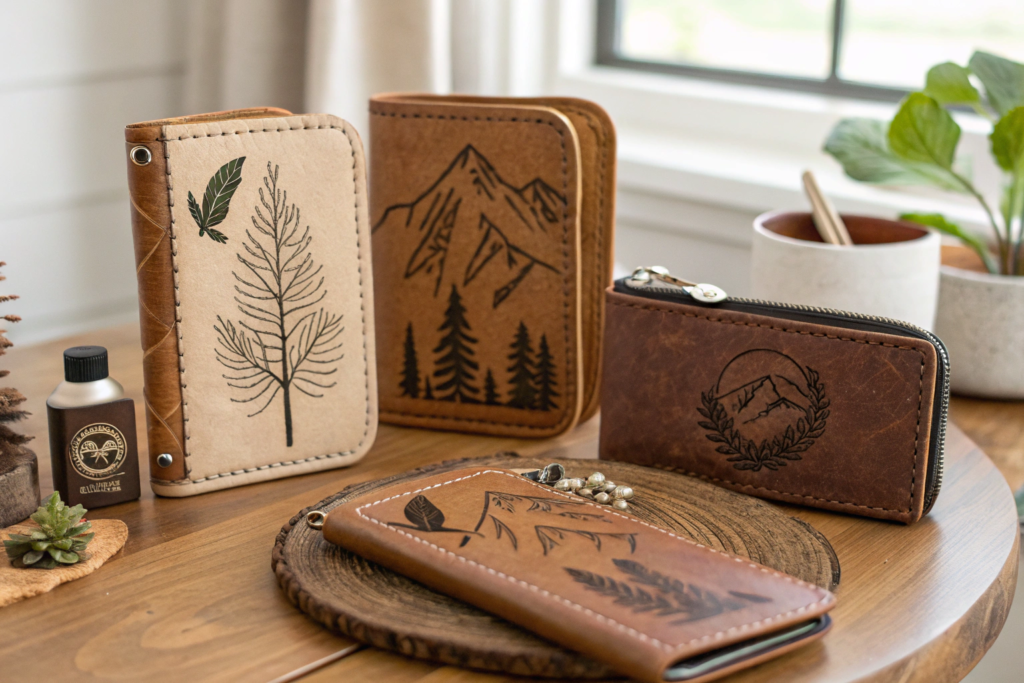
When you produce a small batch, you are creating a limited edition. Customers know that once the batch is sold, it may not be available again. This creates urgency and encourages immediate purchase. Small batch production also allows for more craftsmanship. With smaller quantities, you can invest more time in finishing details. Hand-finished edges, hand-attached embellishments, and careful quality control are more feasible with small batches. Customers appreciate this attention to detail. Small batch production also allows for more personalization. You can produce a small run of a design with a customer’s name or initials. This creates a deep connection between the customer and the product.
For a brand, exclusivity builds loyalty. Customers who buy a limited edition product feel like they are part of an exclusive community. They are more likely to become repeat customers and to recommend your brand to others. For a boutique, exclusivity is a key differentiator. In a world of mass-market accessories, offering products that are produced in small batches sets you apart.
How do limited editions drive customer engagement?
Limited editions drive customer engagement by creating a sense of urgency and excitement. When customers know that a product is only available in a small quantity, they are more likely to buy now rather than wait. This can lead to faster sell-throughs and higher conversion rates. Limited editions also create a reason for customers to follow your brand. They sign up for your email list to be notified when new limited editions drop. They follow you on social media to see what is coming next. This ongoing engagement builds a loyal community around your brand. Limited editions also create content. Customers who buy a limited edition product often share it on social media. They feel like they have something special, and they want to show it off. This user-generated content is free marketing for your brand. Finally, limited editions allow you to test new ideas. You can produce a small batch of a new design and see how it performs. If it sells out quickly, you know you have a winner. You can then produce a larger batch or create a new limited edition with a variation. At Shanghai Fumao Clothing, we work with clients to produce limited edition runs for holidays, collaborations, and special events.
How can I use small batches to build a loyal customer base?
Building a loyal customer base is about creating a connection. Small batch production gives you tools to build that connection. Start by telling the story of your production. Share behind-the-scenes content of the making process. Show the craftsmanship. Talk about why you chose to produce in small batches. Customers appreciate transparency and authenticity. Next, create a sense of community. Invite your customers to vote on new colors or designs. Let them feel like they are part of the creative process. This builds investment in your brand. Next, reward early adopters. Offer exclusive access to new small batch releases to your email subscribers or social media followers. Make them feel special. Next, listen to feedback. Small batches allow you to iterate quickly. If a customer suggests a color or a design, you can produce it in the next batch. This responsiveness builds loyalty. Finally, be consistent. Build a rhythm of small batch releases. Customers will come to expect them and look forward to them. At Shanghai Fumao Clothing, we help our clients develop strategies for building customer loyalty through small batch production.
Conclusion
Small batch production is transforming the accessory industry. It lowers the barriers to entry for emerging brands, reducing financial risk and enabling designers to bring their visions to life. With small batches, brands can test the market, iterate quickly, and scale up what works. They can offer more variety, create exclusive limited editions, and build a loyal customer base. They can focus on craftsmanship and quality, creating products that stand out in a sea of mass-produced goods.
At Shanghai Fumao Clothing, we are committed to supporting emerging accessory brands. We offer small batch production with MOQs starting at 100 pieces. We have the flexibility to handle multiple designs, colors, and materials. We use digital tools to speed up sampling and communication. We understand the challenges of starting a brand and we are here to help you succeed. Whether you are launching your first collection or expanding an existing line, we have the expertise and the capacity to be your partner.
If you are ready to bring your accessory brand to life with small batch production, let’s talk. Please contact our Business Director, Elaine, directly at elaine@fumaoclothing.com to discuss your vision and how we can help you build your brand.