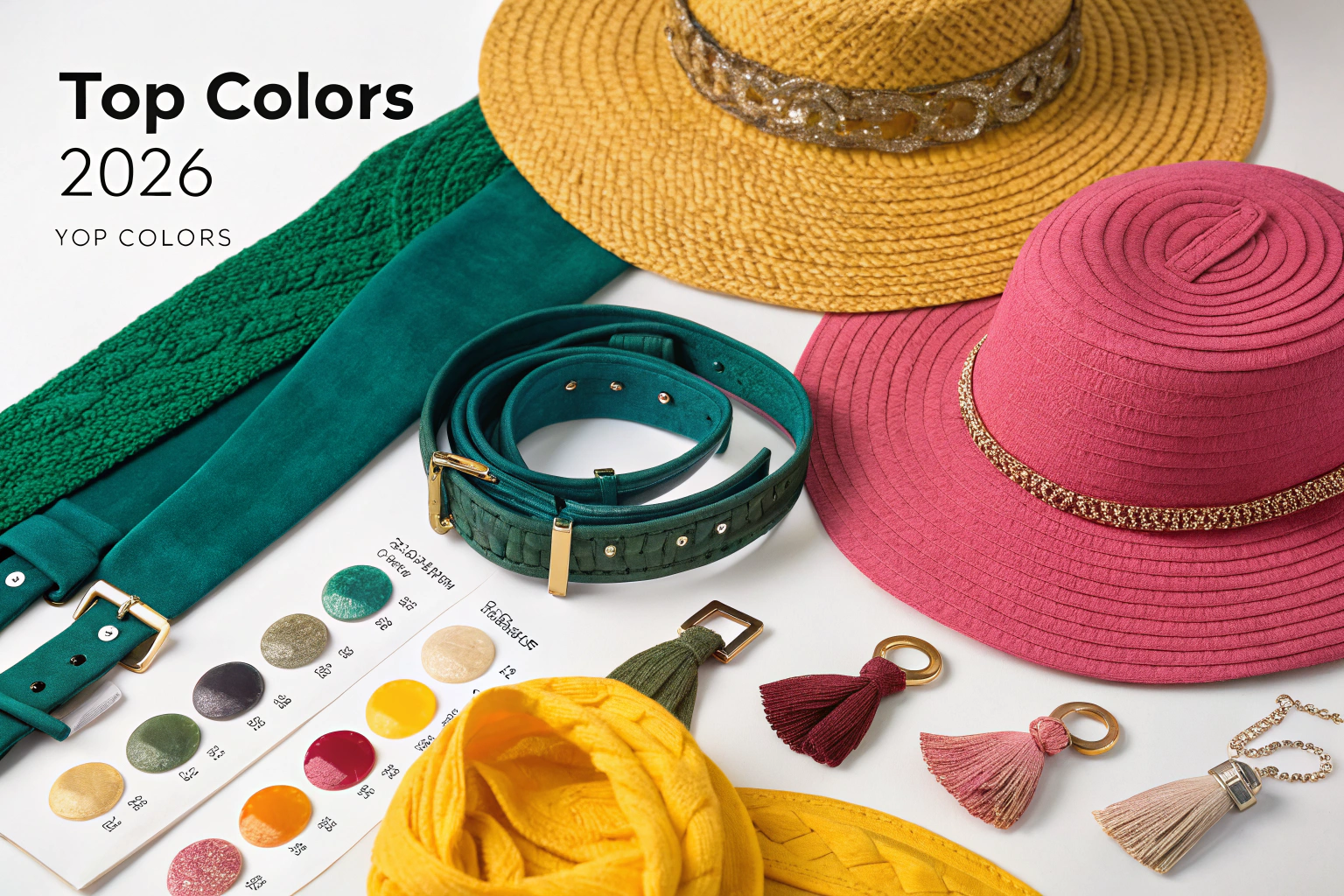
I have been in the fashion accessory business for over twenty years, and I have learned that colors and materials are the language of trends. They tell you what consumers are drawn to, what moods are resonating, and what products will fly off the shelves. For a buyer like Ron, who needs to plan collections months in advance, understanding the colors and materials for 2026 is essential. The trends for 2026 are exciting: a shift toward rich, emotional colors and materials that balance luxury with sustainability.
The most popular colors for 2026 fashion accessories are moving toward deep, emotional jewel tones like emerald green, sapphire blue, and amethyst purple, alongside optimistic brights like butter yellow and coral pink. The key materials include sustainable options like cork, recycled polyester, and organic cotton, as well as luxurious textures like velvet, satin, and sculptural metals. The trend is toward materials that tell a story—whether of sustainability, craftsmanship, or timeless elegance.
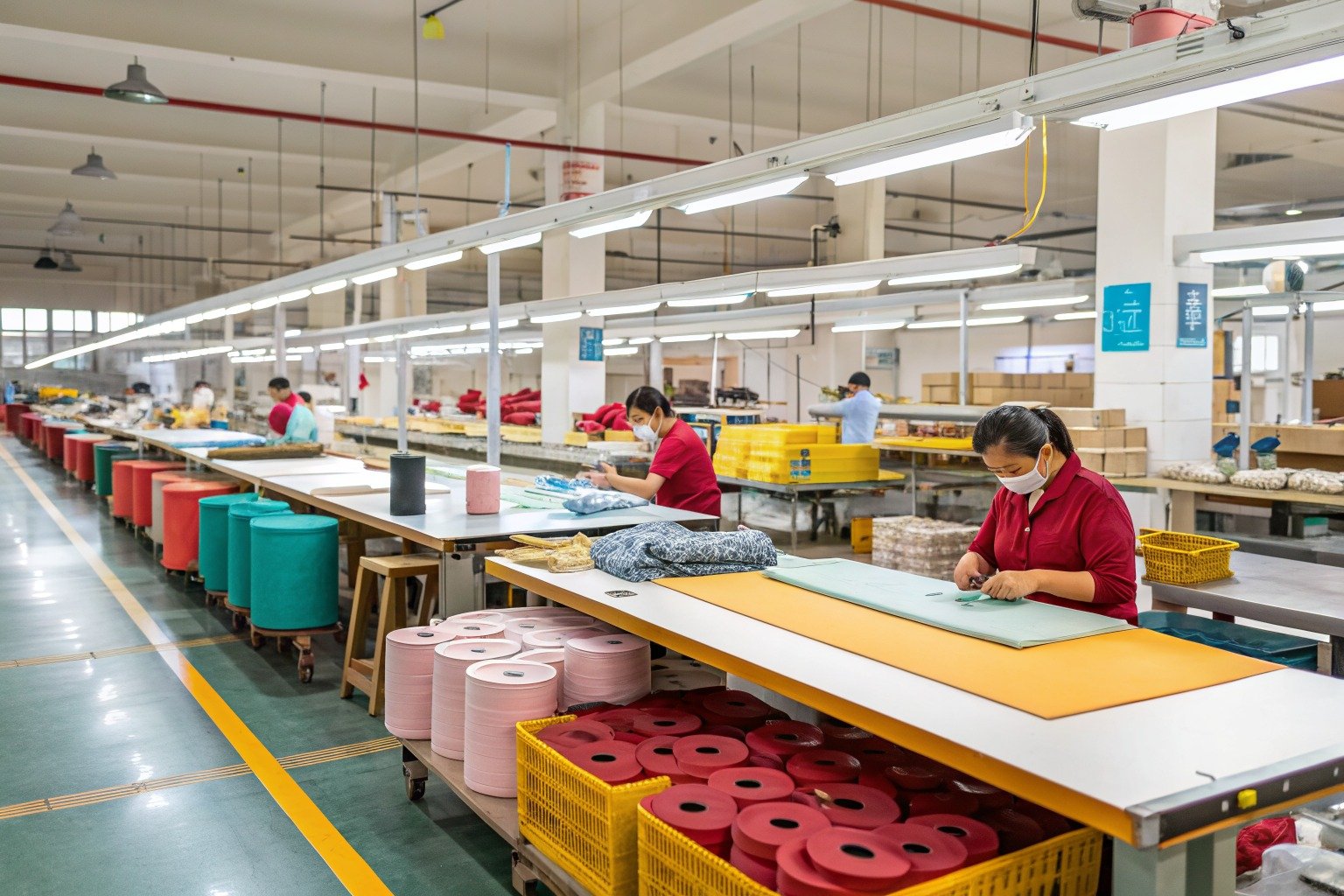
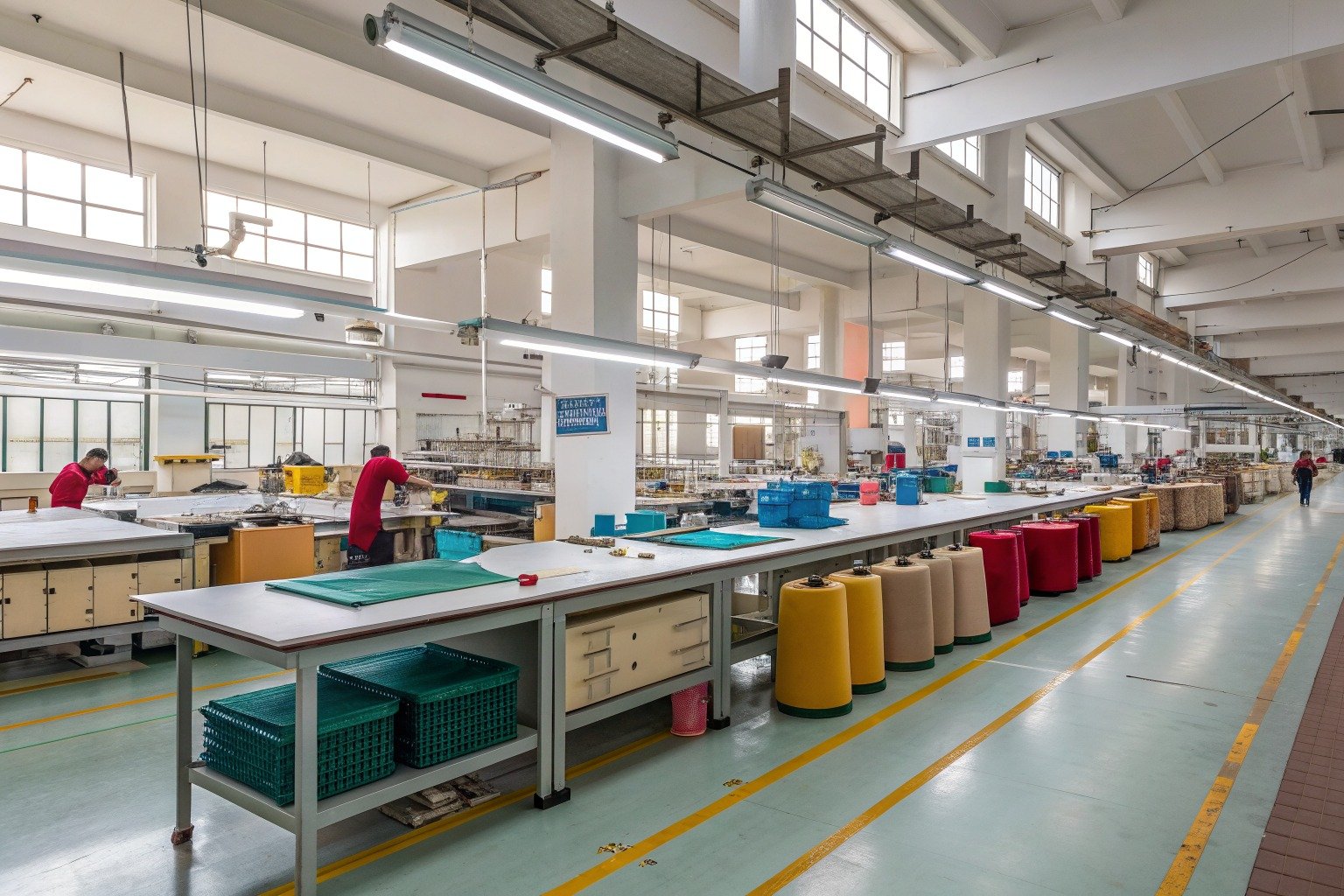
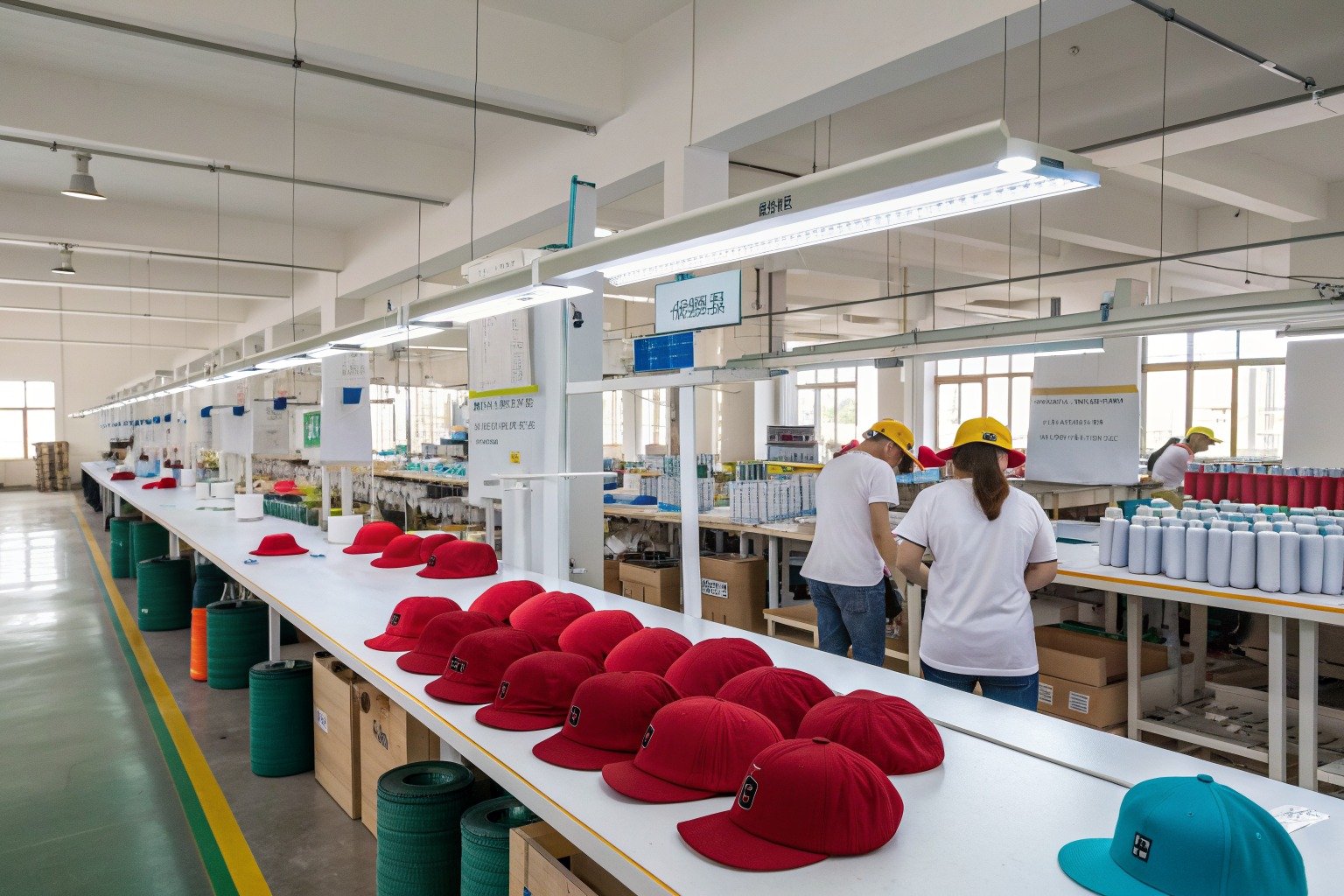
At Shanghai Fumao Clothing, our design team tracks these trends closely. We attend trade shows, follow forecasting services like WGSN and Pantone, and monitor social media to identify emerging colors and materials early. We then develop samples so our clients can be first to market with the hottest trends. I want to share what we are seeing for 2026 so you can plan your collections with confidence.
What Are The Key Color Trends For 2026?
Color trends for 2026 are moving away from the soft, muted palettes of recent years toward more assertive, emotional colors. There is a clear divide between two major directions: deep, luxurious jewel tones and bright, optimistic statement colors. Both have their place depending on your brand and target customer.
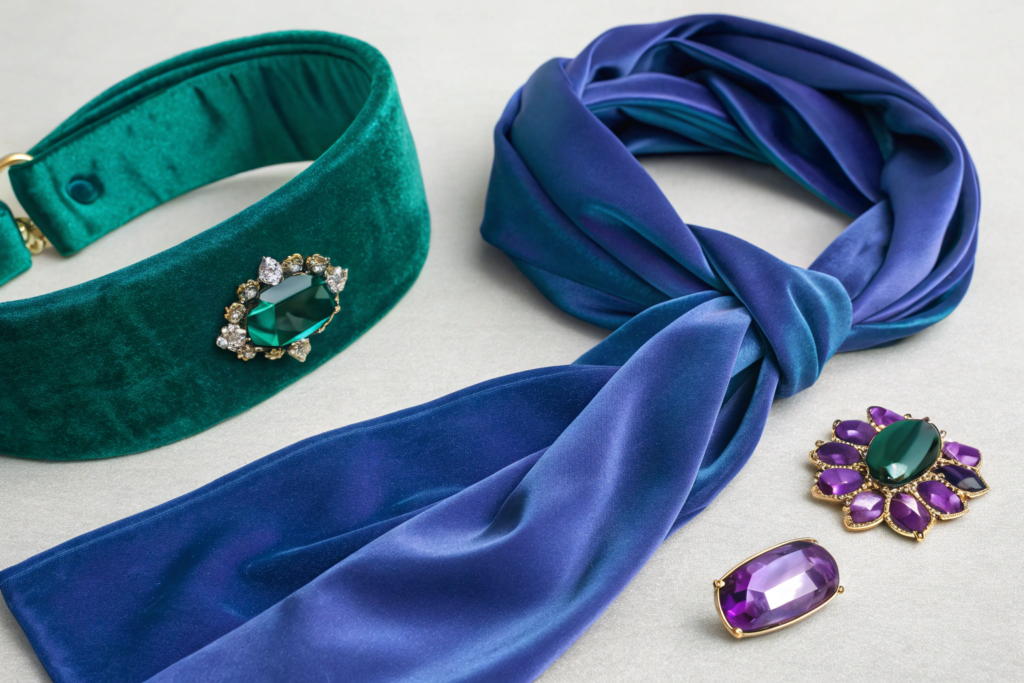
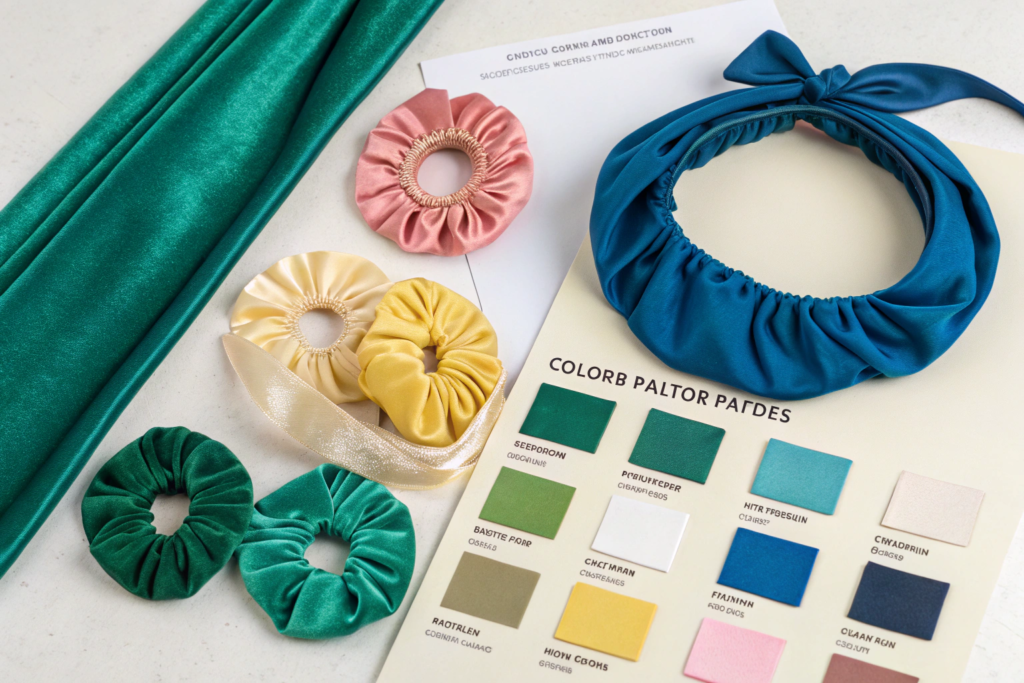
The jewel tone family is leading the trend. Emerald green is emerging as the color of the year for many forecasters. It is rich, sophisticated, and works beautifully on everything from velvet headbands to silk scarves. Sapphire blue follows closely, offering depth and elegance. Amethyst purple adds a touch of mystery and luxury. These colors feel opulent and timeless. They appeal to consumers seeking quality and longevity in their accessories.
Alongside the jewel tones, bright, optimistic colors are gaining momentum. Butter yellow is a standout. It is soft but cheerful, versatile enough for both casual and dressy accessories. Coral pink adds energy and warmth. It is particularly popular for summer collections. Electric blue and vibrant orange are making appearances in sportier, younger-oriented accessories. Metallics continue to evolve. While classic gold and silver remain staples, we are seeing increased demand for rose gold, champagne, and iridescent or holographic finishes. These add a futuristic touch to hair clips, belts, and hat accents.
Why are jewel tones replacing pastels for 2026?
The shift from pastels to jewel tones reflects a broader cultural mood. Pastels dominated the early 2020s, with their soft, calming presence. But as consumers seek depth, richness, and emotional connection, jewel tones have risen. Emerald green, sapphire blue, and amethyst purple feel substantial and grounding. They evoke luxury, stability, and a connection to nature. In uncertain times, consumers gravitate toward colors that feel solid and enduring. Jewel tones also photograph beautifully, which is essential for social media-driven sales. They create a sense of richness and quality that consumers associate with higher-value products. For accessories, jewel tones work across categories. A velvet headband in emerald green feels perfect for fall and winter. A silk scarf in sapphire blue adds a pop of luxurious color to a neutral outfit. A cork bag in amethyst purple makes a sustainable statement. Color forecasting agencies like Pantone and WGSN have both highlighted jewel tones as key directions for 2026, confirming what we are seeing in our own design work.
How can I use bright accent colors in my accessory collection?
Bright accent colors can add energy and appeal to your accessory collection without overwhelming it. The key is to use them strategically. For a collection that is primarily jewel tones or neutrals, add pops of butter yellow or coral pink as accent colors. A black velvet headband with a butter yellow bow adds a cheerful touch. A set of hair clips in neutral colors can include one or two in a bright shade as the standout piece. For visors or caps, use bright colors for the strap or the underside of the brim, keeping the main body neutral. For scarves, use bright colors in the pattern rather than the base color. A scarf with a jewel tone base and bright accents creates visual interest. For brands targeting a younger demographic, consider a capsule collection in bright, bold colors. A set of neon or vibrant hair clips, a bright coral visor, or a butter yellow belt can appeal to trend-conscious consumers. The key is to balance the brights with enough neutrals so the collection feels cohesive. We advise our clients to consider the 80/20 rule: 80% of the collection in core, versatile colors, and 20% in statement brights. This limits risk while allowing you to test the trend.
What Sustainable Materials Are Dominating 2026?
Sustainability is no longer a niche concern; it is a mainstream expectation. For 2026, the most popular materials are those that combine environmental responsibility with aesthetic appeal. Consumers want products that look good and do good. The materials that are rising to the top are those with compelling sustainability stories.
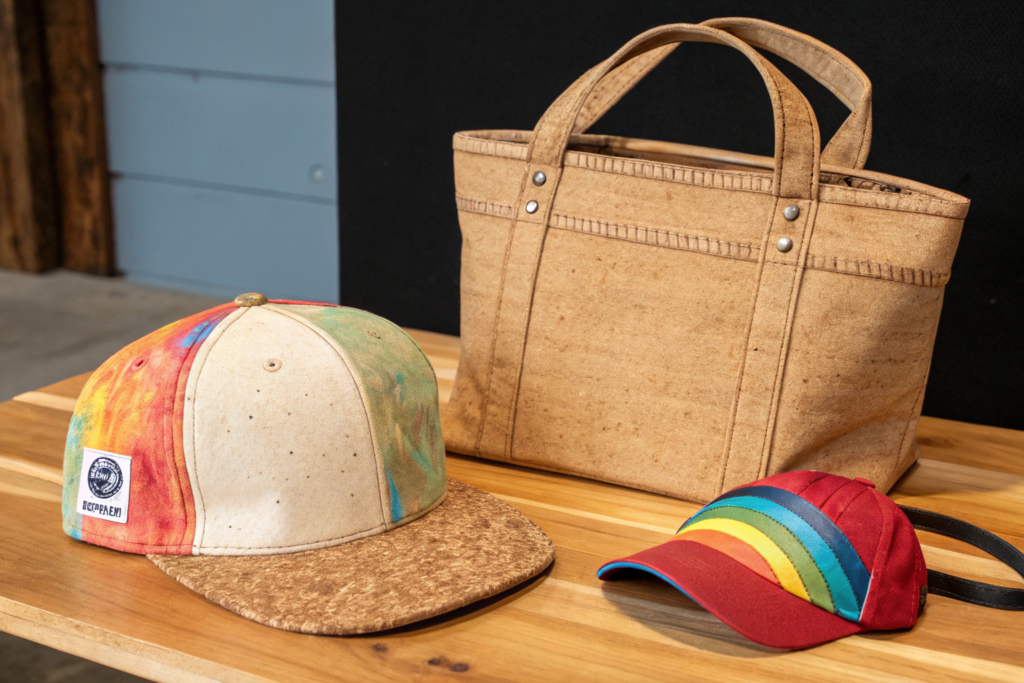
Cork is one of the most exciting sustainable materials for 2026. Harvested from the bark of cork oak trees without cutting them down, cork is renewable, biodegradable, and naturally water-resistant. It is being used for hats, visors, bags, and belts. The natural texture and warm color appeal to consumers seeking organic, earthy aesthetics. Recycled polyester (rPET) continues to grow in popularity. Made from post-consumer plastic bottles, rPET offers the same performance as virgin polyester with a fraction of the environmental footprint. It is used for baseball caps, headbands, and bags. The ability to dye rPET in vibrant colors makes it versatile for trend-driven collections.
Organic cotton is another staple. Grown without synthetic pesticides or fertilizers, organic cotton is softer and more environmentally friendly than conventional cotton. It is used for headbands, scarves, and hat linings. Piñatex, made from pineapple leaf fibers, is gaining traction for belts and bag accents. It offers a leather-like appearance without the environmental impact of animal leather. Tencel (lyocell) is a fiber made from sustainably sourced wood pulp. It is soft, breathable, and biodegradable, making it ideal for scarves and headbands.
What is driving the demand for cork accessories?
The demand for cork accessories is being driven by a combination of sustainability awareness and aesthetic appeal. Consumers are increasingly aware of the environmental impact of their purchases. Cork’s sustainability story is compelling: it is harvested without cutting down trees, the trees absorb CO2 throughout their long lives, and the product is biodegradable at the end of its life. For consumers who want to reduce their environmental footprint, cork is an attractive alternative to synthetic materials or even leather. But sustainability alone does not sell. Cork also has a beautiful, unique aesthetic. The natural texture and warm, honey-brown color appeal to consumers seeking organic, earthy styles. It works beautifully for summer hats, which are traditionally made from straw, but offers better water resistance and durability. Cork is also lightweight and comfortable to wear, making it practical for everyday use. For brands positioning themselves as sustainable, cork accessories provide a tangible way to demonstrate their commitment. The Cork Quality Council and APCOR (Portuguese Cork Association) provide resources on cork’s sustainability benefits that brands can use in their marketing.
How is recycled polyester being used in fashion accessories?
Recycled polyester (rPET) is being used across nearly every accessory category. For hats, rPET is used for baseball caps, bucket hats, and visors. It can be woven into twill for structured caps or knitted for softer beanies. The material holds dye well, allowing for vibrant, long-lasting colors. For headbands, rPET is used for fabric wraps and for the elastic components. It offers the same stretch and recovery as virgin polyester. For scarves, rPET can be woven into lightweight, silky fabrics that drape beautifully. For bags, rPET is used for the main body fabric and for linings. The material is durable, water-resistant, and easy to clean. The environmental benefit of rPET is significant. Using recycled plastic bottles reduces plastic waste in landfills and oceans. It also uses less energy and water than producing virgin polyester. For brands, using rPET allows them to make credible sustainability claims. Certifications like GRS (Global Recycled Standard) provide third-party verification of recycled content. At Shanghai Fumao Clothing, we source certified rPET materials and can provide documentation to support your sustainability claims.
What Luxurious Materials Are Trending for Premium Accessories?
While sustainability is important, consumers also seek luxury and indulgence. The most successful collections for 2026 balance sustainability with premium materials that feel special. These materials appeal to consumers who are willing to invest in high-quality, timeless pieces.
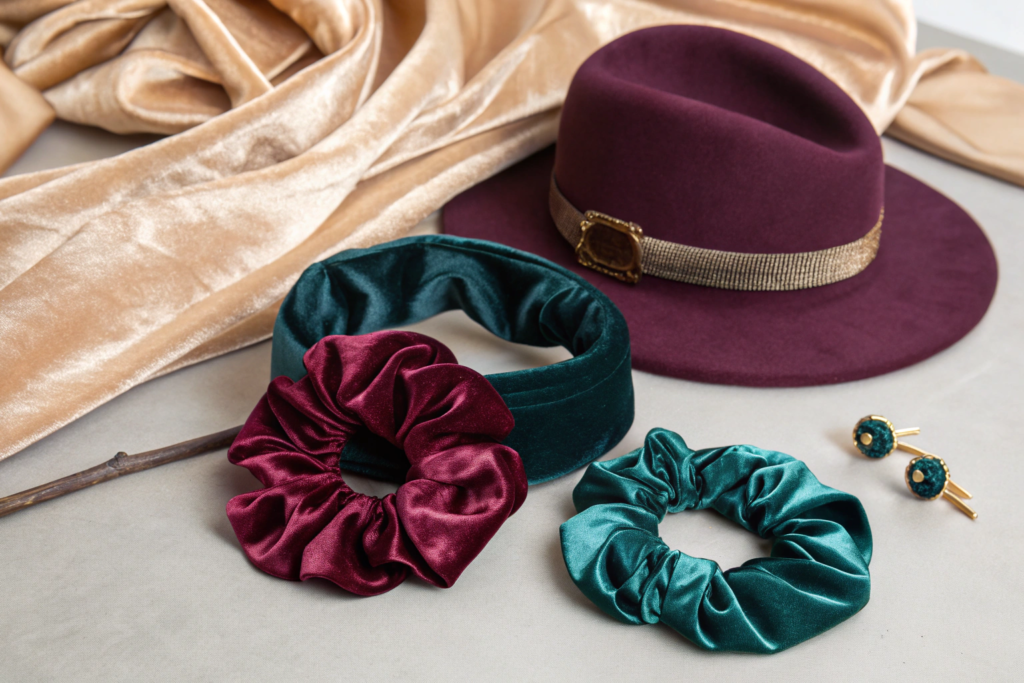
Velvet is having a major moment. Rich jewel tones in velvet are appearing on headbands, scrunchies, and hat trims. Velvet adds texture and depth, making even simple accessories feel luxurious. It is particularly popular for fall and winter collections. Satin and silk are also trending. Silk scarves are timeless, but satin is now appearing on headbands, hair clips wrapped in satin, and bag accents. The sheen of satin catches the light beautifully and adds a touch of glamour.
Sculptural metals are another key trend. Hair clips and headbands are being made from metal with geometric or organic shapes. The metal is often finished in shiny gold, silver, or matte black. These pieces double as jewelry, offering a modern, architectural look. Faux fur is making a comeback for winter accessories. High-quality faux fur that mimics real fur in texture and appearance is used for headbands, earmuffs, and hat trims. It adds warmth and a sense of luxury without the ethical concerns of real fur. Embellishments like pearls, crystals, and decorative buttons are being used to elevate simpler accessories. For hair clips, rows of pearls create a vintage, elegant look. For headbands, crystal embellishments add sparkle for evening wear.
Why is velvet making a comeback for 2026?
Velvet’s comeback for 2026 is driven by a desire for texture and luxury. After years of minimalist, streamlined accessories, consumers are seeking products that feel rich and indulgent. Velvet offers that. Its plush texture and subtle sheen add depth and interest to even simple designs. A velvet headband in emerald green or sapphire blue feels instantly special. A velvet scrunchie adds a touch of luxury to a casual ponytail. Velvet also works beautifully with the jewel tone color trend. The deep, saturated colors that are popular for 2026 look particularly rich in velvet. The fabric catches the light in a way that flat fabrics do not, creating visual interest. For brands, velvet accessories offer an opportunity to command higher price points. The material feels premium, and consumers are willing to pay for that perception. Velvet is also versatile. It works for both day and evening, and it appeals to a wide range of ages. For 2026, we are seeing velvet used not just for traditional headbands but also for scrunchies, hat bands, and even as accents on bags. At Shanghai Fumao Clothing, we source high-quality velvet in the season’s key colors to help our clients capture this trend.
How are sculptural metal accessories different from traditional metal jewelry?
Sculptural metal accessories represent a shift from traditional metal jewelry. Traditional metal hair clips are often small, delicate, and functional. They hold hair but are not the focal point. Sculptural metal accessories are larger, bolder, and designed to be seen. They are architectural, with geometric shapes, twisted forms, and asymmetrical designs. They are not just accessories; they are statement pieces. The metal itself is often thicker and more substantial. Finishes range from shiny polished gold and silver to matte black and brushed metal. Some pieces incorporate enamel or resin for color. These accessories are often worn in the hair as a focal point, not hidden in the back. They appeal to consumers who want to express their individuality and who view accessories as an extension of their personal style. For brands, sculptural metal accessories offer an opportunity to differentiate. They are not commodity items; they are design pieces. The price point is higher, but so is the perceived value. At Shanghai Fumao Clothing, we have been developing sculptural metal hair accessories in response to client demand. Our design team works with metal specialists to create pieces that are both beautiful and functional.
How Do I Combine Colors and Materials for Cohesive Collections?
Creating a cohesive collection requires thoughtful combination of colors and materials. The most successful collections have a clear point of view and a consistent aesthetic. They tell a story that resonates with the target customer.
Start with a color palette. Choose two or three key colors that will anchor the collection. For 2026, a palette might include emerald green, sapphire blue, and butter yellow. Then add one or two accent colors, like coral pink or champagne metallic. Use the key colors across multiple product categories to create cohesion. A headband in emerald green, a scarf in sapphire blue, and a hair clip in butter yellow create a unified look. Next, consider materials. Use a mix of materials to add texture and interest. A collection might include velvet headbands, satin scrunchies, and metal hair clips. The common color palette ties them together even though the materials are different. For a sustainable-focused brand, the palette might be natural cork, organic cotton in natural tones, and recycled polyester in earthy colors.
Consider the balance of statement pieces and basics. A collection should have some items that are trend-forward and eye-catching, and others that are more versatile and timeless. The statement pieces might be in bright colors or bold materials. The basics might be in neutral colors and simpler designs. Finally, consider the season. For spring and summer, focus on lighter materials like cork, straw, and lightweight satin, and brighter colors like butter yellow and coral pink. For fall and winter, focus on richer materials like velvet and thicker knits, and deeper colors like emerald and sapphire.
How do I create a color palette that works across multiple accessory types?
Creating a color palette that works across multiple accessory types requires thinking about how colors interact and how they will be used. Start with a hero color. For 2026, emerald green is a strong candidate. This color will appear across multiple products as the anchor. Next, choose supporting colors. Sapphire blue and amethyst purple work well with emerald green, creating a jewel tone palette. For contrast, add a bright accent like butter yellow or coral pink. Then, choose neutrals. Black, white, cream, and gray provide balance and make the collection versatile. For accessories, consider how colors will be used. A solid color headband in emerald green is a statement piece. A scarf with a pattern that includes emerald green, sapphire blue, and butter yellow ties the collection together. A hair clip in gold metal is neutral but adds a touch of luxury. Test the palette by putting colors together. Do they look harmonious? Do they reflect the mood you want to create? For 2026, the jewel tone palette with bright accents creates a mood of optimism and luxury. For a more subdued collection, use the jewel tones with cream and gold accents. At Shanghai Fumao Clothing, we help clients develop color palettes based on their brand identity and target market.
What is the 80/20 rule for balancing trend and timelessness?
The 80/20 rule is a useful framework for balancing trend-driven and timeless pieces in your collection. The concept is simple: 80% of your collection should be core, versatile items that will sell season after season. These are the bread and butter of your business. They might include classic colors like black, navy, and cream, and classic styles like simple headbands, basic hair clips, and neutral scarves. The remaining 20% of your collection should be trend-driven items that capture the excitement of the season. These are the pieces that will generate buzz and attract trend-conscious customers. For 2026, the trend-driven 20% might include velvet headbands in jewel tones, sculptural metal hair clips, and cork hats. The 80% might include organic cotton headbands in neutral colors, classic silk scarves, and basic hair clips in gold and silver. This approach limits risk. If the trend-driven items sell out, you have captured upside. If they do not sell as well as hoped, you have the core collection to carry your business. The 80/20 rule also helps with inventory planning. You can place smaller orders for trend-driven items and larger orders for core items. This flexibility allows you to respond to market demand.
Conclusion
The most popular colors and materials for 2026 fashion accessories reflect a consumer desire for both emotional richness and sustainability. Jewel tones like emerald green, sapphire blue, and amethyst purple provide depth and luxury, while bright accents like butter yellow and coral pink add optimism and energy. Sustainable materials like cork, recycled polyester, and organic cotton are no longer niche; they are mainstream expectations. Luxurious materials like velvet, satin, and sculptural metals offer texture and indulgence for premium collections.
At Shanghai Fumao Clothing, our design team is immersed in these trends. We source materials that align with the sustainability and luxury demands of the market. We develop samples in the key colors so our clients can be first to market. Whether you need a collection of sustainable cork hats, velvet headbands in jewel tones, or sculptural metal hair clips, we have the expertise to bring your vision to life.
If you are ready to plan your 2026 accessory collection, let’s talk. Please contact our Business Director, Elaine, directly at elaine@fumaoclothing.com to discuss how we can help you create a collection that captures the colors and materials of the season.