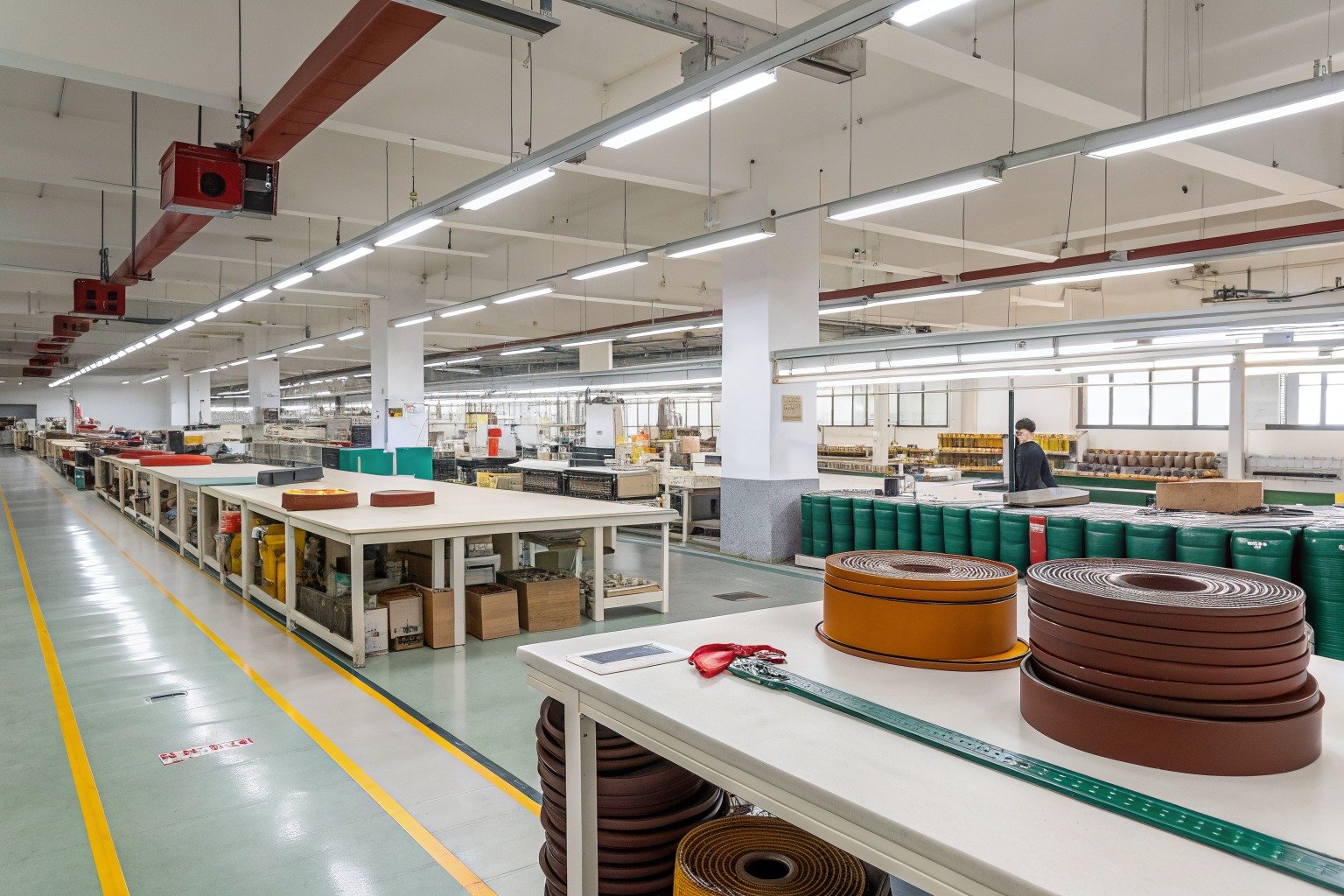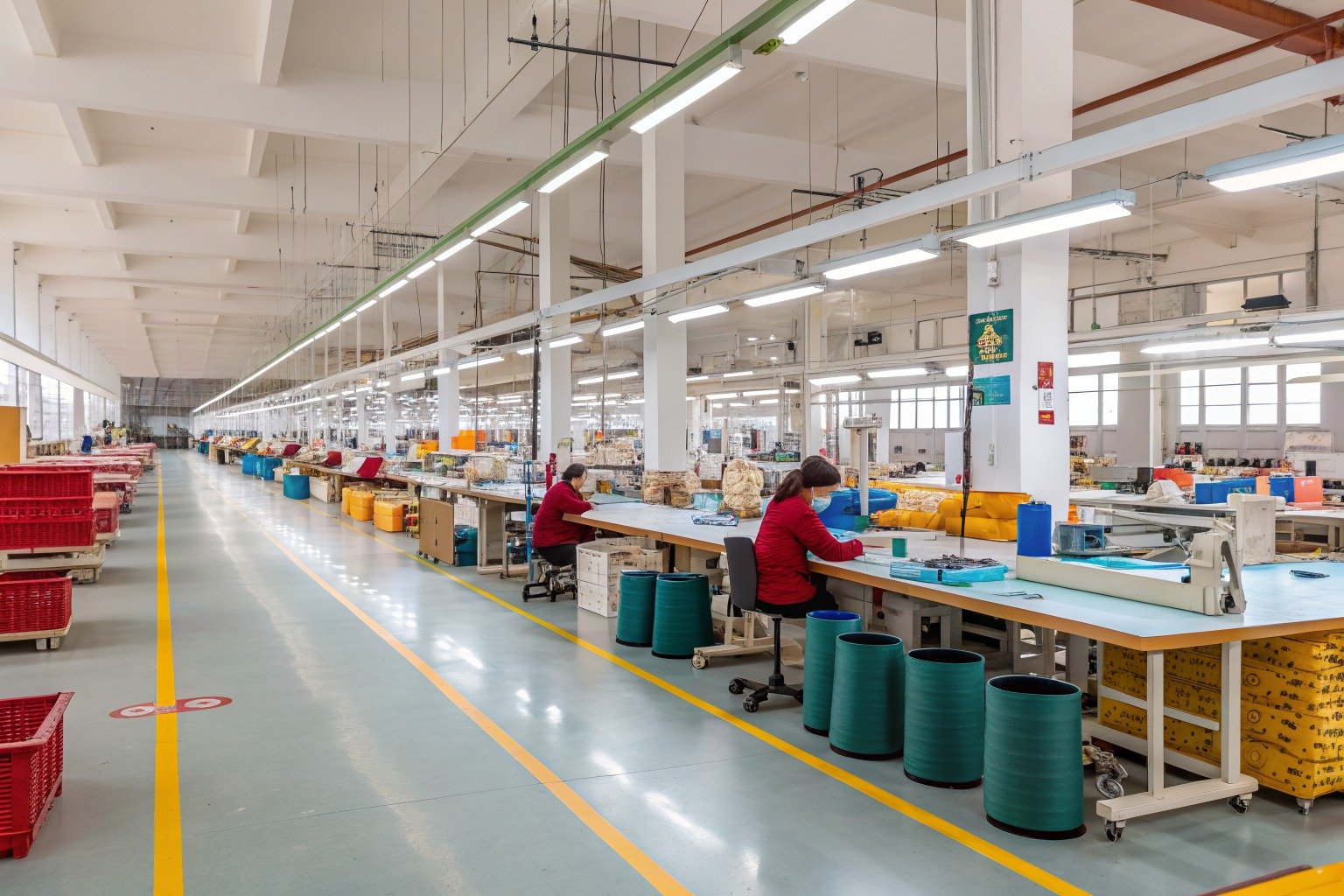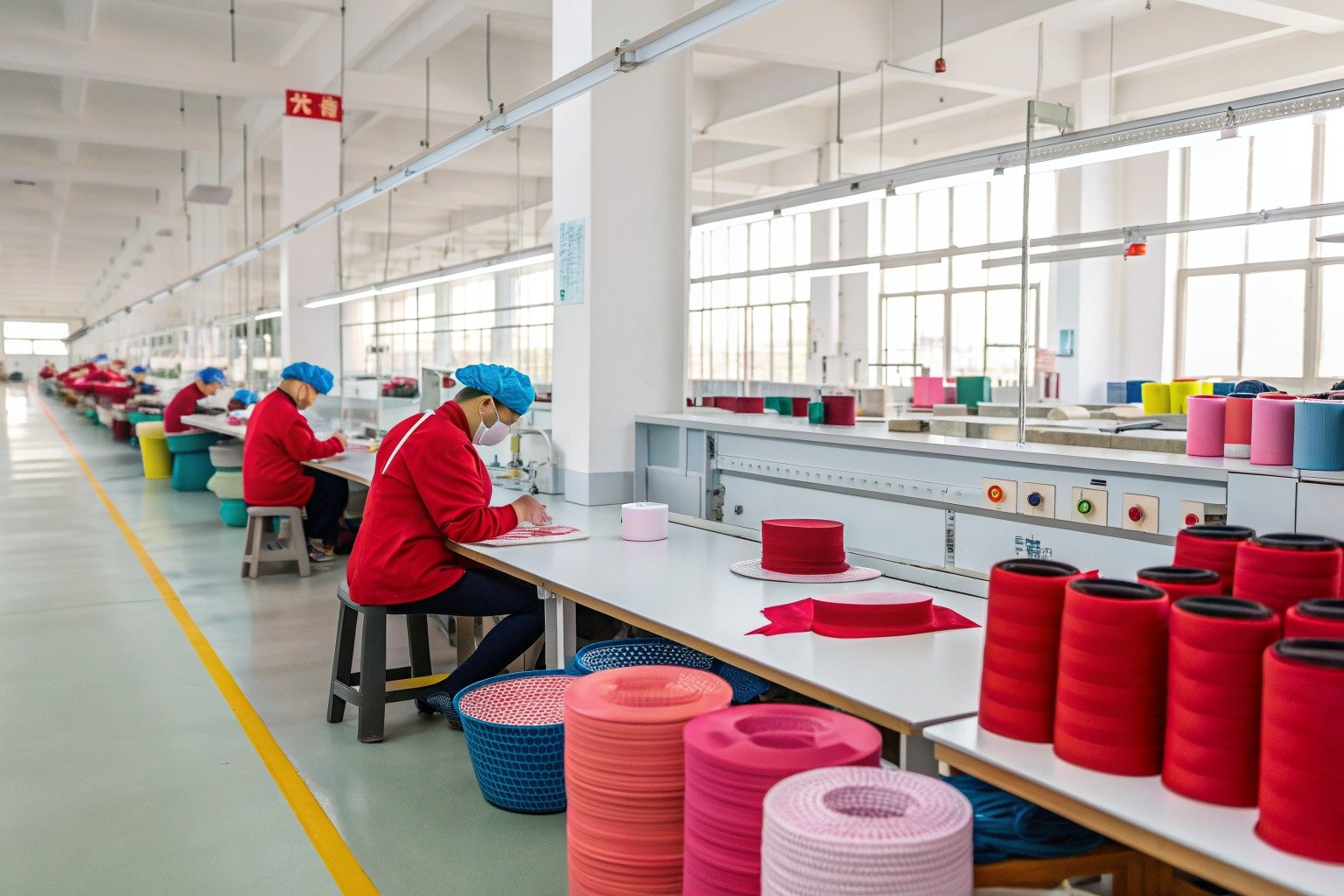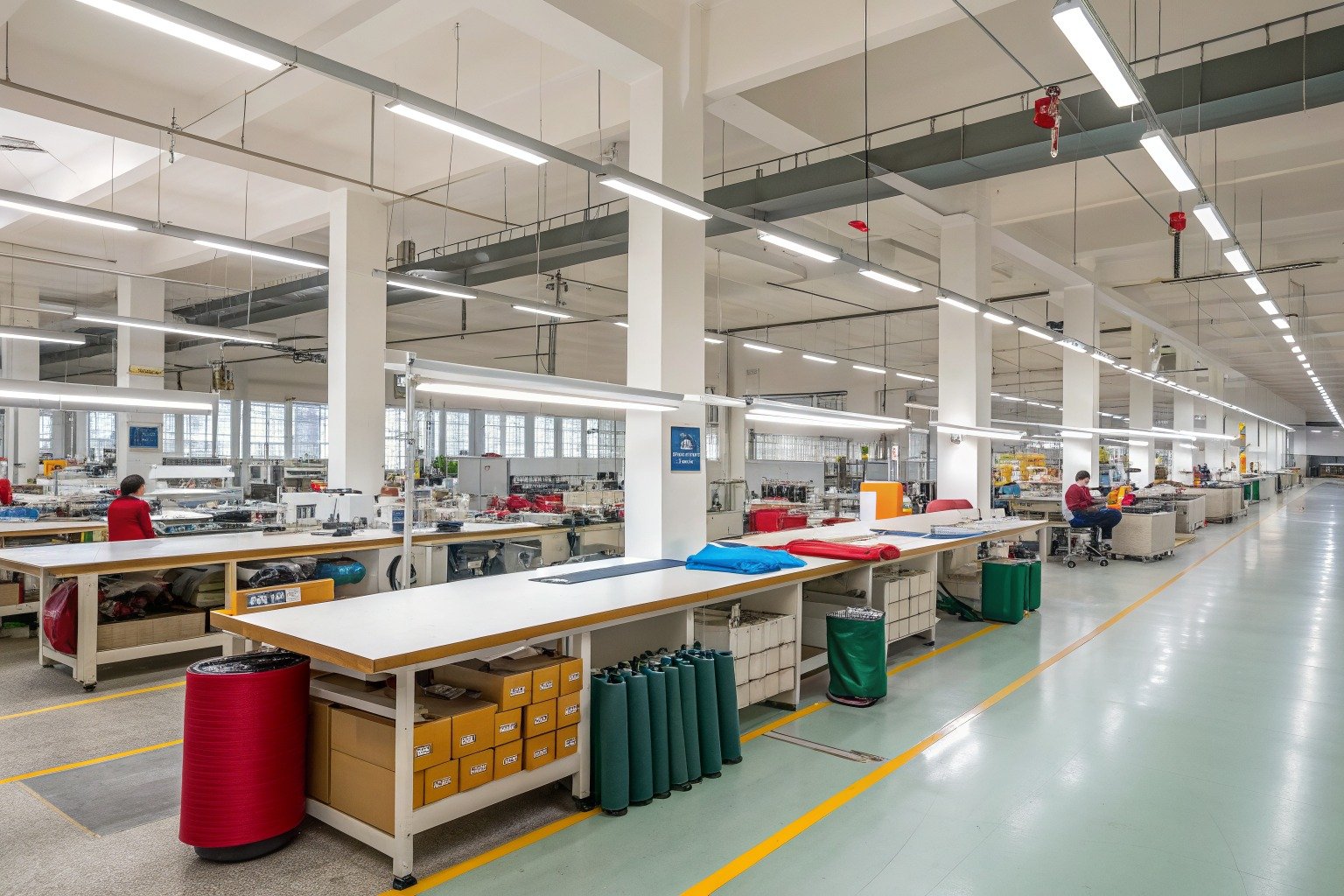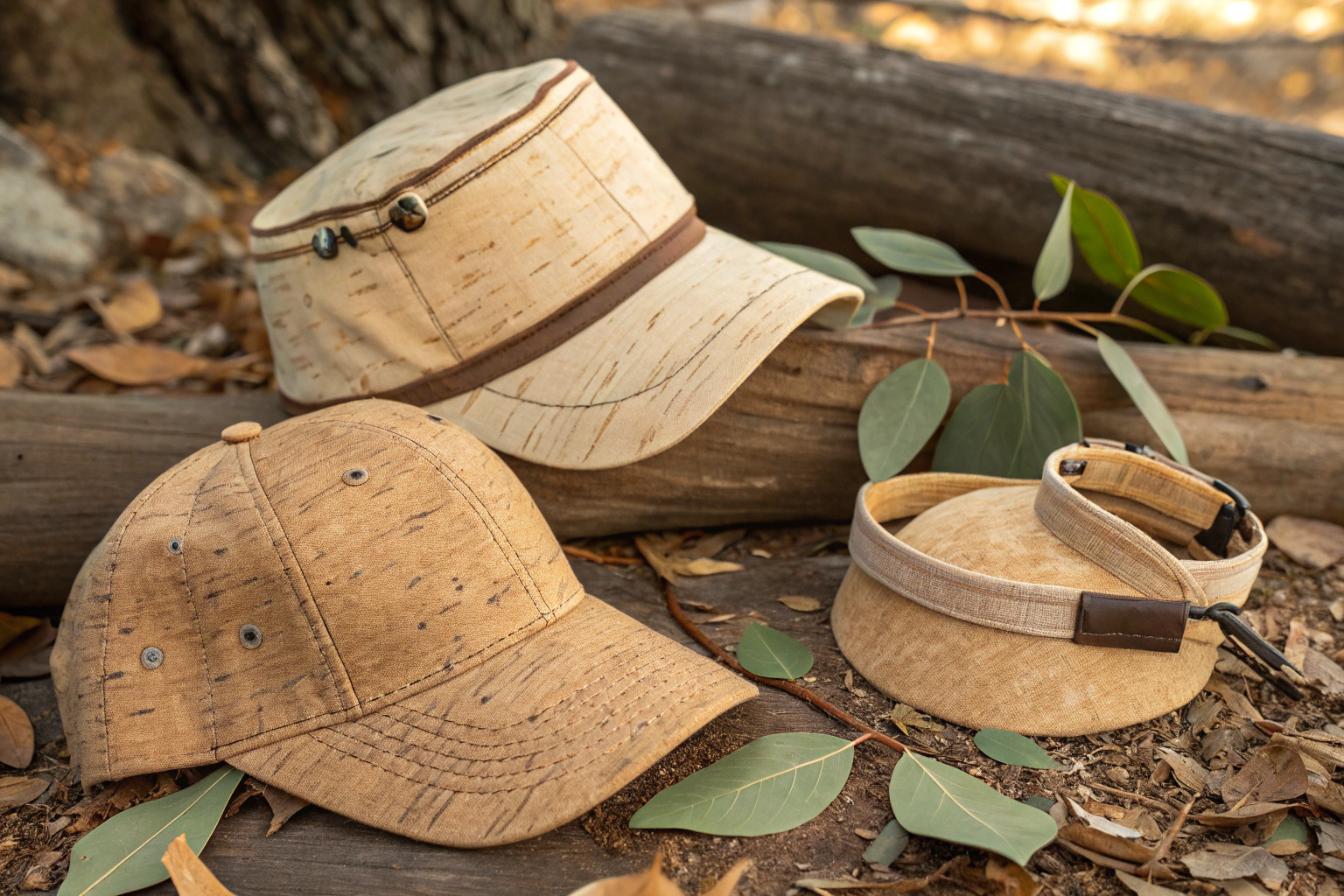
I have been in the fashion accessory manufacturing business for over twenty years, and I have watched sustainability transform from a niche concern to a mainstream demand. Cork hats and visors are one of the most exciting developments in eco-friendly accessories. They are lightweight, naturally water-resistant, and made from one of the most renewable materials on earth. For a buyer like Ron, who supplies to environmentally conscious retailers and consumers, cork accessories represent a significant opportunity. But sourcing them requires understanding the material, the production process, and the quality considerations that make cork a premium sustainable option.
To source eco-friendly cork hats and visors, you need a manufacturer who understands cork as a material: its natural variations, its durability, and its unique properties. Cork is harvested from the bark of cork oak trees without cutting down the trees, making it one of the most sustainable materials available. The hats are typically made from cork sheets that are cut, shaped, and often backed with fabric for comfort. Key considerations include the quality of the cork, the construction of the hat, the comfort of the lining, and the durability of the finish.
At Shanghai Fumao Clothing, we have been producing cork accessories for several years. We have developed relationships with certified cork suppliers and refined our production processes to work with this unique material. Cork hats and visors are beautiful, functional, and tell a compelling sustainability story. I want to share what we have learned so you can source them successfully.
What Makes Cork an Eco-Friendly Material?
Cork is one of the most sustainable materials available, and understanding why helps you communicate its value to your customers. The sustainability story is a powerful selling point. Cork comes from the bark of the cork oak tree (Quercus suber), which grows primarily in Portugal, Spain, and other Mediterranean countries. The bark is harvested by hand every nine years, and the tree continues to live and grow. No trees are cut down for cork harvesting. The bark regenerates completely, and each harvest actually increases the tree’s carbon absorption capacity.
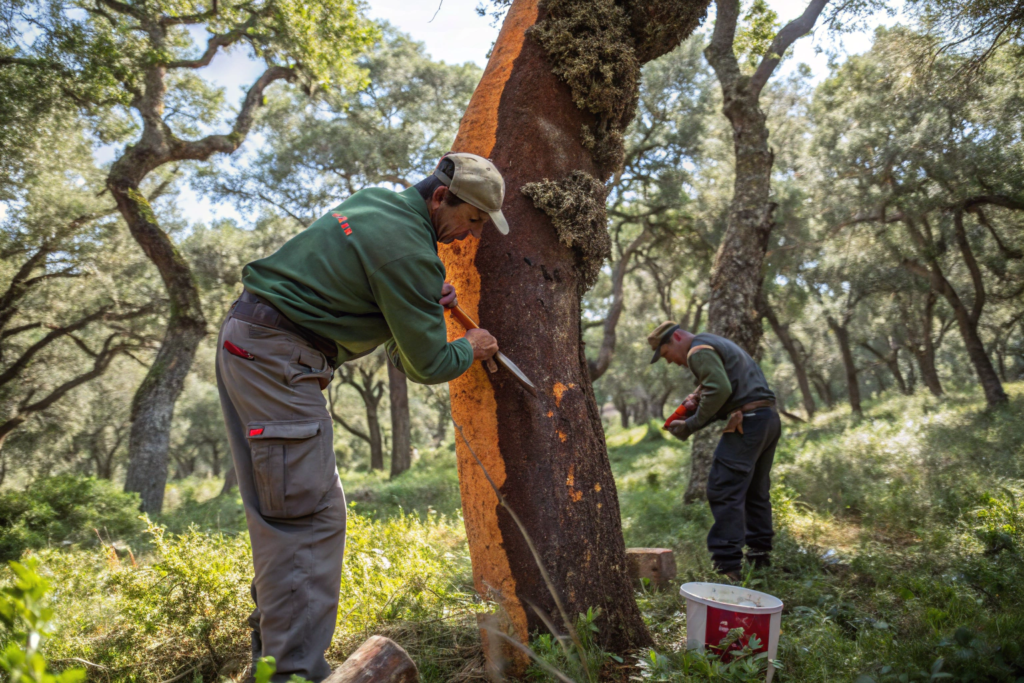
Cork harvesting is a traditional skill passed down through generations. Skilled harvesters carefully strip the bark from the tree, taking care not to damage the inner layer. The tree then grows new bark, which will be harvested again in nine years. A single cork oak can be harvested up to 17 times over its 200-year lifespan. Cork oak forests are biodiversity hotspots, supporting rare species like the Iberian lynx and the Barbary deer. They also absorb significant amounts of CO2, making them valuable carbon sinks.
After harvesting, the cork bark is stacked to cure for six months to a year. It is then boiled to remove impurities and increase flexibility. The cork is then processed into sheets or blocks for manufacturing. For hats, the cork is sliced into thin sheets that can be shaped into hat forms. The natural properties of cork make it ideal for hats: it is lightweight, water-resistant, and naturally antimicrobial. It also has a beautiful, unique texture that appeals to consumers seeking natural, sustainable products.
How is cork harvested and processed for hat making?
The journey from cork oak to finished hat is a fascinating process that preserves the material’s natural properties. Harvesting takes place in late spring and early summer when the bark is easiest to remove. The harvesters use specialized axes to make careful cuts and peel the bark away. The trees are marked to indicate the year of harvest, ensuring that each tree is harvested on a sustainable nine-year cycle. After harvesting, the cork planks are stacked outdoors to cure. This natural curing process allows the cork to stabilize and develop its characteristic properties. The curing takes six months to a year, during which the cork is exposed to sun, rain, and wind. This natural process is part of what makes cork sustainable—it requires minimal energy input.
After curing, the cork is boiled in water for about an hour. This cleaning process removes any remaining impurities and increases the cork’s flexibility and volume. The cork is then dried and sorted by quality. For hat making, the highest quality cork is sliced into thin sheets, typically 2 to 4 millimeters thick. These sheets are then cut into patterns using die-cutting or laser cutting. The cork pieces are then shaped over hat forms using steam and pressure. The natural flexibility of cork allows it to be shaped into hats and visors without cracking. Finally, the cork is finished with a water-based sealant to protect the surface and enhance durability. Some hats are backed with fabric for comfort and structure. At Shanghai Fumao Clothing, we work with cork suppliers who follow these traditional, sustainable practices.
What are the environmental benefits of cork compared to synthetic materials?
Compared to synthetic materials like polyester or PVC, cork offers significant environmental benefits. Synthetic materials are derived from petroleum, a non-renewable resource. Their production requires significant energy and releases greenhouse gases. At the end of their life, synthetic materials persist in landfills for centuries. Cork, by contrast, is renewable. The cork oak trees continue to live and grow for centuries, absorbing CO2 throughout their lives. Each harvest removes the bark, which then regenerates, actually increasing the tree’s carbon storage capacity. The processing of cork requires minimal energy compared to synthetic materials. Boiling and shaping cork uses far less energy than producing petroleum-based materials. Cork is also biodegradable at the end of its life. It will naturally break down without releasing harmful chemicals. However, cork hats often include fabric linings and straps, which may not be biodegradable. The cork itself can be composted or recycled. For consumers seeking to reduce their environmental footprint, cork offers a natural, renewable alternative to synthetic materials. The Cork Quality Council provides extensive information on the sustainability benefits of cork.
What Styles of Cork Hats and Visors Are Available?
Cork is a versatile material that can be shaped into a variety of hat styles. From classic sun hats to sporty visors, cork offers a natural, sustainable alternative to traditional materials. Understanding the available styles helps you select the right products for your brand and your customers.
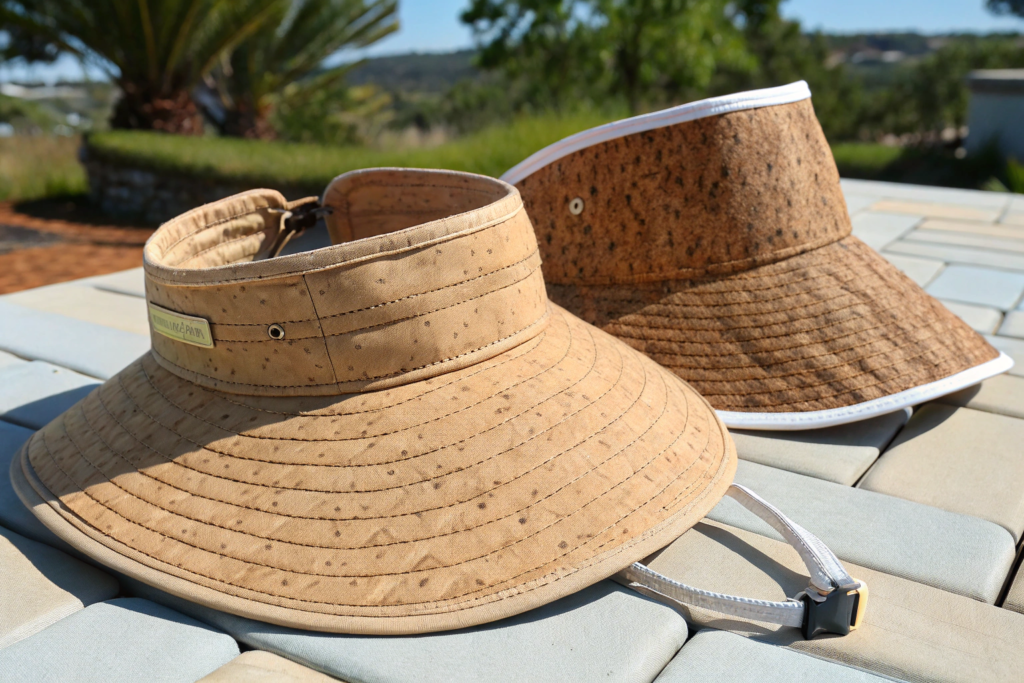
The classic wide-brim cork sun hat is the most popular style. It features a generous brim that provides excellent sun protection, typically 3 to 4 inches wide. The crown may be round or oval, and the hat is often finished with a fabric sweatband for comfort. This style is popular for beachwear, gardening, and outdoor events. The sporty cork visor is another popular option. It has a curved brim that shades the face, with an open top for ventilation. Visors are typically adjustable with a Velcro or buckle strap at the back. They are popular for golfing, hiking, and casual outdoor wear.
The cork bucket hat is a fashion-forward style with a soft, unstructured crown and a downward-sloping brim. It has a casual, relaxed look that appeals to younger consumers. Bucket hats are often made from thinner cork sheets that allow for a softer drape. The folding cork cap is a travel-friendly style. It has a soft, unstructured crown that can be folded flat for packing. The brim is typically shorter, 2 to 3 inches. This style is popular for travelers who want a stylish, packable sun hat. The cork fedora is a dressier style with a pinched crown and a stiffer brim. It has a sophisticated look that works for both men and women.
What is the difference between a cork sun hat and a cork visor?
The difference between a cork sun hat and a cork visor goes beyond coverage. A cork sun hat provides full head coverage. It protects the scalp, the face, and the neck from the sun. The brim surrounds the entire head, providing 360-degree protection. The crown covers the top of the head. This style is ideal for extended time outdoors, such as at the beach or gardening. It offers maximum sun protection. A cork visor provides protection for the face only. The brim shades the eyes and forehead, but the top of the head is open. This allows for ventilation, making the visor cooler to wear in hot weather. The visor is typically adjustable, so it fits a range of head sizes. This style is popular for activities where ventilation is important, such as golfing or running. The choice depends on the intended use. For full sun protection, choose a sun hat. For active use or for customers who prefer an open top, choose a visor. Both styles can be made from the same sustainable cork material.
What are the most popular designs for women, men, and unisex?
Cork hats and visors appeal to a wide range of customers, and design choices can target specific demographics. For women, wide-brim sun hats are the most popular. They often have decorative elements like fabric ribbons, bows, or flower accents. The brim may be slightly floppy for a feminine look. The colors are often natural cork, but some women’s styles are dyed in pastel shades or painted with patterns. For men, sporty visors and structured sun hats are popular. Men’s styles tend to be more minimalist, with simple, clean lines. The brim is typically stiffer, and the colors are natural cork or darker tones like charcoal or black. Unisex styles are increasingly popular. These designs avoid gender-specific embellishments and focus on clean, modern aesthetics. A classic wide-brim sun hat or a folding cap in natural cork appeals to all genders. The adjustable strap allows for a custom fit. For children, cork hats are popular for sun protection. They often have a chin strap to keep the hat in place during active play. The brim is typically wide for maximum sun protection. At Shanghai Fumao Clothing, we produce cork hats in a range of styles for all demographics and can work with you to develop designs that target your specific market.
How Do I Ensure Quality in Cork Hat Production?
Cork is a natural material with inherent variations. Ensuring consistent quality requires understanding the material and working with a factory that has experience processing it. Quality cork hats should be durable, comfortable, and well-constructed.
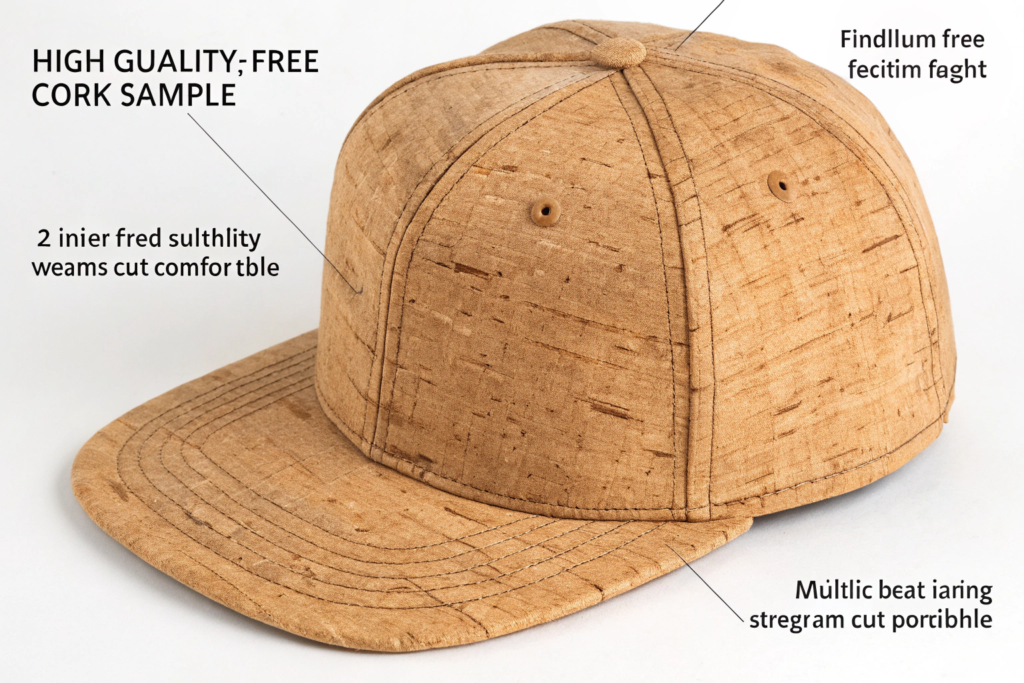
The first quality consideration is the cork itself. High-quality cork is smooth, flexible, and free from cracks or holes. It should have a consistent texture and color. The cork should be thick enough to hold its shape but flexible enough to be comfortable. For hats, cork thickness typically ranges from 2 to 4 millimeters. Thinner cork is more flexible and comfortable but less durable. Thicker cork holds its shape better but may be heavier. The second quality consideration is the construction. The cork pieces should be cut cleanly with no frayed edges. The seams, if any, should be strong and flat. For hats with fabric linings, the lining should be securely attached and free from wrinkles.
The third quality consideration is the finish. Many cork hats are coated with a water-based sealant to protect the surface and enhance durability. The sealant should be applied evenly with no drips or bubbles. It should not change the natural texture of the cork. The fourth quality consideration is the hardware. For visors and adjustable hats, the strap and buckle should be durable and easy to use. Metal components should be corrosion-resistant. Plastic components should be high-quality and not brittle.
What defects should I look for in cork material?
Cork is a natural material, and some variation is expected. However, certain defects indicate low quality and should be avoided. Cracks are the most common defect. Cork can crack if it is too dry or if it is bent too sharply. A few small cracks may be acceptable on a rustic-style hat, but large cracks or cracks that go through the cork are not. Holes or voids are another defect. Cork naturally has small pores, but large holes or voids indicate low-quality cork. Look for consistent, smooth surfaces. Discoloration can be a sign of poor processing. Natural cork has a warm, honey-brown color. Gray or black spots may indicate mold or contamination. Uneven thickness is a sign of poor processing. The cork sheet should have consistent thickness across the entire piece. If the thickness varies, the hat may not shape evenly. Stiffness is also a consideration. Cork that is too stiff may crack when shaped. Cork that is too soft may not hold its shape. High-quality cork for hats should be flexible but resilient. At Shanghai Fumao Clothing, we inspect all incoming cork materials for these defects and reject any that do not meet our standards.
How do I test the durability of cork hats?
Testing the durability of cork hats ensures they will perform for your customers. The first test is the flexibility test. Bend the brim of the hat gently. It should flex without cracking. Good quality cork will return to its original shape. The second test is the water resistance test. Spray water on the hat. The water should bead up and roll off, not soak in. If the hat has a sealant, the water should not penetrate. The third test is the abrasion test. Rub the surface of the hat with a cloth or your finger. The surface should not flake or rub off. The sealant should protect the cork from wear. The fourth test is the heat test. Leave the hat in a warm environment (like a car on a sunny day) for a few hours. The hat should not warp, shrink, or discolor. The fifth test is the wear test. Have someone wear the hat for several hours in normal conditions. Check for comfort, fit, and any signs of wear. At Shanghai Fumao Clothing, we conduct all these tests on our cork hats before approving them for production. We also provide test reports to clients who request them.
How Do I Care for and Maintain Cork Hats?
Cork hats are durable but require some care to maintain their appearance and performance. Providing care instructions to your customers helps them keep their hats looking great and extends the product’s life. Good care instructions also reflect positively on your brand.
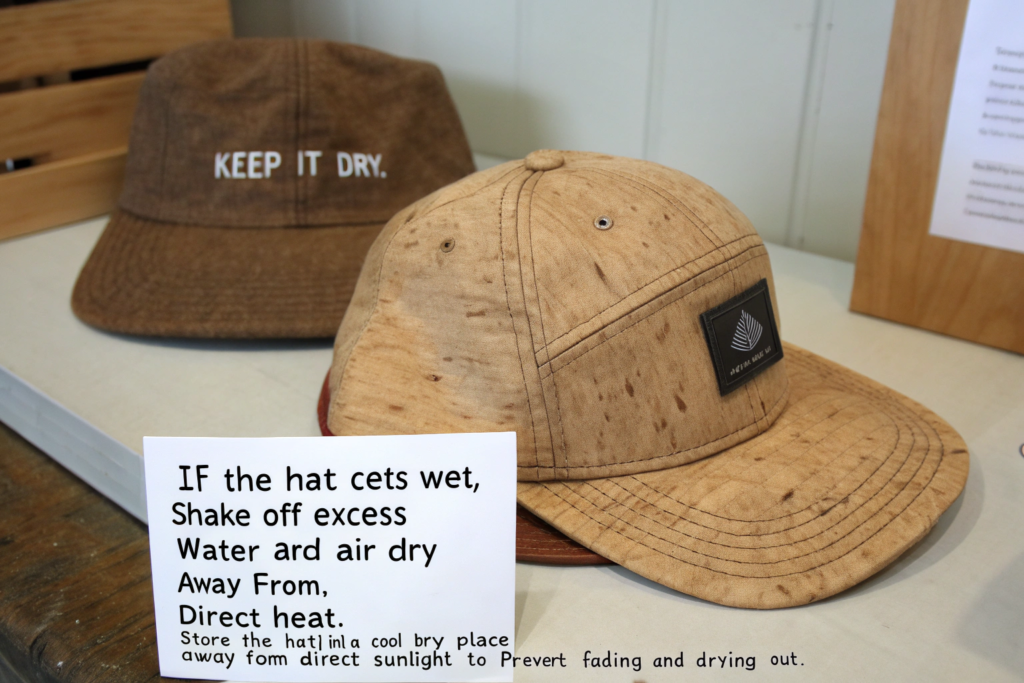
The most important care instruction is to keep the hat dry. While cork is naturally water-resistant, prolonged exposure to water can damage the material and the sealant. If the hat gets wet, shake off excess water and let it air dry away from direct heat. Do not put a cork hat in the dryer. The second care instruction is to store the hat properly. Store cork hats in a cool, dry place away from direct sunlight. Sunlight can fade the color and dry out the cork. Do not store the hat with heavy objects on top of it, as this can distort the shape. If the hat has a brim, store it brim-side down or on a hat stand to maintain the shape.
The third care instruction is to clean the hat gently. Wipe the hat with a soft, dry cloth to remove dust. For more stubborn dirt, use a slightly damp cloth and gently wipe. Do not use harsh chemicals or abrasive cleaners. Do not soak the hat in water. The fourth care instruction is to refresh the sealant periodically. Over time, the water-resistant sealant may wear off. You can apply a cork-specific sealant or a water-repellent spray designed for natural materials to restore water resistance. The fifth care instruction is to handle with care. Cork is flexible but can crack if bent too sharply. Do not fold or crush the hat. If you have a folding cork cap, follow the manufacturer’s instructions for folding and storing.
How do I clean a cork hat without damaging it?
Cleaning a cork hat requires a gentle touch to avoid damaging the natural material or the sealant. Start by removing loose dust with a soft brush or a lint-free cloth. Do not use a stiff brush, which can scratch the surface. For surface dirt, dampen a soft cloth with water. Wring it out well so it is barely damp. Gently wipe the cork in the direction of the grain. Do not rub vigorously, as this can wear down the sealant. For stubborn stains, mix a small amount of mild soap (like castile soap) with water. Dip the cloth in the solution, wring it out, and gently blot the stain. Do not scrub. After cleaning, wipe the area with a clean, damp cloth to remove any soap residue. Then dry the hat with a soft, dry cloth. Let the hat air dry completely away from direct heat. Do not use a hair dryer or place the hat in the sun to speed drying, as this can cause cracking. For the fabric lining or sweatband, spot clean with a mild soap and water solution. Avoid saturating the cork. If the lining is removable, take it out for cleaning. At Shanghai Fumao Clothing, we include care instructions with every cork hat order so your customers know how to keep their hats looking great.
How long do cork hats typically last?
With proper care, cork hats can last for many years. The durability of cork is one of its advantages. A well-made cork hat with a good quality sealant can last 5 to 10 years or more with regular use. The cork itself is naturally resistant to rot and decay. The main factors affecting lifespan are exposure to water, sunlight, and physical stress. Prolonged exposure to water can damage the sealant and cause the cork to swell and warp. Repeated exposure to intense sunlight can dry out the cork, making it brittle and prone to cracking. Bending or crushing the hat can cause cracks. With proper care—keeping it dry, storing it properly, and handling it gently—a cork hat will maintain its shape and appearance for many seasons. The fabric components, such as the sweatband and lining, may wear out before the cork. These can often be replaced or repaired. For customers who take care of their cork hat, it becomes a long-lasting, sustainable alternative to synthetic hats that may wear out more quickly. At Shanghai Fumao Clothing, we use high-quality cork and sealants to maximize the lifespan of our hats.
Conclusion
Sourcing eco-friendly cork hats and visors offers a unique opportunity to provide sustainable, stylish accessories to environmentally conscious consumers. Cork is harvested from cork oak trees without cutting them down, making it one of the most renewable materials available. It is lightweight, water-resistant, naturally antimicrobial, and biodegradable. Cork hats come in a variety of styles, from classic wide-brim sun hats to sporty visors and fashion-forward bucket hats. Quality cork hats require attention to the cork material itself, the construction, the finish, and the hardware. Proper care—keeping the hat dry, storing it properly, and cleaning it gently—ensures a long lifespan.
At Shanghai Fumao Clothing, we have experience working with cork as a material. We source certified cork from sustainable suppliers and have refined our production processes to shape cork into beautiful, durable hats and visors. We offer a range of styles for women, men, and children, and we can work with you to develop custom designs that reflect your brand. Our quality control systems ensure that every hat meets our high standards for durability and finish.
If you are ready to add eco-friendly cork hats and visors to your product line, let’s talk. Please contact our Business Director, Elaine, directly at elaine@fumaoclothing.com to discuss your project and how we can help you bring sustainable style to your customers.