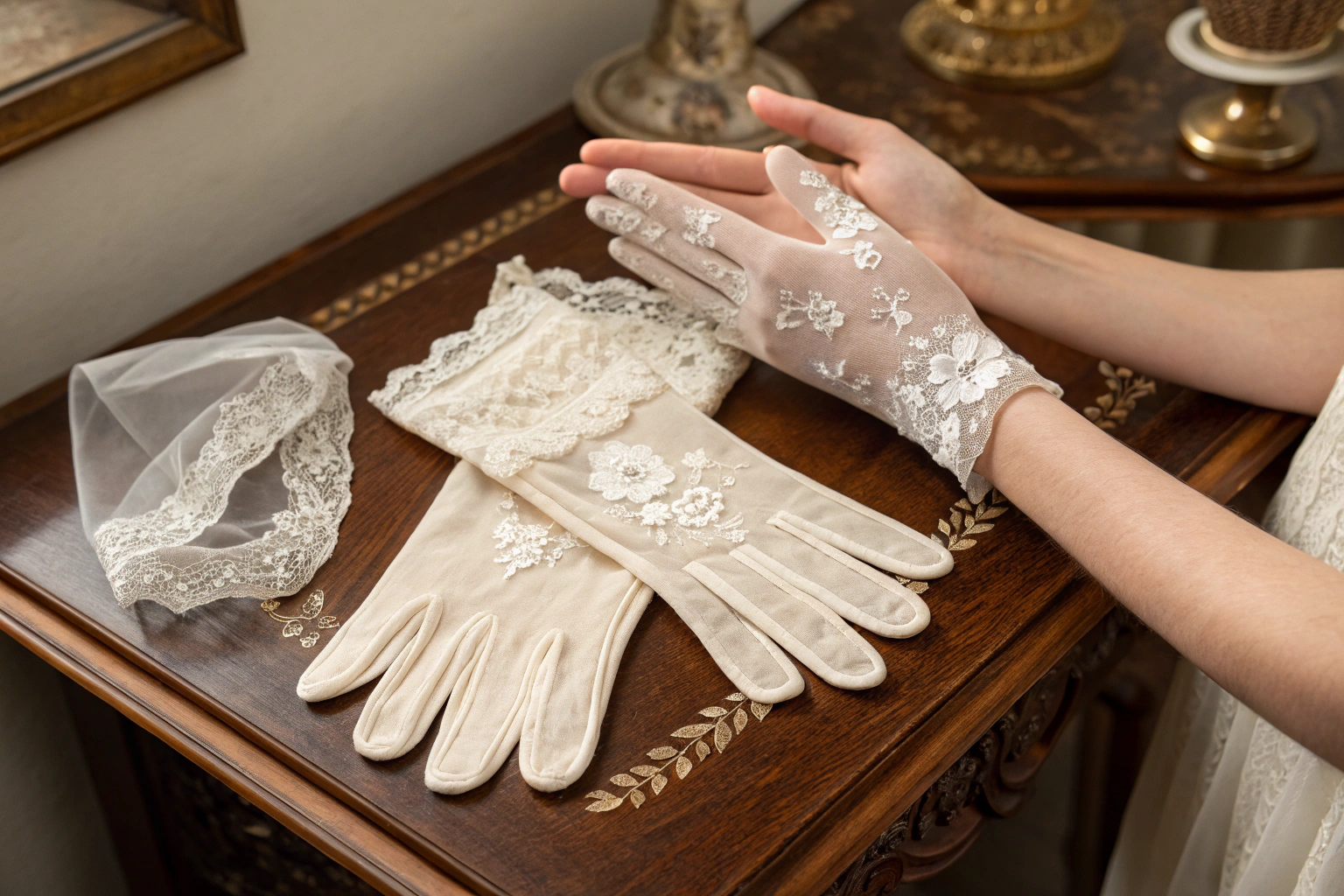
I have been in the fashion accessory business for over two decades, and I have learned that some products never truly go out of style. They evolve, they adapt, but they always remain. Gloves with a touch of lace are one of those timeless pieces. They speak to a sense of romance, elegance, and femininity that transcends seasonal trends. For a buyer like Ron, who supplies to major retailers and boutiques, this category offers a steady, reliable market with opportunities for premium pricing.
To source gloves with a touch of lace for feminine styles, you need a manufacturer who understands the delicate balance between beauty and durability. Lace is inherently fragile. It requires skilled handling during cutting and sewing to prevent snags and runs. You need a partner who can source high-quality laces—from delicate Chantilly to romantic Alençon—and combine them with base materials like soft mesh, breathable cotton, or luxurious satin. The construction must ensure that the delicate lace elements stay beautiful through wear.
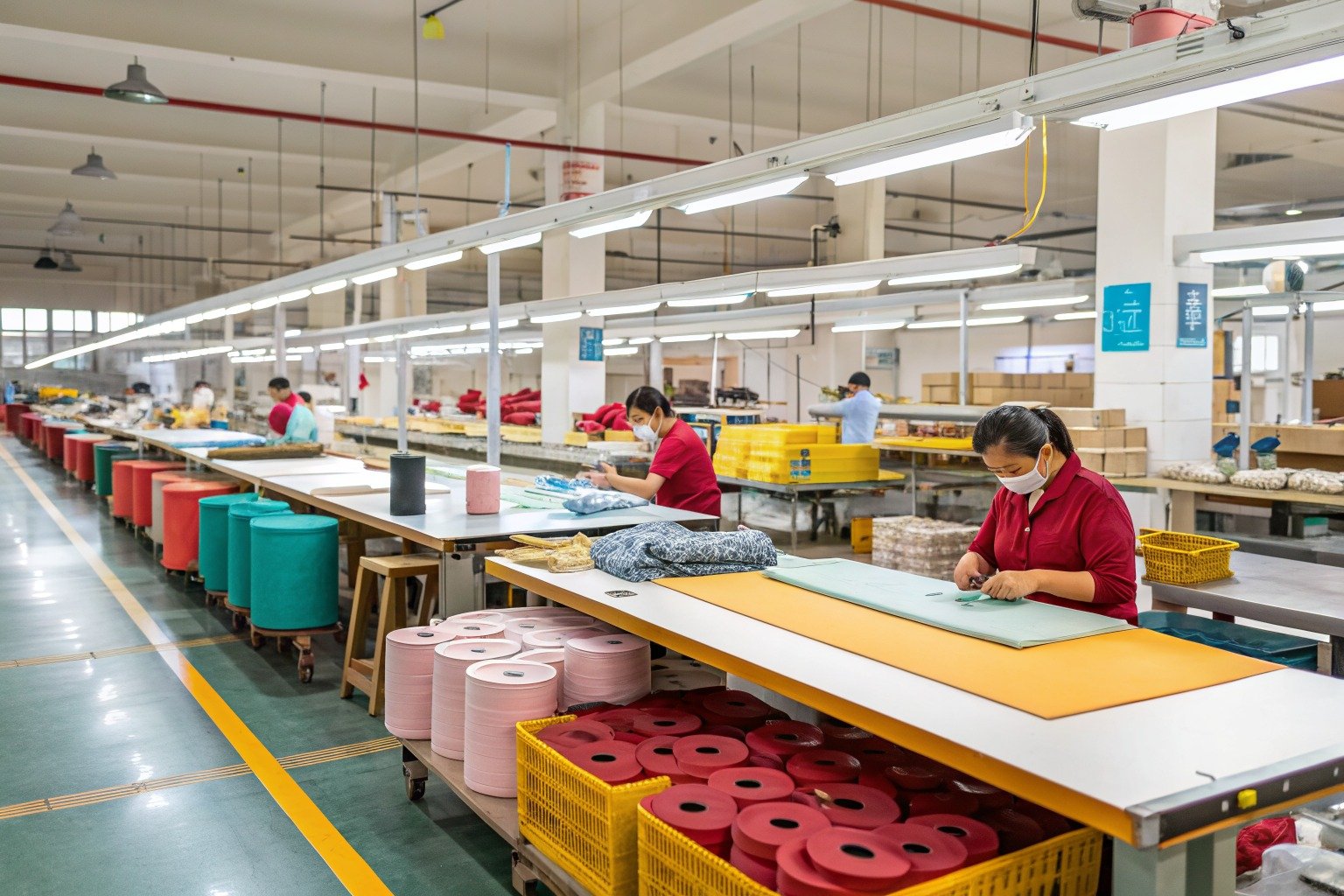
At Shanghai Fumao Clothing, we have a dedicated team that specializes in delicate fabrics and romantic styles. Our sewers are trained to handle fragile materials with care. We have relationships with lace suppliers in China and Europe, giving us access to a wide range of patterns and qualities. We understand that when a woman buys a lace glove, she is buying a feeling. Our job is to deliver that feeling with a product that also performs.
What Types of Lace Work Best for Feminine Gloves?
Choosing the right lace is the most important decision you will make when developing this product. The wrong lace can look cheap, feel scratchy, or tear after one wear. The right lace elevates the entire glove into something special. There are several types of lace commonly used in glove making, each with its own characteristics and best uses.
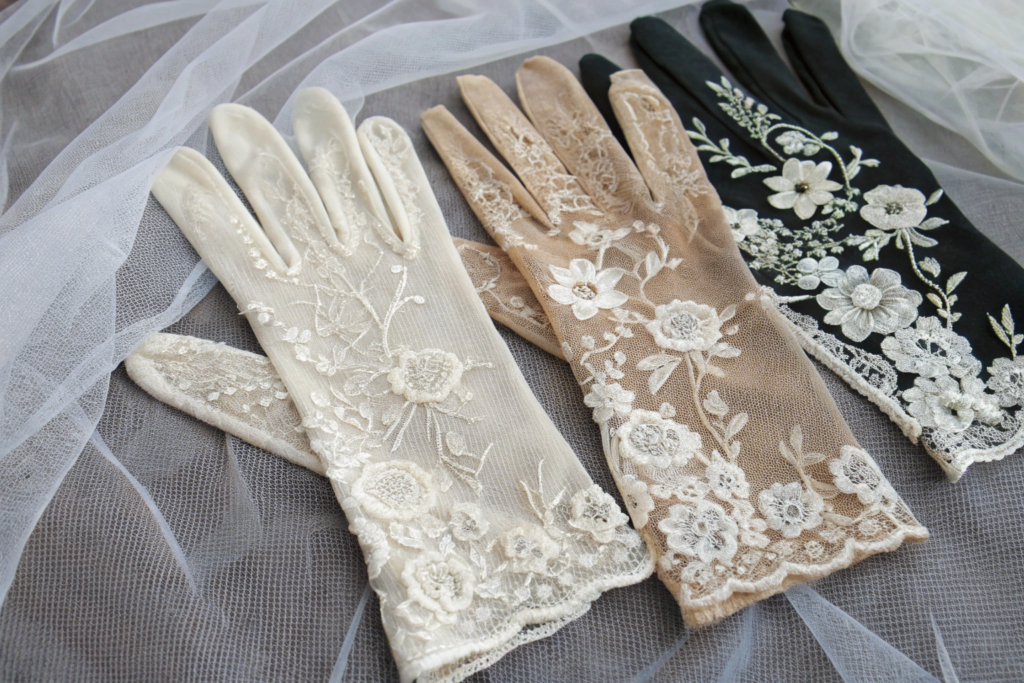
Chantilly lace is a classic choice. It features delicate floral patterns outlined with silk or rayon threads on a sheer net background. It is lightweight, elegant, and perfect for formal or bridal gloves. Alençon lace, sometimes called the "queen of lace," has a more textured, dimensional look with raised corded outlines. It is sturdier than Chantilly and works beautifully for cuffs and trims. Guipure lace is a heavier option made without a net background. The motifs are connected by bars or plaits, creating a bold, structural look that is surprisingly durable. Finally, eyelash lace with its small, delicate loops along the edge adds a soft, romantic finish to wrist-length gloves.
Understanding these differences helps you select the right lace for your target customer and price point. A delicate Chantilly glove commands a higher price but also requires more careful handling. A Guipure design offers a similar romantic feel with greater durability for everyday wear.
What is the difference between Chantilly and Alençon lace for gloves?
The difference between Chantilly and Alençon lace is subtle but important for glove design. Chantilly lace is characterized by its fine, sheer background and detailed floral patterns outlined with a thicker thread. It is incredibly soft and drapes beautifully, making it ideal for full-length gloves that need to move with the arm. However, its delicacy means it requires careful handling and is best suited for special occasion wear. Alençon lace, on the other hand, has a more defined, slightly raised pattern with a corded outline. It often incorporates tiny embellishments like beads or sequins. It is firmer and holds its shape better, making it excellent for cuffs, wrist-length gloves, or as an accent on a satin base. The choice depends on your end use. For a bridal collection where each glove is worn once, Chantilly is perfect. For a retail line where gloves may be worn repeatedly, the durability of Alençon or a blended lace might be wiser. You can explore the history and characteristics of different laces on educational sites like The Lace Guild, which offers deep insights into lace traditions.
How do I choose the right base fabric for lace gloves?
The base fabric is the foundation of your glove. It provides structure, comfort, and durability. The choice of base fabric depends on the season, the intended use, and the type of lace you are using. For warm weather and bridal wear, a sheer mesh or illusion net is a popular choice. It allows the lace to be the star while providing a comfortable, breathable base. For cooler weather, consider a soft cotton or cotton-spandex jersey. This provides warmth and stretch while the lace overlay adds the feminine touch. For a more luxurious feel, a satin or charmeuse base creates an elegant look, especially when the lace is applied only at the cuff or as a trim. The base fabric must be compatible with the lace in terms of weight and stretch. If the base stretches and the lace does not, the glove will pucker or the lace will tear. We always test fabric combinations extensively before sampling to ensure they work together harmoniously. Resources like Fashion Incubator offer technical articles on fabric selection and garment construction that can be very helpful.
How to Find a Factory Skilled in Delicate Fabric Construction?
Not every factory can handle delicate fabrics like lace and mesh. These materials require specialized equipment, skilled hands, and a patient approach. A factory that excels at making basic cotton gloves may ruin an expensive batch of lace in minutes. Finding the right partner is critical to your success.
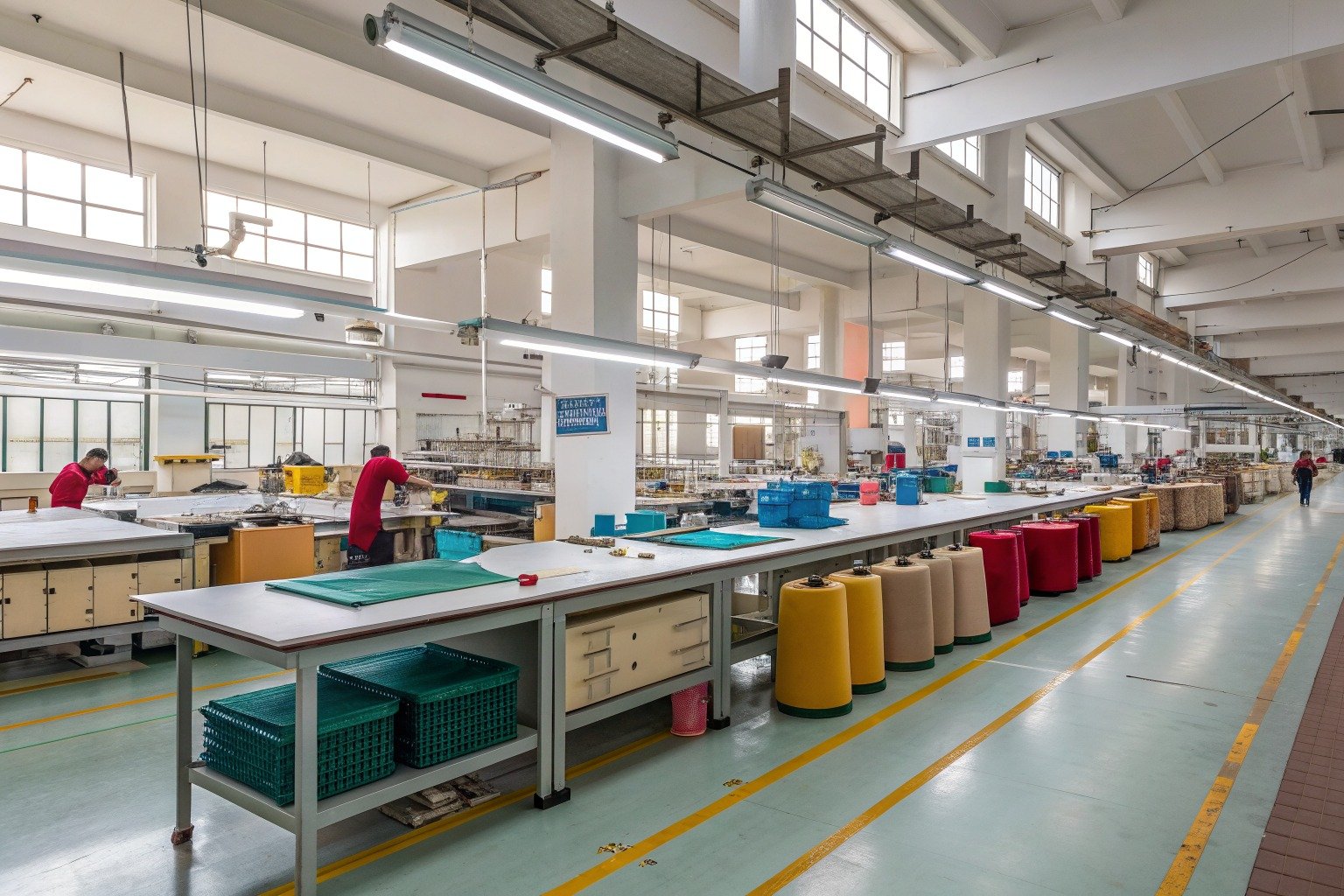
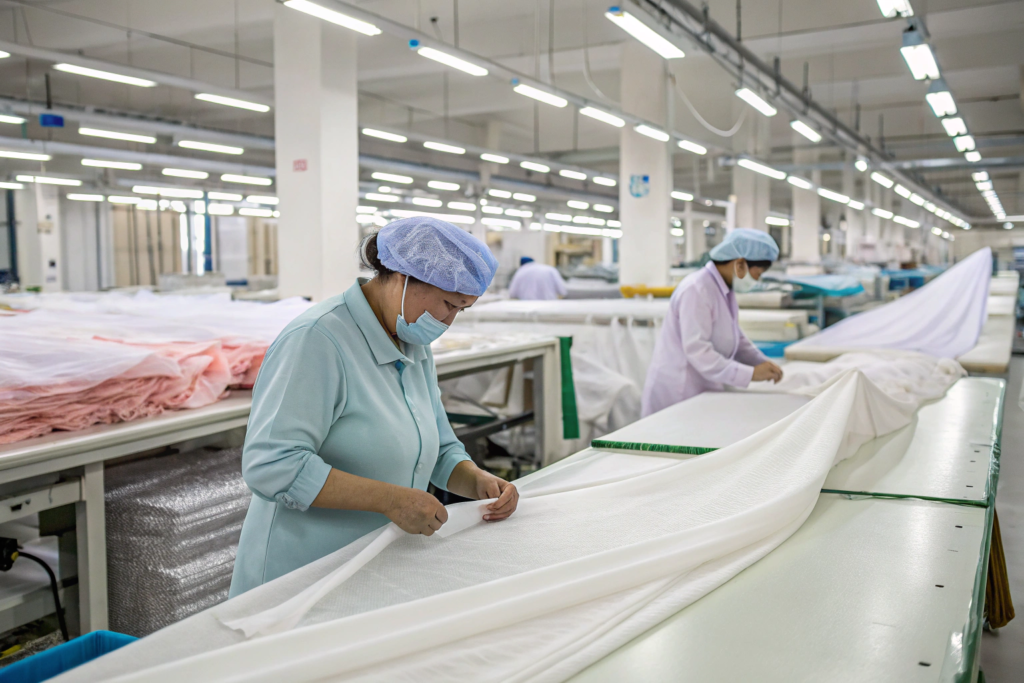
You need a factory with a track record of working with sheer and delicate materials. Ask to see examples of their past work. Look for clean seams, no pulled threads, and lace that lies flat without puckering. The factory should have a clean, well-lit workspace because inspecting delicate fabrics requires good light. They should also have specialized machines, such as those with differential feed, which can handle multiple layers of different fabrics without shifting. Most importantly, they need skilled sewers who understand that lace cannot be handled roughly.
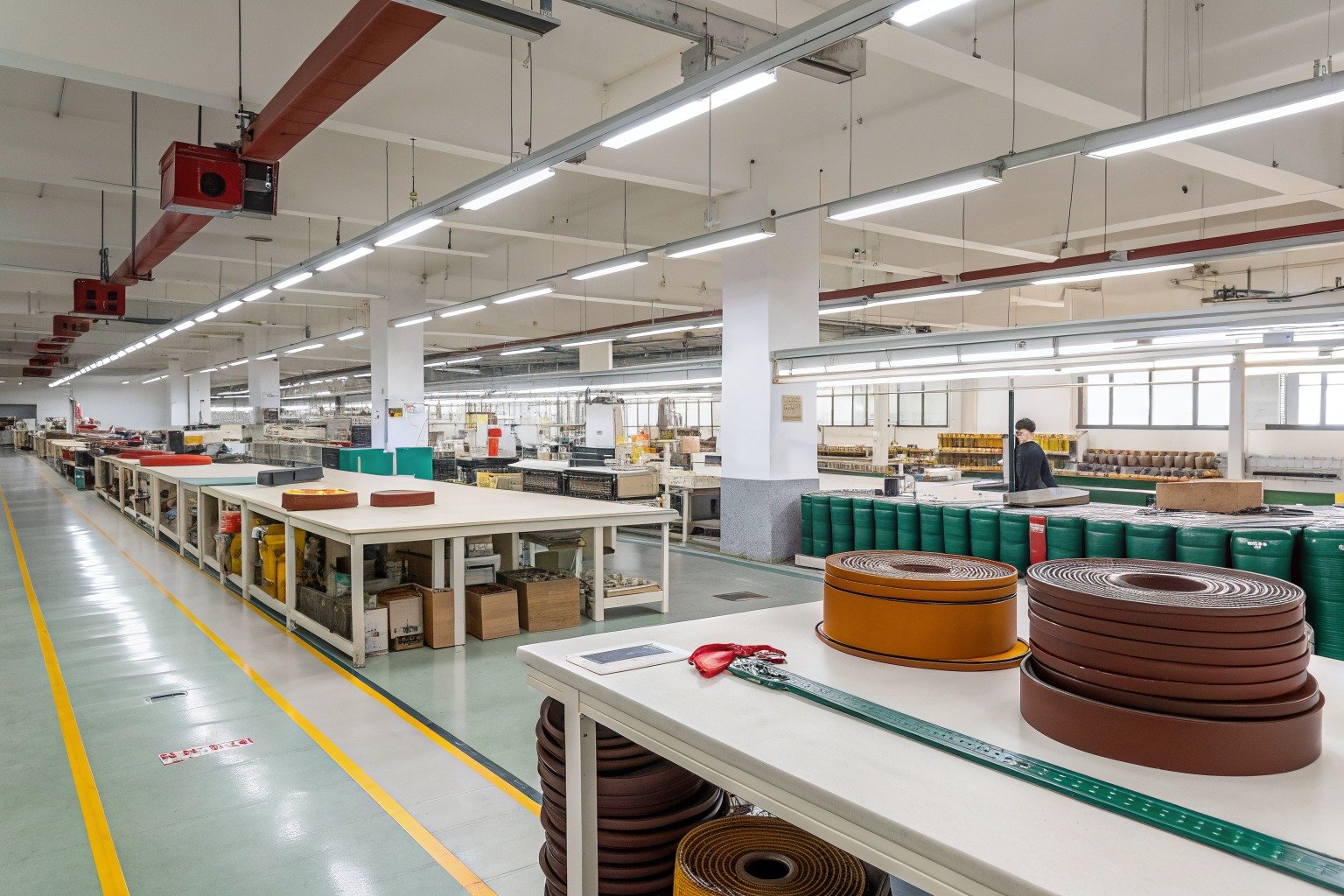
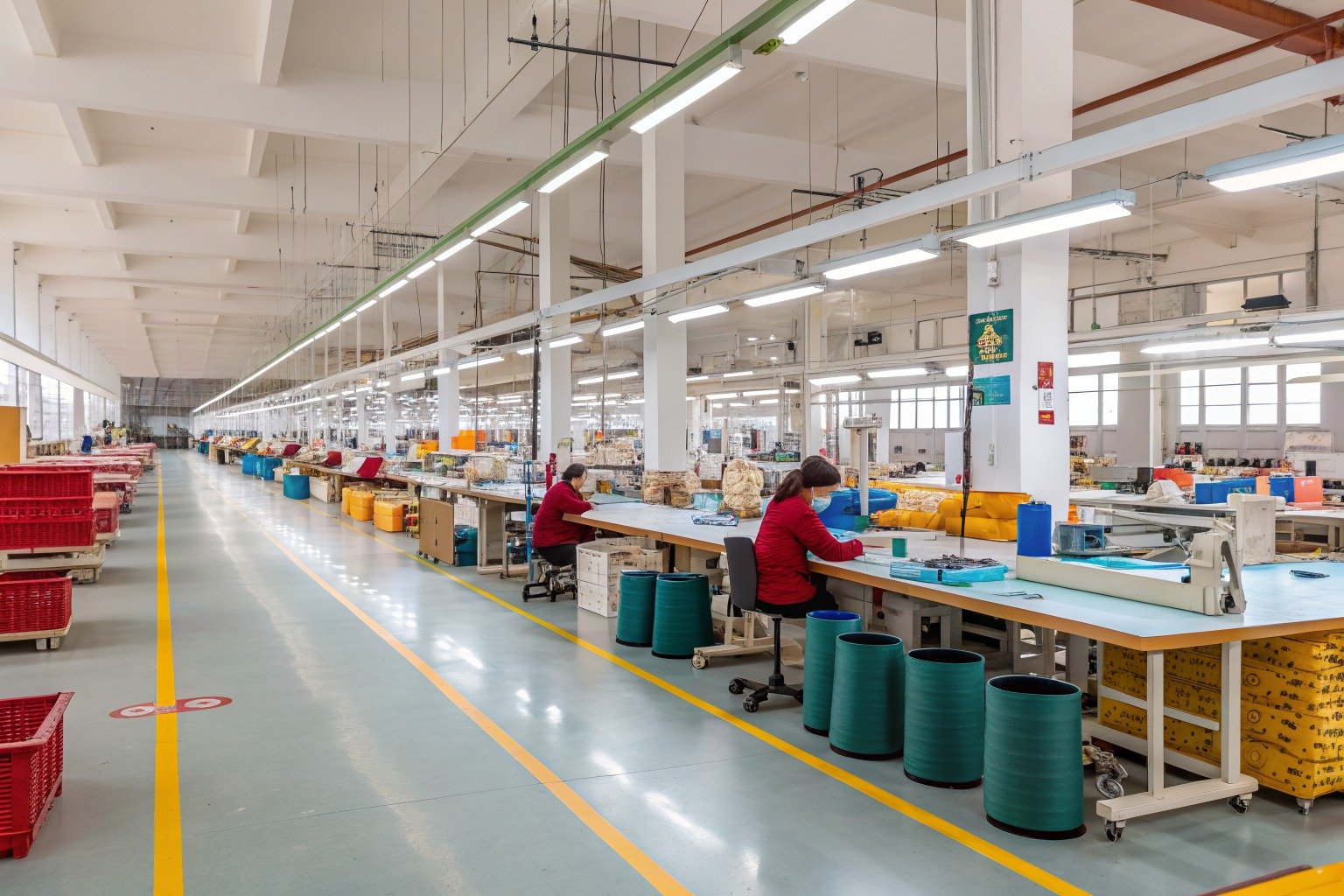
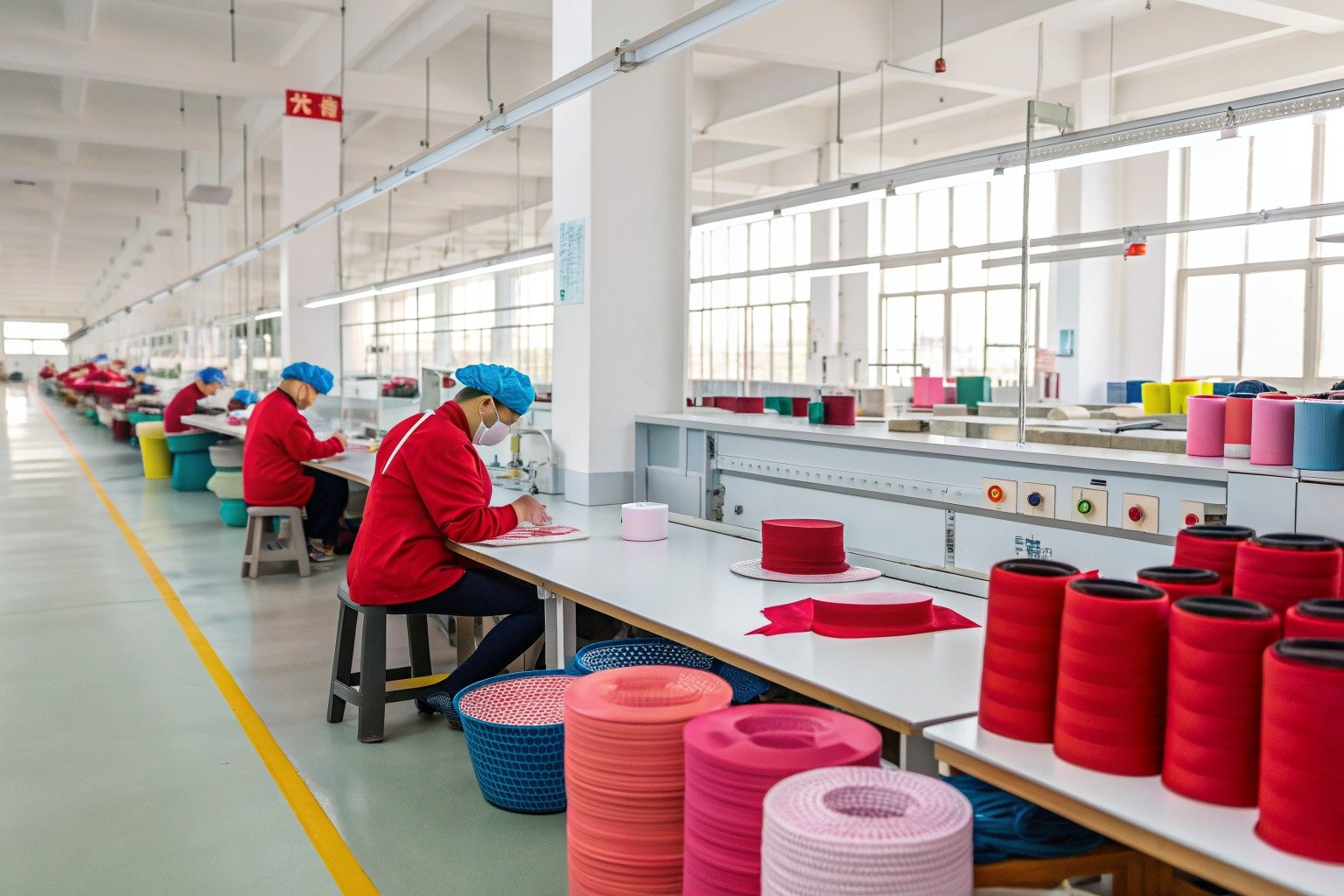
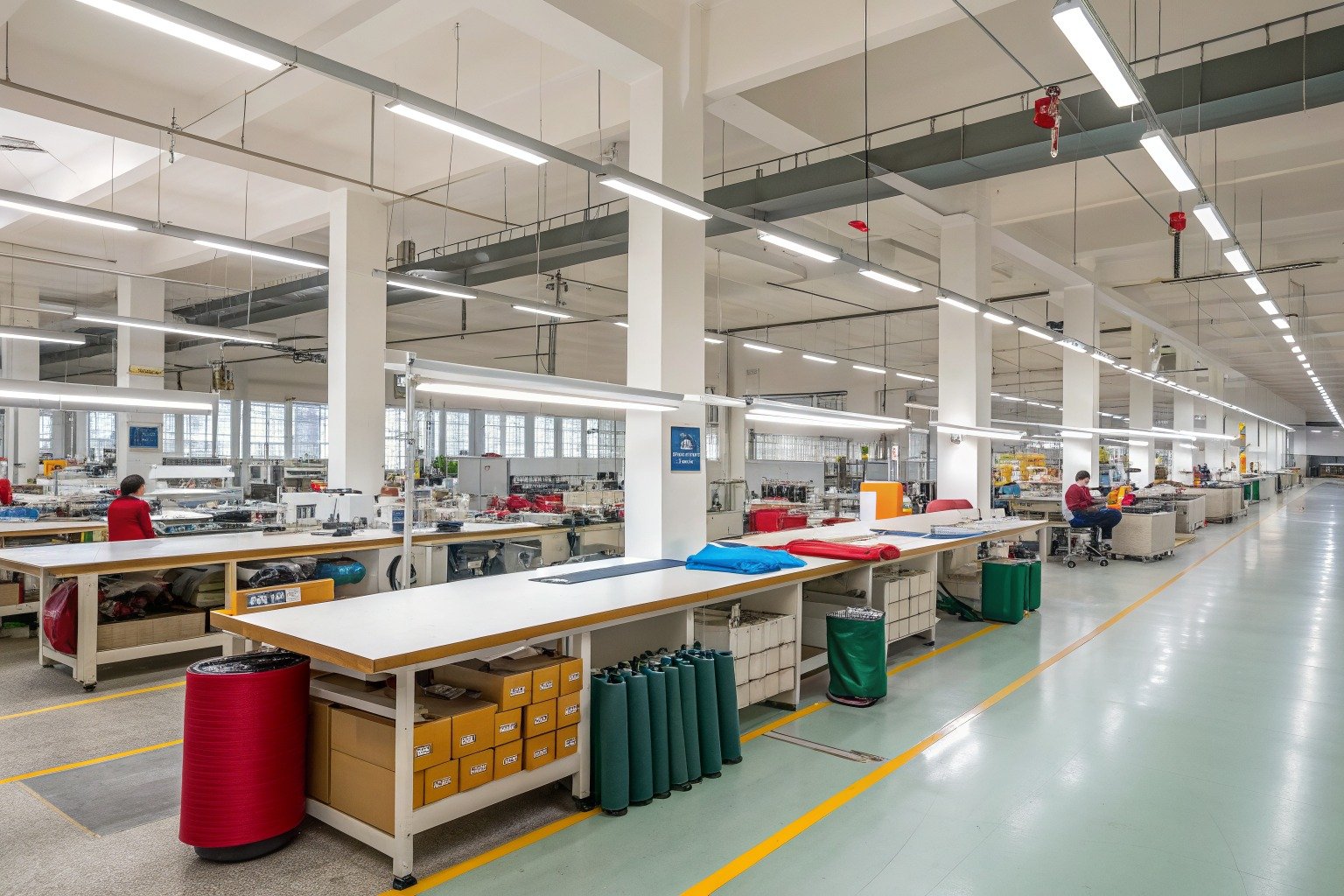
We have invested years in training our team to work with these challenging materials. Our lace specialists know how to cut patterns to maximize the beauty of the floral motifs. They know how to sew seams that are strong but invisible. This expertise is something that cannot be rushed or copied overnight.
What machinery is needed for sewing lace and mesh?
Sewing lace and mesh requires different machinery than standard garment production. A standard lockstitch machine can work, but it needs to be equipped with a fine needle (size 60/8 or 70/10) to avoid creating large holes in the delicate fabric. The machine’s feed dogs must be smooth or covered to prevent snagging the lace. For attaching lace to a stretch base fabric, a machine with differential feed is essential. This mechanism can feed the two layers at slightly different rates, preventing the lace from puckering or the base from stretching out of shape. For seams that need to be invisible, such as on sheer gloves, a blind hemmer or a machine that creates a very narrow rolled hem is used. Overlock machines used for finishing seams must be carefully adjusted to trim the fabric without cutting into the lace pattern. We maintain a separate section of our factory with machines calibrated specifically for delicate work. Technical resources like Sewing Machine Brokers offer detailed explanations of different machine types and their capabilities.
How do I evaluate a factory’s experience with romantic styles?
Evaluating a factory’s experience with romantic, feminine styles goes beyond just looking at their product photos. Ask them to walk you through their process for a similar past project. How did they source the lace? How did they handle cutting to preserve the pattern? What challenges did they face and how did they solve them? A truly experienced factory will have stories to tell. They will have samples of past work that you can touch and examine. Look for the details. Are the lace edges finished cleanly? Is the stitching invisible where it should be? Does the lace lie flat against the base fabric? Also, ask about their relationships with lace suppliers. A factory that has established supply chains for high-quality European or Asian laces is likely more experienced in this niche. Shanghai Fumao Clothing welcomes potential clients to video tour our facilities and see our lace specialists at work. We are proud of our expertise and happy to demonstrate it. The Better Work program, run by the ILO and IFC, also provides insights into factory conditions and capabilities that can inform your evaluation.
How to Ensure Quality in Delicate Lace Gloves?
Quality control for lace gloves is a different discipline than for solid fabric items. You are looking for different types of defects, and the standards must be higher because the customer expects a premium product. A small snag that might be acceptable on a cotton work glove is a fatal flaw on a lace evening glove.
The first area of focus is the lace itself. Inspect every inch for pulls, runs, or broken threads. Lace is often produced in wide widths, and defects can occur anywhere. Your cutting process must be designed to avoid these defects or to cut around them. The second area is the seams. On a delicate glove, seams must be flat and smooth. A bulky seam will be uncomfortable and visible through the lace. The third area is the attachment points. If lace is applied as a cuff or trim, the join must be invisible and secure. Finally, check the fit. The glove should conform to the hand smoothly, without excess fabric or tightness that stresses the lace.
We use a multi-point inspection system for all lace products. Each glove is examined on a lighted table that makes any defect in the lace pattern immediately visible. We measure every glove against a standard to ensure consistency. This rigorous approach is the only way to deliver the quality that the feminine market demands.
What are the common defects in lace fabric to watch for?
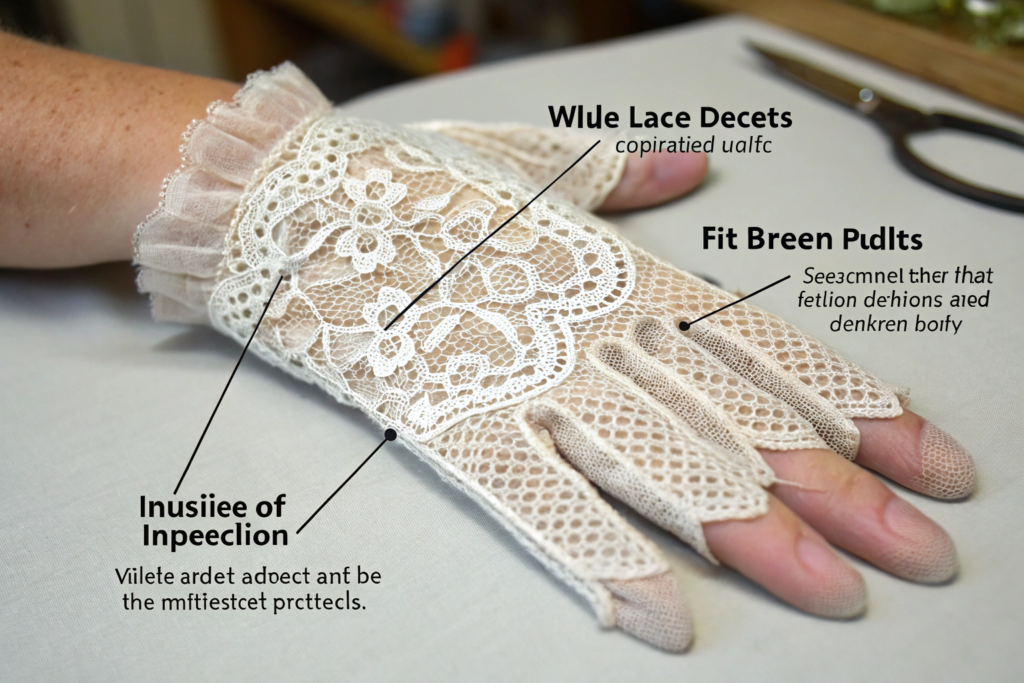
Lace fabric has its own unique set of potential defects. The most common is a pulled thread, where a single thread in the intricate pattern has been snagged and pulled, creating a visible loop or distortion. This is often caused by rough handling during cutting or sewing. Another defect is a broken or missing thread in the pattern, which creates a hole or a gap in the design. This can be a manufacturing defect in the lace itself or damage during production. Pattern misalignment is also a concern, especially when lace is used as a trim. The floral motifs should flow continuously; a sudden break in the pattern looks unprofessional. Finally, look for "lace marks" or impressions on the base fabric where the lace has been pressed too firmly, creating a permanent shadow. Any of these defects can turn a beautiful glove into a second-quality item. For a deeper understanding of textile quality standards, the ASTM International standards for textiles provide detailed classification of defects.
How do I test the durability of lace trims and edges?
Testing the durability of lace trims and edges is essential because these are the points of highest stress. The edge of a lace cuff will be pulled and stretched every time the glove is put on or taken off. The first test is a simple stretch test. Gently stretch the lace edge along its length and across its width. Does the lace recover its shape? Does any stitching pop? The second test is a pull test on the attachment seam. Try to gently separate the lace from the base fabric. It should feel completely secure. The third test is a wear simulation. If possible, have someone put the glove on and off several times. Check the lace after each cycle for any signs of stress or loosening. Finally, consider a gentle wash test if the product is intended to be washable. Lace can shrink or distort when wet if not properly pre-treated. We perform all these tests on samples from every production run to ensure the delicate beauty of the lace is matched by real-world durability. The Textile Research Journal publishes peer-reviewed studies on fabric performance that can inform your testing protocols.
What Styles of Lace Gloves Are Most Popular?
The market for feminine lace gloves is diverse, ranging from practical everyday wear to high-end special occasion pieces. Understanding the different style categories helps you target your product development and inventory planning. Each style serves a different customer need and commands a different price point.
The wrist-length lace glove is a versatile everyday style. It adds a touch of femininity to a coat or jacket without being too formal. These are often made with a stretch base and a lace overlay or a simple lace cuff. The elbow-length or opera glove is the ultimate special occasion piece. These are popular for weddings, proms, and formal galas. They are often made entirely of sheer lace or with a satin base and an extensive lace overlay at the hand and cuff. The fingerless lace glove or "mitt" has a loyal following, particularly among vintage enthusiasts and for specific events like Renaissance fairs or steampunk-themed parties. Finally, the lace-trimmed short glove, often in cotton or a cotton blend with a simple lace edge at the wrist, offers a sweet, romantic look for everyday wear.
By offering a range of styles, you can appeal to different customer segments and create multiple sales opportunities from the same basic trend.
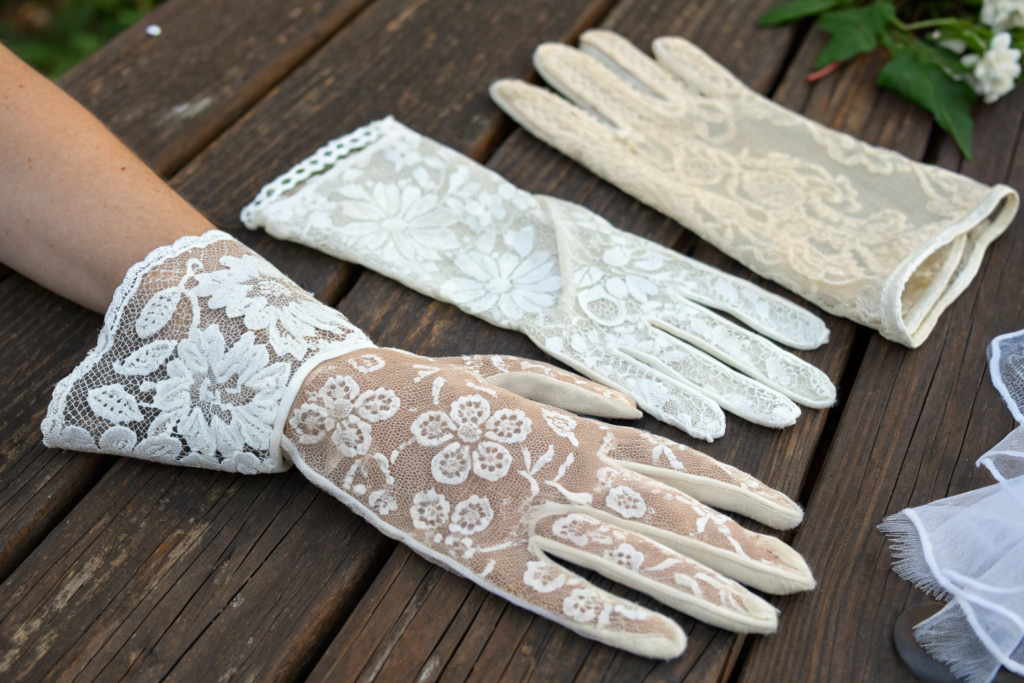
Why are wrist-length lace gloves a versatile wardrobe staple?
Wrist-length lace gloves have endured because they are incredibly versatile. They are not as dramatic as elbow-length gloves, so they can be worn in more casual settings. A woman can wear them with a simple trench coat to add a Parisian chic element to her outfit. They pair beautifully with a vintage-inspired dress for a party. They even work as a unique accessory for a bridal shower or engagement party. Their short length means they are easy to put on and take off, and they don’t interfere with watches or bracelets. The key to their versatility is the design. A simple black lace cuff on a stretch mesh glove can go with almost anything. A more elaborate ivory Chantilly design is perfect for special occasions. This range of uses makes them a lower-risk item for retailers to stock. They are not a one-time, one-event purchase. For styling inspiration, fashion blogs and sites like Who What Wear often feature articles on how to incorporate delicate accessories into everyday looks.
How are elbow-length lace gloves used in bridal and formal wear?
Elbow-length lace gloves hold a special place in the world of bridal and formal wear. For brides, they evoke a sense of old-Hollywood glamour and vintage romance. They are particularly popular for winter weddings, where they add a touch of warmth without sacrificing style. A sleeveless or strapless gown is perfectly complemented by an elbow-length lace glove, creating a continuous, elegant line. For formal events like galas or the opera, these gloves are a statement of sophistication. They transform a simple evening dress into a memorable ensemble. The current trend is toward gloves that complement, not compete with, the gown. This means simple, elegant lace patterns in colors that match or slightly contrast with the dress. We work closely with bridal and formal wear brands to develop custom glove designs that coordinate perfectly with their collections. For the latest in bridal accessory trends, publications like Brides Magazine are excellent resources.
Conclusion
Sourcing gloves with a touch of lace is about more than just finding a manufacturer. It is about finding a partner who respects the delicacy and romance of the product. It requires expertise in materials, skill in construction, and a rigorous approach to quality control. The right partner will help you navigate the choices of lace types, base fabrics, and styles to create a collection that resonates with your customers.
At Shanghai Fumao Clothing, we have dedicated our careers to mastering these skills. Our team understands that a lace glove is not just an accessory; it is an emotion. We handle every piece with the care it deserves, from the moment we source the lace to the final quality inspection. Whether you need a run of classic wrist-length styles or a custom design for a bridal collection, we have the experience and the passion to deliver.
If you are ready to add a touch of romance to your product line, let’s begin the conversation. Please contact our Business Director, Elaine, directly at elaine@fumaoclothing.com. She will connect you with our team of specialists who are eager to bring your vision to life.