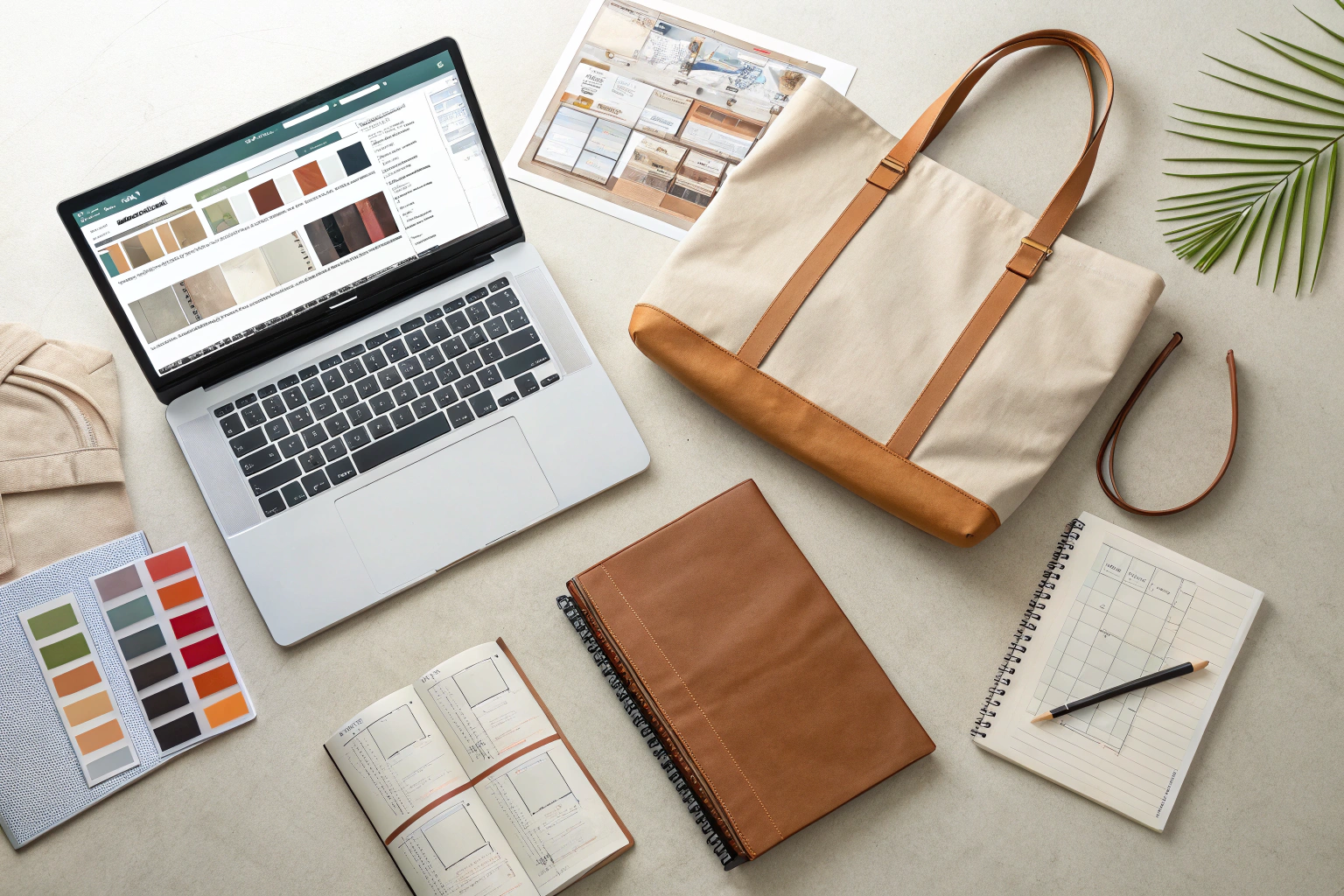
Promotional tote bags are everywhere, from corporate events to retail giveaways. They carry your brand message into the world. But finding the right manufacturer to produce them can feel overwhelming. You need a partner who balances cost, quality, and reliability. You might be sifting through endless Alibaba listings or unsure how to vet factories. As a manufacturer who produces totes alongside other accessories, I understand the specific challenges of this product. Let’s cut through the noise and outline a clear path to finding a factory that delivers great promotional tote bags for your campaign.
To find a manufacturer for promotional tote bags, you must define your project specifics, research and shortlist specialized suppliers, conduct thorough due diligence, and manage the sampling and production process effectively. The goal is to find a factory that is not just a printer, but a producer who understands fabric, construction, printing techniques, and the logistics of bulk promotional orders. A reliable partner ensures your bags are both high-impact and high-quality.
This journey involves several key stages. We’ll walk through how to clarify your needs, where to look for suppliers, the critical questions to ask, and how to navigate the production process to ensure success.
How to Define Your Promotional Tote Bag Requirements Clearly?
Before you search for "tote bag manufacturer," you must know exactly what you need. Vague requests lead to inaccurate quotes, misunderstandings, and disappointing samples. Clear specifications are your blueprint and your most powerful tool for getting comparable quotes and the right product. This step saves time and prevents frustration for both you and potential suppliers.
Start with the basics: quantity, budget, and timeline. Then, dive into the product details. What is the bag’s primary purpose? A sturdy canvas tote for long-term use, a lightweight non-woven bag for a one-time event, or an eco-friendly recycled PET bottle bag to highlight sustainability? Define the size, handle type (short, long, detachable), gusset depth, and any extra features like pockets, zippers, or interior linings. Most importantly, detail your print or decoration method (screen printing, digital printing, embroidery, patch) and provide your logo artwork in the correct vector format.
What Are the Key Specification Details to Provide?
Provide a written specification sheet. Key details include:
-
Material: Fabric type (e.g., 12oz natural canvas, 80gsm non-woven PP), weight, and finish.
-
Dimensions: Length, height, and gusset width in inches or centimeters.
-
Construction: Stitch type (e.g., single/double needle), stitch per inch (SPI), handle attachment reinforcement (e.g., bartacks).
-
Printing: Technique, number of colors, print area size, and Pantone (PMS) color codes.
-
Packaging: Individual poly bags, bulk packing (e.g., 50 pieces per carton).
-
Certifications: Required if any (e.g., OEKO-TEX for fabric, REACH compliance).
Why is the Decoration Method a Critical Decision?
The decoration method impacts cost, minimum order quantity (MOQ), lead time, and final appearance. Screen printing is cost-effective for large runs with few colors but has high setup costs. Digital printing is better for complex, multi-color designs or smaller runs with no color limits. Embroidery offers a premium, durable look but is more expensive and not suitable for fine detail. Your choice depends on your design complexity, budget, and bag material. A manufacturer experienced in promotional products, like Shanghai Fumao, can advise on the best method to achieve your visual goals within your constraints.
Where to Look for and Vet Potential Tote Bag Manufacturers?
The search can start online, but it must extend to deeper verification. Relying on a single source is risky. Use a combination of digital platforms and industry networks to create a robust shortlist. The key is to find factories that specialize in bag manufacturing, not just generic trading companies that outsource production, which adds cost and reduces control.
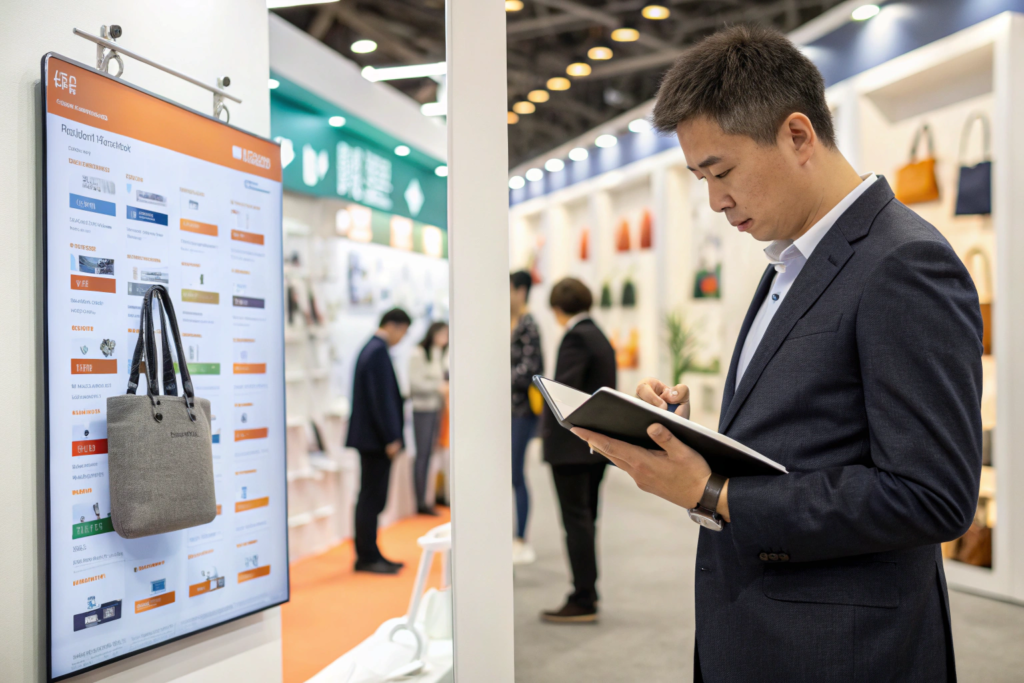
Start with B2B platforms like Alibaba.com or Made-in-China.com. Use specific keywords: "tote bag factory," "custom canvas bag manufacturer," "non-woven bag supplier." Look for suppliers with "Gold Supplier" or verified badges. However, don’t stop there. Use Google search with more specific terms like "custom tote bag manufacturer China OEM." Check industry-specific directories for promotional products. Attending trade shows (like the China Sourcing Fair) remains one of the best ways to meet factories in person, touch samples, and gauge their expertise directly.
What Are the Red Flags and Green Flags in a Supplier’s Profile?
Red Flags:
-
Extremely low prices compared to all others.
-
Unwillingness to provide a company name or factory address.
-
No clear photos of a factory or production process on their profile.
-
Poor English communication with many errors (can indicate a lack of export experience).
-
They sell every type of product imaginable (a likely trading company, not a specialist).
Green Flags:
-
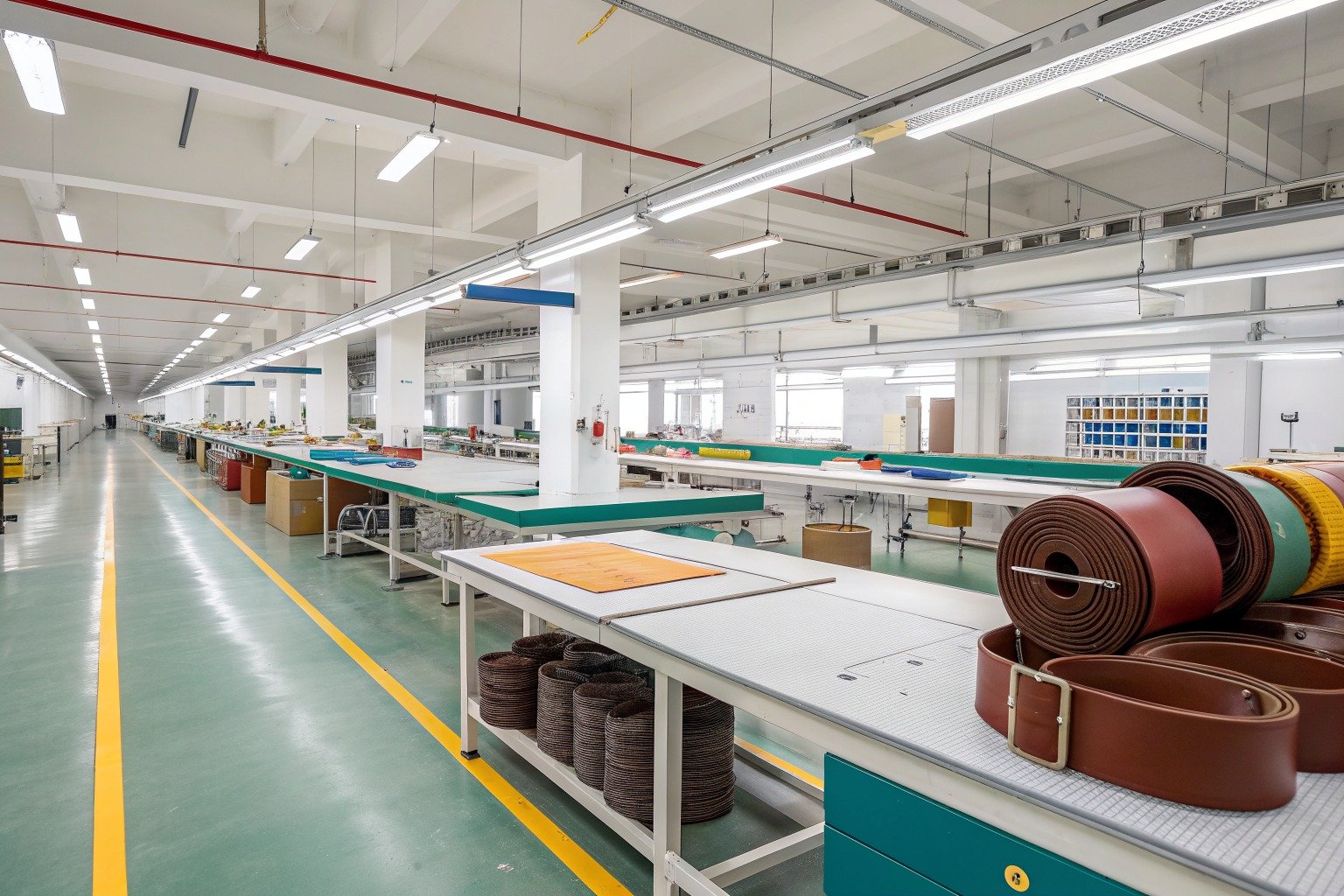
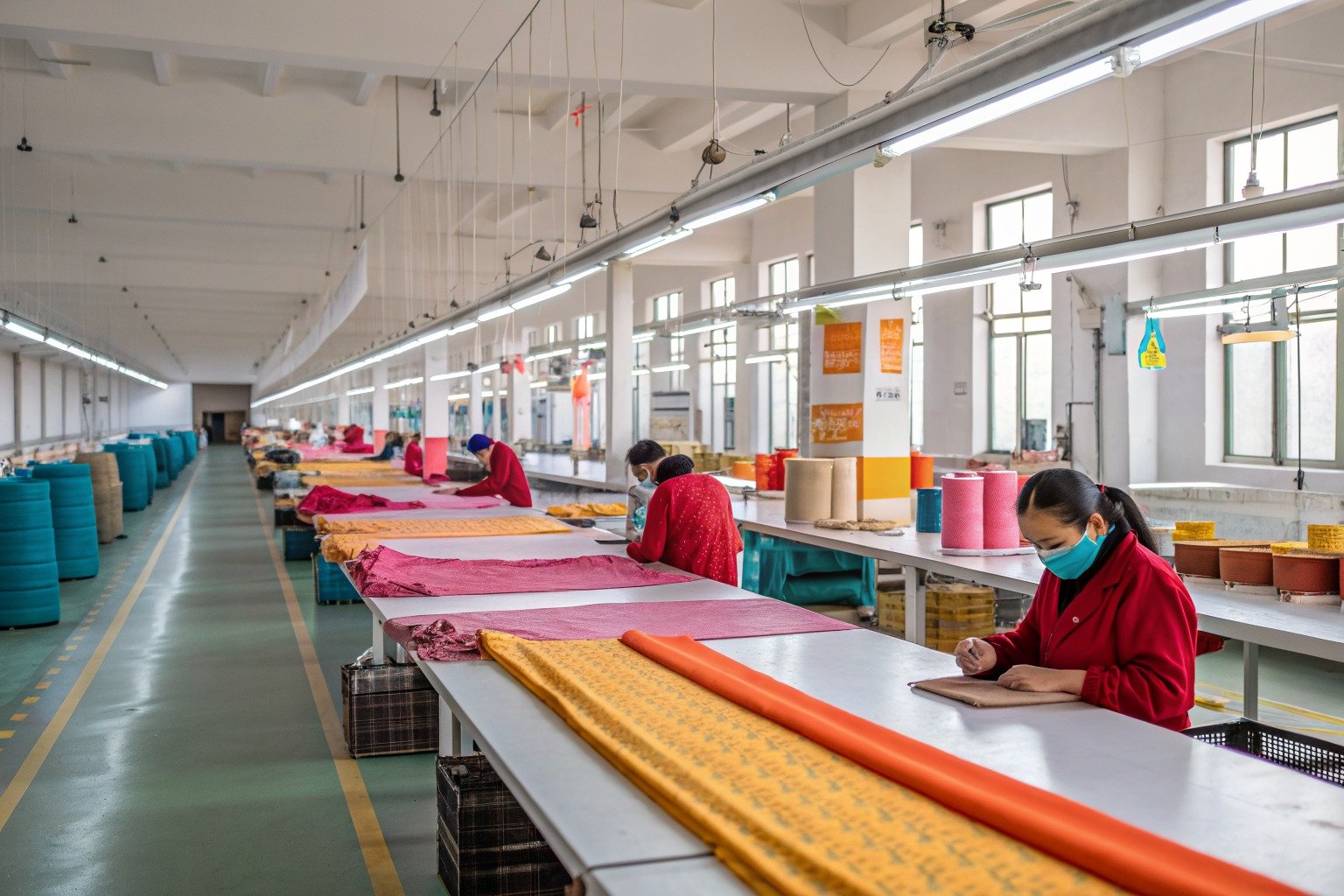
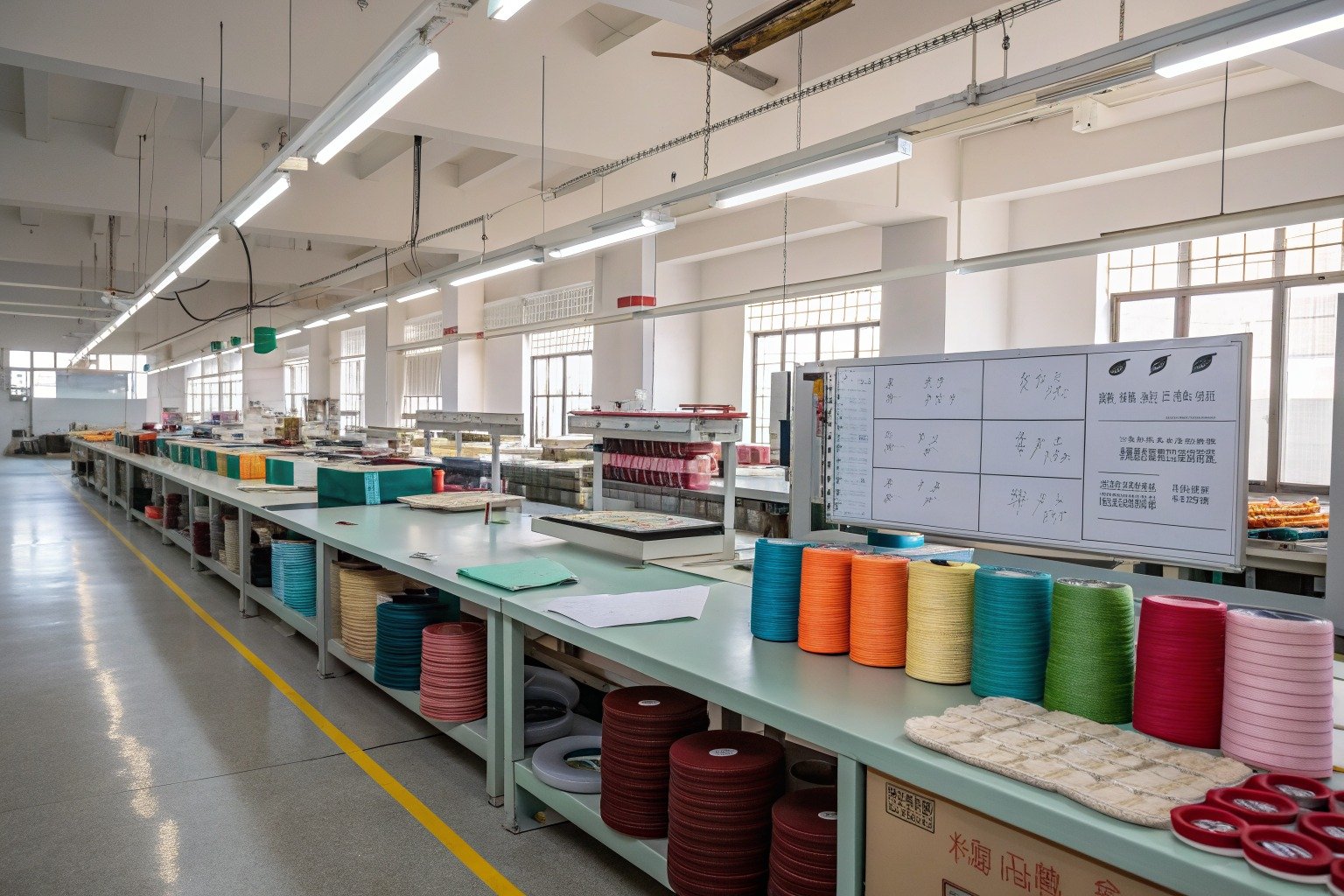
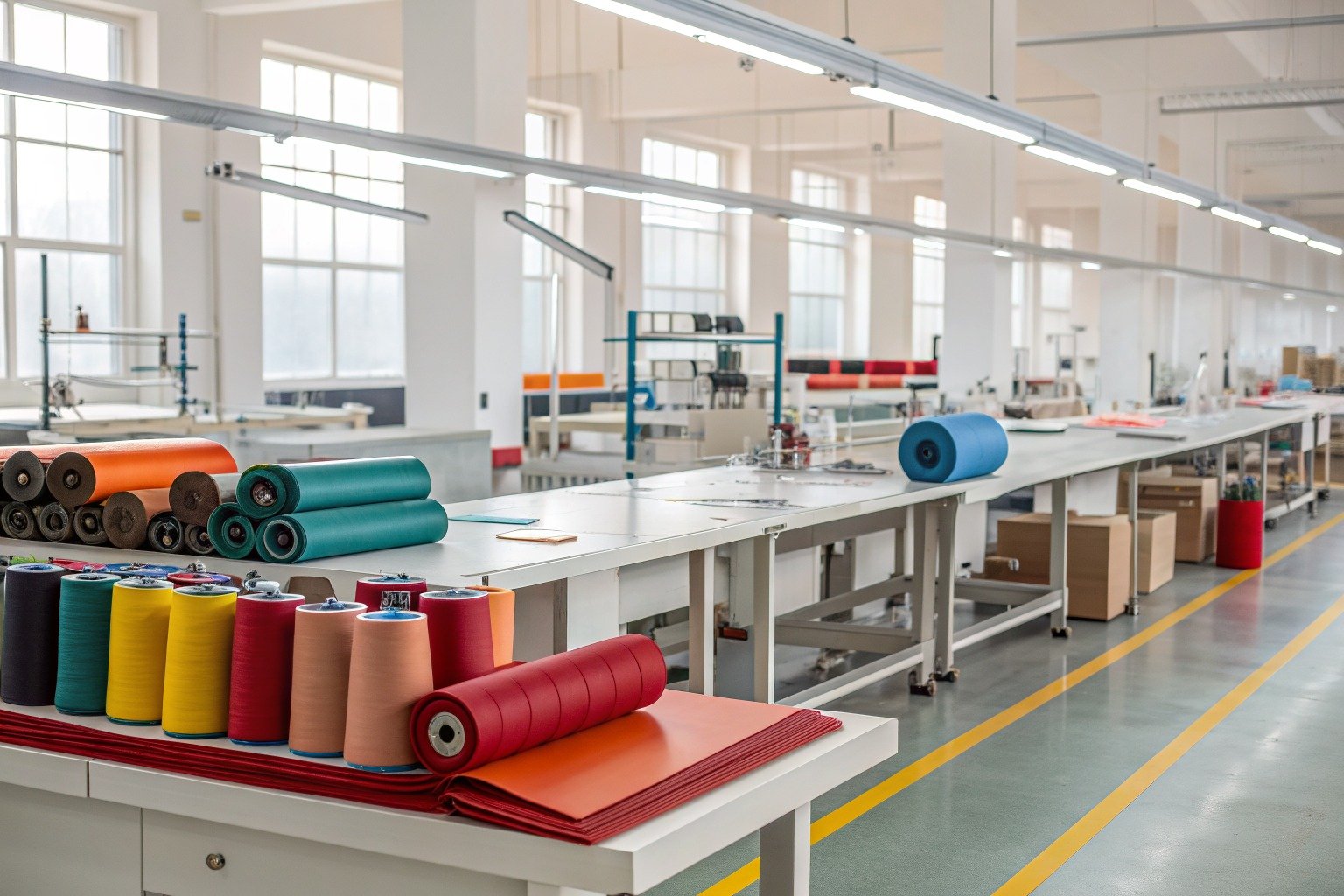
Detailed factory tour videos or photos showing cutting, sewing, and printing departments.
-
A focused product range (bags, textiles, promotional items).
-
Quick, professional communication and willingness to answer technical questions.
-
Transparent about MOQs, pricing structure, and lead times.
-
They ask you detailed questions about your specifications.
How to Conduct Initial Due Diligence on Shortlisted Factories?
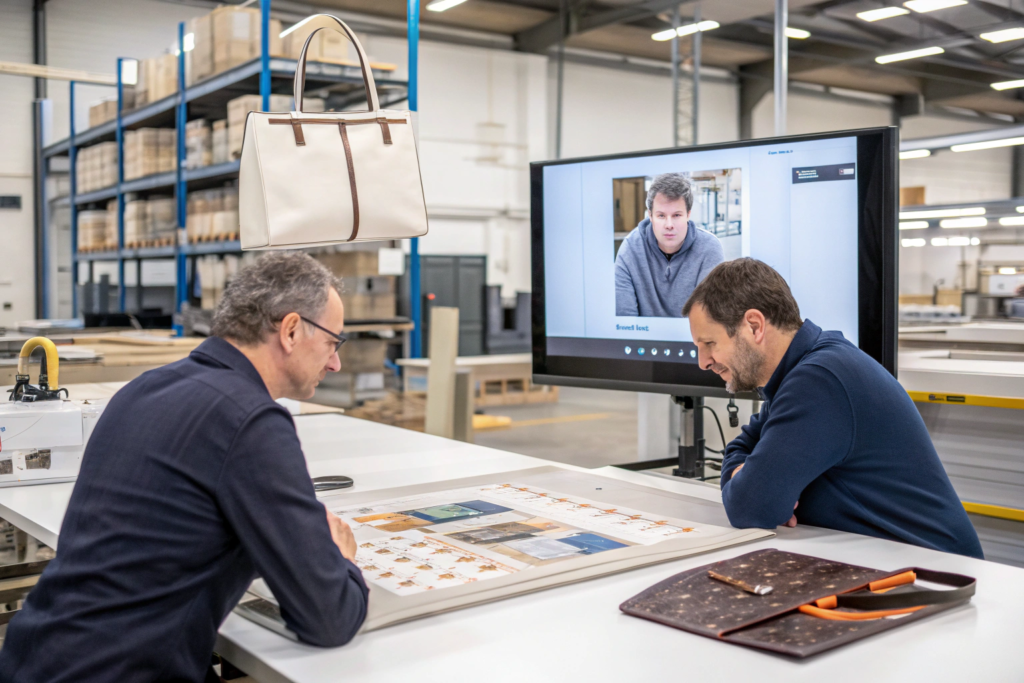
Once shortlisted, dig deeper. Ask for a business license. Request references from clients in your region (e.g., USA, Europe). Check if they have experience with the specific material and print technique you need—ask for photos of similar past projects. Inquire about their quality control process: Do they have QC staff? Do they conduct in-process checks and final inspections? A crucial step is to ask for a factory audit report (like Sedex or BSCI) if social compliance is important for your brand. This initial vetting can eliminate unsuitable partners early on. A manufacturer with a strong quality control team and certifications demonstrates a commitment to professional standards.
What Are the Critical Steps in Sampling and Production Negotiation?
The sampling stage is where your idea becomes tangible. It’s also the phase where most misunderstandings occur. Treat it as a collaborative pilot project. A factory’s performance during sampling is a strong indicator of how they will handle your full order. This phase is for testing their capability, communication, and attention to detail.
Always start with a prototype sample. This confirms the bag’s size, structure, material, and handle feel. Once approved, proceed to a pre-production sample (PPS). This sample is made with the exact final materials and printing/embroidery, and it serves as the standard for bulk production. Be prepared to pay a reasonable sample fee and provide clear, consolidated feedback. Negotiations should cover not just unit price, but also payment terms (e.g., 30% deposit, 70% before shipment), production lead time, shipping terms (FOB, EXW, etc.), and warranty/liability for defects.
What Should You Look for in a Production Sample?
Inspect the PPS meticulously:
-
Material: Is the fabric weight, color, and texture correct?
-
Construction: Check stitching consistency, seam strength, and handle attachment points.
-
Print/Embroider: Verify color accuracy (under a light box if possible), alignment, sharpness, and wash durability.
-
Dimensions: Measure the bag to ensure it matches the spec sheet.
-
Functionality: Test the handles, check pocket placement, and ensure zippers (if any) work smoothly.
Any deviations must be communicated and corrected before bulk production begins. Your approval of the PPS in writing is a critical contract point.
How to Structure a Clear Manufacturing Agreement?
A formal purchase order (PO) or contract should include:
-
Detailed product specifications (attach the approved PPS photo).
-
Agreed unit price and total amount.
-
Payment schedule and method (e.g., T/T, PayPal, L/C).
-
Production timeline with key milestones (fabric procurement, production start, QC, shipping date).
-
Accepted quality standard (e.g., AQL 2.5 for major defects).
-
Shipping terms and responsibility.
-
Procedure for handling defects and late delivery.
Having a clear agreement protects both parties. A professional factory, such as Shanghai Fumao, will expect and provide such documentation, ensuring a transparent and smooth process.
How to Manage Quality Control and Logistics for Bulk Orders?
Your job isn’t over after placing the order. Proactive management of quality control and logistics is essential to ensure the bulk goods match your approved sample and arrive on time. You cannot assume the factory will get everything right. Implementing checkpoints gives you control and prevents unpleasant surprises.
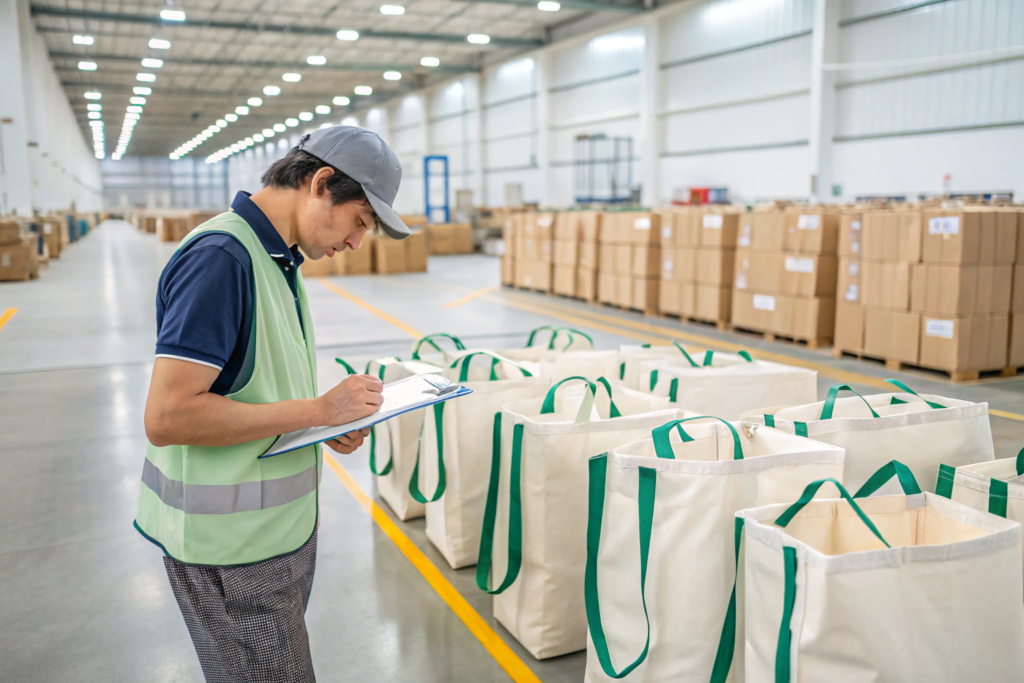
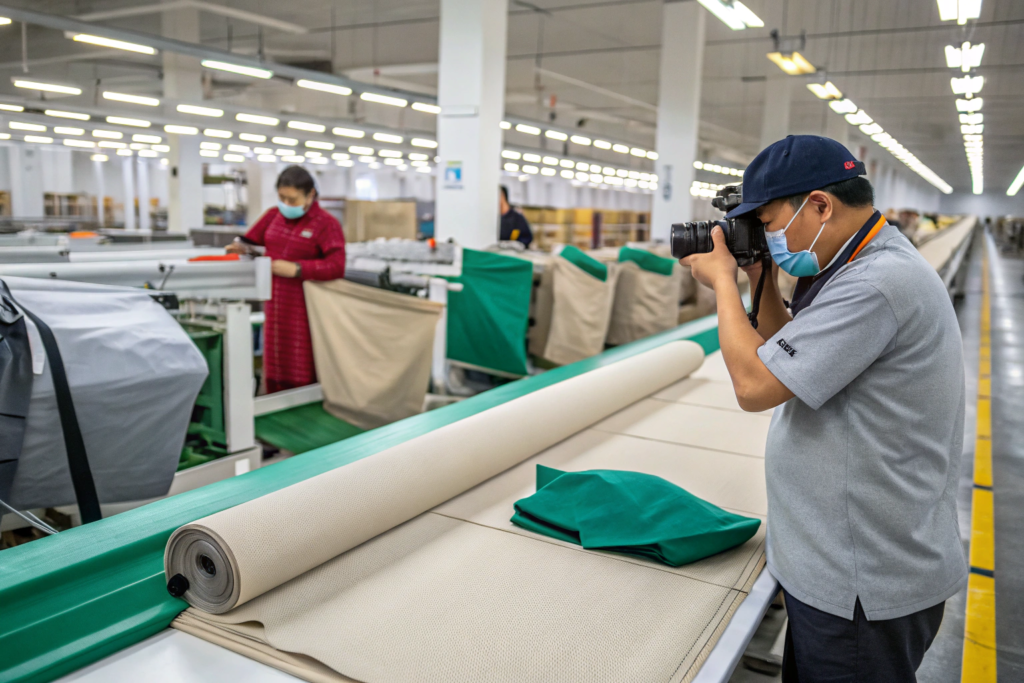
Insist on in-process quality checks during production. Your supplier should send photos after fabric cutting, during printing, and at the assembly stage. The most critical step is the Final Random Inspection (FRI) before the bags are packed. You or a hired third-party inspection company should check a random sample of finished bags (based on AQL standards) against your PPS. This inspection verifies workmanship, print quality, dimensions, and packaging. Only after passing this inspection should the remaining balance be paid and shipping arranged.
What is an AQL Inspection and Why is it Vital?
AQL (Acceptable Quality Level) is an international sampling standard used in quality control. It defines how many bags to inspect from a batch and how many defects are allowable. For promotional tote bags, a common standard is AQL 2.5 for major defects and AQL 4.0 for minor defects. An inspection report will detail any issues found (e.g., misprints, stitching errors, stains) and recommend whether to pass, fail, or re-inspect the batch. This objective report is your evidence and leverage to ensure the factory addresses any significant quality issues before shipment.
What are the Best Logistics Practices for Importing Tote Bags?
Discuss logistics with your supplier early. For sea freight (most cost-effective for large volumes), you need to understand the sailing schedule and transit time. Your supplier should handle export customs clearance in China. You are responsible for import customs in your country. They must provide accurate shipping documents: Commercial Invoice, Packing List, and Bill of Lading. For smaller orders, air freight or courier services (DHL, FedEx) might be better. Clarify who is arranging and paying for freight and insurance—this is defined by the Incoterms (e.g., FOB Shanghai means the factory’s responsibility ends once goods are on the ship). A reliable manufacturer will guide you through this process, ensuring smooth customs clearance.
Conclusion
Finding the right manufacturer for promotional tote bags is a systematic process of definition, research, verification, and active management. It requires moving beyond price comparisons to assess capability, communication, and a shared commitment to quality. By clearly defining your specs, vetting suppliers thoroughly, managing the sampling process with precision, and implementing rigorous quality control, you transform sourcing from a risky task into a strategic advantage. The result is a high-quality promotional product that effectively represents your brand and delivers value.
The right manufacturing partner becomes an extension of your team, ensuring your vision is executed flawlessly. If you are looking for a reliable, experienced factory to produce your next run of custom promotional tote bags—from classic canvas to eco-friendly options—we have the expertise to guide you from concept to delivery. Let’s create bags that make an impact. For a detailed quote and project discussion, please contact our Business Director Elaine at: elaine\@fumaoclothing.com.