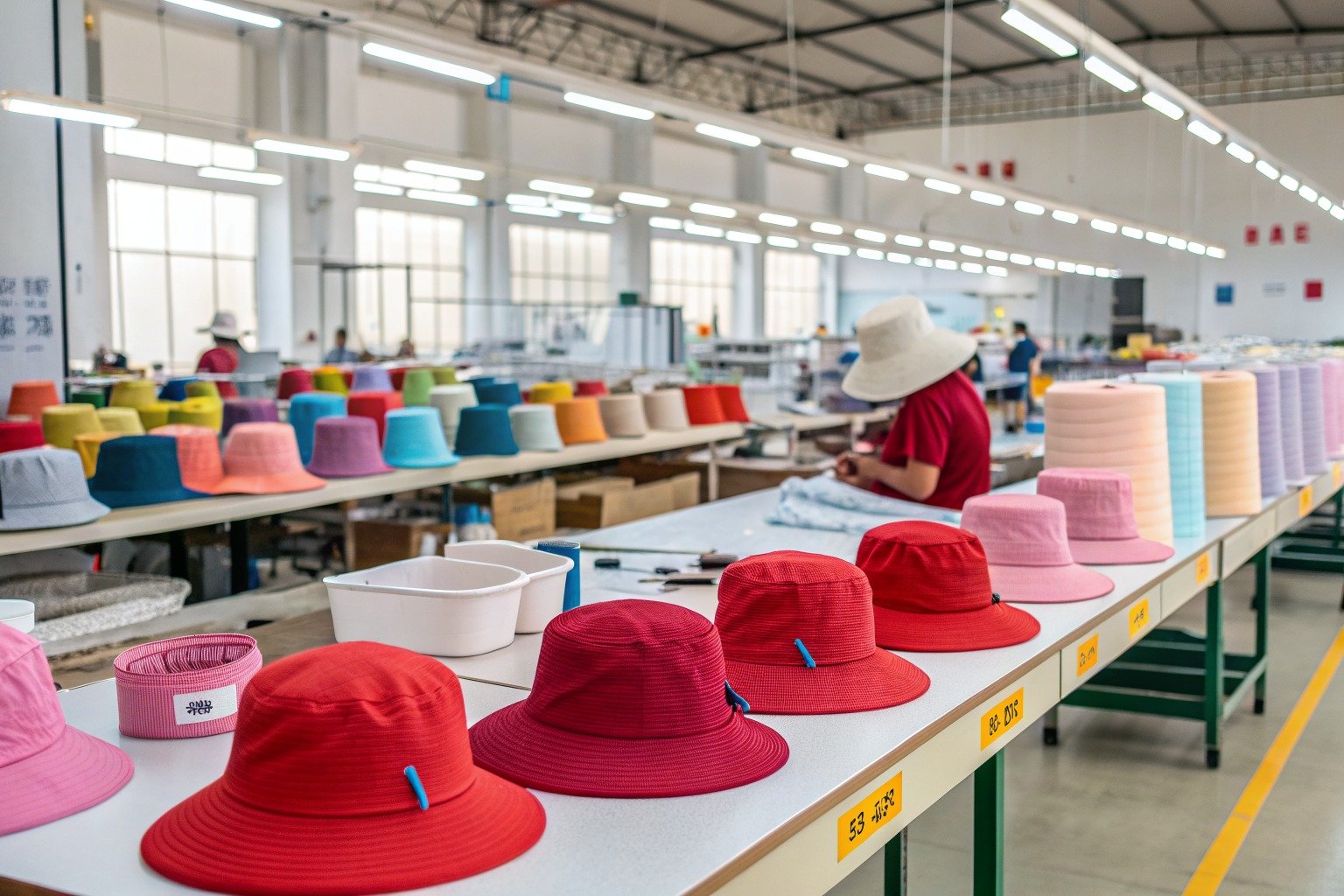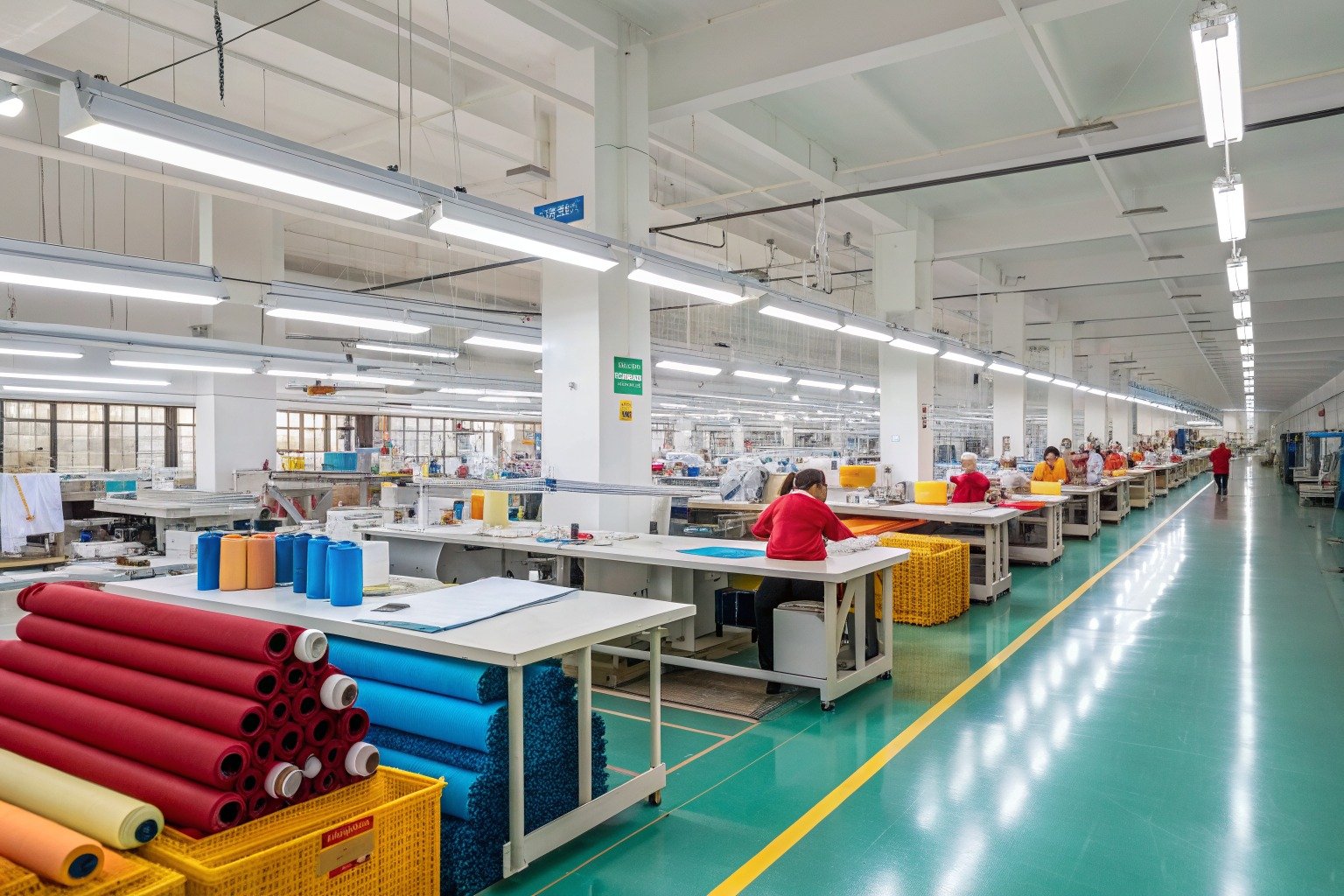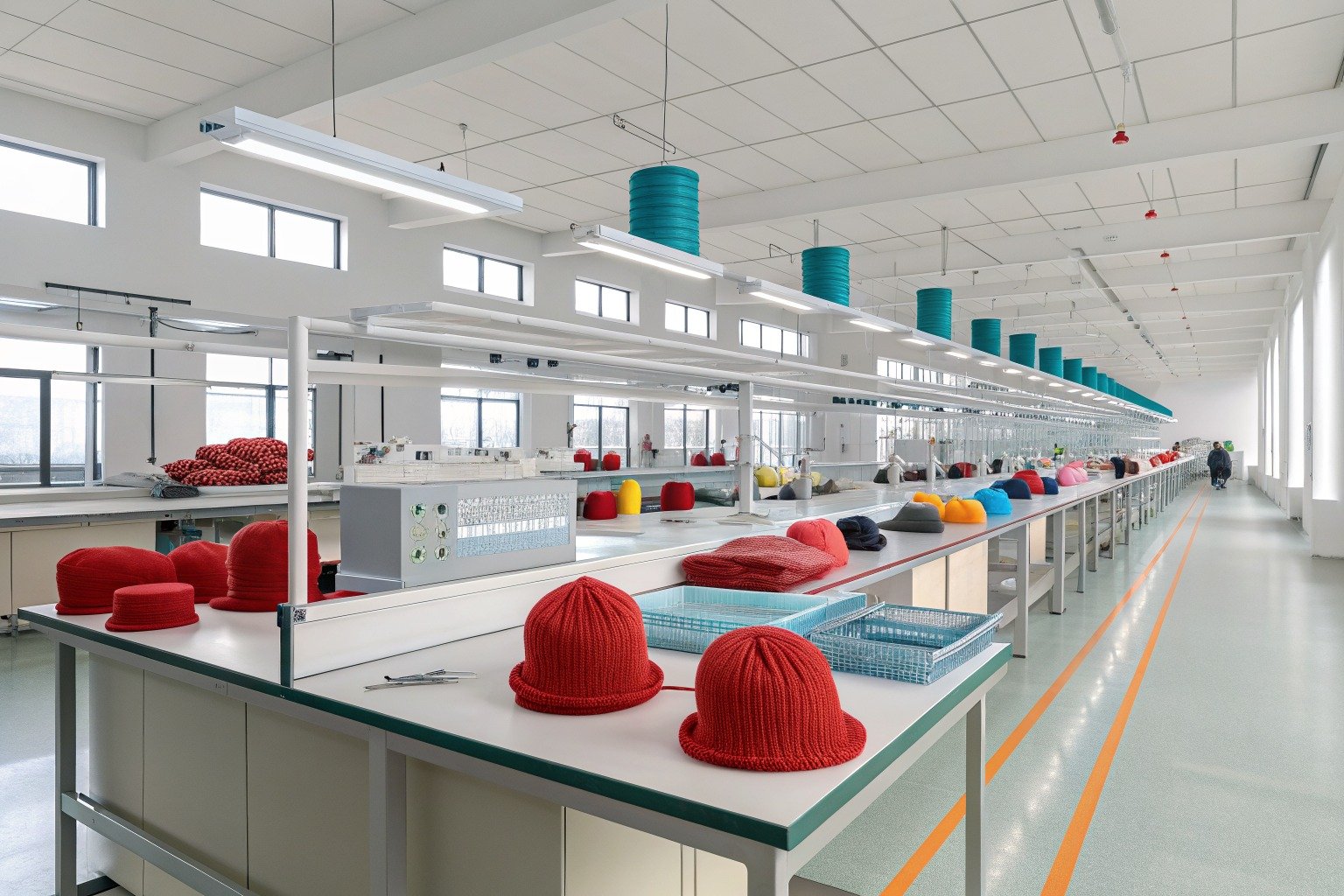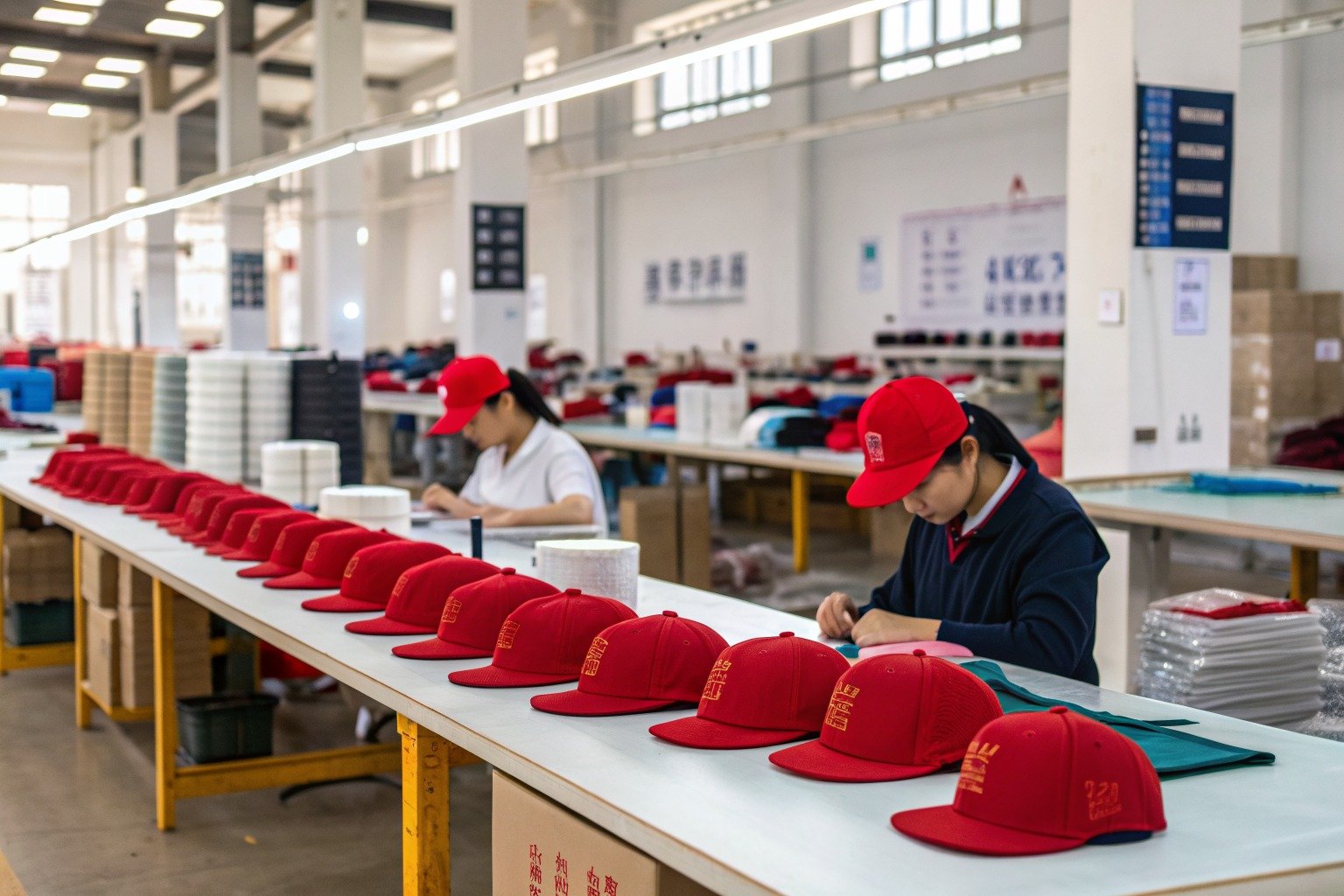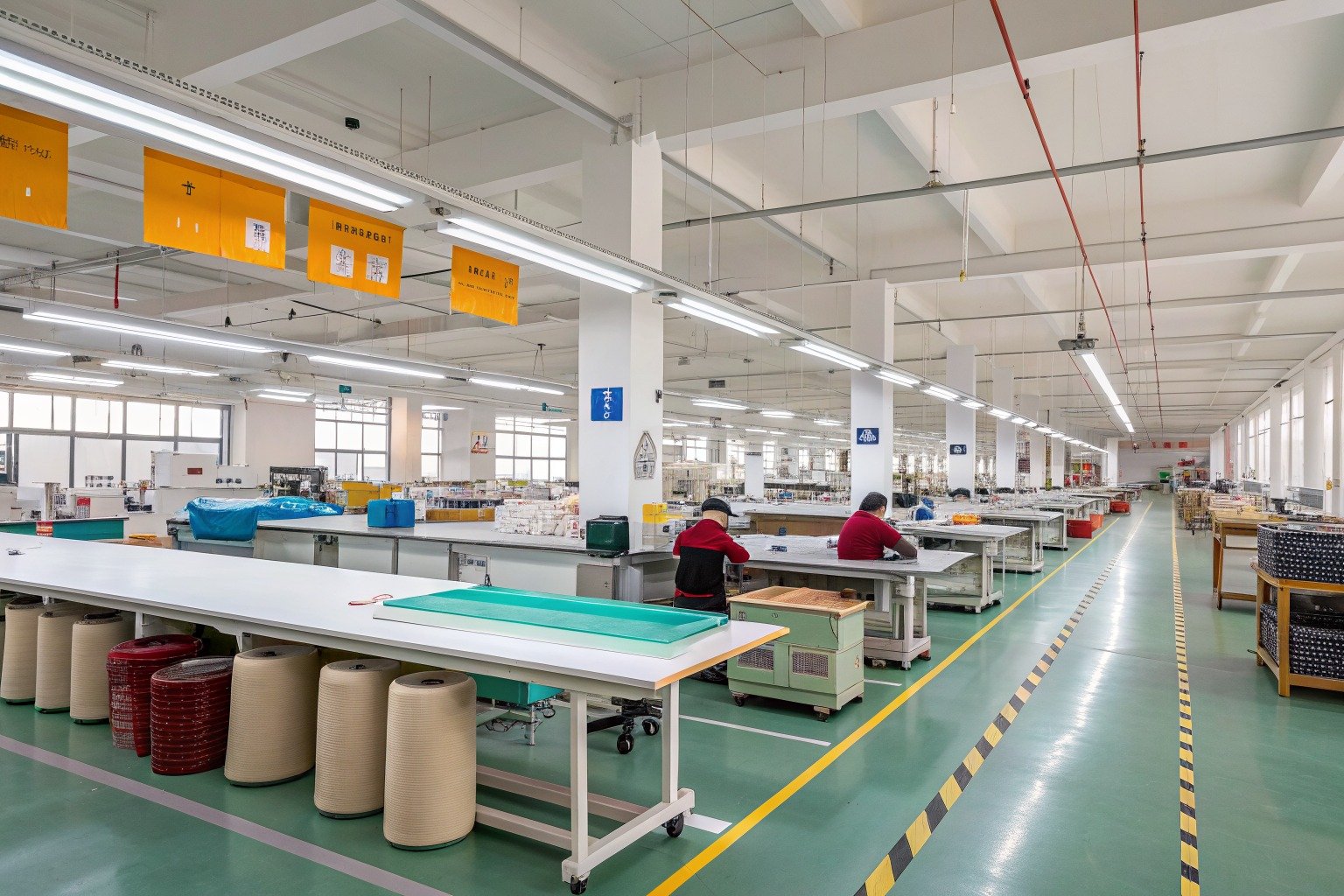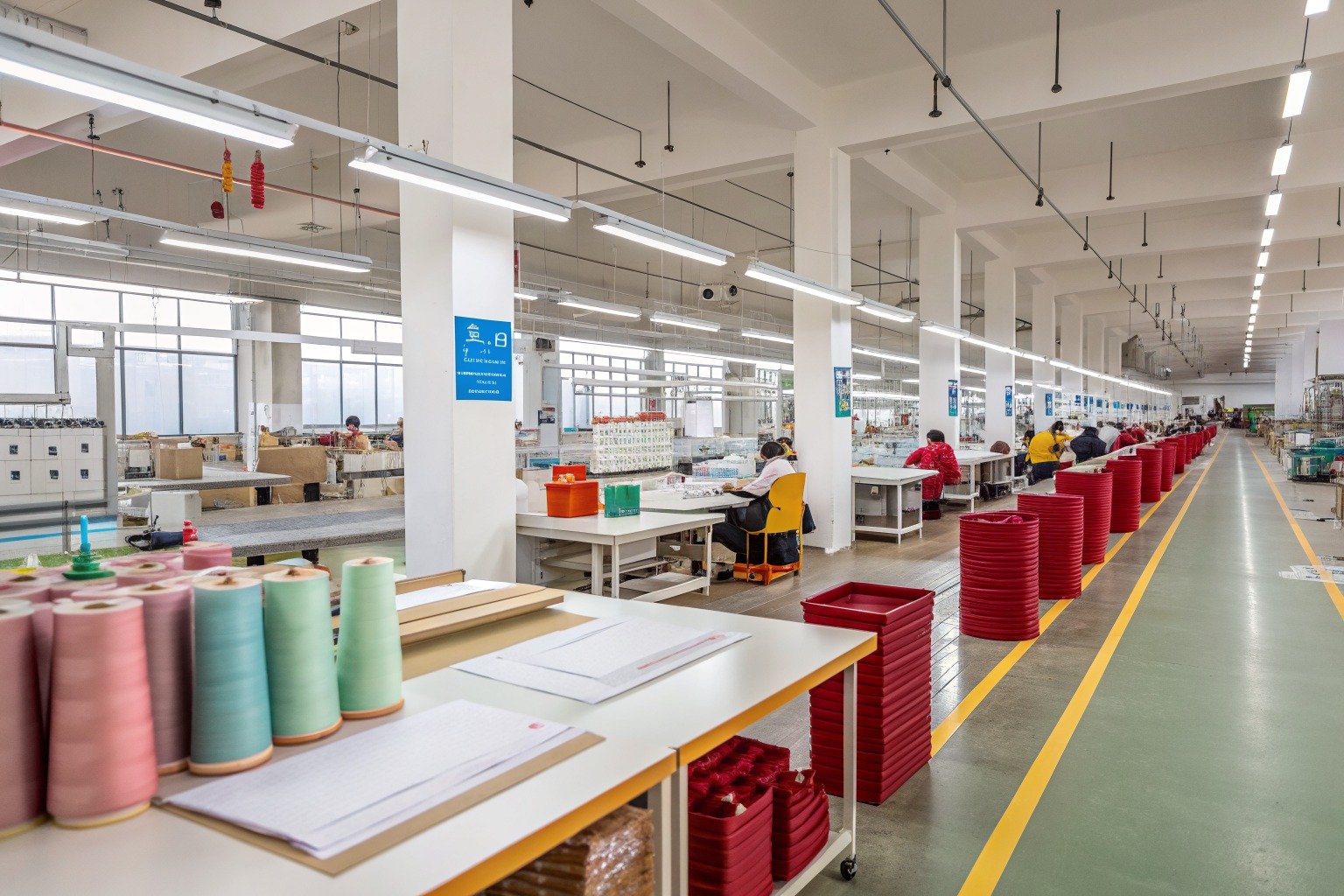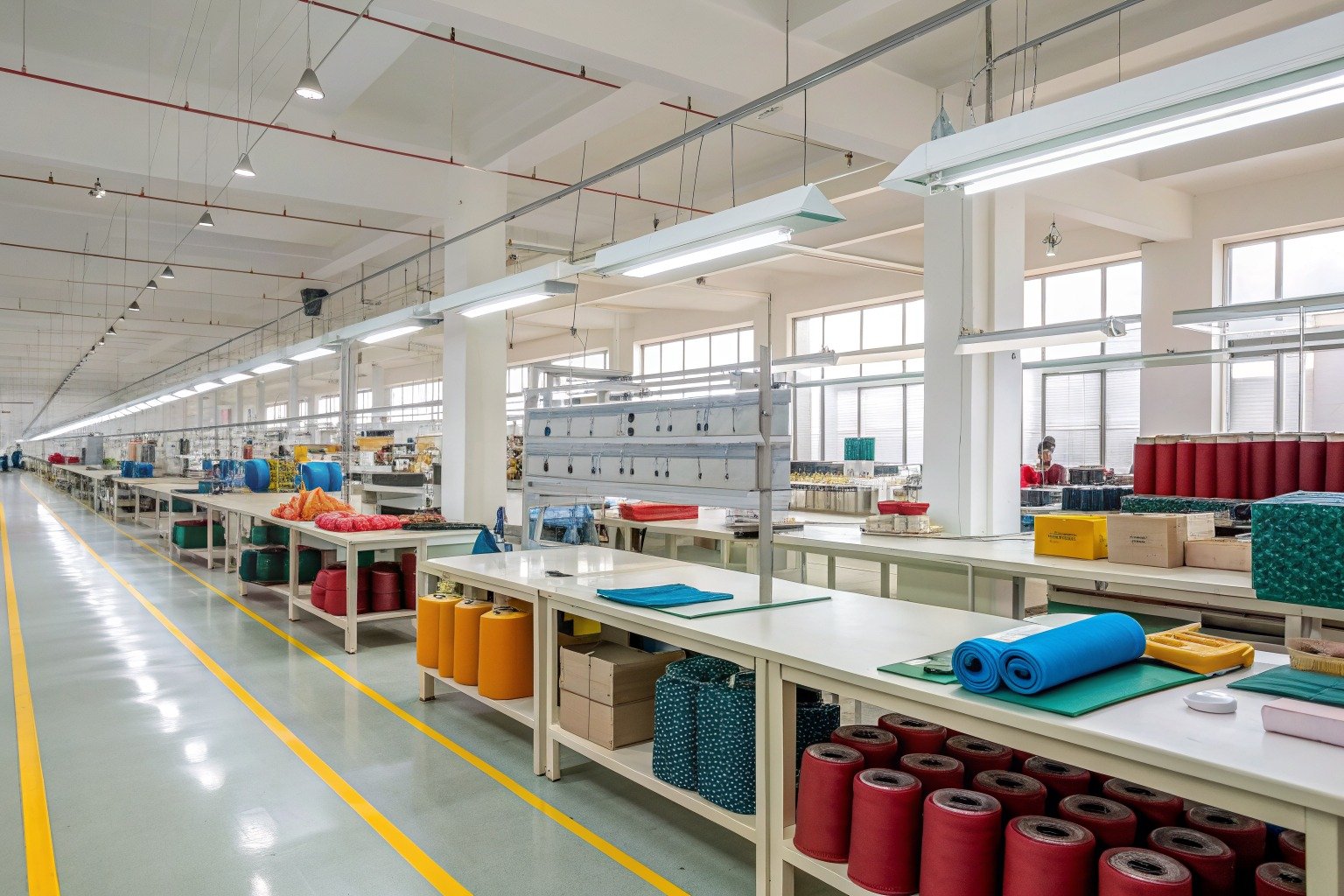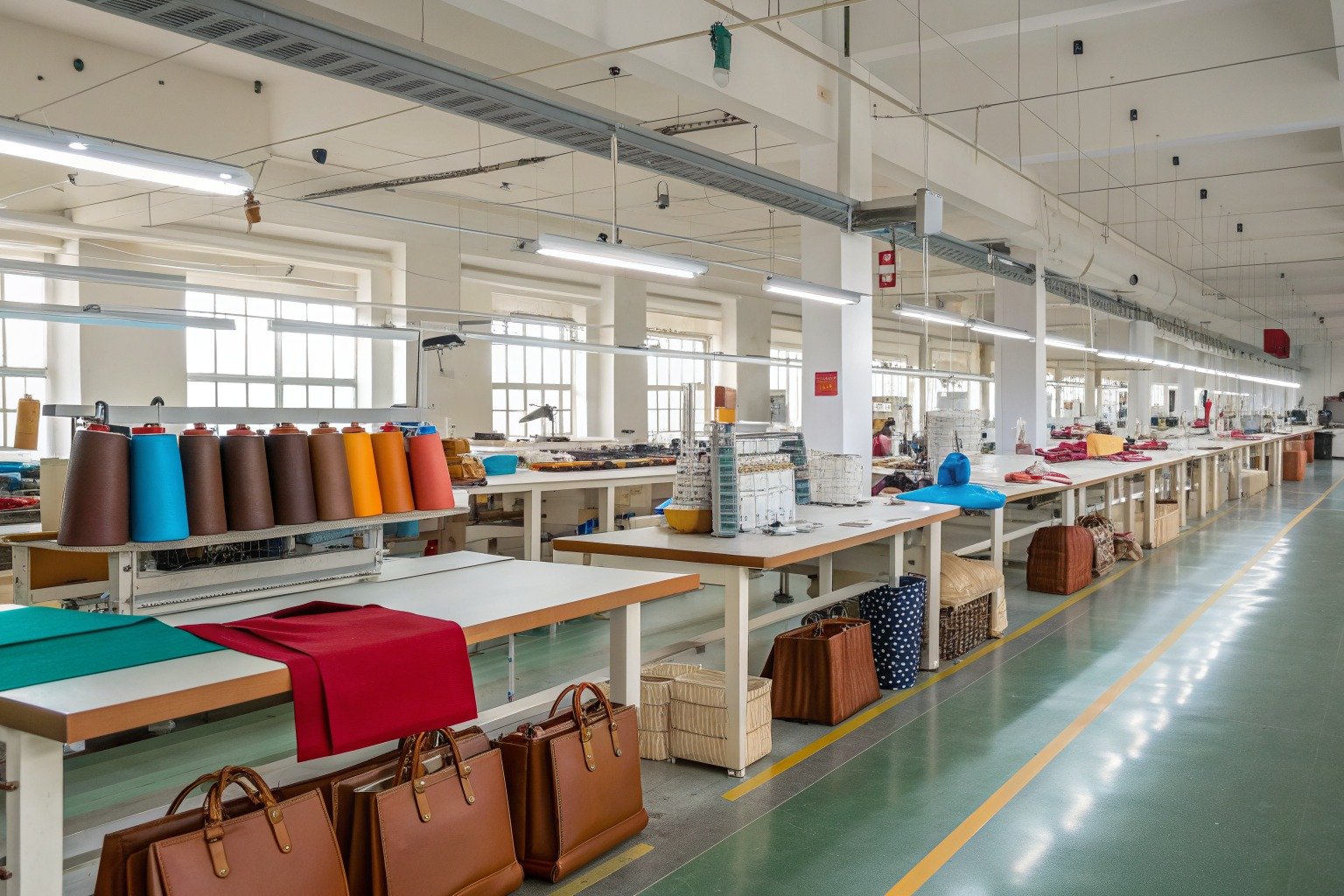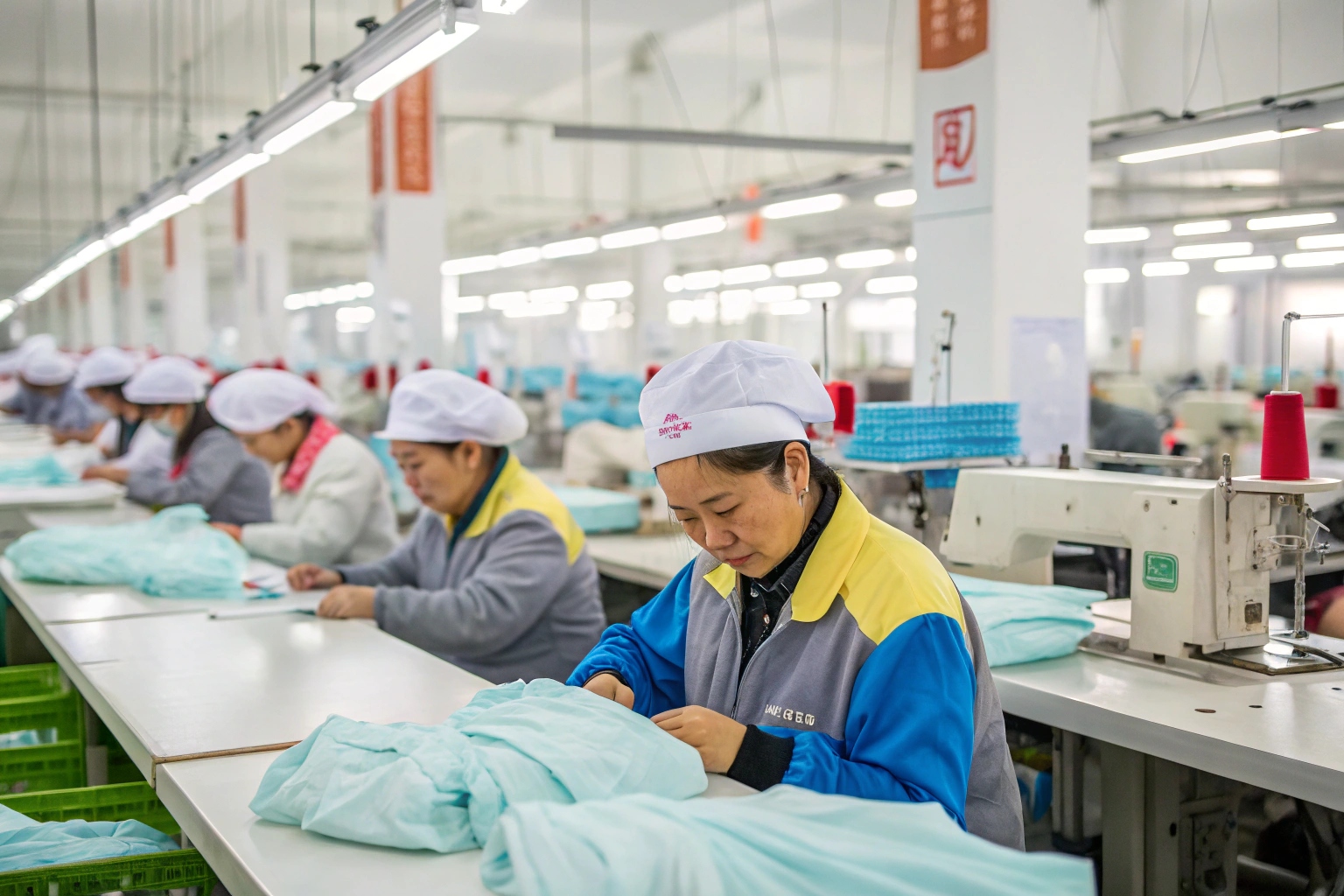
In today’s fast-paced global trade, it’s not just about price and lead time—buyers and end consumers are demanding transparency and ethics in every link of the supply chain. If you’re sourcing accessories from overseas, especially from China, how can you be confident that the workers crafting your headbands, scarves, or caps are treated fairly?
Ensuring ethical labor practices in your accessory supply chain means verifying working conditions, auditing factory standards, maintaining transparency, and aligning with globally recognized compliance frameworks. It’s about turning values into actions that protect workers and support sustainable business growth.
As a Chinese accessory manufacturer, we’ve worked with many international brands that prioritize labor rights. This article will share how buyers like you can actively promote and enforce ethical practices in your supply chain.
What Certifications Help Verify Labor Standards?
Certifications are your first layer of assurance that a factory is aligned with international labor standards.
Global certifications like BSCI, SEDEX, and SA8000 help buyers verify ethical labor practices and factory compliance at a glance.

What Is BSCI and Why Does It Matter?
The amfori BSCI system is widely accepted across European and American buyers. It audits factories on labor rights, worker protection, fair wages, no child labor, and hours of work. Most large retailers require this certification from their Chinese suppliers.
We maintain an active BSCI report that covers our Zhejiang production site and gets updated annually. It demonstrates that we not only meet but often exceed local labor laws.
How Do SEDEX and SA8000 Compare?
SEDEX is another global platform where suppliers and buyers share audit data. It’s especially popular with U.K.-based brands. Meanwhile, SA8000 is a certification focused purely on social accountability. It’s more rigorous but provides a high level of ethical credibility.
Many of our international clients ask to see our SEDEX membership and BSCI scores before confirming large orders.
How Can Buyers Conduct Independent Labor Audits?
Certifications are helpful—but audits are how you verify that real working conditions match the paper.
Use third-party firms to perform unannounced or scheduled audits that assess safety, working hours, pay compliance, and worker treatment.

What’s Included in a Social Compliance Audit?
Auditors from firms like QIMA or Intertek inspect fire exits, rest areas, timecards, wages, employment contracts, and grievance systems. They also conduct worker interviews confidentially.
At AceAccessory, we welcome these visits. Our project managers prepare in advance, but we never interfere with interview processes or falsify documentation.
How Often Should Audits Be Conducted?
Many brands opt for yearly or biannual audits. If you’re a new buyer, doing a full audit before your first large order helps reduce risk. For ongoing relationships, combining audits with surprise inspections gives the most accurate picture.
Even if you can’t visit in person, many audit agencies offer remote video audits now, which can cover key areas of ethical risk.
What Internal Factory Policies Should You Look For?
Beyond third-party paperwork, a truly ethical factory has internal structures that support and protect its people.
Look for factories with documented employee handbooks, clear grievance channels, health insurance coverage, and regular training sessions.

How Can You Evaluate Factory Culture?
Factory culture reflects how seriously a supplier takes its responsibility. Ask to see their onboarding materials, health and safety posters, or how they track working hours. Factories that prioritize ethics usually offer worker perks—like subsidized meals, air-conditioned dorms, or family-friendly policies.
At AceAccessory, our internal HR system logs attendance digitally and caps overtime to stay within China’s labor law limits. We also provide training to workers on their rights and regularly update them on factory policies.
Do Workers Have a Voice?
A strong indicator of ethical practices is the existence of worker feedback systems. These may include anonymous suggestion boxes, open-door policies, or designated HR personnel trained in conflict resolution.
Factories serious about worker welfare welcome complaints—and act on them. Transparency earns trust.
How Can Tech Improve Labor Transparency?
Digital tools help buyers monitor labor practices more effectively than ever.
Use factory dashboards, digital time tracking, and QR-coded worker ID systems to ensure fair treatment and live compliance updates.

What Digital Systems Are Being Adopted?
Factories like ours are investing in workforce management software such as Kingdee or SAP SuccessFactors. These systems track worker hours, rest periods, and payroll to prevent violations before they occur.
Digital shift boards and wearable ID cards also allow real-time visibility into workforce deployment. These records can be shared with buyers, increasing trust.
Can Buyers Get Access to Digital Dashboards?
Yes—some buyers request direct logins or weekly exports from HR systems to monitor compliance. Others use blockchain-based supply chain platforms that capture factory labor conditions alongside product traceability data.
At AceAccessory, we offer monthly labor summaries to key clients who require visibility into ethical standards.
Conclusion
Ethical labor isn’t just about avoiding scandals—it’s about building a resilient, trustworthy, and human-centered supply chain. As global buyers, your values can shape how suppliers operate. The more you ask, inspect, and engage, the more the supply chain improves.
By working with partners like AceAccessory—who welcome transparency, comply with global standards, and invest in worker welfare—you can confidently build a supply chain that aligns with your brand’s mission and your customers’ values.