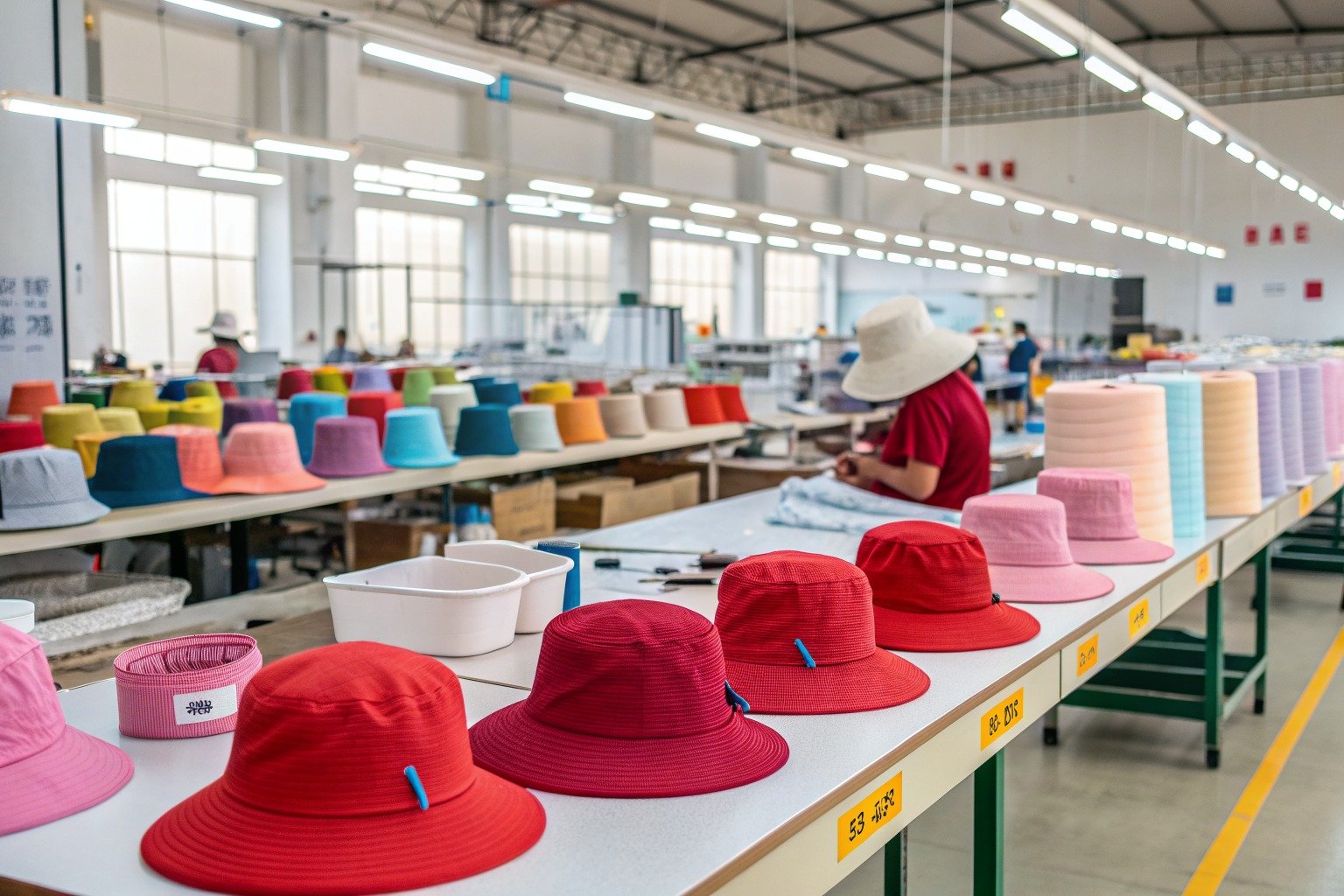
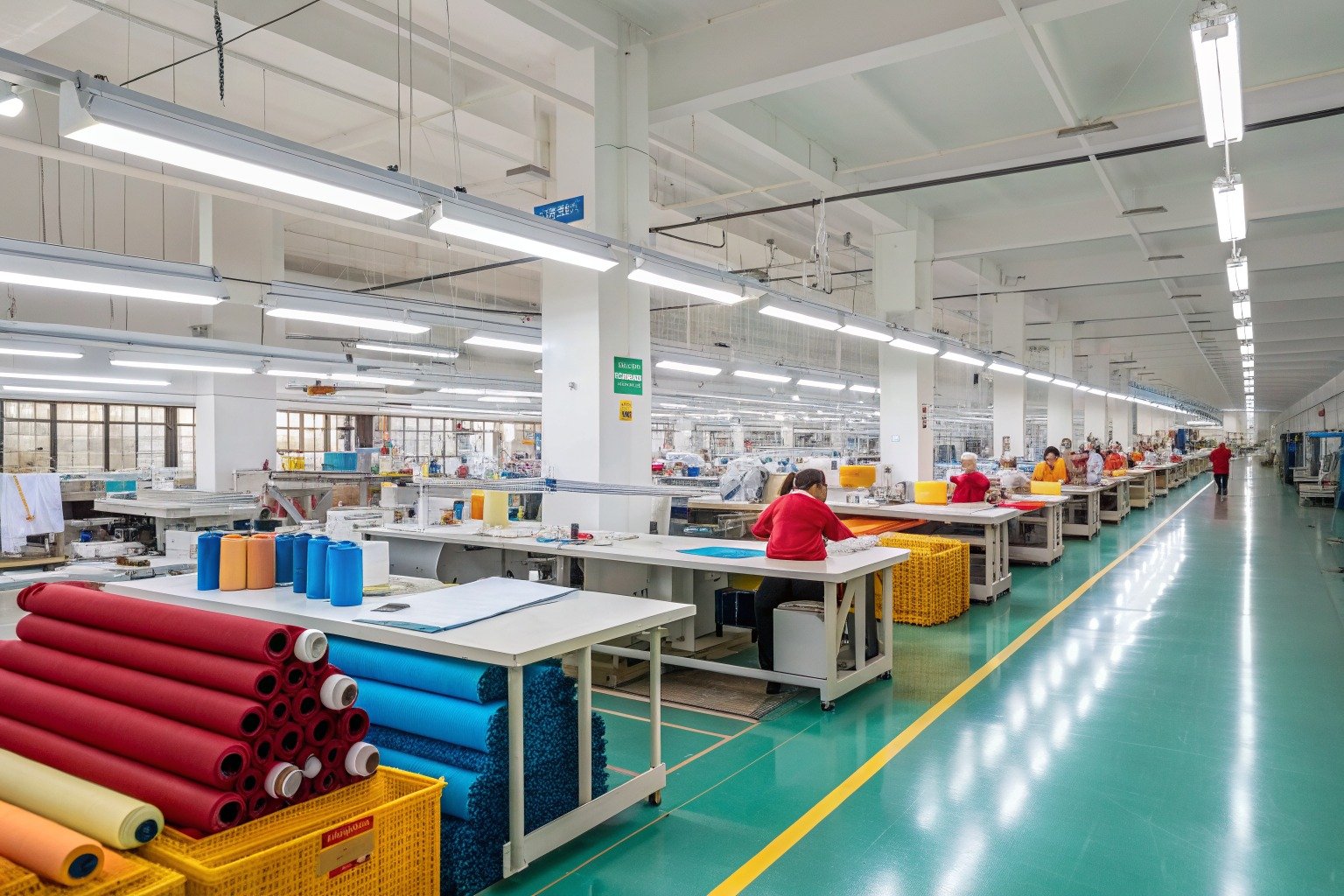
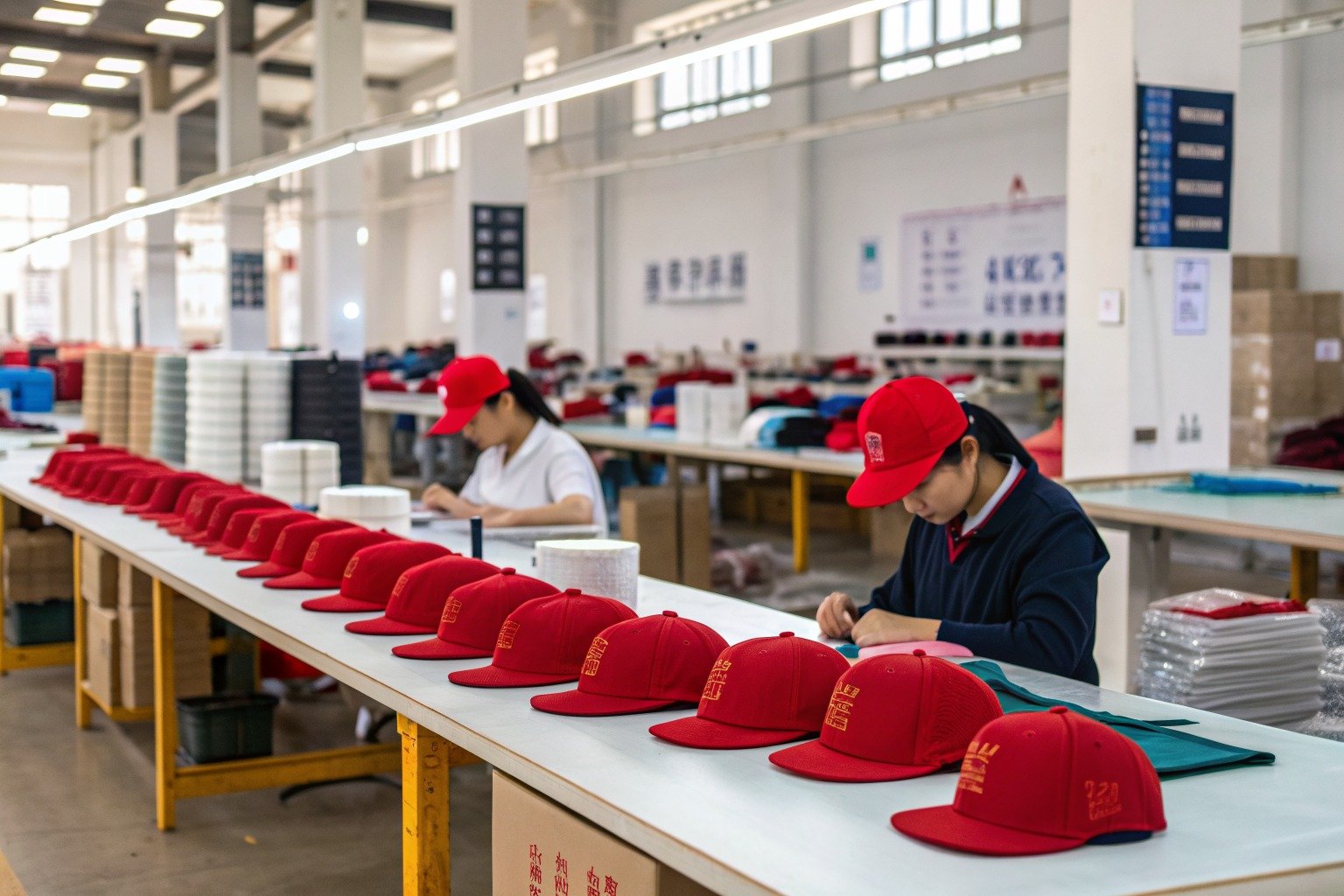
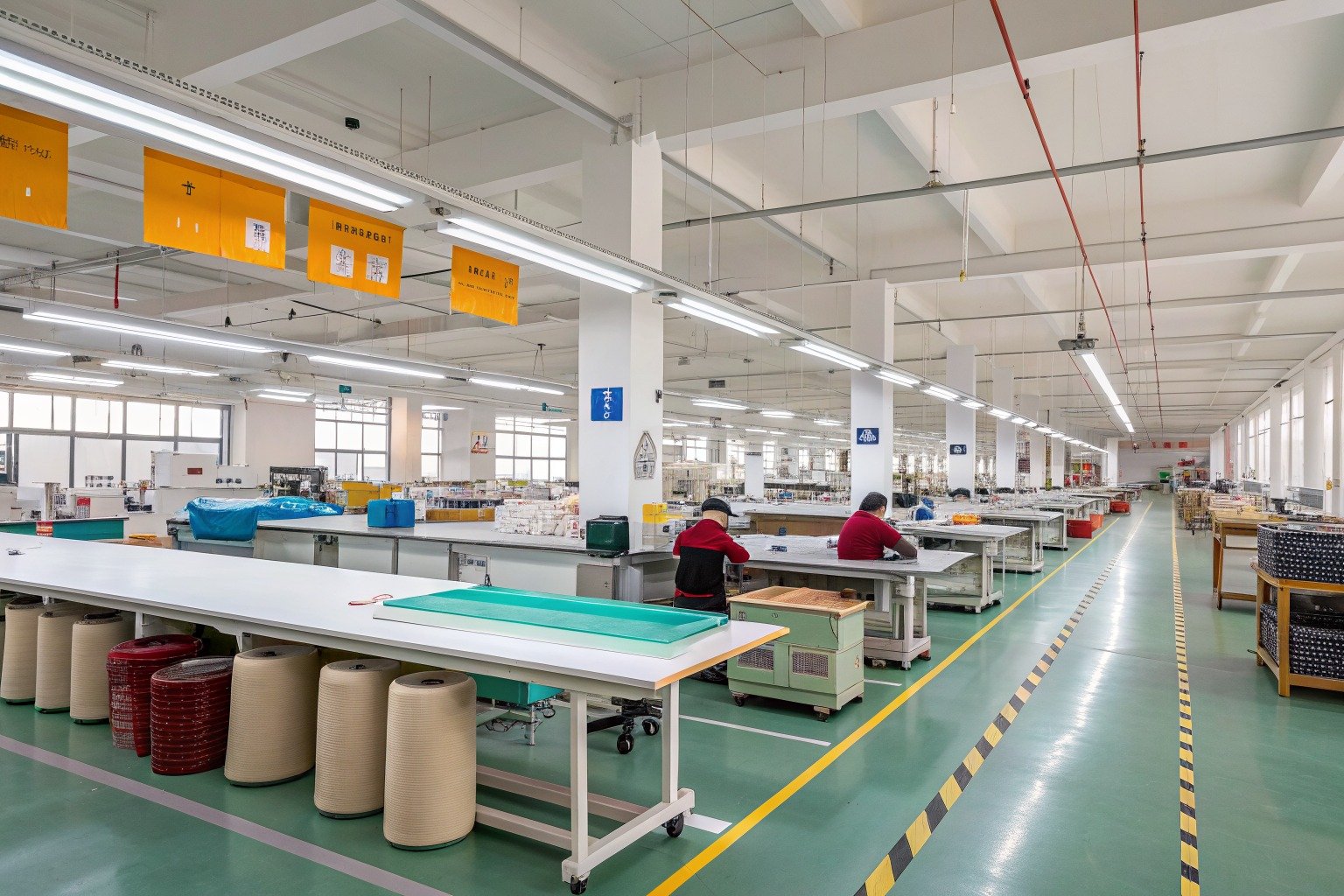
As a professional manufacturer and exporter of fashion accessories, we frequently work with international clients who need to adapt hair accessories for diverse consumer markets. The challenge isn’t just about creating attractive designs—it’s about understanding regional preferences, compliance requirements, and market-specific needs. Effective customization requires a strategic approach that balances aesthetic appeal with practical business considerations.
Successfully customizing hair clips for international markets requires expertise in regional consumer behavior, material compliance standards, and supply chain optimization. Manufacturers must demonstrate capability in design adaptation, quality assurance, and logistics management to meet varying market demands while maintaining cost efficiency.
Understanding these market dynamics is essential for buyers sourcing hair accessories globally. Each region presents unique opportunities and challenges that impact product development, pricing strategies, and market entry approaches.
What Design Trends Dominate Key Markets?
Current market analysis reveals distinct regional preferences in hair accessory designs. North American consumers favor personalized, statement pieces that reflect individual style, while European markets show stronger preference for minimalist, sophisticated designs. Asian markets often trend toward cute, decorative styles with popular cultural elements.
The customization process begins with thorough market research. We analyze consumer behavior patterns, seasonal trends, and cultural influences specific to each target market. This research informs our design development process, ensuring products align with local preferences while maintaining brand consistency across markets.

How Do Cultural Preferences Influence Design Choices?
Cultural factors significantly impact product acceptance in different markets. Color symbolism varies considerably—while white represents purity in Western markets, it’s associated with mourning in some Asian cultures. Similarly, design motifs that appeal to European consumers might not resonate with Middle Eastern markets. Our design team conducts comprehensive cultural analysis for each target market, ensuring designs are culturally appropriate and commercially viable.
What Are the Current Material and Finish Preferences?
Material selection must balance aesthetic requirements with functional needs and budget constraints. North American markets show strong preference for lightweight acrylics and sustainable materials, while European buyers often request metal alloys with premium finishes. We maintain extensive material libraries and finish options to accommodate these varying preferences while ensuring all materials meet relevant safety and compliance standards.
How Does Regulatory Compliance Affect Market Entry?
Product compliance represents a critical consideration for international market entry. Different regions enforce distinct regulatory frameworks governing materials, safety standards, and labeling requirements. Non-compliance can result in costly recalls, customs delays, and reputational damage.
The European Union’s REACH regulation restricts hazardous substances in consumer products, while the US Consumer Product Safety Commission (CPSC) sets safety standards for children’s products. Understanding these regulatory landscapes is essential for successful market entry and long-term commercial success.

What Documentation and Testing Are Required?
Comprehensive product testing and documentation form the foundation of regulatory compliance. We implement rigorous testing protocols including material analysis, mechanical safety testing, and chemical compliance verification. Our quality assurance team maintains detailed documentation for all compliance activities, providing clients with complete traceability and peace of mind regarding regulatory requirements.
How Do Regional Standards Vary?
Global regulatory standards demonstrate significant variation across markets. The following table outlines key considerations for major markets:
| Market | Key Regulations | Testing Requirements | Documentation Needs |
|---|---|---|---|
| European Union | REACH, EN 71 | Chemical testing, mechanical tests | Declaration of Conformity, technical file |
| United States | CPSIA, ASTM | Lead content, physical mechanical | Children’s Product Certificate, tracking label |
| Canada | CCPSA, SOR/2016-193 | Lead, phthalates, mechanical hazards | Supplier Declaration, bilingual labeling |
What Manufacturing Considerations Impact Customization?
Manufacturing capabilities directly influence customization potential and cost efficiency. Advanced manufacturing technologies enable greater design flexibility, while production processes affect lead times, minimum order quantities, and per-unit costs.
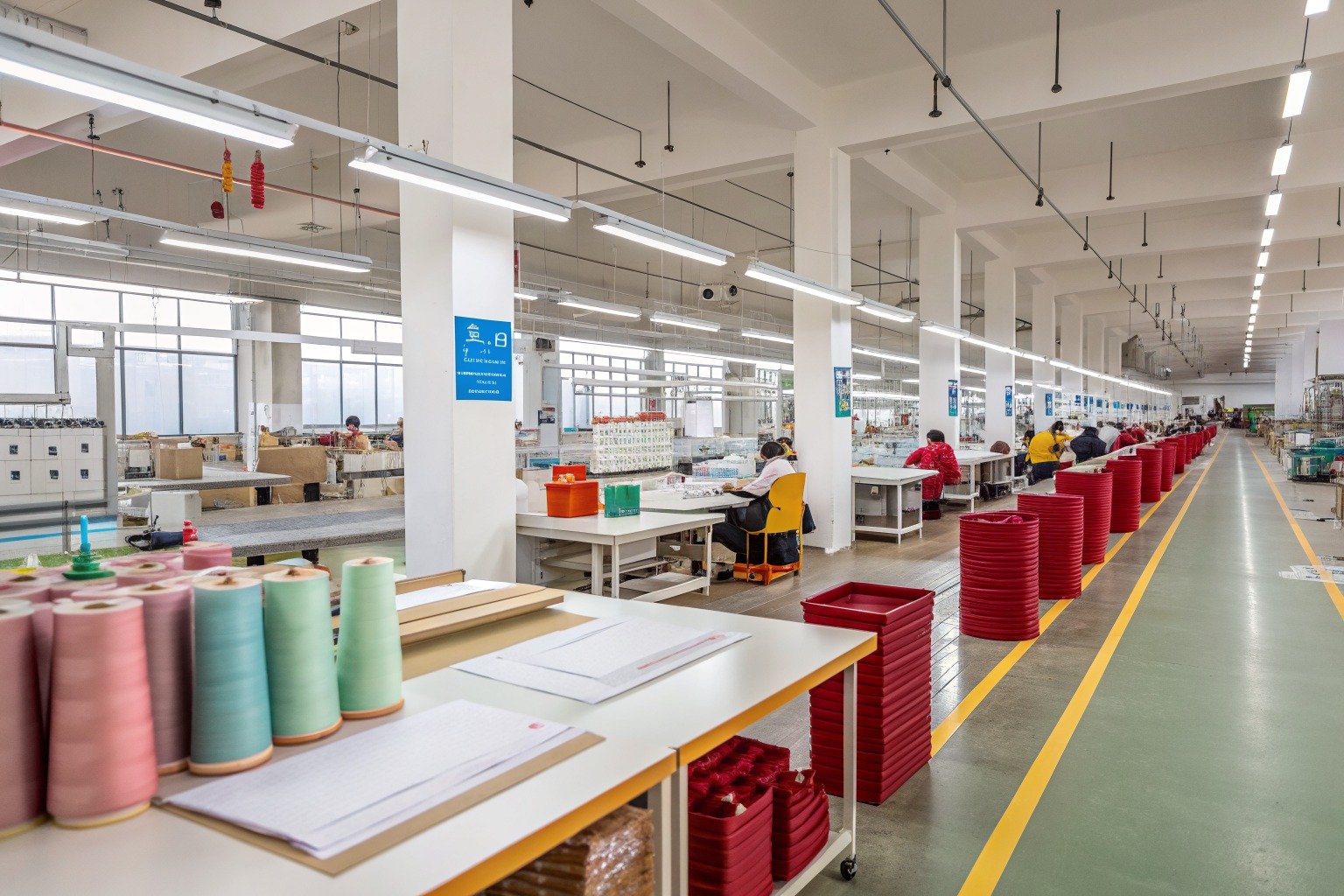
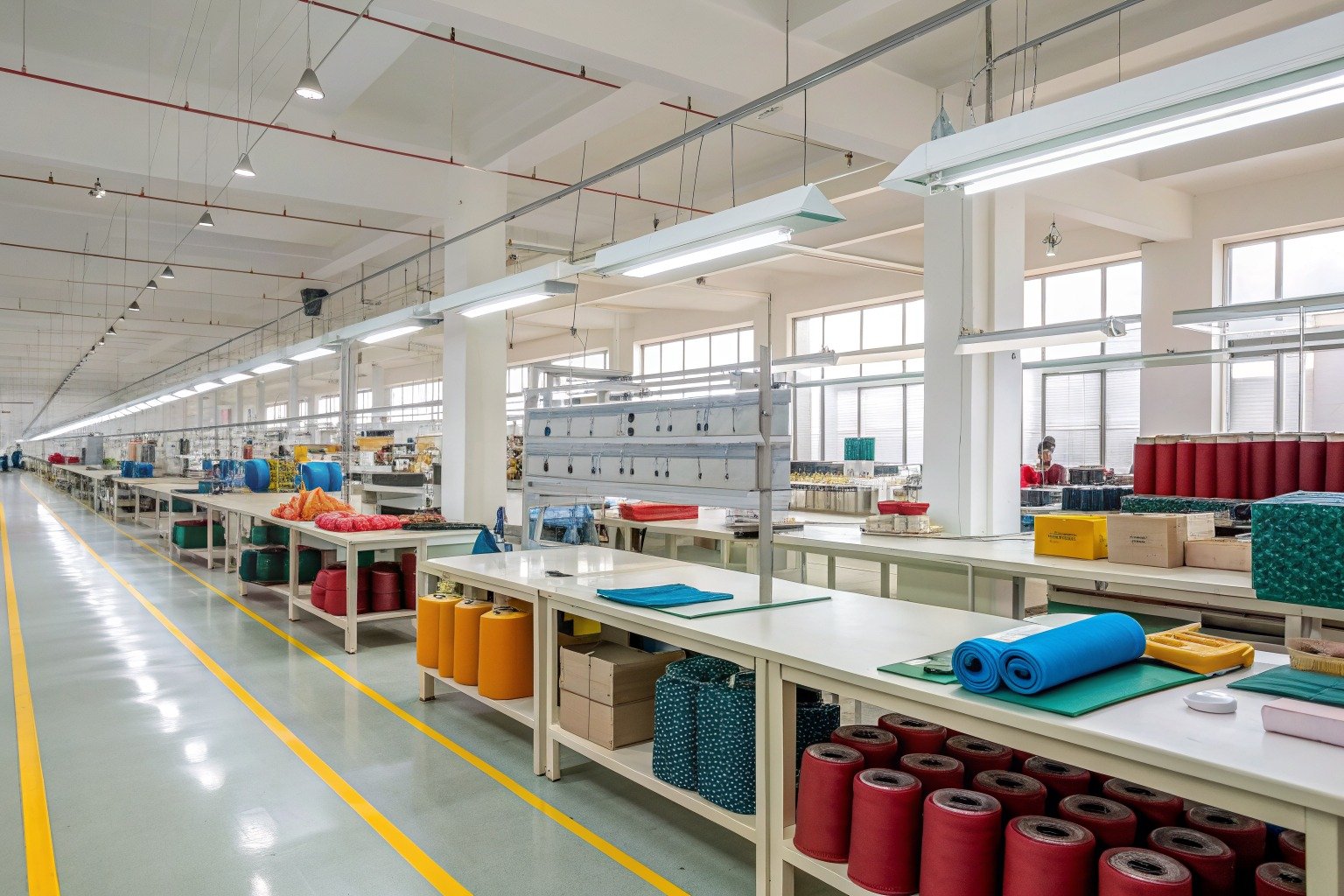
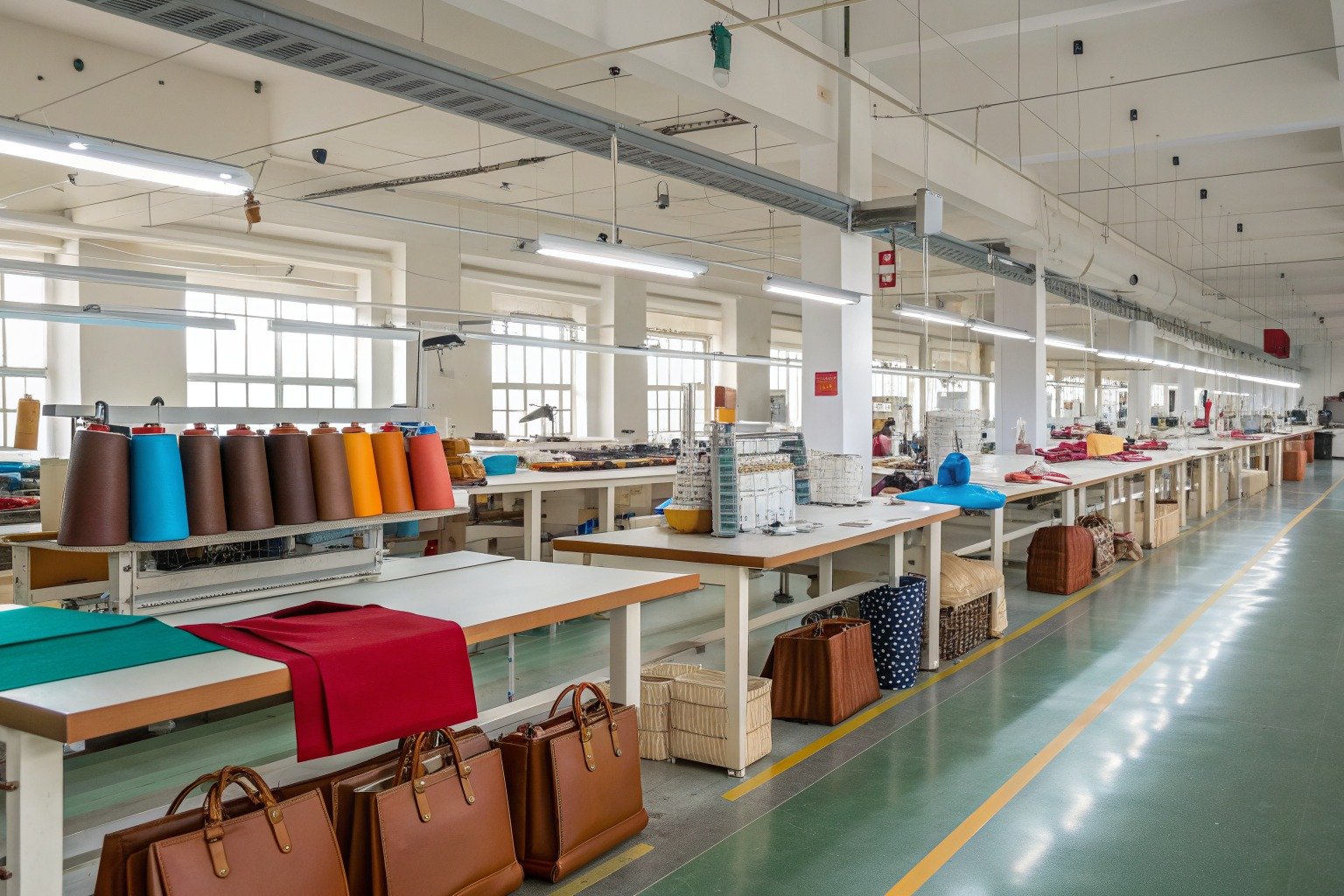
Our manufacturing approach emphasizes flexibility and scalability. We maintain capabilities for both high-volume production runs and smaller, specialized orders to accommodate varying market testing strategies and inventory management approaches.

How Does Production Volume Affect Customization Options?
Production volume significantly impacts available customization options and cost structures. High-volume orders typically accommodate more complex customization through amortized tooling costs and dedicated production lines. Smaller volume orders may utilize existing tooling with modifications, focusing on surface decoration and assembly variations rather than structural changes.
What Role Does Supply Chain Management Play?
Effective supply chain management ensures consistent material availability, production scheduling, and timely delivery. Our vertically integrated supply chain provides control over critical path items, reducing lead times and minimizing production disruptions. This approach enables responsive adaptation to market feedback and demand fluctuations.
How Can Strategic Sourcing Optimize Market Adaptation?
Strategic sourcing decisions significantly impact product quality, cost structure, and market responsiveness. Partner selection should consider manufacturing capabilities, quality systems, communication effectiveness, and logistical support.
Our sourcing methodology emphasizes partnership development and continuous improvement. We work closely with clients to understand their specific market requirements and business objectives, developing customized solutions that balance cost considerations with quality requirements.

What Sourcing Model Best Supports Market Adaptation?
The optimal sourcing model depends on product complexity, order volume, and market requirements. Full-service manufacturing partnerships typically provide greatest control over quality and specifications, while trading companies may offer advantages for simpler products and smaller volumes. Our manufacturing services encompass design development, material sourcing, production management, and quality assurance, providing comprehensive support throughout the product lifecycle.
How Does Logistics Planning Support Market Success?
Efficient logistics planning directly impacts market success through cost management and delivery reliability. We implement customized logistics solutions based on order characteristics and destination requirements, including consolidation services for multi-market shipments and specialized packaging for specific retail requirements.
Conclusion
Effective hair clip customization for international markets requires integrated expertise across design, compliance, manufacturing, and logistics. Success depends on selecting manufacturing partners with demonstrated capability in market-specific adaptation and quality management.
Our approach combines creative design development with rigorous quality assurance and efficient production methodologies. We invite prospective clients to discuss specific market requirements and customization needs. Please contact our Business Director Elaine to explore partnership opportunities at elaine@fumaoclothing.com.