The cape is one of humanity’s oldest garments, a symbol of travel, adventure, and protection. But can this ancient silhouette be relevant for a modern, technical European outdoor clothing line? Can it compete with the standard parka or rain jacket? The answer is a resounding yes, but only if it is thoughtfully engineered with one critical feature: a well-designed hood. A cape without a hood is a fashion statement. A cape with a hood is a functional piece of gear.
Can capes be designed with hoods for this market? Absolutely. In fact, the hood is the key feature that makes the cape a viable and compelling outdoor garment. The four essential design pillars are: 1) selecting advanced, technical fabrics that offer real weather protection, 2) engineering a highly functional, adjustable hood that provides coverage without compromising visibility, 3) designing a cut and closure system that allows for freedom of movement and layering, and 4) incorporating modern, practical features that today’s outdoor enthusiast expects. At Shanghai Fumao Clothing, we see this as a fantastic opportunity to blend timeless design with cutting-edge performance.
Is it as simple as sewing a hood onto a piece of fabric? No. It requires a technical approach. Let’s explore the four keys to creating the perfect modern, hooded outdoor cape.
Why Must You Choose Advanced, Technical Fabrics?
What is the first thing a European outdoor customer will look for? It’s performance. A beautiful design that can’t stand up to a sudden downpour on a mountain trail is useless. The foundation of a successful outdoor cape is the fabric. You must move beyond traditional materials like simple wool and embrace the world of technical textiles.
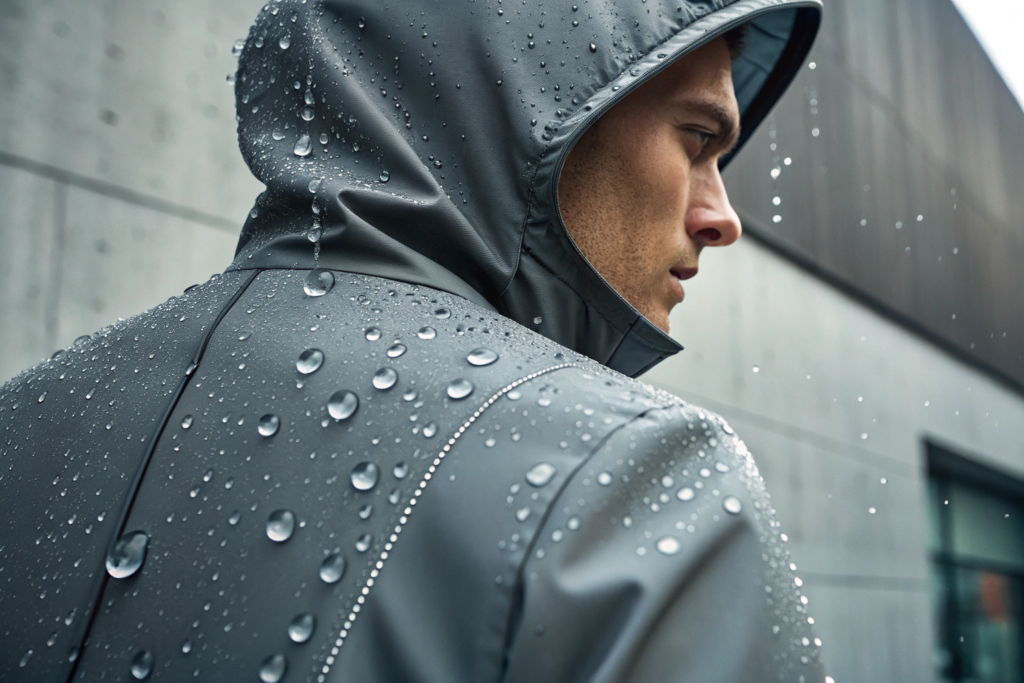
The ideal fabric needs to be a "triple threat": waterproof, windproof, and breathable. A waterproof outer shell keeps the rain out. A windproof membrane stops cold gusts from chilling the body. And breathability allows sweat vapor to escape, so you don’t get clammy and cold from the inside during strenuous activity. This three-part performance is non-negotiable for a credible outdoor garment.
What Are Some Specific Fabric Technologies to Consider?
What kind of materials should you ask a manufacturer for?
- 2.5-Layer or 3-Layer Fabrics: These are the industry standard for high-performance outerwear. They involve laminating a waterproof/breathable membrane (like a Gore-Tex or similar ePTFE membrane) to a durable face fabric, often with a protective inner layer.
- Taped Seams: A waterproof fabric is useless if water can get in through the stitching holes. All seams on the cape must be sealed from the inside with a special waterproof tape. This is a critical manufacturing step that separates a true rain garment from a "water-resistant" one.
- DWR (Durable Water Repellent) Finish: This is a chemical treatment applied to the outside of the fabric that makes water bead up and roll off. It’s the first line of defense against rain.
How Does This Compare to a Traditional Wool Cape?
Isn’t wool a traditional outdoor material? Yes, and materials like heavy, lanolin-rich wool (like Loden cloth) are naturally water-resistant and very warm. They are excellent for a more traditional, heritage-style cape. However, for a technical outdoor line targeting the modern hiker or commuter, a lightweight, fully waterproof, and breathable synthetic fabric is far more versatile and aligns better with customer expectations for performance gear.
How Do You Engineer a Truly Functional Hood?
What is the most common failure point on a cheap rain jacket? It’s a poorly designed hood. A hood that is too small won’t offer protection. A hood that is too big will blow off in the wind or block your peripheral vision, which can be dangerous on a trail. Engineering a great hood is an art form.
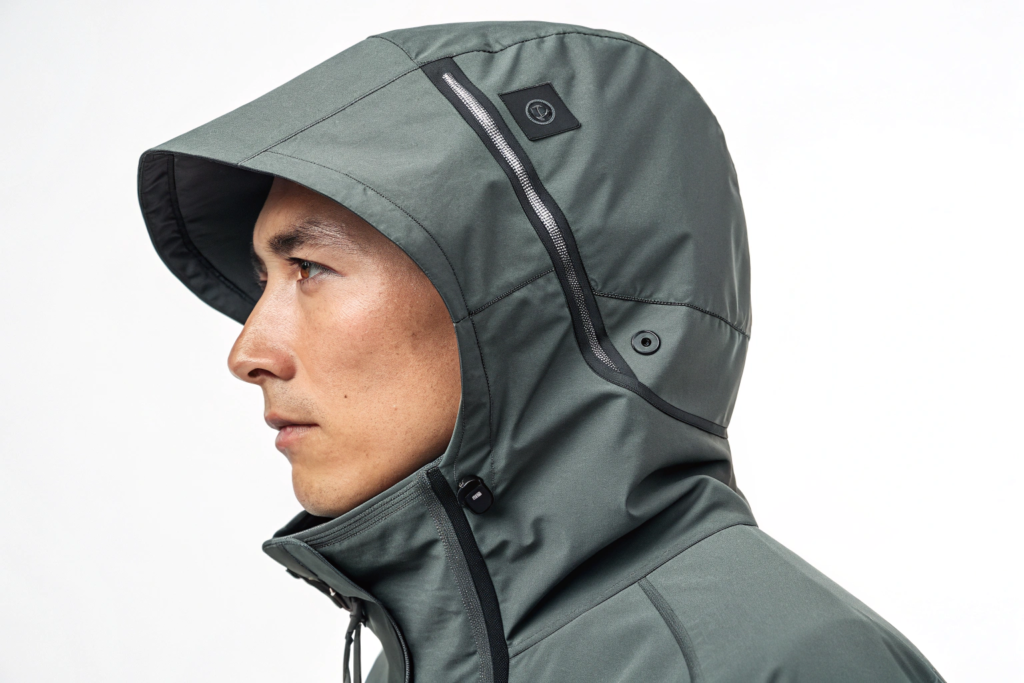
A technical hood must be three-way adjustable. This means it needs adjustment points for:
- Volume: A drawcord or tab on the back of the hood to adjust its overall volume, so it doesn’t sag over your eyes.
- Aperture: Two drawcords at the front to tighten the opening around your face, sealing out wind and rain.
- Brim: The hood should have a stiffened or wired brim that can be shaped to keep rain from dripping into your eyes.
Why is Peripheral Vision So Important?
Isn’t it just about keeping your head dry? No. On a hiking trail, you need to be aware of your surroundings—uneven footing, other hikers, or even wildlife. A hood that creates a "tunnel vision" effect is a safety hazard. A well-designed hood protects you from the elements while moving with your head, allowing you to maintain full situational awareness. This is a key principle in designing any quality headwear, from technical caps to performance hoods.
Should the Hood Be Detachable or Stowable?
What if you don’t need the hood? Offering a hood that can be rolled away and secured into the collar is an excellent feature. It keeps the hood out of the way in good weather but allows it to be deployed instantly when needed. A fully detachable hood is another option, but it runs the risk of being lost. A roll-away design is often the more practical solution for outdoor use.
How Should You Design the Cut and Closures for Freedom of Movement?
What is the main advantage of a cape over a jacket? It’s unrestricted freedom of movement for your arms. This is a huge benefit for activities like hiking with trekking poles, cycling, or even just reaching into your pockets. The design of the cape must lean into this advantage.
The cut should be generous enough to allow for layering underneath (e.g., over a fleece or a down jacket) without being so voluminous that it becomes a giant sail in the wind. The front closure is also critical. Instead of a full-length zipper, which can be restrictive, consider a half-zip or quarter-zip combined with high-quality, waterproof snaps or magnets. This allows for easy ventilation while keeping the garment secure.

How Can You Manage the "Sail" Effect?
Won’t a cape just blow around in the wind? This is a valid concern and a key design challenge. There are several solutions:
- Internal Straps: Some designs include simple hand loops or even a waist strap on the inside of the cape. These allow the wearer to secure the garment against their body in high winds.
- Arm Slits: Well-placed, weatherproof slits can allow the user to put their arms through, wearing the cape more like a vest in windy conditions.
- Strategic Snaps: Snaps along the side can allow the user to close up the sides of the cape, creating temporary "sleeves" when needed.
Why is Layering So Important in European Climates?
Isn’t the weather famously changeable? Yes. The European outdoor philosophy is all about the layering system. A good outer shell needs to fit comfortably over an insulating mid-layer. The generous cut of a cape is naturally perfect for this, making it a highly adaptable garment for unpredictable weather.
What Modern, Practical Features Should Be Included?
How do you make a cape feel like a modern piece of technical gear and not a historical costume? You need to incorporate the thoughtful, practical features that consumers expect from high-quality outdoor clothing.
A modern cape should not just be a sheet of fabric. It needs pockets, reflective details, and other clever features. The most crucial feature is a large, easily accessible front pocket, often called a "kangaroo" or "pass-through" pocket. This allows the wearer to keep essentials like a map, phone, or snacks protected from the rain but still within easy reach without having to open up the cape.

What Other Features Add Value and Functionality?
What small details make a big difference?
- Waterproof Zippers: All external zippers, especially on pockets, must be waterproof to protect the contents.
- Reflective Elements: Small, discreet reflective logos or piping significantly increase the wearer’s visibility to cars and other people in low-light conditions, a crucial safety feature for a garment that might be used for commuting.
- Packability: Can the cape be designed to stuff into its own pocket, creating a small, neat package that can be easily clipped to a backpack? This is a huge selling point.
- Thumb Loops: Simple loops at the "cuff" area can help keep the cape pulled down over the hands for extra protection in a storm.
How Do These Features Enhance the Product’s Story?
Don’t these details show that you understand the user? Yes. When a customer sees these thoughtful features, it tells them that the product was designed by someone who actually spends time outdoors. It builds confidence that the product is not just a fashion item but a reliable piece of equipment. It’s a story of authentic design and user-centric thinking.
Conclusion
So, can a cape be designed with a hood for a European outdoor clothing line? Not only can it be, but it must be. The hood is the feature that unlocks the cape’s potential as a serious, functional, and highly marketable piece of modern outdoor gear.
The key to success lies in a holistic design approach. It requires a foundation of high-performance, technical fabrics. It demands a meticulously engineered, fully adjustable hood. It needs a clever cut and closure system that maximizes freedom of movement while managing wind. And it must be finished with the modern, practical features that today’s outdoor enthusiasts demand.
By combining the timeless, elegant silhouette of the cape with these four pillars of modern technical design, you can create a unique, compelling, and highly desirable product that will stand out in the crowded European outdoor market.
If you are looking to develop an innovative outerwear piece like this, our team has the technical expertise and manufacturing capability to bring your vision to life. Please contact our Business Director, Elaine, at her email: elaine@fumaoclothing.com.