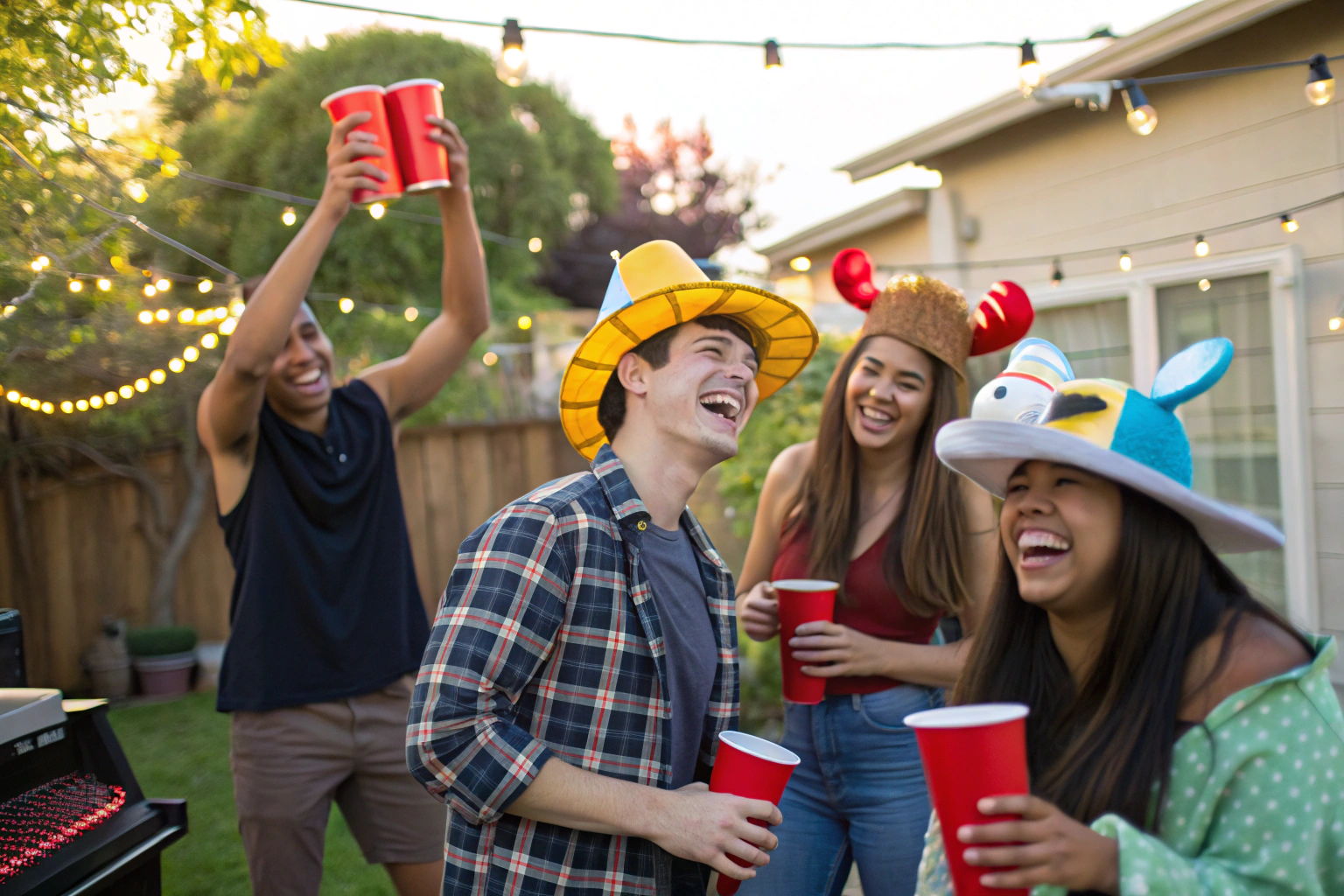
I have been in the accessory business long enough to know that some products are purely functional, and some are purely for fun. Beer hats and novelty headwear fall firmly into the second category. They are the life of the party. For a buyer like Ron, who supplies everything from major supermarkets to online stores, this category is a consistent, high-volume seller. People buy these for birthdays, bachelor parties, sporting events, and holidays. The market is huge, but sourcing them correctly requires a different mindset than sourcing fashion accessories.
To source beer hats and novelty headwear successfully, you need a manufacturer who understands volume, durability, and compliance. These are not delicate fashion pieces. They need to survive a long day at a tailgate party or a night at a busy bar. You need a partner who can produce large quantities quickly, who can customize designs with your logos or funny phrases, and who understands the safety standards for items that will be used around food and drinks.
At Shanghai Fumao Clothing, we have produced millions of novelty items for clients all over the world. We understand that this market is driven by humor, trends, and seasonal events. A Super Bowl-themed beer hat needs to be ready in January, not February. A funny Santa hat needs to ship in early fall. Speed, customization, and reliable quality are the three pillars of success in this niche.
What Are the Most Popular Types of Novelty Headwear?
The term "novelty headwear" covers a lot of ground. If you are new to sourcing this category, you might be surprised by the variety. The classic foam beer hat with two cans and straws is the undisputed king. It is the original and remains a bestseller year after year. But the category has expanded significantly.
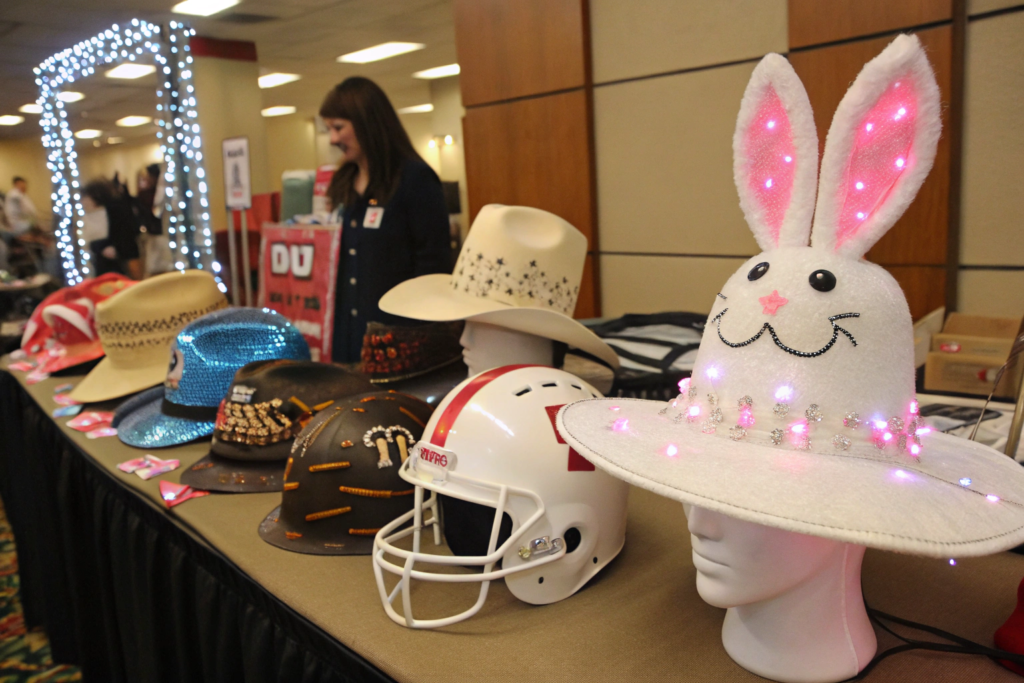
Today, you also have cowboy hats with built-in cup holders, light-up top hats for New Year’s Eve, animal hats with funny faces, and oversized foam hats shaped like sombreros or fedoras. Then there are the seasonal items: Santa hats with blinking lights for Christmas, bunny ear headbands for Easter, and foam football helmets for the Super Bowl. The key to this market is having a supplier who offers a wide range of bases that you can then customize.
Understanding the core categories helps you plan your inventory. The basic beer hat is your evergreen product. Light-up items are great for holidays and events. Funny animal hats appeal to a younger demographic. By stocking a mix, you can appeal to different customer segments and occasions.
What are the key features of a durable foam beer hat?
A beer hat looks simple, but a cheap one will fall apart quickly. The foam itself is the first thing to check. You need high-density polyurethane foam, not the cheap, crumbly stuff. The foam should be smooth and firm, with a clean, painted surface that won’t flake off. The second key feature is the can holders. They must be deep enough to hold a standard 12oz can securely. Shallow holders will cause cans to fall out with the first sudden movement. The straws are also a common failure point. They need to be made of food-grade, BPA-free plastic and be long enough to reach the bottom of the can. Finally, the strap is critical. An adjustable plastic buckle is much more durable than a cheap elastic strap that will stretch out. You can find general product safety guidelines for consumer goods on the Consumer Product Safety Commission (CPSC) website, which is a good resource for understanding what regulators expect.
How do light-up hats differ from standard novelty hats?
Light-up novelty hats add a layer of complexity to the sourcing process. The main difference is the electronic component. You are no longer just sourcing foam and fabric; you are sourcing a small circuit board, batteries, and LEDs. The quality of these components matters immensely. A light that dies after an hour is a customer complaint waiting to happen. You need hats with secure battery compartments that are easy for the user to open and close. The wiring needs to be protected inside the hat so it doesn’t snag or break. The LEDs themselves should be bright and consistent. For holiday items like blinking Christmas hats, the flash pattern should be clean and reliable. When sourcing these, always ask about the battery life and the quality certification of the electronic components. Many importers have been burned by cheap electronics that fail. We source our components from certified suppliers and test every single light-up hat before it ships to ensure the lights work perfectly.
How to Find a Reliable Supplier for Novelty Headwear?
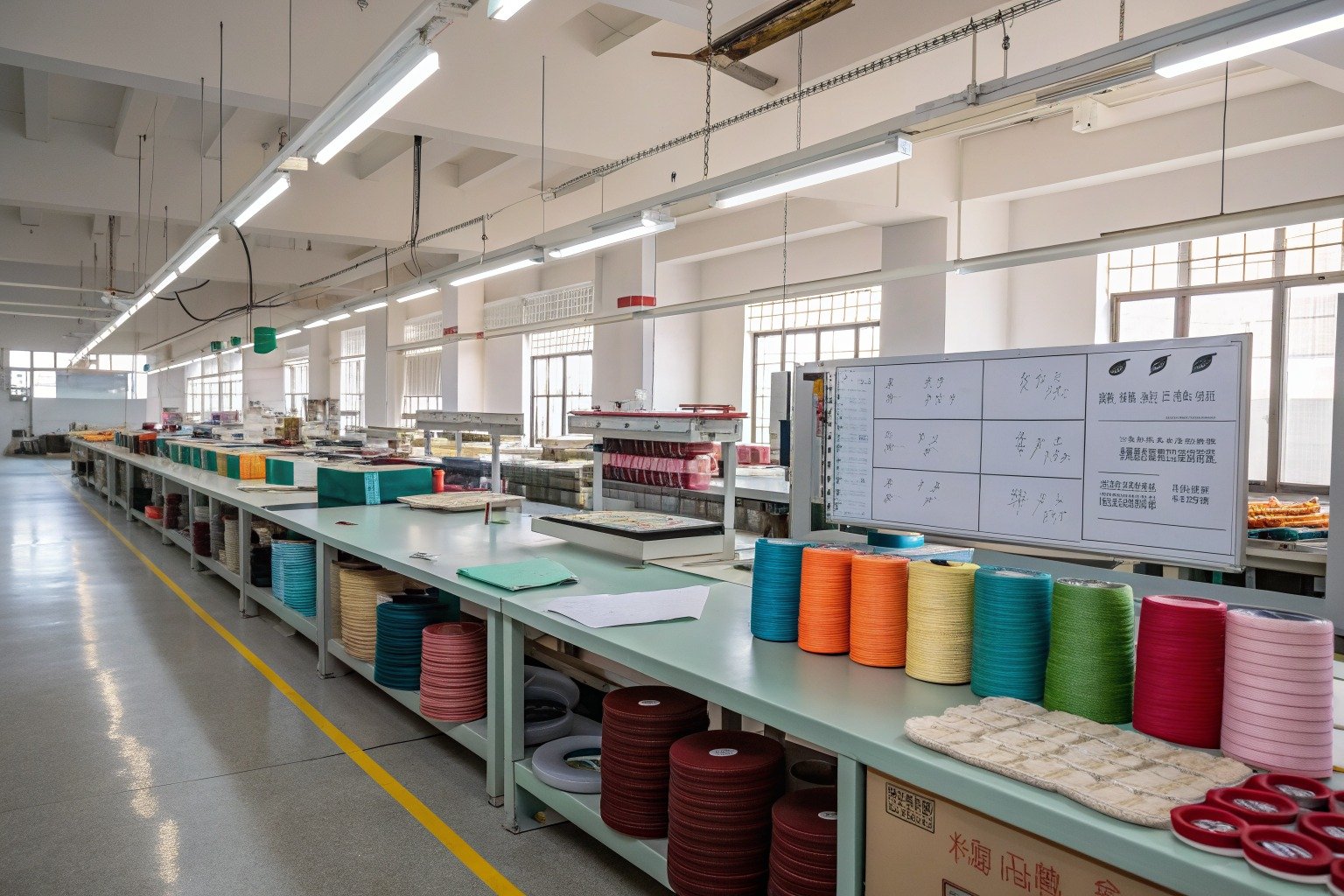
Finding a reliable supplier for novelty headwear is different from finding a supplier for basic apparel. You need a factory that is set up for high-volume, fast-turnaround production. Novelty items are often seasonal, meaning you need them at very specific times of the year. A supplier who is slow or unreliable will cause you to miss your sales window completely.
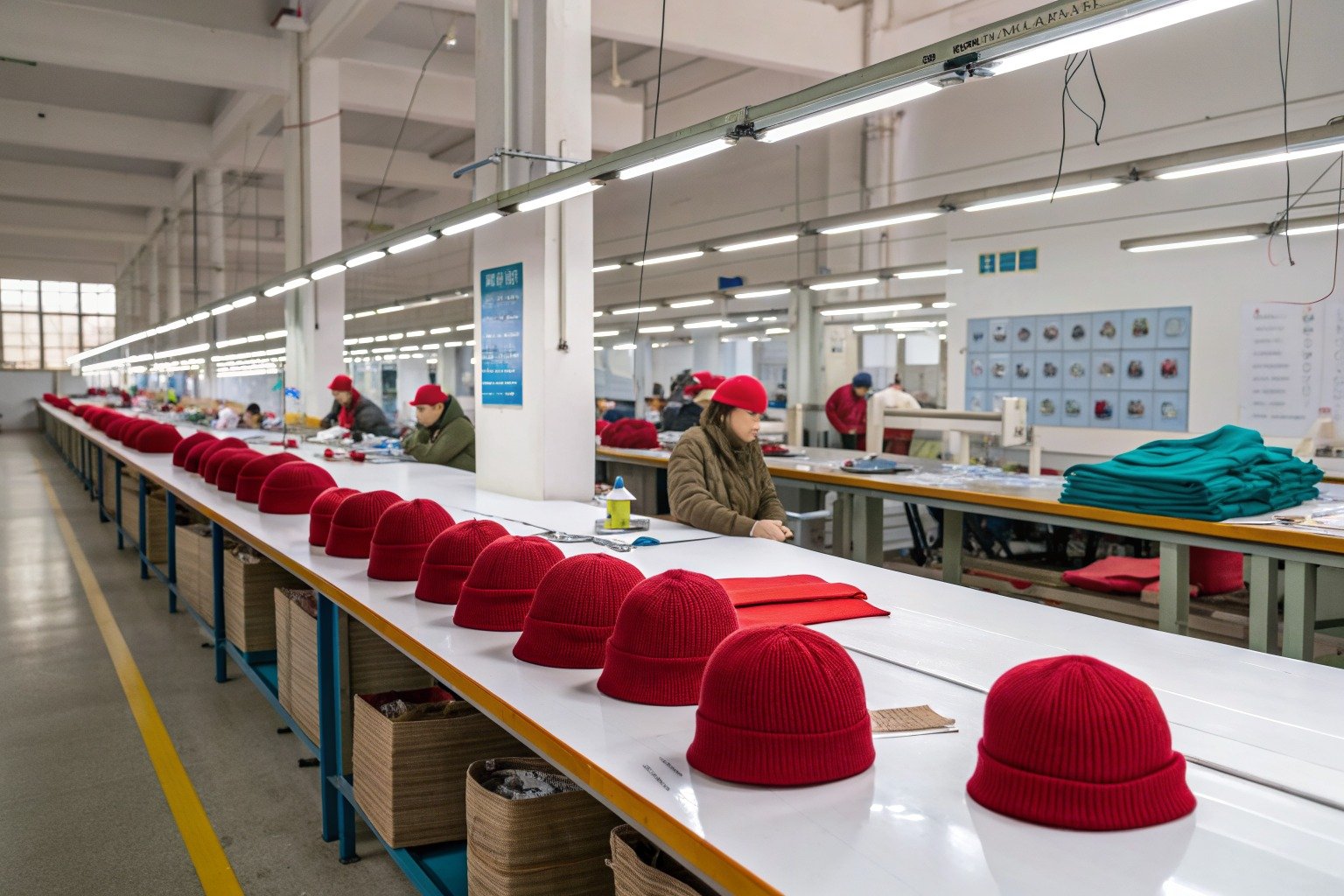
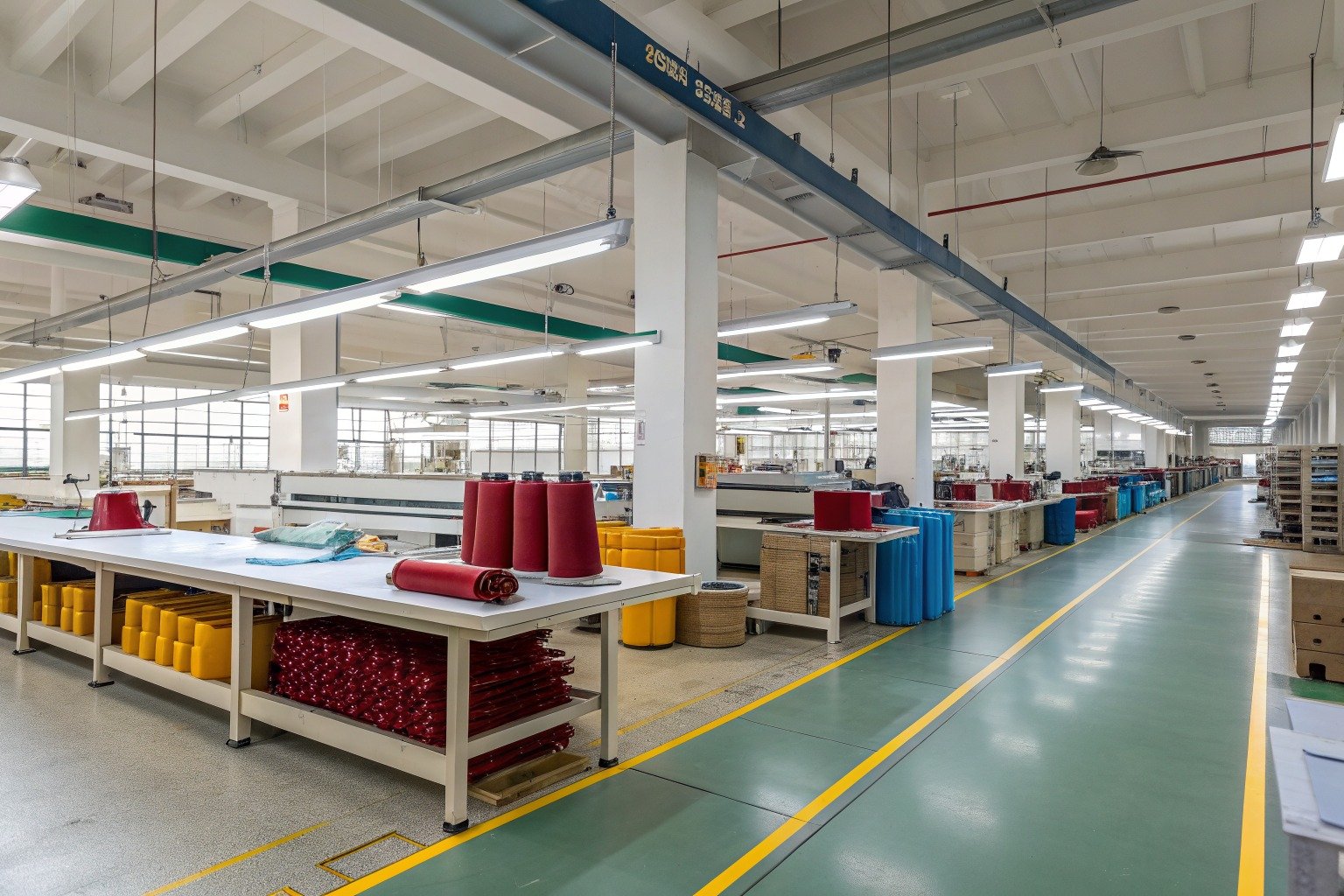
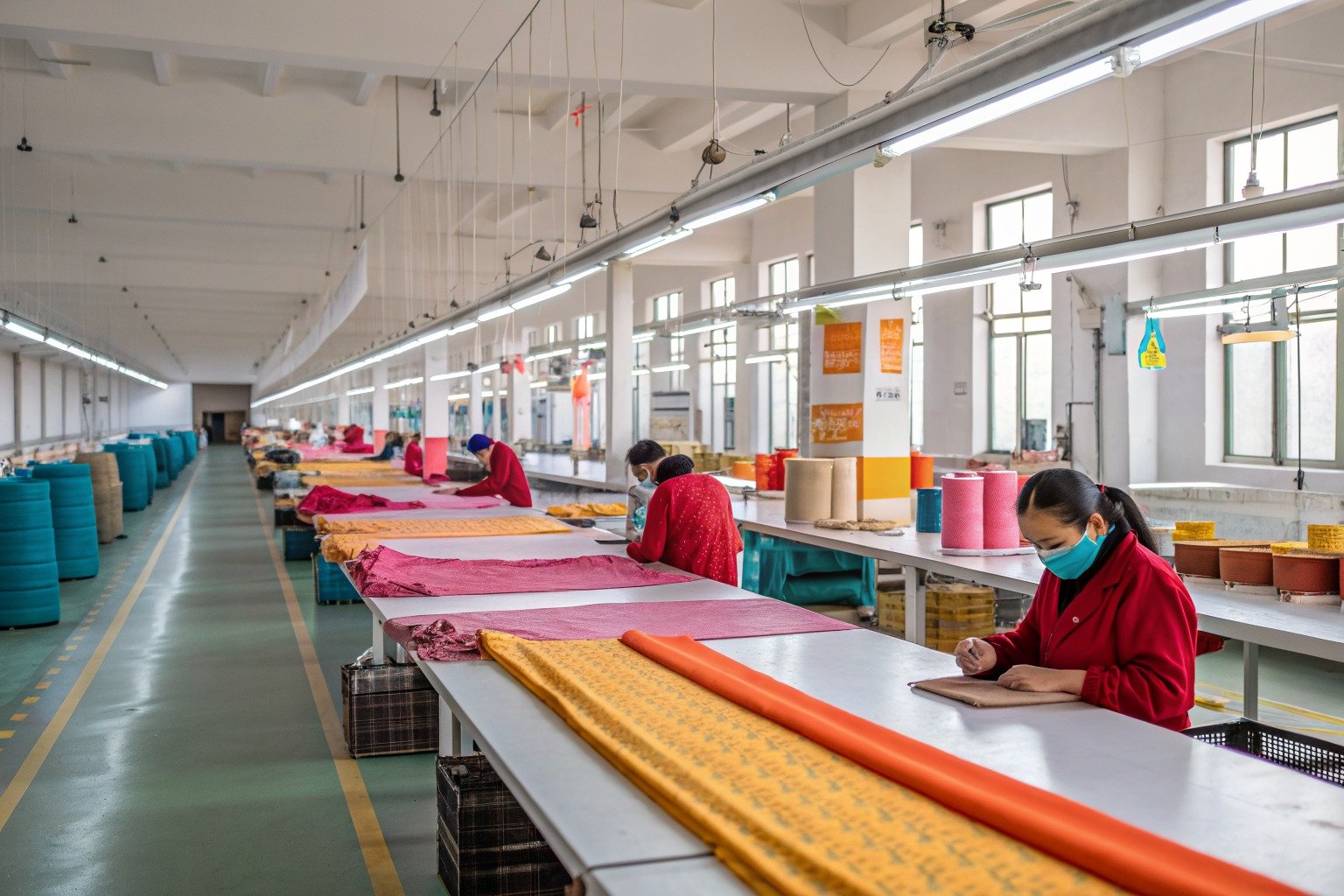
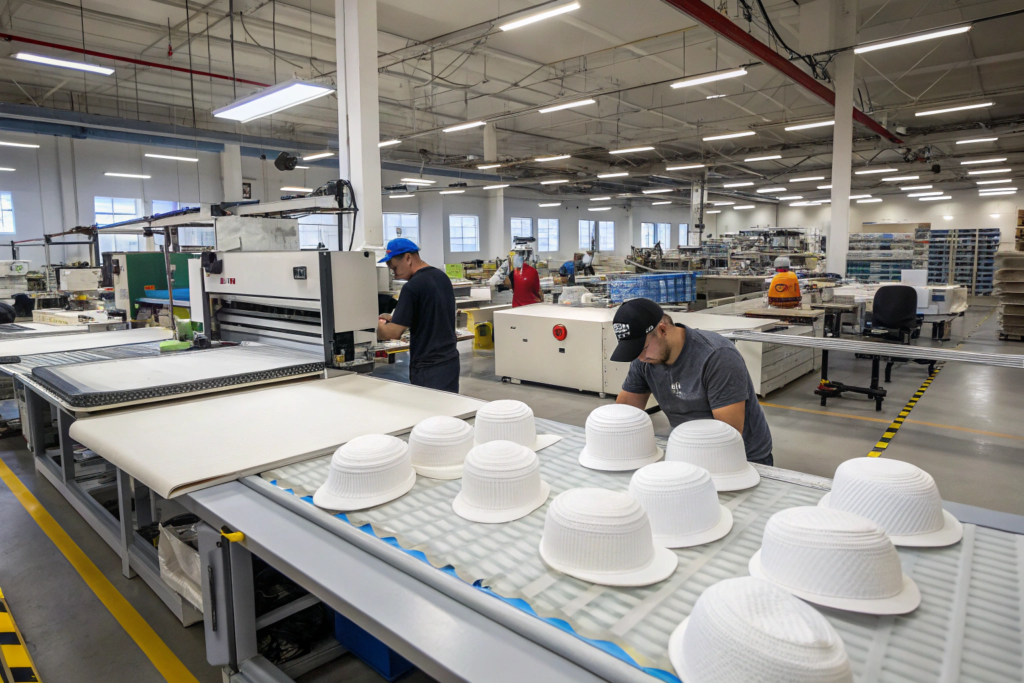
You should look for a factory that specializes in foam fabrication and sewing. They need to have the equipment to cut foam precisely and the sewing skills to assemble the hats cleanly. Ask about their production capacity. Can they handle an order of 10,000 units in three weeks? What about 50,000? They should have the staff and the space to scale up quickly when needed. Also, ask about their experience with customization. A good supplier will have in-house screen printing or heat transfer capabilities for adding logos. They should also have experience sourcing the plastic components like can holders and straws.
We have invested heavily in our production lines for novelty items. We know that speed and reliability are what keep our clients coming back year after year for their Super Bowl and Halloween promotions.
What certifications should a novelty hat supplier have?
Certifications are non-negotiable when sourcing products that will be used in the US and European markets. For foam hats, you need to ensure the foam is non-toxic and flame retardant. Ask for material safety data sheets (MSDS) for the foam and any paints used. For items with plastic components like straws and can holders, you need to ensure they are food-grade and BPA-free. Many large retailers will require a general product safety certificate. For light-up hats, the electronic components need to comply with relevant safety standards like CE for Europe or FCC for the US. A reputable supplier will have these certifications readily available. If they hesitate to provide them, that is a major red flag. You can also work with third-party testing companies to verify compliance. Resources like the International Organization for Standardization (ISO) provide frameworks for quality management that reputable factories often follow.
Why is sampling essential before placing a large order?
Sampling is your best friend in the novelty hat business. A picture on a website can hide a multitude of sins. You need to hold the physical sample in your hands. Put it on your head. Does it fit comfortably? Is the foam the right density? Are the straws the right length? Fill the can holders with actual cans. Do they feel secure? If it is a light-up hat, turn it on. How bright are the lights? How long do the batteries last? Wear it around the office for an hour. Does it start to feel flimsy? This hands-on testing is the only way to truly verify quality. We always encourage our clients to request samples, and we are happy to produce them quickly. It is a small investment that can prevent a costly mistake. Shanghai Fumao Clothing offers a streamlined sampling process so you can approve the product with confidence before we start mass production. Articles on sourcing best practices, like those found on Trade Ready, consistently emphasize the critical importance of pre-production samples.
How to Customize Novelty Hats with Logos and Phrases?
Customization is where the real profit lies in the novelty hat business. A plain foam beer hat is a commodity. A foam beer hat with your customer’s company logo, a funny phrase for a bachelor party, or a team logo for a Super Bowl event is a premium product. People pay more for personalization. They buy them as party favors, corporate gifts, and promotional items.
The most common customization methods for foam hats are screen printing and heat transfers. Screen printing is great for simple, bold logos and text on the front of the hat. It is durable and cost-effective for large quantities. Heat transfers, like vinyl or sublimation, allow for more complex, multi-color designs and are often used for the "taps" or labels on the front of the cans. For fabric hats like bucket hats or trucker caps with novelty elements, embroidery is also an option. The key is to choose a supplier who has these capabilities in-house so you don’t have to manage multiple vendors.
We have a dedicated decoration department that handles all types of customization. We work with you to ensure your artwork is set up correctly for the chosen printing method, guaranteeing a sharp, professional finish that lasts.
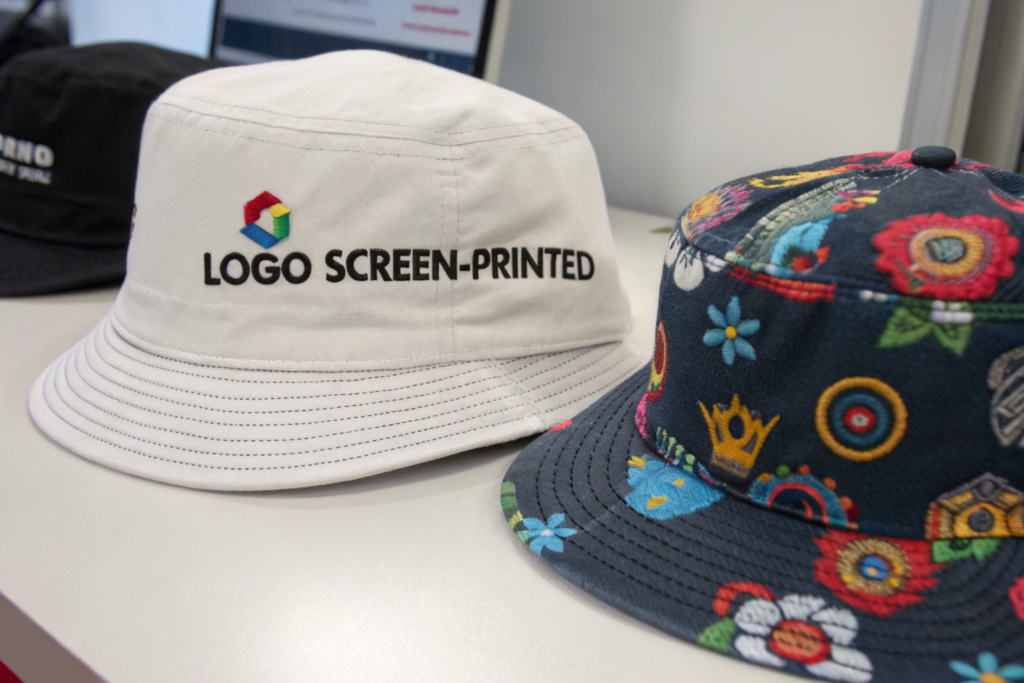
What is the best printing method for foam beer hats?
For foam beer hats, the best printing method is usually screen printing. The foam surface is slightly textured and porous. Screen printing applies a layer of ink that sits on top of the foam, creating a bold, opaque design. It holds up well to wear and handling. However, it works best for designs with limited colors and solid areas. Fine details can be tricky. For more complex, full-color designs, a heat-applied vinyl or a direct-to-film (DTF) transfer can be a better option. These methods print the design onto a special film first, then heat-press it onto the hat. They can reproduce photographs and intricate gradients. The downside is that the transfer has a slight plastic feel and may be less durable than screen printing on a high-flex item like a hat. We always advise clients based on their design complexity and budget. For expert advice on different printing techniques, websites like Impressions Magazine are excellent resources for the promotional products industry.
How do I ensure my custom design stays on the hat?
Durability of the custom design is a major concern. No one wants a logo that peels off after one wear. Ensuring the design stays on starts with the right material choice. For screen printing on foam, you need a flexible ink formulated for soft surfaces. If the ink is too stiff, it will crack when the foam bends. For heat transfers, the quality of the adhesive and the heat press application are critical. The transfer must be pressed at the correct temperature and pressure for the correct amount of time to bond permanently. We use industrial heat presses and calibrated temperature controls to ensure a perfect bond every time. After production, we perform "wash tests" and "peel tests" on samples from every run. We try to scratch the print and see if it lifts. We flex the hat repeatedly to see if the ink cracks. These tests ensure that the custom design will last as long as the hat itself. You can learn about standard test methods for printed materials from organizations like AATCC, which sets many of the industry standards for textile durability.
What Are the Key Quality Checks for Novelty Headwear?
Quality control for novelty headwear is about function and safety. A beer hat has one job: to hold two cans of beer and allow the wearer to drink from them via straws. If it fails at that basic function, it is worthless. Your quality checks must focus on the points of failure that matter most to the end user.
The first check is assembly. Are the can holders sewn on straight and secure? Are the seams strong and free of loose threads? The second check is the functionality of the straws. Do the straws insert easily into the can holders? Do they reach the bottom of the can? Is there a clear path for liquid to flow? The third check is for safety. Are there any sharp edges on the plastic components? Is the foam secure and not shedding particles? For light-up items, the electronics check is the most important. Every single light must be tested.
We have a multi-point inspection system for all novelty headwear. We check the raw materials when they arrive. We inspect during production. And we do a final functional test on a statistically significant sample of every finished batch. This ensures that only products that meet our standards make it into the box.
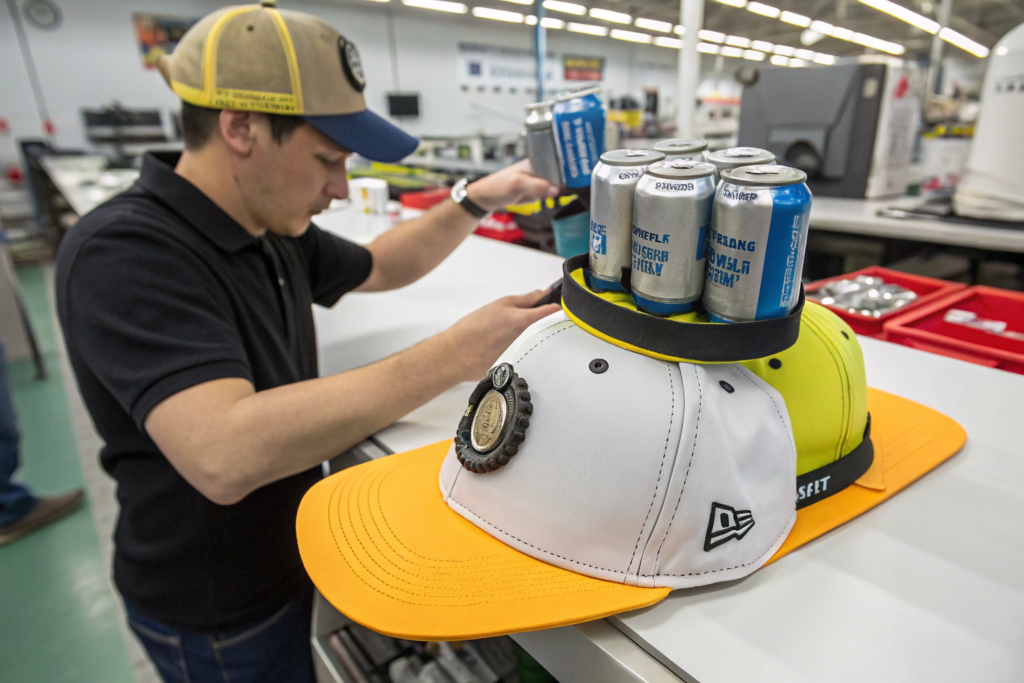
How do I test the functionality of beer hat straws?
Testing the straws is simple but must be done systematically. First, check the straw length. Place a standard 12oz can in the holder. The straw, when inserted, should reach the very bottom of the can. If it is too short, the wearer won’t be able to drink the last third of their beverage. Second, check the straw’s internal diameter. Is it wide enough for a comfortable drink? A straw that is too narrow will be frustrating to use. Third, check the seal where the straw passes through the lid of the can holder. It should be snug enough to hold the straw in place but not so tight that it crushes the straw or makes it hard to insert. Finally, do a "flow test" with water. Fill a can with water, insert the straw, and see if you can drink easily. Does the straw kink or collapse? A quality beer hat ensures a smooth, easy drinking experience. This is the kind of functional testing that separates a cheap, frustrating product from a fun, well-made one. For standards related to food contact materials, the FDA’s Food Contact Substances website provides regulatory information that can guide material choices for straws.
What safety checks are needed for light-up novelty hats?
Light-up hats require a safety-focused inspection. The first check is the battery compartment. It must be secure and difficult for a small child to open. The screws holding it shut should be tight. The second check is the wiring. All wires should be insulated and safely tucked away inside the hat’s structure, with no chance of them poking out and scratching the wearer. The third check is for heat. Run the lights for an extended period. Does the battery pack or any LED get hot? Overheating is a safety hazard. The fourth check is for durability. Bend and flex the hat as a person might during normal wear. Do the lights flicker or cut out? This indicates a loose connection. Finally, check the switch. Does it turn on and off easily and reliably? A switch that fails is a common complaint. We test every single light-up unit before it is assembled into the hat, and then we test the finished hat again. This two-step process catches both component and assembly failures. Guidance on the safety of electronic toys and novelties can be found on the UL Solutions website, which is a global leader in safety science.
Conclusion
Sourcing beer hats and novelty headwear is a unique challenge. It is a volume business driven by fun, seasons, and events. Success depends on finding a manufacturing partner who can deliver high-quality, durable products quickly, who has the in-house capabilities to customize them with your designs, and who understands the specific safety and compliance requirements for these playful products.
At Shanghai Fumao Clothing, we have been the behind-the-scenes partner for countless successful novelty hat programs. We have the production capacity, the decoration expertise, and the rigorous quality control systems to ensure your customers have a great experience with your products. Whether you need 5,000 beer hats for a corporate event or 50,000 light-up top hats for New Year’s Eve, we have the team and the track record to deliver on time and on budget.
If you are ready to add some fun to your product lineup or need a reliable partner for your next seasonal promotion, let’s talk. Please contact our Business Director, Elaine, directly at elaine@fumaoclothing.com to discuss your project.