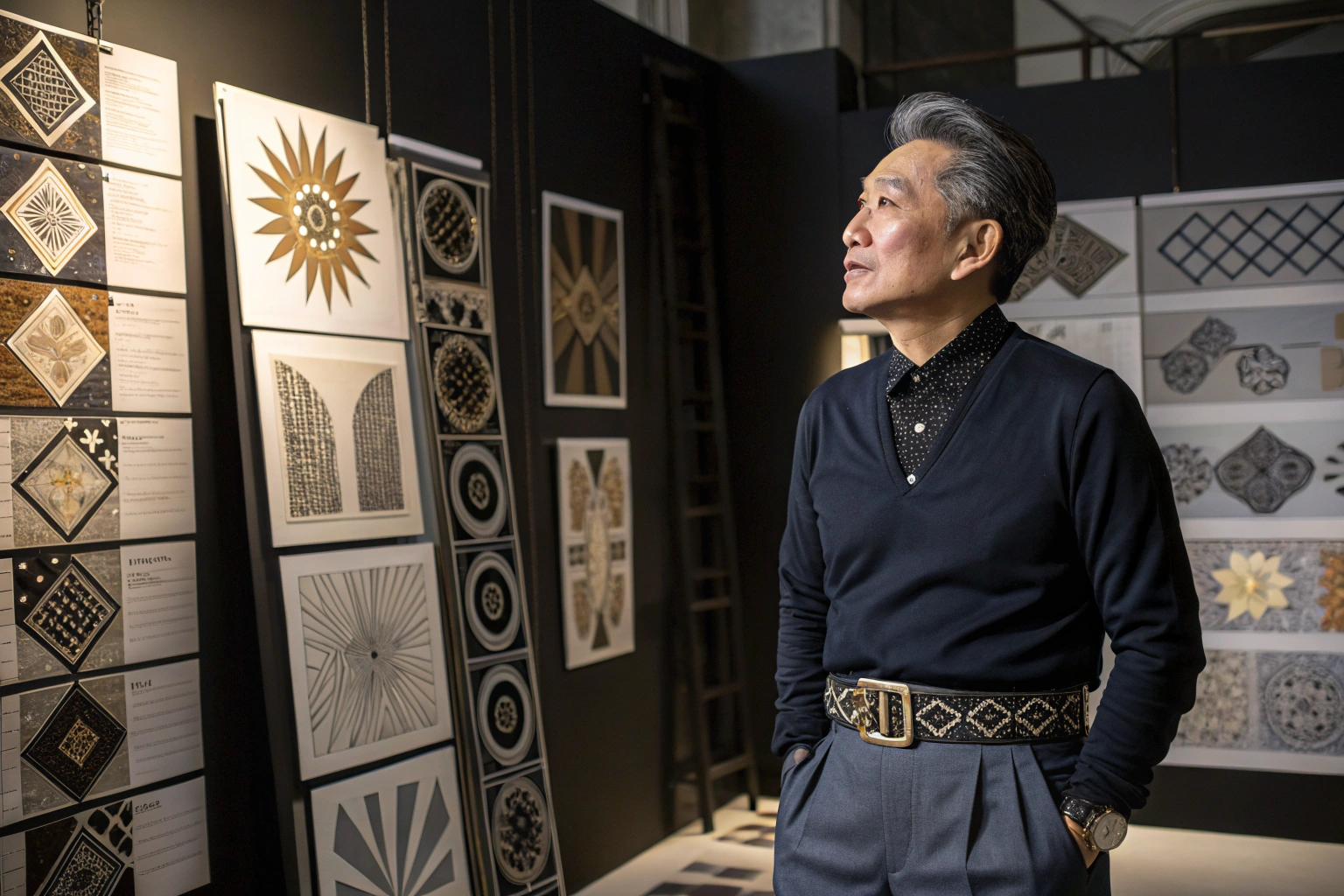
I have always been drawn to the Art Deco period. There is something about its geometry, its optimism, its celebration of modernity and luxury that feels timeless. As a young designer, I spent hours pouring over books of jewelry from the 1920s and 1930s. The clean lines, the bold shapes, the use of contrasting materials—it was unlike anything else. For years, though, I thought of it as a historical style, something for museums and period films. But in the last few years, something remarkable has happened. Art Deco has come roaring back. It is not just a revival; it is a reinterpretation. Designers are taking the core principles of the movement and applying them to modern accessories in fresh, exciting ways.
The latest trends in Art Deco-inspired accessory designs are a sophisticated blend of historical reference and modern minimalism. We are seeing a move away from highly ornate, literal reproductions towards cleaner, more streamlined interpretations. Key motifs include geometric shapes like chevrons, zigzags, and stepped forms. Sunburst and fan motifs are incredibly popular, symbolizing the optimism and energy of the era. There is a strong emphasis on contrasting materials, such as combining polished gold-tone metal with deep onyx, or silver with mother-of-pearl. Symmetry and repetition are used to create a sense of order and elegance. In terms of color, the palette is often rich and dramatic: deep blacks, ivories, emerald greens, and sapphire blues, often accented with metallics. The overall effect is one of understated luxury, modern glamour, and timeless sophistication.
At Shanghai Fumao Clothing, we have seen a significant increase in requests for Art Deco-inspired designs. Our clients, from high-end fashion brands to boutique accessory lines, are drawn to this aesthetic for its enduring appeal and its ability to convey a sense of quality and refinement. We have worked on everything from hair clips and brooches to belts and handbag hardware, all channeling the spirit of the Deco era. Let me share the key trends we are seeing and what makes them so compelling.
What Are The Defining Geometric Motifs Of Modern Art Deco Accessories?
Geometry is the language of Art Deco. It is what gives the style its distinctive, architectural feel. But the way these geometric forms are being used today has evolved. It is less about dense, all-over patterns and more about using a single, bold geometric element as a statement.
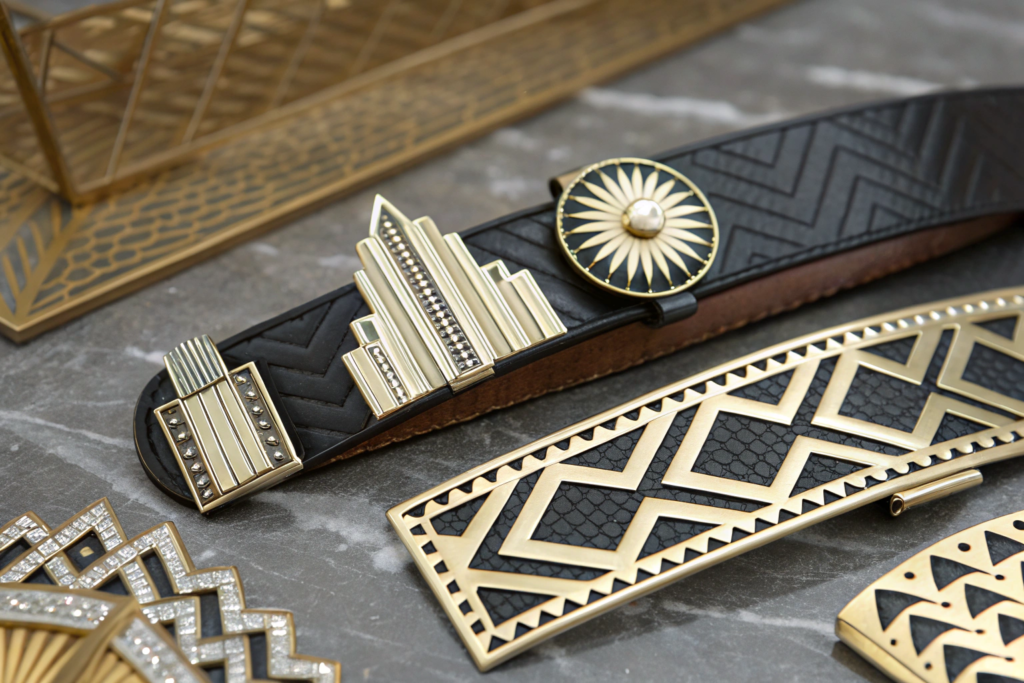
The defining geometric motifs in modern Art Deco accessories are clean, bold, and often used as focal points. The chevron or zigzag is a perennial favorite, symbolizing movement and energy. It appears on everything from the edges of hair clips to the patterns on belts. Sunbursts and fans are another key motif, radiating outward and evoking a sense of optimism and glamour. Stepped or tiered forms, reminiscent of skyscrapers like the Chrysler Building, are used to add architectural interest to brooches, earrings, and bag hardware. Symmetrical geometric cut-outs in metal create a sense of lightness and pattern. These motifs are often executed in a single, high-quality material, like polished or satin-finished metal, allowing the purity of the form to speak for itself.
Let’s look at how these motifs translate into actual products. A simple, elegant hair clip might have its entire form shaped as a sunburst, with slender rays emanating from a central point. A belt buckle could be a bold, stepped geometric shape, like a miniature skyscraper. A pair of earrings might feature a delicate chevron pattern, repeated to create a sense of rhythm. The key is that the geometry is not just a surface decoration; it is integral to the design of the piece. The shape itself is the ornament. This approach feels very modern and aligns perfectly with the minimalist trend, while still carrying the powerful visual language of the Deco era. We work with our design team to ensure that these geometric motifs are precisely executed, with clean lines and sharp angles that are a hallmark of quality.
How Is The Sunburst Motif Being Used In Modern Accessories?
The sunburst, or rayonné, is one of the most iconic and enduring Art Deco motifs. It represents light, energy, and the dawn of a new, modern age. In modern accessories, it is being used in several ways:
- As a complete form: A hair clip or brooch might be designed entirely as a sunburst, with rays of metal fanning out from a central point, which might be set with a small gemstone or pearl.
- As a repeating pattern: A series of smaller sunbursts might be used to create an all-over texture on a cuff bracelet or a belt.
- As an edge detail: The edge of a piece might be cut in a sunburst pattern, creating a decorative border.
The scale can vary dramatically. A tiny sunburst on a delicate pair of earrings is delicate and feminine. A large, bold sunburst on a cuff bracelet is a powerful statement. The finish of the metal also matters. A polished sunburst catches the light and really makes the motif shine. A brushed or matte finish gives it a more subtle, contemporary feel. This versatility of the sunburst motif is why it remains so popular.
What Are "Stepped" Or "Tiered" Designs In Jewelry?
"Stepped" or "tiered" designs are a direct reference to the architecture of the Art Deco period, particularly the skyscrapers of New York. Think of the receding, stepped-back profile of the Empire State Building or the Chrysler Building. In jewelry and accessories, this translates to forms that are built up in layers or tiers. A brooch might have a central, raised tier, then a lower tier around it, creating a sense of depth and architectural structure. A pair of earrings might be composed of several rectangular tiers, each slightly smaller than the one below, like a miniature ziggurat. This design motif adds a wonderful sense of three-dimensionality and sophistication to a piece. It suggests strength, stability, and a kind of modern, urban elegance. It is a powerful and recognizable Deco element.
What Materials And Finishes Are Defining The Look?
The materials of Art Deco were all about luxury and modernity. Designers of the era loved to combine precious and semi-precious materials, and to use new industrial techniques to create stunning finishes. Today’s Art Deco-inspired accessories follow this spirit, but with a contemporary twist.
The materials and finishes defining the modern Art Deco look are a sophisticated mix of the classic and the contemporary. Metals are paramount, with a strong preference for gold and silver tones. Yellow gold, rose gold, and rhodium-plated silver are all popular. The finishes are often a mix of high-polish for reflective glamour and brushed or satin for a more subtle, modern feel. Black and white is a classic Deco color combination, achieved through materials like onyx, black spinel, or enamel paired with mother-of-pearl, crystal, or diamonds. Deep, rich colors like emerald green, sapphire blue, and ruby red are introduced through enamel, resin, or colored gemstones. The use of these materials creates a look that is both luxurious and graphic, dramatic and elegant.
Let’s explore the role of specific materials. Onyx is a classic Deco stone. Its deep, uniform black color is perfect for creating bold geometric contrasts with bright metals. Mother-of-pearl offers a soft, iridescent white that is elegant and subtle. Enamel is incredibly versatile. It can be used to add blocks of rich, opaque color, or to create intricate patterns. In modern pieces, enamel is often used in bold, geometric sections, rather than in detailed miniatures. Crystals and clear gemstones (like cubic zirconia for more accessible pieces) are used to add sparkle, often in channel settings or in geometric patterns. The quality of the materials and the precision of the setting are what elevate a piece from a costume accessory to something that feels truly luxurious. We source high-quality materials from trusted suppliers to ensure this level of finish.
Why Is The Combination Of Black And White So Iconic For Art Deco?
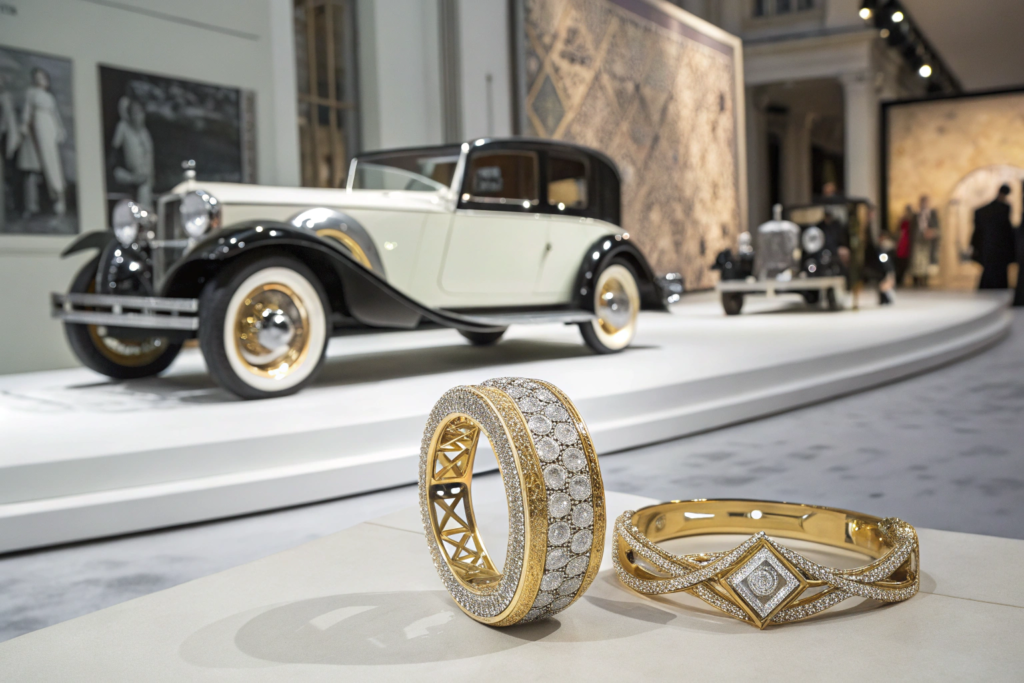
The black and white combination is perhaps the most recognizable color scheme of the Art Deco period. It embodies the era’s love of contrast, drama, and graphic boldness. Think of the black and white tiles in a classic Deco lobby, or the bold geometric patterns in fashion photography of the time. In accessories, black and white creates a striking, high-impact look. The stark contrast is elegant, modern, and timeless. It is also incredibly versatile, pairing easily with any outfit. Whether it is an onyx and diamond bracelet, a mother-of-pearl and enamel brooch, or a simple black enamel and polished silver hair clip, this monochromatic palette is a guaranteed way to capture the Deco spirit.
How Are Two-Tone Metals (Gold And Silver) Being Used?
Two-tone metals, combining gold and silver tones in a single piece, is a trend that feels very contemporary but has roots in the Art Deco era, where jewelers often mixed materials. Today, it is being used in several stylish ways:
- Geometric Blocks: A piece might have a section of polished gold next to a section of brushed silver, creating a bold geometric contrast.
- Layered Motifs: A sunburst might be rendered in gold, with a silver center, or vice versa.
- Edge Definition: The main body of a piece might be silver, with a thin gold edge that defines its geometric shape.
- Hardware and Accents: On a handbag, the main hardware might be gold, while the feet or zipper pull are silver.
This mix of metals adds visual interest and complexity to a design. It allows the piece to be more versatile, as it can be worn with both gold and silver jewelry. It is a sophisticated look that appeals to modern consumers.
How Are These Designs Being Incorporated Into Different Accessory Categories?
The Art Deco aesthetic is incredibly versatile. It can be adapted to almost any accessory category, from the smallest hair pin to the largest handbag. The key is to apply the design principles in a way that is appropriate for the form and function of the item.
Art Deco-inspired designs are being incorporated across a wide range of accessory categories. In hair accessories, we see geometric barrettes, sunburst hair clips, and headbands with stepped or chevron patterns. In jewelry (brooches, earrings, pendants), the motifs are often more intricate, using combinations of metals and stones. Belts feature Deco-inspired buckles in geometric shapes, and the leather straps may be embossed with repeating patterns. Handbags are a major category, with Deco-inspired hardware (clasps, feet, zipper pulls) and bag shapes that echo the geometric, architectural lines of the era. Even scarves can feature Deco-inspired prints with geometric patterns and bold color contrasts. The key is that the design feels integrated, not like a sticker applied to a generic product. The Deco influence should be part of the item’s fundamental design.
Let me give you some concrete examples from our production. For a recent collection of hair clips, we created a series of minimalist barrettes in the shape of a stepped ziggurat, available in polished gold and brushed silver. For brooches, we produced a line featuring a central mother-of-pearl disc surrounded by a radiating sunburst of metal rays. For a handbag client, we designed a custom clasp in the shape of a stylized fan, made of cast metal with a polished finish. The bag itself had clean, architectural lines that complemented the clasp. For a belt, we created a buckle that was a simple, bold chevron shape, and we had the option to emboss a repeating chevron pattern onto the leather strap. This cohesive application of the aesthetic across categories creates a powerful, unified look for a brand.
What Are The Most Popular Art Deco Hair Accessory Styles?
Based on the requests we receive, the most popular Art Deco hair accessory styles are:
- The Sunburst Hair Clip: A classic. A round or oval clip with rays emanating from the center. It can be large and dramatic or small and delicate.
- The Geometric Barrette: A long, rectangular barrette with a stepped or tiered profile. The simplicity of the shape is its strength.
- The Chevron Headband: A headband, often in metal or a metal and enamel combination, with a prominent chevron pattern as its main design feature.
- The Pearl and Geometric Pin: A simple hair pin or slide with a small geometric element (like a circle, square, or triangle) set with a single pearl or crystal.
These styles are popular because they are wearable, elegant, and instantly recognizable as Deco-inspired without being costume-like. They add a touch of vintage glamour to any hairstyle.
How Is Art Deco Influencing Handbag Hardware And Shapes?
The influence on handbags is significant and growing.
- Hardware: Clasps, locks, feet, and zipper pulls are being designed with Deco motifs. You might see a clasp shaped like a sunburst, or feet that are tiny stepped pyramids. The hardware is often made of high-quality metal with a polished or brushed finish, and it becomes a focal point of the bag’s design.
- Shapes: The bags themselves are taking on more architectural, geometric shapes. Think of structured top-handle bags with clean lines, rectangular or trapezoidal silhouettes. The shapes are inspired by the streamlined, modern forms of Deco architecture and design.
- Embellishments: Bags may be embellished with geometric patterns created by stitching, embossing, or applied metal details.
A bag with Deco influences feels both classic and modern. It has a sense of structure and quality that appeals to consumers looking for a timeless investment piece. This trend in handbag design is being seen from luxury houses to contemporary brands.
How Is Color Being Used In Modern Art Deco Accessories?
While black and white is the iconic palette, Art Deco was never limited to it. The era celebrated rich, jewel-toned colors, often used in bold, geometric combinations. Today’s designers are drawing on this full palette, creating accessories that are vibrant and expressive.
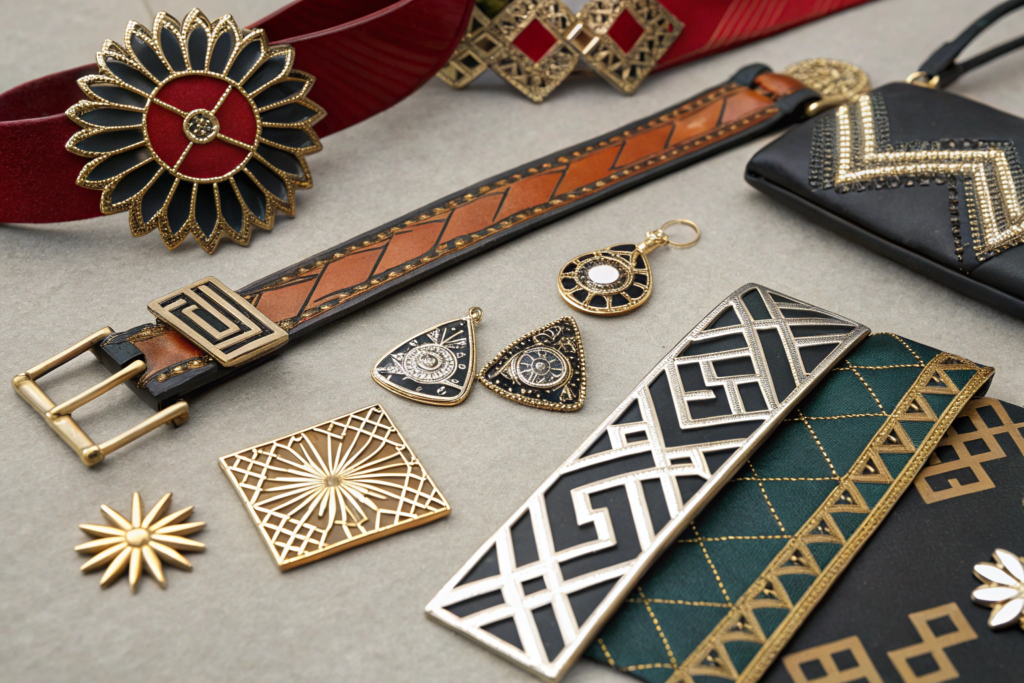
The color palette for modern Art Deco accessories is rich and dramatic, drawing inspiration from the gemstones and lacquers of the era. Deep, saturated jewel tones are key: emerald green, sapphire blue, ruby red, and amethyst purple. These colors are often introduced through enamel, resin, or colored gemstones. They are used in geometric blocks or as accents against a metal background. Another important palette is the warm neutrals: ivory, cream, champagne, and tortoiseshell. These softer tones offer a more subtle, elegant take on the Deco aesthetic. The use of color is always bold and intentional, never wishy-washy. It is applied with the same graphic precision as the geometric forms themselves.
Let’s look at how these colors are applied. Enamel is a fantastic medium for introducing color. It is durable, has a beautiful glossy finish, and can be applied in precise geometric shapes. A hair clip might have a base of polished gold with a bold, geometric section of deep blue enamel. A brooch might feature alternating sections of black enamel and mother-of-pearl. Colored gemstones or cubic zirconia are used to add sparkle and color. A row of emerald-green stones in a channel setting can be incredibly striking. For a more subtle look, resin can be used in warm tortoiseshell or ivory tones. The quality of the color application is critical. The color must be even, the edges must be sharp, and the finish must be flawless. This precision in color application is what gives these pieces their luxurious feel.
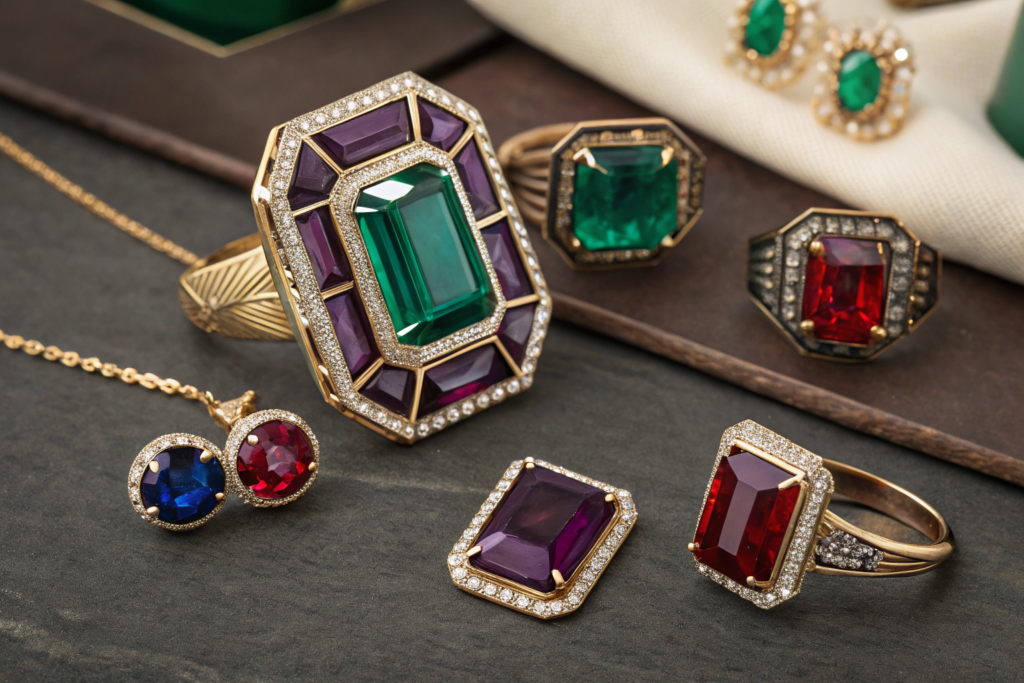
What Are The Most Popular Jewel Tones For This Trend?
Based on current market demand, the most popular jewel tones are:
- Emerald Green: A rich, deep green that looks stunning against both gold and silver. It evokes the glamour of the era.
- Sapphire Blue: A classic, elegant blue that is versatile and sophisticated.
- Ruby Red: A bold, passionate red that makes a powerful statement.
- Onyx Black: While technically not a jewel tone, the deep, glossy black of onyx is a foundational color.
- Amethyst Purple: A more regal and slightly less common choice that is gaining popularity.
These colors are often used singly, as a bold accent, or in combination with each other or with black and white for a more graphic look. They bring a sense of richness and depth to Deco-inspired pieces.
How Is Tortoiseshell Being Used In Art Deco-Inspired Designs?
Tortoiseshell, a warm blend of amber, brown, and black, was a popular material in the Art Deco era, often used for combs, hair accessories, and eyeglass frames. Today, it is experiencing a major revival, but in a more ethical and sustainable way, using resin or cellulose acetate. In Deco-inspired accessories, tortoiseshell is used for:
- Hair Accessories: Combs, barrettes, and headbands made entirely of tortoiseshell resin, often with simple, geometric shapes.
- Inlays and Accents: Sections of tortoiseshell can be inlaid into metal frames, creating a beautiful contrast of warm, organic pattern against cool, geometric metal.
- Bangles and Cuffs: Wide bangles or cuffs in tortoiseshell have a classic, elegant appeal.
The warm, variegated tones of tortoiseshell offer a softer, more organic counterpoint to the hard geometry of metal. It is a beautiful and versatile material for creating elegant, vintage-inspired pieces.
Conclusion
For a buyer like Ron, or any brand looking to tap into the enduring appeal of Art Deco, the opportunity is rich. This is a style that speaks of quality, luxury, and timeless elegance. But it is not about simply copying the past. The most successful Deco-inspired accessories are those that capture the spirit of the era while feeling fresh, modern, and wearable for today’s consumers. They are a conversation between history and the present, resulting in pieces that are both evocative and entirely new.
At Shanghai Fumao Clothing, we love this design challenge. Our team has the historical knowledge to understand the motifs and their significance, and the creative and technical skills to translate them into beautiful, modern products. We work closely with our clients to develop collections that are both authentic and on-trend, using the finest materials and the most precise manufacturing techniques.
If you are inspired by the glamour and geometry of the Art Deco era and want to create a collection that captures its magic, I would love to hear from you. Let’s discuss your vision and how we can bring it to life with the craftsmanship and attention to detail it deserves. Please contact our Business Director, Elaine, at elaine@fumaoclothing.com to start the conversation.