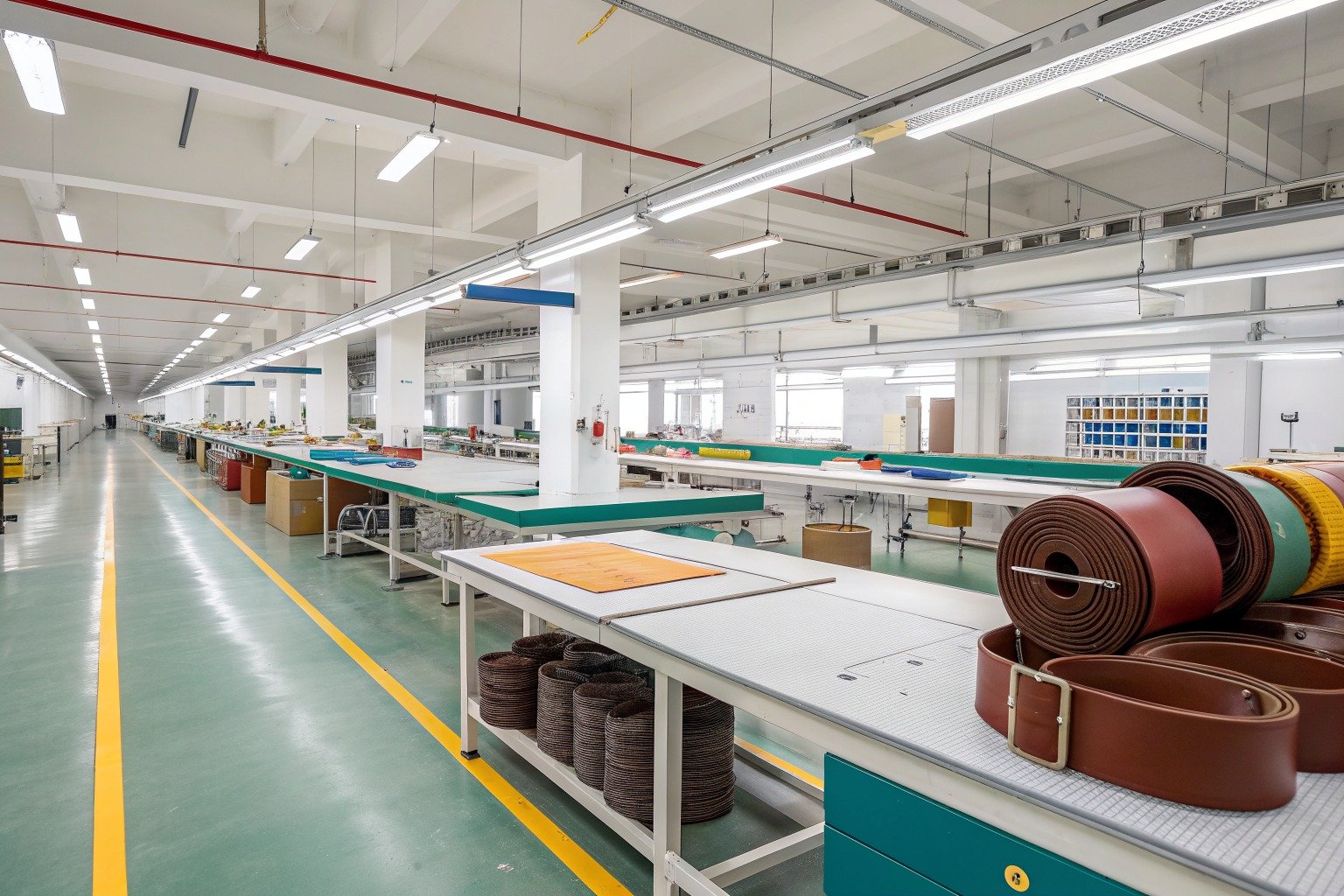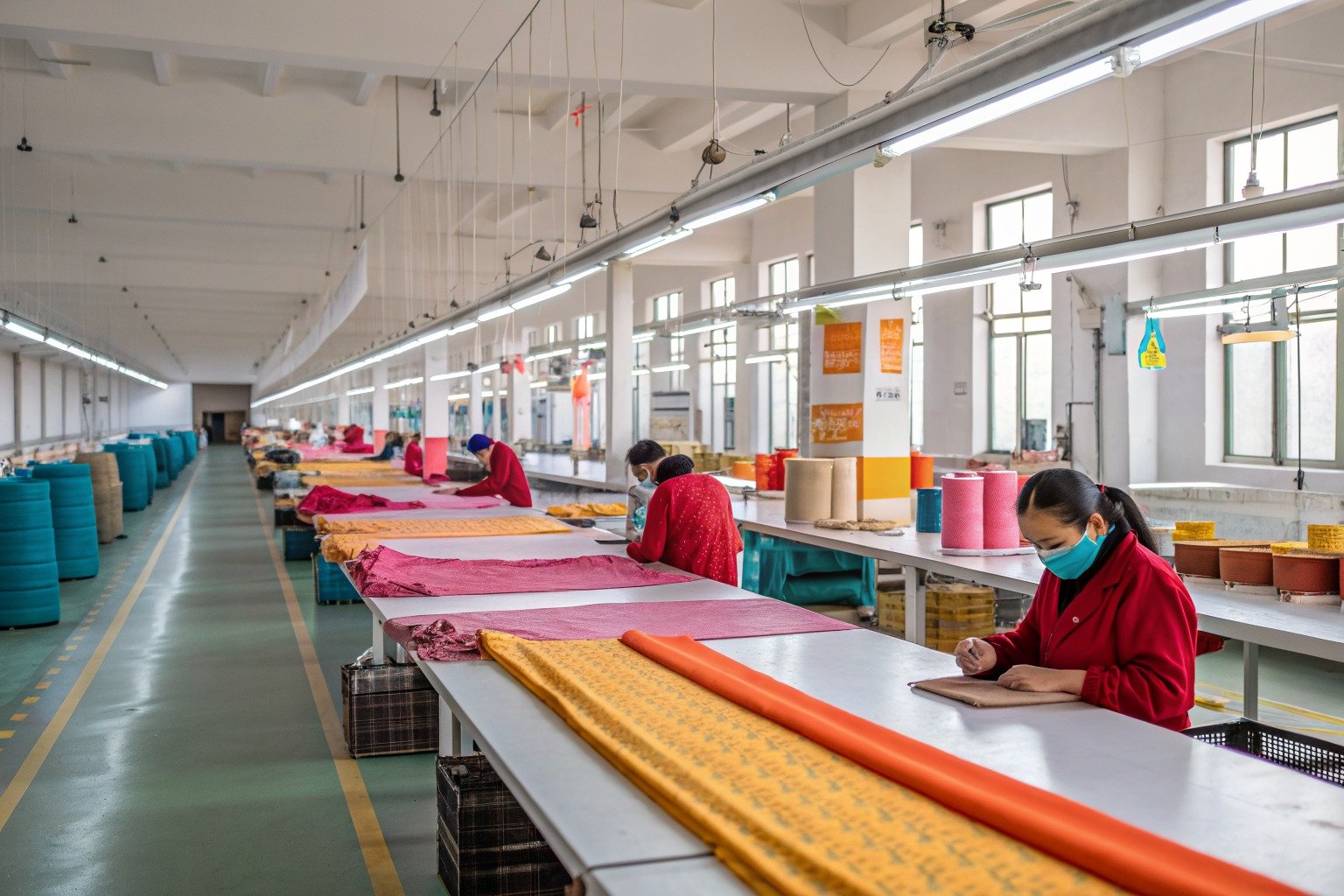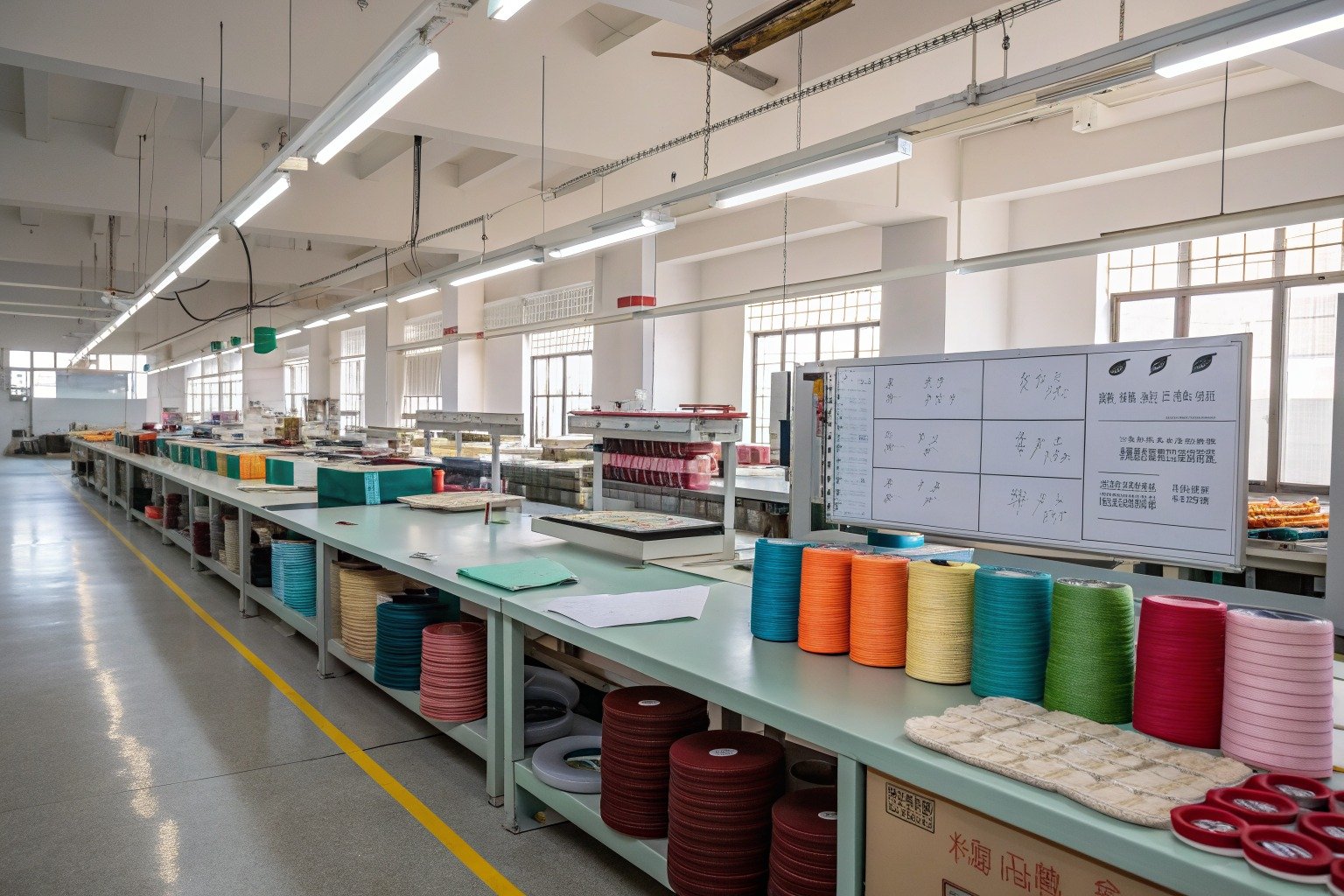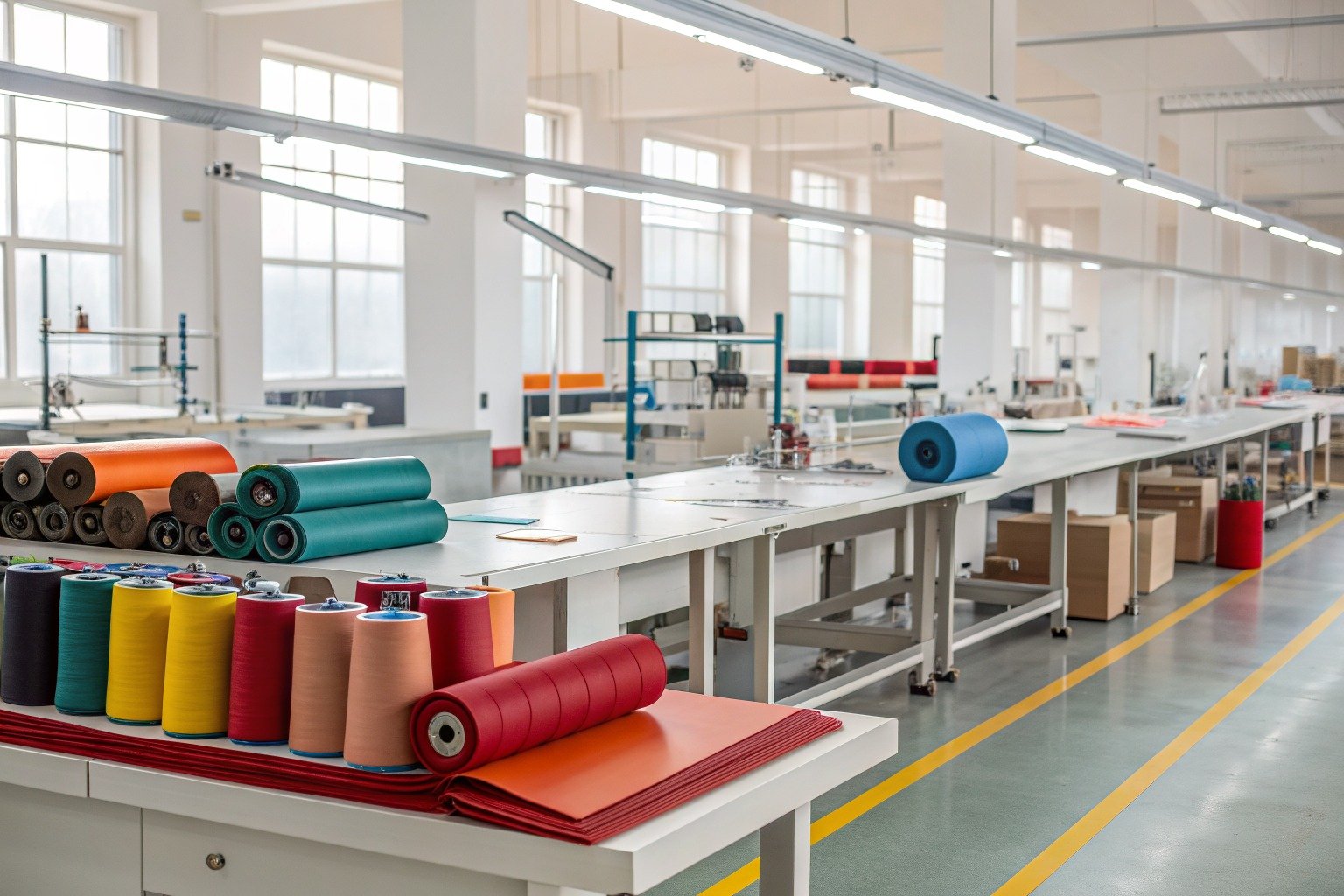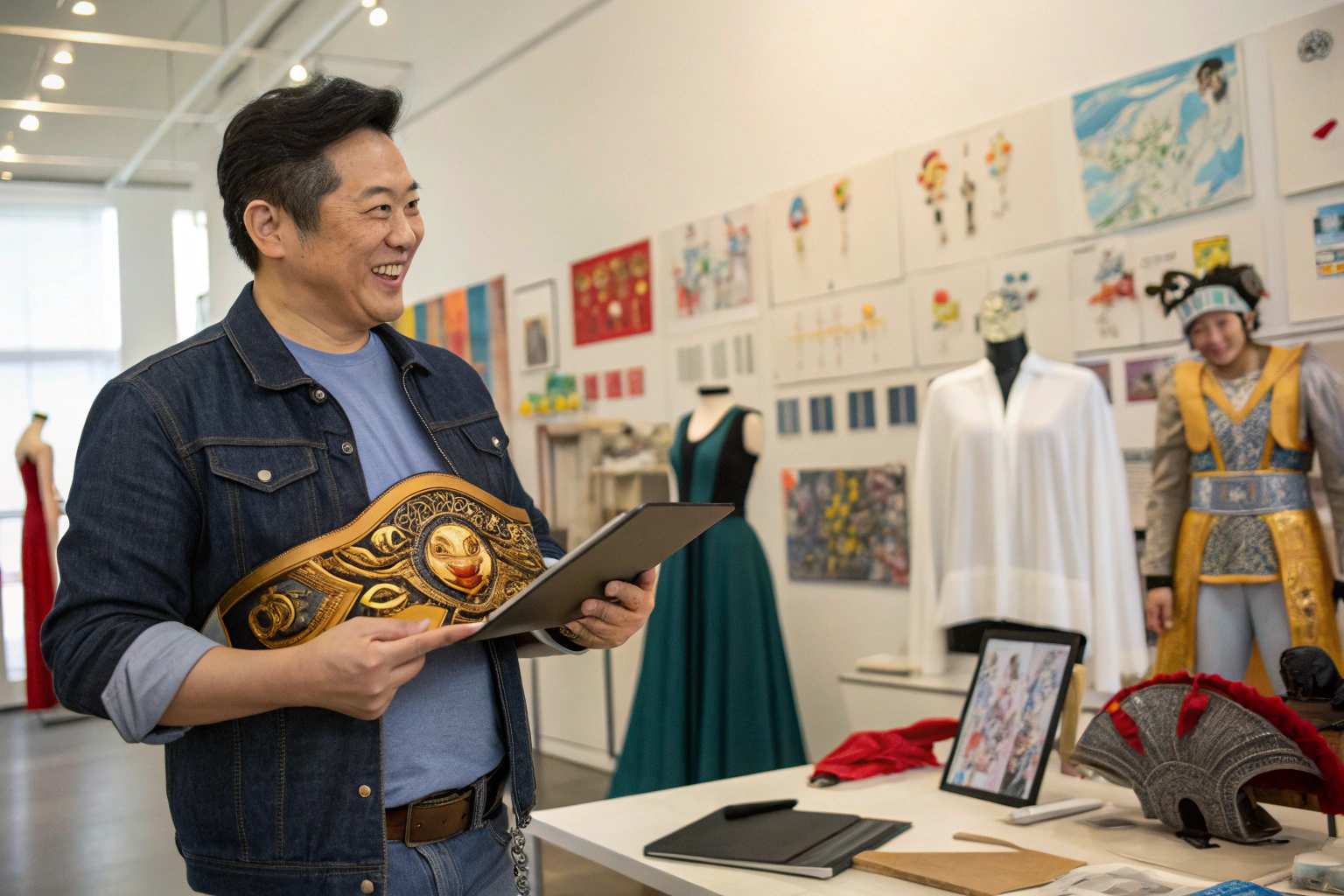
I have to be honest. For many years, we ignored the cosplay market. We thought it was niche, too small, too complicated. We focused on big fashion brands and major retailers. But about eight years ago, a young designer from a small but passionate cosplay group contacted us. She needed a series of highly detailed, accurate belts and gauntlets for a popular video game character. She had been rejected by every large factory she contacted. They told her the quantities were too small and the designs too complex. We decided to help her. That project opened my eyes to a whole new world. A world of incredible passion, obsessive attention to detail, and a community that values quality and accuracy above all else. Today, the cosplay market is a multi-million dollar industry, and we are proud to be a part of it.
Developing accessories for the cosplay and costume market requires a fundamentally different approach than developing for mainstream fashion. It is driven by character accuracy, durability for wear and conventions, and the ability to work with a vast range of materials and techniques. You must be able to translate 2D concept art and screenshots into 3D, wearable objects. You need to master materials like EVA foam, thermoplastics, resins, and specialty fabrics, often combining them in a single piece. You must understand the importance of scale, proportion, and screen-accurate colors. And you must be flexible enough to handle small production runs and custom, one-off pieces, while still maintaining high quality and reasonable costs. It is a challenging but incredibly rewarding market.
At Shanghai Fumao Clothing, we embraced this challenge. We learned new skills, invested in new tools, and built relationships with a community of passionate creators. We now work with individual cosplayers, small prop-making businesses, and even entertainment studios. Let me share what we have learned about this unique and exciting market.
What Makes The Cosplay Market Different From Mainstream Fashion?
If you try to apply the rules of the fashion industry to cosplay, you will fail. The priorities are completely different. A fashion buyer cares about trend, price, and deliverability. A cosplayer cares about accuracy, durability, and the ability to embody a beloved character. Understanding this fundamental difference is the first step to success.
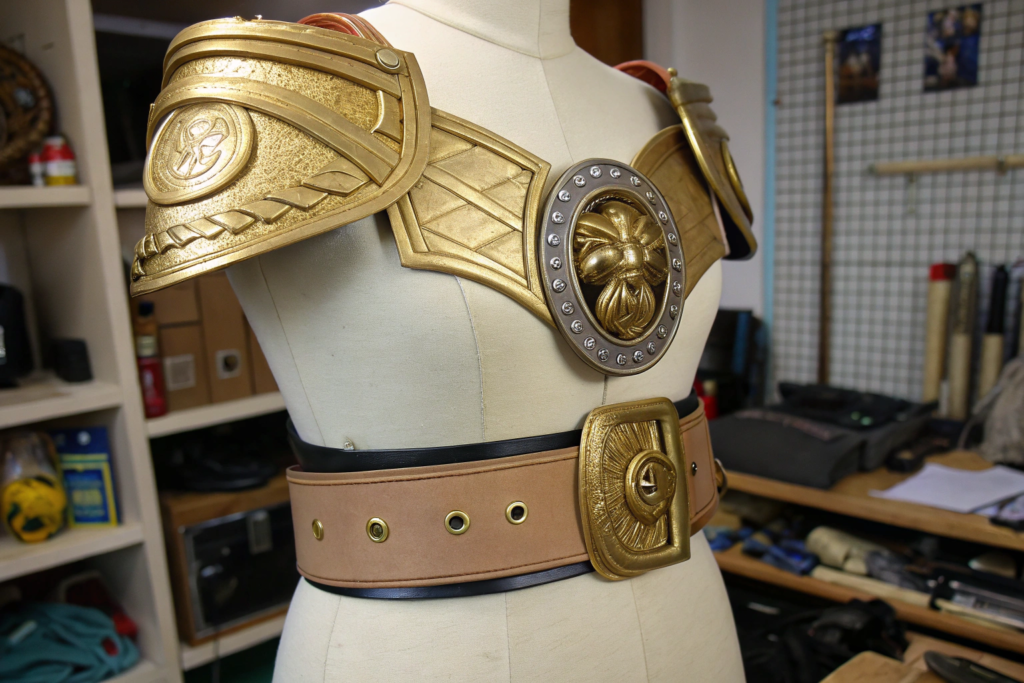
The cosplay market is driven by passion and fandom, not by seasonal trends. Customers are not buying a "look"; they are buying a piece of a character they love. This means accuracy to the source material is the single most important factor. A belt buckle that is the wrong shape, a pauldron in the wrong shade of gold, or a material that looks cheap on screen will be rejected. Durability is also critical. Cosplay accessories are worn for long hours at conventions, during photoshoots, and sometimes in performances. They need to withstand travel and repeated wear. Finally, the market is highly fragmented, with demand for thousands of different characters, often in small quantities. The ability to handle variety and customization is a huge advantage.
Let me give you a concrete example of how this difference plays out. A fashion client might ask for a "gold metal belt." They will accept a range of shades, as long as it looks good with their collection. A cosplay client, however, will send you five screenshots from a video game or movie, taken under different lighting conditions. They will point out the exact shade of gold on the character’s belt in a specific scene. They will want the buckle to be an exact match to the 3D model. They will ask about the thickness of the material and the way it catches the light. This level of detail is not a bother to them; it is the entire point. They are paying for accuracy. If you can deliver that, they will be loyal customers for life. This passion for authenticity is what defines the market.
How Do You Source Reference Material For Character-Accurate Designs?
This is the foundation of any successful cosplay project. The client is usually the best source of reference. They will provide screenshots, concept art, or links to online galleries. However, as a manufacturer, we also need to do our own research. We ask for:
- Multiple angles: Front, back, side, and detail shots of the accessory.
- Scale references: If possible, an image of the character next to an object of known size, or detailed measurements from the client themselves.
- Color references: Screenshots under different lighting conditions. For games, we sometimes ask for screenshots from the game’s character viewer or model viewer, which often have neutral lighting.
- Material references: What does the accessory look like it is made of? Metal, leather, plastic, fabric?
We compile all this into a "reference package" that guides the entire design and production process. This meticulous research is the first step to a great result.
What Are The Most Common Durability Issues For Cosplay Accessories?
Cosplay accessories face unique stresses. Common failure points include:
- Paint chipping: Especially on armor pieces made of foam or plastic that are bumped against walls or other people.
- Strap and buckle failure: The points where an accessory attaches to the body or a costume are under constant stress. Weak straps or poorly attached buckles are a common point of failure.
- Adhesive failure: Pieces that are glued together can separate, especially in heat or humidity (common at conventions).
- Material fatigue: Thin pieces of plastic or foam can crack or break after repeated flexing.
To combat this, we use high-quality, flexible paints designed for plastics and foams. We reinforce stress points with extra material or stronger stitching. We use industrial-grade adhesives that are tested for flexibility and strength. And we design with the end use in mind, ensuring that moving parts have enough clearance and that thin sections are reinforced.
What Materials Are Essential For Cosplay Accessory Development?
The material palette for cosplay is vastly different from mainstream fashion. You are not just working with fabrics and leathers. You are working with materials that can be shaped, sculpted, and painted to look like metal, stone, plastic, or even organic matter. Mastering these materials is essential.
The essential materials for cosplay accessory development are EVA foam, thermoplastics like Worbla, and various resins for casting. EVA foam, often called "craft foam," is the workhorse of cosplay. It is lightweight, easy to cut and shape with heat, and can be sealed and painted to look like almost anything. Thermoplastics like Worbla become moldable when heated and are used for creating hard, durable armor pieces. Resins are used for casting small, detailed parts like buckles, gems, and insignias. These materials are often combined with traditional sewing skills to attach them to fabric bases. A successful cosplay accessory manufacturer must be proficient in working with all of these materials.
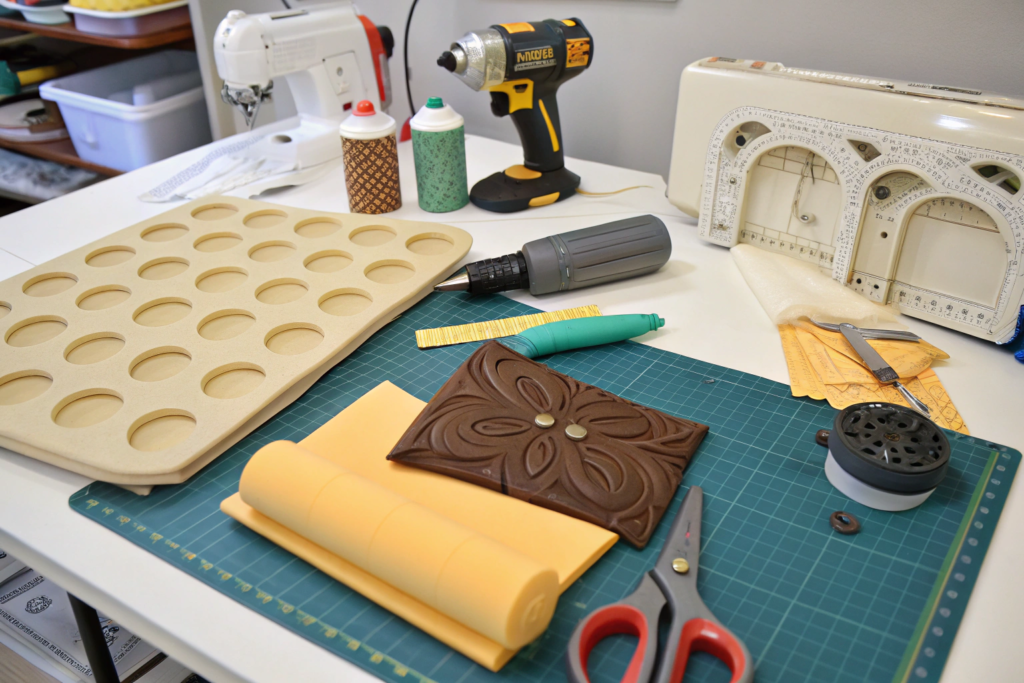
- EVA Foam: This is a closed-cell foam that comes in sheets of varying thicknesses (2mm to 10mm). It can be cut with a knife or scissors, shaped with a heat gun, and glued with contact cement. After shaping, it is sealed with a heat sealer or a coat of water-based sealant like Plasti Dip or Mod Podge. Then it can be primed and painted with acrylic paints to look like metal, leather, or any other material. It is perfect for armor, weapons, and large structural pieces.
- Worbla and Other Thermoplastics: These are sheets of plastic that become pliable when heated (with a heat gun or in hot water). They can be molded over forms or directly onto the body. When they cool, they become rigid and very durable. They are excellent for creating highly detailed, hard-shell armor pieces, gauntlets, and helmets. They can be sanded, primed, and painted for a very realistic finish.
- Resins (Polyurethane, Epoxy): For small, detailed, and identical parts, resin casting is the way to go. We create a silicone mold from a master pattern (which we might sculpt or 3D print), and then cast multiple copies in resin. This is perfect for things like belt buckles, decorative gems, buttons, and small insignias that need to be identical across multiple accessories.
The combination of these materials, along with traditional sewing and leatherworking skills, allows us to create virtually any accessory imaginable. This material versatility is our greatest strength in this market.
What Is EVA Foam And Why Is It So Popular For Cosplay?
EVA foam (Ethylene-Vinyl Acetate) is a soft, flexible, and lightweight foam. Its popularity in cosplay comes from its incredible versatility. It is easy to work with, requiring no special equipment beyond a craft knife and a heat gun. It can be shaped into complex curves by heating it. It can be layered to build up thickness. It can be textured by carving or stamping. And most importantly, when properly sealed and painted, it can be made to look convincingly like metal, wood, leather, or stone. It is also relatively inexpensive, which is important for creators who are often making large, elaborate costumes. For these reasons, it has become the foundation material for armor and prop making.
When Should You Use 3D Printing Versus Traditional Sculpting?
This is a modern dilemma. Both methods have their place.
- 3D Printing: Ideal for parts with complex, geometric, or highly symmetrical shapes. If the accessory is based on a 3D model from a video game, 3D printing can achieve incredible accuracy. It is also excellent for creating a master pattern for resin casting, as you can print one perfect copy and then mold it. The downsides are the cost of equipment and materials, the need for 3D modeling skills, and the layer lines that often need sanding and filling.
- Traditional Sculpting (with clay or foam): Ideal for organic shapes, one-of-a-kind pieces, and when you want a more hand-crafted look. It requires a different set of skills (sculpting), but can be faster for certain types of designs. It is also very accessible, requiring only basic tools and materials.
At our facility, we use both. We have a small 3D printing farm for creating detailed masters and for direct printing of parts for clients. We also have skilled sculptors who work in clay and foam. The choice depends entirely on the design and the client’s needs.
How Do You Achieve Screen-Accurate Colors And Finishes?
This is where the artistry of cosplay truly shines. Shaping the accessory is only half the battle. The other half is painting and finishing it to look exactly like the character on screen. This is a complex process that involves priming, base coating, shading, highlighting, and weathering.
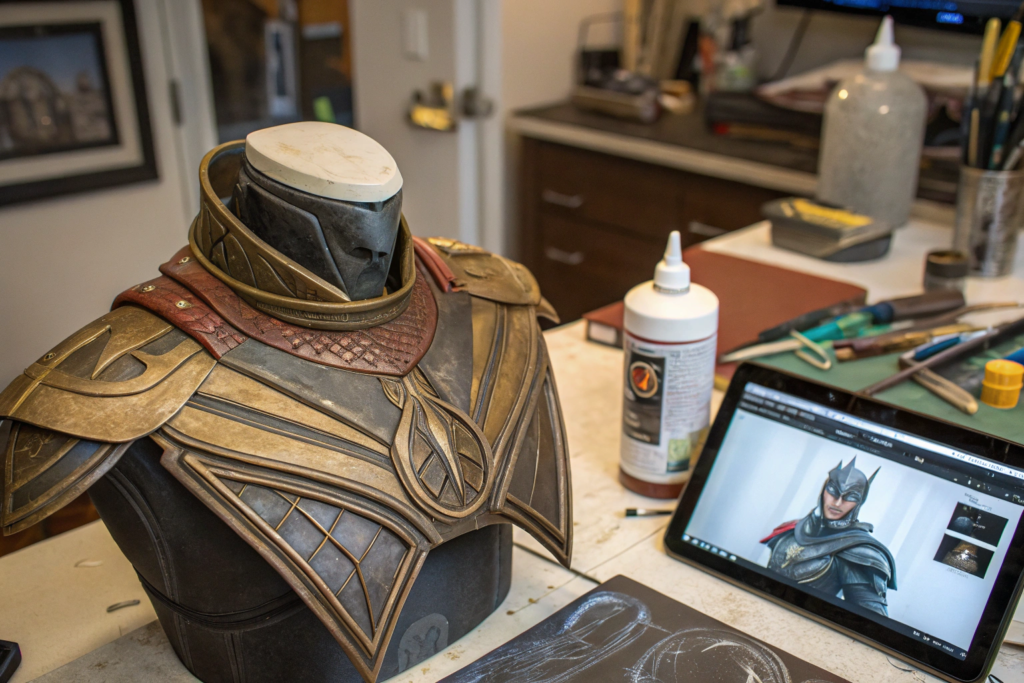
Let me walk you through a typical painting project for a metallic armor piece. First, we seal the EVA foam with a flexible sealant like Plasti Dip. This creates a smooth, paintable surface and prevents the foam from absorbing too much paint. Then we apply a black or dark grey primer. For a metallic finish, we might then do a "base coat" of a dark metallic paint. Next, we apply a "color coat" of something like gold or silver. But we do not stop there. To make it look real, we then apply a dark wash (very thinned-down dark paint) that flows into all the crevices, creating shadow and depth. Then, we do a technique called "dry brushing." We load a brush with a much lighter metallic color, wipe almost all of it off on a paper towel, and then lightly brush it over the raised edges. This creates the effect of light hitting the highlights, where real wear would occur. Finally, we might add some subtle weathering with a sponge and some dark brown or black paint to simulate dirt and scratches. This layering of techniques transforms a piece of foam into a piece of metal.
What Is "Weathering" And Why Is It Important?
Weathering is the art of making a new object look old, worn, and used. In the context of cosplay, it is incredibly important because most characters in games, movies, and comics are not pristine. They are adventurers, warriors, or survivors. Their gear shows the marks of their journey. A sword that looks like it just came off a factory shelf is less convincing than one with nicks, scratches, and a slightly dulled blade. Weathering adds a layer of realism and storytelling to a costume. It can involve adding scratches with a fine brush, creating rust effects with sponges and paint, dry-brushing for edge wear, or using pigments to simulate dust and dirt. A well-weathered accessory looks like it has a history, a life of its own.
How Do You Match Paint Colors To A Digital Source?
Matching a color from a screen to a physical paint is a challenge. Screens display color with light (RGB), while paints are physical pigments. There will always be a slight difference. Our process is:
- Extract Reference: We take the clearest screenshots provided by the client.
- Digital Analysis: We use photo editing software to sample the color values in the image. This gives us a digital target.
- Paint Mixing: We use high-quality acrylic paints and mix to approximate the target. We start with a base color from a manufacturer like Vallejo or Citadel, which are popular in the cosplay and miniature painting communities.
- Test and Adjust: We paint a small swatch on a piece of primed material (the same as the final accessory). We compare it to the digital image under good lighting. We adjust the mix until the client approves.
- Record the Recipe: Once approved, we record the exact mix (e.g., "3 parts Vallejo Gold, 1 part Citadel Silver, a touch of Brown Wash") so we can reproduce it exactly for production.
This systematic approach ensures consistency and accuracy.
How Do You Handle The Wide Variety Of Sizes And Scales?
One of the biggest challenges in cosplay accessory development is sizing. A character might be 6 feet tall in the movie, but the person wearing the costume could be 5’2" or 6’5". The accessory must be scaled to fit the individual wearer while still looking accurate and proportional to the character. This requires a flexible approach to design and production.
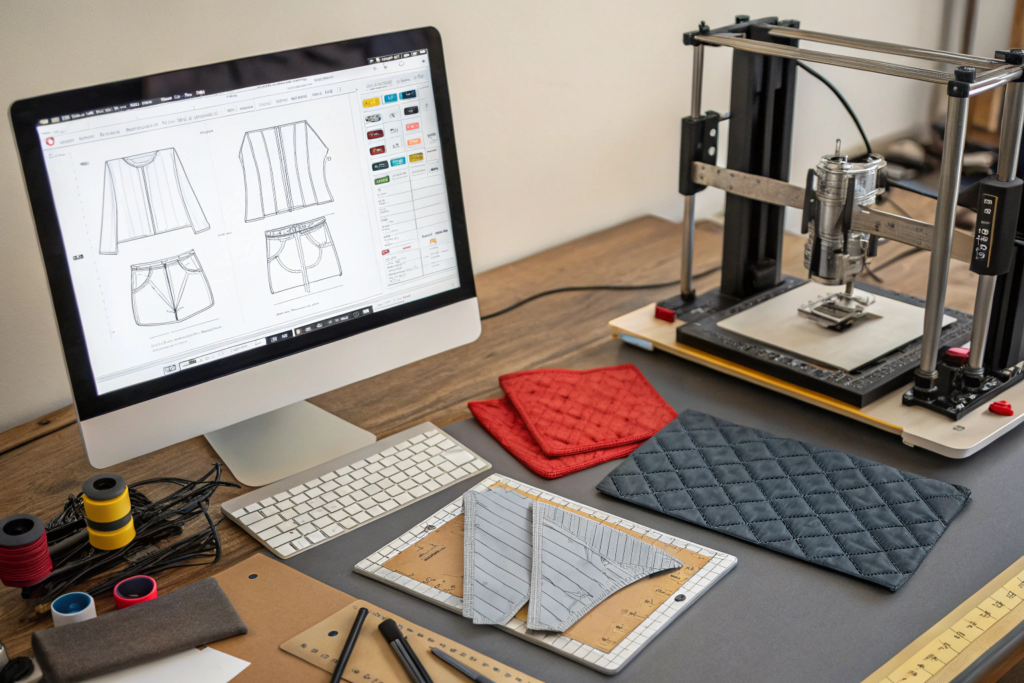
Handling the wide variety of sizes and scales requires a design approach that allows for easy customization. For many accessories, we create a "master pattern" at a standard scale, but we build in the ability to resize it. For foam and fabric-based accessories, we can adjust the pattern dimensions in our design software and then cut new pieces. For 3D-printed or cast parts, we can scale the 3D model up or down in the software before printing. The key is to have a system that allows us to create a unique, perfectly fitting piece for each individual client without having to redesign from scratch every time. We also provide detailed measuring guides to clients so they can give us accurate dimensions for their body.
Let’s use a simple example: a leather belt with a large, detailed buckle. The buckle itself is a fixed size; it cannot be scaled too much or it will look wrong. However, the length of the belt strap is completely customizable based on the wearer’s waist measurement. For a more complex item like a set of armor pauldrons (shoulder pieces), the entire thing must be scaled. A larger person needs larger pauldrons, but the proportions of the design must remain the same. We use vector-based design software for our foam patterns. We can take the master pattern and scale it up or down by a percentage, maintaining all the proportions. For 3D-printed parts, we use 3D modeling software to scale the entire model. We always ask clients for key measurements (like shoulder width, arm circumference, head circumference) and use those to determine the correct scale. This custom sizing service is a huge value-add for our cosplay clients.
How Do You Provide Measuring Guides To Clients?
Clear, simple measuring guides are essential to avoid mistakes. We provide clients with illustrated guides that show exactly where to measure. For example:
- For a helmet: Head circumference (at the widest point, just above the eyebrows and ears). We also sometimes ask for head length and width for a more custom fit.
- For a belt: Waist or hip circumference, depending on where the belt will be worn.
- For a gauntlet/vambrace: Forearm circumference (at the widest point) and length from wrist to elbow.
- For pauldrons/shoulder armor: Shoulder width (from the base of the neck to the point of the shoulder) and upper arm circumference.
We ask clients to use a soft measuring tape and to measure over the clothing they will wear with the costume, not over bare skin. We also encourage them to send us photos of their measurements if they are unsure. This attention to detail prevents costly resizing errors.
What Is The Difference Between Scaling For A Child And An Adult?
Scaling for a child is not simply a matter of making everything smaller. Proportions change. A child’s head is larger in proportion to their body than an adult’s. Their limbs are shorter. If you simply scale an adult-sized armor piece down by 20%, it may not fit or look right on a child. It might be too narrow in the shoulders or too long in the arms. The best approach is to have a separate, child-specific pattern or 3D model that takes these proportional differences into account. For custom pieces, we ask for the child’s measurements and then scale the design from there, but we also apply our knowledge of child proportions to ensure a good fit and a believable look.
Conclusion
For a buyer like Ron, or any brand or individual looking to enter the cosplay market, the opportunity is vast and the community is incredibly rewarding to work with. But it requires a different mindset, a different skill set, and a different business model than mainstream fashion. It is about passion, accuracy, and personalized service. It is about being willing to take on challenges that larger factories avoid.
At Shanghai Fumao Clothing, we have embraced this world. We have learned to work with EVA foam and thermoplastics alongside our traditional fabrics. We have mastered the art of weathering and screen-accurate painting. We have built a workflow that handles one-off customs with the same care as small production runs. We are proud to be a partner to the incredible, creative cosplay community.
If you have a character in mind and need accessories that are accurate, durable, and beautifully made, I would love to hear from you. Let’s discuss your vision and how we can bring it to life. Please contact our Business Director, Elaine, at elaine@fumaoclothing.com to start the conversation.