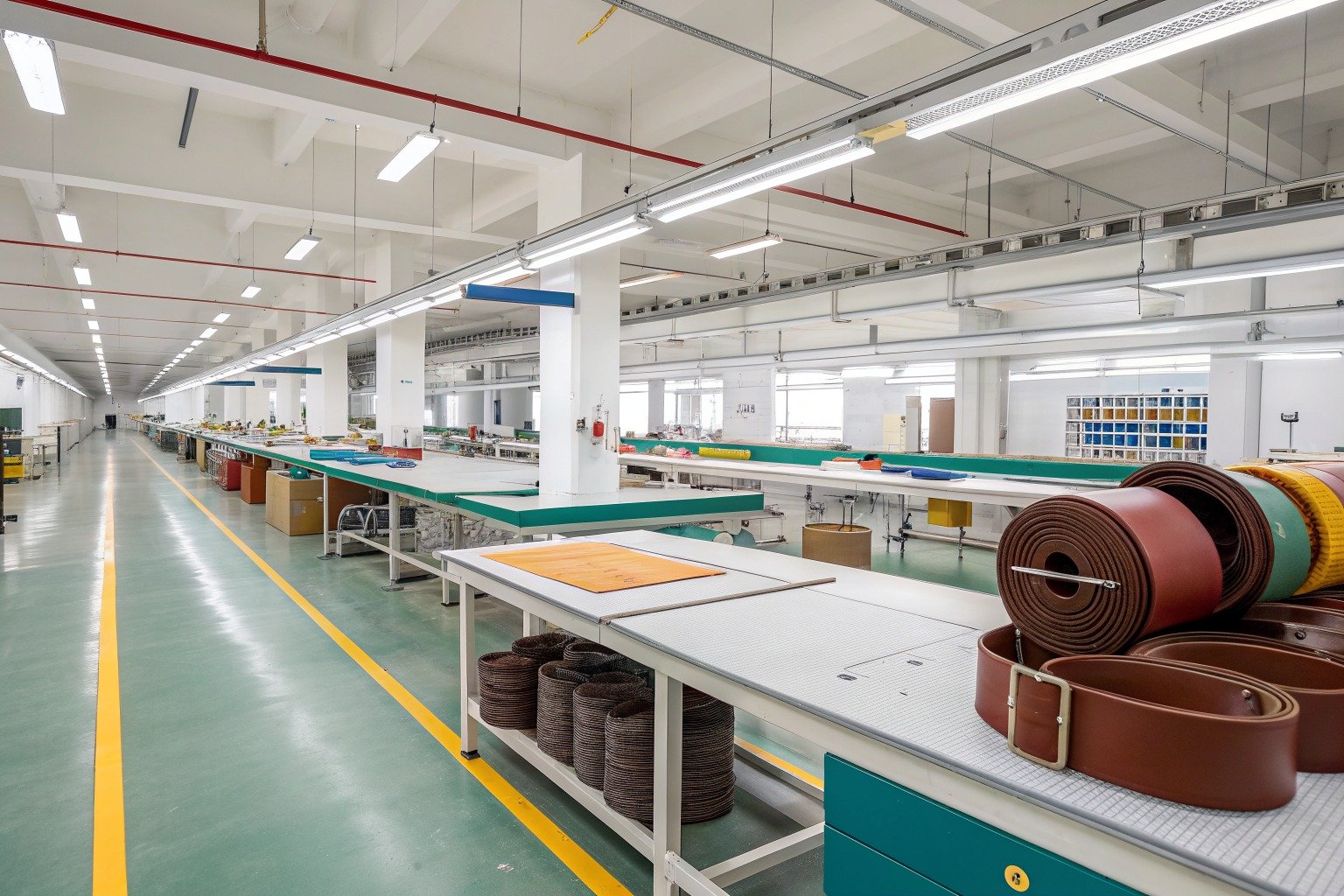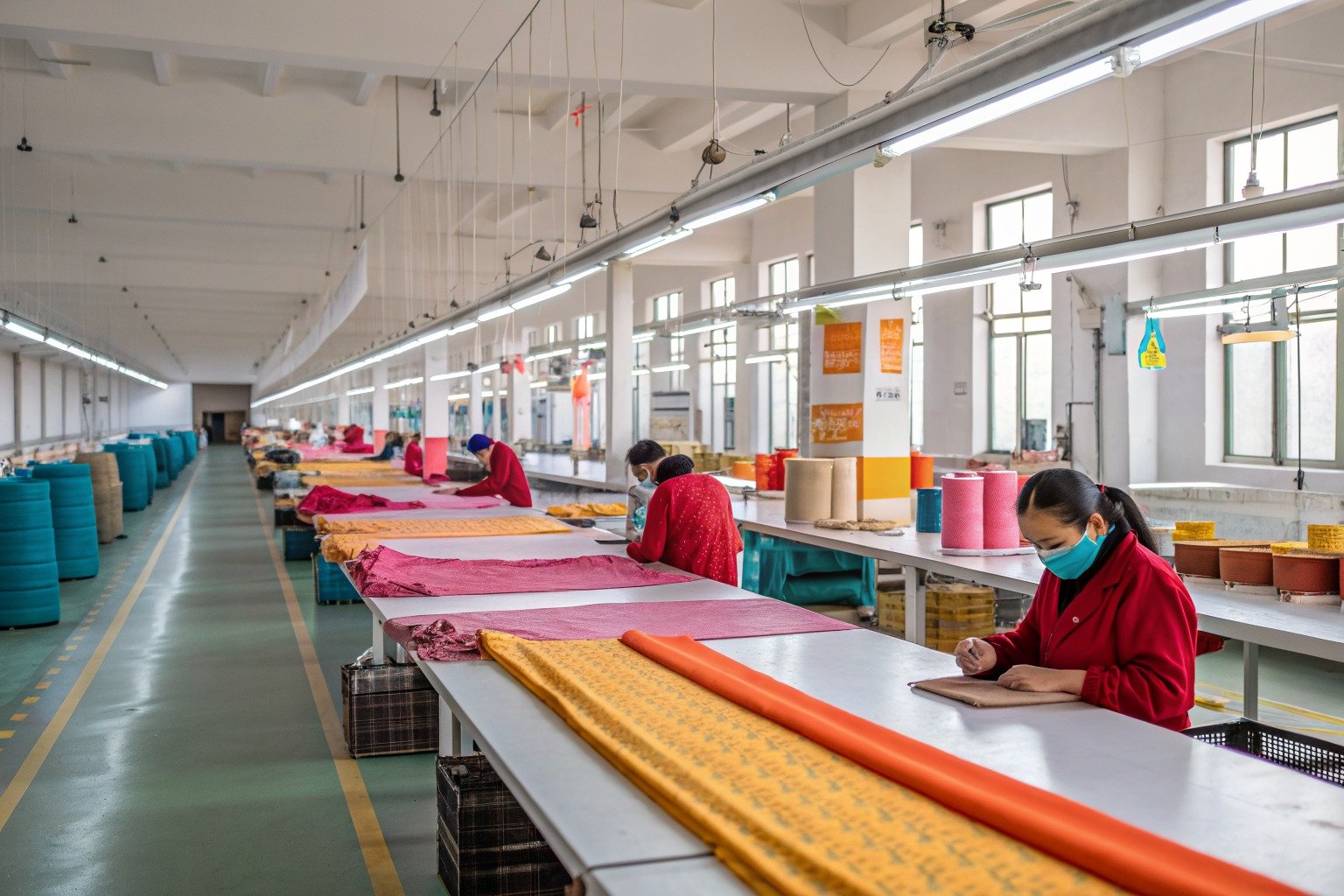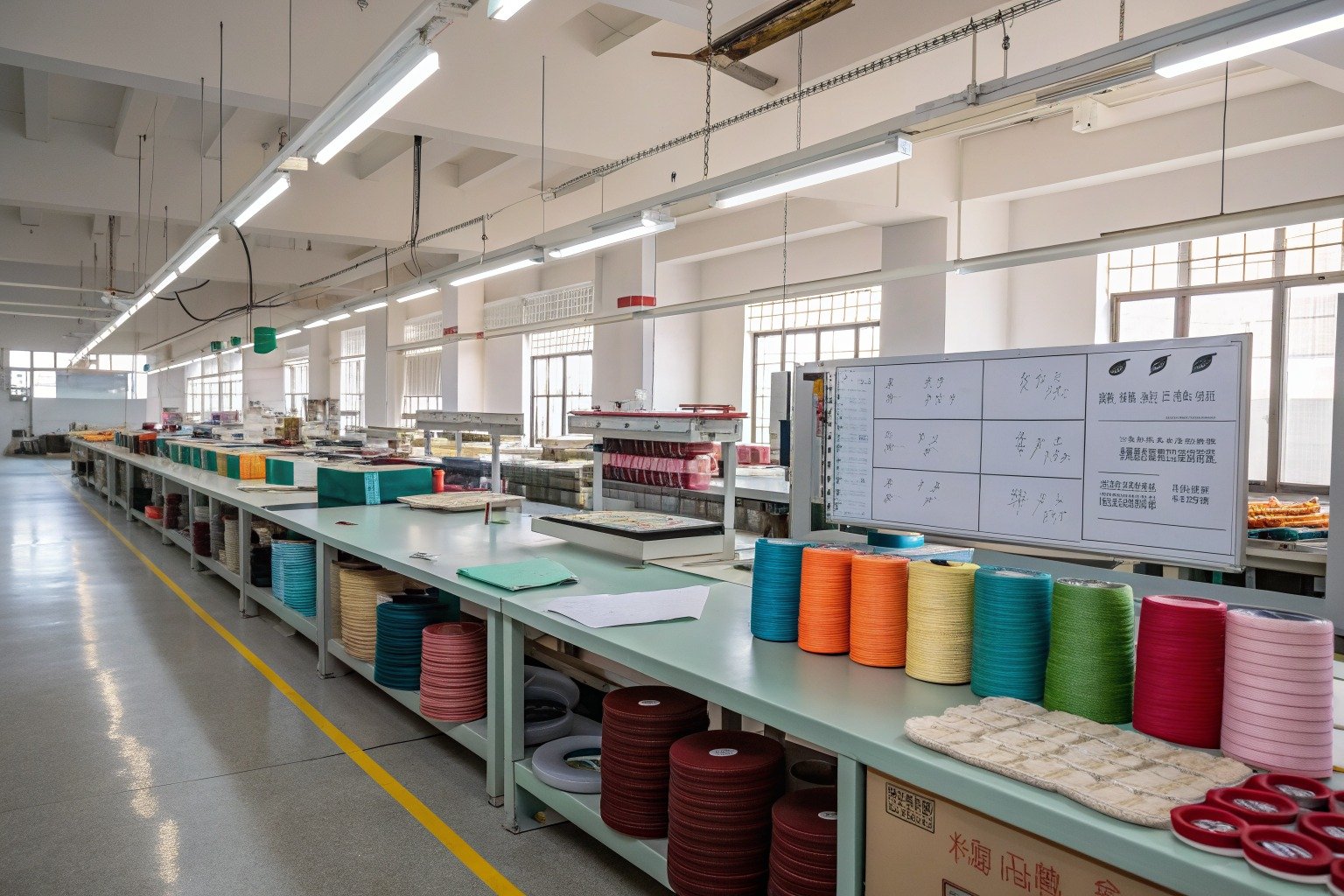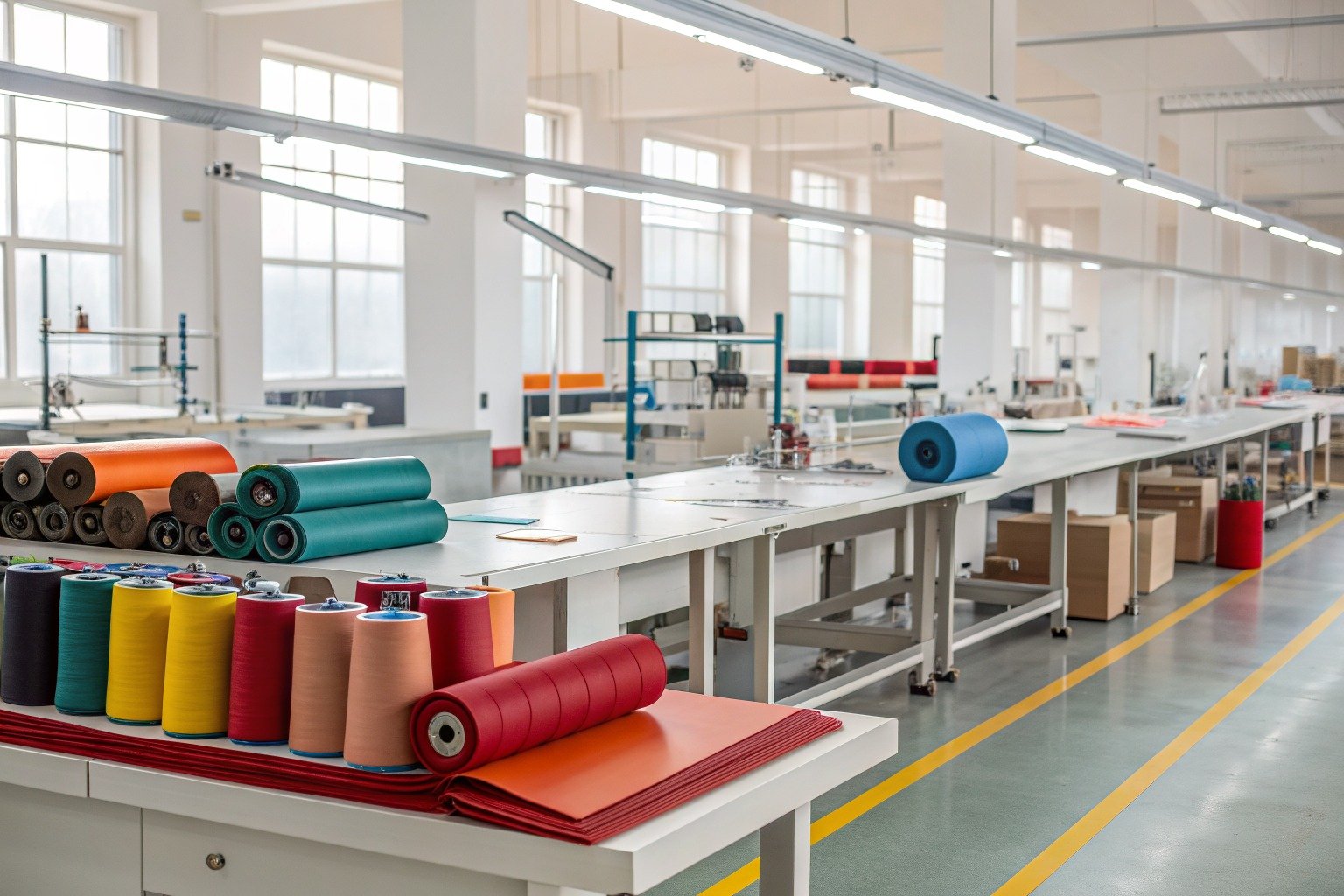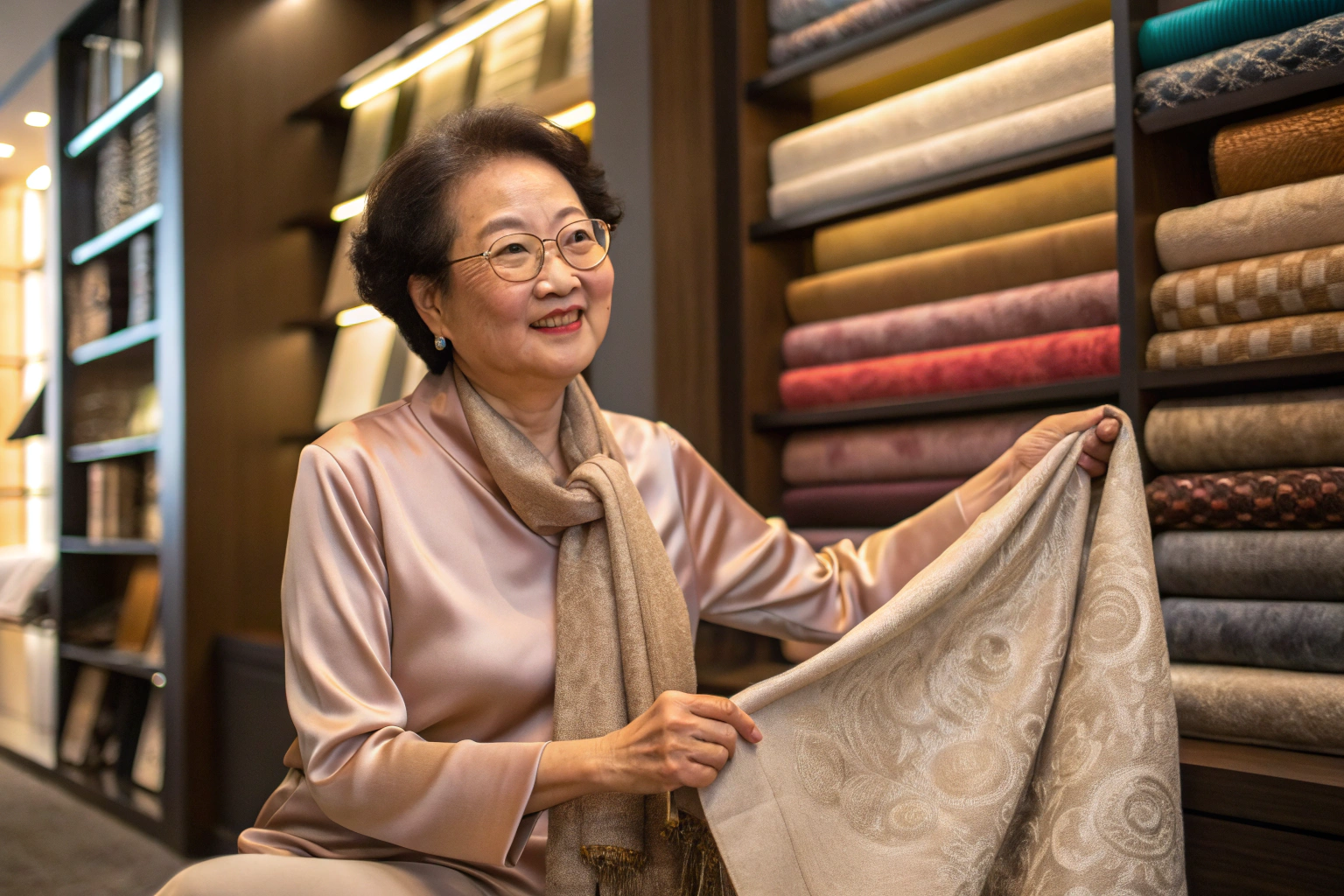
I still remember a conversation I had with a buyer from a major department store years ago. She held one of our scarf samples and said, "It looks beautiful. The color is perfect. The pattern is exactly what we wanted. But…" She paused and rubbed the fabric between her fingers. "It does not feel right. My customers will know. They will feel it, and they will put it back on the shelf." That moment taught me something I have never forgotten. With scarves, the look gets the attention, but the feel gets the sale. Softness is not just a nice-to-have. It is the foundation of customer satisfaction.
Ensuring scarves are made with soft and comfortable fibers requires a multi-step approach that starts with raw material selection and continues through to final finishing. You must choose the right fiber type, whether natural like cashmere and modal or engineered like microfiber and TENCEL. You need to verify the fiber quality through physical touch and lab testing. And you must control the manufacturing processes, from spinning to weaving to finishing, to preserve and enhance that softness. Every step matters, and cutting corners at any stage will result in a scarf that fails the "touch test."
At Shanghai Fumao Clothing, we have made it our mission to understand softness. Our design team and quality control team work together to select fibers, test materials, and refine processes. We know that for our clients, like major European and American brands, a scarf’s feel is directly tied to their brand’s reputation for quality. Let me walk you through exactly how we ensure every scarf we ship passes the most important test of all: the human touch.
What Fiber Types Are Known For Ultimate Softness In Scarves?
The journey to a soft scarf begins long before any fabric is cut. It begins with a choice: what fiber will this scarf be made from? The fiber is the foundation. If you start with a rough, scratchy fiber, no amount of processing will turn it into a truly soft scarf. You must choose the right raw material for the feel you want to achieve.
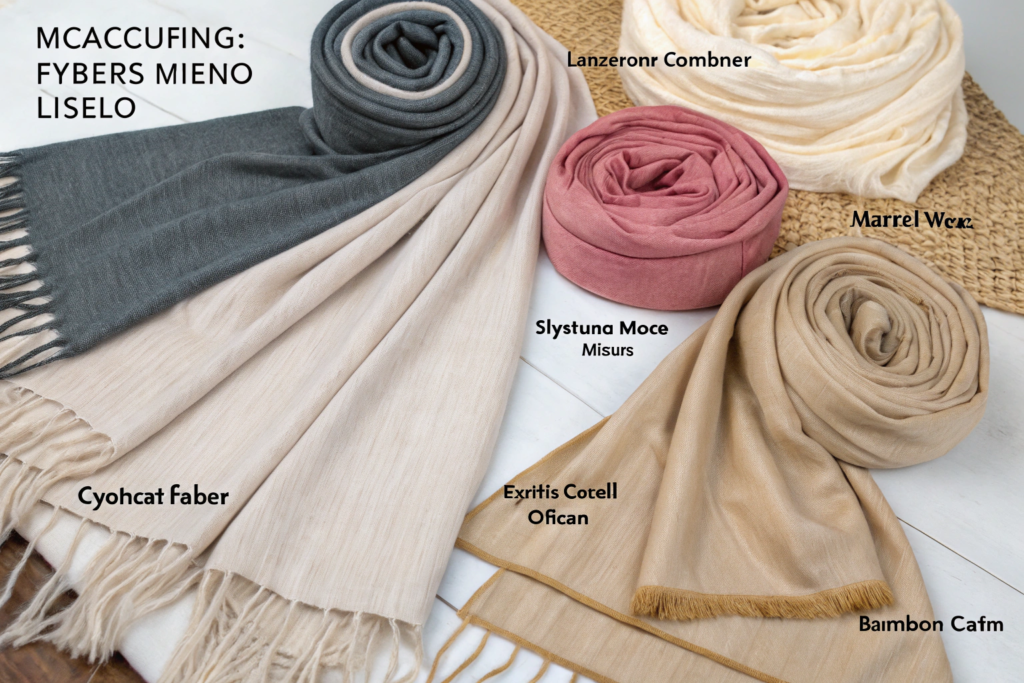
The fibers most renowned for softness in scarves fall into two categories: luxurious naturals and advanced synthetics. In the natural world, cashmere, merino wool, modal, and fine cottons like Egyptian Giza are prized for their incredibly soft hand feel. In the synthetic world, microfiber polyester, TENCEL lyocell, and blends with modal or bamboo viscose can achieve a softness that rivals, and sometimes exceeds, natural fibers. Each fiber has its own characteristics in terms of warmth, drape, breathability, and care requirements. The best choice depends on the scarf’s intended use and price point.
Let me give you a more personal view of these fibers. I have worked with them all. Cashmere from Inner Mongolia is the king of softness, but it comes with a high price and requires delicate care. Merino wool is much softer than traditional wool and is excellent for breathable, warm scarves. Modal, made from beech tree pulp, has a silky, almost liquid feel and drapes beautifully. On the synthetic side, microfiber polyester can be engineered to be incredibly soft, often used in "silky feel" scarves, and it is durable and easy to care for. TENCEL, which is a branded form of lyocell, is a sustainable option made from wood pulp. It is soft, breathable, and has a wonderful drape. We keep samples of all these fibers in our studio so clients can feel the difference for themselves. It is the best way to decide.
How Can You Tell The Difference Between High-Quality And Low-Quality Cashmere?
Cashmere is a perfect example of why fiber quality varies so much. Not all cashmere is created equal. The key factors are the fiber diameter and length. High-quality cashmere uses fibers that are very fine, typically under 15.5 microns. This is what creates that signature soft, buttery feel. Lower-quality cashmere uses thicker fibers, which feel scratchier. Also, the length of the fibers matters. Long fibers create a smooth, strong yarn. Short fibers lead to pilling. A simple touch test can tell you a lot. Good cashmere feels uniformly soft and smooth. Cheap cashmere might have a slightly prickly feel. We also rely on lab reports from our suppliers that specify the micron count and fiber length. This data is our guarantee of quality. For a truly luxurious cashmere scarf, we insist on the finest grade.
What Makes TENCEL And Modal Fibers So Incredibly Soft?
TENCEL and modal are both made from natural wood cellulose, but they are processed differently. The magic is in the production. The wood pulp is dissolved in a non-toxic solvent and then extruded through tiny holes to form fibers. This process creates fibers that are extremely uniform in shape and have a very smooth surface. Unlike cotton, which has a ribbon-like shape with rough edges under a microscope, TENCEL and modal fibers are round and smooth. This smoothness translates directly to the fabric’s softness against the skin. They also have excellent moisture absorption, which adds to the comfort. We often recommend TENCEL scarves to clients who want a sustainable, eco-friendly option that still delivers a luxurious, silky feel without the high cost of silk.
How Do Fabric Construction And Weave Affect Softness?
You can have the softest yarn in the world, but if you weave it into a tight, stiff fabric, the resulting scarf will not feel soft. The way the yarn is constructed and the way the fabric is woven or knitted has a huge impact on the final hand feel. It is like cooking. The best ingredients can be ruined by bad preparation.
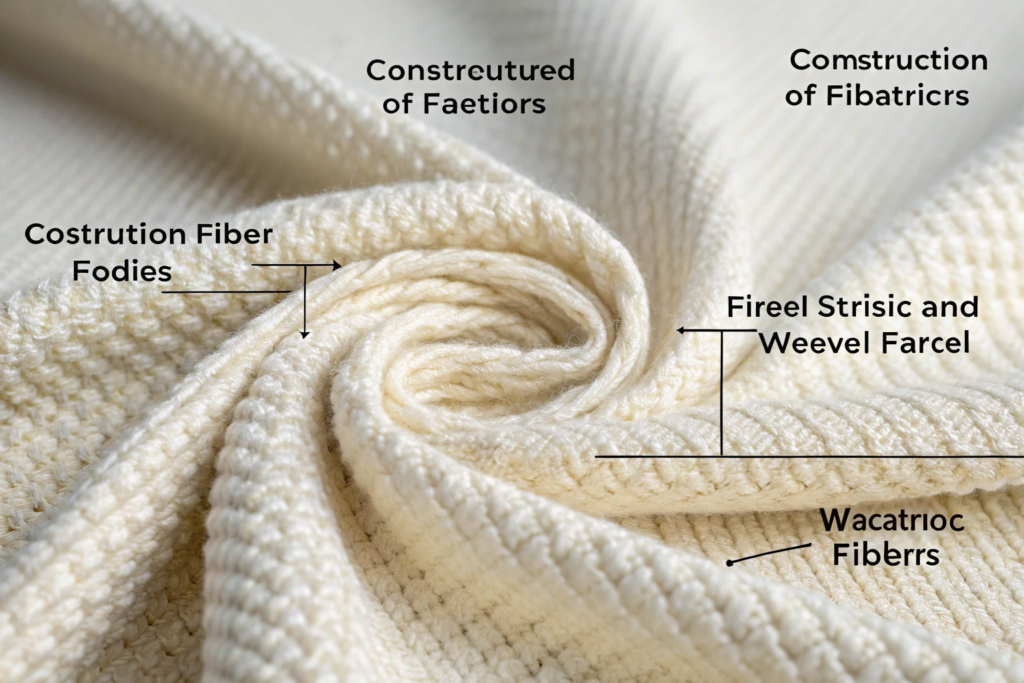
The construction of the fabric determines how the fibers are arranged and how much they can move. For maximum softness, we look at both yarn structure and fabric weave. A loosely twisted yarn creates more air pockets and a plusher feel. Weaves like plain weave are simple and stable, while twill weaves add a soft drape. Knitted fabrics, like those used for jersey scarves, are inherently softer and more flexible than wovens because of their looped structure. Brushing or napping the surface after weaving can also dramatically increase softness by raising fine fibers to create a fuzzy, cozy texture. The choice of construction is a powerful tool for engineering softness.
I often explain this to clients using a simple analogy. Think of the yarn as a rope. A tightly twisted rope is hard and stiff. A loosely twisted rope is soft and flexible. The same is true for yarn. For scarves, we often use a low-twist yarn because it allows the individual fibers to spread out and feel softer against the skin. Then, the weave. A plain weave is the simplest, with threads going over and under. It is stable but can be stiff. A twill weave, with its diagonal pattern, has longer floats of yarn on the surface, which gives it a softer drape and feel. For the ultimate in softness, brushed or napped fabrics are hard to beat. Think of a classic flannel scarf. The brushing process raises a fine layer of fibers to the surface, creating a soft, fuzzy texture. This is a finishing step that adds cost but can transform a fabric’s feel.
Why Does A Loosely Woven Scarf Often Feel Softer?
It is about freedom of movement. In a loosely woven fabric, the yarns have more space to shift and move against each other. This creates a fabric that is more pliable and drapes more easily. When you touch it, your fingers can press the yarns aside slightly, which feels soft and giving. In a tightly woven fabric, the yarns are locked in place. The fabric feels more rigid and papery. However, there is a trade-off. A very loose weave might not be as durable or warm. For a lightweight summer scarf, a loose weave is perfect. For a winter scarf that needs to block the wind, a tighter weave might be necessary, and we would rely more on fiber choice and brushing for softness.
What Is The Difference In Softness Between Woven And Knitted Scarves?
This is a fundamental difference. Woven scarves are made on a loom with two sets of yarns (warp and weft) crossing at right angles. The resulting fabric is generally stable, less stretchy, and can be made in countless patterns. The softness depends heavily on the yarn and the weave density. Knitted scarves, on the other hand, are made by interlocking loops of yarn. Think of a hand-knit scarf or a jersey fabric. The looped structure is inherently more flexible and gives the fabric more stretch and give. This usually translates to a softer, cozier feel right from the start. Chunky knit scarves are a perfect example. Many customers prefer knitted scarves for winter because they feel warmer and softer against the neck. Woven scarves, like silk or fine cotton scarves, offer a different kind of softness, often described as smooth and sleek. The choice depends on the look and feel you are aiming for.
What Chemical And Mechanical Finishing Processes Enhance Softness?
The raw fiber is chosen. The yarn is spun. The fabric is woven. At this stage, the fabric is often called "grey goods." It is functional, but it is not yet the soft, luxurious product you imagine. To get there, it needs to go through finishing. This is where science and art come together to transform fabric.
Finishing processes are the final, crucial steps that can dramatically enhance a scarf’s softness. Mechanical finishes like brushing, sanding, or calendering physically alter the fabric’s surface to make it softer and smoother. Chemical finishes, often called "softeners," coat the fibers with lubricating agents that reduce friction and create a silky, slick hand feel. The best results often come from a combination of both. For example, a brushed finish raises the fibers, and then a chemical softener makes those raised fibers feel incredibly silky. These processes require expertise to apply correctly without damaging the fabric or causing it to yellow or lose strength.
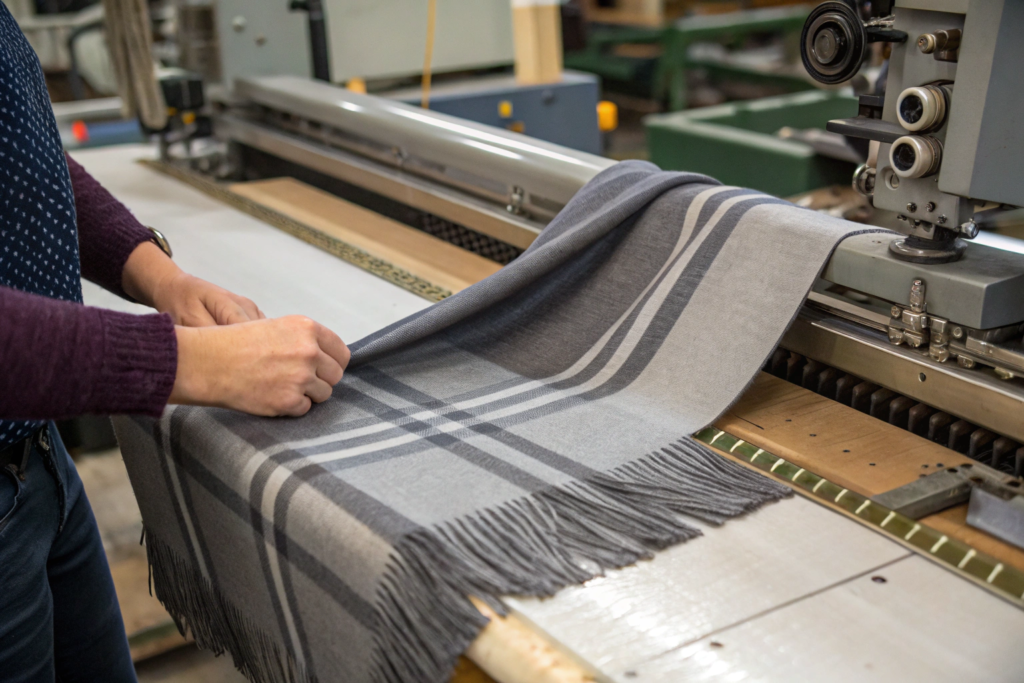
Let me describe a few of these processes in more detail. Brushing or napping involves passing the fabric over rotating cylinders covered in fine metal wires or teasels. These wires gently pull the ends of the fibers to the surface, creating a soft, fuzzy nap. This is what gives flannel and some wool scarves their cozy feel. Sanding is similar but uses abrasive rollers to create a very fine, peach-skin texture, often on cotton or synthetics. Calendering is a process where fabric is passed between heated rollers under pressure. This can flatten the fabric and give it a smooth, shiny finish, like moiré or polished cotton. Chemical softeners are then applied, often in a final bath. These are complex molecules that attach to the fibers and reduce the friction between them. The result is a fabric that slides smoothly over itself and against the skin.
What Is The Difference Between Enzyme Washing And Bio-Polishing?
Both are biological methods for softening, primarily used on cellulose fibers like cotton, linen, and rayon. Enzyme washing is a broader term. Enzymes are used to break down and remove surface fibers and impurities, which can soften the fabric and give it a worn, vintage look. Bio-polishing is a more specific process using cellulase enzymes. These enzymes actually trim the tiny, protruding micro-fibers on the surface of the fabric. This reduces fuzziness and pilling and makes the fabric feel smoother and softer. Bio-polishing is excellent for preventing the little pills that can form on cotton scarves after washing. It is a permanent finish; the softness does not wash out. We use bio-polishing on many of our cotton and modal scarves to give them a long-lasting, premium hand feel.
How Do Chemical Softeners Work And Are They Safe?
Chemical softeners are usually emulsions of fatty acids, silicones, or other compounds. They work by coating the individual fibers with a thin, lubricating layer. This layer reduces the coefficient of friction. When you touch the fabric, your fingers slide over this coated surface rather than gripping the rough fiber surface. It creates that sensation of slickness and softness. Safety is a critical concern, especially for products that touch the skin. We only use softeners that are certified under standards like Oeko-Tex Standard 100. This means they have been tested and found free from harmful levels of dangerous substances. We also ensure that the application process is controlled so the softener is evenly applied and properly fixed to the fabric, preventing it from rubbing off onto the wearer’s skin.
How Can You Test And Measure Softness Objectively?
As a manufacturer, I rely on my hands. I have been touching fabrics for over 20 years, and I can usually tell you the fiber content and quality just by feel. But in business, you cannot ship a container based on one person’s opinion. You need objective, repeatable tests that prove the softness meets the standard. This is where fabric testing labs come in.
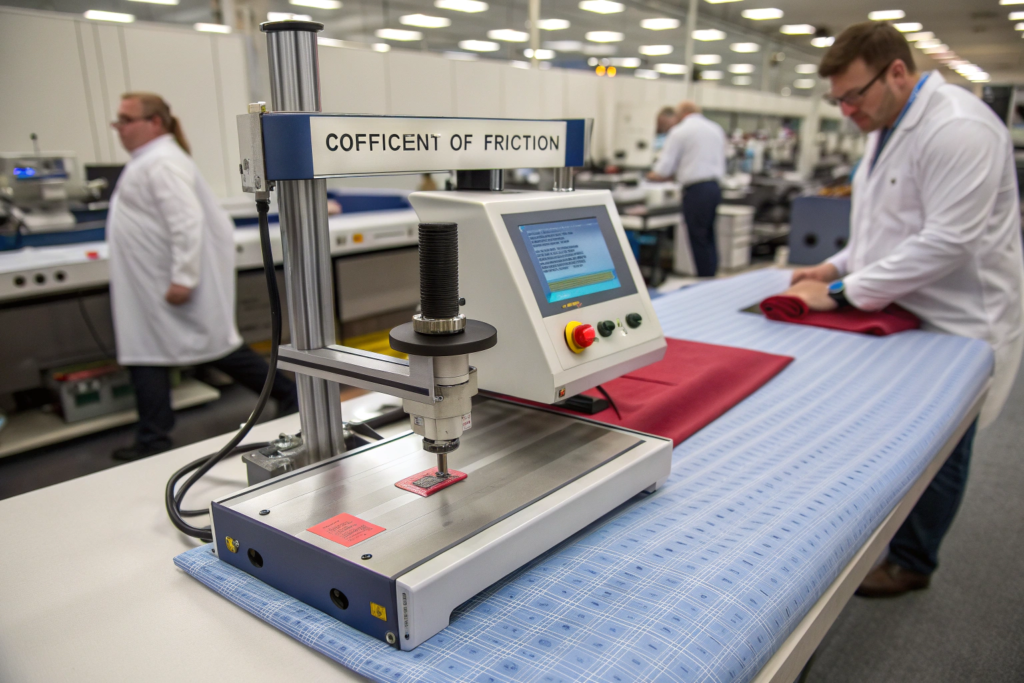
While the human touch is the ultimate judge, there are objective tests that can measure and quantify fabric softness. The most common is the Kawabata Evaluation System (KES), which uses specialized instruments to measure properties like surface friction, roughness, and bending stiffness. Another is the Fabric Assurance by Simple Testing (FAST) system. These tests provide numerical data that can be used as a specification between a buyer and a manufacturer. We use these tests to validate our processes and to ensure that a production batch matches the softness of the approved sample. This data removes guesswork and provides a clear, defensible standard for quality.
I will admit, these machines are not cheap, and they require skilled operators. But for clients with very high standards, they are invaluable. The KES system, for example, has a probe that measures the friction as it moves across the fabric surface. It gives a "coefficient of friction" value. A lower number means a slicker, smoother surface. Another test measures the fabric’s ability to bend, which relates to its drape and softness. By establishing a target range for these values during the sampling stage, we have a clear goal for production. When the bulk fabric arrives, we test it. If the numbers fall within the range, we know the feel will be right. If they are outside, we reject the fabric or adjust our finishing process. It is science supporting the art of touch.
What Is The Kawabata Evaluation System And How Is It Used?
The Kawabata Evaluation System (KES) is actually a suite of four instruments. They measure:
- Tensile and Shearing: How the fabric stretches and recovers.
- Bending: The stiffness or flexibility of the fabric.
- Compression: The thickness and compressibility (how spongy it feels).
- Surface: The friction and roughness of the surface.
For softness, the Surface and Compression tests are most relevant. The Surface test measures how much force is needed to slide a probe across the fabric. A low force means a smooth surface. The Compression test measures how much the fabric compresses under a standard weight. A fabric that compresses easily feels plush and soft. By combining these data points, we get a comprehensive picture of the fabric’s "hand." We use this primarily for high-end natural fiber scarves where the softness is a key selling point.
Can You Use Pilling Tests As An Indicator Of Long-Term Softness?
Yes, this is an excellent point. A scarf that is soft when new but develops hard, ugly pills after a few wears is not a quality product. Pilling is the formation of small balls of tangled fibers on the fabric surface. It happens when short or loose fibers work their way out of the yarn and tangle together. It makes the fabric look worn and feel rough. A pilling test, like the Martindale or Random Tumble Pilling test, rubs the fabric against itself or an abrasive surface for a set number of cycles. We then grade the level of pilling on a scale from 1 (severe pilling) to 5 (no pilling). We aim for a grade of 4 or higher for our scarves. A fabric that resists pilling will maintain its soft, smooth appearance much longer. This test is a proxy for long-term comfort and is a standard part of our quality control for all scarf fabrics.
How Do We Maintain Softness Through The Supply Chain?
You have selected the perfect fiber, specified the right construction, and applied the ideal finishes. The fabric is soft and beautiful. But the journey is not over. The fabric must be cut, sewn, packed, and shipped. At every one of these steps, there is a risk of damaging that carefully engineered softness. A moment of carelessness can ruin months of work.
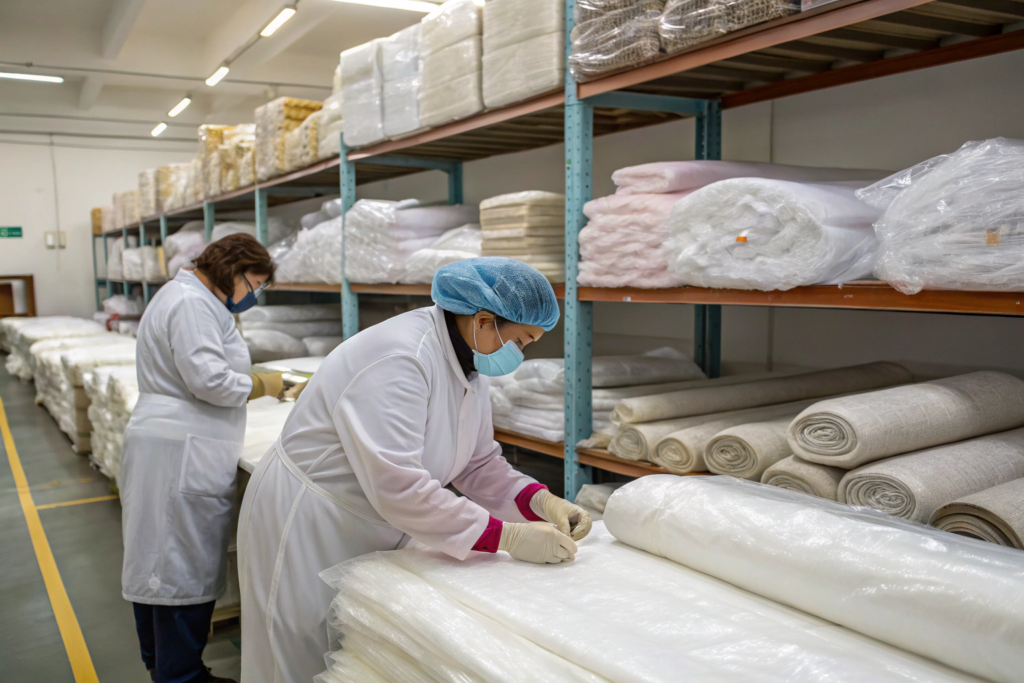
Maintaining softness through the supply chain requires careful handling at every stage. During cutting and sewing, we use sharp blades and needles to prevent snagging or pulling the delicate fibers. We store fabrics in a clean, climate-controlled environment to prevent dust or moisture damage. In packing, we avoid tight folding or compression that can crush the fibers and leave permanent creases. For premium scarves, we often use tissue paper and individual poly bags to protect them. Every person in our factory understands that they are handling a product whose primary quality is its feel, and they treat it with the respect it deserves.
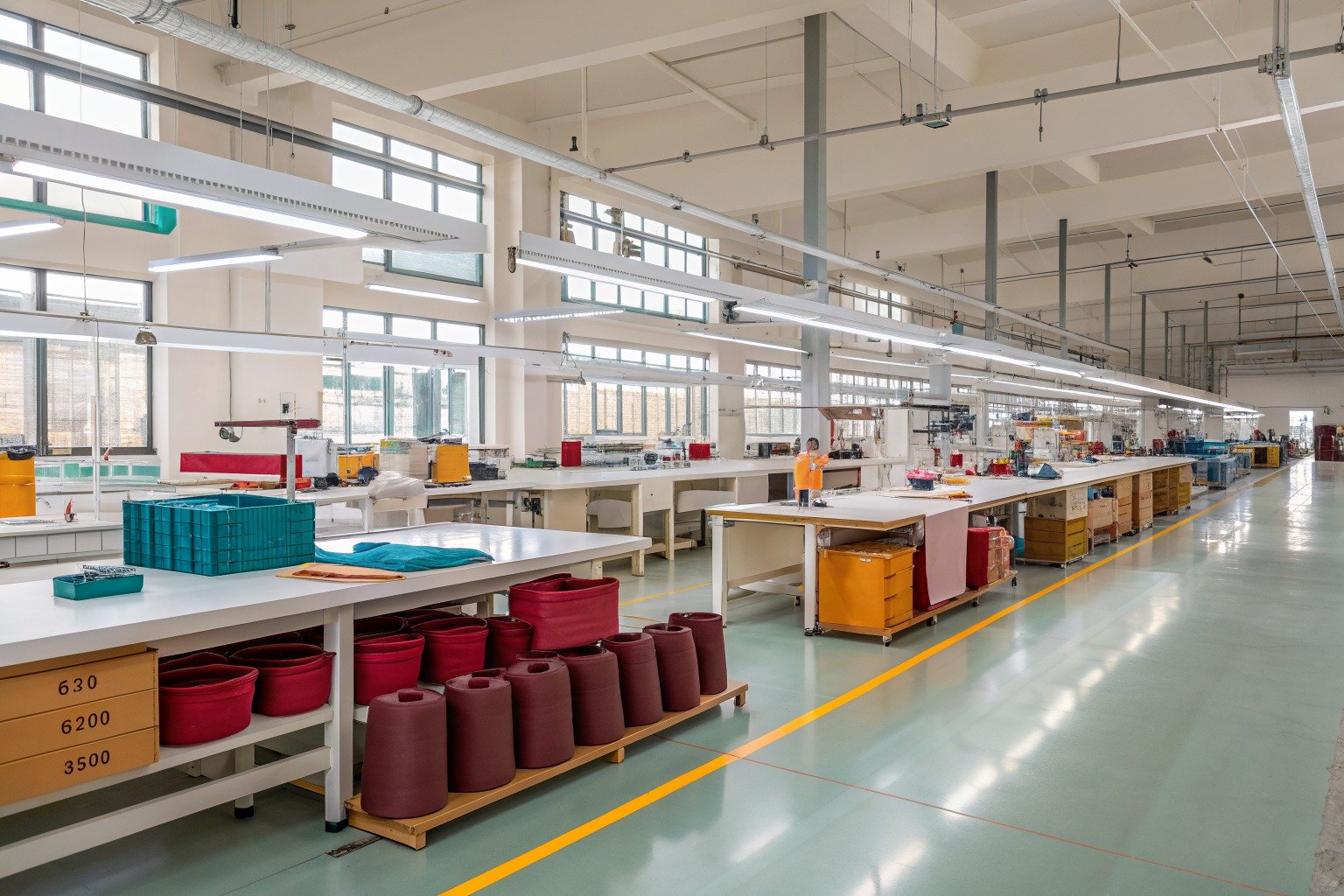
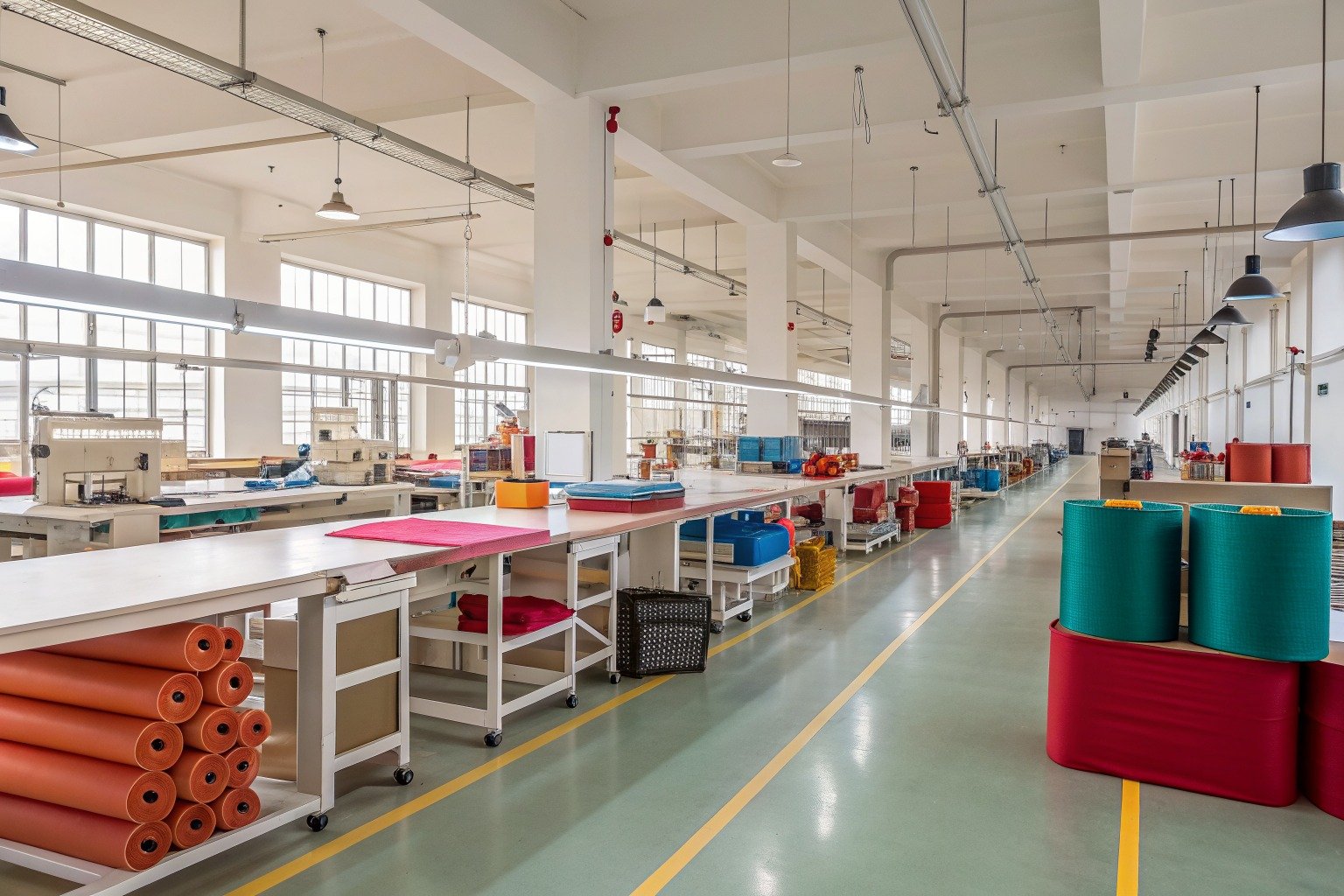
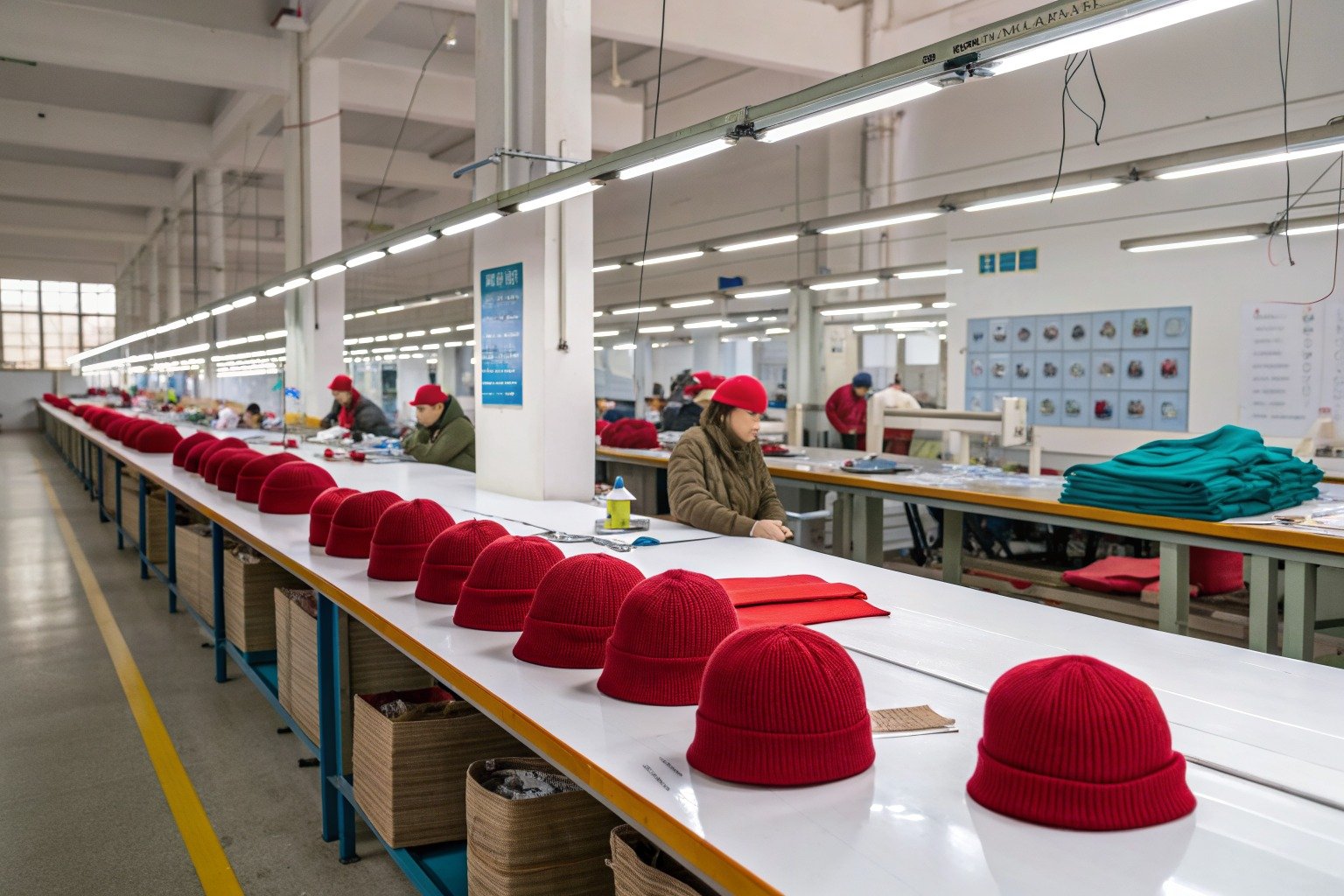
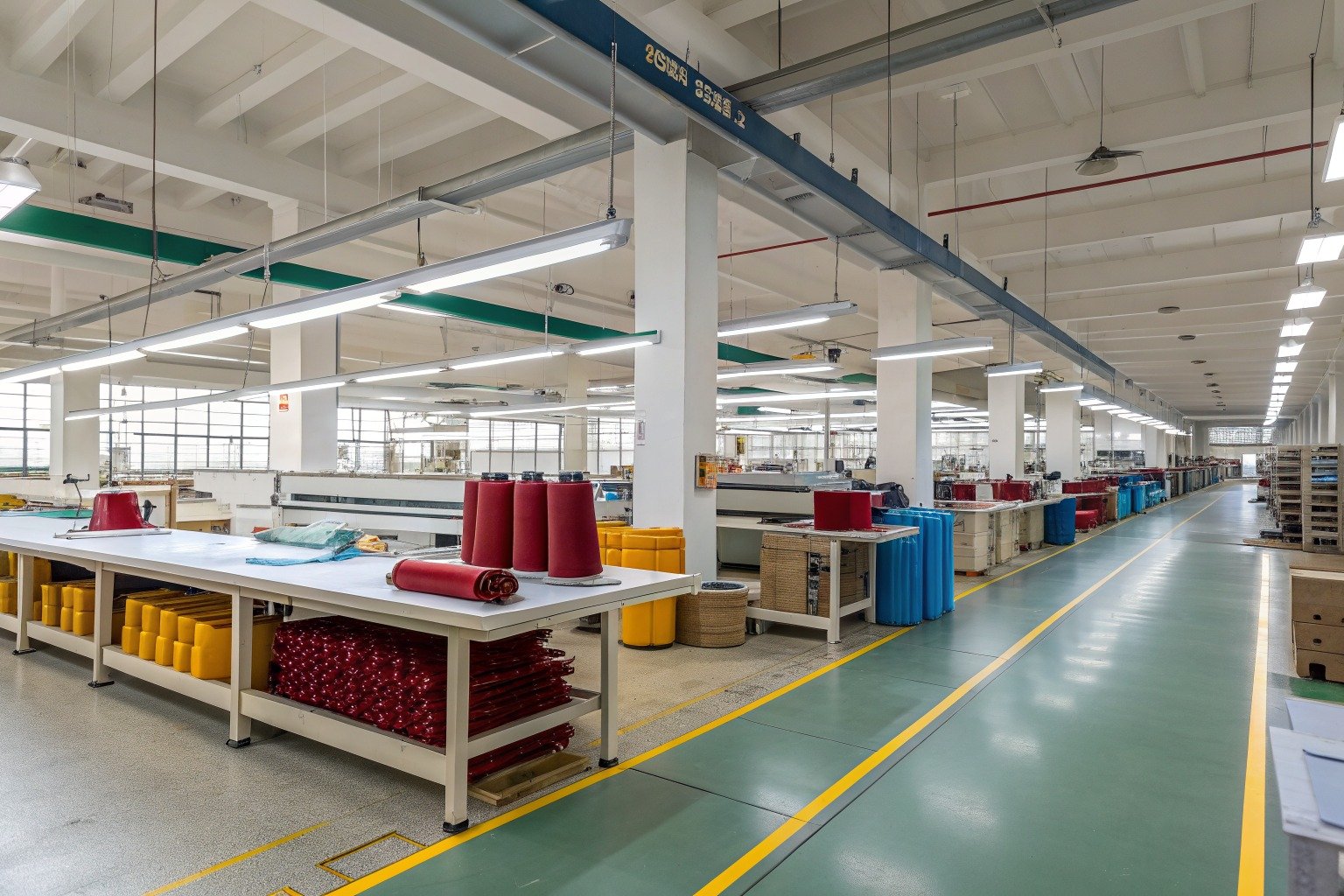
This is a point of pride for us at Shanghai Fumao Clothing. Our cutting room uses computer-controlled cutting machines with extremely sharp, precision blades. This ensures clean cuts that do not fray or pull the fabric. Our sewers use needles of the correct size and type for the fabric. A needle that is too large can leave holes that never close. A needle that is too small can break or cause skipped stitches. We also use specialized presser feet that glide over the fabric without snagging. In the packing department, we train our staff to fold scarves gently, not tightly. For delicate fabrics like silk or cashmere, we use acid-free tissue paper to prevent creasing and yellowing. Every detail matters.
Why Is Proper Folding And Packing Critical For Soft Fabrics?
Soft fabrics, by their nature, are often more delicate. They can be easily marked or crushed. Imagine a beautiful, plush velvet scarf. If you fold it tightly and put it under heavy boxes in a carton, the pile will be crushed, and those creases may never come out. The scarf will arrive at the store looking flat and damaged. We use a method called "rolling" for many soft, plush scarves. Rolling them loosely and placing them in a poly bag prevents creases and protects the surface. For finer fabrics, we ensure that the fold lines are not under stress. We also control the humidity in our packing area. Static electricity can cause some synthetic soft fabrics to attract dust, so we use anti-static sprays or equipment when needed. Proper packing is the last, essential step in delivering the softness we worked so hard to create.
How Do We Prevent Color Transfer During Shipping That Could Ruin Softness?
This is a hidden danger, especially with deep, rich colors like navy, black, or red. If the dye is not properly fixed to the fabric, it can rub off onto other parts of the scarf or onto other products. This is called crocking. When it happens, it not only ruins the color but can also make the fabric feel rough or sticky. We prevent this with a standard test called the crocking test (AATCC 8 or ISO 105-X12). We rub a dry and a wet white cloth against the finished fabric to see how much color transfers. If the result is poor, we go back to the dyeing process and adjust it, or we add an extra washing or finishing step to remove excess dye. Only when the fabric passes the crocking test do we approve it for cutting and sewing. This ensures that your soft, beautiful scarf will not stain itself or your other clothes during shipping or first use.
Conclusion
For a buyer like Ron, or any brand sourcing scarves, the softness is not a secondary detail. It is the primary feature. It is what the customer feels the moment they pick up the product. It determines whether they buy it or put it back. It influences whether they wear it with pleasure or toss it in a drawer. Ensuring that softness requires a holistic approach, from the selection of the finest fibers, to the choice of weave and construction, to the application of expert finishing, and finally to the careful handling through production and shipping.
At Shanghai Fumao Clothing, we have built our reputation on understanding and delivering this quality. We do not just make scarves. We engineer comfort. Our team has the experience to guide you through every choice, from fiber to finish, to ensure your scarf not only looks beautiful but feels incredible against the skin. We know that your brand’s reputation rests on that feeling.
If you are looking for a partner who truly understands the importance of softness and has the systems to deliver it consistently, I would love to hear from you. Let’s discuss your next collection and how we can create scarves that your customers will love to touch and wear. Please contact our Business Director, Elaine, at elaine@fumaoclothing.com to start the conversation.