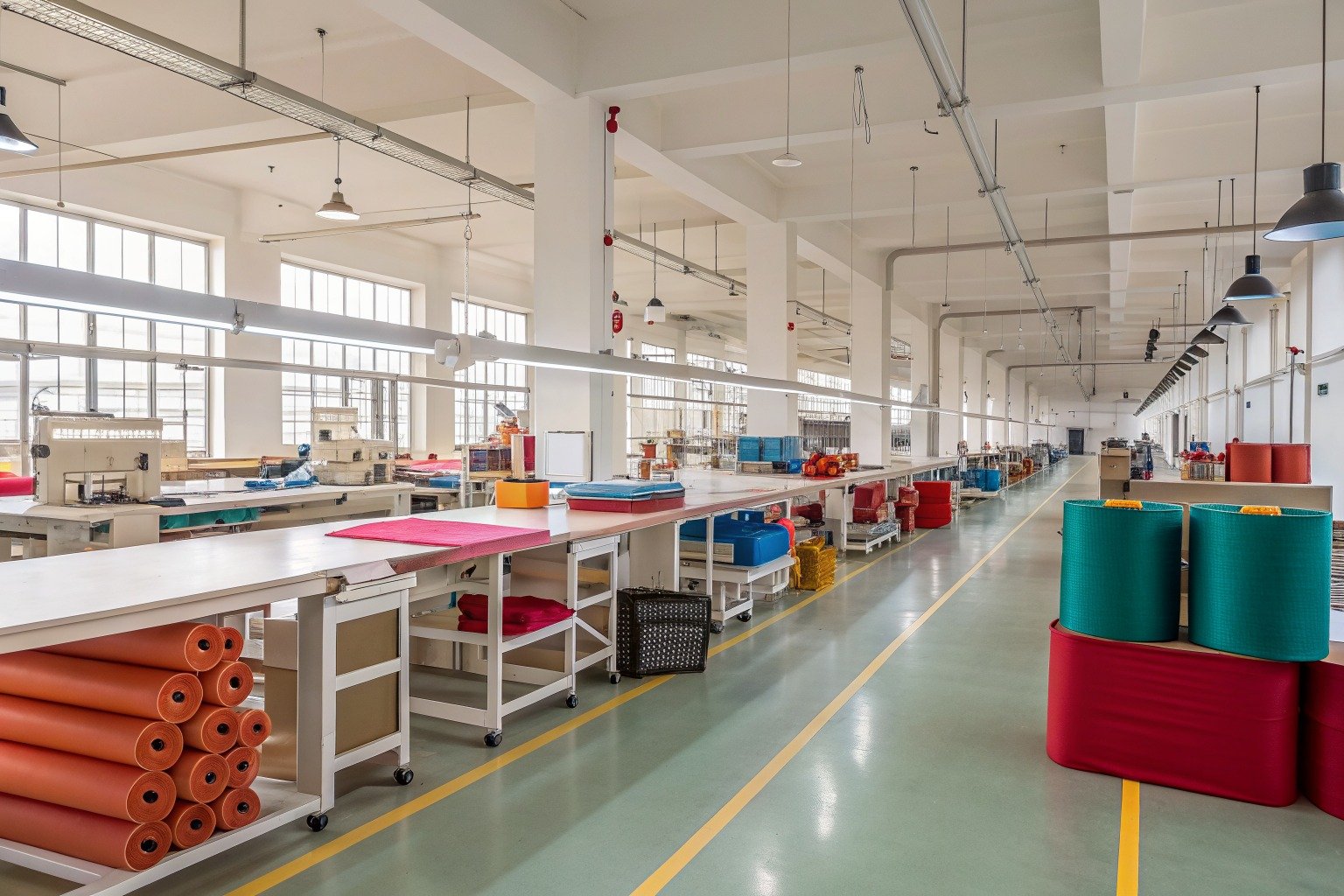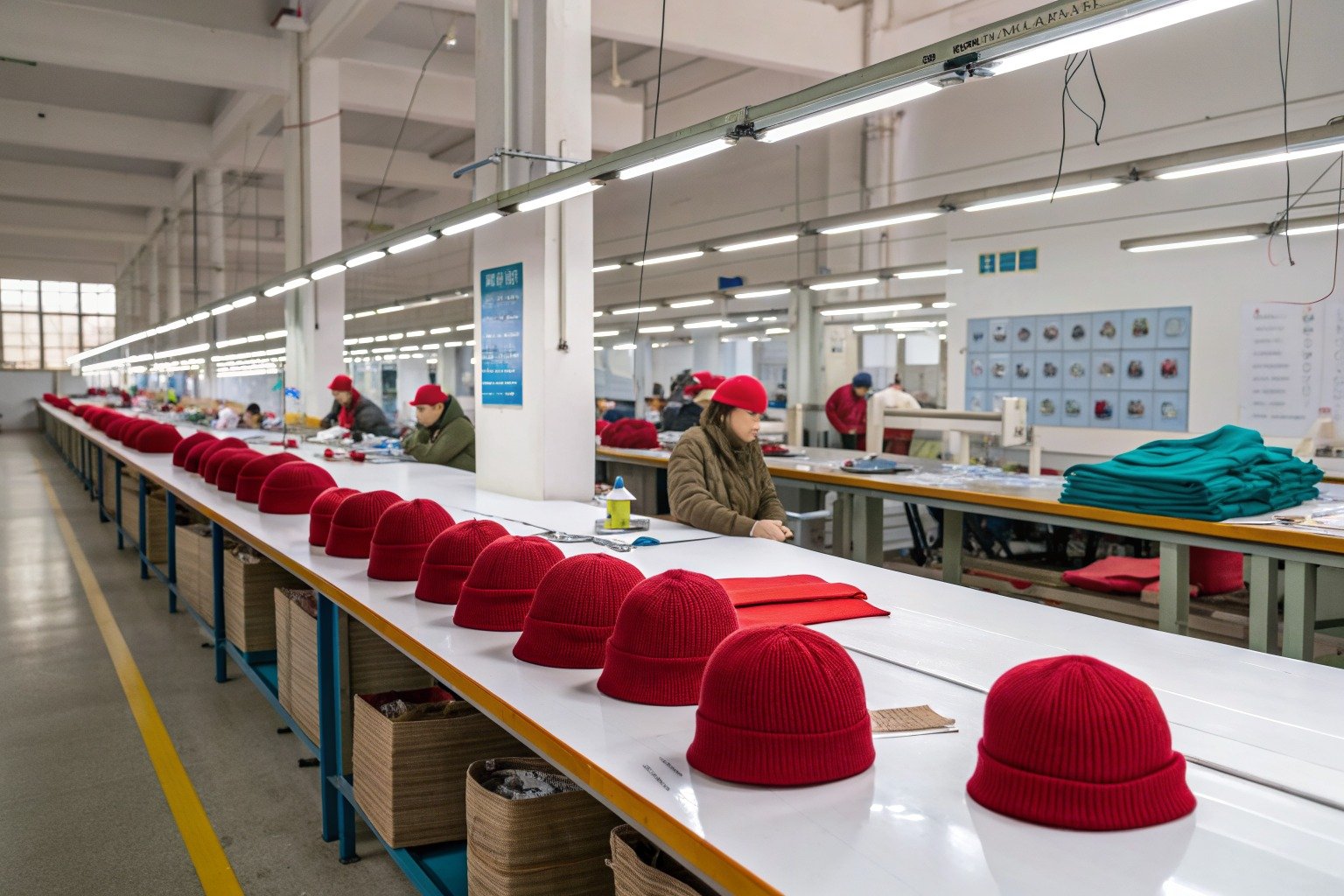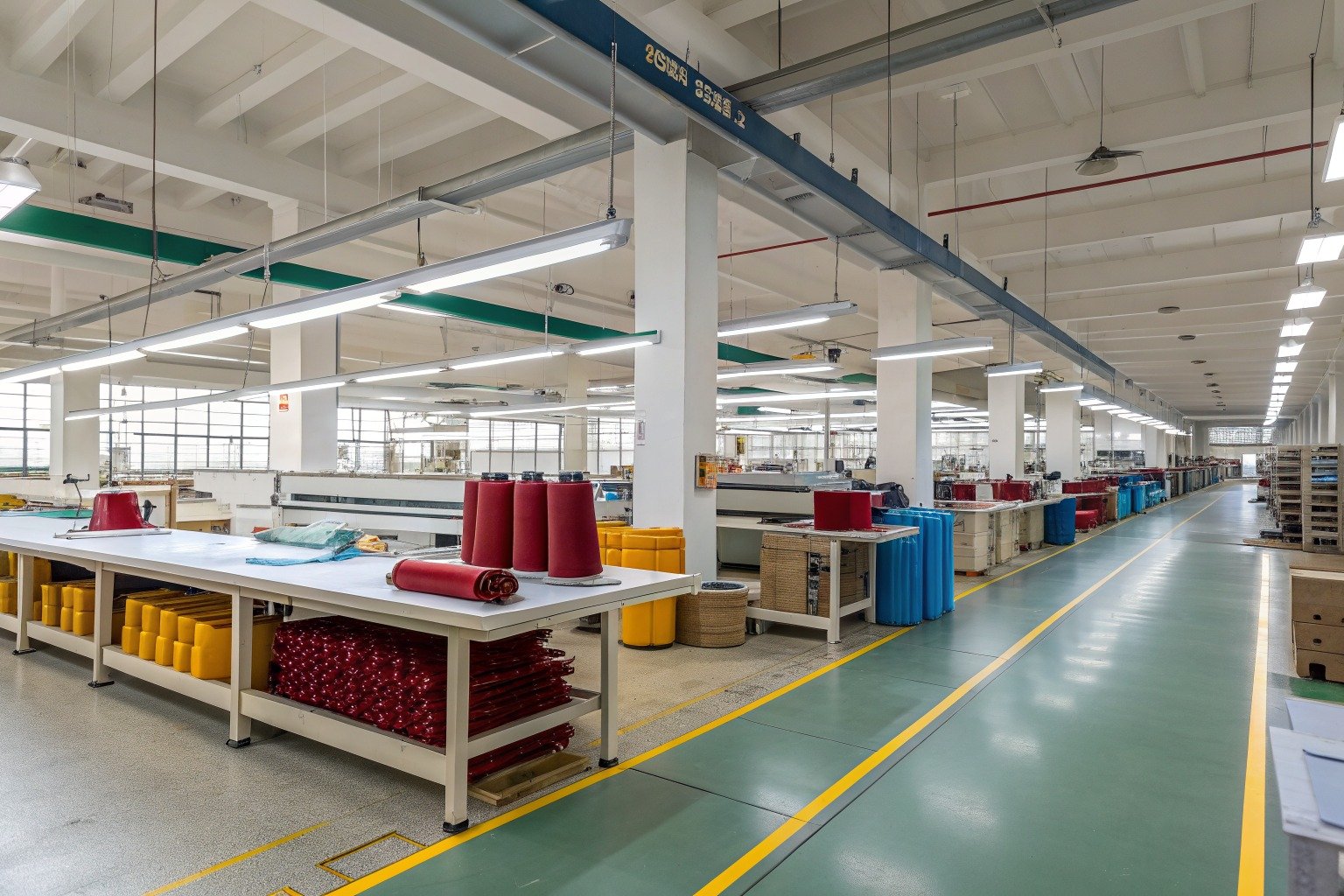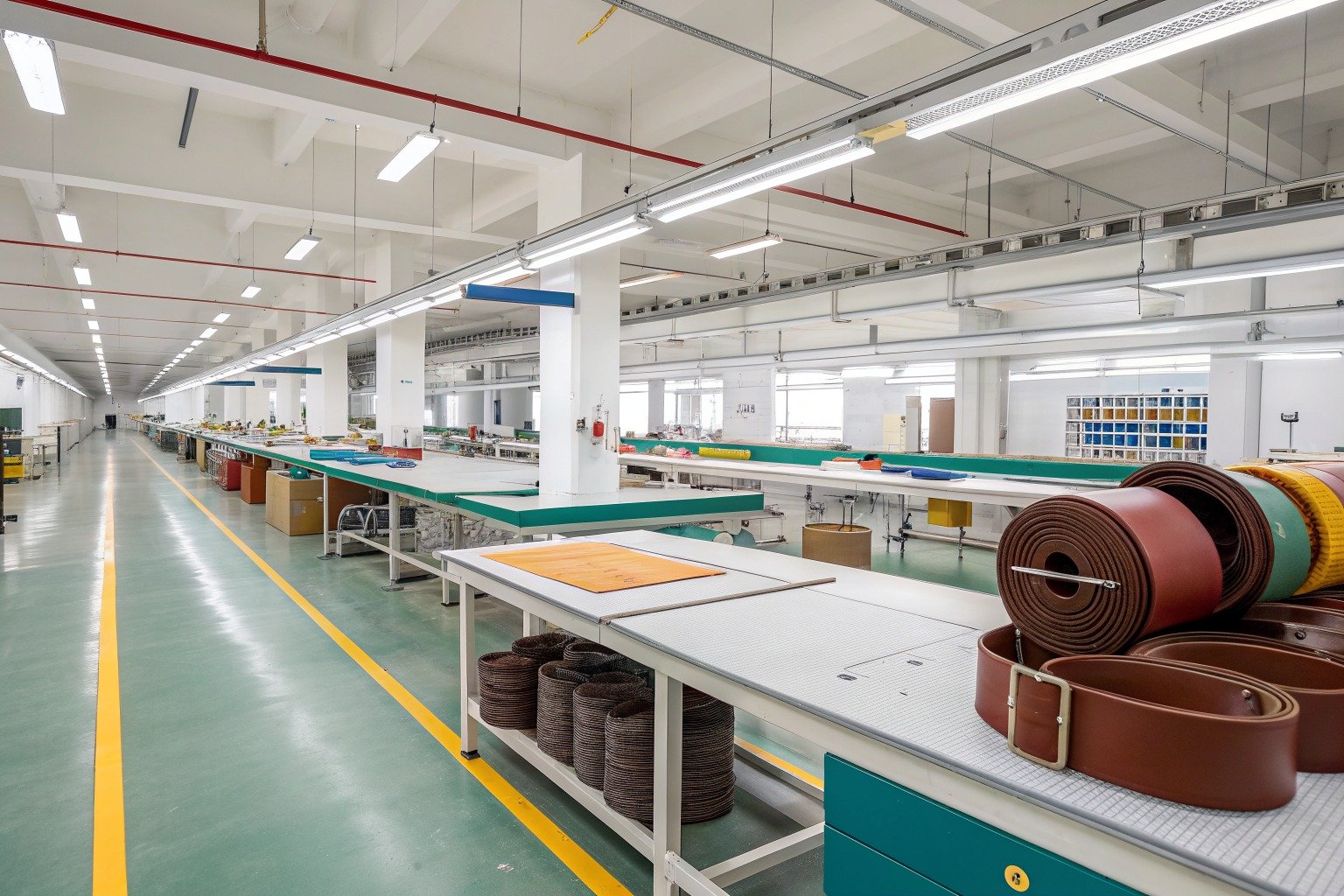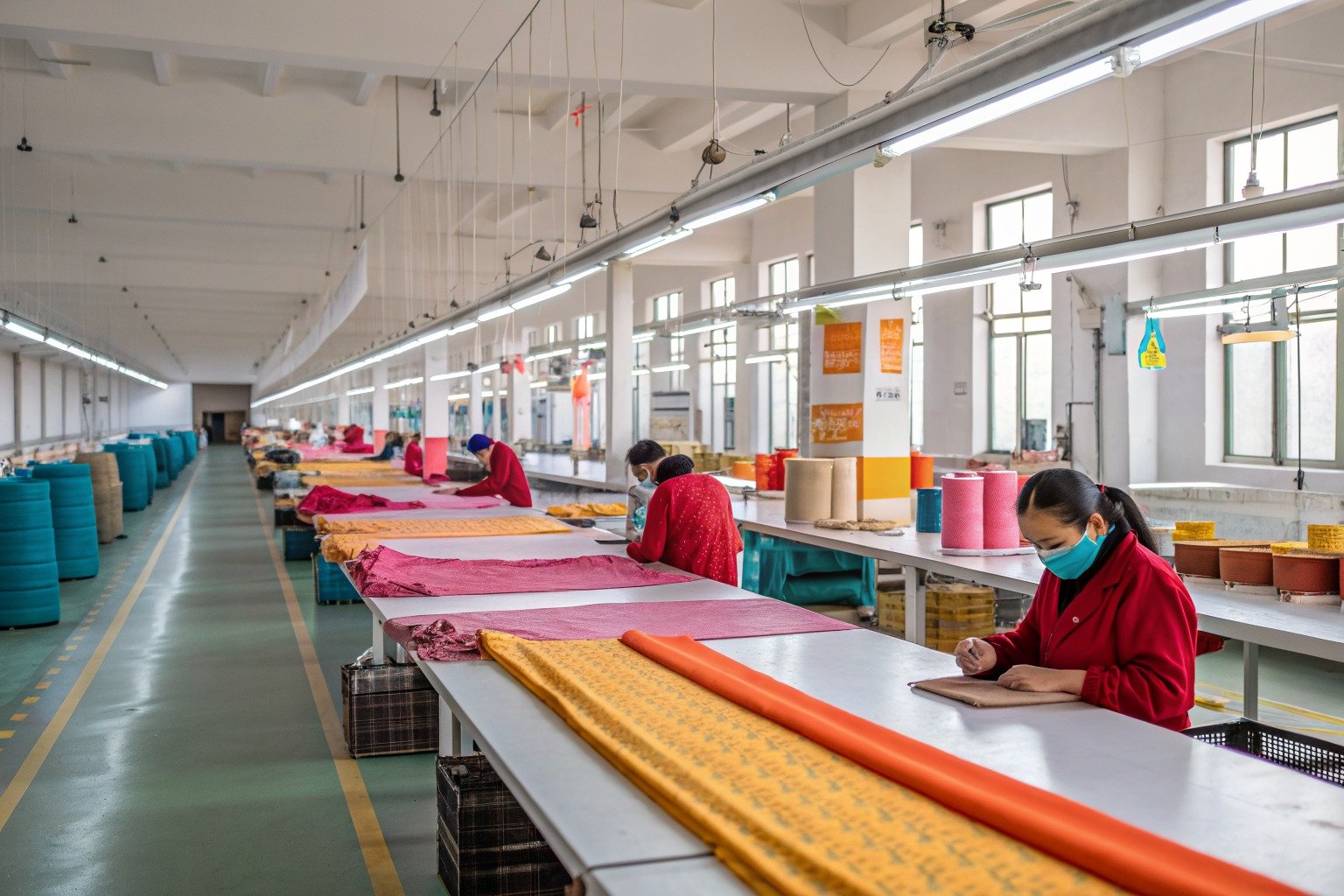
I remember the first time I saw fusible web change a production line. We had a rush order for hundreds of hair accessories with fabric-covered clips. Our sewing team was working overtime, stitching each cover by hand, and we were falling behind. Then one of our senior technicians suggested we try fusible web. Within hours, we had a new workflow. Cut the fabric, apply the web, fuse to the clip, done. Production tripled, quality improved, and the team went home on time.
That moment taught me that sometimes the simplest materials make the biggest difference. Fusible web isn’t glamorous. It’s not something customers see or think about. But in accessory construction, it’s often the hidden hero that makes products possible at scale.
At Shanghai Fumao Clothing, we’ve used fusible web in countless applications over the years. Hair clips, headbands, belts, patches, appliqués. We’ve learned which materials work, which fail, and how to get the best results. Let me share what we’ve discovered about choosing and using fusible web for accessory construction.
What Is Fusible Web and How Does It Work?
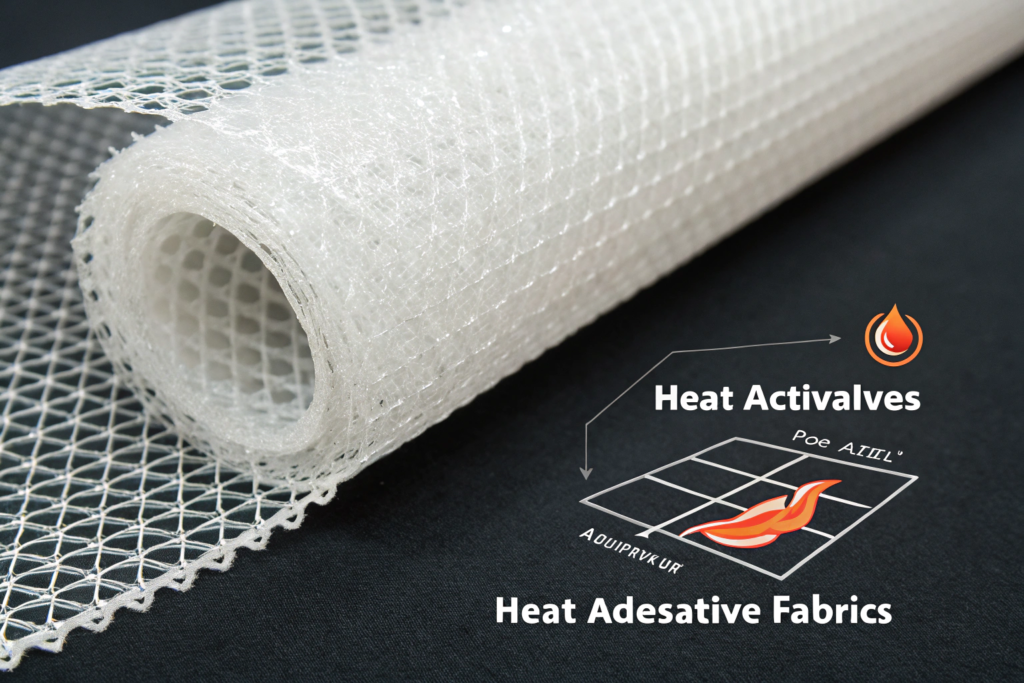
Fusible web is essentially a glue in sheet or tape form that bonds fabrics when heated. It’s made from thermoplastic adhesives that melt at specific temperatures and then solidify as they cool, creating a permanent bond between materials.
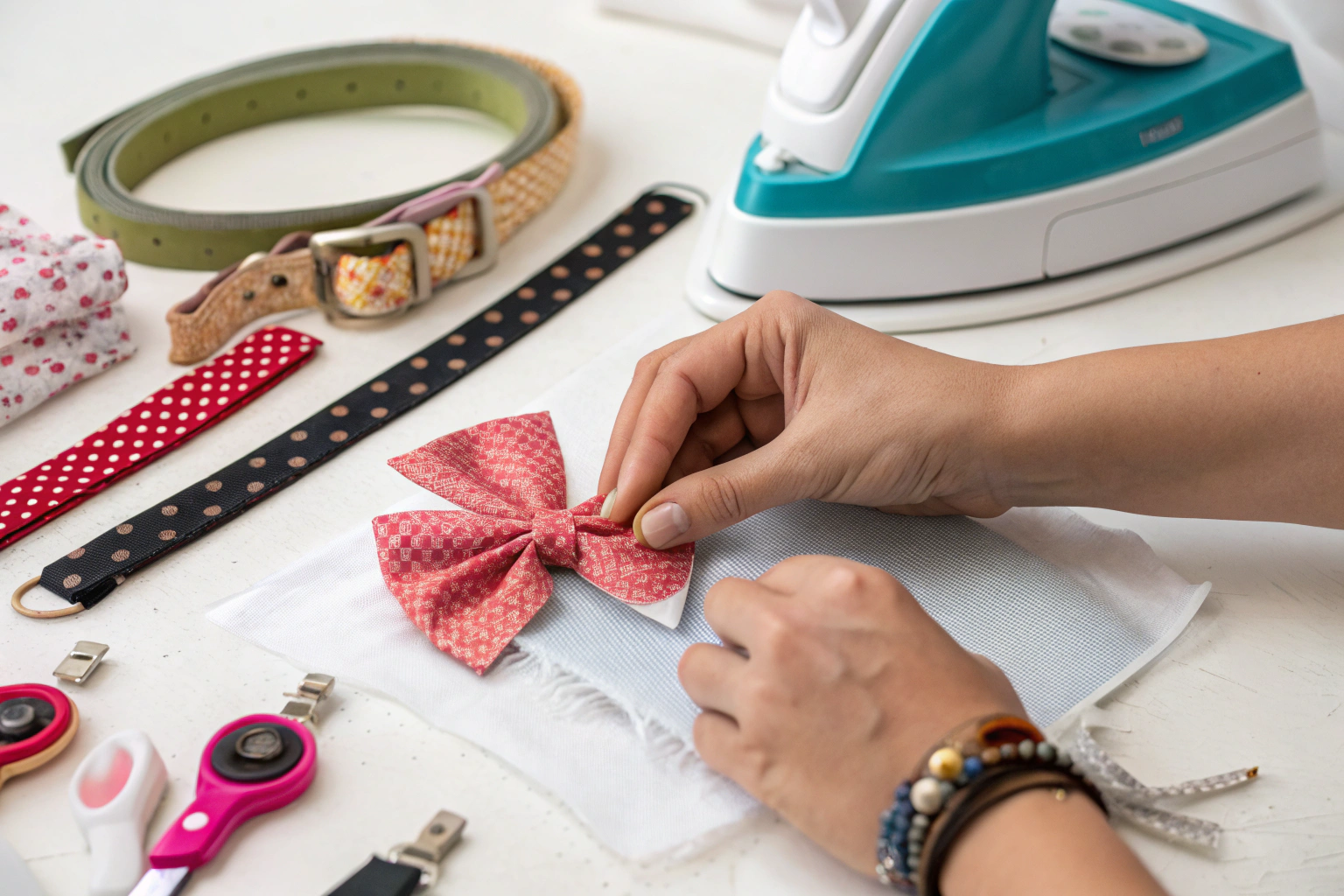
The magic happens in the heating. When you apply an iron or heat press, the adhesive melts and flows into the fibers of the fabrics being joined. As it cools, it hardens, locking the fibers together. The result is a bond that can be as strong as stitching, sometimes stronger, depending on the application. Fusible web comes in different forms. There’s paper-backed web that you iron onto fabric, peel the paper, and then bond to another surface. There’s double-sided web that bonds on both sides. There’s sewable web that can be stitched through after fusing. Each type has its place.
For accessory construction, fusible web offers several advantages. It’s fast. It requires no special skills. It creates clean edges without stitching. It works on materials that are difficult to sew. And it adds minimal bulk, important for small accessories.
What types of fusible web are available?
The market offers several varieties, each with specific characteristics. Understanding them helps you choose wisely.
Paper-backed fusible web is the most common for general use. You iron it onto the wrong side of fabric, let it cool, peel the paper, and then bond the fabric to your base. This works well for appliqués and fabric-covered items.
Double-sided fusible web bonds on both sides simultaneously. It’s useful for joining two fabrics without any backing. Think of bonding two layers of ribbon together for a stiff bow.
Ultra-thin fusible web is designed for delicate fabrics where bulk would show. It provides bond strength without adding noticeable thickness. Great for fine silks and lightweight synthetics.
Heavy-duty fusible web is formulated for demanding applications. It creates stronger bonds and works better on difficult materials like leather or metal. The trade-off is more stiffness and potentially longer activation time.
Washable fusible web is treated to withstand laundering. Essential for accessories that may get wet or need cleaning. Regular fusible web can break down with water exposure.
For specific product needs, suppliers like Pellon offer extensive lines of fusible products with detailed specifications for each.
What materials can be bonded with fusible web?
Fusible web works on a surprising range of materials, but not everything. Understanding compatibility prevents failures.
Natural fibers like cotton, linen, and wool bond well. The adhesive flows into the fibers and creates strong mechanical bonds. These are the most reliable materials for fusible applications.
Synthetics like polyester and nylon can be bonded, but results vary. The heat required to activate the adhesive can damage some synthetics. Low-melt webs help, but testing is essential.
Leather and suede bond well but require careful heat control. Too much heat damages the material. Too little heat creates weak bonds. Special adhesives formulated for leather work best.
Metal and plastic are challenging but possible with the right products. Some fusible webs are designed specifically for bonding fabric to hard surfaces like hair clip blanks or belt buckles.
The key is matching the web to the materials. A web that works beautifully for cotton may fail on polyester. A web designed for fabric may not bond to metal. Always test before committing to production.
What Types of Fusible Web Work Best for Different Accessories?
Different accessories have different requirements. A hair clip needs strong bond to metal. A headband needs flexibility. A belt needs durability. The fusible web you choose should match these needs.
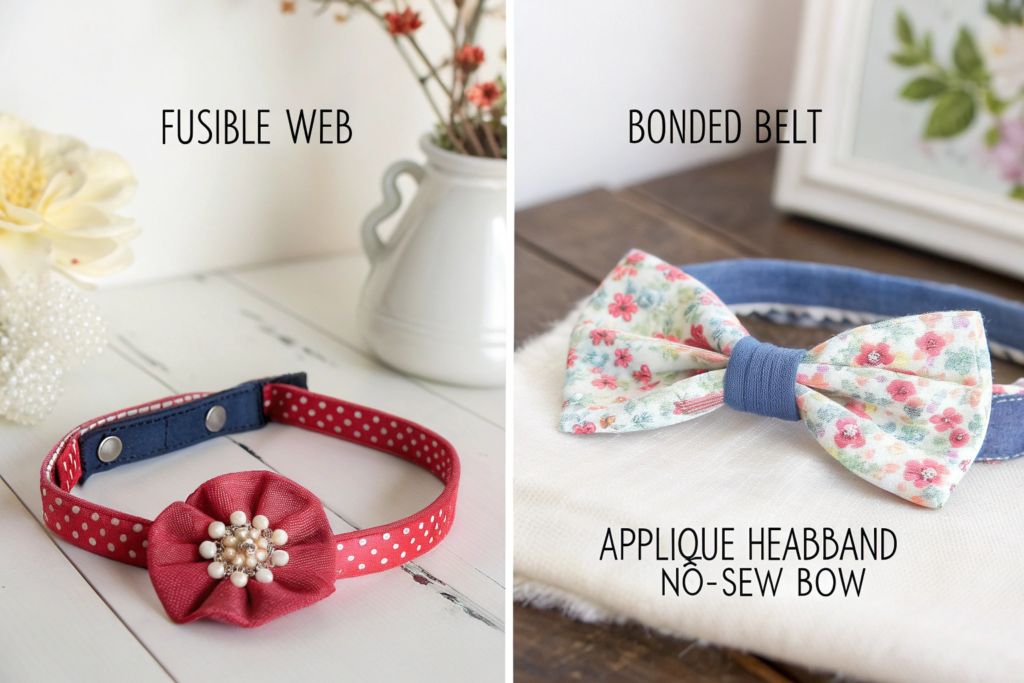
For fabric-covered hair clips, we typically use a medium-weight, double-sided fusible web designed for bonding fabric to metal. The bond must withstand the stress of opening and closing the clip. Regular fabric-to-fabric web often fails here.
For headbands, flexibility is key. A stiff headband is uncomfortable. We use ultra-thin, flexible fusible web that bonds without adding rigidity. The headband should move with the wearer’s head, not fight it.
For belts, durability matters most. Belts face constant stress, bending, and friction. Heavy-duty fusible web with strong adhesion and good heat resistance is essential. We also often combine fusing with stitching for critical stress points. For appliqués on fabric accessories, paper-backed web offers precision. You can fuse the web to your appliqué fabric, cut intricate shapes, peel the paper, and bond exactly where needed. This method creates clean, professional results.
What works for fabric-covered hair clips?
Hair clips are one of our highest-volume fusible web applications. The challenge is bonding fabric to a smooth metal surface that will face repeated stress.
We’ve found that a two-step process works best. First, we bond fusible web to the fabric, creating a fabric-web composite. Then we bond that composite to the clip using a heat press with precise temperature and pressure control.
The web must be formulated for hard surface bonding. Standard fabric-to-fabric webs don’t have the right chemistry for metal. Look for products specifically labeled for bonding to non-porous surfaces.
Thickness matters too. Too thin, and the bond may fail. Too thick, and the fabric may pucker or the clip may not close properly. Medium-weight webs around 1-2 mils thickness work well for most applications. Temperature control is critical. Too cool, and the adhesive won’t fully activate. Too hot, and you risk damaging the fabric or the clip’s finish. We recommend testing to find the optimal settings for your specific materials.
For best results, allow bonded clips to cool completely under light pressure. This lets the adhesive set properly and ensures maximum bond strength. Suppliers like Therm O Web offer products specifically for hard surface bonding.
What’s best for flexible accessories like headbands?
Headbands need to bend without breaking, both the accessory itself and the bond. This creates unique requirements for fusible web.
The key is flexibility. You need a web that bonds securely but doesn’t become rigid when cooled. Ultra-thin webs with high adhesive flexibility work best. They move with the fabric rather than fighting it.
We’ve had good results with webs made from polyurethane adhesives rather than the more common polyethylenes. Polyurethane remains flexible after cooling, while polyethylene becomes stiff. The difference is noticeable in the finished product.
Application method matters too. For headbands, we often apply fusible web to the entire fabric piece before wrapping. This creates uniform bonding without gaps that could fail under stress.
Test by flexing. Before approving any headband design, we flex test samples repeatedly. A hundred flexes, two hundred, five hundred. The bond should hold without separation or visible stress lines.
For very stretchy headbands, consider combining fusible web with strategic stitching. The stitching provides mechanical strength while the web prevents fabric shifting. This hybrid approach gives the best of both worlds.
How Do You Choose the Right Weight and Thickness?
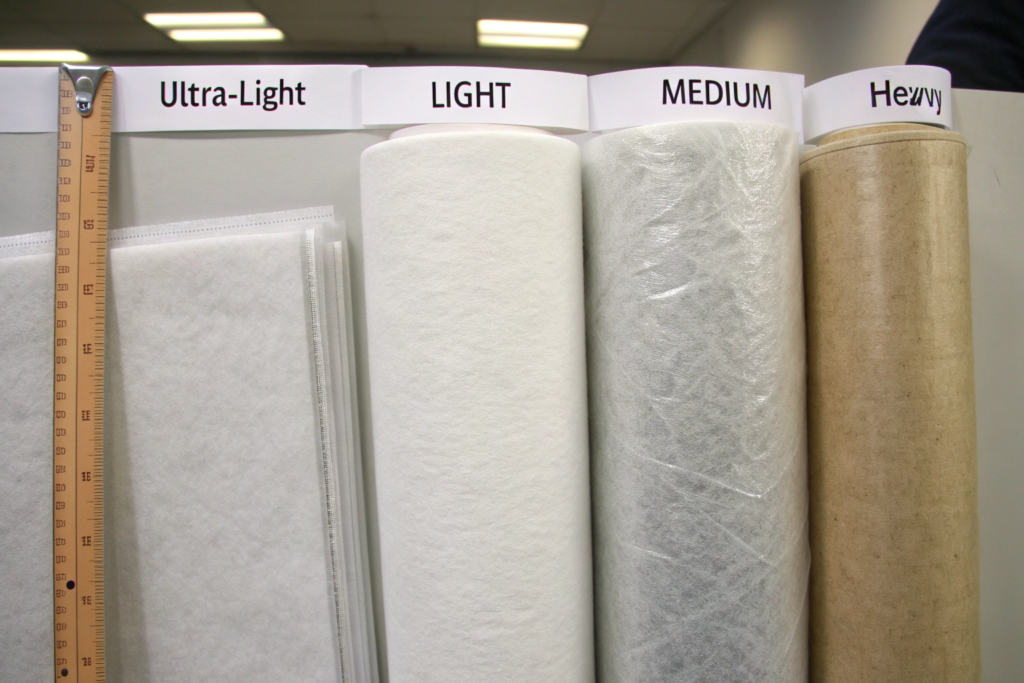
Fusible web comes in various weights and thicknesses, and choosing wrong causes problems. Too light, and the bond fails. Too heavy, and the accessory feels stiff and looks bulky.
Weight is typically measured in grams per square meter or in mils (thousandths of an inch). Lighter webs around 0.5-1 mil work for delicate fabrics and applications where flexibility matters. Heavier webs up to 3-4 mils provide maximum bond strength for demanding applications.
The right choice depends on several factors. The materials being bonded matter most. Porous materials like cotton need less adhesive because the fibers provide mechanical grip. Smooth materials like polyester need more adhesive because there’s less mechanical grip. The stress the bond will face matters too. A decorative appliqué that won’t be handled much can use lighter web. A belt that will be stressed daily needs heavier web.
The desired hand feel, how stiff the finished product feels, also influences choice. Lighter webs preserve fabric drape. Heavier webs add stiffness, which may be desired for structured accessories.
What weight works for lightweight fabrics?
Lightweight fabrics like silk, chiffon, and fine cotton require special care. They show every imperfection, and heavy adhesive ruins their drape.
For these materials, use the lightest fusible web that will still create a secure bond. Ultra-light webs around 0.5 mil thickness are ideal. They add minimal bulk and don’t significantly affect fabric hand.
Application technique matters enormously. Use lower temperatures than recommended for heavier webs. Lightweight fabrics damage easily. Shorter press times also help prevent heat damage.
Consider using a pressing cloth between the iron and fabric. This protects delicate surfaces and distributes heat more evenly. It’s an extra step that prevents ruined materials.
Test on scraps before committing. Lightweight fabrics vary widely in their heat tolerance. What works for one silk may damage another. Always verify with your actual materials.
For very sheer fabrics, consider whether fusible web is the right choice at all. Sometimes stitching or other construction methods give better results without visible adhesive showing through.
When should you use heavy-duty fusible web?
Heavy-duty fusible web has its place, but it’s not for every project. Use it when conditions demand maximum bond strength.
High-stress applications need heavy web. Belts, bag handles, items that will be pulled and stressed repeatedly. The extra bond strength prevents failure.
Hard-to-bond materials often require heavy web. Metals, plastics, coated fabrics. These surfaces don’t provide mechanical grip, so more adhesive is needed for chemical bond strength.
Outdoor or high-heat applications benefit from heavy web formulated for those conditions. Standard webs can fail in heat or sunlight. Specialized heavy webs resist these challenges.
Large surface areas where uniform bonding is critical may justify heavy web. The extra adhesive ensures complete coverage even with slight application variations.
The downside is stiffness. Heavy web makes fabrics stiffer, which may or may not be desirable. For structured accessories, this stiffness can actually help. For soft, draping items, it’s a problem.
At Shanghai Fumao Clothing, we stock multiple weights and choose based on each product’s requirements. There’s no one-size-fits-all answer.
What Application Techniques Ensure Success?
Fusible web seems simple, but technique matters enormously. I’ve seen beautiful products fail because of small application errors. Getting it right requires attention to detail.
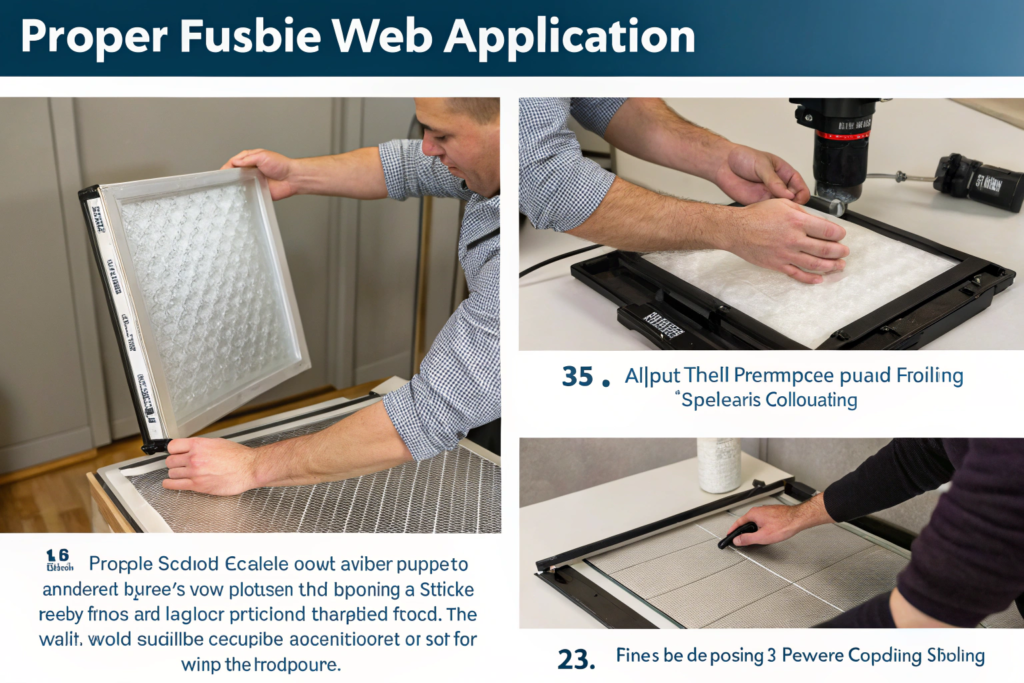
The first rule is cleanliness. Any dust, oil, or residue between surfaces weakens the bond. Materials should be clean and dry before application. For metal components like clips, we wipe with alcohol before bonding.
The second rule is even pressure. The adhesive needs uniform contact to flow properly. Uneven pressure creates weak spots. Heat presses are better than hand irons for this reason, they apply consistent pressure across the entire surface. The third rule is correct temperature. Too cool, and the adhesive won’t fully melt. Too hot, and you damage materials or degrade the adhesive. Follow manufacturer recommendations but test with your specific materials. The fourth rule is cooling time. Let bonds cool completely under pressure or with weight. Moving items while the adhesive is still warm can disturb the bond. Patience here prevents failures.
What temperature and pressure work best?
There’s no single answer because materials vary. But we can offer guidelines based on years of experience.
For most fusible webs, temperatures between 275°F and 325°F work well. Lower for delicate synthetics, higher for heat-resistant materials. Always check the manufacturer’s recommendations as a starting point.
Pressure should be firm but not crushing. For heat presses, medium pressure settings typically work. For hand irons, use firm pressure and move slowly to ensure even heat distribution.
Time varies with materials and equipment. For heat presses, 10-15 seconds is typical. For hand irons, you may need 20-30 seconds with a pressing motion rather than gliding.
The key is finding the combination that works for your specific materials. Create a test matrix with different temperatures, pressures, and times. Evaluate the results and choose the combination that gives the strongest bond without damaging materials.
Document your findings. Once you’ve established optimal settings, record them for future production. Consistency is essential for quality.
How do you prevent fusible web from bleeding through fabric?
Bleed-through happens when adhesive melts and travels through fabric to the visible surface. It creates shiny spots and stiff areas that ruin appearance.
The main cause is using too much adhesive or too high temperature. Thin fabrics are most vulnerable. The solution starts with choosing the right web weight. Lighter webs for lighter fabrics.
Temperature control matters. Too hot, and adhesive becomes too fluid and travels further than intended. Lower temperatures within the effective range reduce bleed-through risk.
Pressure adjustment helps. Too much pressure can force adhesive through fabric. Use the minimum pressure needed for good bonding.
Consider using a barrier. For very sheer fabrics, a layer of tissue paper between the iron and fabric can absorb any excess adhesive. Remove it after bonding.
Test, test, test. Before committing to production, bond samples and examine both sides under good light. If you see any bleed-through, adjust your materials or technique before proceeding.
Conclusion
Fusible web is one of those materials that quietly enables modern accessory production. It’s not glamorous, but it’s essential. When chosen correctly and applied properly, it creates bonds that hold, finishes that look professional, and products that satisfy customers.
The key is matching the web to the application. Light webs for delicate fabrics, heavy webs for demanding bonds, flexible webs for moving accessories, washable webs for laundered items. There’s no universal product, but there is a right product for every need.
Technique matters as much as material. Clean surfaces, correct temperature, even pressure, adequate cooling. These aren’t optional extras. They’re essential steps that determine success or failure. And testing confirms everything. Peel tests, heat tests, wash tests, aging tests. Verify before you trust. The time spent testing is nothing compared to the cost of failed products reaching customers.
At Shanghai Fumao Clothing, we’ve made fusible web a reliable part of our manufacturing toolkit. We’ve learned through years of experience what works and what doesn’t. We’ve trained our teams in proper techniques. We’ve established testing protocols that catch problems early.
If you’re designing accessories that could benefit from no-sew construction, or if you’re looking for a manufacturing partner who understands these materials, I’d love to help. Please reach out to our Business Director, Elaine, at elaine@fumaoclothing.com. Let’s discuss how fusible web can work for your products.