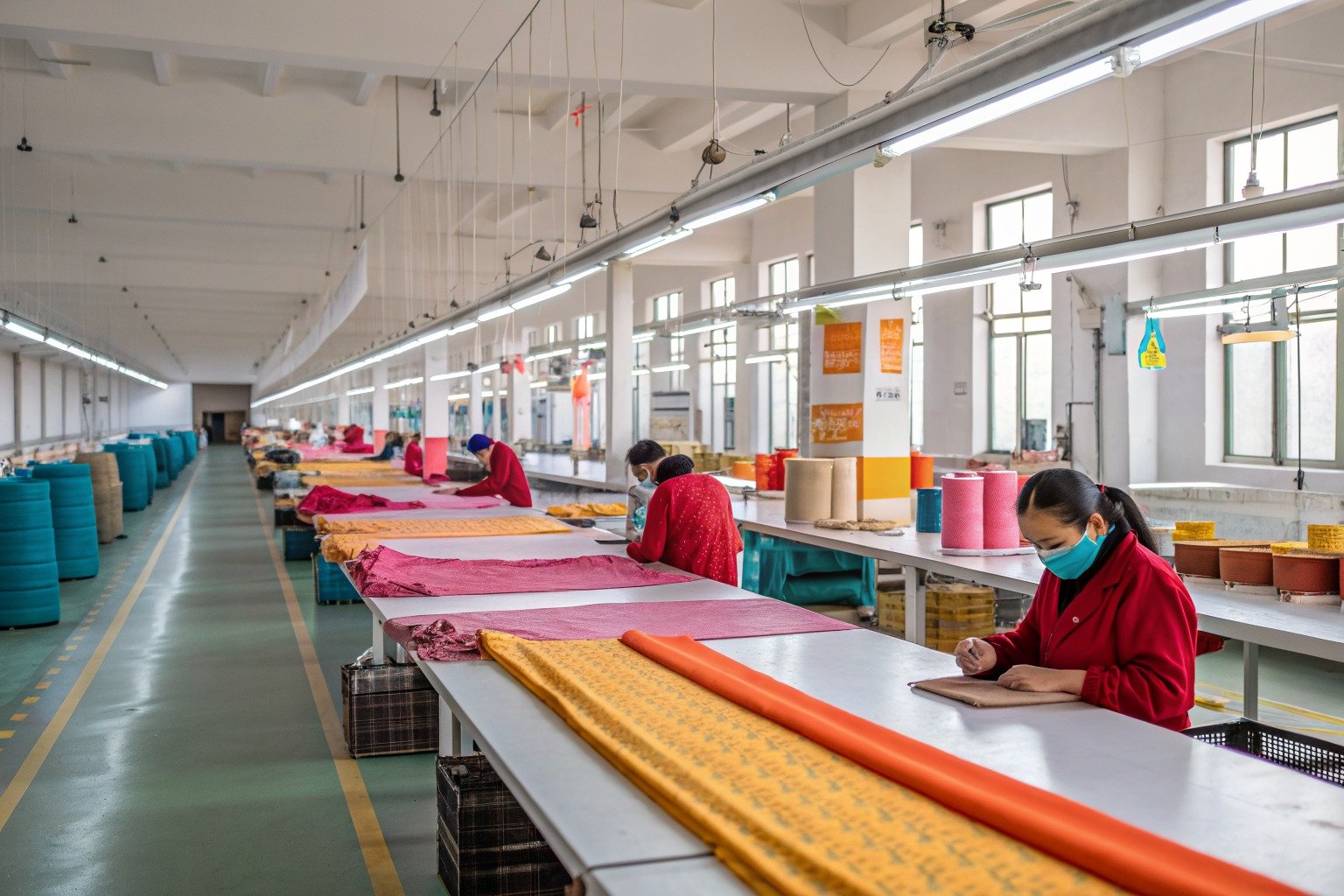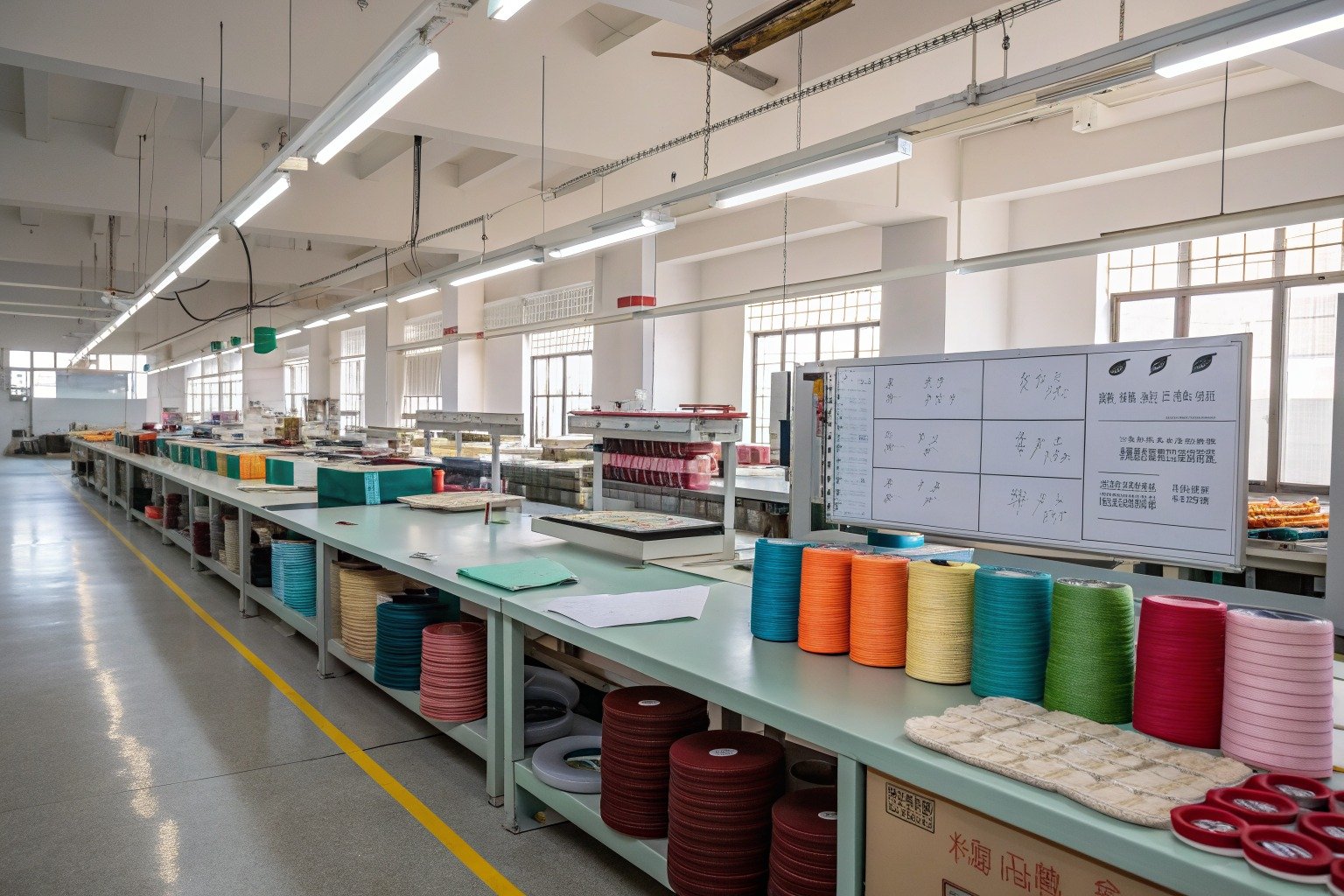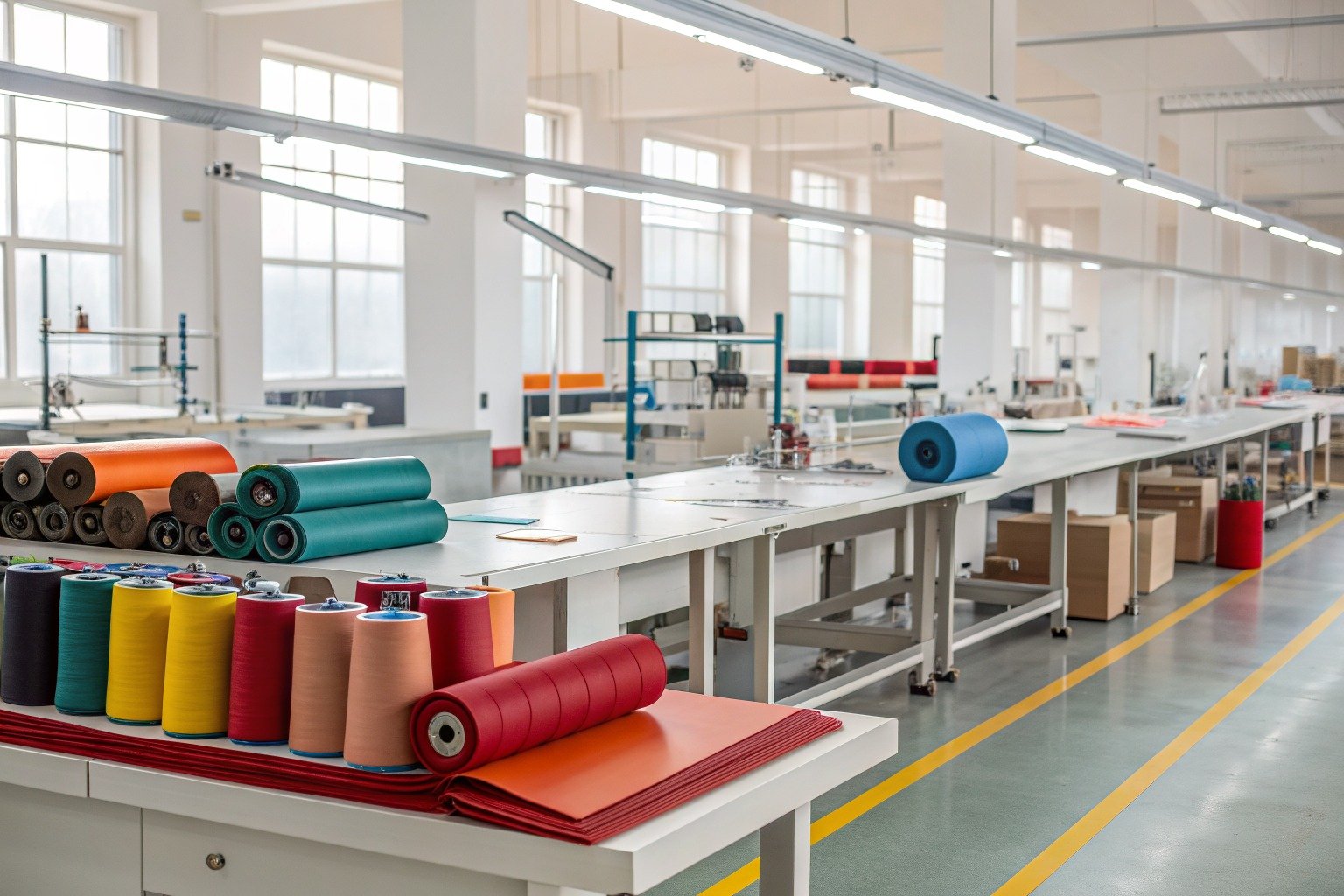
I learned about sleepwear flammability standards the hard way. Years ago, a client from a major American department store sent us a beautiful design for a children’s sleep robe. It had delicate ribbon trim and a decorative sash, exactly the kind of product that sells well during the holiday season. We produced samples, got approval, and started manufacturing.
Then our quality control manager pulled me aside. He had been reviewing the specifications and noticed something I’d missed. The ribbon trim on the robe didn’t meet US children’s sleepwear flammability standards. If we shipped those robes, they would fail customs inspection. Worse, if they reached consumers and something happened, the liability would be catastrophic.
We stopped production immediately, contacted the client, and redesigned the trim using compliant materials. The client was grateful, not angry. She said most of her suppliers never even thought to check. That conversation taught me something fundamental. Flammability isn’t just a technical requirement. It’s a matter of safety and trust.
At Shanghai Fumao Clothing, we’ve made it our responsibility to understand these standards inside and out. Whether you’re sourcing sleepwear accessories like robe belts, decorative trims, or matching hair accessories, compliance isn’t optional. Let me walk you through what you need to know.
What Are The Main Flammability Standards For Sleepwear?
The first thing to understand is that flammability standards vary by country and by product category. What’s acceptable in one market may be illegal in another. For sleepwear and its accessories, the requirements are particularly strict because children are the primary users.
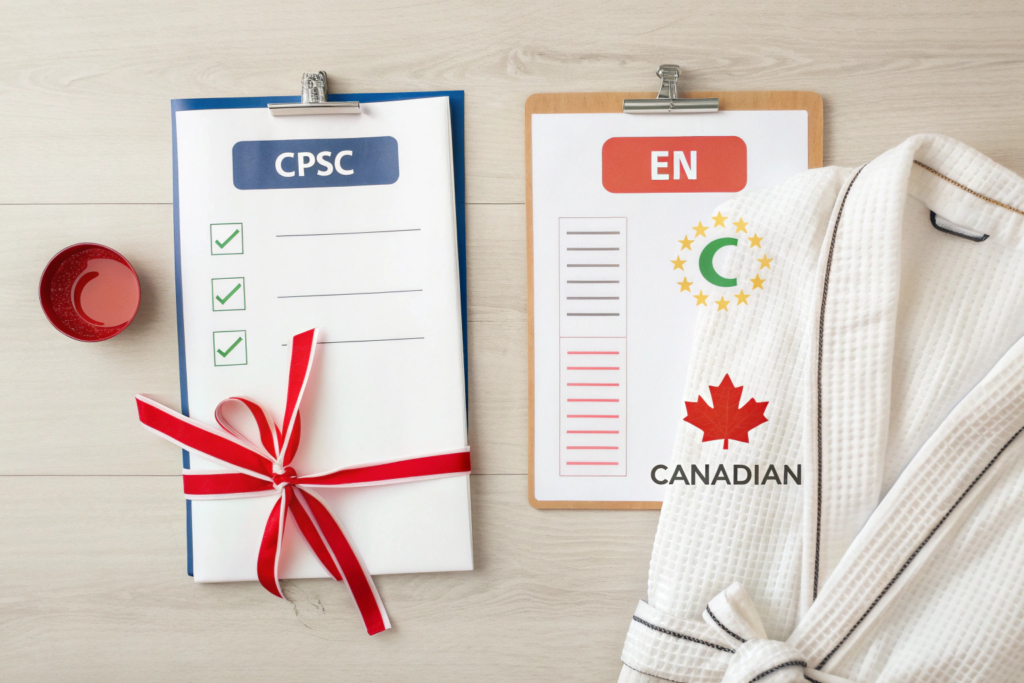
In the United States, the Consumer Product Safety Commission (CPSC) sets the rules. The main standard for children’s sleepwear is 16 CFR Part 1615 for sizes 0 to 6X and 16 CFR Part 1616 for sizes 7 to 14. These standards require that sleepwear fabrics meet specific flame resistance tests. They also regulate trims, ribbons, and accessories attached to sleepwear.
In Europe, the standard is EN 14878, which specifies flammability requirements for children’s nightwear. The testing methods and acceptance criteria differ from the US standards. Canadian regulations align closely with US standards but have their own specific requirements.
What is 16 CFR Part 1615 and 1616?
These are the specific US federal regulations for children’s sleepwear. Understanding them is essential for anyone sourcing sleepwear accessories for the American market.
16 CFR Part 1615 applies to sleepwear for children sizes 0 through 6X. Part 1616 applies to sizes 7 through 14. Both standards require that the fabric and garments meet strict flame resistance tests. The tests measure how quickly flame spreads across the material and how the material behaves when ignited.
The standards also address design features. Trim, lace, ribbons, and other decorative elements must not increase the flammability hazard. This means they must either pass the same tests as the main fabric or be made from materials that are inherently flame-resistant.
Importantly, these standards apply to "sleepwear," which includes garments intended for sleeping or sleep-related activities. This can include robes, nightgowns, pajamas, and similar items. Accessories that are part of these garments, like attached belts or decorative ribbons, are covered by the same requirements. The CPSC website provides complete text of these regulations and guidance documents for manufacturers and importers.
How do European standards differ from US requirements?
European standards take a different approach to sleepwear flammability. The main standard, EN 14878, classifies nightwear into categories based on the level of hazard.
Category A includes products intended for children who cannot yet assess risk, typically very young children. These products must meet the most stringent flammability requirements. Category B includes products for older children and adults, with slightly less stringent requirements.
The testing methods also differ. The European standard uses a different ignition source and different measurement criteria than the US standards. A material that passes the US test might not pass the European test, and vice versa.
Another key difference is that European standards place more emphasis on labeling and warnings. Products that don’t meet the strictest flammability requirements must carry specific warning labels about fire risk. This puts responsibility on consumers to make informed choices.
For accessories, the European approach is similar to the US in that components must not increase the overall flammability hazard. However, the specific testing requirements for trims and decorations may differ. The European Committee for Standardization provides official information on EN standards.
Do Ribbons and Trims Need to Meet the Same Standards?
This is where many buyers get into trouble. They assume that if the main fabric of a sleepwear garment meets flammability standards, the decorative elements are automatically fine. This assumption is dangerously wrong.
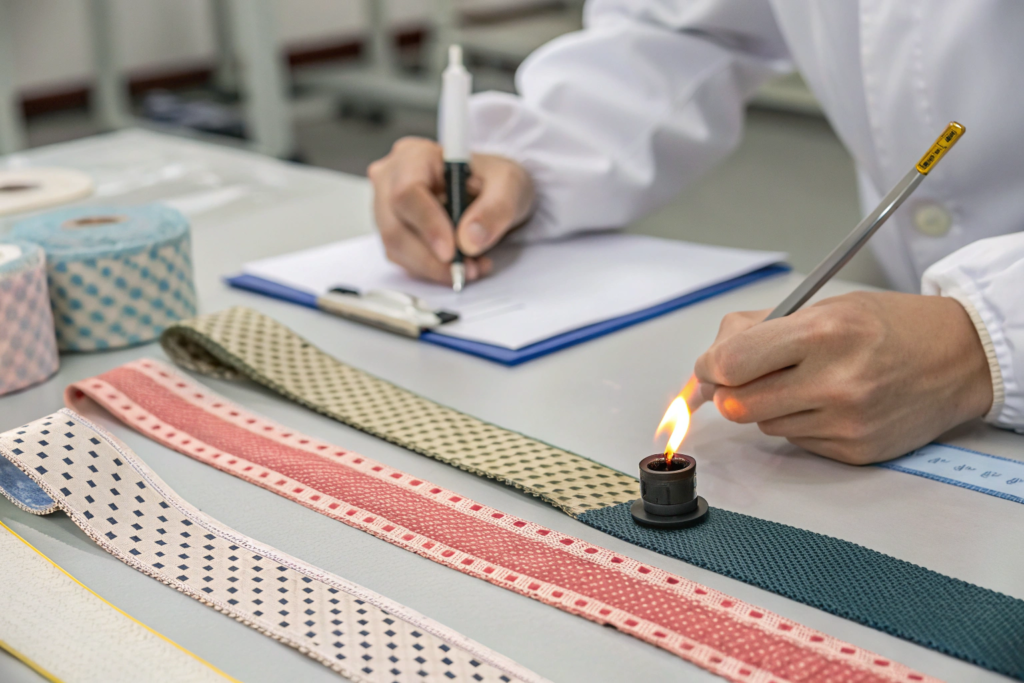
Under both US and European regulations, every component of a sleepwear garment must be evaluated. Ribbons, lace, appliqués, decorative stitching, attached belts, and even labels can affect how the garment behaves in a fire. A non-compliant trim can turn a safe garment into a hazardous one.
The logic is simple. If a decorative ribbon ignites easily and spreads flame, it doesn’t matter that the main fabric is flame-resistant. The trim creates the hazard. Regulators understand this, which is why the standards explicitly address trims and decorations.
For suppliers, this means you cannot simply buy pretty ribbons from any source and attach them to compliant sleepwear. You must verify that every component meets the applicable standards. This is one reason why we at Shanghai Fumao Clothing maintain strict control over our entire supply chain, not just our main fabrics.
What types of trims are considered high-risk?
Certain types of trims are more likely to cause flammability problems than others. Knowing which ones to watch helps you focus your compliance efforts.
Fuzzy or raised surface trims are particularly risky. Materials like chenille, velvet, or anything with a napped surface can ignite more easily than flat materials. The raised fibers provide more surface area for flame to catch.
Sheer or lightweight trims like organza ribbon or lace can also be problematic. Their thin structure means they can ignite quickly and burn rapidly. Some sheer synthetic materials can melt and drip, creating additional hazards.
Trims with metallic threads or coatings require special attention. Metallic components can conduct heat and affect how the material burns. Some metallic treatments can also accelerate burning.
Long, flowing trims like decorative sashes or ribbon ties present both flammability and physical hazards. They can dangle and potentially come into contact with ignition sources more easily than attached trims.
The key is testing. No trim should be assumed safe based on appearance alone. Every component must be tested under the applicable standards. For guidance on trim selection, organizations like ASTM publish standards that can help evaluate materials.
Can you use any ribbon if it passes testing?
Yes, with an important qualification. If a ribbon or trim passes the required flammability tests for your target market, it can be used in sleepwear products. The material itself doesn’t matter as much as its performance.
This means you have options. Some suppliers offer ribbons specifically designed for sleepwear applications. These are typically made from inherently flame-resistant fibers like modacrylic or treated natural fibers. They cost more than standard ribbons but provide peace of mind.
Alternatively, you can have standard ribbons tested for compliance. If they pass, they’re acceptable. However, testing is expensive and must be repeated if the ribbon formulation changes. For many buyers, using pre-certified sleepwear-safe trims is more practical.
The important thing is documentation. If you’re using tested and approved trims, you need the test reports to prove compliance. Customs officials and retailers will ask for this documentation. Having it ready prevents delays and questions.
For sources of compliant materials, organizations like Oeko-Tex certify materials that meet various safety standards, including some flammability requirements.
How Do You Test Sleepwear Accessories for Compliance?
Testing for flammability isn’t something you can do in your office with a lighter. It requires specialized equipment, controlled conditions, and trained personnel. Understanding the process helps you know what to ask for from your suppliers.
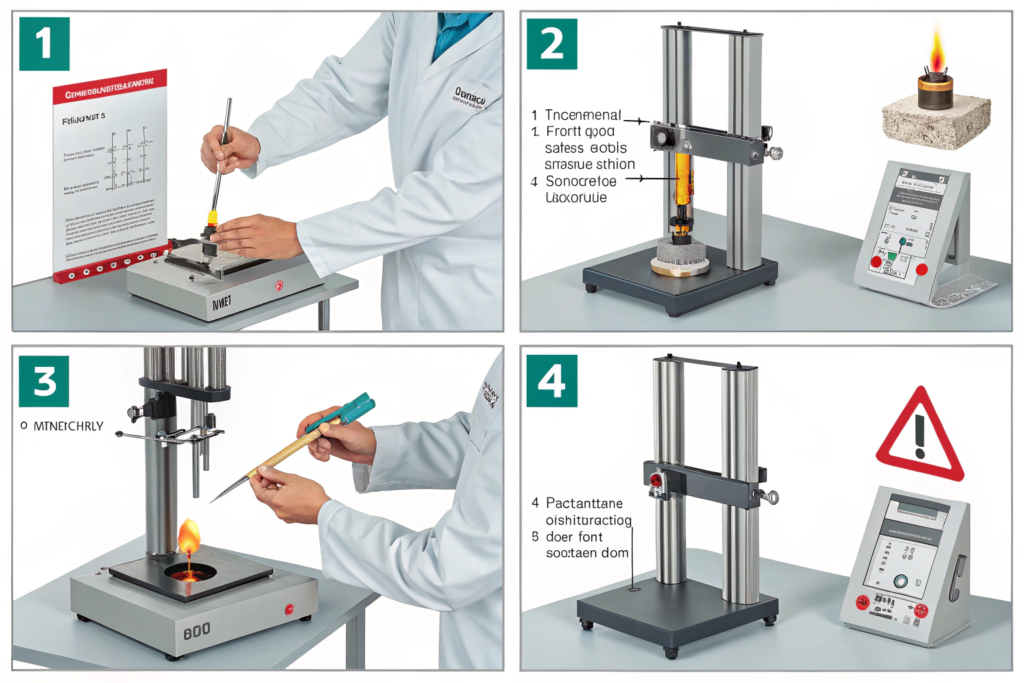
The specific test methods vary by standard, but they share common elements. Samples are conditioned in a controlled environment to ensure consistent moisture content. They’re mounted in a test apparatus at a specific angle. A standardized flame is applied for a specific duration. Technicians measure how fast the flame spreads, how far it burns, and whether the material melts or drips.
For sleepwear, the most common test is the vertical flame test. The sample is hung vertically and exposed to a flame at the bottom edge. The test measures the char length, how far up the sample the flame travels, and the after-flame time, how long the material continues to burn after the flame is removed.
For trims and accessories, the testing may be slightly different. Small samples require special mounting techniques. The key is that the test must accurately represent how the trim will perform when attached to a garment. This complexity is why we recommend working with accredited testing laboratories rather than attempting in-house testing.
What is the vertical flame test?
The vertical flame test is the foundation of sleepwear flammability testing in both the US and Europe. Understanding it helps you interpret test results.
In this test, a specimen of material, typically 2.5 by 10 inches, is suspended vertically in a test chamber. A standardized flame, usually 1.5 inches high, is applied to the bottom edge for a specific time, typically 3 seconds for children’s sleepwear. Technicians observe and record what happens.
The key measurements are char length and after-flame time. Char length is the distance from the edge exposed to the flame to the farthest point of damage. For US children’s sleepwear, the average char length must not exceed 7 inches, and no individual specimen can have a char length of 10 inches or more.
After-flame time is how long the material continues to burn after the flame is removed. For compliant materials, this should be minimal, typically less than 10 seconds, with some variations by standard.
The test also observes other behaviors. Does the material melt and drip? Are there burning particles that could spread fire? These observations matter for overall safety assessment. For detailed test procedures, ASTM D6413 is the standard reference for vertical flame testing of textiles.
Who should perform flammability testing?
Flammability testing should only be performed by qualified laboratories with proper accreditation. This is not something you can DIY or trust to an unverified source.
In the US, testing should be done by laboratories recognized by the CPSC. These labs have demonstrated competence in the specific test methods required for sleepwear compliance. They follow standardized procedures and maintain quality controls.
In Europe, testing should be done by laboratories accredited under ISO/IEC 17025 for the specific test methods. This international standard ensures that labs operate competently and generate valid results.
Many third-party testing companies offer these services. Companies like SGS, Bureau Veritas, and Intertek have global networks of accredited laboratories. They can test your materials and provide the documentation you need for customs and retailers.
When working with a supplier, ask for test reports from accredited laboratories. If they can’t provide them, that’s a red flag. At Shanghai Fumao Clothing, we maintain test reports for all our sleepwear materials and can provide them to clients on request.
What About Accessories Sold Separately?
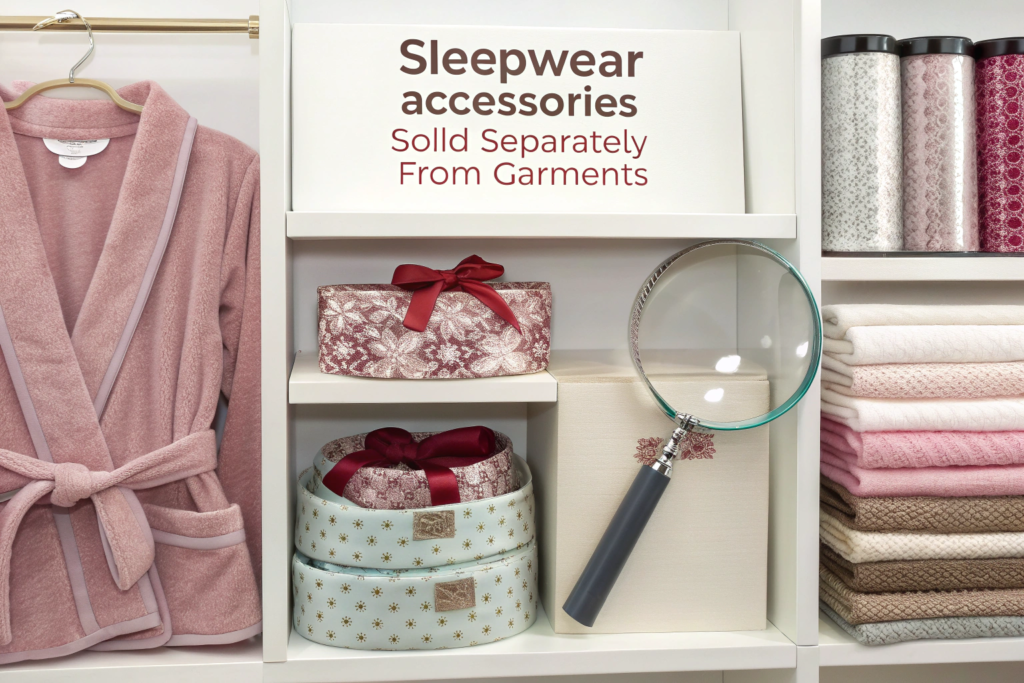
Here’s where things get complicated. What if you’re selling sleepwear accessories separately, not attached to garments? Hair ribbons that might be worn to bed. Decorative headbands for lounging. Belts that could be used with robes. Do these need to meet sleepwear flammability standards?
The answer depends on how the product is marketed and intended to be used. If an accessory is clearly intended for sleepwear use, it likely falls under sleepwear regulations. A ribbon specifically designed to match pajamas and marketed for bedtime use would be subject to flammability requirements.
If the same ribbon is marketed as a general hair accessory with no sleepwear connection, it may not need to meet sleepwear standards. However, there’s a gray area. If consumers commonly use the product with sleepwear, regulators might consider that intended use.
The safest approach is to consider your product’s positioning. If there’s any chance it will be used with sleepwear, especially children’s sleepwear, compliance is wise. The cost of testing is small compared to the liability of a non-compliant product reaching consumers.
Do hair accessories need sleepwear flammability testing?
This is one of the most common questions we hear from clients. The answer requires careful analysis of your specific product and market.
For hair accessories that are clearly intended for daytime use, like decorative clips or headbands marketed as fashion items, sleepwear flammability standards typically don’t apply. These products fall under general apparel regulations, which have different flammability requirements.
However, if you’re selling hair accessories as part of a sleepwear collection, or if they’re designed to match sleepwear and marketed for bedtime use, the situation changes. A ribbon that’s sold with a matching nightgown, or promoted for "bedtime styling," could be considered part of the sleepwear ensemble.
The risk is that consumers will use these accessories with sleepwear regardless of how they’re marketed. A child might wear a pretty ribbon to bed even if it was sold as a general hair accessory. Regulators consider foreseeable use, not just intended use.
For children’s products especially, erring on the side of caution is wise. Testing a hair accessory for flammability adds cost, but it also adds protection. For guidance on product categorization, the CPSC’s Small Business Ombudsman offers free advice to help companies understand their obligations.
What about robe belts and sashes?
Robe belts and sashes are more clearly connected to sleepwear. They’re typically sold with robes or as accessories for robes, which are sleepwear items. As such, they generally need to meet the same flammability standards as the robes themselves.
This applies whether the belt is attached to the robe or sold separately. A detachable belt that’s part of a robe set is clearly covered. A replacement belt sold separately for use with robes would also likely be covered, as its intended use is with sleepwear.
The testing requirements for belts are the same as for other trims. The material must pass the vertical flame test or be made from inherently flame-resistant fibers. The construction matters too. A belt with a knot or decorative element must be tested in its finished form, not just as flat material.
One challenge with belts is that they often use thicker materials or multiple layers. These constructions can behave differently in a fire than single-layer fabrics. Testing the finished product is essential. For insights on product safety, organizations like UL offer testing and certification services for consumer products.
How Do You Document Compliance for Retailers?
Even if your products are fully compliant, you need proof. Retailers, especially major chains, will demand documentation before they accept your products. Having this documentation organized and ready can mean the difference between landing an order and losing it.
The documentation requirements vary by retailer and market, but certain elements are universal. You need test reports from accredited laboratories showing that your products meet applicable standards. These reports should be current, typically within the last year, and should cover all materials in your product. You also need to be able to trace your materials. If a retailer asks about a specific ribbon, you should be able to show where it came from, when it was tested, and what the results were. This traceability is part of good manufacturing practice.
For sleepwear accessories, you may also need general conformity certificates. These are documents in which you certify that your products meet all applicable consumer product safety rules. In the US, these are required for many children’s products. This documentation connects to our earlier discussion of testing requirements, because test reports are the foundation of compliance documentation.

What documents should you request from suppliers?
When sourcing sleepwear accessories, you need specific documentation from your suppliers. Don’t rely on verbal assurances. Get the papers.
First, request material test reports from accredited laboratories. These should show that the specific materials you’re using have passed the required flammability tests. Look for reports that match your exact materials, not similar ones.
Second, ask for material specifications. This includes fiber content, fabric construction, and any treatments applied. This information helps you understand what you’re working with and may be needed for your own documentation.
Third, request information about the supply chain. Where do the materials come from? Are they manufactured by the supplier or sourced from elsewhere? This traceability matters for compliance.
Fourth, ask about production controls. How does the supplier ensure consistency between tested samples and production materials? If the material changes, new testing may be required.
At Shanghai Fumao Clothing, we maintain complete documentation for all our materials and can provide it to clients on request. We believe that transparency builds trust and makes everyone’s job easier.
How often should you retest materials?
Flammability testing isn’t a one-time event. Materials can change over time, and those changes can affect compliance. Regular retesting is essential.
For materials sourced continuously from the same supplier, annual retesting is a common practice. This ensures that any changes in the material formulation haven’t affected its flammability characteristics.
If you change suppliers, new testing is essential. Even if the new supplier claims their material is the same, differences in manufacturing can affect performance. Test the actual material you’ll be using.
If a material formulation changes, even with the same supplier, retesting is necessary. A different dye formula, a different finish, or a different backing can all affect how the material burns. Don’t assume it’s still compliant.
If you’re producing a new product design, even with previously tested materials, consider testing the finished product. The way materials are assembled can affect flammability. A ribbon that’s safe alone might behave differently when gathered into a bow or attached to a garment.
For guidance on testing frequency, organizations like ASTM provide standards that can help you develop a testing program appropriate for your products and volumes.
Conclusion
Sleepwear flammability standards exist for a reason. They protect children from one of the most devastating types of accidents. As suppliers and buyers, we have a responsibility to understand these standards and ensure our products meet them.
The requirements are complex. US standards differ from European ones. Ribbons and trims must be tested just like main fabrics. Accessories sold separately may need compliance depending on their intended use. Documentation must be maintained and available. The consequences of failure, from customs delays to product recalls to legal liability, are severe.
But compliance is achievable. Work with suppliers who understand the requirements and can provide proper documentation. Test your materials with accredited laboratories. Maintain records that demonstrate compliance. And when in doubt, ask questions. Regulators and retailers would much rather answer questions than deal with non-compliant products.
At Shanghai Fumao Clothing, we’ve made compliance part of our culture. Our quality control team is trained in flammability requirements. Our project managers know what documentation to request and provide. Our suppliers are vetted for their ability to meet safety standards. We do this because it’s the right way to do business.
If you’re sourcing sleepwear accessories and have questions about flammability compliance, I’m here to help. Please reach out to our Business Director, Elaine, at elaine@fumaoclothing.com. Let’s make sure your products are safe, compliant, and ready for market.