You’ve identified a gap in the market for a stylish, functional heated scarf—a perfect blend of fashion and tech for chilly climates. The concept is brilliant, but now you face the daunting task of finding a factory that can expertly fuse textile craftsmanship with reliable electronic heating elements. This isn’t standard accessory manufacturing; it’s a specialized hybrid production that many traditional scarf factories are ill-equipped to handle.
Finding the right manufacturer for heated scarves requires targeting suppliers with proven expertise in wearable technology (wearable tech) or technical apparel, not just general scarf or accessory producers. The ideal partner must master three domains: textile sourcing and construction, safe and efficient heating element integration, and electronics assembly and testing. At Shanghai Fumao Clothing, our venture into tech-integrated accessories has taught us that success hinges on partnering with or developing this specialized, interdisciplinary capability.
This guide will navigate you through the key steps to identify and vet a manufacturer capable of bringing your safe, effective, and stylish heated scarf to life.
What Specific Capabilities Must the Manufacturer Have?
A factory that makes beautiful wool scarves may fail catastrophically at producing a heated one. The core challenge is merging soft goods manufacturing with hard electronics assembly in a way that is safe, durable, and comfortable.
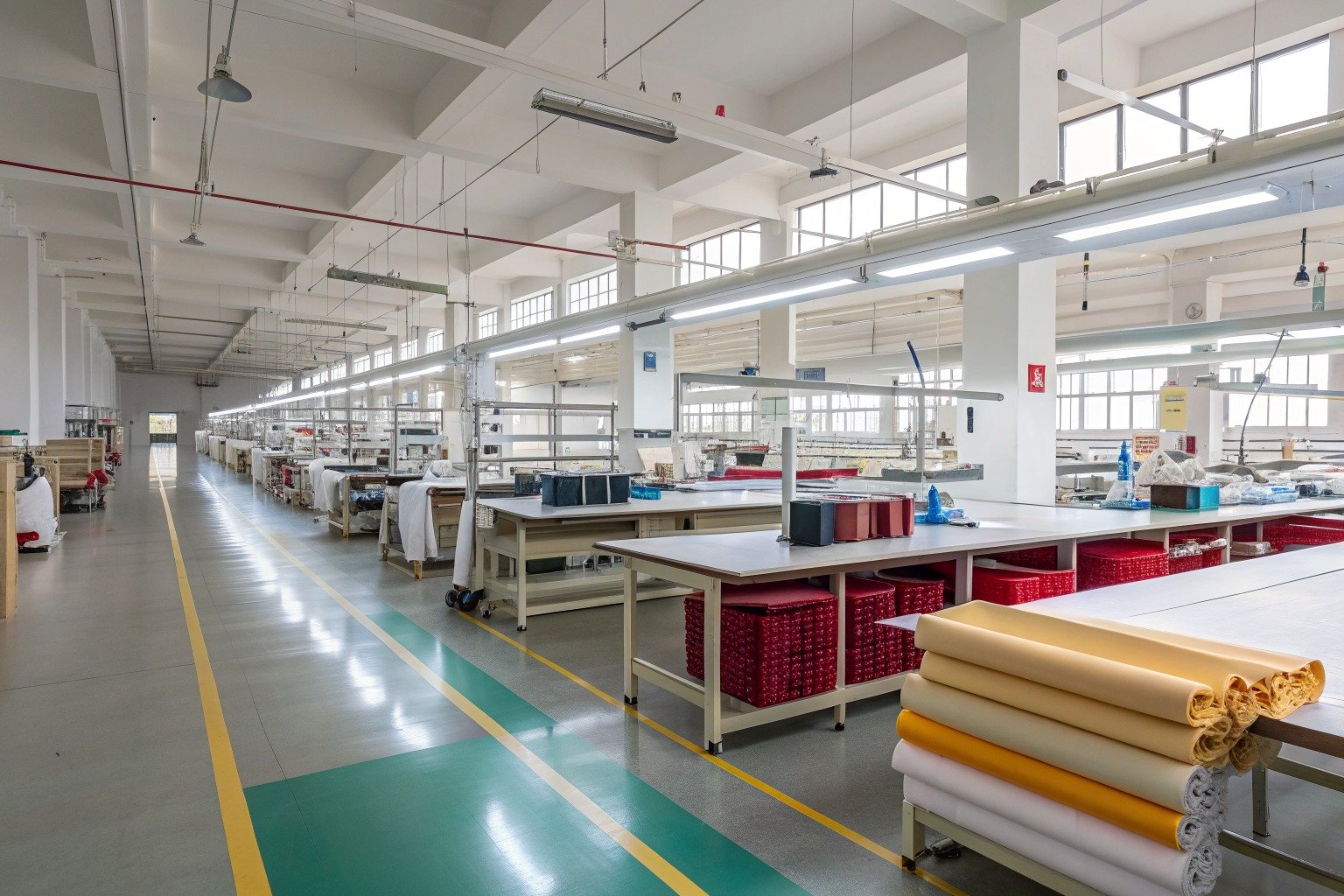
You need a manufacturer whose skill set extends beyond cutting and sewing. They must have a dedicated R&D or engineering team, experience with IPC standards for flexible electronics, and a rigorous quality control regimen for both textile and electronic components. This is a fundamental shift from assessing a standard accessory factory’s design and development capability.
How to Verify Expertise in Wearable Tech Integration?
Do not take claims at face value. Ask for concrete evidence:
- Request a Portfolio: Ask for case studies or samples of previous heated products (gloves, socks, jackets, etc.). Examine the craftsmanship of the integration—is the heating element bulky or seamlessly embedded?
- Ask for Technical Specifications: Inquire about the types of heating elements they work with (carbon fiber pads, metallic wire, graphene) and their suppliers. A knowledgeable factory will discuss pros and cons.
- Inquire About Certifications: They should be familiar with relevant safety certifications for electronic wearables in your target market, such as UL (USA), CE (Europe), or KC (Korea). Their assembly process should be designed to meet these standards. Resources like UL Solutions provide guidelines for wearable tech safety.
Why is In-House or Vetted Electronics Sourcing Critical?
The heating element and power system are the heart of the product. The manufacturer must either:
- Produce the heating elements in-house under strict control.
- Have long-term, vetted relationships with specialized electronic component suppliers.
You must avoid a scenario where the factory sources cheap, unproven heating pads from an unknown vendor. A reliable partner, like Shanghai Fumao Clothing, will be transparent about their supply chain for critical electronic parts and provide component datasheets and safety test reports.
How to Vet for Safety and Quality Assurance Protocols?
Safety is non-negotiable. A faulty heated scarf poses risks of overheating, short-circuiting, or even fire. Your manufacturer’s quality control philosophy must be exponentially more rigorous than for a non-electronic accessory.
Their QA system must have dual tracks: one for the textile (fabric strength, colorfastness, stitching) and another, more critical one, for the electronics (circuit integrity, temperature regulation, battery safety, waterproofing of connections).
This level of scrutiny is a specialized form of quality control and certifications, focused on product safety and reliability.

What Safety Tests Should the Factory Conduct?
A competent factory will describe a battery of tests, including but not limited to:
- Temperature Regulation Test: Ensures the scarf does not exceed a safe maximum temperature (typically around 50-60°C/122-140°F) and that heat is evenly distributed.
- Overcharge/Short Circuit Protection: Verifies the power bank and circuit cut off safely under fault conditions.
- Washability Test: The scarf must withstand multiple wash cycles (as per care label) without damaging the heating elements or electrical connections.
- Flex and Durability Test: Simulates long-term use to ensure wires or heating pads don’t break from folding and movement.
They should provide you with test reports from recognized labs.
How is Functional Quality Controlled in Production?
Every single unit must be functionally tested before shipment. Ask:
- "Do you have a 100% functional testing station on the production line where every scarf is plugged in and checked for heat output and circuit function?"
- "What is your AQL (Acceptable Quality Level) for critical electronic defects?" (The answer should be AQL 0—zero critical defects allowed).
- "How do you test the water resistance of the USB port or power button?"
Their answers will reveal their seriousness about product safety.
What Are the Key Development and Sampling Stages?
Developing a heated scarf is an iterative process with distinct, critical phases. Rushing through sampling to save time or money will almost certainly result in a flawed product. You must budget for and insist on a comprehensive sampling cycle.
The process should move from proof-of-concept, to engineering prototype, to pre-production sample, with testing at each stage. This phased approach de-risks the project.
Clear milestones and communication during this phase are essential for logistics and on-time delivery of a successful final product, not just a rushed failure.

What Should You Expect from a "Engineering Prototype"?
This sample is for testing, not aesthetics. Its purpose is to validate:
- Heating Performance: Does it get warm enough? Is the heat evenly spread?
- Battery Life: Does it meet the runtime target on various heat settings?
- Safety: Does it pass basic preliminary safety checks?
- Comfort: Is the heating element felt as an uncomfortable lump?
Be prepared to go through 2-3 engineering prototype iterations to solve technical challenges.
Why is the "Durability Testing Sample" Crucial?
Before approving the final pre-production sample, you should request a small batch of units (e.g., 10-20 pieces) made with production-grade materials for extended real-world testing. Give these to test users in cold climates to wear and wash repeatedly over a few weeks. This uncovers issues like seam stress, button durability, or washing damage that aren’t apparent in a single lab sample. This step is a hallmark of a mature communication and service reliability partnership.
What Are the Practical Sourcing and Cost Considerations?
Heated scarves possess a fundamentally distinct cost structure and supply chain compared to their standard, non-heated counterparts. Grasping this intricate web of expenses and production nuances is crucial for setting a realistic budget, aligning timelines with production realities, and determining an appropriate minimum order quantity (MOQ). Unlike the straightforward journey of a traditional scarf—woven from yarn, dyed, cut, and sewn with minimal specialized intervention—heated scarves embark on a far more complex odyssey that weaves together threads of technology and craftsmanship.
The electronic components and the specialized labor required for their precise assembly are the primary cost drivers, overshadowing even the expense of the fabric itself. Imagine tiny, delicate heating elements—perhaps thin, flexible wires or micro-encapsulated resistors—that must be carefully integrated into the scarf’s design without compromising its softness or drape. These components, along with microchips for temperature control, batteries (or connections to power sources), and wiring, add layers of complexity and cost that a simple scarf simply does not face. Then there’s the labor: skilled technicians, not just seamstresses, are needed to embed these electronics seamlessly, ensuring they lie flat against the fabric, connect properly, and function safely. This specialized expertise commands a premium, further elevating production costs beyond those of a conventional textile item.

How to Structure a Realistic Cost Breakdown?
A professional quote should clearly separate:
- Tooling/NRE (Non-Recurring Engineering) Costs: For custom molds (e.g., for a proprietary connector or button housing) and development engineering time.
- Bill of Materials (BOM) Cost: Itemized list including fabric, heating element, wiring, controller, power bank, packaging.
- Assembly Labor Cost: This will be higher due to the precision required for electronics assembly.
- Certification Testing Cost: Budget for third-party safety certification testing, which can cost several thousand dollars.
The unit price will drop significantly with higher order volumes as the NRE cost is amortized.
What are Typical MOQs and Lead Times?
- MOQ: For a custom heated scarf, expect MOQs between 1,000 to 5,000 units per style/configuration. This is due to the minimum economic order quantities for custom electronic components and the factory’s setup time.
- Lead Time: From final sample approval to shipment, budget 90-120 days. This includes time for component procurement, PCB (Printed Circuit Board) production, assembly, 100% testing, and safety certification (if not done concurrently).
Always confirm if the quoted lead time includes the time for safety certification testing.
Conclusion
Finding the right manufacturer for heated scarves is a targeted search for a hybrid specialist. It requires moving beyond traditional fashion accessory suppliers to identify partners with demonstrable expertise in wearable technology integration, an uncompromising commitment to safety testing, and a transparent, collaborative development process. The investment in thorough vetting and phased sampling is essential to mitigate the significant risks associated with bringing an electronic wearable to market.
Success in this niche is not just about creating a warm scarf, but about delivering a reliable, safe, and comfortable product that consumers can trust. This demands a manufacturer that is as much an engineering partner as a production facility.
Ready to develop a heated scarf with a partner built for technical innovation? Contact our Business Director Elaine at Shanghai Fumao Clothing. Our dedicated team for tech-integrated accessories can guide you from concept through certified, safe production. Email her at: elaine@fumaoclothing.com to start engineering the future of warm wear.