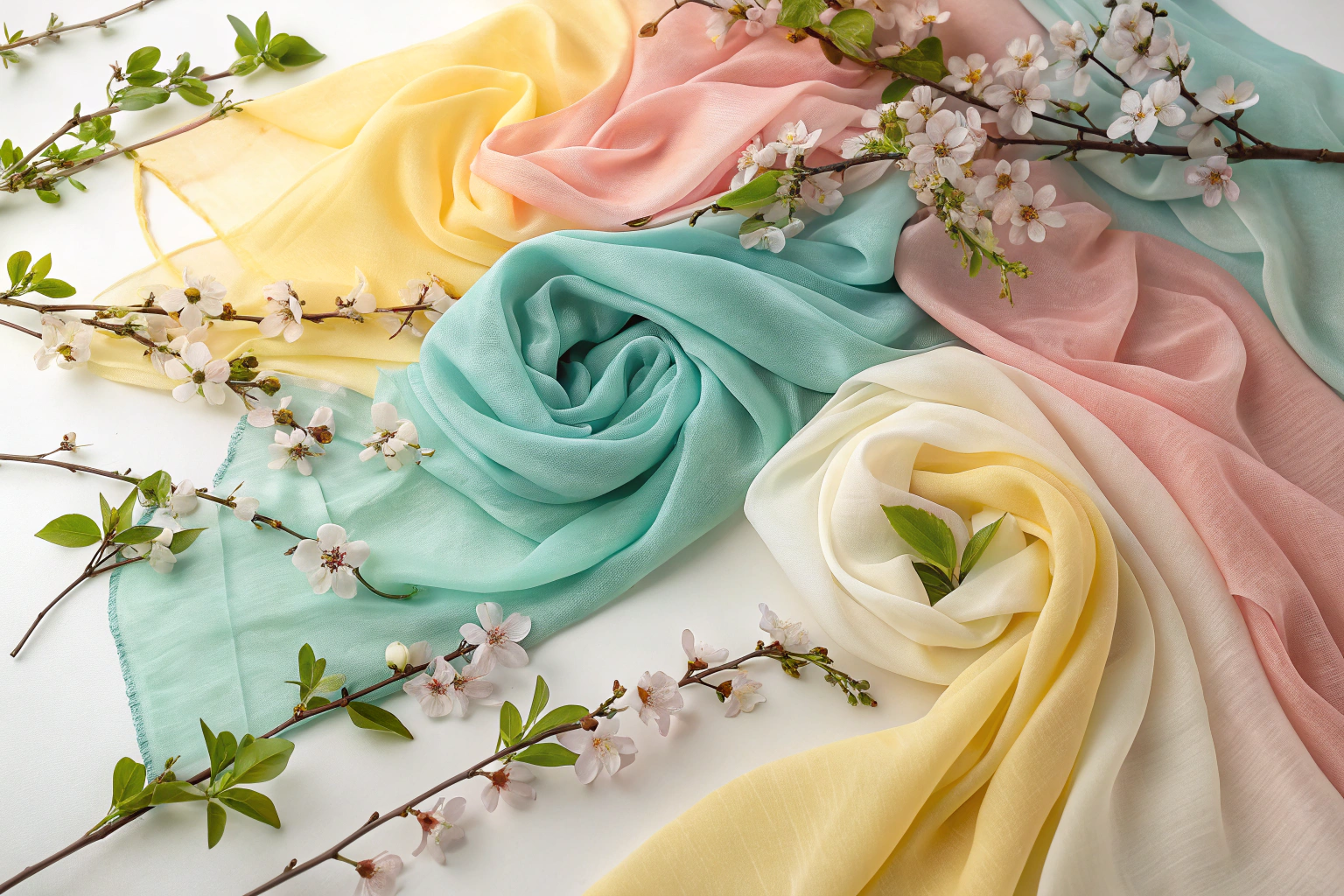
You’re finalizing your spring accessory collection, and the color palette for your scarves will make or break its success. Choosing the wrong colors can leave you with excess inventory, while the right hues can drive sales and define your brand’s seasonal identity. So, what truly sells in the vibrant, renewal-focused spring market?
The best-selling colors for spring scarves are not just pastels; they are a sophisticated spectrum that balances energetic optimism with earthy calm, and timeless neutrals with bold, expressive accents. Based on global trend forecasts, retail sales data, and our production insights at Shanghai Fumao Clothing, the winning palette for 2026 Spring revolves around three core directions: Luminous Brights, Tranquil Naturals, and Elevated Neutrals. The key is understanding the emotional and stylistic needs these colors fulfill for the modern consumer.
Let’s delve into the specific color families that are driving sales and how to effectively incorporate them into your collection.
What Are the Top Trending Color Families for Spring?
Gone are the days of a single "color of the season." Today’s successful spring palette is a curated story with distinct chapters, each appealing to different customer moods and aesthetics. Retailers and brands that offer a balanced range across these families capture the broadest market.
The leading families are defined by global color authorities like the Pantone Color Institute and WGSN, and they consistently perform because they connect with deeper consumer desires for energy, tranquility, and versatility after winter.
Creating scarves in these palettes requires a manufacturer with strong design and development capability, particularly in dyeing and color matching to achieve these specific, nuanced hues.
Why Are "Luminous Brights" Like Lemon and Peach So Popular?
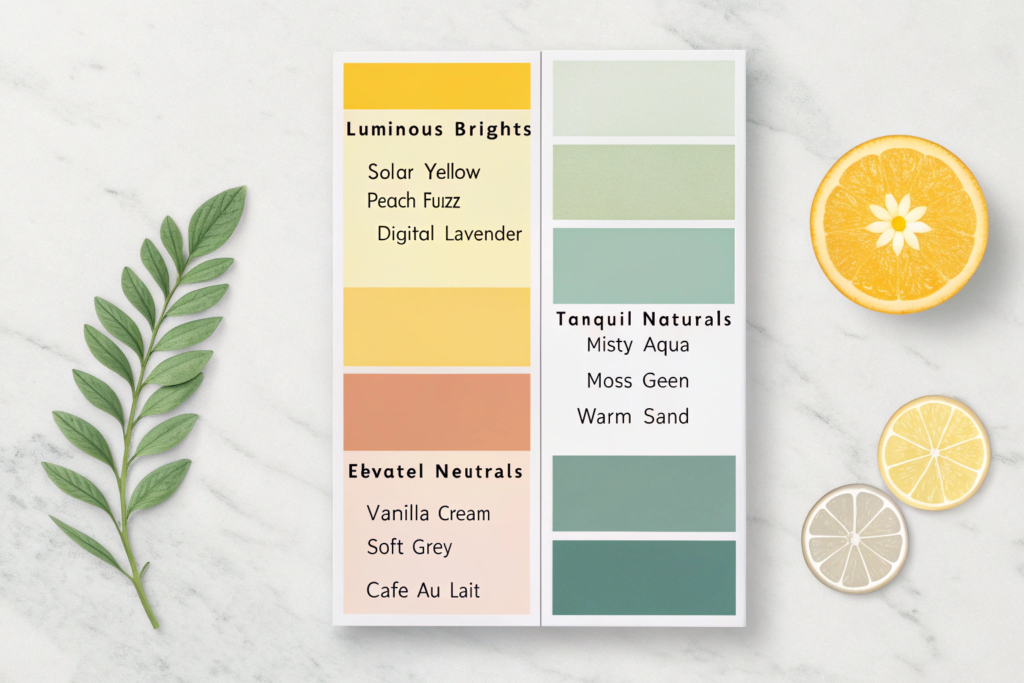
Colors like Luminous Lemon, Peach Fuzz, and Digital Lavender are perennial spring favorites for a powerful reason: they embody optimism and energy. After the grey months, consumers crave items that feel joyful and revitalizing.
- Lemon Yellow: Represents sunshine, happiness, and clarity. It’s a bold statement that pairs surprisingly well with denim and white, making it highly wearable.
- Peach Fuzz (Pantone’s Color of the Year 2024): This soft, nurturing pink-orange continues its relevance. It feels both vintage and modern, offering a gentle warmth that is flattering on most skin tones.
- Digital Lavender: A cool, futuristic purple that signals wellness and digital calm. It appeals to a younger, tech-savvy audience and works beautifully in prints and solids alike.
These shades perform exceptionally well in lightweight silk and viscose scarves, adding a perfect pop of color to a neutral outfit.
What is Driving the Demand for "Tranquil Naturals"?
On the other end of the spectrum, Misty Aqua, Moss Green, and Warm Sand cater to the strong consumer desire for calm, grounding, and connection to nature. This trend is closely tied to the sustainability and wellness movements.
- Misty Aqua: Evokes clear skies and fresh water. It’s serene, cooling, and universally appealing, often selling well in both solid and watercolor-print scarves.
- Moss Green: Represents growth, stability, and the natural world. It’s a sophisticated alternative to brighter greens and works beautifully in organic textures like linen-cotton blends.
- Warm Sand: A foundational neutral drawn from earth and stone. It provides a sense of warmth and organic simplicity, making it an excellent base for intricate patterns or a standalone elegant piece. The popularity of these hues is often echoed in reports from The Color Marketing Group.
How Do Neutrals and Patterns Influence Color Performance?
The best-selling scarf is rarely just a solid block of the trendiest color. The magic—and commercial success—often lies in how these colors are combined through patterns or grounded with sophisticated neutrals. A versatile neutral scarf can outsell a bright one because it becomes a wardrobe staple.
Understanding the role of pattern and neutral bases is essential for maximizing the sell-through of your color choices. They provide balance, sophistication, and multiple styling options.
Producing complex patterns with accurate color registration demands high quality control and certifications in the printing and dyeing process to ensure consistency.
Which Neutrals are "Spring-Ready" and Best Sellers?
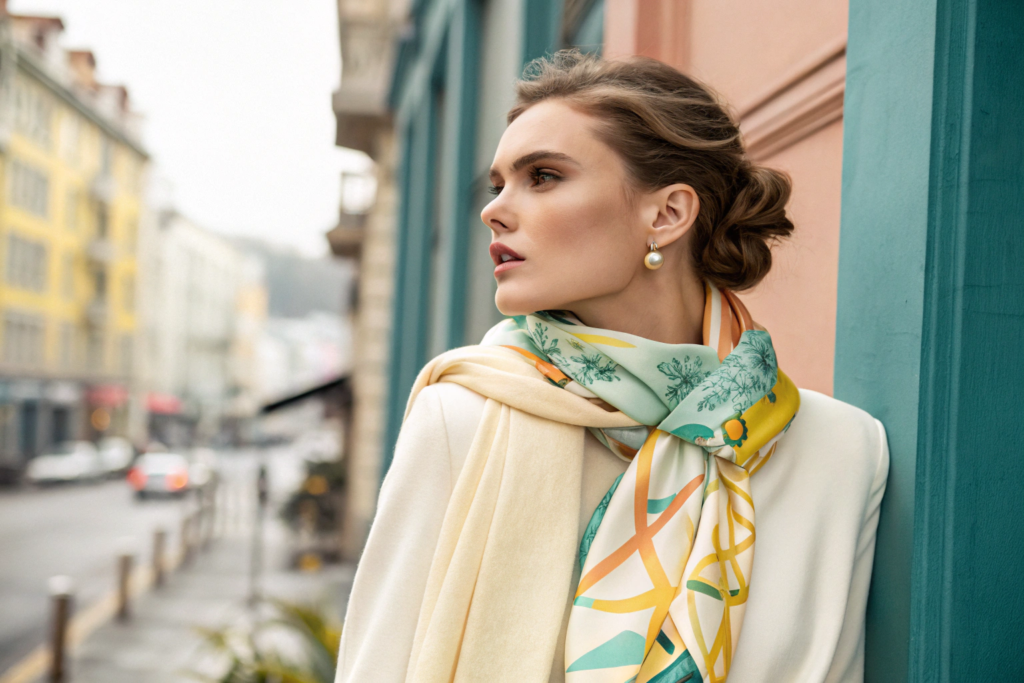
Spring neutrals are not the harsh blacks and navies of winter. They are softer, warmer, and infused with a hint of color. The top performers are:
- Vanilla Cream / Oatmeal: These creamy whites and beiges are the ultimate versatile neutrals. They lighten any spring outfit, feel luxurious, and provide a perfect canvas for layering other colors.
- Soft Grey (with Warm or Blue Undertones): A more contemporary neutral than beige for many consumers. A heathered grey scarf in merino wool or cotton is a perennial best-seller for its chic, effortless vibe.
- Café Au Lait / Camel: Warmer than cream, these rich brown-based neutrals add depth and sophistication. They pair exceptionally well with the entire spring palette, from brights to pastels.
A supplier like Shanghai Fumao Clothing will have a mastered library of these essential neutral dyes, as they form the backbone of any commercial scarf line.
How Do Patterns Maximize the Appeal of Trend Colors?
A pattern allows you to incorporate multiple best-selling colors into a single SKU, increasing its appeal. The most commercial patterns for spring include:
- Abstract Watercolor Washes: These blend trending hues like peach, lavender, and aqua in a soft, artistic way. They feel fresh and modern.
- Botanical & Floral Prints: Timeless for spring. The key is modern execution—think oversized, painterly florals on a vanilla ground or minimalist line drawings of leaves in moss green.
- Geometric and Stripe Patterns: Clean ginghams, delicate pinstripes, or color-blocked sections in complementary brights and neutrals offer a more graphic, contemporary look.
Patterns tell a story and can often command a higher price point than solid colors, as they are perceived as more designed.
What Regional and Demographic Preferences Should You Consider?
While global trends provide a framework, best-selling colors can vary significantly by market and customer demographic. A color that flies off shelves in Milan may sit in Los Angeles, and vice versa. A successful global or niche brand must account for these nuances.
Factors like climate, cultural color symbolism, and average consumer age profoundly influence local preferences. Your sourcing and product development strategy must be informed by your target market.
Adapting product offerings for different regions is a complex task that relies on a supplier’s adept communication and service reliability to execute tailored production runs.
How Do Color Preferences Differ Between North America and Europe?
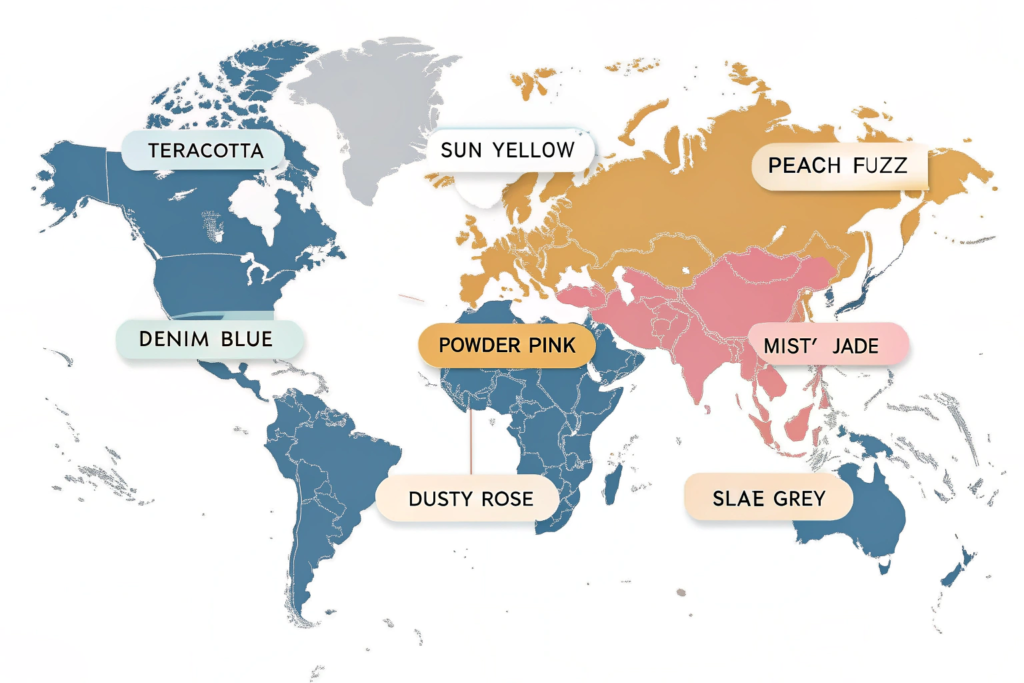
- North America: Tends to embrace brighter, clearer hues and optimistic pastels. Peach Fuzz, Lemon, and true Sky Blue are consistently strong. There’s also a major market for university and sports team colors in scarves and wraps.
- Europe: Often leans toward more muted, sophisticated tones. Dusty rose, sage green, slate blue, and terracotta are perennial favorites. Europeans may prefer colors that feel timeless and integrated into a refined capsule wardrobe over overtly trendy brights.
What Colors Appeal to Different Age Demographics?
- Gen Z & Younger Millennials: Drawn to vibrant, saturated colors (Digital Lavender, Cyber Lime) and nostalgic Y2K pastels. They also embrace bold, contrasting patterns.
- Older Millennials & Gen X: Often seek versatile, elevated colors. They are key buyers of sophisticated neutrals (cream, camel, grey) and rich, earthy tones (moss green, burnt orange) that offer both style and comfort.
- Boomers & Silent Generation: Frequently purchase softer pastels (powder blue, blush pink, lilac) and classic brights like coral and turquoise, often in traditional floral or paisley patterns.
Resources like Euromonitor provide detailed demographic consumer analysis that can guide these decisions.
How to Build a Commercially Successful Spring Scarf Color Line?
Knowing the top colors is one thing; building a balanced, profitable line is another. The goal is to create a cohesive collection where each color has a clear role and appeals to a specific customer need, minimizing internal competition and maximizing overall sales.
Your line should follow a 60-30-10 rule or similar principle: 60% core/neutral shades, 30% key trend colors, and 10% fashion-forward or riskier statement hues. This ensures stability while capturing trend-driven sales.
Managing the production and inventory of such a line requires precise logistics and on-time delivery to ensure the right colors arrive at the right time in the selling season.
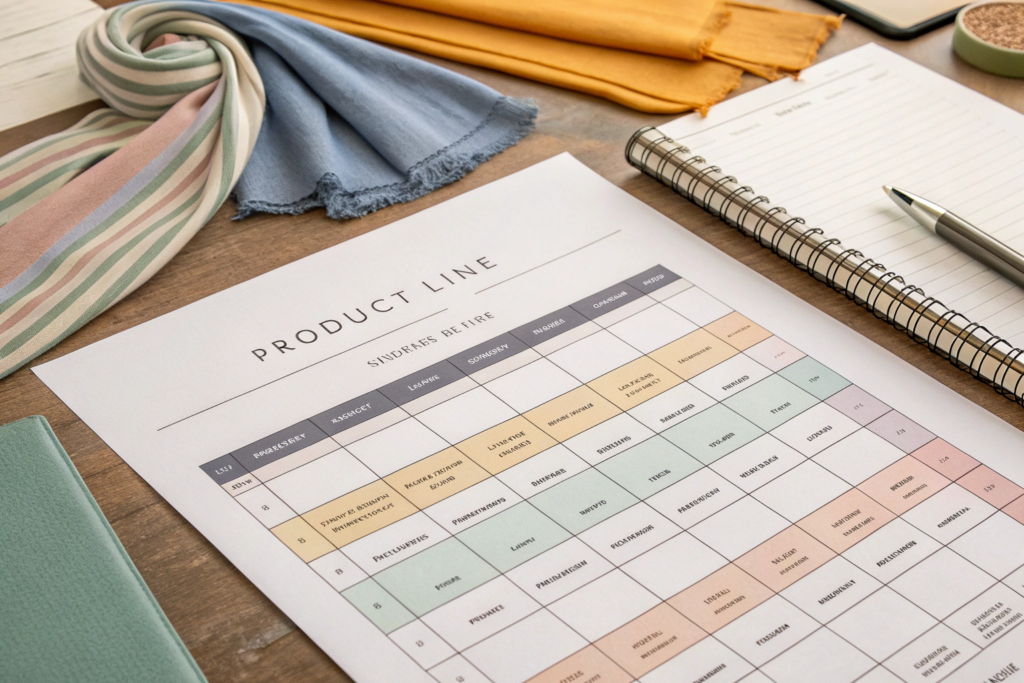
What is the Ideal Product Mix for a Spring Scarf Collection?
A balanced collection addresses multiple needs:
- Core Staples (3-4 Colors): Vanilla Cream, Soft Grey, Café Au Lait, Misty Aqua. These are your workhorses in versatile fabrics (like viscose or fine cotton). Order these in the highest volume.
- Trend Drivers (2-3 Colors): Luminous Lemon, Peach Fuzz, Moss Green. These capture the seasonal energy and drive marketing campaigns. Produce in solid colors and in key patterns.
- Fashion Accents (1-2 Colors): Digital Lavender, Terracotta. These are for the fashion-forward customer and can be offered in more limited runs or special styles.
This mix ensures you have something for the conservative shopper, the trend-follower, and the early adopter.
How Should You Test and Validate Your Color Choices?
Never rely solely on forecasts. Validate your palette through:
- Pre-Selling: Show swatches or digital mock-ups to your top retail buyers and gather feedback.
- Small Batch Production: Work with your manufacturer to produce small quantities (even 50-100 pieces per color) for market testing via your DTC channel or a select retailer.
- Social Media Polls: Use Instagram Stories or Pinterest to let your audience vote on color options. This builds engagement and provides direct consumer data.
A responsive manufacturing partner is crucial for this agile approach, allowing you to pivot or double down on colors based on real-world feedback.
Conclusion
The best-selling colors for spring scarves form a nuanced palette that blends invigorating brights, serene naturals, and indispensable neutrals. Success lies not in choosing a single "winning" color, but in curating a strategic mix that tells a cohesive seasonal story while catering to diverse customer preferences across regions and demographics.
By grounding your collection in versatile core shades, accentuating with validated trend colors, and presenting them through beautiful solids and patterns, you create a line that is both commercially resilient and creatively compelling. This thoughtful approach to color is what transforms a simple accessory into a seasonal must-have.
Ready to develop a spring scarf collection with a winning color strategy? Partner with a manufacturer that masters color. Contact our Business Director Elaine at Shanghai Fumao Clothing. From precise dyeing and trend-informed palettes to agile sampling, we help brands create scarves that sell. Email her at: elaine@fumaoclothing.com to color your next success.