You’re tapping into the booming outdoor gear market. You have a vision for a line of high-performance, waterproof outdoor hats designed for hikers, fishermen, and adventurers in North America and Europe. You know your target customer is discerning. They don’t just want a hat that looks waterproof; they need a hat that is waterproof, capable of withstanding a sudden downpour on a remote trail. This isn’t a simple fashion accessory; it’s a piece of technical equipment. You’re facing a daunting sourcing challenge: How do you find a manufacturer who can actually produce a genuinely technical, waterproof product, and how do you verify their claims?
Finding a manufacturer for waterproof outdoor hats requires a sourcing strategy that prioritizes technical capability and verifiable proof over simple cost. The process involves identifying factories with specific experience in performance outerwear, demanding certified waterproof/breathable fabric specifications (like a "10K/10K" rating), and contractually requiring critical construction techniques like seam sealing. You must then verify these capabilities through rigorous prototyping, independent lab testing, and a deep dive into the factory’s quality control systems for technical gear.
I’m the owner of Shanghai Fumao, and this is a challenge we relish. Moving from fashion accessories to technical performance gear is a major step up in manufacturing complexity. The stakes are higher, and the margin for error is zero. A "waterproof" hat that leaks is not just a disappointment; it’s a product failure that can damage a brand’s reputation for quality and performance. A true manufacturing partner in this space doesn’t just sew hats; they understand material science, advanced construction techniques, and the rigorous testing required to create gear that performs in the wild. Let’s walk through the professional process for finding and vetting a supplier capable of bringing your technical vision to life.
What Makes a Hat "Waterproof" (And How Do You Specify It)?
The first and most critical step is to understand that "waterproof" is not a vague marketing term; it is a specific, measurable, technical standard. If you approach a supplier and just ask for a "waterproof hat," you are leaving yourself open to a wide range of interpretations. You must learn the language of technical fabrics.
A hat is made waterproof through the use of a specialized waterproof/breathable fabric and a construction method called "seam sealing." The fabric typically has a waterproof rating measured in millimeters (mm) and a breathability rating measured in grams (g/m²). A common industry standard for good performance is a "10K/10K" rating. You must explicitly specify both the fabric rating and the requirement for "fully seam-sealed construction" in your technical pack to ensure a truly waterproof product.
Let’s break down these two core components:
- The Waterproof/Breathable Fabric:
- Waterproof Rating (mm): This is measured using a "hydrostatic head test." A column of water is placed on the fabric, and the height of the water column (in mm) at which the water begins to seep through is the rating. A higher number is more waterproof. 5,000mm is a basic rating for light rain, while 10,000mm (10K) is a solid standard for all-day rain protection.
- Breathability Rating (g/m²/24hr): This measures how much water vapor (sweat) can pass through the fabric from the inside out over a 24-hour period. A higher number is more breathable. 5,000g is basic, while 10,000g (10K) is considered very good for active use, preventing that clammy, "wearing a plastic bag" feeling.
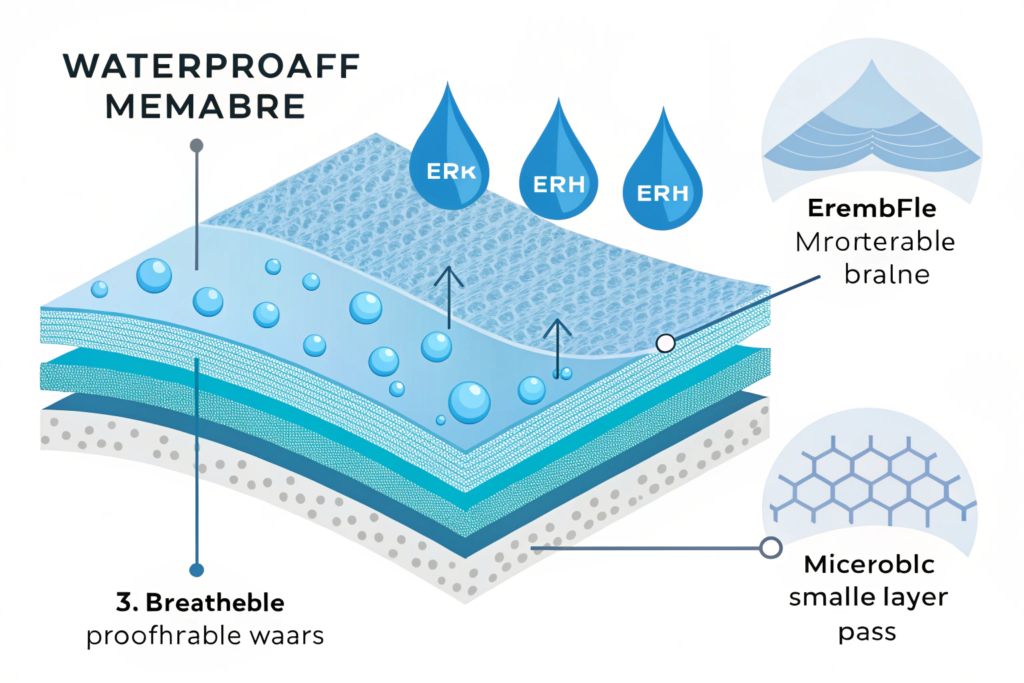
- The Membrane: This performance is usually achieved with a microporous membrane (like the famous Gore-Tex™ ePTFE membrane) or a polyurethane (PU) coating that is laminated to the outer fabric.
- Seam Sealing / Seam Taping: This is non-negotiable. When a hat is sewn, the needle creates thousands of tiny holes in the waterproof fabric. Each of these holes is a potential leak point. Seam sealing is the process of applying a special waterproof tape over these seams on the inside of the hat using heat and pressure. Without this, your hat is not truly waterproof, no matter how good the fabric is.
What is the difference between "water-resistant" and "waterproof"?
This is a critical distinction.
- Water-resistant (or "water-repellent") usually refers to a fabric that has been treated with a Durable Water Repellent (DWR) finish. It will cause water to bead up and roll off in a light shower, but it has no waterproof membrane and the seams are not sealed. It will fail in sustained rain.
- Waterproof means the fabric itself is a barrier to water (rated in mm) and the seams are sealed.
A factory that tries to offer you a "water-resistant" product when you have asked for a waterproof one is either misunderstanding or trying to cut corners.
What are 2L, 2.5L, and 3L fabrics?
This refers to the number of layers laminated together.
- 2-Layer (2L): The membrane is bonded to the outer face fabric. A separate, loose hanging inner lining is needed to protect the membrane.
- 3-Layer (3L): The membrane is sandwiched and bonded between the outer fabric and an inner "scrim" fabric. It’s a single, durable, high-performance fabric.
- 2.5-Layer (2.5L): The membrane is bonded to the outer fabric, and a thin, printed or raised pattern is applied on the inside to protect the membrane without the weight of a full inner layer. It’s very lightweight.
For a high-quality hat, a 2.5L or 3L construction is ideal.
How Do You Identify Factories with Technical Outerwear Experience?
You cannot find a technical hat manufacturer by searching for a fashion hat factory. They are different worlds. A factory that makes excellent knit beanies or baseball caps likely does not have the specialized machinery or expertise to produce a seam-sealed waterproof product. You need to hunt for a different kind of beast.
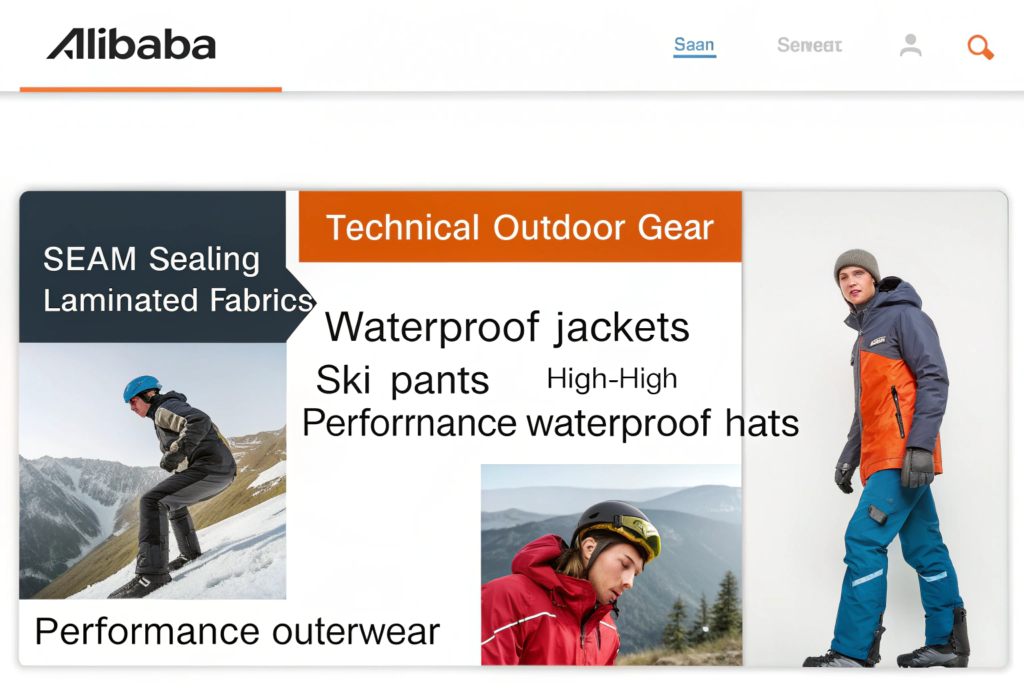
To find a factory with the right experience, you must refine your search terms and look for suppliers who explicitly manufacture "performance outerwear," "technical apparel," or "skiwear." Their product catalogs should feature items like waterproof jackets and pants, not just hats. The key indicator of their capability is the ownership of specialized machinery, specifically a "seam sealing machine," which is a significant capital investment that a simple fashion factory would not have.
Here’s how to focus your search:
- Refine Your Search Keywords: On platforms like Alibaba or in Google searches, don’t just search for "hat manufacturer." Use more specific, technical keywords:
- "Seam sealed hat manufacturer"
- "Waterproof outerwear factory"
- "Technical apparel supplier"
- "Gore-Tex hat factory" (even if you don’t use that specific brand, it finds factories in that category)
- Analyze Their Product Catalog: This is your most important clue. Look at the other products the factory makes. Do they show a range of technical jackets, ski pants, and outdoor gear? If so, it’s a great sign. If their catalog is 99% baseball caps and beanies with one "waterproof" hat, be very skeptical. They are likely just outsourcing it or don’t have true expertise.
- Ask Direct Questions About Machinery: During your initial contact, ask direct questions:
- "Do you have your own seam sealing machines in-house? How many?"
- "Can you please send me photos of your seam sealing department?"
- "What is your experience manufacturing products with 3-layer laminated fabrics?"
A factory with genuine expertise will be proud to show you their technical capabilities. A factory that gives vague answers is likely not the right partner.
The presence of seam sealing machines is the litmus test. It’s a piece of equipment that serves no other purpose, so a factory that owns them is a factory that is serious about producing waterproof gear.
What certifications should I look for?
While not a guarantee, certain certifications are a good sign.
- Bluesign® System Partner: Bluesign® is a very strict standard for sustainable and safe textile production. A factory that is a Bluesign® system partner is accustomed to high levels of chemical management and process control, which is essential for technical fabrics.
- ISO 9001: This certification indicates that the factory has a documented quality management system in place. It shows a level of professionalism and process discipline.
Should I look for a factory that works with major outdoor brands?
If you can find out, yes. A factory that is already producing for well-known, reputable outdoor brands (like The North Face, Arc’teryx, or Patagonia) has already been vetted and approved by the best in the business. They will have the systems, quality control, and expertise you need. They may be harder to get a response from as a smaller brand, but it’s a strong indicator of top-tier capability.
How Do You Vet a Potential Supplier and Verify Their Claims?
You’ve found a few factories that look promising on paper. They talk a good game, and their website looks professional. Now comes the most important phase: vetting. You must move from trusting their marketing claims to verifying their actual capabilities. How do you do this before placing a large order?
Vetting a potential waterproof hat manufacturer is a multi-stage process centered on the evaluation of a physical prototype. You must order a fully functional sample made with your specified materials and construction techniques. Upon receipt, you must perform both a detailed physical inspection and a "real-world" waterproof test. For ultimate assurance, you can send this sample to an independent laboratory to scientifically verify its waterproof and breathability ratings.
Here is your vetting playbook:
- Order a Fully Functional Prototype: Do not accept a "similar" sample they have in stock. Pay the sample fee (it’s a necessary investment) and order a prototype made to your exact Tech Pack specifications. This tests their ability to follow instructions and work with your chosen materials.
- Perform a Meticulous Physical Inspection: When the sample arrives, become a detective.
- Check the Seam Tape: Turn the hat inside out. Is the tape applied neatly and consistently over all seams? Are there any bubbles, wrinkles, or areas where the tape is peeling? Poor seam taping is the number one sign of a low-quality factory.
- Examine the Stitching: Is the stitching neat and even? Look at the brim and any other structural components.
- Check the Fabric: Does the fabric feel like the quality you specified? Does it match the swatch they may have sent you earlier?
- Conduct a "Home" Waterproof Test: You can perform a very effective test yourself. Turn the hat inside out and fill it with water, like a bucket. Does any water seep through the seams or fabric after 10-15 minutes? Alternatively, wear the hat in the shower for 5 minutes. Take it off and check the inside. Is it perfectly dry? This simple, practical test can reveal a lot.
- Invest in Independent Lab Testing: This is the professional way to get undeniable proof. You can send your prototype to a third-party testing lab (like SGS, Intertek, or a specialized textile lab). For a few hundred dollars, they can perform official tests to verify:
- The hydrostatic head (waterproof) rating.
- The moisture vapor transmission rate (breathability) rating.
- The seam leakage performance.
The lab report gives you a definitive, scientific answer and is a powerful piece of leverage if a supplier’s product does not meet the promised specifications.
How much should a prototype cost?
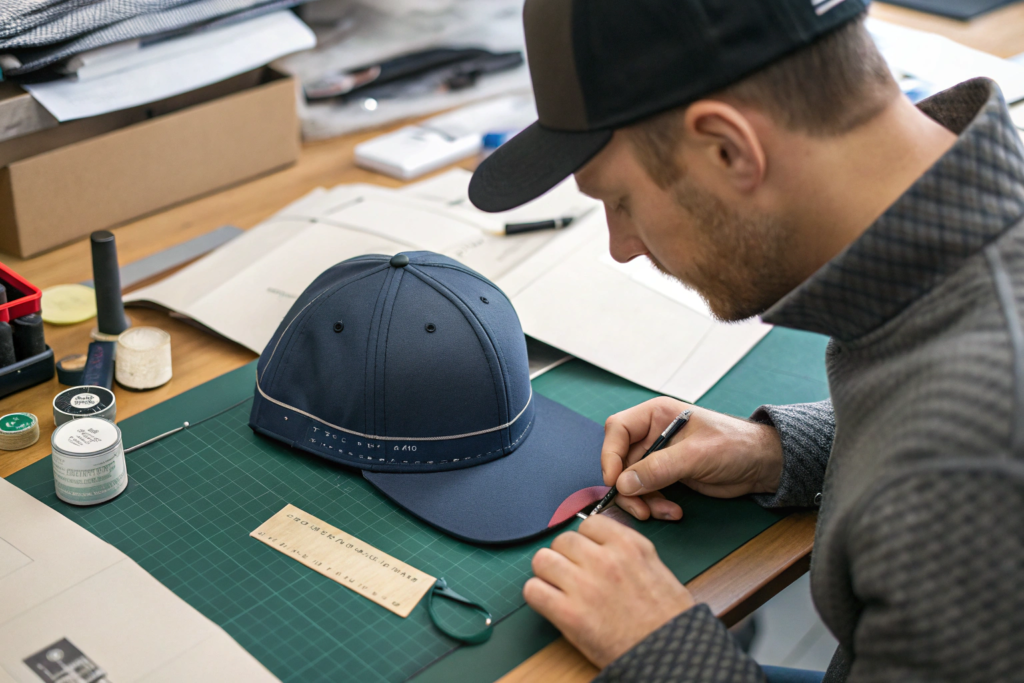
A technical prototype is expensive to make. It requires a skilled sample room technician to stop their work and focus on a single piece. A price of 3-5 times the estimated bulk production price is normal (e.g., if the bulk price is $15, a sample cost of $45-$75 is reasonable). Do not try to bargain on the sample cost; it’s a critical investment in your vetting process.
What if the sample is good, but I’m still nervous?
A factory audit is the next step. You can either visit the factory yourself or hire a local, third-party auditing firm. An audit can verify their machinery, check their quality control processes, and confirm their social and environmental compliance.
What Are the Key Quality Control Checkpoints for Production?
You’ve vetted your supplier and approved a perfect "golden sample." Now you’re placing a bulk order. How do you ensure the 5,000 hats you receive are all made to the same standard as the one perfect sample you approved? This requires establishing clear QC checkpoints throughout the production process.
For waterproof hats, your QC plan must go beyond a simple final inspection. It must include specific checkpoints for technical components, such as a 100% visual inspection of all seam sealing and a batch test for waterproofness. These checkpoints should be contractually agreed upon with your supplier and documented in your Purchase Order.
Insist on these QC steps:
- Incoming Material Verification: The factory must test a swatch from the bulk fabric roll to ensure it meets the 10K/10K (or your specified) rating before they cut thousands of hats.
- 100% Seam Tape Inspection: This is critical. Every single hat must have its seam taping visually inspected. Many top-tier factories do this using a "light box," which illuminates the hat from within and makes it easy to see any flaws in the tape application.
- In-Line Waterproof Testing: The factory should have its own simple waterproof testing equipment. They should be pulling a certain number of hats from the production line each day (e.g., 5-10) and testing them to ensure the process is consistent. Ask for their internal testing reports.
- Final AQL Inspection with Technical Focus: During the final inspection (either your own or a third party’s), the inspector’s checklist must include specific technical checks:
- Randomly select several hats and perform a "bucket test" or "shower test."
- Meticulously inspect the seam tape quality on a large sample of the hats.
- Verify that all components (fabric, zippers, drawcords) match the approved "golden sample."

What is a "golden sample"?
The "golden sample" is the final, perfect pre-production prototype that you formally approve. The factory should keep this sample in a sealed bag, signed by both you and the factory manager. It serves as the ultimate physical standard against which all bulk production is compared. During the final inspection, the inspector will have this sample on hand to resolve any disputes about quality or specification.
Who pays if the goods fail the inspection?
This should be clearly defined in your Purchase Order. A standard clause states that if the goods fail the AQL inspection, the supplier is responsible for re-working or remaking the defective items and paying for a second inspection. This financial incentive is a powerful motivator for the factory to get it right the first time.
Conclusion
Finding a manufacturer for a technical product like a waterproof outdoor hat is a fundamentally different process than sourcing a simple fashion accessory. It requires you, the brand owner, to become educated in the language of performance materials and advanced construction techniques. Your success depends on your ability to create detailed technical specifications, to search for factories with proven outerwear experience, and to implement a rigorous, multi-stage vetting process based on physical prototypes and verifiable testing. You must trade the mindset of a "buyer" for that of a "product developer" and seek a manufacturing partner who can speak your new technical language. By investing the time in this demanding front-end process, you can build a supply chain capable of delivering a truly high-performance product that will earn the trust and loyalty of the most demanding outdoor consumers.
At Shanghai Fumao, we have invested in the machinery, the expertise, and the quality control systems required to produce technical performance headwear. We understand the difference between "water-resistant" and "waterproof," and we welcome the rigorous vetting and testing that comes with producing mission-critical gear. If you are ready to partner with a manufacturer who can bring your technical vision to life with precision and verifiable quality, please reach out to our Business Director, Elaine, at elaine@fumaoclothing.com.