Are you rushing to catch the tram on a chilly morning in Berlin, pulling your favorite scarf tighter? But as you do, you feel a dreaded snag, or notice the edges are starting to fray. It’s frustrating when a stylish accessory can’t withstand the rigors of daily life—the constant friction from your coat, getting caught in a bag strap, or frequent washing. You need a scarf that not only looks great but is built to last through the European autumn and winter, season after season.
For the best durability for daily use in Europe, look for scarves made with a twill weave, herringbone weave, or a tight plain weave. These weaving structures create dense, strong fabrics that are inherently resistant to snagging, stretching, and pilling. Materials like high-quality wool, cashmere blends, and tightly woven cotton further enhance this durability, making them ideal for everyday wear.
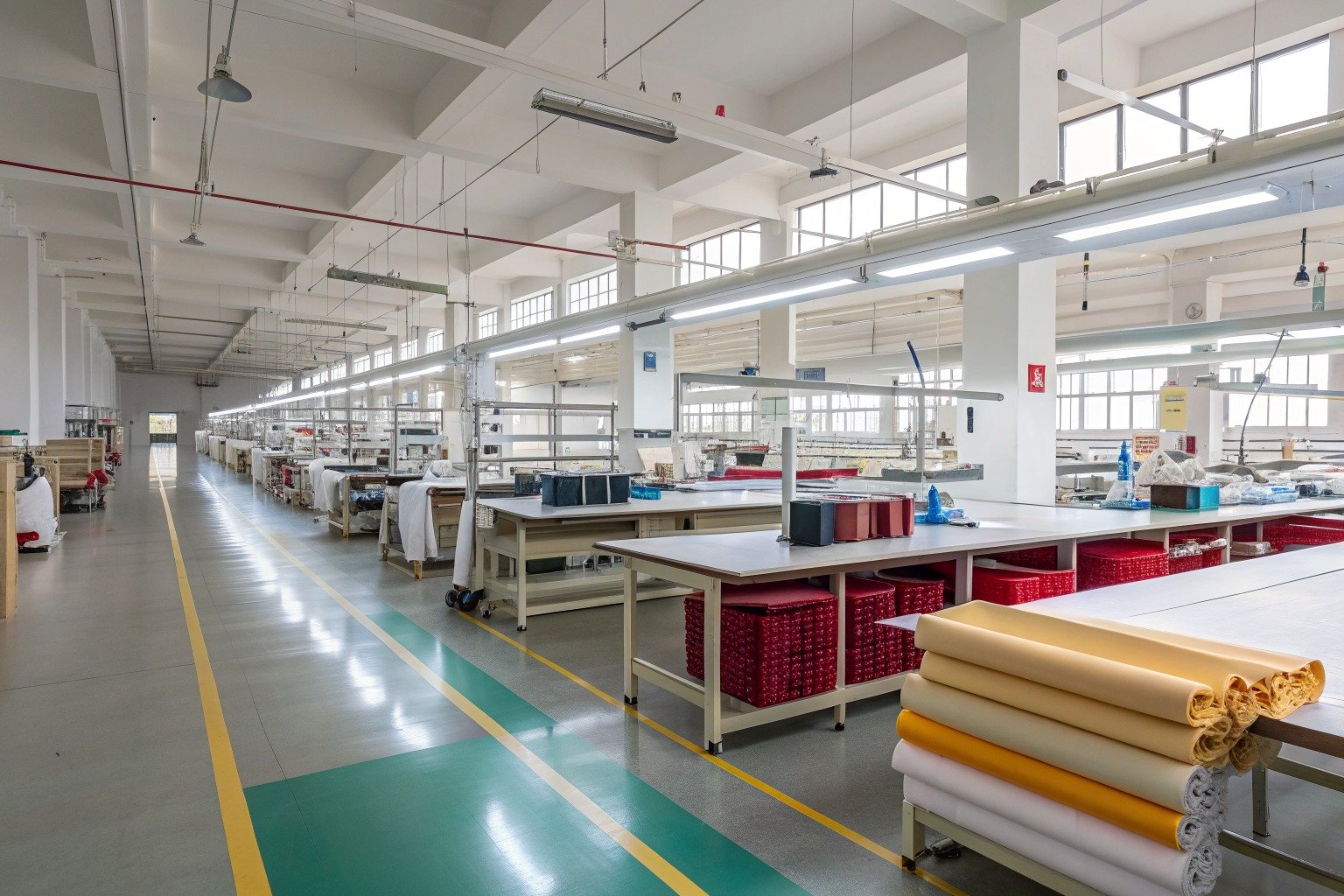
Choosing the right weave is an investment in both style and longevity. A durable scarf maintains its shape, texture, and color, ensuring it remains a staple in your wardrobe for years. It means less worry about wear and tear and more confidence that your accessory can handle your busy lifestyle. As a manufacturer, we at Shanghai Fumao Clothing have seen firsthand how the right construction transforms a simple scarf into a reliable, long-lasting companion. Let’s explore which weaves offer this superior performance.
Why Does Weave Matter More Than Material?
You’ve probably bought a beautiful, soft scarf only to see it develop annoying pills or snags after just a few wears. It’s easy to blame the material, thinking the wool or cotton was low quality. But you might be overlooking the real culprit: the weave. This leaves you feeling confused and hesitant when buying your next scarf, unsure how to identify one that will actually last.
The weave, or the pattern of how threads are interlaced, is the fundamental structure that dictates a fabric’s strength, stability, and resistance to stress. While material choice is important for feel and warmth, it’s the weave that determines how well those fibers hold together under daily friction and tension. A tight, dense weave will always be more durable than a loose, open one, regardless of the fiber used.
Think of it like building a wall. You can have the best bricks (the material), but if the mortar and bricklaying pattern (the weave) are weak, the wall will crumble. A strong weave locks the threads in place, preventing them from shifting, snagging on your jewelry, or pulling apart. This structural integrity is the secret to a scarf that can endure daily commutes, changing weather, and frequent use without showing premature signs of wear. Understanding this helps you look beyond just the fiber content and make a smarter purchase. For a deeper dive into specific durable weaves, check out our section on What are the top durable scarf weaves?.
How does a weave prevent pilling?
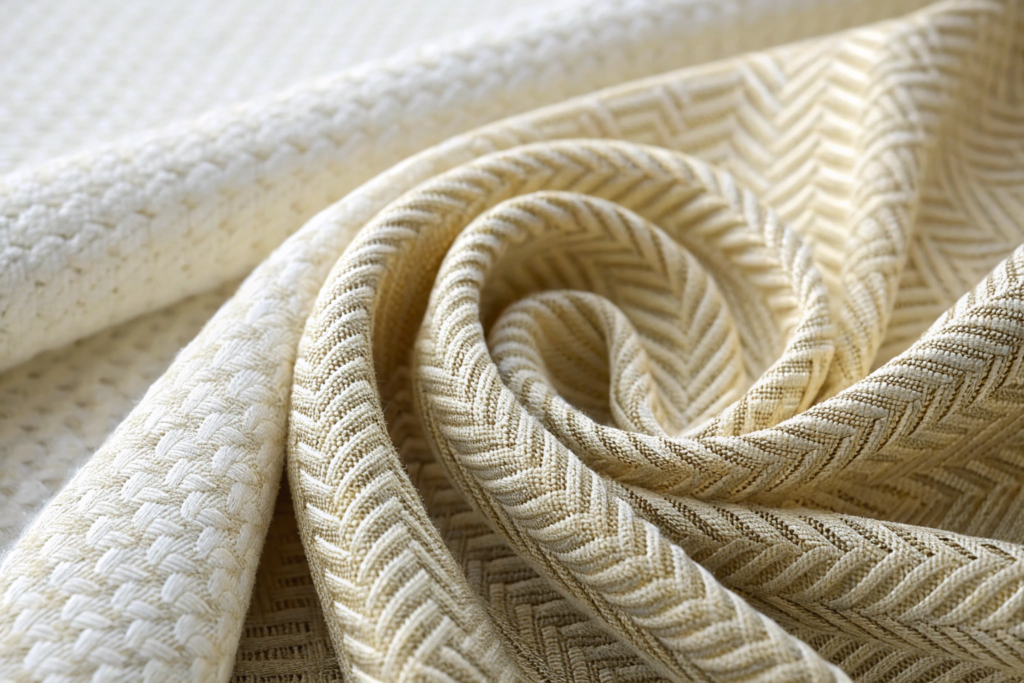
Pilling occurs when loose fibers on the surface of a fabric rub together and form tiny balls, or "pills." A tight weave is your best defense against this. In a dense structure like a twill or a tight plain weave, the yarns are packed closely together with very little room to move. This firm construction securely anchors the ends of the fibers within the fabric, preventing them from working their way to the surface where they can be abraded. As explained by textile resources like the Good Housekeeping Institute, less surface fiber exposure means significantly less pilling. In contrast, loose knits or open weaves allow fibers to move freely, making them highly susceptible to this kind of wear.
Can a strong weave resist stretching?
Absolutely. A fabric’s ability to retain its shape, known as its dimensional stability, is largely determined by the weave. Tightly woven fabrics have very little "give" or elasticity because the interlaced threads are already in a fixed, taut position. This makes them highly resistant to stretching out of shape, even when pulled or worn frequently. This is a key principle in textile engineering, often discussed in academic resources like the Journal of the Textile Institute. A scarf with a stable weave, like a herringbone, will not become long and misshapen over time, ensuring it drapes and fits just as well as the day you bought it. This is especially important for scarves that might be tied in various knots.
What Are the Top Durable Scarf Weaves?
Walking through a store, you’re faced with a sea of scarves. They all look appealing, but how can you tell which one will survive your daily routine? You can feel the softness and see the color, but you can’t "see" the durability. This uncertainty can lead to a bad purchase—a scarf that looks worn and tired after just one season, forcing you to replace it far too soon.
The most durable and reliable scarf weaves for daily European life are the Twill Weave, the Herringbone Weave, and a high-density Plain Weave. Each of these structures offers a unique combination of strength, snag resistance, and graceful draping, making them perfect for accessories that need to be both beautiful and tough.
These weaves are the workhorses of the textile world for a reason. Their interlocking patterns create fabrics that are inherently robust and can handle the friction of a coat collar or the occasional snag from a zipper. By learning to identify these three simple patterns, you can empower yourself to choose a scarf with confidence. You’ll be investing in a piece that not only complements your style but is also built to last, saving you money and frustration in the long run. And remember, the right weave is even more critical than the material itself, as we discussed in Why does weave matter more than material?.
Is Twill Weave a good choice?
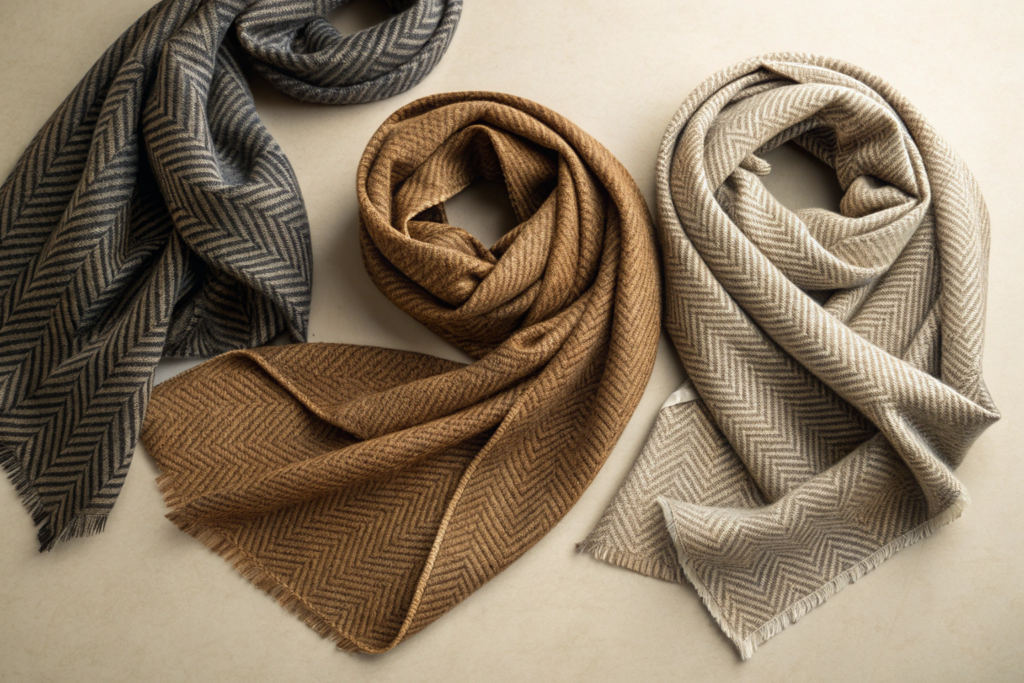
Twill is an excellent choice for a durable, everyday scarf. You can identify it by the distinct diagonal parallel ribs on the fabric’s surface. This structure, which is the same used for durable fabrics like denim and chino, is created by offsetting the weft threads. This diagonal pattern makes the fabric not only strong but also allows it to drape beautifully and resist wrinkles. According to fabric guides from retailers like J.Crew, twill’s tight construction makes it highly resistant to showing dirt and stains, which is a huge plus for a daily-use item. Its inherent strength also means it stands up exceptionally well to snagging and tearing, making it a reliable and long-lasting option.
What makes Herringbone Weave special?
Herringbone is a type of twill weave, but with a distinctive "V" or broken zigzag pattern that resembles the skeleton of a herring fish—hence the name. This pattern is not just for looks; it enhances the fabric’s durability. The reversal of the diagonal weave at regular intervals creates a more balanced and stable structure, as noted by heritage brands like Harris Tweed. This makes the fabric very resistant to stretching and helps it hold its shape over years of use. A herringbone scarf offers a touch of classic, sophisticated texture while providing the ruggedness needed for daily wear, making it a perfect blend of style and function.
Which Materials Best Complement Durable Weaves?
You’ve found a scarf with a perfect twill weave, but it’s made from a flimsy, synthetic material. You’re worried that even with a strong weave, the poor-quality fibers will break down, pill, or feel uncomfortable against your skin. This conflict between a good structure and a bad material can make the final purchasing decision confusing.
To create the ultimate durable scarf, a strong weave must be paired with high-quality, resilient fibers. The best materials for this are Merino Wool, Cashmere Blends, and high-grade Cotton. These natural fibers offer a synergy of strength, softness, and longevity that synthetic materials often cannot match.
The material and the weave work together as a team. A durable weave gives the fabric its structure, while a quality material provides the comfort, warmth, and inherent strength of the individual threads. Merino wool offers warmth and moisture-wicking properties, cashmere blends provide luxurious softness with added strength, and tightly woven cotton is breathable and robust. Choosing a scarf where both the weave and the material are high quality ensures you get the best of both worlds: an accessory that feels great to wear and is built to withstand the test of time. This is a core principle we follow at Shanghai Fumao Clothing when developing our accessory lines.
Why choose Merino Wool?
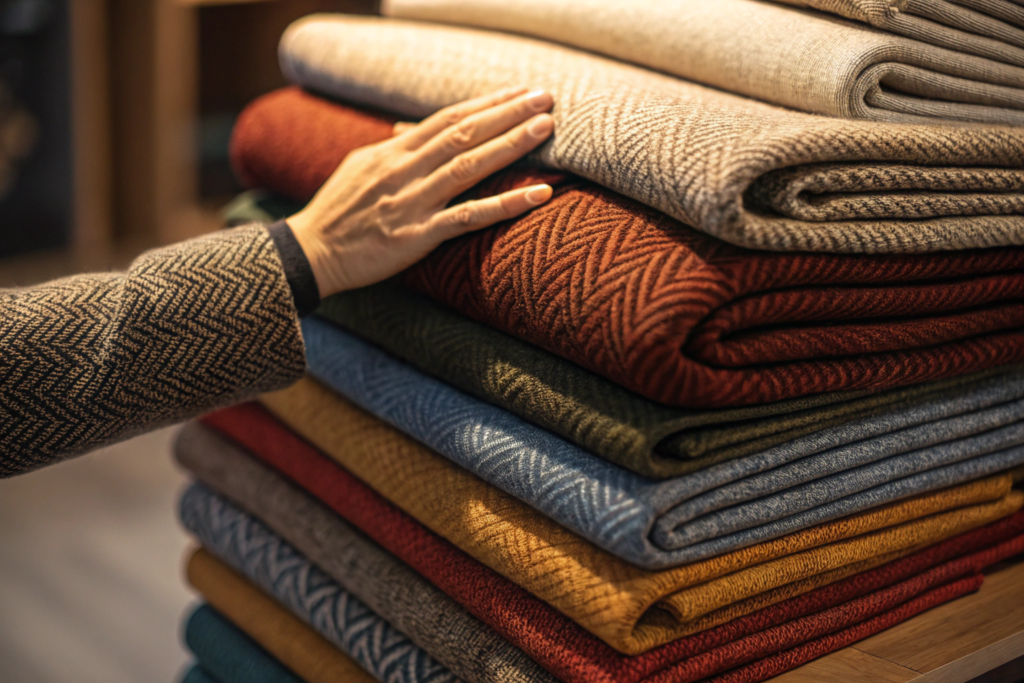
Merino wool is an exceptional fiber for durable scarves due to its unique natural properties. Unlike traditional wool, merino fibers are incredibly fine and flexible, which makes them soft against the skin and not itchy. Crucially, these fibers are also naturally elastic and strong, meaning they can bend and stretch without breaking, which helps the fabric resist tearing and maintain its shape. As organizations like The Woolmark Company explain, merino is also excellent at regulating temperature and wicking moisture, keeping you comfortable in a range of European weather conditions. When woven into a tight structure, its natural resilience makes for an incredibly long-lasting scarf.
Are Cashmere Blends durable enough?
While 100% cashmere is prized for its unparalleled softness, it can be delicate. This is where cashmere blends come in. By blending cashmere with a stronger fiber like merino wool or silk, you create a yarn that retains much of cashmere’s luxurious softness while significantly boosting its durability and resistance to pilling. This practice is common among luxury brands, as detailed in fashion resources like Vogue’s material guides. A scarf made from a cashmere-wool blend offers the best of both worlds: the cozy, high-end feel you love, with the strength needed to make it a practical choice for everyday wear, not just a special occasion accessory.
How to Care for Your Durable Scarf?
You’ve invested in a beautiful, durable scarf, and you want to keep it that way. But you’re afraid of washing it. What if you shrink it, ruin the texture, or cause the colors to fade? The fear of improper care can mean you either wear a scarf that isn’t fresh or, worse, you damage it in the laundry, completely undoing your careful purchase.
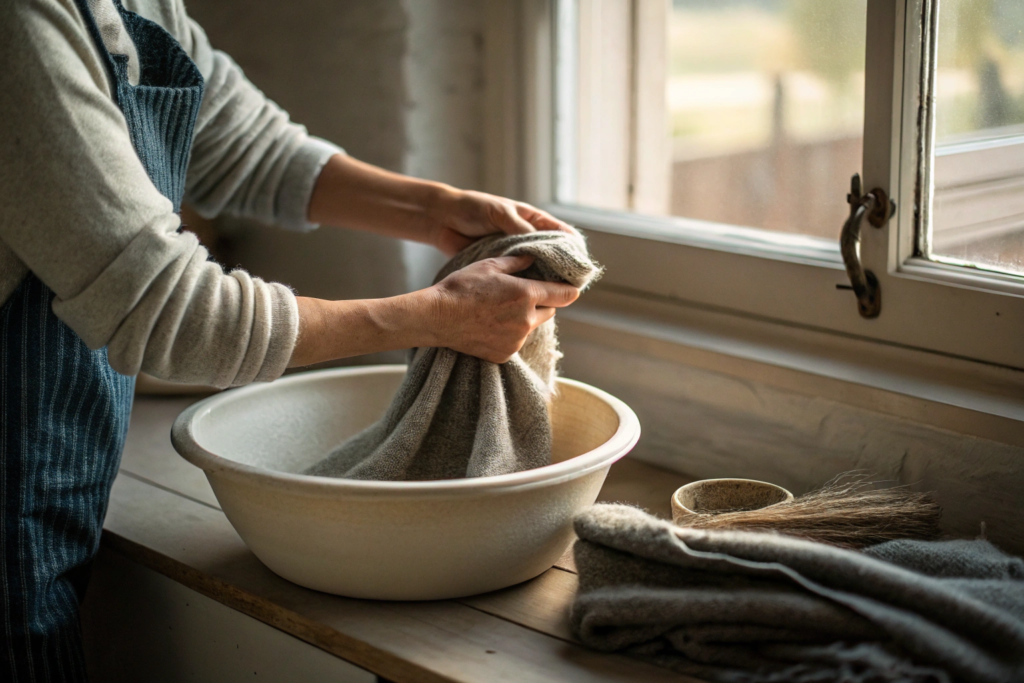
The key to maintaining your scarf’s durability and appearance is gentle care. For most high-quality wool or cashmere blend scarves, hand washing in cool water with a mild detergent is the safest method. Avoid harsh chemicals, high heat, and vigorous twisting or wringing, as these are the primary culprits that damage natural fibers and weaken the weave over time.
Proper care is the final step in ensuring longevity. After washing, gently squeeze out excess water, roll the scarf in a clean towel to absorb more moisture, and then lay it flat to air dry away from direct sunlight or heat. This prevents the weave from stretching and the fibers from being damaged. For storage, fold your scarf neatly rather than hanging it, which can cause it to lose its shape over time. By following these simple steps, you preserve the integrity of both the material and the weave, ensuring your durable scarf remains a favorite for many years.
What is the best way to wash a wool scarf?
The best way to wash a wool scarf is by hand. Fill a clean basin with cool or lukewarm water and add a small amount of a pH-neutral, gentle detergent, preferably one specifically designed for wool, like Woolite. Submerge the scarf and let it soak for about 10-15 minutes, gently swishing it around. Avoid any aggressive rubbing or scrubbing, which can cause felting. Drain the soapy water and rinse the scarf thoroughly with cool, clean water until all the detergent is gone. This gentle method, recommended by countless textile care experts, including those at The Laundress, cleans the scarf effectively without shocking the fibers or causing shrinkage.
How should I dry and store my scarf?
Never put a wool or cashmere scarf in the dryer, as the high heat will cause it to shrink and felt. The proper way to dry it is to first gently squeeze out the excess water—do not wring or twist it. Then, lay the scarf flat on a thick, clean towel. Roll the towel up with the scarf inside, pressing firmly to absorb more moisture. Finally, unroll it and lay the scarf flat on a dry towel or a mesh drying rack, reshaping it as needed. Keep it away from direct sunlight or radiators. For storage, folding is superior to hanging. As style experts at Real Simple advise, hanging can stretch the weave and fibers over time, especially with heavier scarves. Folding it and placing it in a drawer or on a shelf preserves its shape perfectly.
Conclusion
Choosing a scarf that can withstand the demands of daily life in Europe is about making an informed decision that goes beyond surface-level aesthetics. By prioritizing a durable weave—like a twill, herringbone, or tight plain weave—and pairing it with a resilient, high-quality material like merino wool or a cashmere blend, you are investing in a long-lasting accessory. This knowledge transforms you from a hopeful buyer into a savvy consumer, capable of identifying true quality and building a wardrobe of reliable, stylish staples.
At our company, we believe in creating products that offer this perfect marriage of durability and design. We understand that a great accessory is one you can count on day in and day out. If you are looking to develop your own line of high-quality, durable fashion accessories that your customers will love for years to come, we are here to be your manufacturing partner. Please feel free to reach out to our Business Director, Elaine, at her email: elaine@fumaoclothing.com to start the conversation.