You’re ready to take the most important step in your sourcing journey: visiting your potential suppliers in person. You’ve chosen Zhejiang province, the manufacturing powerhouse of China, as your destination. A factory tour can tell you more in a few hours than months of emails ever could. But how do you plan a trip that is efficient, insightful, and avoids common pitfalls? How do you turn a potentially stressful journey into a valuable business mission?
How can you organize a successful factory tour? A productive tour is built on a foundation of meticulous planning and clear communication. The four key steps are: 1) you must conduct thorough pre-visit vetting and strategic scheduling to maximize your time, 2) you need to communicate a clear agenda and your specific objectives to the factory beforehand, 3) during the visit, you must know exactly what to look for beyond the "show floor" to assess true capability, and 4) you must follow up effectively to solidify the relationship and define the next steps. As the owner of Shanghai Fumao Clothing, located right here in Zhejiang, I can tell you that a well-planned visit is the best way to show you are a serious, professional partner.
Is it just about booking a flight and a hotel? No. It’s about executing a strategic plan. Let’s walk through the four stages of a successful factory tour.
How Should You Plan Your Itinerary and Schedule?
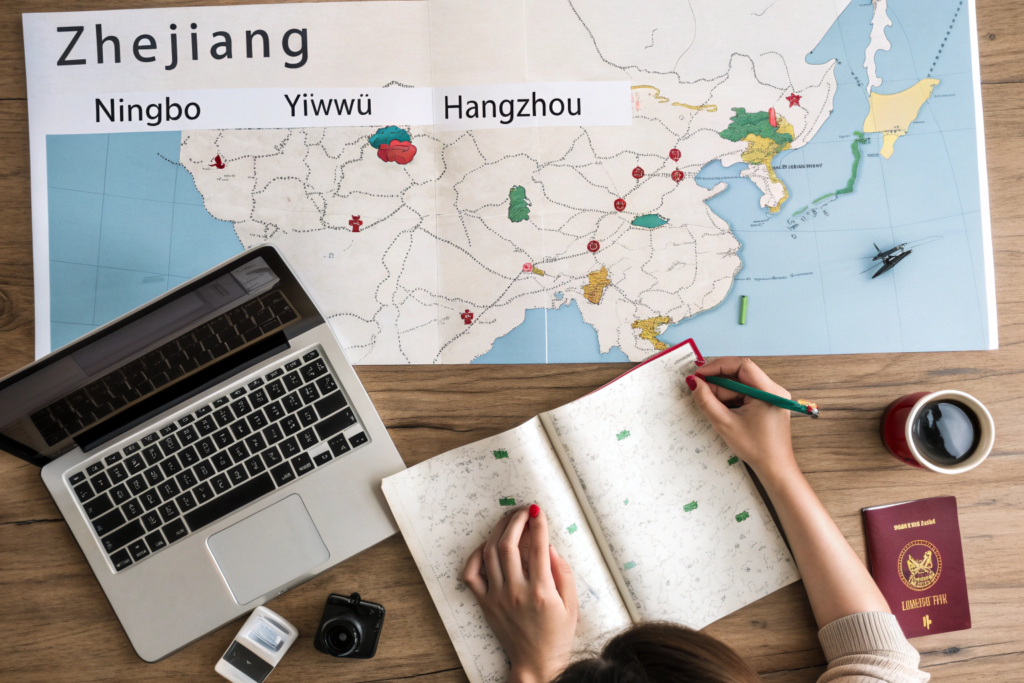
What is the biggest mistake first-time visitors make? They try to do too much. Zhejiang is a large province, and its manufacturing hubs (like Ningbo, Wenzhou, Yiwu, and Hangzhou) can be hours apart. A poorly planned itinerary will result in you spending more time in traffic than in factories. Efficiency is key.
Before you even book your flight, you must narrow down your list of potential factories to a "shortlist" of 3-5 serious contenders. Then, group them geographically. Dedicate one day to factories in the Ningbo area, and another day to those in the Yiwu area, for example. Do not try to visit a factory in Wenzhou in the morning and one in Hangzhou in the afternoon; it’s physically impossible. A good rule of thumb is to schedule a maximum of two, or at most three, factory visits per day.
How Do You Handle Logistics and Transportation?
Should you rent a car? Absolutely not. Driving in China is not recommended for first-time visitors due to different traffic laws and road conditions. The best options are:
- High-Speed Rail: China’s high-speed train network is fast, clean, and efficient for traveling between major cities like Hangzhou, Ningbo, and Yiwu. It’s the best way to cover long distances.
- Hire a Car and Driver: For traveling between factories within a single city or region for the day, hiring a car and driver is essential. Your factory host may offer to arrange this, or you can book a service through your hotel. This is far more efficient than trying to use ride-sharing apps like DiDi if you don’t speak Chinese.
When is the Best Time of Year to Visit?
Are there any times you should avoid? Yes. You must avoid scheduling your trip during major Chinese public holidays, as the entire country shuts down. The two most important ones to avoid are:
- Chinese New Year (Spring Festival): This usually falls in late January or February. Factories can be closed for three weeks or even a month.
- National Day (Golden Week): This is the first week of October. Most businesses are closed for at least a week.
It’s also wise to check for smaller holidays like the Dragon Boat Festival or Mid-Autumn Festival. The best time to visit is typically during the spring (March-May) or autumn (September-November) when the weather is pleasant.
How Can You Set a Clear Agenda for the Visit?
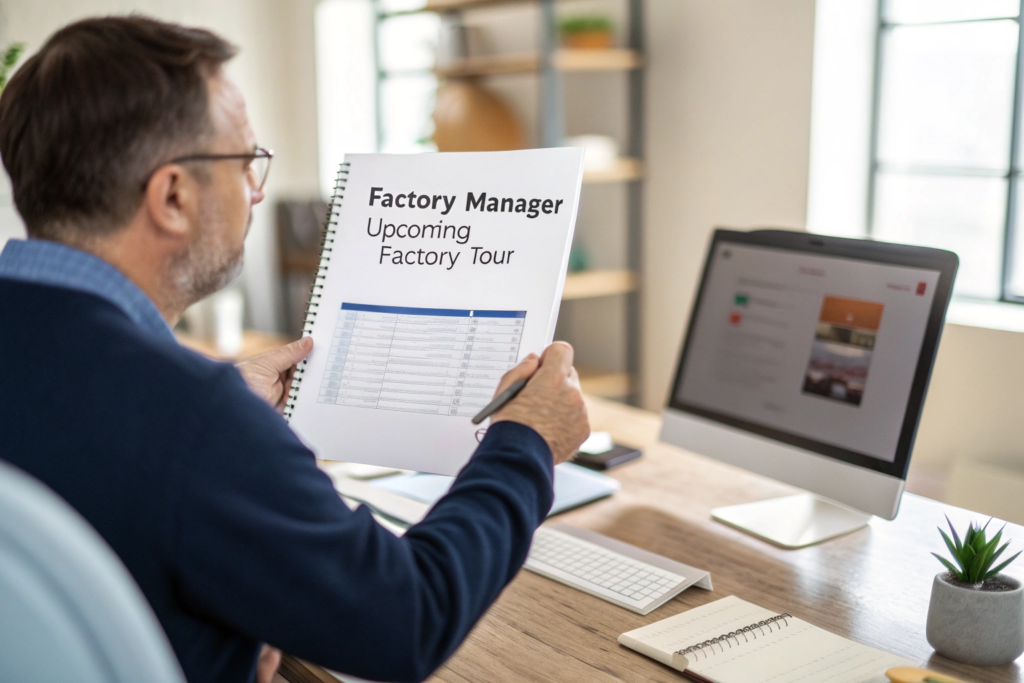
What is the purpose of your visit? Is it just to "look around"? A professional buyer has clear objectives. Before you arrive, you should send a formal email to your contact at the factory outlining your desired agenda. This shows respect for their time and allows them to prepare the right people and information for your visit.
A good agenda should include specific requests, such as:
- A brief meeting with the management team.
- A tour of the entire production process, from raw material storage to the packing station.
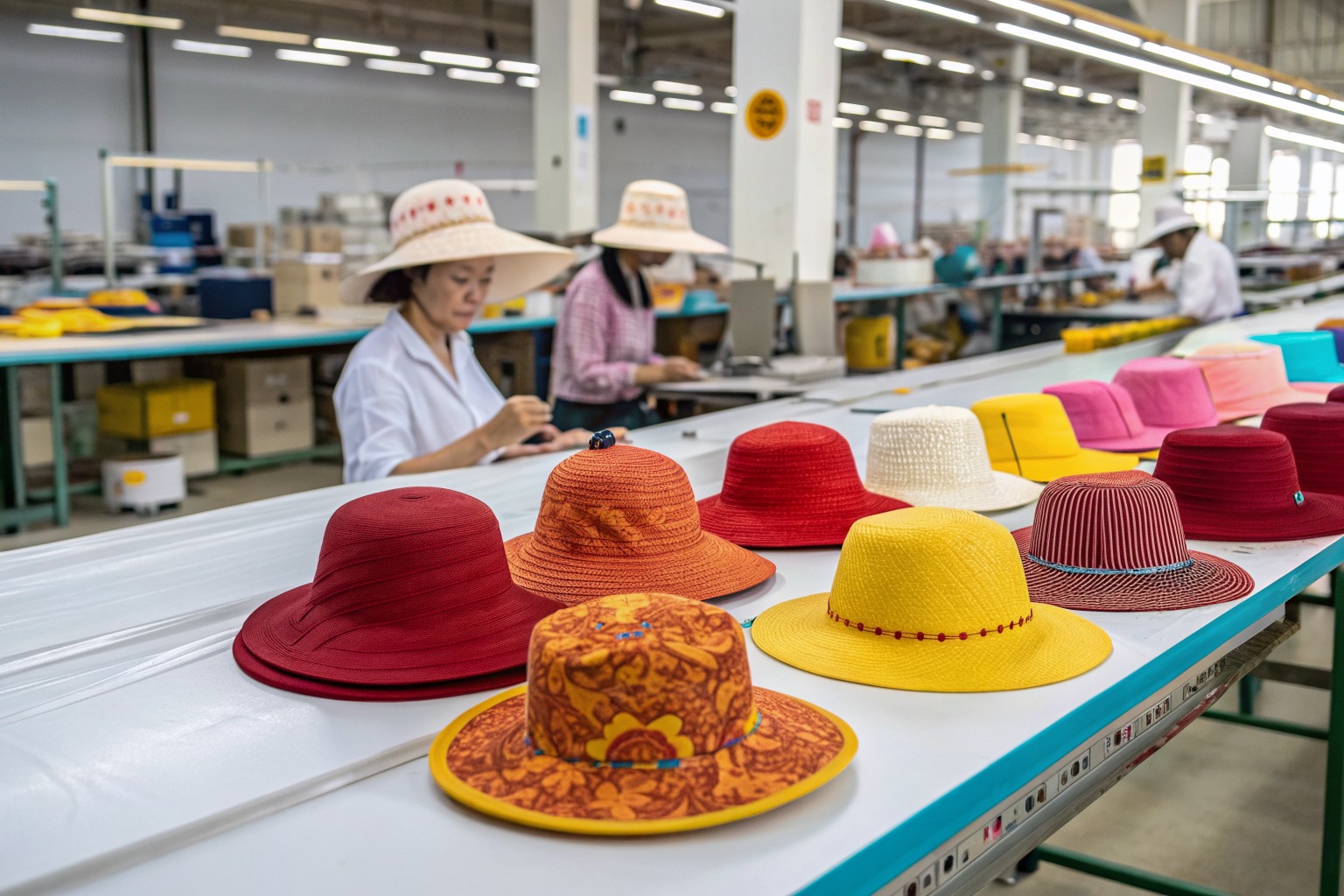
- A chance to see the specific machinery used for your type of product (e.g., the embroidery machines for caps).
- A meeting with the quality control manager.
- A review of their factory audit reports (like BSCI) and product test reports.
- A dedicated session to review your product samples and discuss technical details.
Why is Sending Your Agenda in Advance So Important?
Doesn’t this help them prepare? Yes. When I receive a clear agenda, I know you are a serious professional. It allows me to ensure the right people are available. For example, if you want to discuss technical fabric details, I will make sure my lead fabric sourcing specialist is present. If you want to review QC reports, I will have my QC manager ready to walk you through them. Without an agenda, your visit might be a simple tour with a salesperson, and you could miss the opportunity to speak with the key technical experts.
Should You Bring Anything With You?
What should you have in your bag?
- Business Cards: Bring plenty. It is customary to exchange them.
- Physical Samples: Bring your "golden samples" or samples from competitors to use as a benchmark for quality discussions.
- A Notebook and Camera: Take detailed notes and photos (always ask for permission before taking photos of machinery or other clients’ products).
- A Small Gift: While not required, a small, thoughtful gift from your home country is a very nice gesture of goodwill and is always appreciated.
What Should You Be Looking for During the Tour Itself?
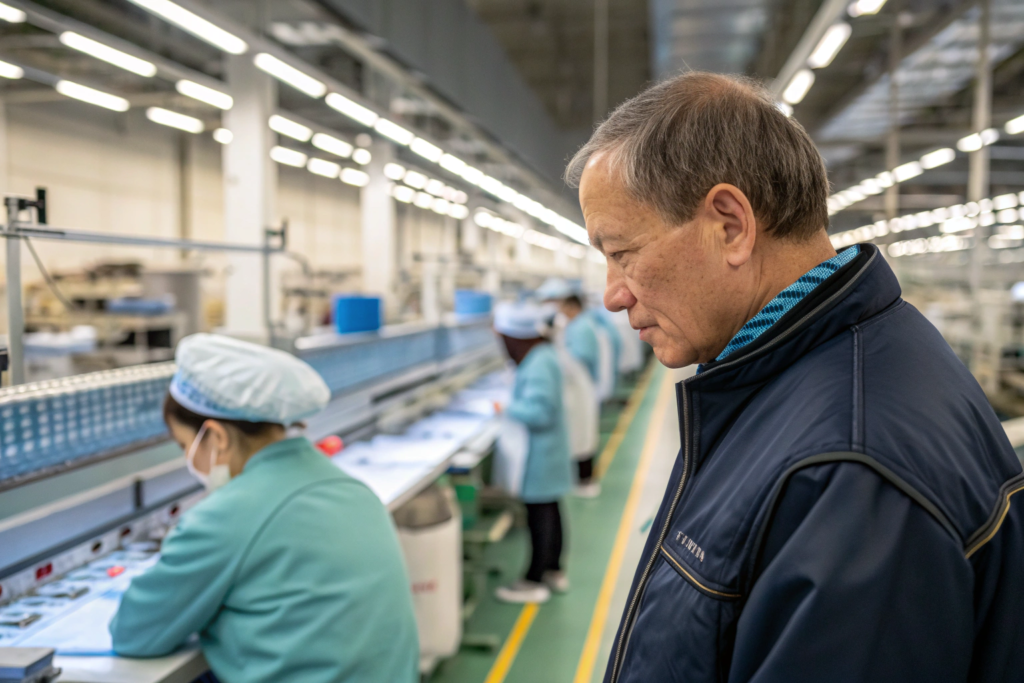
You’ve arrived at the factory. The conference room has tea and snacks, and everyone is very friendly. Now, the real work begins. You need to look past the "show" and observe the reality of the operation. Your goal is to assess the factory’s true capabilities, organization, and commitment to quality.
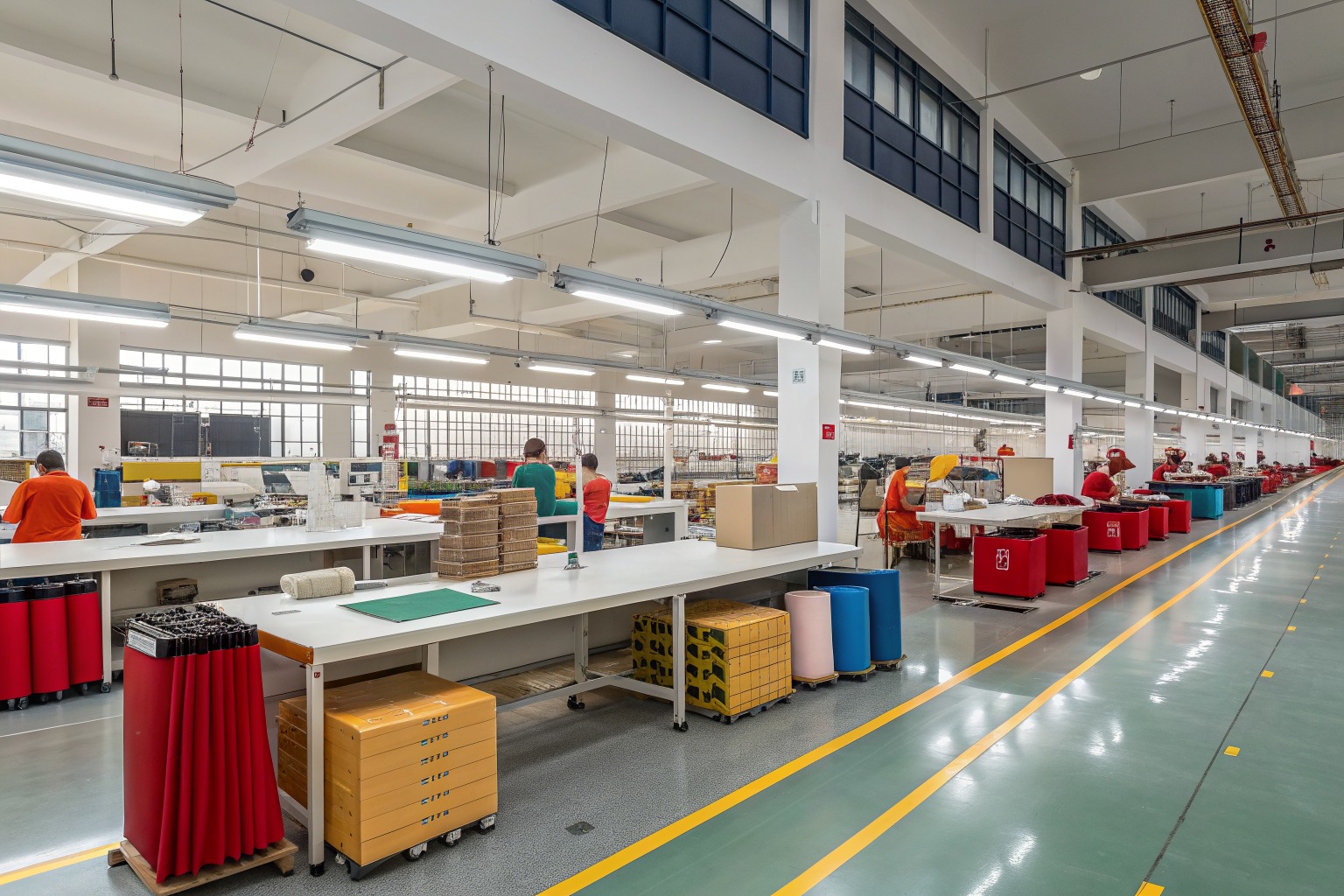
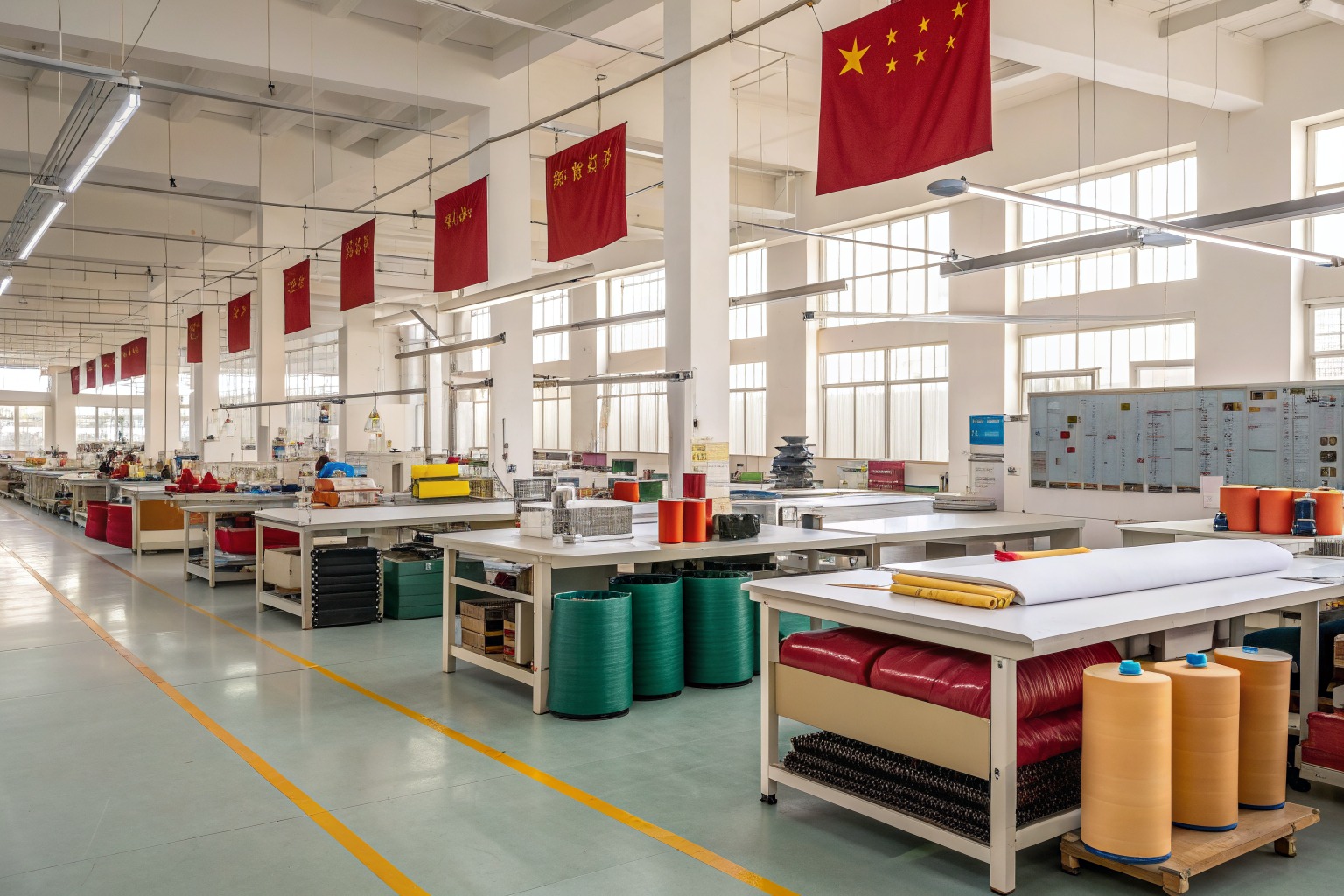
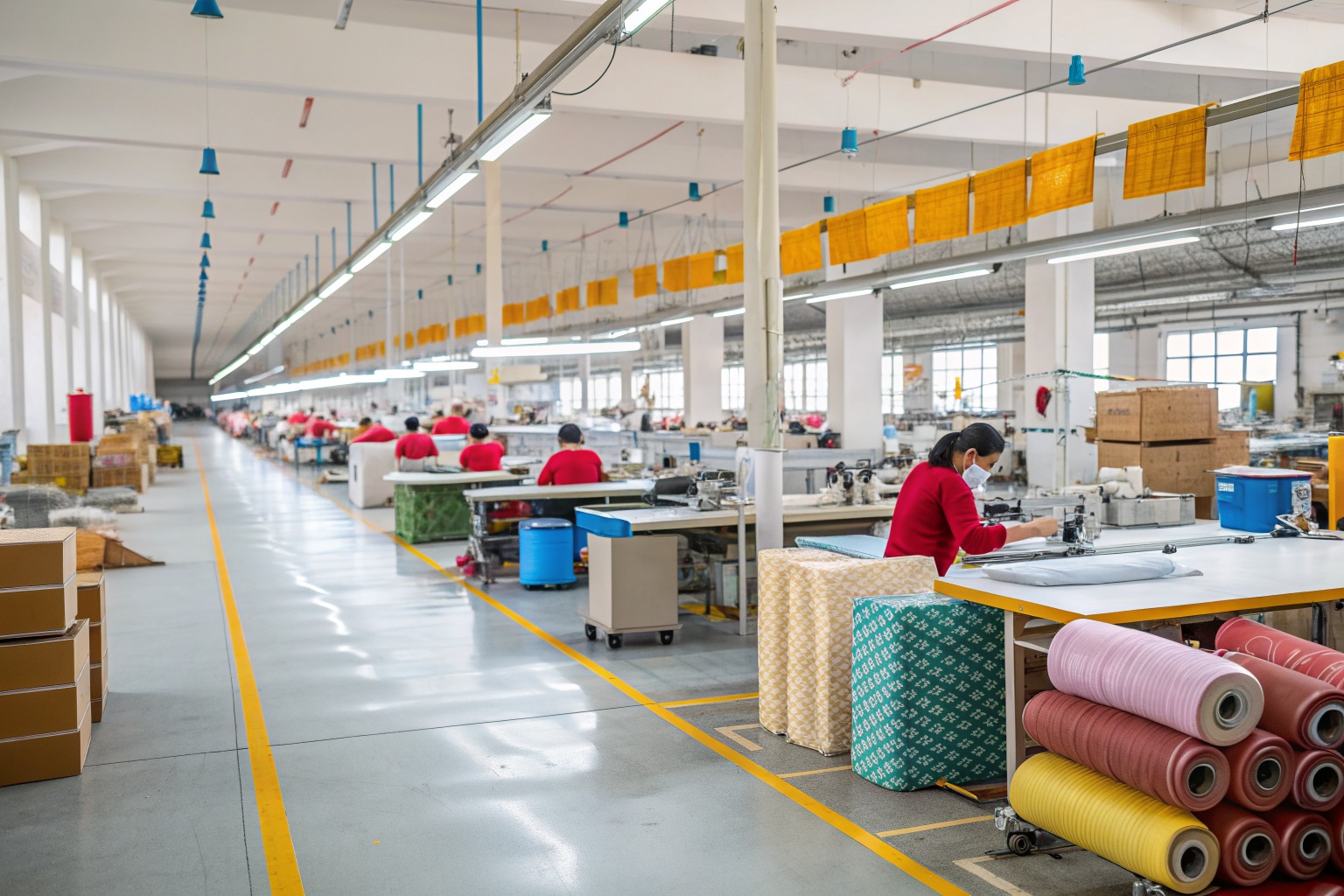
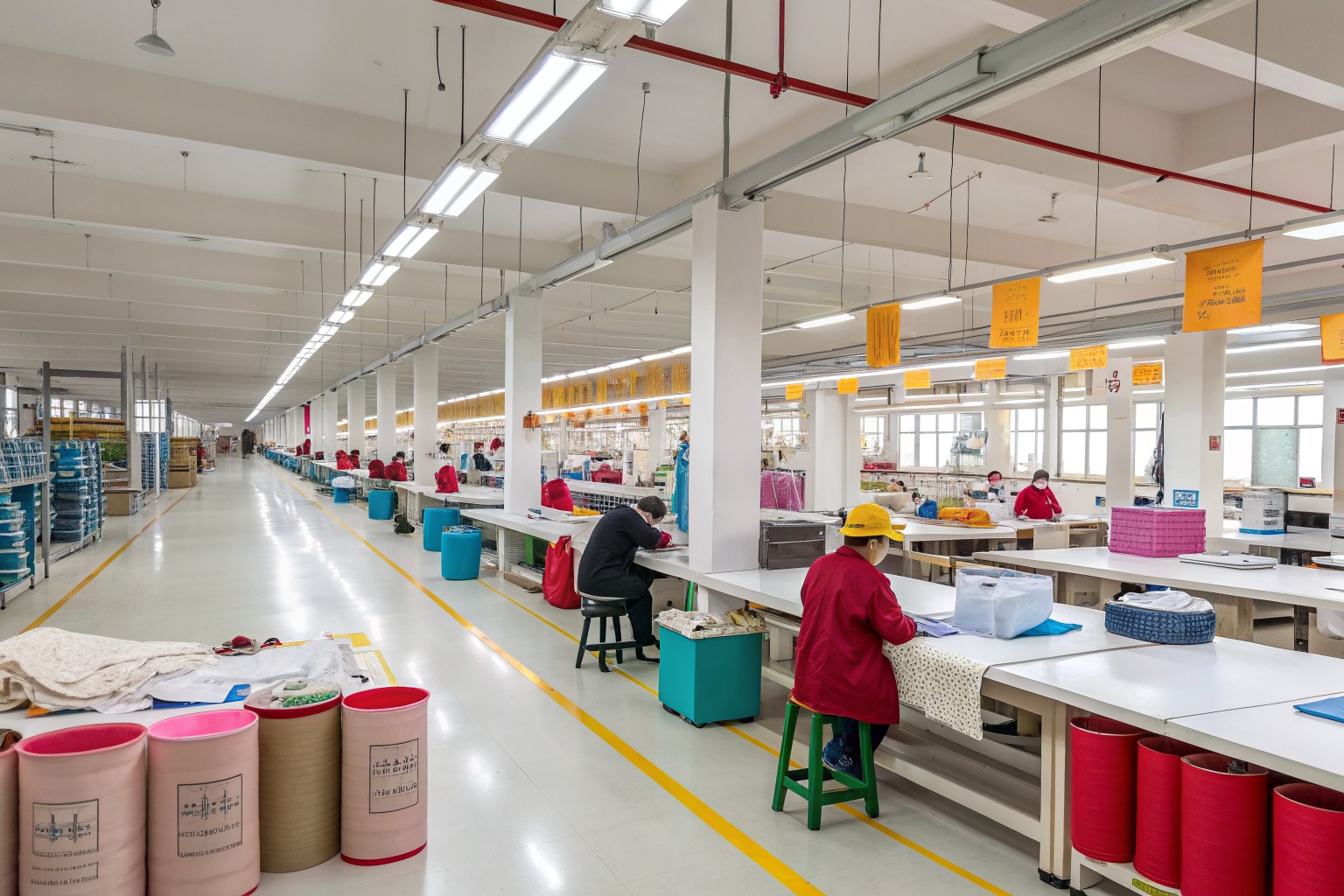
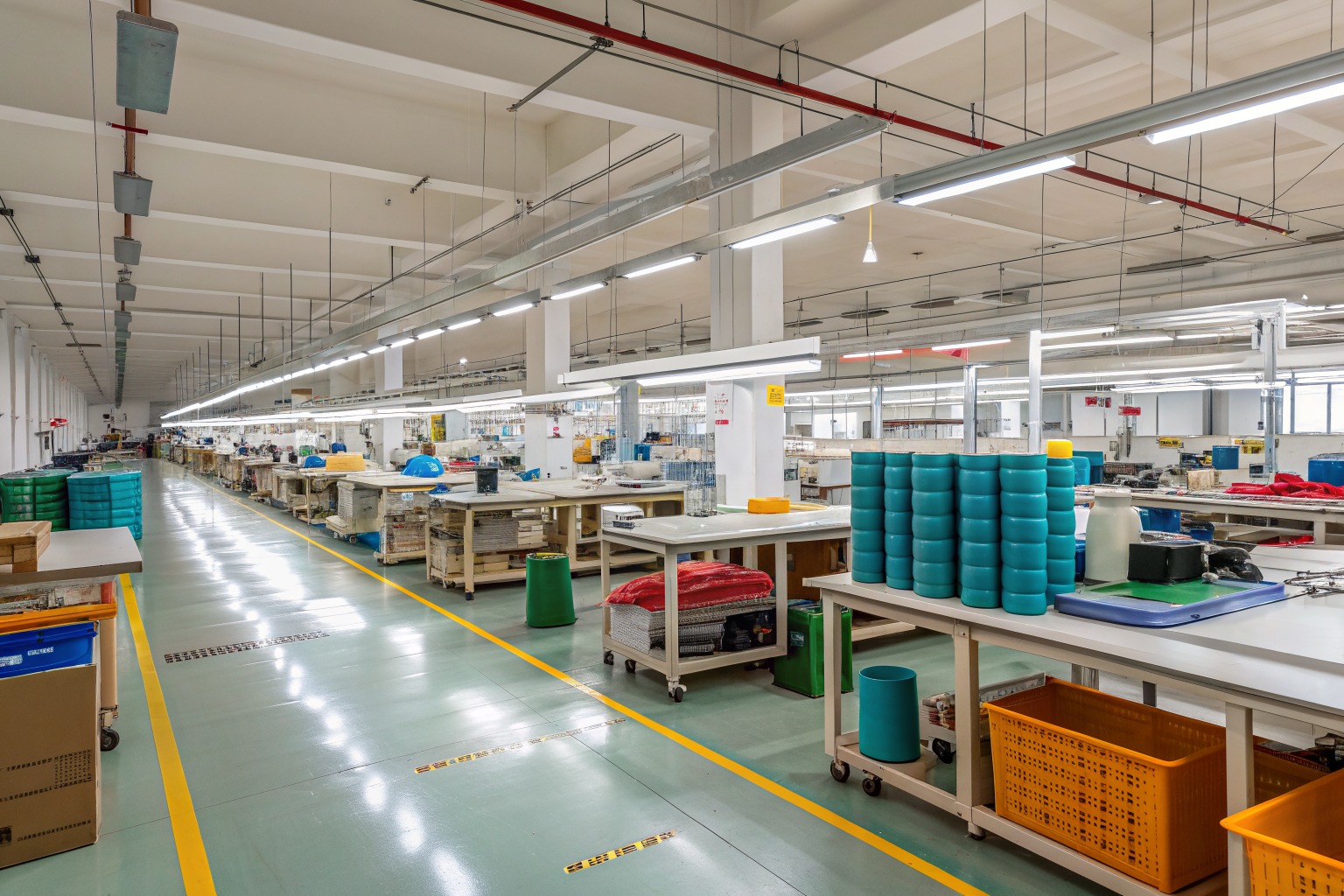
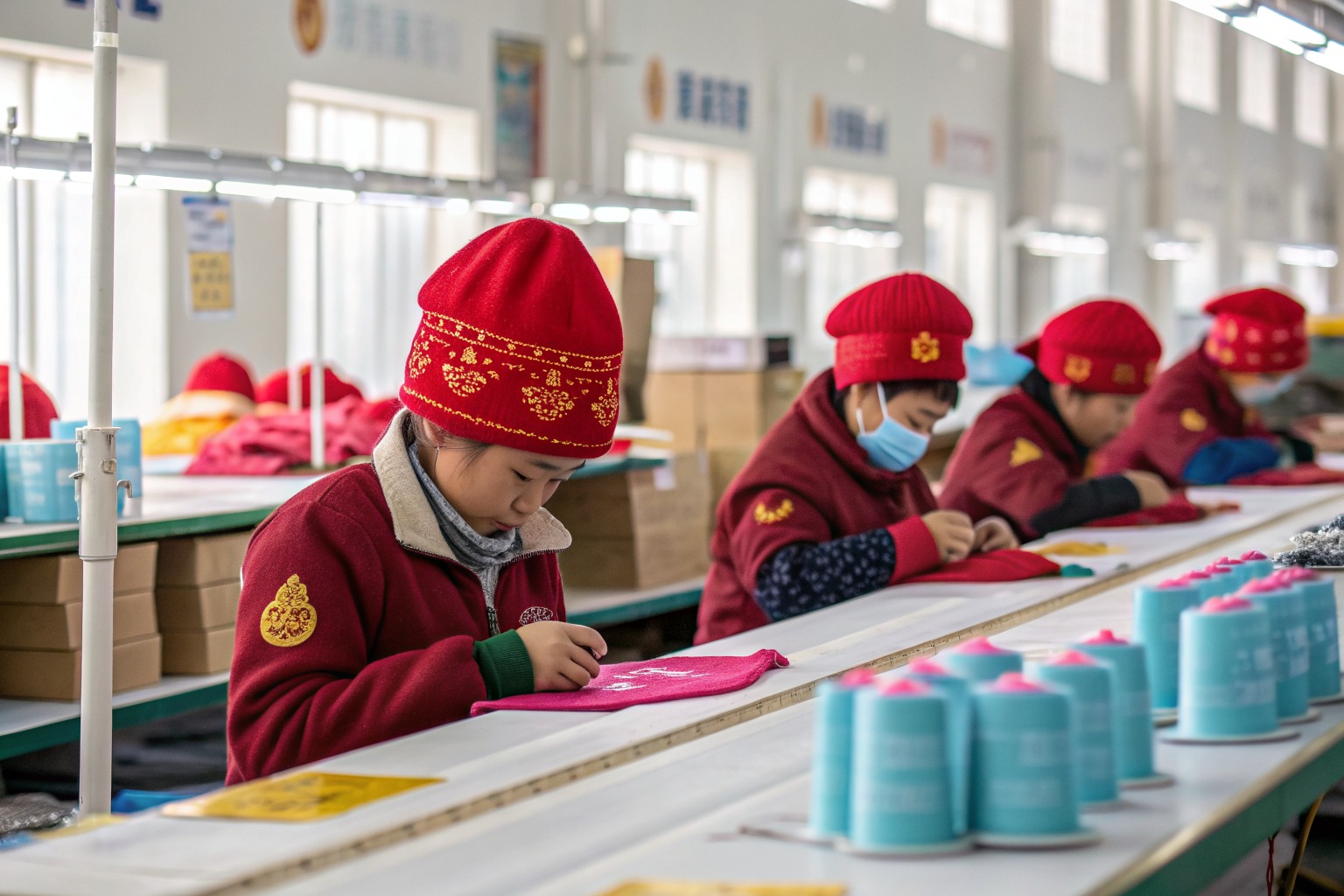
Pay attention to the entire workflow. Does the factory feel organized and clean, or is it chaotic and messy? A clean, well-lit, and organized workspace is often a strong indicator of a well-managed company with a disciplined approach to quality. Look at the workers. Do they seem to have the proper tools and safety equipment? Do they look engaged and skilled, or stressed and rushed?
What Are the Key Areas to Inspect?
Where should you focus your attention?
- Raw Material Storage: Is it clean, dry, and organized? Are materials properly labeled? This is the very first step of quality control.
- The Production Line: Follow the path of a product from start to finish. Are there quality checkpoints along the way, or only at the very end? Look for in-process QC inspectors.
- Machinery and Equipment: Does the equipment look modern and well-maintained, or old and rusty? Ask about their maintenance schedule.
- The "Boneyard": Ask to see where they put defective or rejected products. A large pile of rejects could be a red flag. A small, well-documented pile shows that their QC system is working.
- Employee Facilities: Look at the break rooms and restrooms. A factory that takes good care of its employees is often a more stable and ethical partner.
What Questions Should You Ask?
How can you dig deeper?
- "What is your biggest production challenge with a product like mine?" (Tests their honesty and expertise).
- "Can you show me where you keep your quality control records?" (Tests their documentation process).
- "How do you train new workers?" (Tests their commitment to skill development).
- "What part of your process are you most proud of?" (Can reveal their core values).
How Should You Follow Up After the Visit?
The tour is over, and you’re back at your hotel. Is your work done? No. The follow-up is just as important as the visit itself. Within 24-48 hours, you should send a formal thank-you email to the factory manager and the main contacts who hosted you.
In this email, you should:
- Thank them for their time and hospitality.
- Briefly summarize what impressed you about their operation. This shows you were paying attention and reinforces your positive impression.
- Clearly outline the next steps. For example: "Based on our productive meeting, we would like to proceed with placing a trial order. Please expect the official Purchase Order for 500 units of style XYZ by the end of this week."
- Recap any key discussion points or unresolved questions to ensure everyone is on the same page.

Why is a Prompt Follow-Up So Crucial?
Doesn’t this solidify your position as a top priority? Yes. Chinese business culture values efficiency and clear relationships. A prompt, professional follow-up email shows that you are organized, decisive, and serious about moving forward. The factory managers are meeting with many potential clients. By following up quickly and clearly, you ensure that your project stays at the top of their mind and their priority list.
What if You Decide Not to Work With Them?
Should you just ghost them? Absolutely not. If you decide a factory is not the right fit, it is still professional and courteous to send a polite email thanking them for their time and explaining that you have decided to go in a different direction. You never know when you might need to reconnect in the future. Burning bridges is always a bad business practice.
Conclusion
So, how do you organize a successful factory tour in Zhejiang? Is it a simple meet-and-greet? No. It is a strategic business mission that requires careful planning, clear communication, sharp observation, and professional follow-through.
It’s about doing your homework with strategic scheduling. It’s about showing respect and professionalism by setting a clear agenda. It’s about being a keen observer, looking for the real story on the factory floor. And it’s about cementing the relationship and driving action with a prompt and decisive follow-up.
A factory tour is your single best opportunity to verify that a potential supplier has the capability, quality, and professionalism to be your long-term partner. By following these steps, you can transform your trip to Zhejiang from a simple visit into the cornerstone of your brand’s success.
My team and I are always proud to welcome serious, professional partners to our factory. If you are planning a trip to Zhejiang, we would be honored to show you our operation. Please contact our Business Director, Elaine, at her email: elaine@fumaoclothing.com.